
REVIEW · MILAN FOOD TOURS
Milan: Guided Street Food Walking Tour with Food Tasting
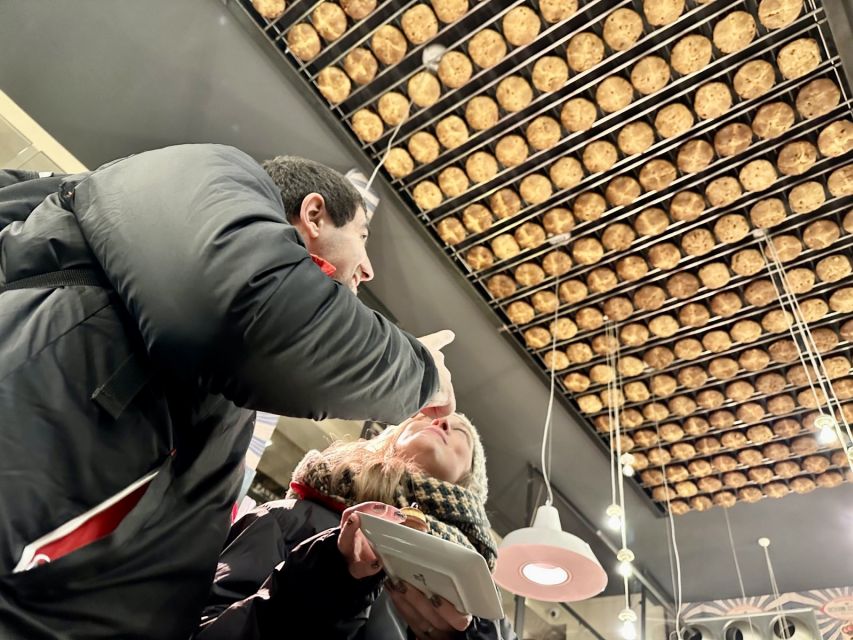
Come hungry, leave pleasantly stuffed. This 2.5-hour walk pairs Milanese food tastings with old-city sights, so you get more than a succession of snacks. I like the mix of small eateries, market stops, and stories about local recipes, especially the balsamic tasting and riso al salto. The main caution is dietary: this tour does not suit vegans or people avoiding gluten or dairy.
The route also gives you a useful first look at Milan. You pass the Duomo, Piazza Mercanti, Piazza Affari, the L.O.VE. statue, and remnants of the Ancient Roman Circus while guides such as Francesca, Luca, Anna, Chris, and Maria Christina explain what you are seeing. You should expect a fair amount of walking, no included drinks, and a meeting point in front of San Maurizio that can be less obvious than a major square.
The quick take
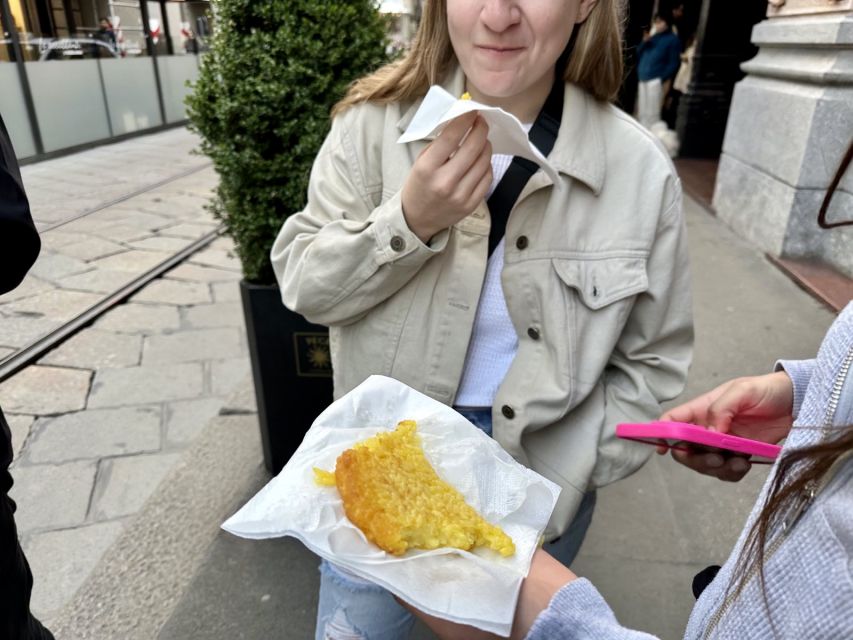
- Riso al salto brings Milan to the plate: This crisped version of risotto Milanese is one of the most local tastings, and it gives you a clear taste of Milan’s rice-based cooking.
- Balsamic vinegar gets serious attention: The tasting is more than a quick drizzle. It can include an explanation of the product, and several guides make this one of the tour’s most memorable stops.
- You see central Milan between bites: The walk links food with Piazza Affari, Piazza Mercanti, the Duomo area, the L.O.VE. statue, and Roman remains.
- Expect several generous tastings: Four or five food stops may include cured meats, cheeses, arancini, fried specialties, pastries, olive oil, and regional products.
- Guides shape the experience: Francesca is praised for keeping the group on time, while Luca, Anna, Chris, and Maria Christina are noted for warmth, humor, and strong local knowledge.
- Plan around dietary limits: Vegetarian requests must be given ahead of time. Gluten-free, dairy-free, and vegan diets cannot be accommodated.
Starting at San Maurizio and entering old Milan
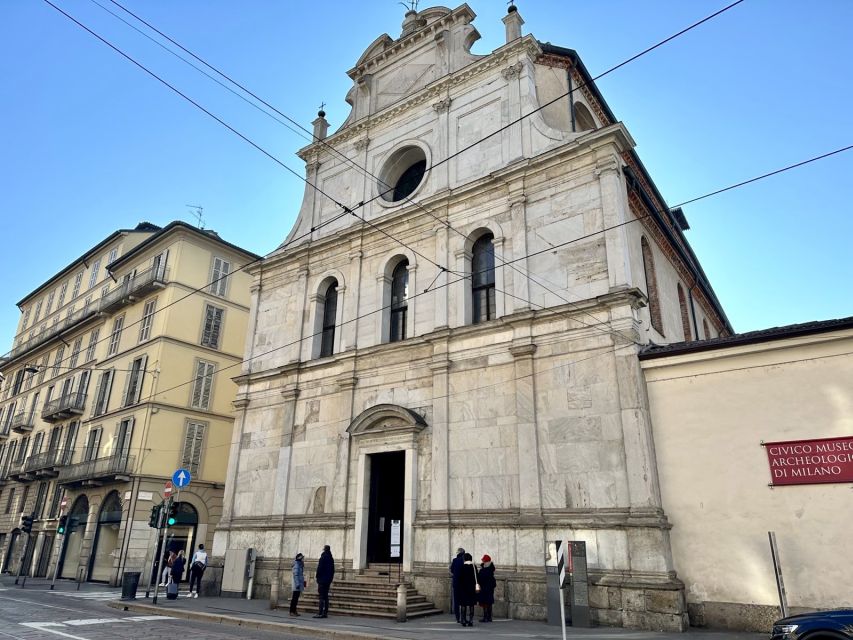
The meeting point is in front of the Church of San Maurizio. That is a good place to begin because you are already near some of central Milan’s most important sights, but it is not as instantly recognizable as the Duomo.
Give yourself extra time to find the church. One useful criticism of the tour is that the meeting point could be easier to identify. If you arrive by taxi or public transport, check the church name carefully rather than simply aiming for central Milan.
The English-speaking guide gathers the group and sets the tone with a short introduction to Milanese food and city history. The guide roster changes, but the names appearing repeatedly in recent feedback include Francesca, Luca, Anna, Chris, and Maria Christina. The best guides do not separate food and history into two lectures. They explain how a dish, shop, square, or old building fits into Milan’s wider story.
That approach makes the walk useful on your first day. You get a sense of the center, hear ideas for later meals, and learn which foods are worth seeking out after the tour.
More Food Walking Tours in Italy
- Naples: Street Food Walking Tour with Local Guide
★ 4.9 · 4,976 reviews - Rome: Guided Food Walking Tour with Wine in Trastevere
★ 4.9 · 3,105 reviews - Rome: Trastevere & Campo de Fiori Street Food Walking Tour
★ 4.9 · 2,768 reviews
First tastings: cured meats, cheese, and regional flavors
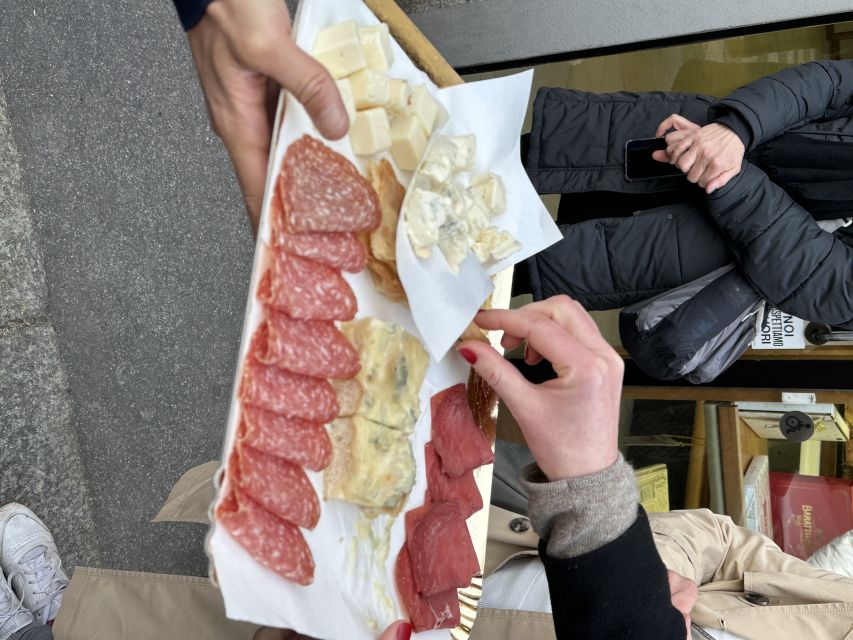
One early food stop may focus on charcuterie and cheese. This is a practical introduction to northern Italian eating, where quality ingredients and careful preparation matter more than elaborate presentation.
You might taste several cheeses, including gorgonzola, along with cured meats and other small products. The selection can vary, but the purpose is clear: your guide helps you understand what is local to Lombardy and what comes from another part of Italy.
This is also where the tour begins to show its value. You could walk into a shop and order something familiar, but you might not know how to compare the cheeses, what to pair with them, or why one product belongs to Milan while another comes from elsewhere. A guide provides that context without turning the stop into a formal cooking lesson.
The portion sizes add up quickly. Several people describe the food as filling enough to replace lunch or dinner, especially on afternoon departures. I would not treat the tastings as light samples. Eat a modest breakfast or lunch before you arrive, depending on the start time.
Riso al salto and the taste of Milanese cooking
A food tour in Milan should explain more than pizza and pasta. One of the more useful tastings is riso al salto, also called risotto Milanese salto. It is made by crisping leftover risotto in a pan, creating a golden outside while keeping the rice soft inside.
The dish connects directly to Milanese cooking. Risotto Milanese is associated with the city, and the crisped version shows how a simple technique can transform a familiar dish. For you, it is a chance to try something that may not appear on a standard fast-food menu.
The guides explain typical recipes and the traditions behind them. That is important because the food can otherwise seem like a random collection of bites. Here, the route links the dishes to regional cooking, local habits, and stories about Milan.
Some tastings may be arranged at small eateries or food shops rather than one single restaurant. That keeps the walk moving and lets you see how different parts of the local food scene work. It also means the experience is not built around a long seated meal. You stop, taste, listen, and continue.
Balsamic vinegar, olive oil, and the lessons behind the food
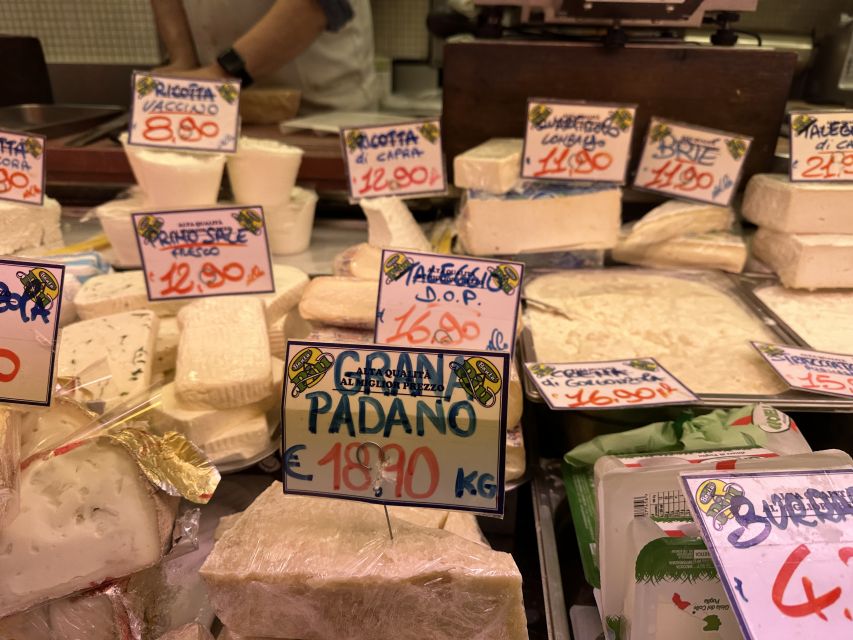
The balsamic tasting receives unusually warm praise. At one stop, you may get a more detailed explanation of balsamic vinegar, including how the product is made and why quality matters. The tasting may involve balsamic from Modena, which comes from outside Milan but is an important Italian specialty.
This is a good example of what makes the tour more useful than a simple food crawl. Vinegar can seem like a minor ingredient until you compare different versions side by side. The guide or shop host can show how the taste changes and how Italians use it with food.
Some departures also include an olive oil tasting. One participant particularly liked this stop, and it offers another chance to compare everyday pantry products with more carefully produced versions. These tastings are especially worthwhile if you enjoy food shopping, because they can help you make better choices in Italian markets and specialty shops later in your trip.
The exact order and selection can change. Past stops have included meat and cheese, balsamic vinegar, olive oil, arancini, fried specialties, pastries, and risotto. You should think of the tour as a broad tasting route, not a fixed menu printed in stone.
More Street Food Tours in Italy
- Rome: Street Food Tour with Local Guide
★ 4.8 · 4,077 reviews - Florence: Cinque Terre Park Day Trip with Optional Street Food
★ 4.5 · 3,593 reviews - Florence: Day Trip to Cinque Terre with Optional Street Food
★ 4.5 · 2,854 reviews - Venice: Street Food Tour with a Local Guide and Tastings
★ 4.8 · 2,613 reviews
Arancini, fried specialties, and a Milanese pastry finish
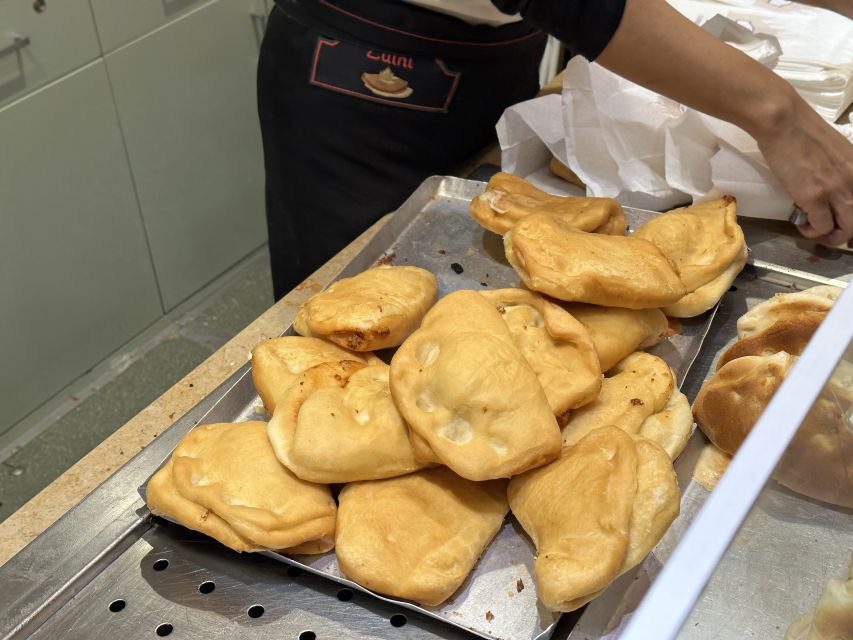
The savory stops may include arancini, fried food from southern Italy, or a fried specialty associated with central Milan. This north-to-south approach gives the tour a wider Italian focus than the name Milan street food might suggest.
That is not a flaw, but it is worth understanding before booking. You will taste Milanese items such as riso al salto, yet you may also sample foods from other Italian regions. The benefit is variety. You get a quick lesson in how Italy’s food traditions differ from one region to another.
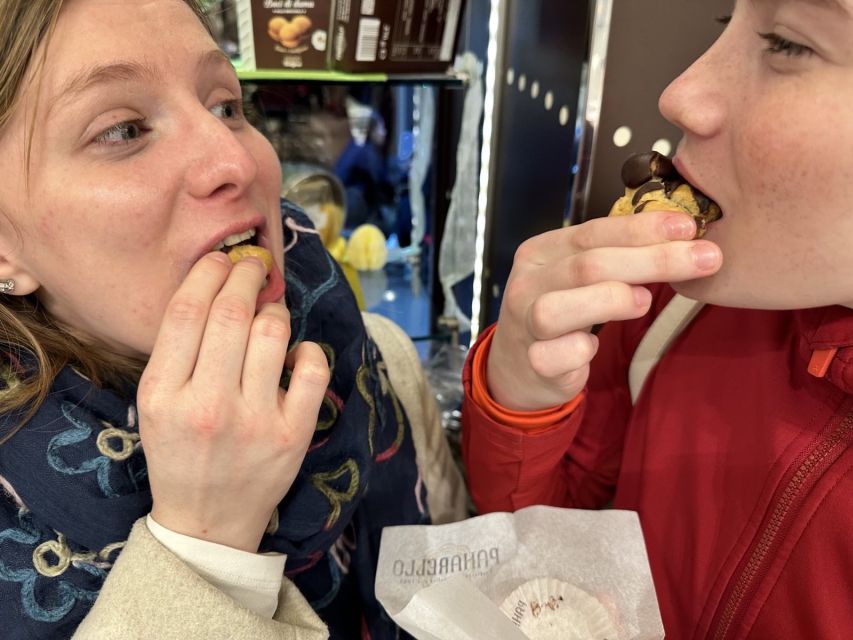
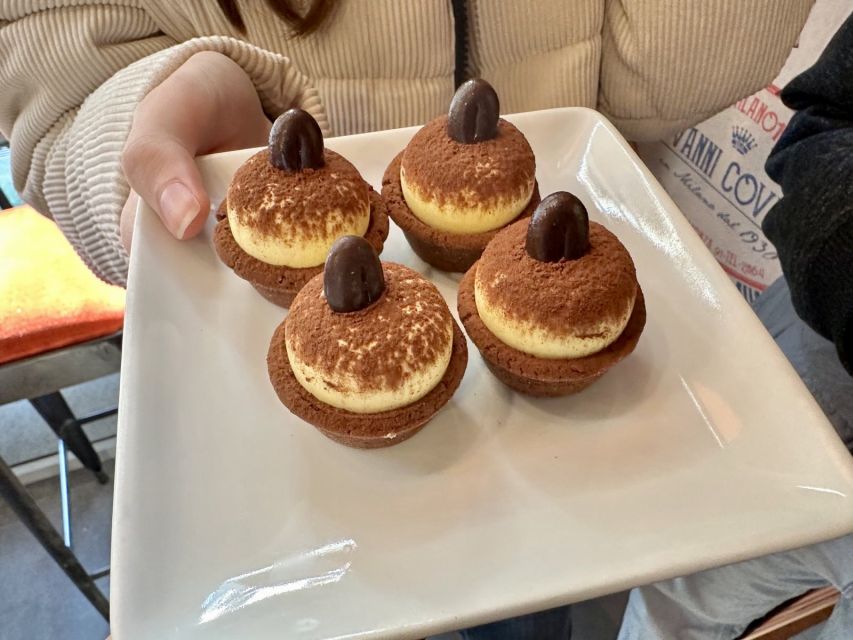
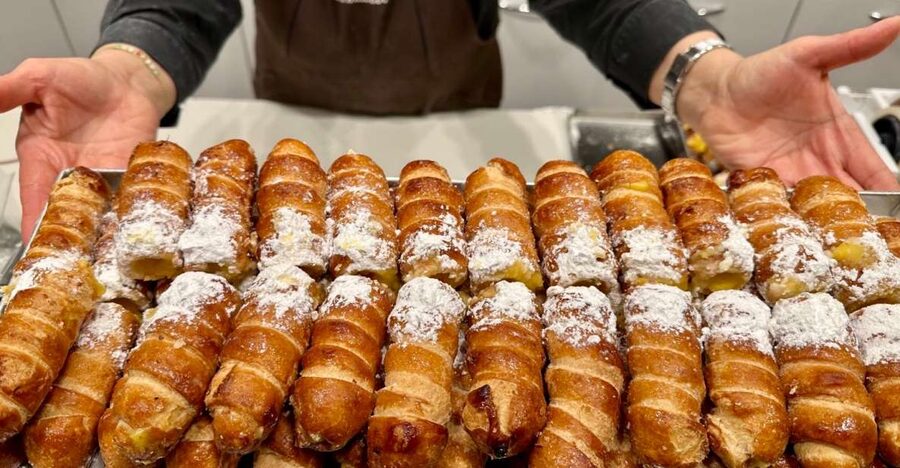
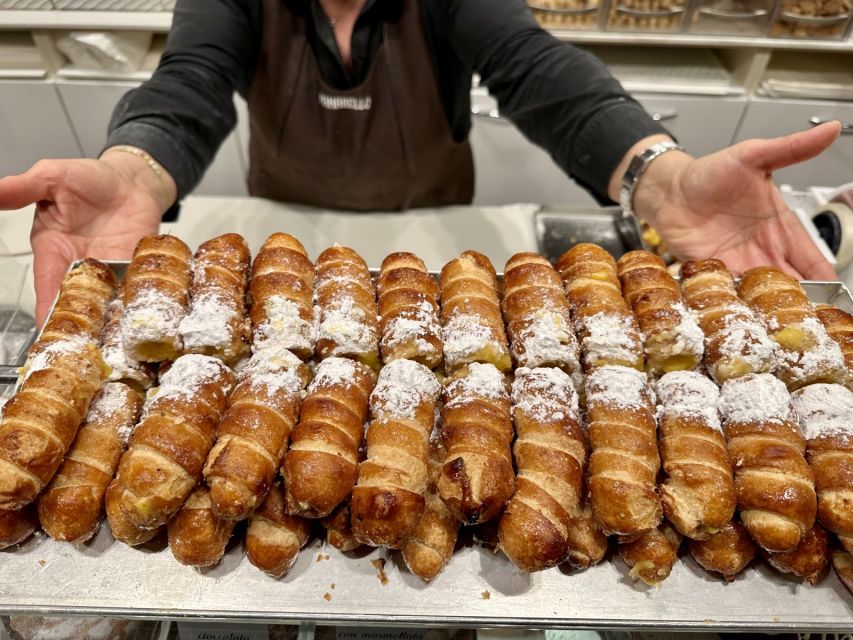
A pastry stop often finishes the food portion with cannoncini. These crisp pastry tubes filled with cream are a pleasant change after savory foods, and they provide a clear ending to the route. By this point, you may be ready to slow down rather than order another meal.
The tour can be surprisingly substantial. Several people finish full enough to skip the next meal, and that matters when you compare the $58 price with the cost of buying several separate tastings in central Milan. You are paying for food, guiding, local introductions, and two and a half hours of walking commentary.
Drinks are not included, so budget separately if you want coffee, water, wine, or another beverage during the route. The food is the main expense covered by the tour.
Piazza Affari, The Finger, and Milan’s unusual public art
Between tastings, the guide takes you through some of Milan’s central sights. Piazza Affari is home to the large L.O.VE. sculpture, commonly known as The Finger. It is an unusual and provocative piece of public art, and the guide can explain its place in modern Milan.
This stop gives the tour a welcome change of pace. You are not looking only at churches and grand facades. Milan is also a city of finance, fashion, modern design, and public art, and Piazza Affari shows that less traditional side.
The route also includes Piazza Mercanti, once an important civic and commercial area near the Duomo. It is easy to hurry through the center with your eyes fixed on the cathedral, so having someone point out the older urban spaces helps you see more than the headline attraction.
You may also pass the remains or location associated with the Ancient Roman Circus. These pieces of Milan’s earlier history are not always obvious while walking through the modern city. The guide’s commentary gives them a place in the larger story.
Reaching Piazza del Duomo between food stops
The Duomo area is the natural visual high point of the walk. Even if you have already visited the cathedral, approaching it as part of a food route changes the experience. The guide can place the square in the context of Milan’s history, people, buildings, and traditions.
Do not expect this to be a full Duomo tour. The focus is food and city orientation, not cathedral interiors or rooftop access. Still, seeing Piazza del Duomo during the route gives you an efficient introduction to Milan’s central core.
The walking pace is generally described as comfortable and well organized. Francesca is praised for keeping the group moving and on schedule, while other guides are noted for making sure everyone stays together. That matters because city-center sidewalks and crossings can slow a group down.
Wear comfortable shoes. The distance is manageable for most people who can walk for two and a half hours, but there are several stops and you will be on your feet for most of the experience. Rain does not cancel the tour, so bring suitable clothing and accept that the experience takes place in all weather.
How much food do you actually get?
The honest answer is: usually plenty. Depending on the departure and food partners, you may visit four or five tasting points. The combination of savory items, cheese, cured meat, fried food, risotto, vinegar, and pastry can amount to a full meal.
This makes the tour a good choice for lunch or an early evening start. If you book the 4:30 departure, you may find that you do not need dinner afterward. If you want to eat at a special Milanese restaurant that evening, choose a lighter breakfast and lunch.
The tastings are not only about quantity. Variety is the real benefit. You can move from gorgonzola to riso al salto, from balsamic vinegar to arancini, and then finish with cannoncini. That range lets you test foods you might otherwise pass by.
The drawback is that a food tour with many stops can feel rushed if you want a long conversation at each shop. The 2.5-hour schedule must balance eating, walking, and sightseeing. You receive a useful sample of Milan rather than a slow, extended meal.
Guides, language, and group experience
The tour is conducted in English with a live local guide. The strongest guide reports point to a consistent pattern: clear explanations, good energy, useful restaurant tips, and a friendly manner.
Francesca is often praised for her organization and historical explanations. Luca receives strong marks for combining humor with food and city stories. Anna is described as enthusiastic and attentive, while Chris and Maria Christina are praised for making the route lively and helping participants feel welcome.
That matters for a walking food tour because the guide controls the rhythm. A flat presentation would make the same stops much less interesting. Here, the best guides explain not just what you are eating, but why it belongs in Milan or in Italy’s wider food culture.
The social side can also be valuable if you are traveling alone. Shared tastings create easy conversation, and the structure gives you a simple way to meet people without having to arrange a group meal yourself.
Families can enjoy it too. Two children, ages 11 and 13, were reported to have enjoyed the experience, though younger children may find the walking and waiting between tastings less appealing. The menu is not designed for picky eaters, and dietary restrictions need careful attention.
Dietary limits and practical cautions
You must tell the provider in advance if you need a vegetarian option or have allergies. Some substitutions may be possible, and one food allergy was handled with a different risotto, but you should not assume every request can be met.
The stated restrictions are firm. The tour is not suitable for vegans, people with gluten intolerance, or people with lactose intolerance. It also does not accommodate gluten-free or dairy-free participants.
Large bags and luggage are not allowed. Arrive with comfortable shoes and travel light. This is a city walk, not a luggage transfer service.
Toilets are another practical concern. One participant found the lack of toilet access difficult, including at a seated food stop. Plan ahead before meeting the guide, especially for a morning start or if you are traveling with children.
Is $58 a fair price in Milan?
At $58 per person, this is not the cheapest way to eat in Milan. You could buy a pastry, sandwich, slice of pizza, or quick snack for much less.
The value improves when you count the full package. You receive several tastings, a local guide, a history walk, access to food places you might not notice, and advice for the rest of your stay. If you would otherwise pay separately for a city tour and several food stops, the price becomes easier to justify.
I would book it for your first or second day in Milan. The guide can help you get oriented, explain local dishes before you order them elsewhere, and point you toward areas and foods worth revisiting.
I would skip it if you already have a detailed food plan, dislike group walks, or want a single long restaurant meal. It is also poor value for anyone who cannot eat the menu because of vegan, gluten-free, or dairy-free requirements.
Who should book this Milan food walk?
This experience fits you best if you want:
- A first introduction to Milan’s center
- Several tastings instead of one formal meal
- A local guide who explains food and city history together
- A social activity for solo visitors
- Food recommendations for the rest of your stay
- A generous lunch or early dinner replacement
It is less suitable if you want a private tour, a fixed menu, extensive Duomo access, or a route built around special dietary needs.
Should you book it?
Yes, if you eat meat and dairy, enjoy trying unfamiliar Italian foods, and want to combine sightseeing with a substantial meal. The balsamic tasting, riso al salto, regional snacks, and cannoncini give the route plenty of character, while the Duomo, Piazza Mercanti, Piazza Affari, and Roman remains keep it from becoming a string of shop visits.
Book it early in your Milan stay, arrive before the meeting time at San Maurizio, wear good shoes, and do not plan a large meal afterward. At $58, it is a solid choice for an efficient introduction to Milan through food, especially if you value a good guide and would not easily find these stops on your own.
FAQ
How long does the Milan street food tour last?
The tour lasts 2.5 hours.
What is the price per person?
The listed price is $58 per person.
Where does the tour meet?
You meet the guide in front of the Church of San Maurizio.
What language is the tour conducted in?
The live tour guide speaks English.
Is food included?
Yes. Different food tastings are included in the walking tour.
Are drinks included?
No. Drinks are not included.
What sights are included along the route?
The route includes sights such as the Duomo, Piazza Mercanti, Piazza Affari, the L.O.VE. statue known as The Finger, and the Ancient Roman Circus.
Can vegans join the tour?
No. The tour is not suitable for vegans.
Can people with gluten or lactose intolerance join?
No. The tour does not accommodate gluten-free or dairy-free participants.
What should I bring?
Bring comfortable shoes. Luggage and large bags are not allowed.
Does the tour operate in bad weather?
Yes. The tour takes place rain or shine.
Can I cancel for a refund?
You can cancel up to 24 hours in advance for a full refund.
Just added in Italy
- Street food tour of Catania by night★ 4.5 · 31 reviews
- Private tour of Etna and Winery Visit with Food and Wine Tasting from Taormina★ 5.0 · 221 reviews
- Catania Sicilian Street Food Tour: Small Group by Do Eat Better★ 5.0 · 293 reviews
- Mt Etna and Wine tasting tour from Catania★ 5.0 · 282 reviews
- Small-Group Food and Wine Tour from Cagliari★ 5.0 · 237 reviews
- Cagliari: A Full Meal Sardinian Food Tour with Do Eat Better★ 5.0 · 265 reviews
- Bologna Food & Wine tour with a local Chef★ 3.0 · 30 reviews
- Taste Bolzano: Food Tour with Full Meal by Do Eat Better★ 5.0 · 21 reviews
Street Food Tours, compared.
Ho Chi Minh City Street Food Tour & Sightseeing By Motorbike
Read our review →
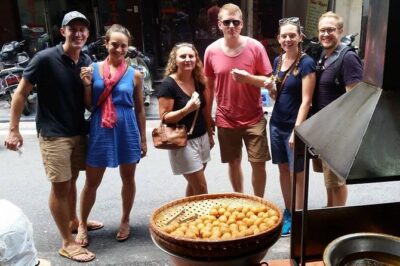
Small Group Hanoi Street Food Tour with a Real Foodie
Read our review →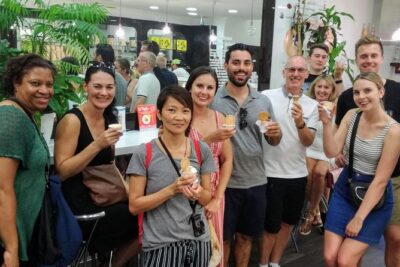
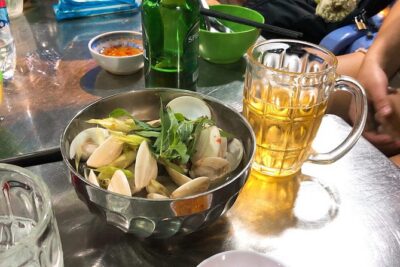
Saigon By Night and Street Food By Motorbike | Opt: Ao Dai Riders
Read our review →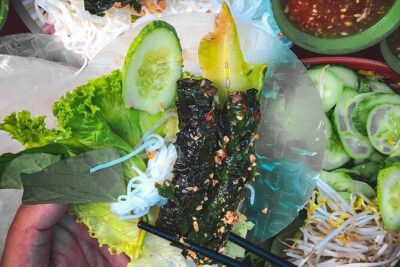
Private Street Food Tour by Motorbike/Car with Local Students
Read our review →
Cinque Terre Park Day Trip with Optional Street Food
Read our review →
Street Food Tasting & Sightseeing Tour by Motorbike
Read our review →Browse the lists this tour appears in