
REVIEW · INDIA FOOD TOURS
Munnar: Tea trail, Tea Factory, and Tea Tasting Tour
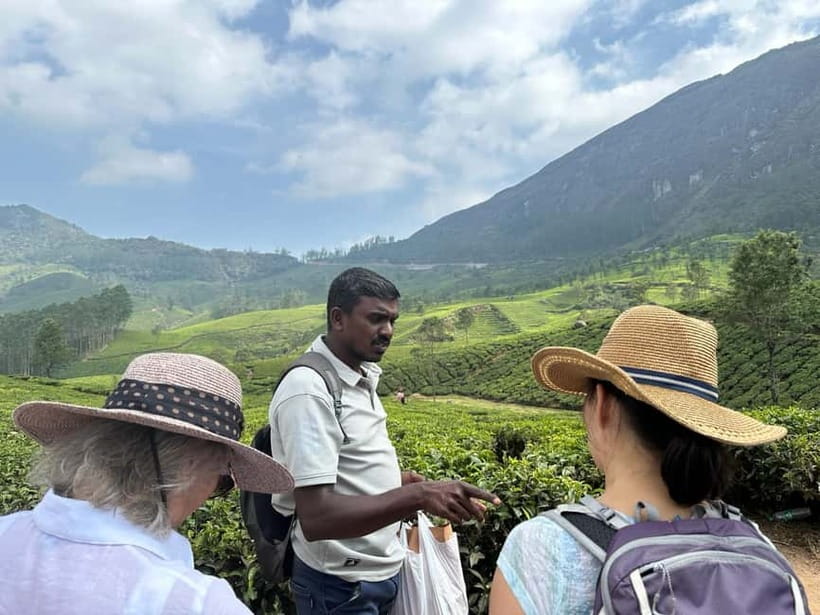
Tea country rewards slow walking. This three-hour Munnar tour takes you from green plantation paths to the working Lockhart Tea Factory, with a guided tasting at the end. I like the small-group plantation walk, where guides such as Mari and Raja explain plucking, tea varieties, local plants, and daily plantation life. I also like the factory visit, which shows the traditional Orthodox process rather than treating tea as something that simply appears in a souvenir shop.
The main thing to watch is transport between the plantation and factory. It is not included, and you may need to arrange your own private driver, though tuk-tuks have been organized for some groups. The factory can also become crowded, making it harder to hear over the machinery. Still, at about $13 per person, this is a strong-value introduction to Munnar’s tea culture.
Five useful things to know before you go
- The plantation walk is the heart of the tour: Expect roughly an hour to an hour and a half on uneven paths, with views across Munnar’s tea gardens.
- Lockhart Tea Factory dates to 1936: You see old machinery, processing rooms, and the steps used to turn fresh leaves into finished tea.
- The tasting goes beyond a single cup: You may sample five or six teas, including black, green, and specialty grades.
- Guides make the difference: Mari receives especially warm praise for his tea knowledge, friendly manner, snacks, and eye for local plants and wildlife.
- Transport needs attention: The plantation and factory are separate stops, so confirm how you will move between them before the tour begins.
- Sun protection matters: Bring water, a hat, sunscreen, comfortable shoes, and clothing suitable for walking.
Why Munnar’s tea fields are worth your morning
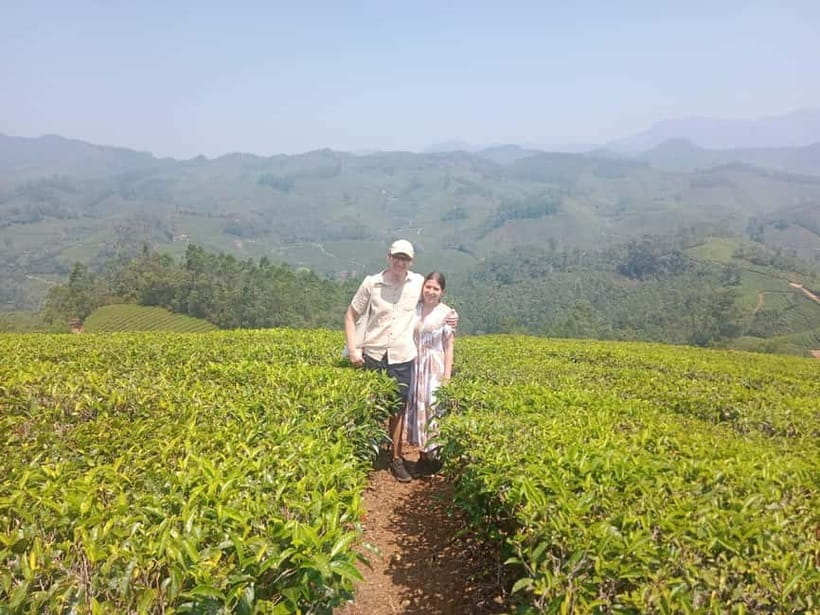
Munnar is known for its high tea country, and this tour gives you a useful way to read what you are seeing. From a roadside viewpoint, tea gardens can look like one broad green carpet. On foot, you begin to notice the careful rows, the shape of the bushes, the slopes, and the work required to keep the plants productive.
Your guide leads you through the plantation for about one to two hours, though the walking portion is often closer to an hour in practical terms. You learn how tea is cultivated, which parts of the plant are selected, and how plucking methods affect production. The walk also connects tea to the local community, since the plantation is not merely scenery. It is a workplace and a source of income for the people who maintain and harvest it.
This is not a demanding mountain trek, but it is not a flat museum visit either. Expect uneven ground and some walking in the sun. If you have mobility limitations or use a wheelchair, this tour is not suitable. For everyone else, the pace appears relaxed, with stops for explanations, photographs, and, in some cases, a cup of tea and bananas brought by the guide.
One of the most appealing details is the personal touch provided by some guides. Mari has offered tea and bananas from home during the walk, while other guides have helped visitors understand the wider plant life around the plantation. That makes the outing feel less like a staged photo stop and more like a local introduction.
A few more food tours in India worth a look
- The Great Indian Food Tour: Old Delhi Food and Heritage Walk
★ 5.0 · 1,698 reviews - Mumbai: Street Food and Night Markets Tour
★ 4.9 · 719 reviews - Old Delhi Street Food Tour
★ 5.0 · 497 reviews
What you learn among the tea bushes
The plantation section is where the tour earns its cultural value. You are not only shown where tea grows. You are told how the crop fits into Munnar’s history, how workers harvest it, and how different types of tea begin with the same basic plant.
A good guide may point out which leaves or buds are used for different teas. You can also ask about the relationship between the plants, the climate, and the character of the finished drink. The tour presents this as a matter of place and production, helping you understand why tea from one growing area can taste different from tea produced elsewhere.
Guides Mari and Raja are praised for explaining both tea and the wider setting. Mari is described as particularly engaging, calm, friendly, and comfortable discussing cultivation, harvesting, processing, plants, and local wildlife. Raja receives similar praise for explaining tea history and showing how different parts of the plant are used.
English is the tour language. Most people should find the session informative, but communication can vary depending on the guide. One visitor found the guide kind and helpful but a little difficult to understand in English. If you miss a point, ask for it again. A patient guide can make the technical parts much clearer.
Please do not touch the plants. That rule protects the crop and keeps the walk respectful. You should also carry water, since the sun can be strong even in the cooler mountain air. Several people have enjoyed the scenery and forgotten sunscreen, only to regret it later.
Lockhart Tea Factory: from fresh leaf to finished tea
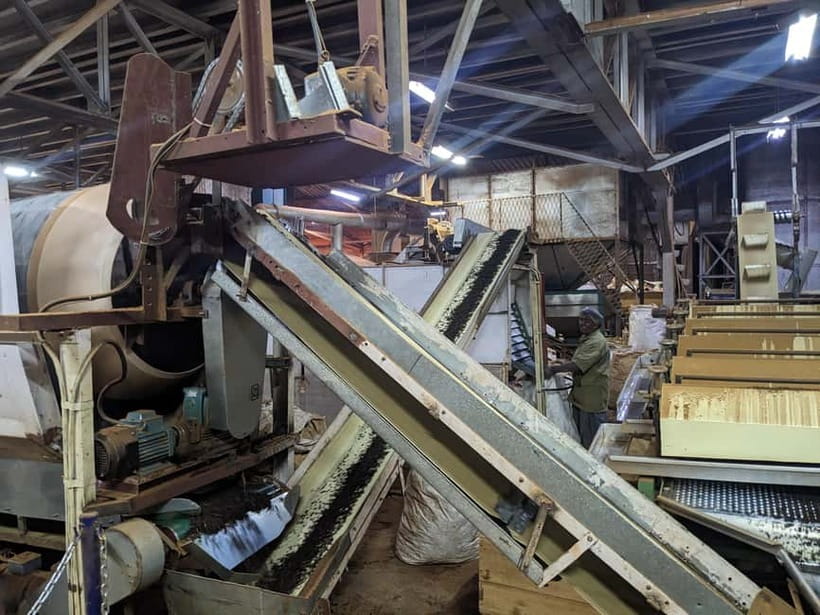
After the plantation walk, the tour moves to Lockhart Tea Factory, one of Munnar’s oldest functioning tea factories. It was established in 1936, and the visit gives you a look at the traditional Orthodox method of tea production.
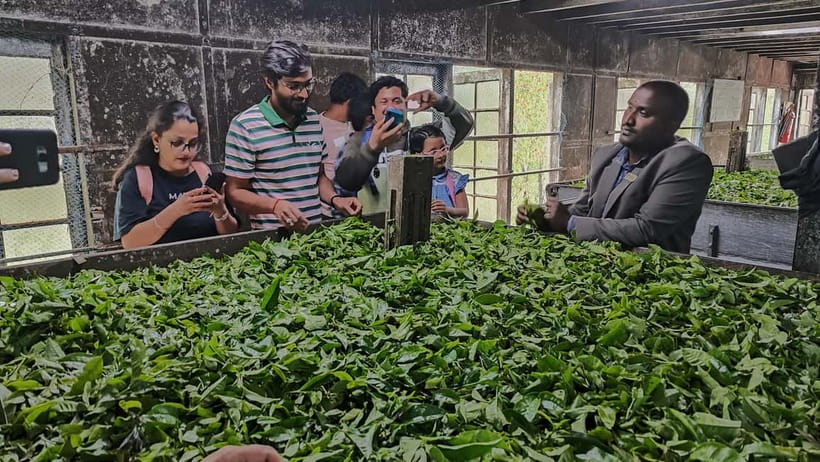
The factory section helps answer a question many people never think to ask: how does a fresh green leaf become the dry tea in your kitchen? Inside, you see processing rooms and vintage machinery while the guide explains the main stages. The exact details may depend on the day and factory operations, but the point is to connect the neat packet of tea with the noisy, practical work that comes before it.
The smell is part of the appeal. Fresh tea leaves and processing rooms give the visit a distinct character that photographs cannot provide. You are close enough to see that tea production is a sequence of careful steps, not a single act of drying leaves.
The factory is also where the group size can change. The plantation walk may have only a few people, while the factory explanation can join several groups together. One visitor found a group of about 20 people at the factory, and another said the machinery noise made it difficult to hear at times. Try to stay near the guide, especially during explanations.
This is the main weakness of the tour. The factory visit is interesting, but it may not feel as personal as the plantation walk. If you are easily distracted by noise or larger groups, expect a less intimate session here. Even so, the chance to see the actual rooms and equipment adds far more value than a simple tasting counter.
Tea tasting with five or six different cups
The tasting usually lasts about 30 minutes, though the full factory portion can take longer depending on the group. You are introduced to different grades and styles, including black, green, and specialty teas. Some tastings include five or six samples, which is enough to make the differences clear without turning the final part into a caffeine marathon.
The guide explains how to notice aroma, flavor, texture, and the effect of brewing. You also learn that growing conditions and production methods affect the taste in your cup. This is the part that turns the earlier walking and factory explanations into something you can test for yourself.
I like the tasting because it gives you a reason to pay attention. After hearing about the leaves and processing rooms, you can compare the finished products. A tea that looks similar in a cup may have a very different smell or mouthfeel from the next sample.
The tour also covers the origins of tea as a drink and its commonly discussed health benefits. Treat that information as general education rather than medical advice. The useful lesson is learning what you are tasting and how the product moves from plantation to cup.
The factory shop may offer tea for purchase afterward. There is no stated pressure to buy, and the prices have seemed reasonable to some people. You can treat this as a chance to take home tea from the place you just visited, not as a required final stop.
Same city, a different table:
- Delhi: Old Delhi Street Food Tour with Rickshaw Ride
★ 4.9 · 403 reviews - Delhi Food Walk: Rickshaw Ride, Street Eats & Market Tour
★ 5.0 · 401 reviews - Old Delhi Food Tour: A Night Time Feast
★ 5.0 · 326 reviews - Jaipur Bazaar & Food Walking Tour
★ 5.0 · 281 reviews
The transport detail you should settle early
The activity begins at the Munnar Tea Trail Tour meeting point and finishes at Lockhart Tea Factory. That detail matters because the plantation and factory are not necessarily one continuous walk.
Transportation to and from Lockhart Tea Factory is not included in the base price. Some groups have had tuk-tuks arranged between the plantation and factory, while another visitor used a private driver and found that arrangement convenient. Since the transport plan can differ, contact the guide or activity team at least an hour before the tour.
You are asked to report five minutes early. Mobile connectivity is not available at the meeting area, so do not wait until the last moment to call or message. Confirm the exact meeting instructions in advance and keep your driver’s contact details handy.
Pickup and drop-off from accommodation may be arranged on request for an additional charge, according to the activity details. This can make the morning easier, but it is separate from the included tour services.
The price of about $13 is therefore excellent for the guided walk, factory entry, and tea tasting, but you should calculate transport separately. The value remains good if you are already making your way around Munnar, but it is less straightforward if you expect a complete door-to-door outing.
Group size, pace, and practical comfort
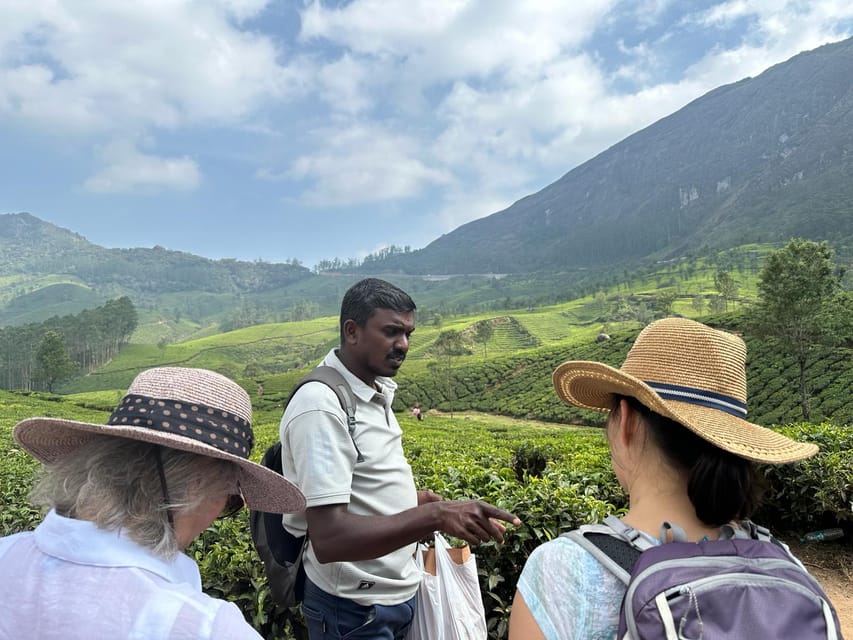
The plantation portion often feels small and personal. Groups of four have enjoyed extended explanations and a relaxed pace, which allows more time for questions and photographs. The guide can adjust the speed and stop in shaded areas, though you should still prepare for walking in the sun.
The factory can be busier. That contrast is worth knowing before you book. You get the benefit of a quieter outdoor introduction followed by a more public industrial visit.
Wear comfortable walking shoes. The paths are uneven, and sandals or smooth-soled footwear may make the walk less pleasant. A hat and sunscreen are essential, and water is sensible even if the mountain air feels cool.
Modest clothing is recommended. This is both practical for walking and respectful of the local setting. Bring a curious attitude, but also a little patience. The guide may need to repeat information at the factory if machinery is running or several groups are present.
The tour is conducted in English. It is not suitable for wheelchair users or people with mobility impairments. If you are unsure about the walking, ask the activity team before booking rather than assuming the paths will be easy.
Is three hours enough?
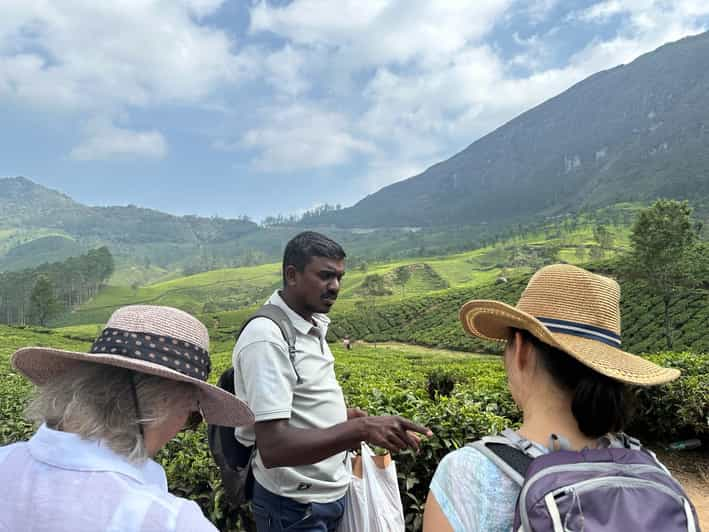
Three hours gives you a useful introduction, not an exhaustive study of Munnar tea. The usual rhythm is a plantation walk, a transfer to the factory, a factory tour, and tasting. The timing can shift, especially when transport or group size changes.
The plantation walk may take one to two hours, while the tasting itself is about 30 minutes. The factory visit fills the space between, and some visitors describe spending roughly an hour there. That leaves little room for delay, so confirm the return plan if you have another activity afterward.
The short length is a benefit if you want to fit the tour into a busy Munnar day. You get outdoor scenery, local stories, industrial history, and several teas without giving up an entire day. It is also a good choice if you want more substance than a quick plantation photograph but do not want a long hike.
It may feel too brief if your main goal is an extended walk through the tea country. In that case, ask about the walking time before you commit. The advertised duration is three hours, and the experience is built as a compact introduction.
Who will enjoy this Munnar tea tour?
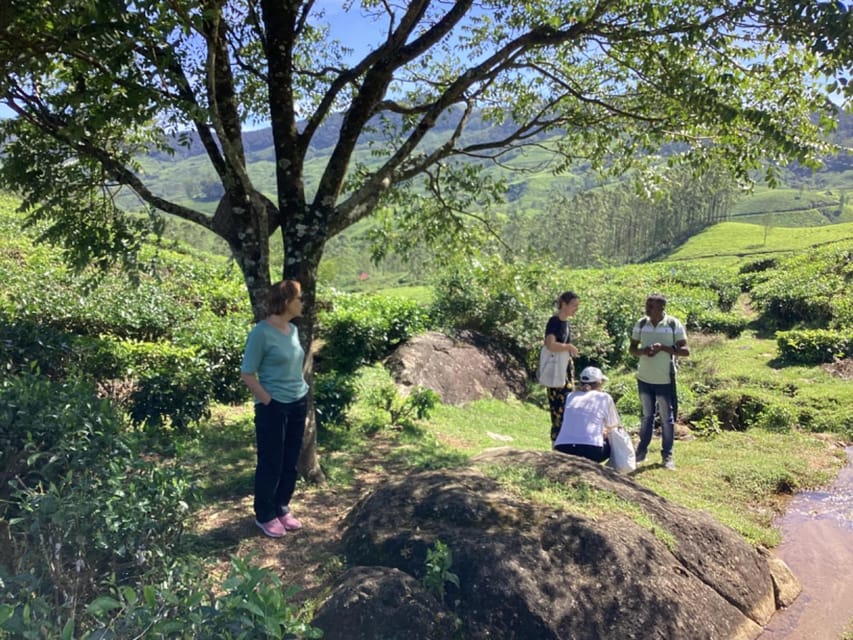
You will likely enjoy it if you want to understand how tea is grown and made, rather than simply buying a packet. It suits first-time visitors to Munnar, people interested in food and drink, photographers who enjoy orderly plantation views, and anyone who likes a gentle cultural outing with a practical focus.
Families with older children may also find it useful, provided everyone can manage uneven paths. The factory machinery and tasting give the tour variety, while the outdoor walk keeps it from feeling like a museum visit.
Tea enthusiasts will appreciate the chance to compare several grades and styles. Even if you know little about tea, the guide-led format makes the subject approachable. You do not need prior knowledge to notice differences between samples.
This is less suitable for anyone seeking a strenuous hike, a completely private factory visit, or included transportation from the hotel. It is also not the best fit for visitors with mobility impairments because the plantation paths are uneven.
Value, cancellation, and booking flexibility
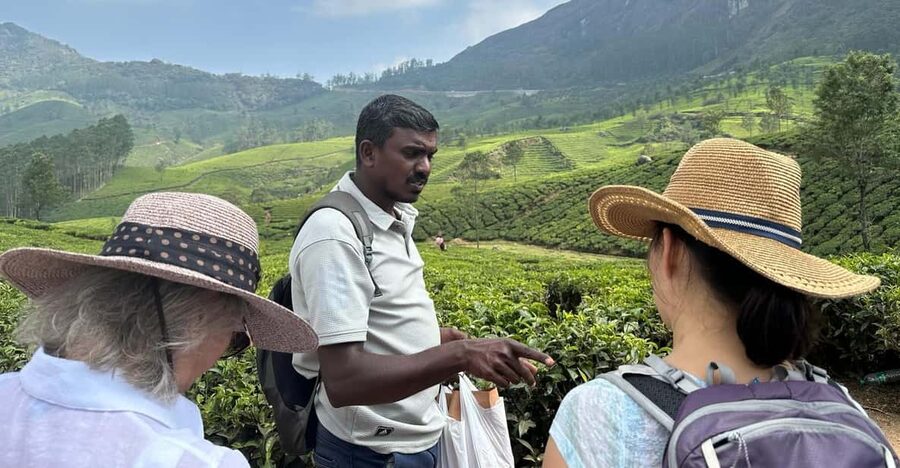
At $13 per person, the included services offer strong value. You receive a guided plantation walk, a visit to Lockhart Tea Factory, a tea tasting, and entry fees. For a low-cost half-day activity, that is a good mix of scenery and useful information.
The extra cost is transportation. If you need a private driver or paid pickup, add that to your budget. The price is still reasonable, but the advertised amount does not cover every movement connected with the tour.
You can cancel up to 24 hours before the start for a full refund. A reserve-now, pay-later option is also available, which helps if your Munnar schedule depends on weather or changing plans. Check the available start times when booking, since the tour duration is fixed but departure times can vary.
Should you book the Munnar Tea Trail?
I would book this tour if you want an affordable, well-rounded introduction to Munnar’s tea culture. The strongest part is the guided plantation walk, especially when led by someone like Mari or Raja who can explain the plants, workers, history, and local setting in plain language.
Book with two conditions in mind: arrange the plantation-to-factory transport early, and expect the factory section to be busier and noisier than the walk. Bring sunscreen, water, and shoes that can handle uneven ground.
If those details suit you, this is a smart three-hour choice. You leave with a clearer sense of how tea is grown, how it is processed, and why the final cup tastes the way it does.
FAQ
How long does the Munnar tea tour last?
The tour lasts three hours. It includes a guided plantation walk, a Lockhart Tea Factory visit, and a tea tasting session.
What is included in the tour price?
The price includes the guided plantation walk, tea tasting, entry to Lockhart Tea Factory, and all stated entry fees.
Is transportation to Lockhart Tea Factory included?
No. Transportation to and from Lockhart Tea Factory is not included. You may need to arrange a private driver or other transport, though tuk-tuks may be arranged in some cases.
Where does the tour finish?
The tour finishes at Lockhart Tea Factory.
What teas can I taste?
The tasting includes different grades and styles of tea. Black, green, and specialty teas are included in the description, and some tastings feature five or six samples.
What language is the tour conducted in?
The live guided tour is conducted in English.
What should I bring?
Bring comfortable walking shoes, a hat, sunscreen, and water. Wear clothing suitable for walking and prepare for uneven surfaces.
Is the tour suitable for wheelchair users?
No. The tour is not suitable for wheelchair users or people with mobility impairments because the plantation walk includes uneven surfaces.
Just added in India
- Food Trail Through Sowcarpet Market: A Taste of Chennai★ 5.0 · 38 reviews
- Sowcarpet Street Food Walking Tour in Chennai with guide★ 5.0 · 83 reviews
- Street Food walking tour in Bangalore with a food evangelist★ 5.0 · 83 reviews
- Filter Kaapi: A food walk by tourism ministry approved company★ 5.0 · 26 reviews
- Amritsar Food Walk With Hidden Gems★ 5.0 · 59 reviews
- Flavours of Agra Food walk★ 5.0 · 25 reviews
- The Great Indian Food Tour: Old Delhi Food and Heritage Walk★ 5.0 · 106 reviews
- Old Delhi Street Food Tour★ 4.8 · 40 reviews
India Food Tours, compared.
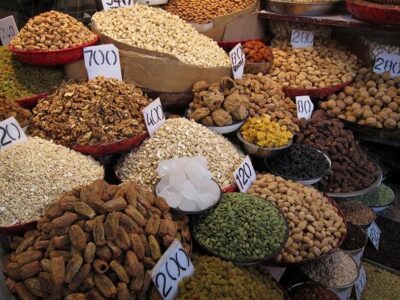
The Great Indian Food Tour: Old Delhi Food and Heritage Walk
Read our review →
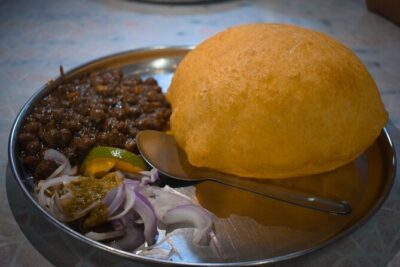


Delhi Food Walk: Rickshaw Ride, Street Eats & Market Tour
Read our review →


Browse the lists this tour appears in