
REVIEW · FRANCE FOOD TOURS
Passy-Grigny: Chocolate and Champagne Tasting Tour
Small-town Champagne has a sweet surprise. At Champagne Dom Caudron in Passy-Grigny, you get an English guided tour of a working Champagne house, a clear look at production, and three Champagne pairings with three chocolates. I especially like the local, village-based setting and the friendly guides, including Clémentine, Fanny, and Katja. The main drawback is getting there: public transportation is limited, so a car or paid ride is often the practical choice.
For $32, this is a strong value if you want more than a quick tasting. You spend about 90 minutes learning how grapes become Champagne, then sit down to compare the drinks with chocolate. It is also a good choice for families, since children can receive juice. Just know that the tour centers more on production than on grand Champagne history, and some visitors find it a little shorter than expected.
Five things to know before you go
- The tour begins in Passy-Grigny: This is a village in the Marne Valley, away from the large-name cellar experience in Reims or Épernay.
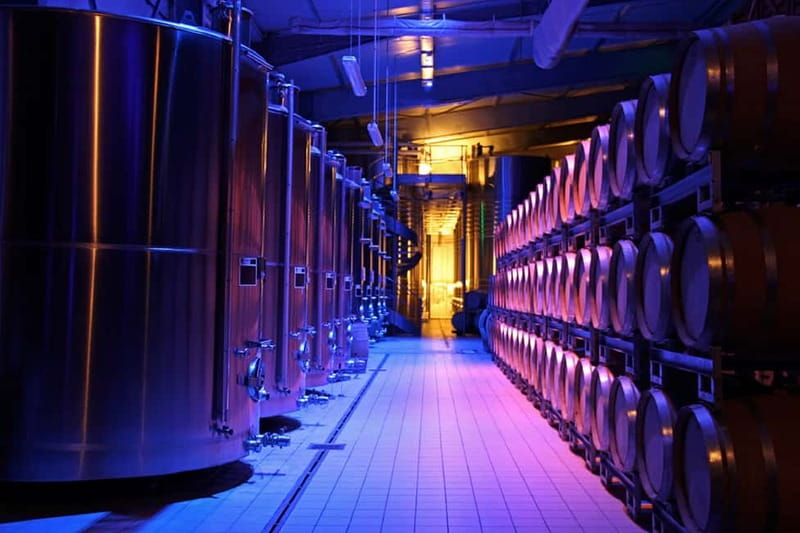
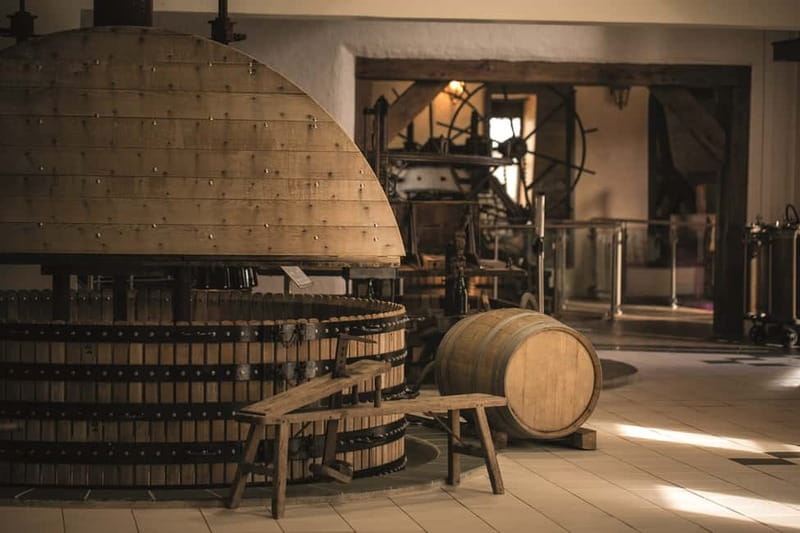
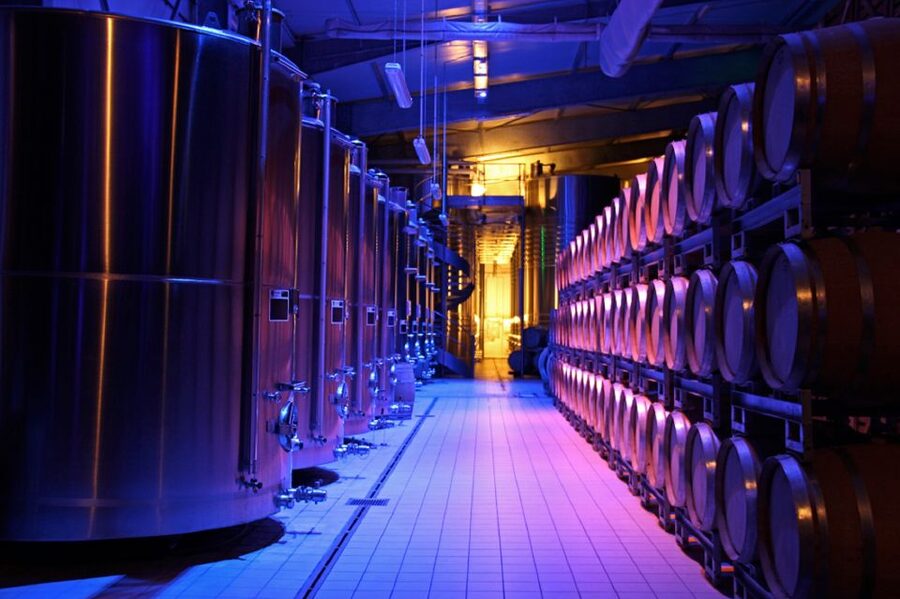
- You see the production side: The route connects the first press used by local growers with the modern vat house and includes a film presentation.
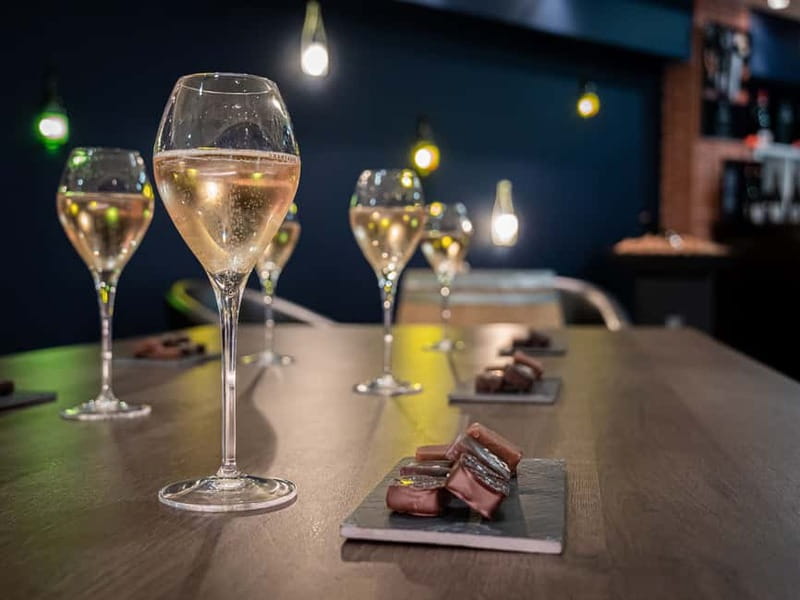
- The tasting is carefully matched: You try three Champagnes with three chocolates, rather than simply receiving one glass and a sales pitch.
- English tours are available: Live guides speak English or French, and the English tours have earned especially warm praise for their clear explanations.
- Plan your transport: Public transport is not available to the site according to one useful report, so driving, Uber, or Bolt may be necessary.
- Families can join: Children can be offered juice, and one guide even demonstrated sabering a bottle for two young boys.
Why Passy-Grigny makes a good Champagne stop
The Champagne region is not just Reims, grand houses, polished tasting rooms, and famous labels. It is also small villages where growers work close to the vines and production remains part of local life. Passy-Grigny gives you that smaller-scale setting in the Marne Valley.
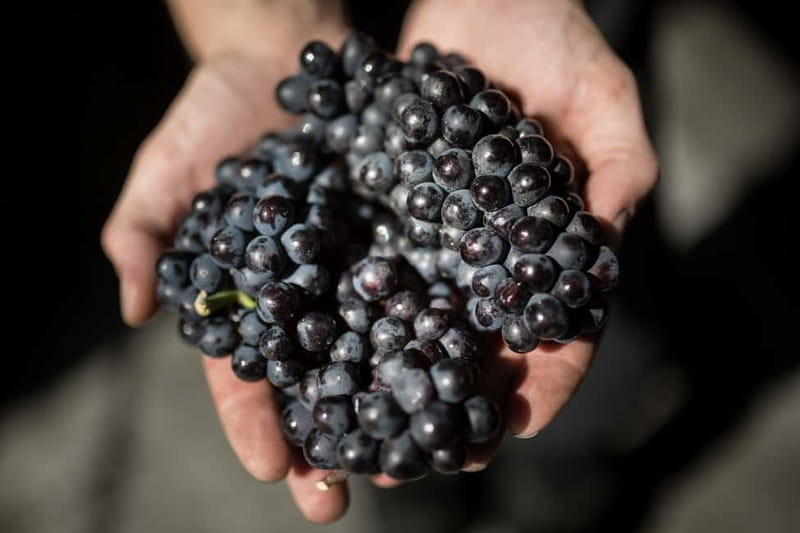
Champagne Dom Caudron traces its roots to the village and to Aimé Caudron, a priest with an ambitious idea in 1929. He brought the local winemakers together, helping shape a Champagne house connected to the Meunier grape. That detail gives the tour a useful sense of place. You are not visiting a generic wine attraction that could sit anywhere in France.
I like this local angle because it helps explain why the producer matters. The story is tied to the village, its growers, and the grapes that suit this part of the Marne Valley. If you have already toured a large house in Reims, the difference should be clear. Here, the emphasis is closer to local production and the working side of Champagne.
The setting also gives you a reason to make Passy-Grigny part of a wider day in the region. One visitor particularly enjoyed using the tour as a break from the better-known routes around Reims and Épernay. A car gives you the most freedom to see more of the surrounding villages and vineyards, though you should plan carefully if you intend to taste and drive.
More Dessert Tours in France
- Paris French Sweets Tasting Tour with Pastries and Chocolates
★ 4.5 · 947 reviews - A Morning in Paris Food Tour: Croissants, Baguettes & Chocolate
★ 5.0 · 556 reviews - Saint-Germain: Gourmet Chocolate & Pastry Walking Food Tour
★ 4.8 · 495 reviews
The 90-minute visit, step by step
Your visit begins at Champagne Dom Caudron, at 10 Rue Jean York. The exact meeting point can vary with the option you book, so check your confirmation before setting out. The listed duration is 90 minutes, with about 75 minutes devoted to the guided visit and the remaining time used for the tasting and transitions.
The pace is one of the experience’s strengths. You get enough explanation to understand the process without giving up half a day. Several people found the tour informative but not too long. One person felt it lasted less time than expected and wanted more information, so I would set your expectations at a focused introduction rather than a full technical course.
The guide leads you through the Champagne-making process in English or French. The strongest part of the experience appears to be the human delivery. Guides such as Clémentine, Fanny, Katja, and other members of the team are repeatedly praised for being warm, funny, enthusiastic, and ready to answer questions.
That matters more than it may sound. Champagne production has plenty of technical terms, and a flat explanation can make the visit feel like a factory briefing. A good guide turns the sequence into something you can follow: grapes arrive, pressing begins, juice is handled, fermentation and storage take place, and the finished wine is prepared for the bottle.
From the first press to the modern vat house
The tour connects the early equipment used by Passy-Grigny growers with the modern vat house used today. That contrast gives the visit a useful before-and-after shape. You can see how the work has changed while keeping the local grower connection in view.
The production focus is a real advantage if you want to understand what is inside the bottle. Instead of spending most of the visit on famous names and grand stories, you learn about the practical stages of making Champagne. One visitor described the modern production facility as a refreshing change from the usual grand-house format.
You may also see a short documentary about the harvest and production process. It helps place the equipment and explanations in a wider sequence, especially if you are new to wine visits. One person thought the film could use an update, but still found it informative.
The level of detail should suit a first visit. You will not leave as a Champagne producer, but you should have a better grasp of why pressing, vats, bottling, and the different stages of production matter. If you already know the technical side of Champagne, you may want to ask questions during the tour to get more from it.
The guide-led format is helpful here. You can ask about the equipment, the local grapes, and the order of production rather than simply reading labels on a wall. Several visitors appreciated that questions received clear answers, which is particularly useful on an English-language tour.
Why the Meunier connection matters
Aimé Caudron’s role gives the visit a story that belongs to Passy-Grigny. In 1929, he gathered the village winemakers around a shared idea. The house that grew from that effort remains connected to the area and to Meunier, one of the key grapes used in Champagne production.
This local connection adds meaning to the tasting. You are not only comparing three pours. You are tasting products made by a house whose identity is tied to the village and its growers. That is a better reason to visit than simply finding the cheapest glass of Champagne nearby.
The supplied information describes Caudron’s roots in the first press of the Passy-Grigny growers and its current modern vat house. That pairing of old and new is the core of the visit. It lets you see the producer as part of a continuing local story, not just as a place built for visitors.
The tour does not appear to focus heavily on broad Champagne history or the grand houses of the region. One person specifically noted that it concentrates more on production than on historical background. If you want famous brands, royal connections, or elaborate cellar architecture, a large Reims house may suit you better.
If you want to understand a smaller producer and the making of the drink in your glass, Dom Caudron is the more grounded choice.
More dessert and chocolate tours in France:
- Paris Chocolate, Macaron & Pastry Food Tour: 10 Gourmet Tastings
★ 5.0 · 339 reviews - Paris: Le Marais Bakery and Pastry Food Tour with Tastings
★ 4.7 · 64 reviews - Paris: Pastries and Chocolate Walking Food Tour
★ 4.8 · 57 reviews - Le Marais: Pastry and Chocolate Food Tour
★ 4.5 · 52 reviews
Three Champagnes and three chocolates
The tasting is the payoff, and it is more interesting than a standard final sip. You receive three Champagnes paired with three chocolates. The pairing gives you a simple way to compare how sweetness, texture, fruit, acidity, and bubbles work together.
I like this format because it gives the tasting a clear purpose. You are not just trying three glasses in isolation. You can notice how each wine changes when you eat the matching chocolate, and how the chocolate itself behaves with Champagne.
The chocolates receive especially strong praise. They are described as delicious, superb, and top quality, while the Champagne earns equally warm comments. One person who had never considered Champagne with chocolate found the combination unexpectedly successful. That is a good reason to keep an open mind instead of assuming the pairing is a novelty.
The tasting also keeps the visit friendly for people with different levels of wine experience. You do not need to know the difference between every Champagne style before you arrive. The guide can give you a starting point, then you can decide which combination you prefer.
If you are traveling with children, juice can be offered instead of Champagne. That makes the experience more practical for families, although children will not take part in the alcoholic tasting itself. One guide also demonstrated opening a bottle with a sabre for two young boys, a memorable extra that shows how the team can adapt the presentation for younger visitors. I would not treat sabering as a guaranteed part of every tour, but it has happened during the experience.
How the guides shape the visit
The guide is central to this tour. The production spaces alone may be interesting, but the explanations and personality turn them into a coherent visit.
Clémentine is singled out for her warmth and charm. Fanny is praised for making the visit work especially well. Katja is associated with excellent service during the tasting. Other guides are described as friendly, enthusiastic, personable, and proud of what they do.
That consistency is one of the strongest reasons to book. A guide who can answer questions without rushing makes the technical side easier to follow. An English-speaking guide is also important if you want to understand terms connected with pressing, vats, harvests, and bottling.
The tone seems relaxed rather than formal. That works well for a short tour and for families. You can enjoy the Champagne without feeling that you need to perform as a wine expert.
Still, the experience depends partly on your guide and on the group. The available information does not specify group size, and the tour is not advertised as a private visit. One person found it felt private, but you should not assume you will have the building to yourself.
Is $32 a good deal?
At $32 per person, I consider this good value if you care about both education and tasting. You receive a guided visit in English or French, an explanation of Champagne production, access to the production story and film, three Champagne samples, and three chocolates.
The value improves if you compare it with a large-house visit that charges more for a shorter explanation or a basic tasting. Dom Caudron gives you a clear regional connection and a food pairing that makes the final part more memorable.
It is not the cheapest way to taste Champagne. If you only want a glass or two, a bar or shop will cost less. You are paying for the guide, the production visit, and the chance to connect the drink with its place of origin.
One person described it as not cheap but still good value. That is a fair assessment. The price makes sense for a 90-minute experience, but you should book it for the full package, not just for the amount of Champagne in your glass.
Getting to the village and planning your day
Transport deserves attention before you reserve. The experience begins and ends at Champagne Dom Caudron, 10 Rue Jean York, though the exact meeting point may depend on your selected option. The return point is also listed at the same Dom Caudron address.
Public transportation is not available according to one direct report, apart from using a paid ride such as Uber or Bolt. That makes a rental car the simplest option for many people, especially if you want to visit other villages in the Marne Valley.
Driving gives you flexibility, but Champagne tasting and driving require sensible planning. If you are the driver, decide in advance how much you will taste. A paid ride avoids that issue, though availability and cost may vary.
The visit lasts 90 minutes, so it can fit neatly into a larger day. You might schedule it between a village visit and lunch, or use it as a quieter alternative to another major Champagne house. The tour’s location outside the main city circuit is both its charm and its inconvenience.
The operator offers free cancellation up to 24 hours before the start time, and you can reserve now and pay later. Those terms help if your regional plans are still changing. The tour is also listed as wheelchair accessible, which is useful to confirm when making your booking.
Who will enjoy this tour most?
I would recommend it most strongly to:
- First-time Champagne visitors who want a clear introduction
- Couples looking for a short tasting with a food pairing
- Families with older children or teenagers
- People staying in the Reims or Épernay area with a car
- Wine drinkers who prefer smaller local producers to famous corporate names
- Visitors who want an English-language explanation of production
It is also a good fit if you have already taken a grand-house tour and want a different angle. The focus here is the working production process and the village connection.
I would be more cautious if your main interest is Champagne history, famous labels, or a long cellar walk. The tour is compact, and one person wanted more time and more information. It also may not suit you if reaching a rural village without public transport would be a major problem.
The final call: book it or skip it?
I would book Champagne Dom Caudron if you can manage the transport and want a friendly, focused look at how Champagne is made. The three-Champagne and three-chocolate tasting gives the visit a clear edge, and the guides appear to be the most reliable part of the experience.
Book it especially if you are traveling with children, since juice can be provided, or if you want to escape the busiest Reims and Épernay circuit. Skip it only if you want a grand historic house, a long tour, or a tasting without the effort of reaching Passy-Grigny.
For $32 and 90 minutes, this is a practical regional experience with real local character. It teaches you something, gives you a pleasant tasting, and leaves enough of the day for another village, meal, or glass of Champagne.
FAQ
Where does the Champagne and chocolate tour take place?
The experience takes place at Champagne Dom Caudron in Passy-Grigny, at 10 Rue Jean York.
How long does the tour last?
The full experience lasts 90 minutes. The guided tour itself is listed as approximately 75 minutes.
What languages are available?
Live tours are available in English and French.
What is included in the price?
The experience includes the guided tour, a Champagne tasting, and a chocolate tasting.
How many Champagnes and chocolates will I try?
You will taste three different Champagnes paired with three chocolates.
Is the tour suitable for children?
Yes. Juice can be offered to children instead of Champagne. The tour information also describes the experience as suitable for families.
Is the experience wheelchair accessible?
Yes, the activity is listed as wheelchair accessible.
Is public transportation available to Passy-Grigny?
Public transportation is not available according to the provided information, apart from using a paid service such as Uber or Bolt.
Can I cancel my booking?
Yes. You can cancel up to 24 hours in advance for a full refund. You can also reserve now and pay later.
Just added in France
- Cannes Ooh La La Croissant Tasting Tour★ 5.0 · 30 reviews
- Taste Cannes – A Full French Riviera Food Tour by Do Eat Better★ 5.0 · 63 reviews
- Saint-Émilion day tour: village visit, Châteaux and lunch★ 5.0 · 121 reviews
- Bordeaux wines tasting workshop including Food & Wine pairings★ 5.0 · 31 reviews
- Historical Center, Bordeaux Food Tour★ 5.0 · 33 reviews
- NO DIET CLUB – Unique food tour in Bordeaux !★ 5.0 · 201 reviews
- Bordeaux Food and Wine Tour : Authentic Artisanal Flavors★ 5.0 · 62 reviews
- Bordeaux Evening Food Tour : Local Delicacies★ 5.0 · 21 reviews
Dessert and Chocolate Tours, compared.
Award-Winning Geneva Chocolate &Old Town Tour with Boat Ride (3h)
Read our review →
Paris French Sweets Tasting Tour with Pastries and Chocolates
Read our review →
Rome Afternoon Sightseeing Vespa Sidecar Tour with Gourmet Gelato
Read our review →
Southern Flavors of Savannah Walking Dessert Tour
Read our review →
A Morning in Paris Food Tour: Croissants, Baguettes & Chocolate
Read our review →
Saint-Germain: Gourmet Chocolate & Pastry Walking Food Tour
Read our review →Browse the lists this tour appears in