
REVIEW · SPAIN FOOD TOURS
San Sebastian Food Tour with Pintxos & Drinks with a Local
San Sebastian tastes best one small plate at a time. This 3.5-hour pintxos walk links at least four food stops with stories about local life, making it a good way to get oriented in the old center while eating well. I like the mix of gildas, ham, seafood, Basque cheesecake, wine, beer, and local liquor. I also like that the guide helps turn a bar crawl into a lesson in Basque food culture.
The main tradeoff is that the menu changes with the season and partner availability, so you cannot count on every listed dish. The tour also includes a fixed amount of food and drink, rather than unlimited ordering, and its walking route is not suitable for people with mobility impairments.
Key points at a glance
- At least four tasting stops: You move from place to place instead of eating one set meal in a single restaurant.
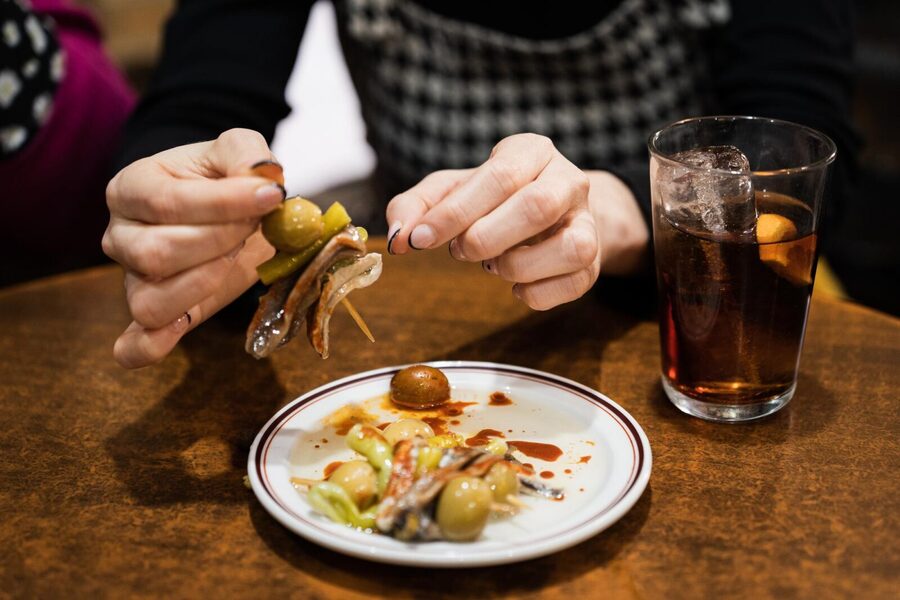
- Classic Basque flavors: Possible tastings include gildas, Spanish ham, spider crab, other pintxos, Basque cheesecake, txakoli, Rioja wine, and sloe berry liquor.
- A useful old-town orientation: The route begins near the Town Hall, passes Plaza de la Constitución, and finishes near San Vicente Church.
- Small-group format: The tour requires at least two people and accepts no more than 12, which should keep the walk fairly personal.
- Guide-led local context: Guides such as Kaya and Gonzalo, also called Gonzo, have received especially warm praise for combining food with San Sebastian’s history and local customs.
- Plan your footwear: You will be walking between stops for roughly three and a half hours, so comfortable shoes matter.
Why this pintxos walk works well
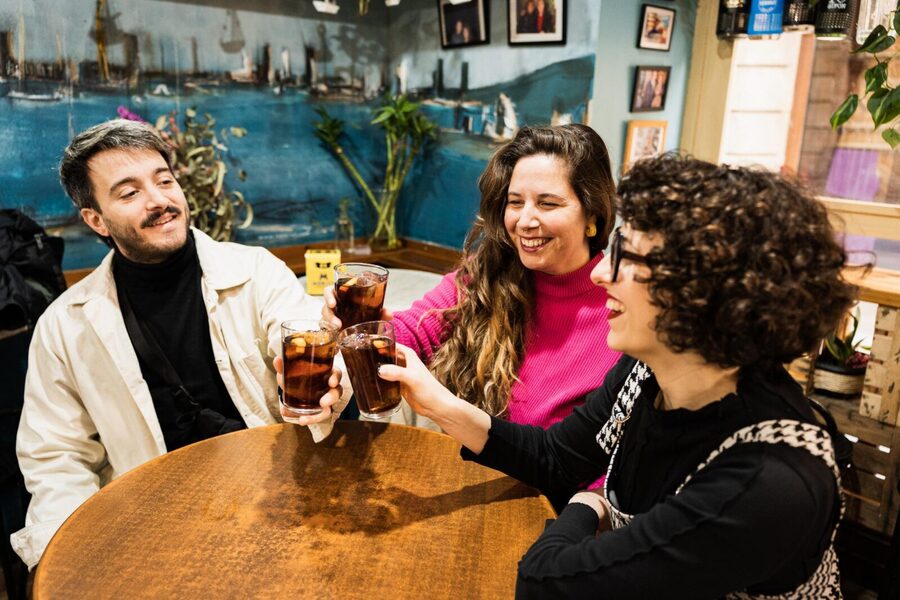
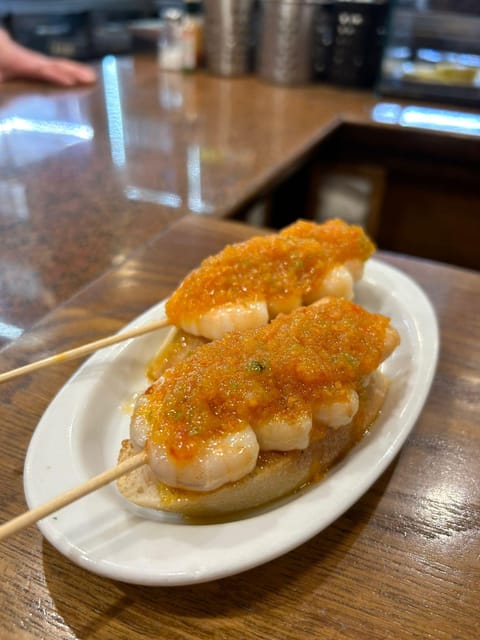
San Sebastian is a city where eating is part of the daily rhythm. A pintxo is not simply a small snack. It can be a neatly arranged bite, a piece of seafood, a skewer, or a more elaborate dish served in a bar. The pleasure comes from trying several in different places rather than filling up on one large plate.
That makes this tour a smart first-day activity. You get a guided walk through central San Sebastian while learning how local drinks and foods fit together. I like this format because it gives you a starting point for the rest of your stay. Afterward, you will have a better idea of what sounds appealing when you see a crowded counter of pintxos on your own.
The experience lasts about three and a half hours and includes food and drinks at each stop. At least one serving of food is included at every location. Water and alcoholic drinks are included as well, with possible pairings such as txakoli, Rioja red wine, beer, and traditional Basque liquors.
The tour has a maximum of 12 people. That is large enough for a social outing but still small enough for a guide to explain what you are eating. The minimum is two people, so the operator can reschedule the outing if too few people book.
More Food Tours with Locals in Spain
- Madrid: Tapas & Wine Tasting Tour with Local Guide
★ 4.8 · 2,171 reviews - Barcelona Private Food Tour With Locals: 6 or 10 Tastings
★ 4.5 · 508 reviews - Alicante Food and Tapas Tour with a Local Guide
★ 5.0 · 485 reviews
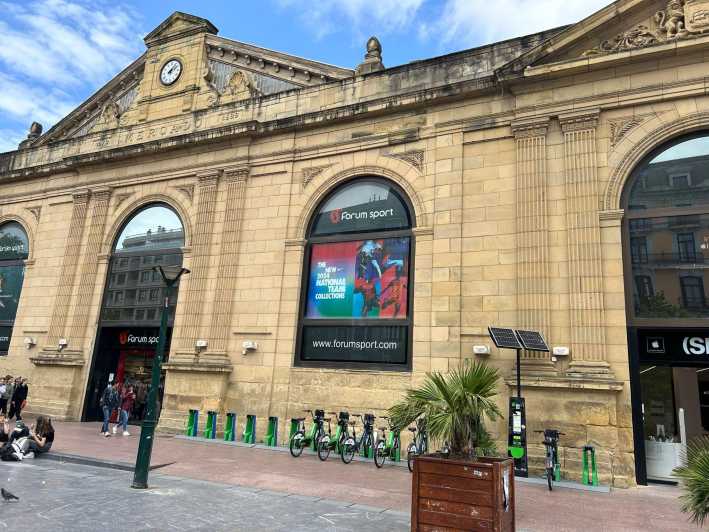
Meeting near the Town Hall
The meeting point is a tobacco shop opposite San Sebastian’s Town Hall, at Ijentea Kalea, 4. This is a practical place to begin because it puts you close to the central old-town route and avoids the confusion of meeting at a large transit hub.
You should arrive ready to walk. Hotel pickup and drop-off are not included, and large bags or luggage are not allowed. Leave your suitcase at your accommodation and bring only what you need for the afternoon or evening.
The tour is offered in English and Spanish. The guide may use both languages during the outing, so keep that in mind if you need a fully English-language experience. The guide’s role is not only to point out food. The strongest part of the experience, judging by the detailed praise for guides including Kaya and Gonzalo, is the way food connects with San Sebastian’s past and everyday life.
First tastings: gildas, ham, and the Basque bar tradition
One likely early tasting is the gilda, a classic pintxo made with anchovies and olives. It is often associated with the salty, sharp side of Basque bar food, and it gives you an immediate sense of how much flavor can fit into one small bite.
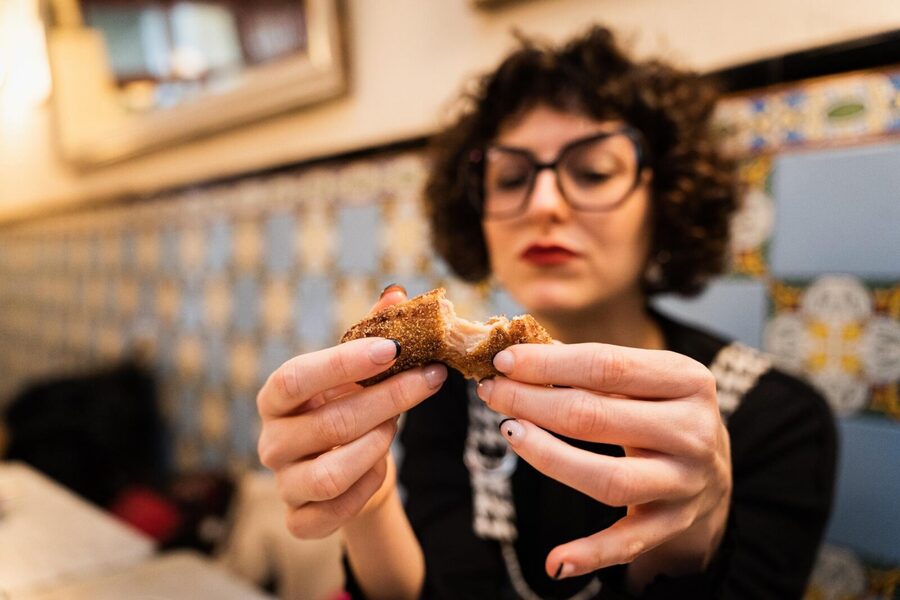
A ham tasting may also appear early in the route. Spanish ham is a useful introduction because it shows a different side of the country’s food culture from seafood and wine. Rather than treating the meal as one long list of dishes, the guide can explain how these small portions work together as you move from bar to bar.
The exact order and selection can change. That is worth stressing because the tour is built around seasonal availability and the choices offered by participating locations. You may receive the dishes described in the program, or you may find suitable alternatives.
I see this flexibility as both a plus and a limitation. It allows the local partners to serve what is good and available, but it means you should not book expecting a guaranteed checklist. If you have allergies, strong dietary restrictions, or foods you cannot eat, ask for details before booking. The supplied information does not promise special dietary substitutions.
Plaza de la Constitución and the city between bites
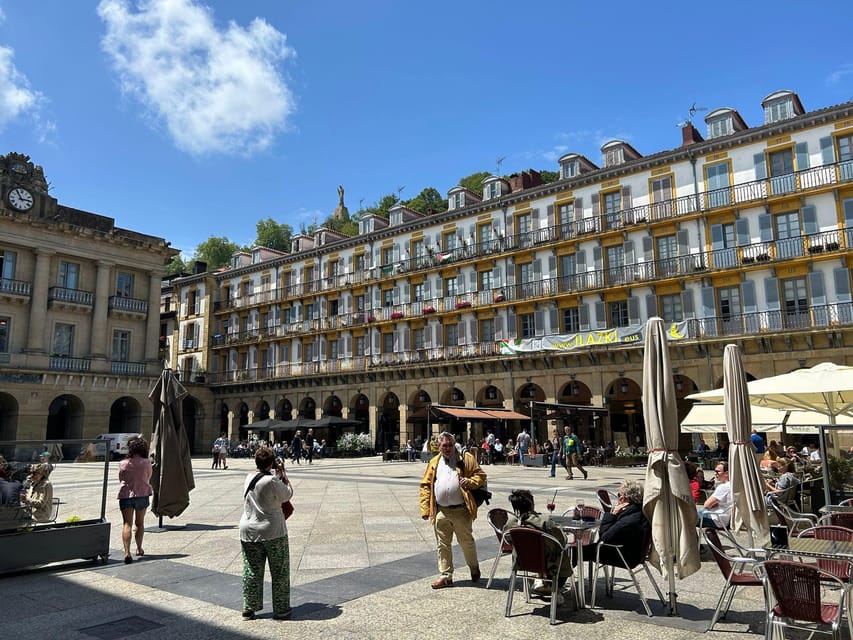
The route includes a stop at Plaza de la Constitución, one of the old town’s main public squares. Here, sightseeing is woven into the food walk rather than separated from it. You are not simply being taken from one restaurant door to the next. The route gives the guide room to explain the setting and the city’s story as you go.
This is where the walking format earns its price. A meal in one restaurant might give you more food, but it would not give you the same sense of how San Sebastian’s center fits together. The stops help you see the city as a place where food, streets, public spaces, and social life overlap.
The walk is not presented as a formal sightseeing tour with long museum visits. Food remains the focus. Still, the added history is a repeated strength of the experience. One guide helped bring the area to life through local history, and another gave useful recommendations for the following days. That kind of advice can be valuable early in a visit, when you are still deciding where to eat next.
More tapas tours in Spain:
- Barcelona: Tapas Walking Tour with Food, Wine, and History
★ 4.8 · 4,261 reviews - Madrid Tapas & Wine Tasting Walking Tour – Small Group Local Bars
★ 5.0 · 3,644 reviews - Sevilla Food Tour: Tapas, Wine, History & Traditions
★ 5.0 · 3,468 reviews - Madrid Tapas & Taverns Small Group Food & History Tour
★ 5.0 · 2,664 reviews
Seafood and local plates at the middle stops
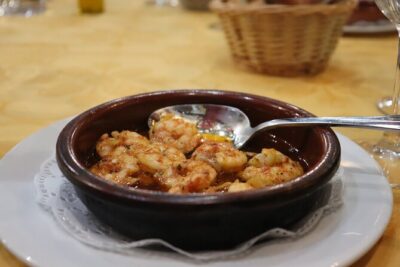
Further stops may include spider crab and other local tapas. Seafood is an important part of the possible menu, and spider crab gives the tasting a more specific regional character than a generic bar snack.
The word possible matters here. The food depends on the season and on what the partner locations have available. If you love seafood, this tour offers a good chance to encounter a local preparation, but you should not treat spider crab as guaranteed.
At each stop, expect at least one serving of food along with drinks. The listed inclusions cover food and beverages, but the amount is fixed. You are paying for a planned tasting route, not an open tab. If you normally eat large meals, the experience may feel more like a generous progressive snack meal than a full restaurant dinner.
For many people, that is exactly the point. Small portions let you try several flavors without committing to one dish. You can compare the character of different bars and keep moving before the meal becomes heavy.
Txakoli, Rioja, and Basque liquor
The drink pairings are a major part of this experience. Txakoli, a traditional Basque wine, may be served alongside the pintxos. Rioja red wine is another possible pairing, and beer may also be included.
The tour can also feature a Basque sloe berry liquor. This gives the meal a local finish beyond the usual wine tasting. You may not want every alcoholic option, but water is included, and the guide can help explain what you are being served.
I especially like the range here. Txakoli and Rioja offer different ways to understand the region’s drinking culture, while the liquor adds a distinctly local note. The drinks are not an optional extra that quietly inflates the bill. They are part of the fixed tour price.
Still, pace yourself. Three and a half hours with several tastings and alcoholic drinks can catch up with you, especially if you arrive without having eaten anything. Comfortable shoes and a sensible approach to the drinks will make the outing more enjoyable.
Finishing with Basque cheesecake
The tour may finish with Basque cheesecake, one of the area’s best-known sweets. Its inclusion gives the route a clear ending and balances the salty pintxos, ham, and seafood.
Dessert also helps make the experience feel like an itinerant meal rather than a series of unrelated bar visits. You begin with small savory bites, move through regional drinks and tapas, and finish with a local sweet.
Again, the exact selection can vary. The listed foods are examples of what may be served, not a promise that every participant will receive every item. I would book this as a broad introduction to Basque flavors, not as a fixed tasting menu.
Finishing near San Vicente Church
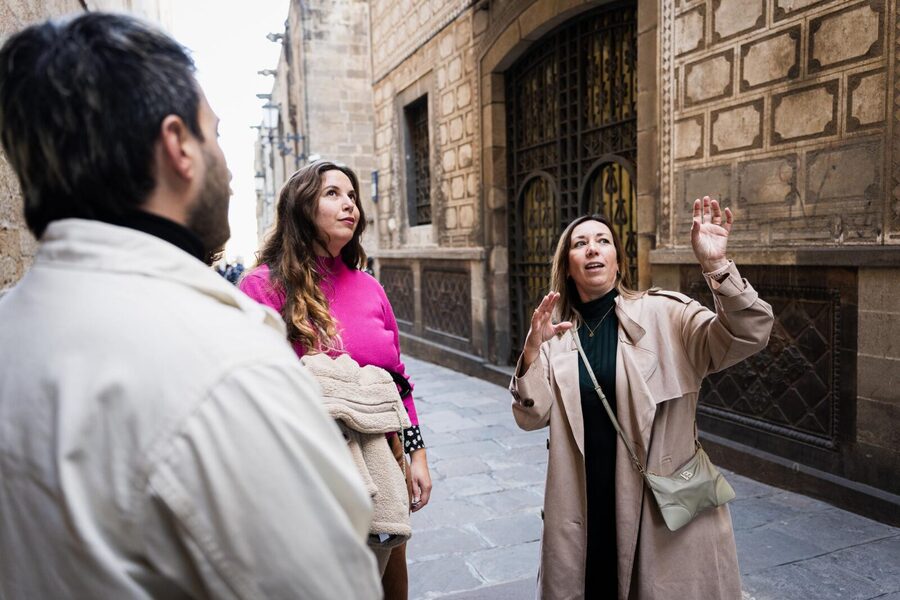
The route ends at San Vicente Church. This is useful because you finish in another part of the old center rather than returning to the starting point. You can continue exploring, find another drink, or make your own way back to your accommodation.
The end point also keeps the tour focused on central San Sebastian. There is no need to arrange a separate transfer between restaurants or sightseeing stops. You walk the route with the group, listen to the guide, and let the city provide the connections.
The tour is not suitable for people with mobility impairments. The route includes several stops and walking between them, so it is not designed as a seated tasting with minimal movement. Pets and large bags are also not allowed.
What the $105 price really covers
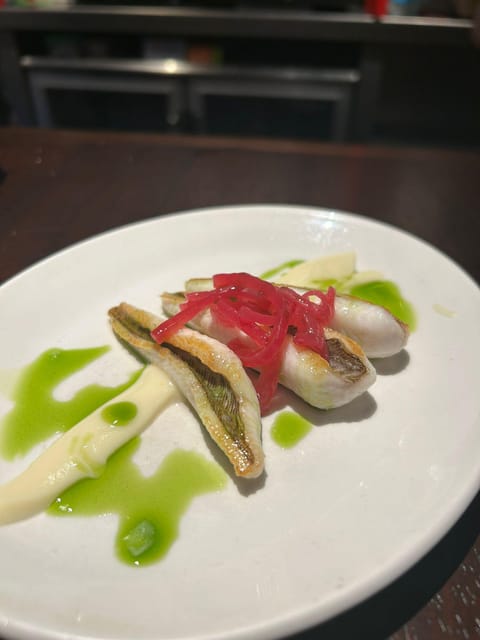
At $105 per person, this is not the cheapest way to eat in San Sebastian. You could spend less by ordering individual pintxos and drinks on your own. The value comes from combining multiple tastings, drinks, a guide, and a structured route lasting about three and a half hours.
I think the price makes the most sense for a first visit or for anyone who feels unsure about ordering in pintxos bars. You are paying for food, but also for interpretation. The guide explains what you are tasting, places the dishes in a local setting, and helps you avoid spending the first evening guessing at menus.
The fixed amount of food and drink deserves attention. If you expect unlimited plates, this may not feel like good value. If you prefer a planned introduction with several stops and a social atmosphere, the price is easier to justify.
The small group limit also helps. With no more than 12 people, the guide has a reasonable chance of answering questions and keeping the group together in the old town. The minimum of two means solo booking may depend on whether another person joins, so keep the possibility of rescheduling in mind.
The guides make the difference
The strongest praise centers on the guides. Kaya is singled out for making the tour enjoyable, while Gonzalo, also called Gonzo, is praised for his passion, humor, food recommendations, and knowledge of San Sebastian.
That feedback points to the real strength of the format. The dishes are important, but a good guide makes a simple anchovy and olive skewer easier to remember. The guide can explain the city’s history, introduce local drinks, and give you ideas for the next few days.
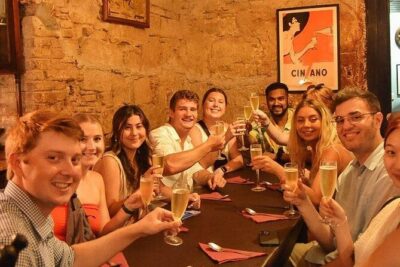
You may also find that the tour is a social experience. One outing brought together a group of seven from Ireland and four people from New Zealand. That is not guaranteed, but the small-group setup makes conversation likely, especially when everyone is sharing unfamiliar food and wine.
The tour is offered in English and Spanish. If the guide switches between the two, some explanations may be bilingual. That can work well for mixed groups, but it is worth knowing before you reserve.
Who should book this experience
I would recommend this tour to you if you want a guided introduction to San Sebastian food without spending a full day in a cooking class. It suits first-time visitors, couples, friends, and solo diners who prefer company while trying local dishes.
It is especially useful if you want history with your meal. The route gives you food stops, city sights, and local context in one outing. It also gives you a base of dishes and drinks to seek out later.
You may want a different plan if you need a guaranteed menu, have serious dietary restrictions, dislike alcohol, or find extended walking difficult. The food list is seasonal, the drinks are part of the experience, and the route is not suitable for people with mobility impairments.
Book at least a day ahead only if you want the security of a flexible cancellation option, since cancellation is allowed up to 24 hours before the tour for a full refund. You can also reserve now and pay later, which helps if your schedule is still shifting.
Should you book the San Sebastian pintxos tour?
Book it if you want a friendly, food-focused way to get your bearings in central San Sebastian. The combination of gildas, ham, seafood, wine, local liquor, and possible Basque cheesecake gives you a broad first taste, while guides such as Kaya and Gonzalo add the local stories that make the route worthwhile.
Skip it if you want a fixed tasting menu or a quiet, seated dinner. For most visitors who value variety, conversation, and a useful introduction to the city, $105 is a fair price for the food, drinks, guide, and three-and-a-half-hour route.
FAQ
How long does the San Sebastian food tour last?
The tour lasts about three and a half hours.
Where does the tour meet?
The meeting point is a tobacco shop in front of San Sebastian Town Hall, at Ijentea Kalea, 4.
Where does the tour finish?
The tour finishes at San Vicente Church.
How many food stops are included?
You visit at least four different restaurants or locations, with at least one serving of food included at each stop.
What food might be served?
Possible tastings include gildas, Spanish ham, spider crab, other local tapas or pintxos, and Basque cheesecake. The selection can change with the season and partner availability.
Which drinks are included?
Water and alcoholic drinks are included. Possible options include txakoli, Rioja red wine, beer, and Basque sloe berry liquor.
What languages are available?
The live guide speaks English and Spanish. The guide may use both languages during the tour.
Is the tour suitable for people with mobility impairments?
No. The tour is not suitable for people with mobility impairments. Comfortable shoes are recommended, and pets and large bags are not allowed.
Just added in Spain
- Cadiz Food Tour: Tapas, Drinks and Delights with a Local★ 5.0 · 174 reviews
- Tapas Food Tour in Jerez de la Frontera★ 4.5 · 28 reviews
- Bilbao Food Tour – Basque Gastronomy Experience★ 5.0 · 79 reviews
- Pintxo and Tapas tour with local Food Expert★ 5.0 · 50 reviews
- Basque Best Bites – #1 Food & Wine tour of Bilbao★ 5.0 · 268 reviews
- Bilbao Food Tour: Pintxos, Drinks, and Tapas with a Local★ 5.0 · 88 reviews
- Vidavivida Wine Journey Food and Culture Tour in Barcelona★ 5.0 · 23 reviews
- Food & Drink Private Tour of Barcelona in Traditional Taverns★ 4.5 · 32 reviews
Tapas Tours, compared.
Tapas Walking Tour with Food, Wine, and History
Read our review →
Madrid Tapas & Wine Tasting Walking Tour – Small Group Local Bars
Read our review →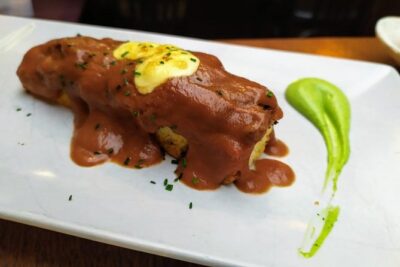
Sevilla Food Tour: Tapas, Wine, History & Traditions
Read our review →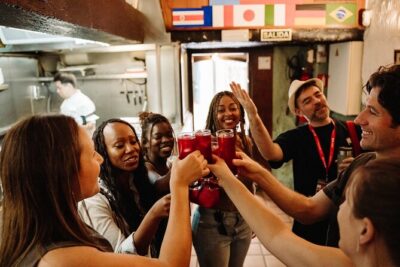
Madrid Tapas & Taverns Small Group Food & History Tour
Read our review →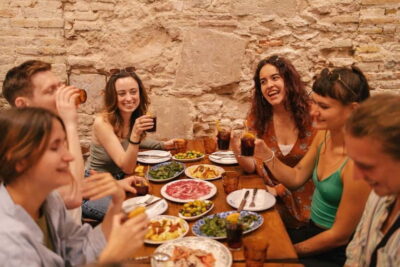
Barcelona Tapas Walking Tour: Food, Wine & History
Read our review →Browse the lists this tour appears in