
REVIEW · CYCLING TOURS
Coffee and Gastronomic Bike Tour in Antigua
Coffee tastes better after a climb. This four-hour ride from Antigua combines coffee-farm trails, local food, and Guatemalan culture in one compact outing. I like the chance to see coffee plants and processing up close, then visit San Felipe de Jesus for sweets, crafts, and unusual drinks. The main catch is the cycling: Antigua’s cobblestones and traffic can make the ride harder than the cheerful description suggests.
I also like the small-group format, with no more than nine people, and the way the tour supports local community projects. Guides such as Pablo, Diego, Carlos, and Farrah have been praised for their warmth and clear explanations. Still, you should expect more than a gentle countryside spin. The bikes are sturdy, but they are also heavy, and some riders found the city portion tiring.
Key things to know before you book
- Coffee production takes center stage: At Finca La Azotea, you see the plants, processing stages, museum displays, and roasting work before tasting the result.
- The ride includes rough city streets: Fat-tire bikes help on Antigua’s cobblestones, but traffic, uneven paving, and the bikes’ weight require steady riding.
- Food is part of the fun: Expect samples of traditional sweets, savory snacks, chocolate, coffee products, and several local drinks.
- San Felipe de Jesus adds a local angle: The village stop includes crafts in wood and clay, a handicraft market, and traditional candy-making.
- Coffee tasting is not the whole focus: Some people received only one small cup, so do not book this expecting a long coffee flight.
- The group stays small: The maximum is nine people, which allows guides to help with traffic and answer questions along the way.
A coffee tour with wheels, snacks, and a local feel
This is not simply a ride to a plantation. It is a half-day sampler of Antigua and its surrounding communities, with coffee as the organizing theme.
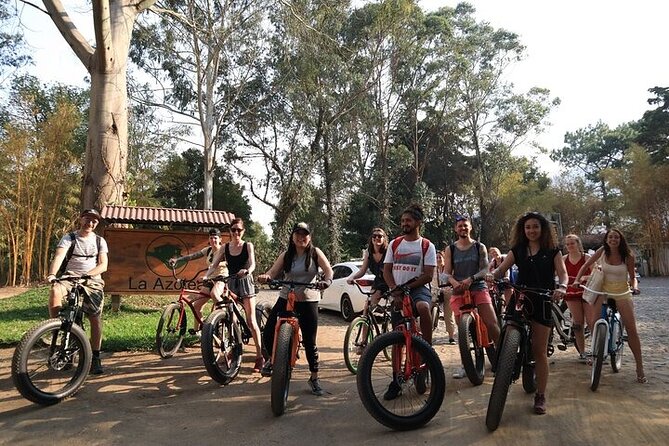
You begin at the CA Travelers office at 25 A, 2a Calle Poniente 25. From there, the route heads out on fat-tire bicycles toward Finca La Azotea. The ride links several kinds of experience: Antigua’s old streets, rural paths through coffee plants, a coffee museum, a chocolate presentation, a village market, and food stops on the way back.
I like this mix because it gives you context. You are not only shown a finished cup of coffee. You get a sense of the labor behind it, the people who process it, and the food traditions that sit beside coffee in daily life.
The tour lasts about four hours. That is long enough to feel like an outing, but short enough to fit around other plans in Antigua. The final stop is back at the CA Travelers office, where you receive a complimentary cold beer.
More coffee tours in the world:
- Hanoi: Vietnamese Street Food Tour with Egg Coffee
★ 4.9 · 315 reviews - Vienna: Guided Foodie Walking Tour with Tastings and Coffee
★ 4.9 · 246 reviews - Rome: Espresso, Gelato and Tiramisù Tasting Tour
★ 4.9 · 74 reviews
Riding out of Antigua on a fat-tire bike
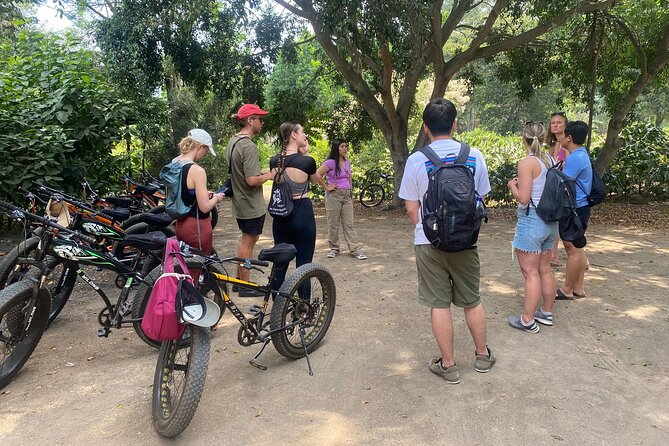
The bikes are one of the practical details that shape the whole experience. Their wide tires are useful on Antigua’s uneven cobblestones, and several riders found them comfortable and well maintained. They are not featherlight machines, though. If you do not ride often, the combination of bike weight, rough streets, traffic, and mild hills can leave you working harder than expected.
You should be comfortable balancing and braking on cobblestones. The route through town can feel tense at times, especially when you are watching paving, vehicles, pedestrians, and the riders around you. Guides help lead the group and manage the route, but you still need to stay alert.
Some people described the ride as fairly easy, while others called it a workout. Both impressions make sense. Fitness, weather, road conditions, and your comfort on a bicycle will make a big difference.
Helmets and bottled water are provided. A backpack may also be available if you need one, but bringing your own small day bag is useful if you expect to buy candy, coffee, crafts, or chocolate.
Finca La Azotea: where the coffee story becomes real
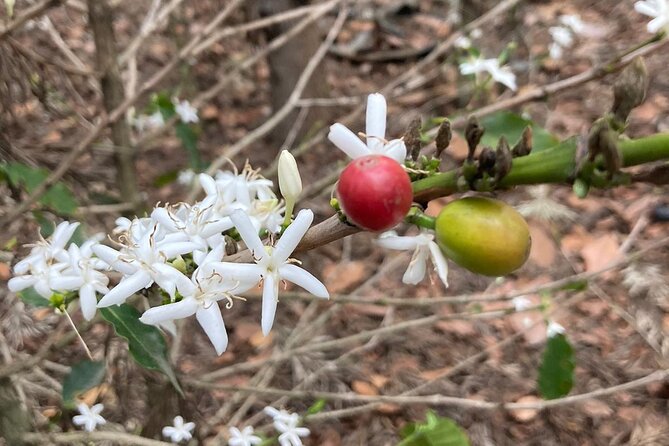
The first main stop is Finca La Azotea, reached by riding beyond the center of Antigua. Here, the paved streets give way to bike trails between coffee plants and shade trees, making the cycling more pleasant and scenic.
The plantation portion lasts about two hours, including the museum and tasting. This is the strongest part of the tour if your main interest is coffee.
You learn about the process from the bean on the plant through picking, drying, roasting, blending, and brewing. The information helps explain why coffee from the same country can taste different depending on the plant variety, growing conditions, processing method, and roasting choices.
The setting also gives the subject some scale. Coffee production is labor intensive, and seeing the plants, shade trees, drying areas, and equipment helps you understand that your morning cup requires much more work than the café counter suggests.
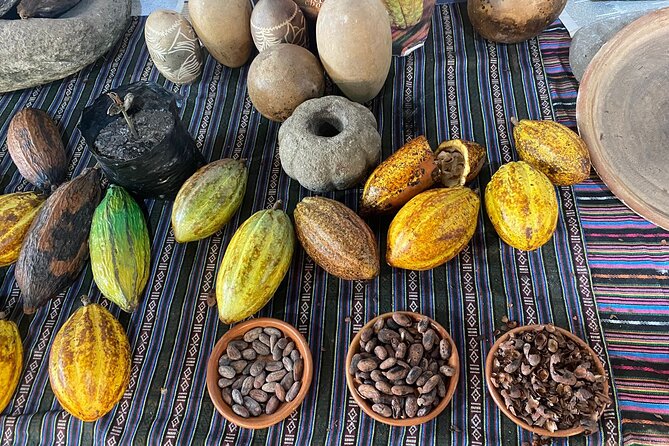
Inside the coffee museum, you get background on Guatemalan coffee and sample different varieties and blends. There are also references in the experience to chocolate and a chocolate museum or presentation. The chocolate portion adds another useful comparison, since cacao and coffee both depend on careful growing, processing, and preparation.
Keep your expectations realistic about the tasting. Coffee is central to the tour, but the amount you actually drink may be modest. Some people received one small cup and wished for more. If you are looking for several generous pours, this may feel light. If you want a clear explanation of production with a sample at the end, it should suit you well.
The plantation is also where the tour feels most peaceful. The ride through the rows of plants offers a welcome break from Antigua’s stone streets. You may also catch distant volcano views, depending on conditions.
Chocolate, candy, and the pleasure of small samples
The food side of this outing is broader than the title suggests. During the plantation and village portions, you may sample coffee products, chocolate, coffee ice cream, sweets, savory food, and traditional drinks.
The tastings are not served as one formal meal. Instead, they appear at different points as you move through the route. That makes the experience playful and keeps you curious about the next stop, but it also means you should not treat it as lunch.
A particularly good feature is the chance to see foods in their local setting rather than only in a tourist restaurant. Traditional Guatemalan candies and chocolate connect the food to household skills and small producers. One reported stop included a local woman preparing doblado over a wood fire, an unplanned moment that shows why flexible tours can be rewarding.
The exact food lineup may vary. The stated route includes local snacks and drinks, and the experience can include street-food stops. If you have a sensitive stomach, allergies, or strict dietary needs, ask the operator before booking. The provided information does not promise a particular menu or special diet options.
More food tours by bike in the world:
- Rome by Night: E-bike Small Group Tour -Food & Wine (Option)
★ 4.9 · 1,233 reviews - Palermo: Guided Bike Tour with Street Food Tasting
★ 4.8 · 479 reviews - Copenhagen: 3-Hour Culinary Bike Tour
★ 4.7 · 301 reviews - Bari Street Food Bike Tour
★ 5.0 · 174 reviews
San Felipe de Jesus and its craft traditions
After the plantation, you ride about ten minutes to the village of San Felipe de Jesus. This is a useful change of pace. The coffee farm explains production, while the village stop puts you closer to local craft and food traditions.
You visit a handicraft market and learn about work in wood and clay. You also see or hear about traditional Guatemalan candy making. These activities give the stop a human scale. Instead of treating the village as a quick photo stop, the tour connects objects for sale with the skills used to make them.
The market may appeal to you if you like buying small, locally made items rather than mass-produced souvenirs. Bring room in your bag and a little patience. The tour is built around seeing and tasting, not rushing through a checklist.
The community focus is another reason this tour has appeal. CA Travelers is described as a local company that puts money back into nearby projects, including support for a high school in a village. That does not turn every stop into a development project, but it gives your spending a more direct local purpose.
Fermented drinks and the trip back to Antigua
On the way back, the group makes a short stop to taste fermented drinks, including fresco de suchiles. The tour presents this as a Guatemalan counterpart to kombucha, along with other beverages.
This stop is valuable because it introduces a drink you are unlikely to discover by ordering the usual Antigua café menu. It also fits the tour’s larger theme: local flavor is not limited to coffee and chocolate.
The drink stop may be at a street vendor or small local stall. The operator says its vendors are long-standing partners and that the water supplied is filtered drinking water. Some people have raised concerns about street-food hygiene, while the company has rejected those concerns and said its safety procedures were followed. If you are cautious about unfamiliar food or drink, use your own judgment and ask what is being served before accepting a sample.
The route then returns to the CA Travelers office. The complimentary Gallo beer is a simple but pleasant finish. It gives the group a few minutes to cool down, talk about the ride, and shift back into Antigua mode.
Guides, group size, and the tone of the outing
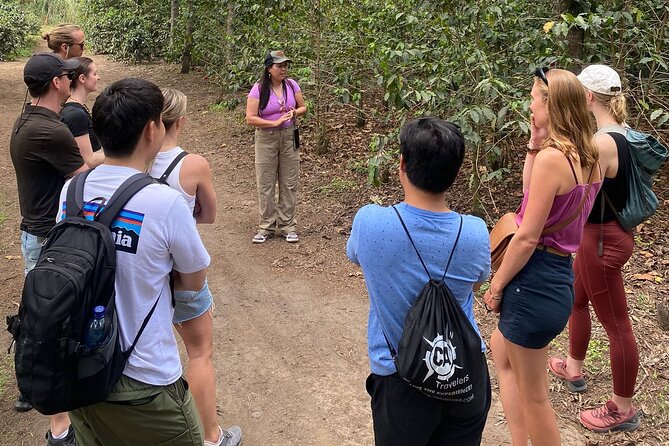
The maximum group size is nine, which is a real advantage on bicycles. A large cycling group can become awkward on narrow streets, while a small group is easier to keep together.
Guide quality appears to be one of the strongest parts of the experience. Pablo is praised for his explanations and friendly manner. Diego is described as especially passionate about the plantation. Carlos received credit for explaining both coffee production and Guatemalan history. Farrah is noted for her energy and ability to keep the group engaged.
The guides do more than point out coffee plants. They may discuss Guatemala’s past, social conditions, indigenous history, and the forces that shaped the country. That broader context is a plus if you want more than a polished tourist story.
It can also be a point of difference in the group. One person found a guide’s comments about politics and history too opinionated, while another felt the discussion was a factual explanation of Guatemala’s past. The practical lesson is simple: this is a culturally direct tour, not a purely neutral coffee demonstration. If you prefer to avoid serious historical or political discussion, ask about the guide’s approach before setting out.
What the $41 price delivers
At $41 per person, the tour offers good value if you want several activities in one half-day. The price includes the bicycle, the plantation admission, the coffee museum, the village visit, tastings, bottled water, a helmet if wanted, and the final beer.
You are also paying for a guide who handles the route between several stops. Doing the same outing independently would require arranging a bicycle, finding the plantation, navigating the roads, and deciding where to stop for food and drinks. The tour saves that effort.
The value is less clear if you want only a serious coffee tasting. The coffee serving may be small, and the ride takes up a major part of the morning or afternoon. For a dedicated coffee enthusiast who wants several rare pours and detailed tasting notes, a specialist coffee workshop may be a better fit.
For most visitors, though, the price works because the tour combines transport, activity, food, and interpretation. It is especially useful early in a stay, when you want to learn your way around Antigua and get a first taste of local life.
Who should book this bike tour?
I would choose this for an active visitor who likes food, history, and informal cultural encounters. It suits couples, friends, solo riders, and families with participants who are comfortable cycling.
You do not need to be an athlete, but you should be willing to pedal for several hours and manage rough streets. If you rarely exercise or feel uneasy around traffic, the ride may be more demanding than you want.
I would also recommend it to someone who wants to support a locally run company and see more than Antigua’s central streets. The coffee farm and village stop provide the strongest sense of place.
I would hesitate if your priority is a long coffee tasting, a quiet sightseeing ride, or a tightly controlled food experience. The route includes uneven roads, changing food stops, and the possibility of strong opinions during cultural discussion.
The experience is recommended by 99 percent of participants and has a five-star rating from 284 reviews, but those figures should not hide the practical tradeoffs. The bike ride is real exercise, the coffee sample may be small, and the tone depends partly on your guide.
Should you book the Coffee and Gastronomic Bike Tour?
Book it if you want a lively half-day that links Antigua with coffee farming, crafts, chocolate, sweets, fermented drinks, and local history. The plantation ride, small group, sturdy bikes, and community focus make this a strong value at $41.
Skip it if you want a dedicated coffee cupping or do not feel comfortable riding on cobblestones. If you are unsure, contact CA Travelers about current route conditions, food stops, and the guide’s style before booking. You can cancel for a full refund up to 24 hours before the start, while bad weather or failure to meet the minimum group size may lead to a new date or refund.
FAQ
Where does the tour start?
It starts at 25 A, 2a Calle Poniente 25, Antigua Guatemala 03001, Guatemala.
Where does the tour finish?
The tour ends back at the CA Travelers office, the same place where it begins.
How long does the experience last?
It lasts approximately four hours.
How much does the tour cost?
The listed price is $41 per person.
How large is the group?
The tour has a maximum of nine participants.
Is admission to Finca La Azotea included?
Yes. Admission to Finca La Azotea is included.
What happens at Finca La Azotea?
You ride through coffee trails, visit the coffee museum, learn about Guatemalan coffee production, and sample coffee varieties and blends.
Do I need to be an experienced cyclist?
The provided information says most people can participate, but the route includes cobblestones, traffic, and a ride that some people found physically demanding. You should be comfortable riding a bicycle.
Is food included?
The tour includes tastings of local foods and drinks, including sweets, savory snacks, chocolate products, and fermented drinks. The exact selection may vary.
Can I cancel for a full refund?
Yes. You must cancel at least 24 hours before the experience start time for a full refund. Changes or cancellations made less than 24 hours before the start are not accepted for a refund.
More Coffee Experiences in the world
- Lucca: Morning Food Tour with Snacks and Coffee
★ 4.9 · 72 reviews - Ethiopian Culinary Tour – Market, Food, Coffee Ceremony & more
★ 5.0 · 65 reviews - Organic Coffee Tour and Local Food Experience in Arusha
★ 5.0 · 29 reviews - Discover Hanoi’s Street Food by Night & Mini Class Coffee
★ 4.8 · 28 reviews
More Cycling Tours in the world
- Rome by Night – Ebike Small Group Tour – Food and Wine (Option)
★ 5.0 · 1,275 reviews - Bangkok: Must-Try Hidden Bike & Food Experience
★ 4.9 · 613 reviews - Must-Try: Hidden Bangkok Bike and Food Tour
★ 5.0 · 455 reviews - Bucerias Bike and Food Tour
★ 5.0 · 173 reviews
Just added in the world
- Private Chicago Food Tour with Deep Dish and Beef Sandwich★ 5.0 · 61 reviews
- River North Food Walking Tour★ 4.5 · 88 reviews
- Chicago Food Tour: Taste the City’s Most Iconic Eats★ 5.0 · 111 reviews
- Chicago’s West Side Foodie Ride Bike Tour★ 5.0 · 112 reviews
- Old Town Chiang Mai Food Tour with 10+ Local Dishes Tastings★ 5.0 · 21 reviews
- Go where the locals go, Eat what the locals eat! Food Tour with Local Foodies★ 5.0 · 138 reviews
- Motorbike Food Tour in Chiang Mai★ 5.0 · 54 reviews
- Lanna Kingdom Chiang Mai Food Tour with 15+ Tastings★ 5.0 · 84 reviews
Coffee Tours, compared.

Vienna Coffee, Cake & Pastries Tour with Local Stories
Read our review →

Guided Foodie Walking Tour with Tastings and Coffee
Read our review →
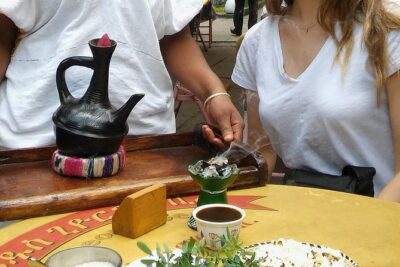
Ethiopian Culinary Tour – Market, Food, Coffee Ceremony & more
Read our review →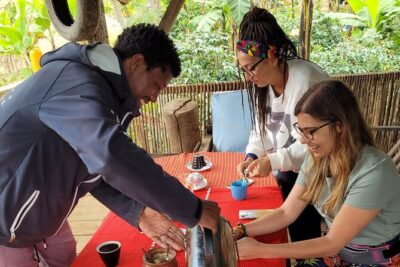
Organic Coffee Tour and Local Food Experience in Arusha
Read our review →
Discover Hanoi’s Street Food by Night & Mini Class Coffee
Read our review →Browse the lists this tour appears in