
REVIEW · SPAIN FOOD TOURS
Tenerife: Flavours and Wines of Tenerife Gastronomy Tour
Fresh fruit, island wine, and a mountain road. This four-hour Tenerife food tour pairs a working banana plantation with Bodega Lagar de Chasna, then finishes with Canarian snacks and a ride back to your accommodation. I especially like the hands-on farm visit and the chance to taste wine shaped by Tenerife’s volcanic soil. The main thing to know is that the final food stop is more of a generous tasting than a full lunch.
The tour costs $81 per person and includes transport, a guide, tastings, and hotel pickup and drop-off. That is fair value if you are staying in the south and want local food without arranging several separate visits. The schedule is also tidy: you can be back at your accommodation with much of the afternoon still free.
Key details before you book
- Finca Las Margaritas offers a real look at banana growing: You tour the farm, learn how bananas are cultivated, and can touch the leaves and plants.
- Gofio and local products are part of the farm tasting: This gives you a taste of an important Canarian staple, not just fruit.
- Bodega Lagar de Chasna brings wine and volcanic soil into focus: The tasting connects Tenerife’s unusual growing conditions with the character of its wines.
- The food is snack-sized rather than a formal meal: Expect homemade mojo and local accompaniments, but do not treat this as your only meal of the day.
- Hotel pickup covers much of Costa Adeje and Playa de las Américas: You must provide your accommodation details so the exact meeting point and time can be arranged.
- The tour runs in English, German, and Spanish: Guide Peter has been especially praised for making explanations clear and even repeating them in French when needed.
A practical taste of southern Tenerife
Tenerife’s resort areas can make the island feel like a place built mainly for beaches, pools, and evening restaurants. This excursion gives you a useful change of pace. In four hours, you move from the coast into agricultural Tenerife, then up toward a winery where the island’s volcanic ground becomes part of the story.
I like the balance. You are not spending the whole day on a bus, but you also are not rushing through a single tasting room. The plantation gives you something to look at and handle, while the winery provides a slower food-and-wine finish.
This is a guided excursion rather than a cooking class or a serious wine course. You will learn, taste, and ask questions, but the purpose is enjoyment rather than technical study. That makes it a good fit if you want a relaxed introduction to Canarian produce.
More Wine Tours in Spain
- Barcelona: Tapas Walking Tour with Food, Wine, and History
★ 4.8 · 4,261 reviews - Madrid Tapas & Wine Tasting Walking Tour – Small Group Local Bars
★ 5.0 · 3,644 reviews - Sevilla Food Tour: Tapas, Wine, History & Traditions
★ 5.0 · 3,468 reviews
The banana farm at Finca Las Margaritas
The first substantial stop is Finca Las Margaritas, a typical Canarian banana plantation. The appeal here is simple: you see the crop in the place where it grows instead of encountering bananas only as a supermarket product or dessert.
The visit explains how bananas are cultivated, with the guide taking you around the farm and pointing out details of the plants. The experience is interactive. You can touch the leaves and feel how sturdy they are, which helps turn a basic agricultural explanation into something more memorable.
Bananas are one of Tenerife’s familiar products, but the farm visit gives you a better sense of the work behind them. You learn about the plant itself and how the plantation functions. For families, this is likely the most engaging section because it is visual, hands-on, and easy to follow.
The tasting adds another layer. Along with fresh bananas, you sample other local products and learn about gofio, a traditional Canarian food made from toasted grain. Gofio is not a flashy ingredient, but it is one of the foods that helps explain everyday island cooking. Tasting it here, alongside fruit and other farm products, gives you a more useful connection to local food than simply ordering a tourist menu.
One of the strongest parts of the visit is the guide’s role. The explanations are described as interactive and full of practical information about the plants. Peter, one of the guides, has been singled out for his kindness and patience. On one occasion, he repeated the explanations in French for a very small group, even though French was not among the listed tour languages. You should not count on a French-language tour, but this suggests a flexible and considerate approach.
The plantation is not presented as a grand attraction with elaborate displays. That is part of its value. You are seeing a working agricultural place and tasting products connected to it. If you prefer polished museum exhibits, this may feel modest. If you like seeing how local food is grown, it is likely to be the more rewarding stop.
The mountain road to Bodega Lagar de Chasna
After the plantation, the route continues along a mountain road toward Bodega Lagar de Chasna. The drive is part of the experience, with views across the higher parts of Tenerife. The supplied details do not promise a formal viewpoint stop, so you should think of the scenery as something you enjoy from the vehicle rather than a separate sightseeing session.
The change in setting matters. You begin with a lowland crop associated with warm coastal conditions, then head toward a wine area where altitude and volcanic ground affect the vines. The contrast helps make the island’s food traditions feel connected to place.
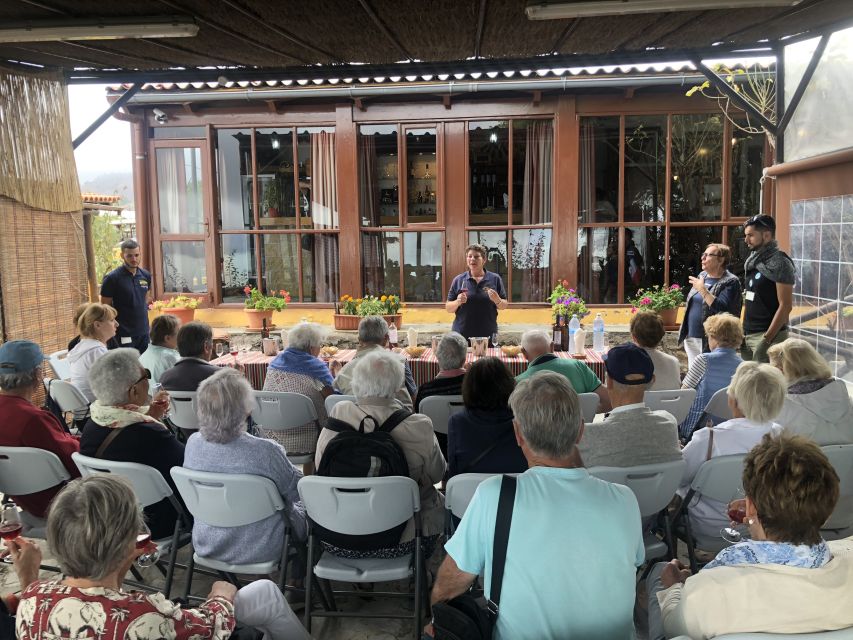
Bodega Lagar de Chasna is the second main stop. Here, you taste Tenerife wines with local snacks. The winery visit focuses on pleasure and explanation rather than a long cellar tour, and the supplied schedule lists the wine tasting as part of the stop.
The tasting has earned particularly strong praise for the wines and the host’s sense of humor. Two white wines have been singled out as especially good, although the other wines also received positive attention. If you usually prefer white wine, this detail may make the excursion more appealing. If you are not much of a wine drinker, the food pairing and the explanation of the growing conditions still give the stop a reason to be there.
The volcanic soil is an important talking point. Tenerife’s vineyards do not grow under the same conditions as many mainland European vineyards, and the guide explains how those differences affect cultivation. You do not need to be a wine expert to follow this. The useful point is that the wine is linked to the island’s ground, climate, and mountain setting.
The bodega stop also has a social side. The owner is described as humorous and entertaining, which can make a tasting feel less formal. That is helpful if you find wine presentations intimidating. At the same time, the tone may not suit someone seeking a quiet, highly technical tasting with detailed vintage analysis.
What you actually eat
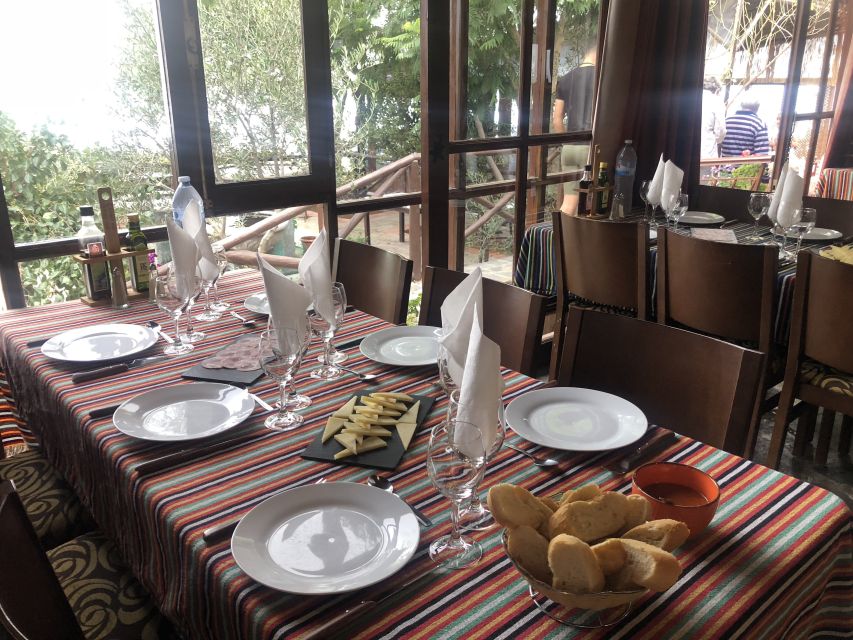
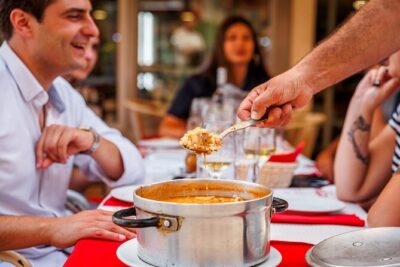
The food component is spread across both stops. At Finca Las Margaritas, you taste bananas, gofio, and other typical products. At the winery, local snacks are paired with the wines, including homemade mojo.
Mojo is one of the flavors you should expect to associate with the Canary Islands. The exact selection can vary, and the tour description does not give a complete menu, so do not book this expecting a fixed sequence of dishes. Think of it as a tasting of regional products followed by a Canarian snack spread.
The phrase typical Canarian lunch needs a little context. One direct account describes the food as not a true lunch, but as homemade mojo and other tasty accompaniments. That is the most useful expectation to carry. You will have food, but you may still want a proper meal later, especially if you normally eat lunch early or need something substantial.
I see this as a strength for a half-day tour. A large meal would make the excursion slower and heavier. The smaller portions leave room to sample several flavors and return to the coast without losing the rest of your day. If you are hungry after a morning at the beach, eat something light before pickup.
Same city, a different table:
- Madrid Tapas & Taverns Small Group Food & History Tour
★ 5.0 · 2,664 reviews - Barcelona: Food Walking Tour with Tapas and Wine
★ 4.9 · 2,180 reviews - Madrid: Tapas & Wine Tasting Tour with Local Guide
★ 4.8 · 2,171 reviews - Malaga Wine & Tapas Small Group Guided Tour
★ 5.0 · 1,972 reviews
Transport, pickup, and the four-hour schedule
Hotel pickup and drop-off are included, which makes the $81 price easier to assess. Pickup points cover many hotels and bus stops around Costa Adeje, Fañabé, Playa de las Américas, and nearby resort areas. Listed locations include Aqualand, Siam Bus Stop, Fañabé Plaza, Bahia del Duque, Hotel Best Tenerife, and several apartment complexes.
You do not simply choose any street corner on the day. You provide your accommodation details, then receive the exact pickup time and meeting place by email. Check that message carefully, especially if your hotel is listed near several possible stops.
The return uses the same general network of locations. That is convenient if you want to plan an afternoon at the beach, book dinner, or visit another attraction. The four-hour length keeps the outing manageable, although exact timing can depend on pickup arrangements and the road journey.
Transport is particularly useful here because combining a plantation and a winery on your own would require planning a route, arranging a driver, and finding a way back after wine tasting. The included ride removes that concern. It also means you can taste the wines without making yourself responsible for driving.
The tour is offered with live guiding in English, German, and Spanish. The guide’s personal style matters more than the language list, and the available comments point to a warm, clear presentation. Still, if you need a language not listed, ask before booking rather than assuming an informal translation will be possible.
Is $81 a fair price?
At $81, this is not the cheapest way to taste a banana and a glass of wine in Tenerife. The value comes from the combination of transport, guiding, two distinct stops, several tastings, and a return to your accommodation.
I think the price works best for people staying in the southern resort zone. You are paying for convenience as much as for food. The guide handles the route, the farm provides access and explanation, and the winery supplies a setting and tasting that would be awkward to arrange after driving yourself.
The value is weaker if you already have a rental car, plan to visit several wineries independently, or want a full restaurant meal. You could spend less on individual food stops, but you would lose the guided context and the ease of door-to-door transport.
The 4.6 rating from 42 ratings supports the idea that the experience is consistently well received, while the details also show where expectations should be adjusted. The banana plantation and the guide receive the warmest praise. The wine tasting is also a highlight, especially the white wines and the owner’s humor. The only clear qualification is the food portion, which should be treated as a substantial tasting rather than a conventional lunch.
Who will enjoy this most?
I would recommend this excursion to you if you want local food without spending a full day away from your resort. It suits couples, families, and small groups who enjoy a mix of scenery, farming, wine, and easy conversation.
Families may get the most from the plantation because children can see and touch the plants. Wine is only one part of the outing, so the tour is not limited to serious wine fans. The farm products and short duration also help keep the day varied.
It is a good choice for anyone who dislikes organizing transport. Pickup and drop-off cover a large number of southern Tenerife accommodations, and the route links two places that are not as simple to combine independently.
You may want to skip it if your priority is a long winery visit, a formal multi-course lunch, or an intensive wine education. This is a friendly introduction, not an advanced tasting seminar. The snack portions may also leave you wanting more food later.
Wear comfortable shoes, since you will walk around the farm. Bring warm clothing as well, because the mountain section and winery area may feel cooler than the coast. That advice is especially useful if you leave a sunny beach in shorts and expect the whole outing to feel equally warm.
Should you book the Tenerife gastronomy tour?
Book it if you want a compact, well-organized taste of Tenerife beyond the resort strip. The strongest reasons are the hands-on banana plantation, the local gofio tasting, the volcanic wine setting, and the easy transport.
Go in expecting a food-focused half-day rather than a full lunch excursion. If that matches your plans, $81 is a reasonable price for a guided visit to Finca Las Margaritas and Bodega Lagar de Chasna, with wine, local products, and a return to your hotel before the day is over.
FAQ
How long does the Tenerife gastronomy tour last?
The experience lasts four hours, including pickup, the plantation visit, the winery tasting, and return transport.
What is included in the price?
The price includes hotel pickup and drop-off, transportation, a live guide, wine tastings, food tastings, and a typical Canarian snack or lunch.
Where does the tour pick up?
Pickup is available from many hotels, apartment complexes, and bus stops in southern Tenerife, including locations around Costa Adeje, Fañabé, Playa de las Américas, and nearby areas. You receive the exact pickup time and place by email after providing your accommodation details.
Which languages are available?
The live guide service is offered in English, German, and Spanish.
What will I see at Finca Las Margaritas?
You will tour a banana plantation, learn about banana cultivation, hear about gofio production, and taste bananas and other local products.
What happens at Bodega Lagar de Chasna?
You will take part in a Tenerife wine tasting paired with local snacks. The visit also includes information about wine growing and volcanic soil.
Is the food a full lunch?
The tour includes a typical Canarian snack or lunch, but you should not expect a formal full meal. The food includes local products and homemade mojo, so you may want to plan another meal later.
What should I bring?
Bring comfortable shoes for the plantation visit and warm clothing for the mountain road and winery stop.
Just added in Spain
- Cadiz Food Tour: Tapas, Drinks and Delights with a Local★ 5.0 · 174 reviews
- Tapas Food Tour in Jerez de la Frontera★ 4.5 · 28 reviews
- Bilbao Food Tour – Basque Gastronomy Experience★ 5.0 · 79 reviews
- Pintxo and Tapas tour with local Food Expert★ 5.0 · 50 reviews
- Basque Best Bites – #1 Food & Wine tour of Bilbao★ 5.0 · 268 reviews
- Bilbao Food Tour: Pintxos, Drinks, and Tapas with a Local★ 5.0 · 88 reviews
- Vidavivida Wine Journey Food and Culture Tour in Barcelona★ 5.0 · 23 reviews
- Food & Drink Private Tour of Barcelona in Traditional Taverns★ 4.5 · 32 reviews
Wine Tours, compared.

Winner 2025 Undiscovered Lisbon Food & Wine Tour by Eating Europe
Read our review →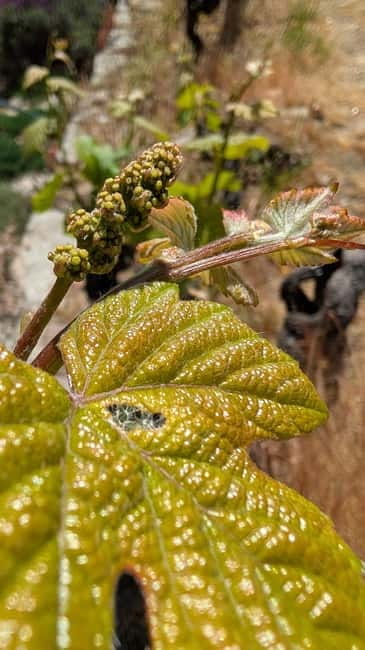
Winner 2025 Florence Sunset Food & Wine Tour by Eating Europe
Read our review →
Authentic Parisian Gourmet Food Tour with 10 Local Dishes & Wines
Read our review →
Tapas Walking Tour with Food, Wine, and History
Read our review →
Lisbon Small-Group Portuguese Food and Wine Tour
Read our review →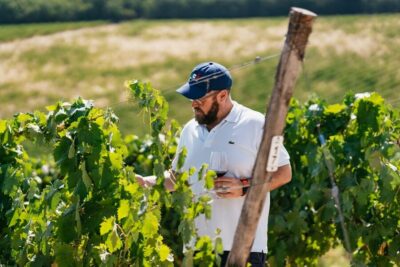
Browse the lists this tour appears in