
REVIEW · SPAIN FOOD TOURS
Alicante: Secret Flavors Food Tour
Come hungry, leave with Alicante on your tongue. This food tour pairs 20 tastings with stories from the Central Market, local producers, and the small businesses that shape the city’s food culture. I like the generous range, from orchard fruit and Mediterranean fish to local cheese, cured meats, sweets, wine, beer, and nonalcoholic drinks. I also like the friendly guides, including Fran, Francisco, Nadia, Isaac, and Paco, who bring plenty of warmth and local pride.
The main thing to consider is that the tour is mostly on foot and lasts two to two and a half hours. You may be standing for much of it, and the experience is not suitable for wheelchair users, people with mobility impairments, or vegans. Also, the exact route can vary: some sessions focus heavily on the market, while evening tours may continue to tapas bars around town.
Key points to know before booking
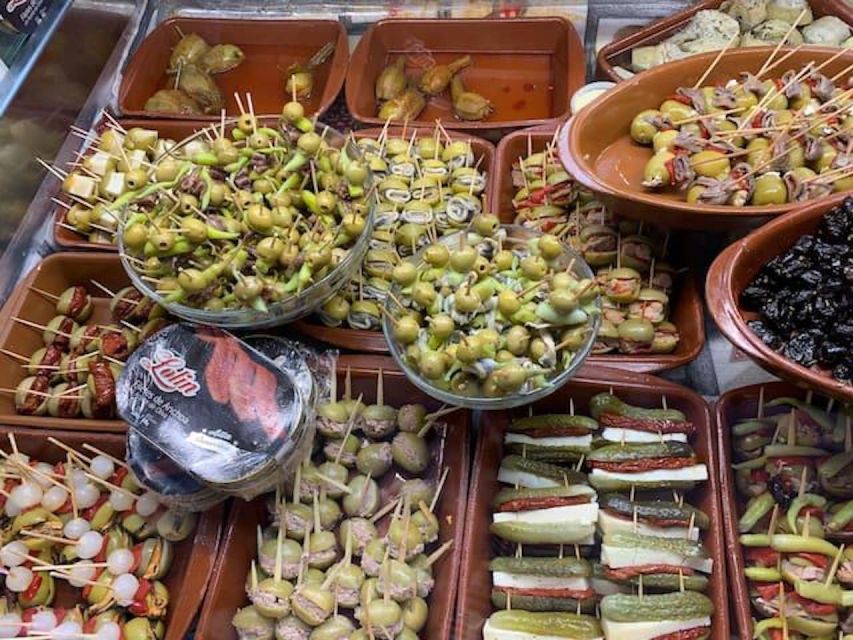
- Ten food locations: You visit a series of market stalls and food stops, with some businesses operating for more than 100 years.
- Twenty food and drink samples: The portions are small, but the quantity is enough to leave many people full.
- Local produce comes first: Expect fruit and vegetables, meat, fish, cheese, sweets, tapas, and regional drinks.
- Excellent guide reputation: Fran, Francisco, Nadia, Isaac, Paco, and other guides are often praised for clear English, humor, and genuine affection for Alicante.
- Good value at $34: The number of tastings and included drinks make this a strong introduction to local food.
- Important limits: Vegetarian options are available, but vegan options are not. Alcohol is included, though nonalcoholic alternatives can be arranged.
Starting at Alicante’s Central Market
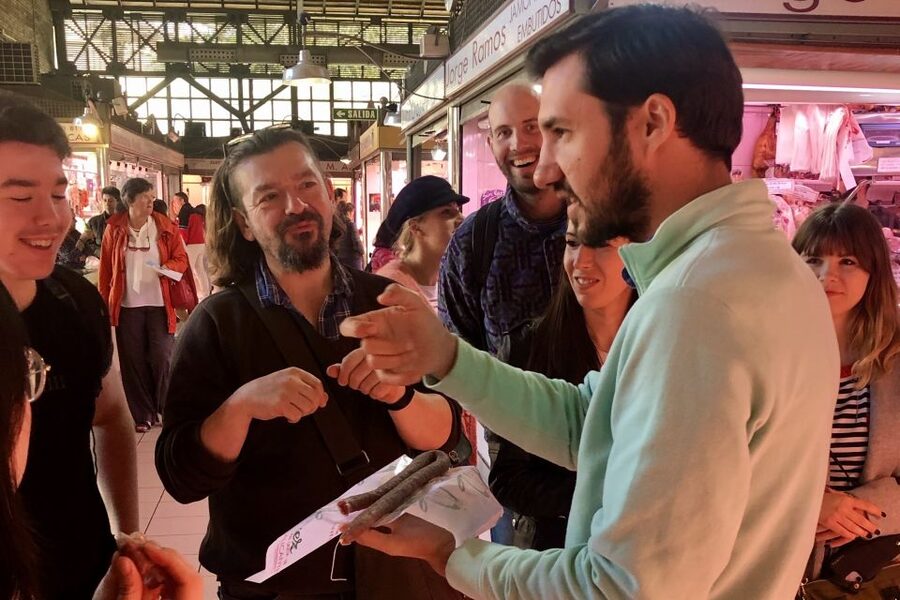
The tour begins at the stairs by the main facade of Alicante’s Central Market, directly opposite Avenida Alfonso el Sabio, number 10. This is a practical meeting point, close to public transport and easy to recognize. One review also notes that the market has an underground car park, useful if you are arriving by car.
The market is more than a place to grab a snack. It gives you a quick lesson in how Alicante eats. You move among sellers, produce displays, and food counters while your guide explains what is local, what is common across Spain, and what makes Alicante’s version different.
The market occupies several floors, and the tour may take you through different sections rather than simply stopping at one counter. You get a look at the people selling the food, not just food placed on a plate for tourists. That contact matters. The point is not only to taste jamón, cheese, or fish, but to understand how those products reach the table.
The building itself is part of the visit. Your guide may explain its background and the role it has played in the city’s daily life. Nadia has been praised for taking groups across all three floors and explaining the producers behind the stalls. Isaac has also been singled out for giving useful background before leading groups into the middle of the market.
More hidden gem food tours in Spain:
- Barcelona Old Town Tapas Tour: Vermouth, Bites & Hidden Gems
★ 5.0 · 627 reviews - Southern & Secret Walking Food Tour
★ 4.5 · 1,413 reviews - Edinburgh Food Tour with Scotch, Haggis, a Secret Dish & More
★ 5.0 · 1,172 reviews
Ten stops and twenty tastes
The tour includes 20 food and drink tastings across roughly 10 locations. That works out to a steady stream of small samples rather than one large meal. You should arrive ready to eat, but do not plan a heavy lunch right before the tour.
The precise menu can change with the season and the trading day. The stated range includes fruit and vegetables from the orchard, meat from local farms, Mediterranean fish, regional cheeses, handmade sweets, and traditional Spanish drinks. Reviews also mention jamón Serrano, tapas, local beer, several wines, and foods that some people had never tried before.
This range is one of the tour’s best features. Alicante’s food is not reduced to paella and sangria. You get to compare fresh produce with cured meat, savory bites with sweets, and seafood with dairy products. The guide explains where ingredients come from and how they fit into local habits.
Some tastings are likely to be familiar, while others may be new to you. That is where the guide earns the fee. A good guide can tell you how to approach an unfamiliar food, what part of Spain it comes from, and how it differs from a similar product elsewhere.
There is no pressure to taste everything. One group member specifically praised the relaxed approach when someone did not want to try a particular item. That makes the tour easier for cautious eaters, provided your dietary needs fit the limits of the experience.
Drinks that make the food make sense
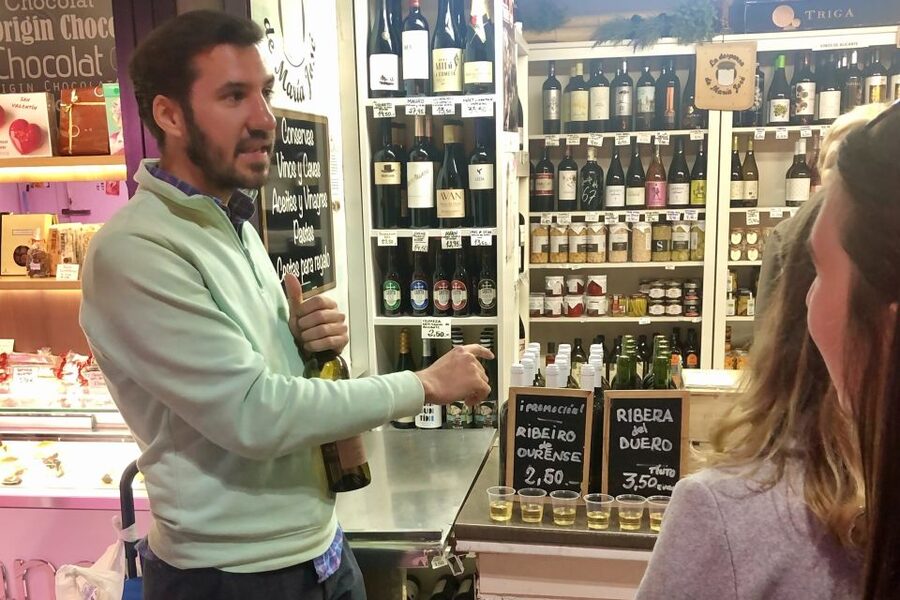
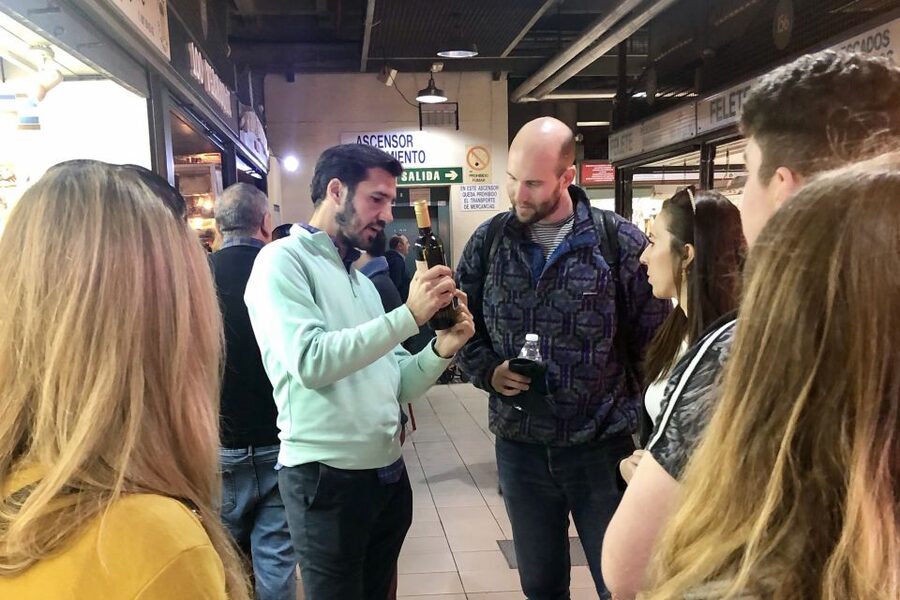
The drink pairings are a major part of the value. Traditional Spanish drinks, with and without alcohol, are included. Several sessions have featured local beer and multiple wines, with one afternoon tour including four wines.
If you drink alcohol, the pairings help show how Spanish meals are built. A small glass of wine with cured meat or a local beer alongside a savory snack gives you a better sense of the food than tasting everything alone.
You do not need to drink alcohol to take part. The tour information says nonalcoholic options are available, and one guest who does not drink alcohol received alternatives at each stop. Still, alcohol is part of the standard experience, so tell the guide at the start if you want replacements.
Only people of legal drinking age are served alcohol. If you are driving, you can skip the wine, as one car-bound participant did, without losing the food portion of the tour.
What guides add to the experience
The guides are the strongest part of this tour. Names that appear repeatedly in the experience include Fran, Francisco, Nadia, Isaac, Paco, and Cristina. The praise is consistent: warm personalities, strong English, good humor, and real interest in Alicante’s food.
Fran is often described as friendly and engaging, with a talent for explaining market stalls and local products without making the visit feel like a lecture. Francisco is praised for his passion for Alicante and for bringing groups to foods they might not choose alone. Nadia is noted for energy, organization, and useful advice about the city.
Isaac seems especially good at mixing information with a relaxed tone. Paco has led both market and evening sessions, and he has been praised for making groups feel comfortable. Cristina has also been described as organized and enthusiastic about the city’s food.
The guide matters because market shopping can be confusing. You may not know which items are special to Alicante, how to order them, or which stall deserves your attention. Here, you can ask questions and leave with enough context to return on your own.
English is the stated tour language. The guides are praised for speaking clearly, though one comment suggested that a guide occasionally spoke too quickly. If you have trouble following fast speech, say so early.
A few more food tours in Spain worth a look
- Barcelona: Tapas Walking Tour with Food, Wine, and History
★ 4.8 · 4,261 reviews - Madrid Tapas & Wine Tasting Walking Tour – Small Group Local Bars
★ 5.0 · 3,644 reviews - Sevilla Food Tour: Tapas, Wine, History & Traditions
★ 5.0 · 3,468 reviews - Madrid Tapas & Taverns Small Group Food & History Tour
★ 5.0 · 2,664 reviews
Morning market visits and evening tapas routes
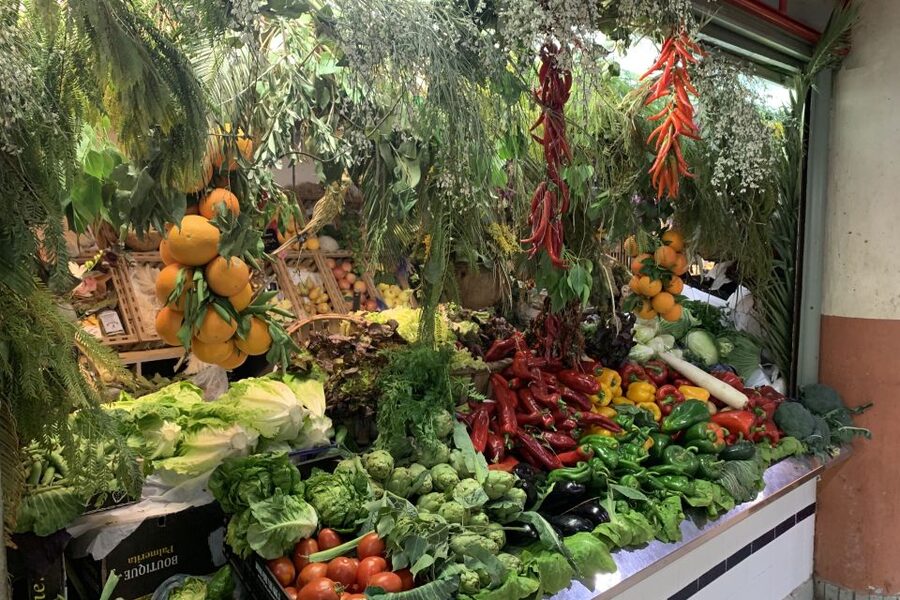
The tour description centers on the Central Market, but the route is not identical for every session. Afternoon tours may finish as the market closes, while evening tours can include tapas bars and stops around the city.
That difference matters. If you want time to browse the market independently, an afternoon tour may leave little opportunity afterward. One participant found that the market closed at the end of the tour. You could visit the market before your tasting session if independent shopping is important to you.
An evening route offers a different mood. Paco’s evening tour included tapas bars, drinks, and a stop around town. Another group ended at a restaurant in an attractive square where a singer performed later. That sounds less like a strict market lesson and more like a social introduction to Alicante’s food-and-drink scene.
Monday may also affect what you see. One participant pointed out that the fish aisles can be closed on Monday because fishermen are out early that morning. If the seafood section matters to you, check the available date and consider another day.
Because the route can shift with opening hours and trading schedules, look closely at the start time when booking. The experience lasts two to two and a half hours, but the setting may be mainly inside the market or may extend to nearby tapas places.
Is $34 a fair price?
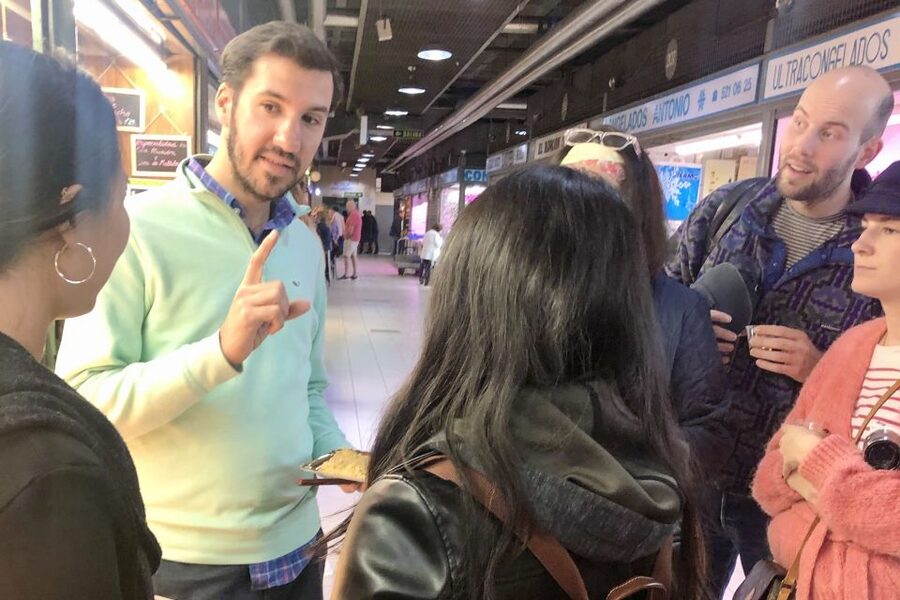
At $34 per person, this is strong value if you make good use of the tastings. You receive 20 food and drink samples, a guided visit to around 10 locations, explanations of local products, and help navigating a major market.
The price also covers something you cannot easily buy alone: access to a local food interpreter. You could walk through the market for free, but you might miss the connection between the stalls, the regional diet, and the producers. You might also spend money on foods that do not suit your taste.
The portions are tasting portions, not full restaurant plates. Even so, the total amount appears substantial. Several people finished feeling full, and the combination of food, wine, beer, and sweets can easily replace a light meal.
The value is best for a first visit to Alicante. You receive a broad introduction in one sitting, then can return later to buy the products you liked. If you already know the Central Market well and prefer a quiet, independent meal, the tour may feel less necessary.
The Mediterranean diet in practical terms
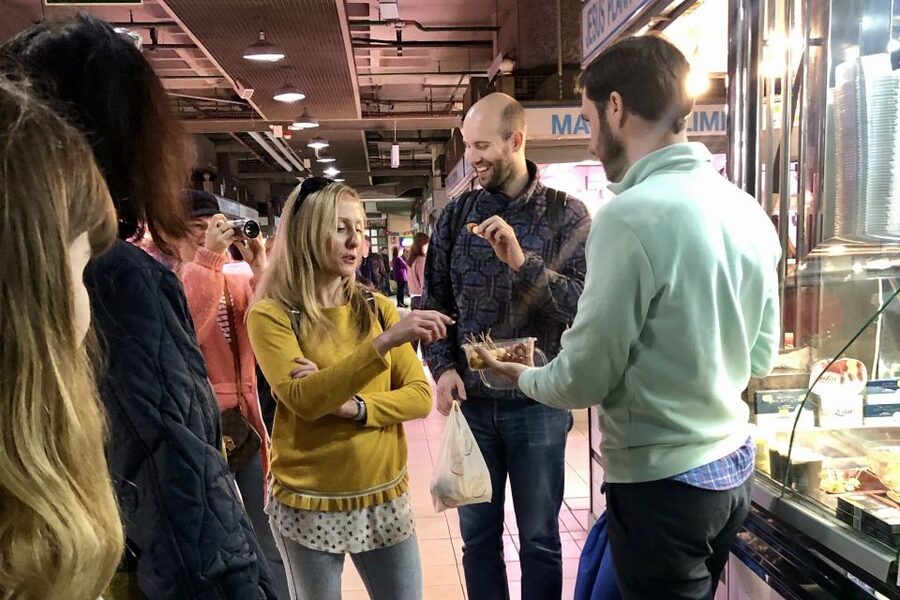
The tour presents the Mediterranean diet through actual food rather than abstract health claims. You see produce, fish, meat, cheese, and traditional drinks in the setting where local people buy them.
The guide also explains how the diet can support better nutrition. That does not mean the tour is a health class. It means you get practical context about balance, fresh ingredients, and the role of regional products in everyday eating.
I like this approach because it connects food with place. Fresh fish means more when you have seen the market’s seafood section. Local cheese means more when you know who sells it. A handmade sweet becomes more interesting when the guide explains its connection to local tradition.
The tour also aims to support small businesses and artisans who continue to make and sell food in familiar ways. You are not only sampling products from a large brand. You are meeting sellers and learning how their work fits into Alicante’s food culture.
Group size, pace, and comfort
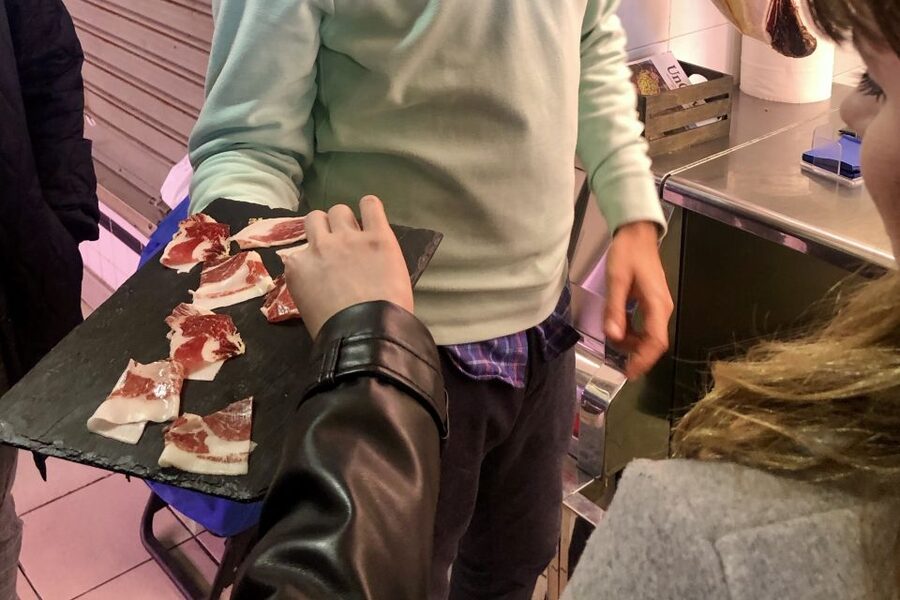
Group size varies, but sessions have included groups of about eight to ten people, as well as much smaller groups. One tour had only three participants, while another was private in practice because only one person booked.
A smaller group makes it easier to hear the guide and ask questions. It also helps at crowded counters, where a large party could block other shoppers. At the same time, a group tour has a social side. You may meet people from several countries while sharing food and wine.
The pace is manageable but active. You are on your feet for much of the two-hour visit, so wear comfortable shoes and rest beforehand if standing is difficult. Sophie, who joined alone, specifically advised sitting down and getting a proper rest before starting.
This is not the right choice for wheelchair users or people with mobility impairments. The stated restrictions are clear, and the market route involves movement between locations. Ask the operator directly if your needs are not covered by those categories.
Who should book this Alicante food tour?
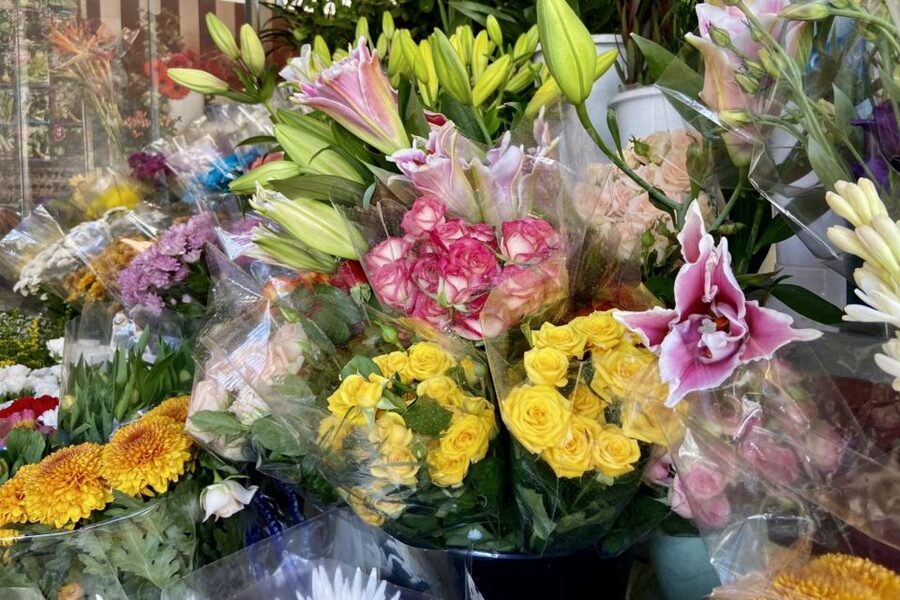
I would recommend it to first-time visitors who want a quick, friendly introduction to Alicante. It suits people who like tasting several things instead of committing to one restaurant meal, and it works well for solo visitors because the guide helps create an easy social setting.
It is also a good pick for curious eaters who want help choosing unfamiliar foods. Families or groups with mixed preferences may appreciate the range, but vegans should not book it because vegan options are not available.
Book it early in your stay if possible. The tour can teach you what to order later, point you toward food areas worth revisiting, and help you understand the market before you shop alone. Some guides also provide additional city and restaurant suggestions after the tour.
I would be more cautious if you dislike alcohol, cannot stand for two hours, or want a quiet, independent market visit. Vegetarians can take part, and nonalcoholic replacements may be arranged, but you should state your needs clearly at the start.
Final verdict: a tasty first look at Alicante
The Secret Flavors Food Tour offers a lot for $34: 20 tastings, about 10 food stops, drinks, market access, and a guide who can explain what you are eating. Its strongest quality is the human touch. Fran, Francisco, Nadia, Isaac, Paco, and the other guides are not simply moving groups between counters. They explain the sellers, products, traditions, and local pride behind the food.
Book it if you want a generous, social introduction to Alicante’s market and tapas culture. Choose your date carefully if you care about the fish section, and check whether your session centers on the market or continues to tapas bars. For most visitors who eat meat, fish, dairy, and sweets, this is an enjoyable and useful way to get your bearings fast.
FAQ
Where does the Alicante Secret Flavors Food Tour meet?
Meet at the stairs of Alicante’s Central Market, at the main facade directly opposite Avenida Alfonso el Sabio, number 10.
How long does the food tour last?
The tour lasts approximately two to two and a half hours.
How many tastings are included?
The experience includes 20 tastings of food and drinks.
How many food locations do you visit?
The tour visits 10 different food locations, including market stalls and, depending on the session, possible tapas stops around the city.
Is the tour conducted in English?
Yes. English is the stated tour language.
Are vegetarian options available?
Yes. Vegetarian options are available, but vegan options are not.
Does the tour include alcohol?
Yes. Alcoholic drinks are included, and only people of legal drinking age are served alcohol. Nonalcoholic alternatives can be arranged.
Is hotel pickup included?
No. Hotel pickup and drop-off are not included. You must make your own way to the Central Market meeting point.
Is the tour suitable for wheelchair users?
No. The experience is not suitable for wheelchair users or people with mobility impairments.
Just added in Spain
- Cadiz Food Tour: Tapas, Drinks and Delights with a Local★ 5.0 · 174 reviews
- Tapas Food Tour in Jerez de la Frontera★ 4.5 · 28 reviews
- Bilbao Food Tour – Basque Gastronomy Experience★ 5.0 · 79 reviews
- Basque Best Bites – #1 Food & Wine tour of Bilbao★ 5.0 · 268 reviews
- Pintxo and Tapas tour with local Food Expert★ 5.0 · 50 reviews
- Bilbao Food Tour: Pintxos, Drinks, and Tapas with a Local★ 5.0 · 88 reviews
- Vidavivida Wine Journey Food and Culture Tour in Barcelona★ 5.0 · 23 reviews
- Food & Drink Private Tour of Barcelona in Traditional Taverns★ 4.5 · 32 reviews
Secret and Hidden Gem Food Tours, compared.
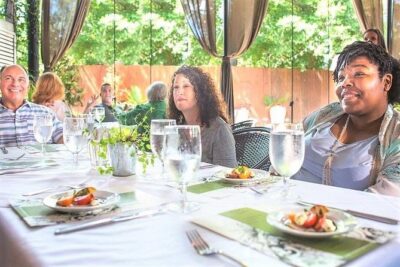

Edinburgh Food Tour with Scotch, Haggis, a Secret Dish & More
Read our review →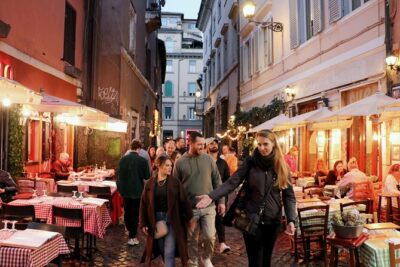
Rome Food Tour: Hidden Gems of Trastevere with Dinner & Wine
Read our review →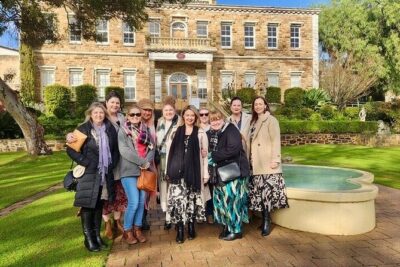
Discover Barossa: 4 Wine Tastings, Gourmet Lunch, and Hidden Gems
Read our review →
Flavors of Fremont: Downtown Vegas Food Tour & Local Secrets
Read our review →
Barcelona Old Town Tapas Tour: Vermouth, Bites & Hidden Gems
Read our review →
Downtown Las Vegas Food Tour of 6 Iconic Dishes & Hidden Gems
Read our review →Browse the lists this tour appears in