
REVIEW · COPENHAGEN FOOD TOURS
Copenhagen: Best of Danish Pastry Tasting Tour
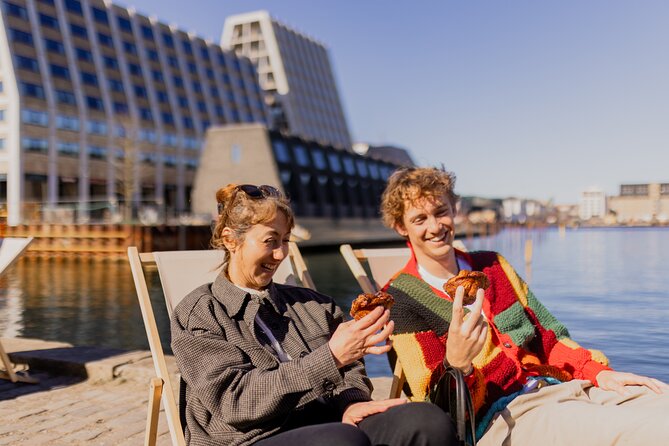
Pastry makes a fine map of Copenhagen. This two-hour walking tour links five bakeries with samples of Danish favorites, local stories, and a useful look at the city between bites. I like the five-stop format, which gives you more than one bakery style, and I like the way the walk adds Copenhagen history instead of treating the food as a quick sugar stop. The main consideration is the 5-kilometer distance, which can feel long in cold or wet weather.
The small group, capped at 10 people, keeps the outing personal. Guides such as Theo, Simon, Emily, Noah, and Linea have been praised for answering questions about food, local customs, buildings, and daily life in Denmark. You should also know that five pastries can be a lot, although several groups shared portions and found the amount manageable.
At $74 per person, this is not a cheap bakery crawl. Still, the price covers five tastings, two hours with an English-speaking guide, and a walking tour through different parts of central Copenhagen. If you value conversation and context as much as cake, the cost makes better sense.
Key points at a glance
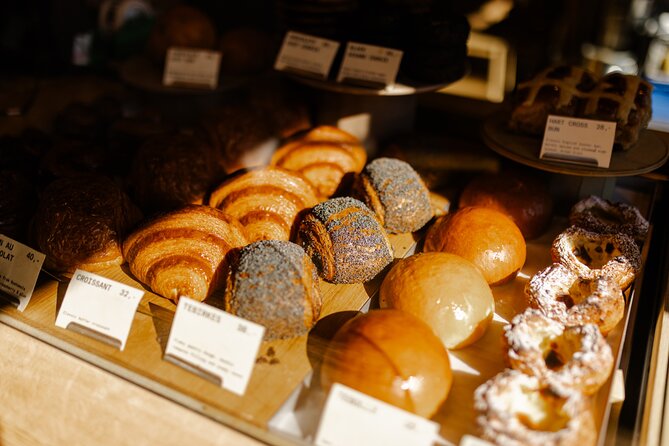
- Five bakeries in two hours: You sample a Danish pastry at each stop, with a mix of famous shops, local favorites, classic bakes, and newer styles.
- A 5-kilometer city walk: The food gives the route purpose, while the guide adds stories about Copenhagen, Denmark, and the areas you pass through.
- Classic pastries included: Expect examples such as Wienerbrød, Tebirkes, Kringle, and Hindbærsnitter, though the exact selection may vary.
- Small groups capped at 10: This gives you a better chance to ask questions and chat with the guide.
- Generous portions: Past groups often received about half of a pastry at each stop, enough to taste widely without facing five full-size sweets.
- English-speaking local guides: Theo, Simon, Emily, Noah, Linea, and others have been praised for warmth, humor, and useful Copenhagen tips.
Why a pastry tour works so well in Copenhagen
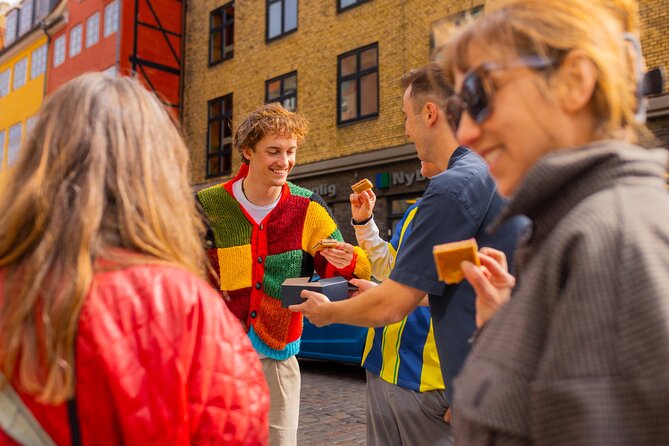
Danish pastry is not one single thing. The category includes laminated dough, buttery layers, poppy seeds, fruit filling, icing, custard, and crisp pastry shells. A tour helps you notice those differences instead of ordering one familiar-looking pastry and calling it a day.
You begin outside Lagkagehuset Bakery, then walk between five bakeries. The exact route and shop lineup are not provided in advance, so you should think of this as a guided tasting route rather than a fixed bakery checklist. That flexibility can be a strength, since bakery availability and daily offerings can change.
The guide explains what you are eating and why each bakery matters. At some stops, you might hear about a classic recipe. At others, the focus may be a local bakery, a newer interpretation, or the shop’s place in Copenhagen’s food scene.
I like this approach because it gives you a reason to try pastries you might otherwise overlook. Several people especially singled out Tebirkes, a poppy-seed pastry, as a must-try. You may find that your favorite is not the glossy pastry you first noticed in the window.
More dessert and chocolate tours in Copenhagen:
- Copenhagen Best of Danish Pastry Tasting Tour
★ 5.0 · 30 reviews - Award-Winning Geneva Chocolate &Old Town Tour with Boat Ride (3h)
★ 5.0 · 3,721 reviews - Paris French Sweets Tasting Tour with Pastries and Chocolates
★ 4.5 · 947 reviews
The five bakery stops and what you taste
The first meeting point is outside Lagkagehuset Bakery. This is a practical starting place because you can identify the guide there before the group sets off. The tour then moves through four more bakeries, with one pastry sample at each location.
The attraction is variety. You are not simply eating the same sweet five times. The tasting can include Wienerbrød, the laminated pastry commonly associated with Danish baking, along with Tebirkes, Kringle, and Hindbærsnitter. These pastries cover different textures and flavors, from flaky layers to poppy seeds and raspberry filling.
Wienerbrød: flaky layers and sweet fillings
Wienerbrød is the pastry most people expect when they hear Danish pastry. It is made with laminated dough, so you get thin layers that crack and flake as you eat. Depending on the version served, the pastry may include sweet filling, icing, or other toppings.
The guide’s explanation matters here. Without context, you may simply call it a croissant-like pastry, but Wienerbrød has its own place in Danish baking. Take your time with it. The best part is often the contrast between crisp outer layers and softer pastry beneath.
A possible drawback is practical rather than culinary: flaky pastry is not ideal while walking. You may want to eat at the bakery or pause before setting off, especially if you are carrying a coat, camera, or coffee.
Tebirkes: the pastry many people miss
Tebirkes is a useful reason to take this tour instead of choosing bakeries on your own. It is less obvious to many first-time visitors, yet it received special praise from people who tried it on the route.
The poppy-seed topping gives it a distinct look and a slightly nutty flavor. It also shows why a good food guide is useful. You get a name to remember, an explanation of what makes it different, and a better chance of ordering it again later in your trip.
A few more food tours in Copenhagen worth a look
- The Copenhagen Culinary Experience Food Tour
★ 5.0 · 959 reviews - Copenhagen Culinary Food Tour with 6+ Tastings of Danish Classics
★ 5.0 · 541 reviews - Copenhagen’s oldest and original food tour (Est. 2011).
★ 4.8 · 442 reviews - Copenhagen: 3-Hour Culinary Bike Tour
★ 4.7 · 301 reviews
Kringle: a Danish classic with a different shape
Kringle is another traditional pastry included among the tour’s examples. It is associated with puff pastry and offers a different eating experience from the layered sweetness of Wienerbrød.
The guide can explain the pastry’s background and craftsmanship, while you compare its texture with the other samples. For you, that makes the tasting more than a parade of sugar. You are learning how pastry dough, fillings, toppings, and baking methods change from one item to the next.
Hindbærsnitter: raspberry in a compact bar
Hindbærsnitter brings fruit into the lineup. This raspberry bar combines pastry with a sweet raspberry center, giving the tour a different balance from buttery laminated dough.
It is also a good reminder that Danish baking is not limited to the pastry most often pictured in tourist brochures. The fruit filling adds color and sharpness, which can be welcome by the later stops when your palate has already met several buttery sweets.
The fifth stop and the final verdict
The last bakery is important because five tastings add up. Portions are often around half a pastry at each stop, based on the way the tasting has been served, and this seems sensible. You get enough to judge each item without eating five full bakery portions.
Even so, you may feel full by the final stop. I suggest arriving hungry and treating breakfast as part of the tour. Sharing halves with a companion is another smart option, and groups have found that approach works well.
The final pastry may be the one you remember best simply because you have developed a better sense of Danish baking by then. You can compare it with the first four and decide which bakery or pastry deserves a return visit.
A walking tour with pastry built in
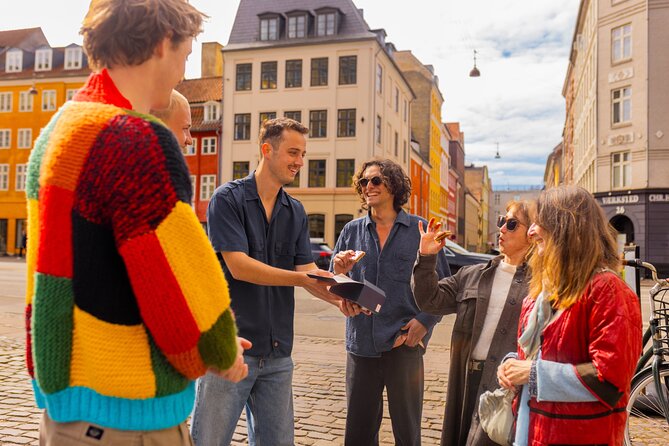
The tour covers about 5 kilometers, or 3 miles, over two hours. That works out to a steady city walk with regular food breaks, rather than a long stretch of walking followed by one formal tasting.
The route gives you a chance to see parts of Copenhagen between bakery visits. Guides have included information about buildings, neighborhoods, local customs, and Danish life. One route included a stop at Torvehallerne market, adding another food-focused place to the outing.
I like the pacing because the walking offsets some of the pastry. You are not sitting in one café for two hours, and the route can help you get your bearings early in a Copenhagen stay. It also means the tour works as a light city orientation, especially if you ask the guide for ideas about other sights and places to eat.
The distance still matters. The walk is manageable for many people, but you should wear comfortable shoes. In colder months, dress for standing outside between stops. A winter group found the cold manageable because of the walking, while another group enjoyed the tour even in rain. Those conditions can vary, so do not treat the pastry as a substitute for a proper jacket.
The guides make the difference
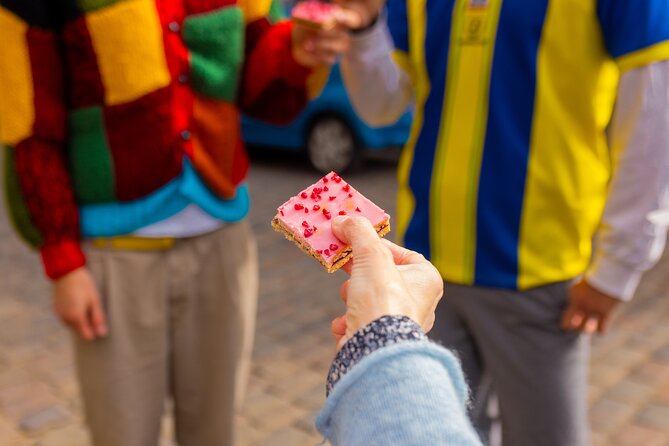
The strongest part of this experience is the guide. Food tours can become a list of bakery names and ingredients, but the best guides turn the walk into a conversation about the city.
Theo has been praised for mixing pastry information with Copenhagen history and local traditions. He also helped with questions about must-see places, which is useful if you take the tour near the start of your stay.
Simon has received strong praise for explaining the buildings and areas along the route. He also offered practical recommendations and kept the mood friendly. Emily brought together bakery stories, city history, and a sociable approach that suited a small group.
Noah was praised for detailed explanations and an easygoing manner. Linea, also referred to as Linnea in some feedback, was noted for answering questions about Danish life, history, and food. Other guides, including Lysander, have also been singled out for clear communication and a warm style.
Guide quality can never be guaranteed down to one particular person, but the repeated pattern is encouraging. You are not just handed a pastry and sent onward. You get a guide who can shape the walk around questions, group pace, and local interests.
How much food do you really get?
The advertised experience includes a Danish pastry sample at each of the five bakeries. In practice, portions have often been described as roughly half a pastry, though some people found the pieces quite large.
That is the right amount for this kind of tour. Five full pastries would be excessive for most people, particularly when several include butter, icing, or sweet filling. Half portions let you taste more types and save room for a later meal.
You can also share with a partner or friend. This works especially well if you want to compare impressions, though splitting every sample means you may not get a full serving of your favorites.
Coffee can be purchased along the way, according to direct tour feedback. It is not listed as included, so plan to pay separately if you want a drink. Coffee also makes sense with the sweeter pastries and gives you a brief pause during the walk.
Is $74 a fair price?
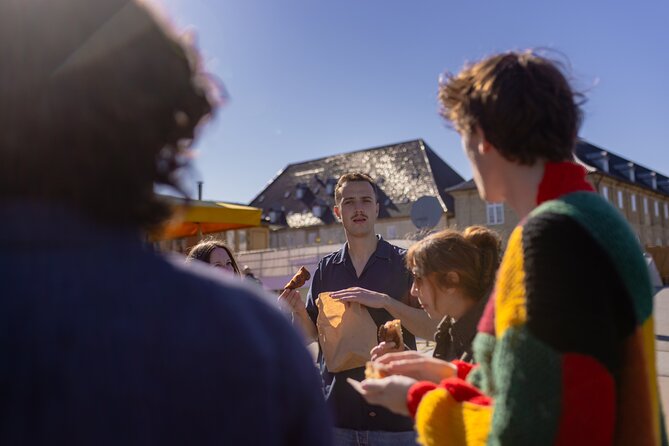
At $74 per person, the tour asks more than you would pay for five pastries on your own. That comparison is fair, but incomplete.
You are paying for five bakery visits, samples, a two-hour route, a live English-speaking guide, and a small group limited to 10 people. You also get help choosing unfamiliar pastries and a guided look at parts of Copenhagen you might not otherwise connect with the local bakery scene.
The value is strongest if you would otherwise book a separate walking tour and spend time researching bakeries. It is also strong for first-time visitors who want food and city orientation in one outing. Past groups have described it as good value because of the amount of walking, guide time, pastry, and local information.
The value is weaker if you only want a cheap breakfast or already know exactly which bakeries you want to visit. You can buy pastries for less on your own, and the tour does not promise five full-size portions.
Who should book this experience?
I would point this tour toward food-focused visitors, first-time visitors to Copenhagen, couples, families with older children, and anyone who likes learning the story behind a dish. The two-hour length is also appealing if you do not want a full-day food tour.
It suits social travelers because the group walks and eats together. Several small groups became quite conversational, and a group of two even received a more private outing when few people booked that day.
You should think twice if you dislike sweet food, have trouble walking 5 kilometers, or want a precise restaurant-style tasting with guaranteed menu items. The route is active, the pastries are substantial, and the exact selection can change.
Booking details worth knowing
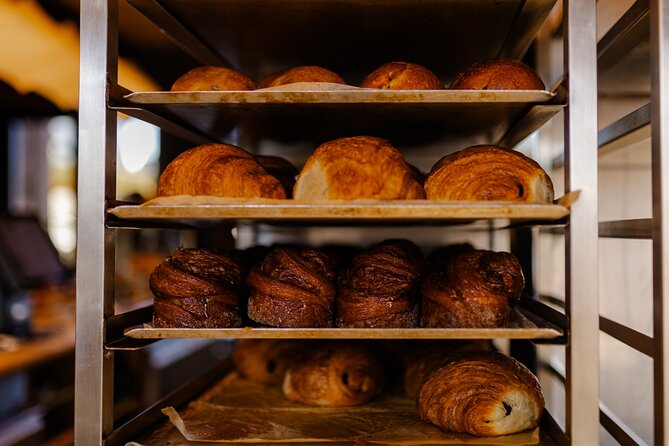
The tour is in English and led by a live guide. The meeting point is outside Lagkagehuset Bakery, so arrive with enough time to locate that spot before the start.
The activity lasts two hours, but starting times depend on availability. You can cancel up to 24 hours before the tour for a full refund, and the reserve-now, pay-later option gives you some flexibility when planning a Copenhagen stay.
Because the route is outdoors, check the forecast and dress for the season. Comfortable shoes are more important than fancy footwear here. You will be walking, standing, tasting, and moving on to the next bakery.
Should you book the Copenhagen pastry tour?
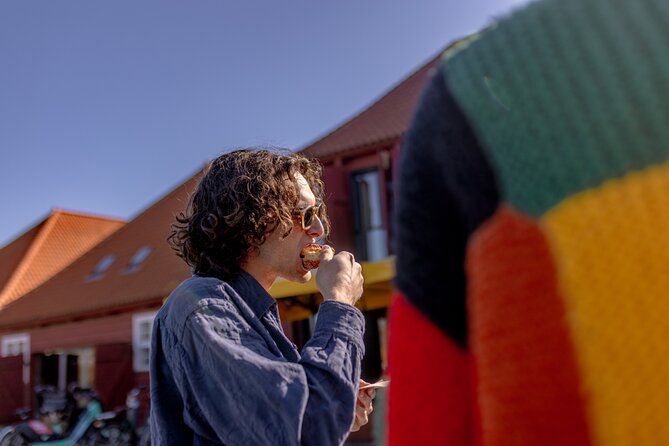
Book it if you want a food tasting with a city walk attached, rather than five pastries in one café. The best reasons are the small group, the variety of bakeries, the chance to try Tebirkes and other less familiar treats, and the guides’ strong record of sharing useful Copenhagen stories.
Skip it if price is your only concern or if you prefer to choose every bakery yourself. For everyone else, $74 is reasonable when you count the five samples, two hours of guiding, and 5-kilometer route. Start early in your visit, arrive hungry, wear good shoes, and plan to share portions if you have a small appetite.
FAQ
How long does the Copenhagen pastry tour last?
The tour lasts two hours.
How many bakeries does the tour visit?
The tour visits five Danish pastry bakeries in Copenhagen.
Where does the tour meet?
You meet the guide outside Lagkagehuset Bakery.
What pastries might I taste?
Examples include Wienerbrød, Tebirkes, Kringle, and Hindbærsnitter. The exact selection may vary.
Is food included in the price?
Yes. The tour includes a Danish pastry sample at each of the five bakeries.
How much walking is involved?
The total walking distance is about 5 kilometers, or 3 miles.
What language is the tour in?
The tour is conducted in English with a live guide.
How large is the group?
The group is limited to 10 participants.
Does the tour include coffee?
Coffee is not listed as included. You may have the option to purchase coffee during the tour.
Can I cancel for a full refund?
Yes. You can cancel up to 24 hours in advance for a full refund.
Just added in Copenhagen
- Small-Group Gourmet Evening Walking Tour of Copenhagen with Market Visit and Dinner★ 4.5 · 40 reviews
- Copenhagen Private Culinary Food Tour with 6 Tastings of Classics★ 5.0 · 42 reviews
- Copenhagen Private Food Walking Tour with 6 or 10 Tastings★ 4.5 · 177 reviews
- Copenhagen Food & Drink Private Tour: Scandinavia Delight Tasting★ 5.0 · 236 reviews
- Copenhagen Modern Food Tour★ 5.0 · 32 reviews
- 3-hour Culinary Bike Tour in English★ 5.0 · 235 reviews
- Copenhagen Best of Danish Pastry Tasting Tour★ 5.0 · 30 reviews
- Secret walking Food Tour Copenhagen★ 4.5 · 28 reviews
Dessert and Chocolate Tours, compared.
Award-Winning Geneva Chocolate &Old Town Tour with Boat Ride (3h)
Read our review →
Paris French Sweets Tasting Tour with Pastries and Chocolates
Read our review →
Rome Afternoon Sightseeing Vespa Sidecar Tour with Gourmet Gelato
Read our review →


Southern Flavors of Savannah Walking Dessert Tour
Read our review →
A Morning in Paris Food Tour: Croissants, Baguettes & Chocolate
Read our review →
Saint-Germain: Gourmet Chocolate & Pastry Walking Food Tour
Read our review →Browse the lists this tour appears in