
REVIEW · NEW ORLEANS FOOD TOURS
New Orleans Food and History Walking Tour
Come hungry, leave curious. This three-hour walk through the French Quarter connects New Orleans food with the people, places, and traditions behind it. I especially like the five food stops and the way guides such as Beth, Meg, John, and Dylan explain how Creole cooking developed. The $85 price also covers the tasting menu and gratuities at the food stops, though drinks and your guide’s tip cost extra.
The main thing to consider is the food policy. A vegetarian option is available, but there is no gluten-free, dairy-free, or vegan menu, and dietary preferences cannot be handled. This is also a real walking tour, not a seated lunch with a few stories added on, so wear good shoes and expect to keep moving.
Key points at a glance
- Gumbo starts the meal: Chicken and andouille sausage gumbo with a dark roux gives you a proper introduction to Cajun comfort food.
- Five stops fill more than a snack break: Expect gumbo, hot sauces, pralines, a catfish po-boy, boudin, red beans and rice, muffuletta, and dessert, though the exact lineup can change.
- Food comes with useful context: Guides explain Creole influences, Louisiana geography, seafood harvesting, and the origins of names such as étouffée and jambalaya.
- Small groups help: The maximum group size is 16, giving you a better chance to ask questions and hear the guide on busy French Quarter streets.
- Start early in your visit: The tour gives you restaurant ideas, food vocabulary, and places to revisit later.
- Come prepared: Water is included, but other drinks are not. The tour operates in all weather, and the route is not recommended if walking is difficult.
Starting at 3rd Block Depot on Chartres Street
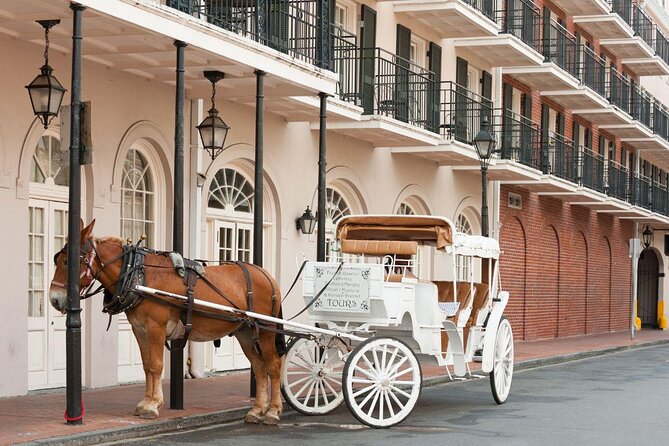
The tour begins at 3rd Block Depot, at 310 Chartres Street, in the French Quarter. This puts you right in the Vieux Carré, the Old Square, where narrow streets, old buildings, restaurants, shops, and signs compete for your attention.
Your guide gathers the group and lays out the plan. Morning and afternoon departure choices make it easier to fit the tour into a short New Orleans visit. I would choose the morning if you want the rest of the day for sightseeing, or the afternoon if you prefer to turn lunch into a slow-moving introduction to local food.
The group can include up to 16 people. That is not a private tour, but it is small enough to keep the discussion personal. Guides are a major part of the experience. Beth is often praised for her humor and food knowledge, while Meg has a lively style and answers questions readily. Dylan, also known as Dr. Gumbo, is especially good at linking a dish to the city’s past and wider cultural influences.
The walking is described as easy by some participants, but the tour is not suited to people with walking or mobility problems. You will move between establishments, stand at some stops, and keep pace with the group. Bring comfortable shoes, water, and protection from rain or heat.
More history tours in the USA:
- Historic Ybor City Food Walking Tour
★ 5.0 · 2,210 reviews - Boston Food & History: Pizza, North End & Freedom Trail
★ 5.0 · 1,772 reviews - Boston’s North End Food Tour: Italian Flavors & Heritage Walk
★ 5.0 · 1,322 reviews
Gumbo at 3rd Block Depot
The first proper tasting is rustic Cajun gumbo made with chicken and andouille sausage. It uses a dark roux, chicken stock, and a spoonful of warm potato salad served country style.
That potato salad detail matters. Gumbo is not one fixed recipe, and small choices such as what goes alongside it help show the difference between a home-style bowl and a restaurant version. The guide uses the dish to talk about Cajun cooking and the ingredients that make it so filling.
This is also where the meal begins in earnest. Portions are generous enough that you should not treat the tour as a few tiny samples. Some people found the first stop a little long, but that extra time can be useful if you want to ask about recipes, roux, sausage, or the difference between Cajun and Creole food.
You can buy a drink at the bar here, but beverages other than water are not included. If you plan to sample cocktails or local beer, keep those costs separate from the $85 tour price.
One small drawback is consistency. Food is served through operating restaurants, so timing and service can vary. The gumbo may be excellent while the pace at the first stop feels slower than expected. Your guide can explain the food, but cannot control every restaurant detail.
Hot sauce, seasonings, and the fun of tasting too much
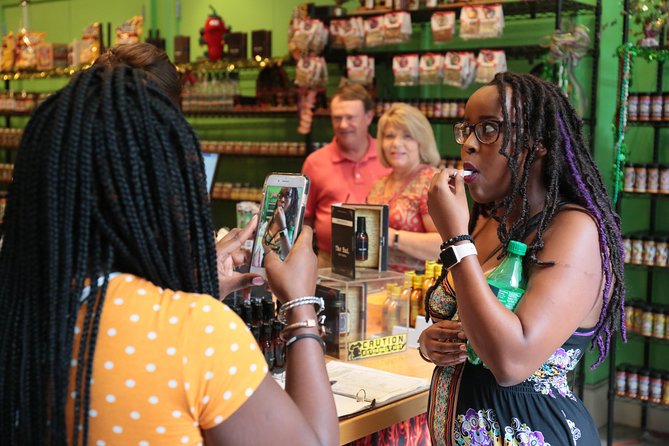
Next comes a hot sauce and seasoning stop with many varieties to sample. The selection can include hot sauces, dry rubs, barbecue sauces, marinades, and Buffalo wing sauces.
This is less about a full dish and more about understanding how New Orleans diners adjust flavor. You can compare heat levels and seasoning styles, then decide what you might want to bring home. It adds a hands-on element that a standard restaurant meal lacks.
One participant wished this stop had been replaced by another restaurant. That is a fair criticism if your top goal is to taste as many classic dishes as possible. A spice shop offers variety in condiments, but it does not add another serving of jambalaya, étouffée, or muffuletta.
I see the stop as most useful for curious eaters who like sauces and food gifts. If you already know your way around hot sauce, you may find it less essential. Still, it breaks up the heavier dishes and gives you a chance to browse for edible souvenirs.
Pralines at Leah’s
Leah’s Pralines provides the sweet course. The traditional praline combines local brown sugar, dairy, and locally harvested pecans. You may also encounter a newer variation, such as bacon pecan brittle.
Pralines are a good example of how New Orleans food borrows, adapts, and becomes local. They are portable, easy to share, and a practical purchase if you want to take something home. The stop also offers a welcome pause after gumbo and hot sauce.
Expect sweetness and richness here. If you prefer savory food, this is not the place to linger over a large portion. But the praline gives the tour a useful contrast, and the newer brittle shows that local shops are not limited to old recipes.
The exact stop lineup can change with availability. That means you should treat the published menu as a strong guide to the types of dishes you may taste, not a rigid promise that every item will appear.
A few more food tours in the USA worth a look
- New Orleans Food Walking Tour of the French Quarter with Small-Group Option
★ 5.0 · 6,118 reviews - Chef Guided Food Tour of Pike Place Market
★ 5.0 · 3,733 reviews - Savannah First Squares Culinary & Cultural Walking Food Tour
★ 5.0 · 3,229 reviews - NYC: Chinatown & Little Italy Food Tour with 7 Flavorful Tastings
★ 5.0 · 2,733 reviews
Catfish po-boy at NOLA Poboys
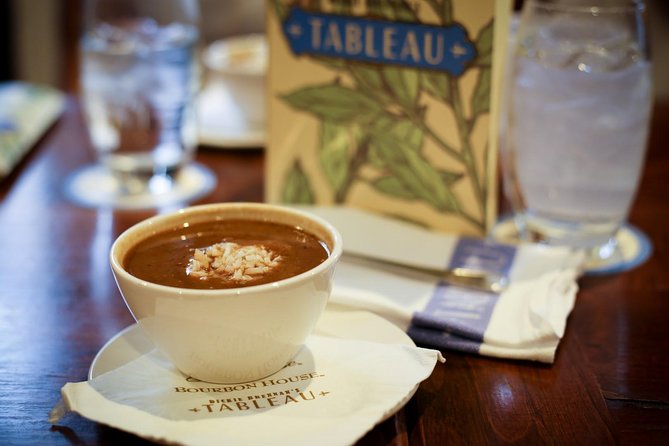
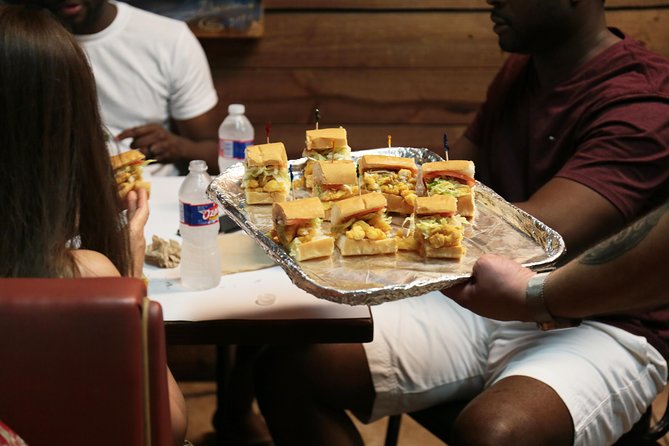
The catfish po-boy is one of the most satisfying stops. The fried fish comes on local French bread and is dressed with lettuce, tomato, mayonnaise, and pickles. Hot sauce is optional, which is wise after the earlier seasoning stop.
The guide also discusses Louisiana seafood harvesting. That gives the sandwich a stronger sense of place than a generic fried fish sub. You learn why seafood plays such a large role in local cooking and how a simple sandwich became one of New Orleans’ best-known foods.
Pay attention to the bread and dressing. A po-boy is not only about the filling. The soft French loaf, crisp fried catfish, creamy mayonnaise, fresh vegetables, and pickles need to work together. The tour gives you a chance to taste that balance without ordering a full sandwich on your own.
The portions across the tour can add up quickly. The food is not just a series of decorative bites, and many people finish with a full belly. If you have an evening reservation, leave room in your schedule and do not plan another large meal soon afterward.
Muffuletta, boudin, and red beans
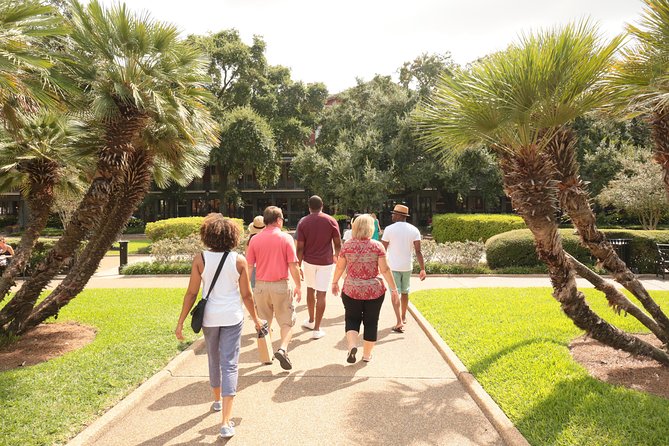
The food stops may also include a muffuletta, boudin ball, and red beans with andouille sausage. These dishes broaden the meal beyond the usual gumbo and po-boy pairing.
A muffuletta is an Italian-style sandwich on Sicilian bread. It is layered with smoked ham, mortadella, Genoa salami, provolone, mozzarella, and local olive salad. The olive mixture gives the sandwich its sharp, salty character and separates it from an ordinary deli sub.
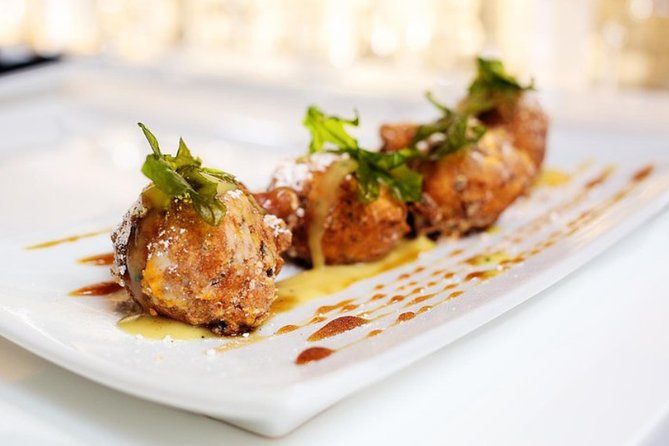
The boudin ball is a fried Cajun sausage ball made with smoked pork, rice, and spices. It comes with Creole remoulade for dipping. This is a compact but hearty taste, and the rice and spice mix help explain why boudin feels different from a typical sausage.
Red beans and rice brings another kind of comfort. Slow-cooked red beans, smoked ham, and andouille are served over rice with green onions. The dish is humble, filling, and closely tied to everyday home cooking.
These samples are where the tour earns much of its value. You are not simply checking off famous foods. You are comparing the Italian, Cajun, Creole, and seafood influences that meet in New Orleans kitchens.
Still, do not assume every one of these dishes will appear on your date. Restaurant availability can change the route and menu. One version of the tour may emphasize gumbo, po-boy, boudin, pralines, brittle, red beans and rice, and bread pudding, while another may include a muffuletta or a different dessert.
Bread pudding for the finish
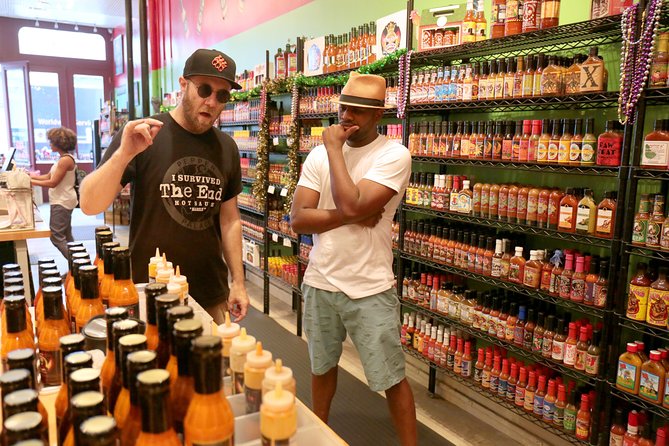
Dessert may be seasonal bread pudding, served baked or fried. A banana Foster version has been a favorite for some participants, especially when fried.
This is a fitting end because it uses simple ingredients in a generous way. Bread pudding is soft, sweet, and substantial, so it completes what is already a large progressive lunch. If you have a sweet tooth, the dessert can be one of the highlights. If not, it may be the point where you realize you should have paced yourself at the first stop.
The tour ends at New Orleans Creole Cookery, at 508 Toulouse Street. You finish close to the center of the French Quarter, within reach of more sightseeing, shopping, and restaurants. The ending location is useful because you can continue exploring rather than arrange transport back to the starting point.
Food lessons beyond the plate
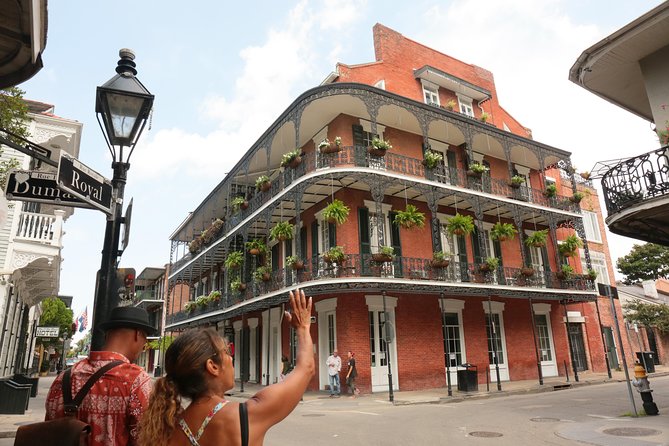
The strongest part of the tour is the explanation between tastings. Guides cover the ethnic traditions that shaped Creole cooking, the role of Louisiana’s geography, and the origins of dish names such as étouffée and jambalaya.
You also get the chance to ask about recipes. Beth is particularly good at sharing cooking details, while Dylan’s humor and broad grasp of the subject help keep the group engaged. John and Meg have also received praise for combining food explanations with stories about New Orleans itself.
Do not book this expecting a full architectural tour of the French Quarter. You will see the streets as you move between stops, but the main focus is food and the history connected to it. One participant expected more architecture and city history, then found the walking portion fairly short.
That is not a flaw if you want a food-first tour. It is simply important to choose the right experience. For architecture, music, or cemetery stories, you will need a separate tour.
Is $85 a fair price?
At $85 per person, this is not a cheap lunch. The value depends on how you use it.
The price includes a set lunch menu across several establishments and gratuities for the servers at those stops. You also get a guide for about three hours, a small group setting, food explanations, and the convenience of tasting several New Orleans specialties without planning each reservation yourself.
Drinks are extra, and your guide’s gratuity is optional. The food portions are generous, so the tour can replace lunch rather than add to it. If you ordered comparable dishes separately, paid restaurant gratuities, and spent time finding each place, the price becomes easier to justify.
The value is strongest on your first visit. You get a quick map of local specialties and may find restaurants or shops to revisit later. Several participants returned to places from the tour for cocktails, food, or gifts.
The value is weaker if you have strict dietary limits, already know New Orleans food well, or want tiny samples from a very large number of restaurants. This tour favors a substantial, guided meal over a rapid tasting crawl.
Who should book this French Quarter food walk?
I would recommend it for first-time visitors, solo diners, couples, and families with adventurous eaters. Solo participants can fit comfortably into the small group, and the guide-led format removes the awkwardness of eating alone.
It also works well as one of your first activities in New Orleans. You learn what gumbo, po-boy, boudin, pralines, and muffuletta are supposed to taste like, then have better tools for ordering during the rest of your stay.
Vegetarians can request the vegetarian option during checkout. But you should not book this tour if you require gluten-free, dairy-free, or vegan food. Food allergies should be reported when booking, and the operator distinguishes allergies from dislikes.
The tour runs in all weather, so dress for the forecast. The cancellation terms allow a full refund if you cancel at least 24 hours before the start time. If poor weather or an insufficient minimum group causes cancellation, you are offered another date or a full refund.
Should you book it?
Book this tour if you want a filling introduction to New Orleans cooking, enjoy asking questions, and value a guide who can connect each dish to the city’s people and past. The food is generous, the route is manageable for able walkers, and the small group keeps the outing personal.
Skip it if you want a formal architecture tour, a very short tasting menu, or food tailored to serious dietary restrictions. Also skip it if you dislike moving between several venues in heat or rain.
For most first-time visitors who eat meat, seafood, dairy, and gluten, this is a practical way to get oriented. Choose an early place in your trip, wear walking shoes, and arrive hungry.
FAQ
How long does the New Orleans Food and History Walking Tour last?
The tour lasts approximately three hours.
Where does the tour begin and end?
It begins at 3rd Block Depot, 310 Chartres Street, and ends at New Orleans Creole Cookery, 508 Toulouse Street, both in New Orleans’ French Quarter.
What foods are included?
The menu can include gumbo, hot sauces and seasonings, pralines, fried catfish po-boy, muffuletta, boudin ball, red beans and rice with andouille sausage, and bread pudding. Stops and dishes may change based on availability.
Is a vegetarian option available?
Yes. A vegetarian option is available if requested during checkout.
Can the tour accommodate vegan, dairy-free, or gluten-free diets?
No. The tour does not offer gluten-free, dairy-free, or vegan options. You should report food allergies during checkout.
Are drinks and gratuities included?
Water is included. Other beverages are not included. Gratuities for servers at the food establishments are covered, but a tip for the guide is optional.
Just added in the USA
- Private Chicago Food Tour with Deep Dish and Beef Sandwich★ 5.0 · 61 reviews
- River North Food Walking Tour★ 4.5 · 88 reviews
- Downtown Chicago Walking Pizza Tour★ 5.0 · 106 reviews
- Chicago Food Tour: Taste the City’s Most Iconic Eats★ 5.0 · 111 reviews
- Chicago’s West Side Foodie Ride Bike Tour★ 5.0 · 112 reviews
- Historic Southside Food Tour in Chattanooga★ 5.0 · 32 reviews
- ChattaBrunch Food Tour★ 5.0 · 87 reviews
- Downtown Chattanooga Food Tour★ 5.0 · 290 reviews
Historical Tours, compared.
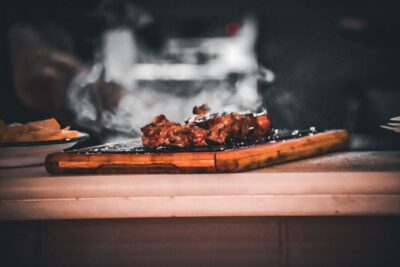
Tapas Walking Tour with Food, Wine, and History
Read our review →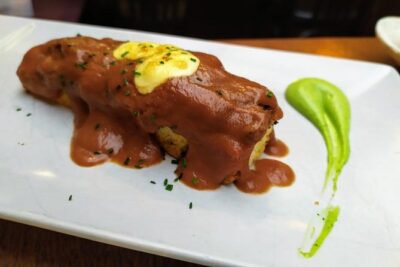
Sevilla Food Tour: Tapas, Wine, History & Traditions
Read our review →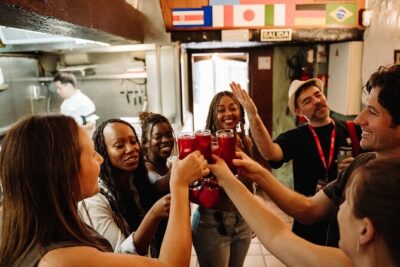
Madrid Tapas & Taverns Small Group Food & History Tour
Read our review →
Barcelona Tapas Walking Tour: Food, Wine & History
Read our review →
Boston Food & History: Pizza, North End & Freedom Trail
Read our review →Browse the lists this tour appears in