

REVIEW · USA FOOD TOURS
St. Augustine’s Wine, Cocktail and Food Experience
Small bites, big stories. This 3.5-hour walking tour gives you a tasty way to get oriented in St. Augustine, pairing local food and drinks with stories about the oldest city in the continental United States. You move through the historic center with a guide, stopping at several eateries for lunch, wine, cocktails, and other drinks.
I like the small group size, limited to eight people, because it should feel more like an outing with a well-informed local than a crowded procession. I also like that food and alcoholic drinks are included in the $159 price, so you can focus on the experience instead of keeping track of extra tasting charges. The main drawback is dietary choice: vegetarian, vegan, kosher, dairy-free, sugar-free, and gluten-free diners may face a much smaller selection.
The afternoon timing is useful. You can eat a substantial meal, see major sights, and collect ideas for restaurants to revisit later. Guides Garry, Russ, and Alex have received especially warm praise for their humor, local stories, and explanations of St. Augustine’s buildings. Still, the experience depends heavily on the guide you receive, and one sharply negative account raised concerns about excessive personal storytelling, inaccurate historical comments, and pressure to tip.
Key points to know before booking

- Three and a half hours of food, drinks, and city history: This is long enough to feel like a meal and a walking tour, not just a few samples.
- A maximum of eight people: The compact group suits anyone who prefers conversation and easier access to the guide.
- Lunch and alcoholic beverages are included: You do not pay separate tasting fees at each stop.
- The tour begins on Treasury Street and ends near Plaza de la Constitución: You finish within two blocks of the central plaza.
- The route mixes famous sights with architectural details: Expect the City Gates, St. George Street, the Castillo de San Marcos area, the plaza, the cathedral, and Government House.
- Dietary restrictions can limit the menu: Non-alcoholic drinks are available, but special diets may not receive the same variety.
Why this tour works well on a first afternoon
St. Augustine can feel like several cities at once. There is the Spanish colonial core, the later American period, a busy restaurant district, and a waterfront lined with major landmarks. A food tour helps you sort it out while giving you something practical to do with your appetite.
The route begins at 57 Treasury Street, close to the historic center. From there, you walk through streets where food, architecture, churches, public squares, and military history sit close together. You are not simply transported from restaurant to restaurant. The walking connects the meals to the city around you.
I especially like the timing for a first day. You can learn where the main streets are, see several important buildings, and discover places you may want to return to. The tour finishes near Plaza de la Constitución, so you remain in the heart of downtown after the final stop.
The food also appears to be more substantial than a handful of decorative bites. One particularly positive account described the meal as large enough to replace dinner, while another praised the portions at each stop. That makes the price easier to assess, especially when wine and cocktails are included.
More Wine Tours in the USA
- San Francisco Super Saver: Muir Woods & Wine Country w/ optional Gourmet Lunch
★ 4.5 · 3,352 reviews - Healdsburg Small-Group Food and Wine Walking Tour
★ 5.0 · 433 reviews - Temecula’s Premier Wine Tasting Tour
★ 4.5 · 363 reviews
Beginning near the City Gates and Huguenot Cemetery
One early stop is Huguenot Cemetery, across from the historic City Gate. This small burial ground was used as a Protestant cemetery from 1821 to 1884, after American administration began in St. Augustine. Before that shift, the city was mainly Catholic, and the Tolomato Cemetery was reserved for Catholic burials.
The cemetery offers a quick but useful lesson in how St. Augustine changed hands and institutions over time. Its first burials came in 1821, just before a yellow fever epidemic killed many local residents. You spend only about five minutes here, so do not expect a full cemetery visit. Think of it as a brief stop that adds human weight to the city’s political and religious changes.
The Old City Gates lead you onto St. George Street, the main spine of the historic district. The gates were built in 1808, and the street now carries much of the city’s tourist activity. You spend about 20 minutes in this area, with the guide pointing out buildings, street details, and the changing role of the district.
St. George Street can be busy and commercial, so this part of the route is not the quietest or most secluded section of the walk. Its value is orientation. You learn how the old town is arranged and get a sense of where you may want to return after the tour.
A small shrine with a large immigration story
The St. Photios Greek Orthodox National Shrine is another stop near the City Gates. It honors the first Greek colony in what became the United States, established in 1768.
This is the sort of detail that can be easy to miss when you are focused on the larger landmarks. The shrine adds another layer to St. Augustine’s story, showing that the city’s past is not limited to Spanish forts and colonial government. Depending on the pace and group discussion, the guide may use the stop to explain how different communities shaped the city.
The supplied schedule does not give a separate visit length here, so you should think of it as part of the walking commentary rather than a long indoor visit. The tour’s emphasis is on moving through the city, eating, and hearing stories along the way.
Plaza de la Constitución and the center of public life

Plaza de la Constitución is the natural center of the historic district. The original city plan was built outward from this public square, which is bordered by Government House, the Cathedral Basilica, the Bridge of Lions, and Matanzas Bay.
You spend about ten minutes here. The guide can explain why Spanish colonial towns placed so much importance on a central plaza. Spain’s 1573 Law of the Indies called for a public space serving government, religious, and civic purposes. In coastal towns, the plaza was also meant to face the waterfront, allowing people to see the harbor and be seen.
That idea helps you read the city instead of merely photographing it. The plaza was not an accidental patch of open ground. It was the organizing point for power, worship, trade, and public life.
The short stop is enough for a useful introduction, though it will not replace a separate visit to the cathedral or Government House. If you want detailed interiors, set aside another part of your day.
Same city, a different table:
- New Orleans Food Walking Tour of the French Quarter with Small-Group Option
★ 5.0 · 6,118 reviews - Chef Guided Food Tour of Pike Place Market
★ 5.0 · 3,733 reviews - Savannah First Squares Culinary & Cultural Walking Food Tour
★ 5.0 · 3,229 reviews - NYC: Chinatown & Little Italy Food Tour with 7 Flavorful Tastings
★ 5.0 · 2,733 reviews
The cathedral, Government House, and Spanish planning

The Cathedral Basilica of St. Augustine is one of the most important sights along the route. The current building was constructed between 1793 and 1797, and its congregation traces its beginning to 1565, making it the oldest Christian congregation in the contiguous United States.
The cathedral gives the tour a strong link between present-day St. Augustine and its early religious life. You may hear about its place in the city rather than receive a full guided church visit, since the experience is built around food, walking, and broad historical context.
Government House occupies the west end of the plaza. A government building has stood on this site since 1598, serving Spanish and British administrators, then Spanish governors again. After Spain ceded Florida to the United States in 1821, the building served as a courthouse and briefly as the capitol of the new Florida Territory.
This is a good example of why a local guide adds value. A building can look handsome from the outside, but the succession of Spanish, British, Spanish, and American uses gives it meaning. The tour helps you notice how St. Augustine’s architecture records changing authority.
The Castillo de San Marcos and the city’s defensive past
The Castillo de San Marcos is the city’s defining military monument. Built in the 17th century, it is the oldest masonry fort in the continental United States and the oldest structure in St. Augustine. Its coquina stone walls were designed to defend Spain’s claims in the New World.
The fort is listed as a National Monument, and its age gives the walking route a powerful anchor. You can see why St. Augustine grew where it did and why military control mattered so much here.
The supplied schedule does not list a separate duration or admission entry for the Castillo, so do not assume that this tour includes a full fort admission or interior visit. Treat the stop as part of the city walk and historical explanation unless your booking details say otherwise. If the fort interests you, plan a separate visit so you can explore it at your own pace.
This is one of the tour’s useful limits. You receive a broad introduction to major places, but the experience is not designed to provide deep, room-by-room visits at every landmark.
What you actually eat and drink
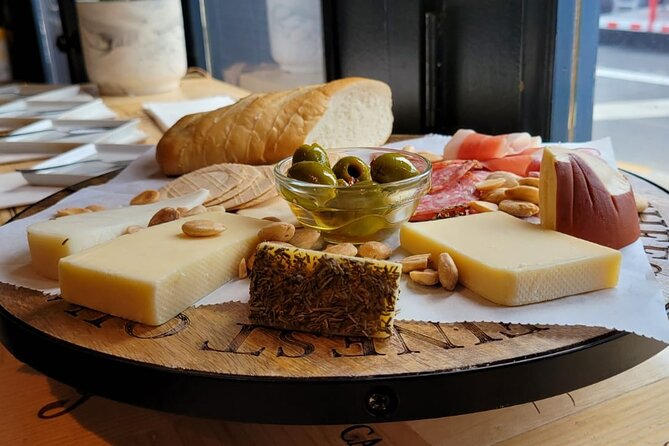
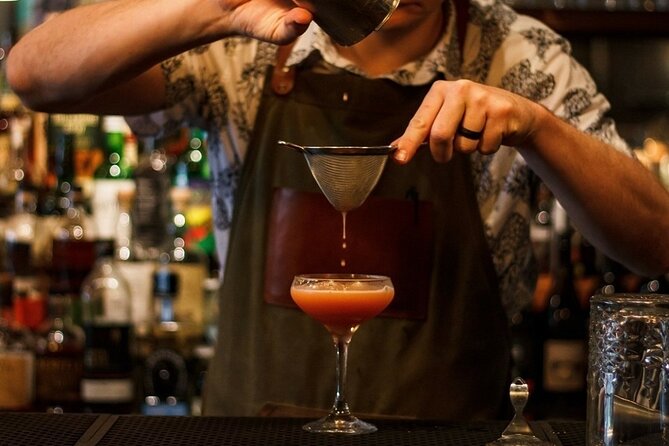
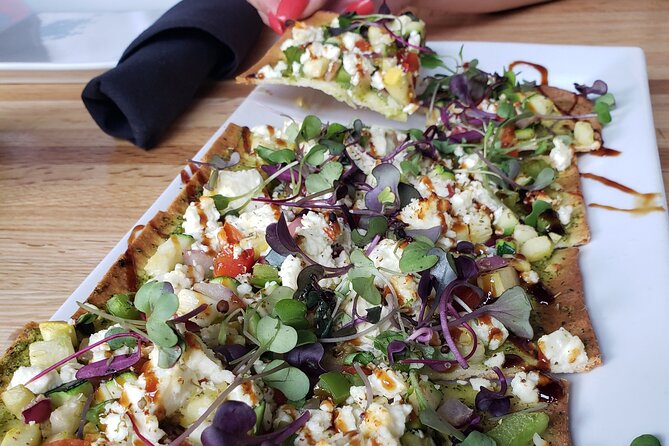
The stops are described as visits to some of St. Augustine’s notable eateries, with food, wine, cocktails, and other beverages included. The exact restaurants and menu change, so you should not book this expecting a fixed list of dishes.
The food seems to be a genuine strength. Comments specifically praise the BBQ, brie, desserts, wine, cocktails, and portions large enough to leave people full. One account noted that the food was good enough to replace a planned dinner, while another said each stop offered something different from the last.
That variety matters. A food tour can disappoint when every sample feels like the same small snack. Here, the experience is presented more like a three-course meal spread across several locations, with time to walk between courses and hear about the city.
Wine is part of the experience, and one person enjoyed a particular wine stop enough to return during the following two days. That is a useful sign if you want places you can revisit rather than one-off tasting counters.
Non-alcoholic drinks are available, which makes the tour possible for people who do not drink. Still, the experience is built around wine and cocktails, so the non-alcoholic choices may not have the same range. If you avoid alcohol entirely, confirm what will be offered before paying.
Guides can make or break the afternoon
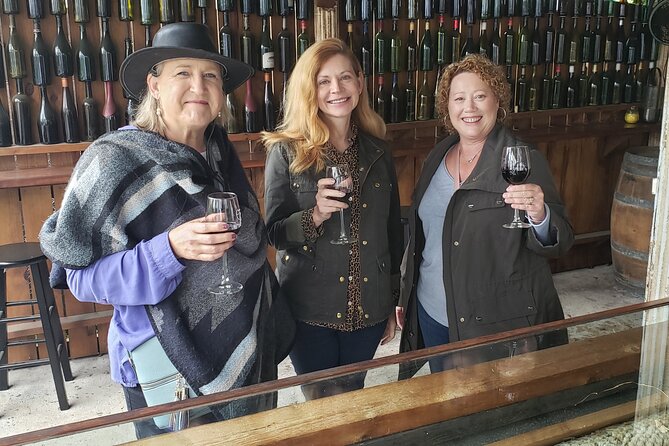
The strongest praise goes to the guides. Garry is described as funny, informed about local buildings, and skilled at mixing history with personal stories. Russ receives similar praise for his humor, city knowledge, restaurant choices, and ability to explain St. Augustine’s past. Alex is described as personable and well informed, with useful suggestions for places to return to.
That range of positive feedback suggests the guide is central to the experience, not a minor detail. The food may be good, but the guide controls the pace, explains the streets, introduces each stop, and shapes the mood of the group.
There is also one serious caution. A very negative account described a guide who focused too much on personal matters, discussed past reviews, requested a rating and tip during the tour, and later contacted the person about the missing tip. It also raised concerns about inaccurate historical information.
That report does not cancel the many positive accounts, but it is worth acknowledging. A guide-led tour has more personality and less predictability than a self-guided food crawl. Most of the available feedback praises the guides, especially Garry, Russ, and Alex, but your experience can vary with the individual leading your group.
Is $159 a fair price?
At $159 per person, this is not a cheap way to grab lunch. The value depends on how much food and drink you receive and how much you value a small-group guide.
The price includes lunch, alcoholic beverages, and bottled water. You are also paying for about 3.5 hours of guided walking and historical commentary. If the portions are as generous as described, the included meal and drinks make the cost more reasonable than a simple tasting tour.
The eight-person maximum matters here. A private guide would cost far more, while a large group could make restaurant stops and conversation awkward. This format sits between a private tour and a standard group outing.
I would choose it if you want one organized afternoon that combines eating, sightseeing, and local orientation. I would skip it if you prefer choosing your own restaurants, need strict dietary control, or want long visits inside the Castillo, cathedral, and other landmarks.
Who will enjoy this St. Augustine food tour?
This experience suits couples, friends, and families who like to walk at a moderate pace and eat a full meal in stages. It is also a good choice for a first visit, since you finish with a clearer sense of the historic district and several ideas for later meals.
You should have a moderate level of physical fitness. The route is on foot, and the experience lasts several hours. Wear comfortable shoes and avoid arriving overly full.
People with vegetarian, vegan, kosher, dairy-free, sugar-free, or gluten-free needs should take the dietary warning seriously. The selection may be much more limited than the standard menu. Service animals are allowed, and the tour is near public transportation.
You receive confirmation when booking, and the ticket is mobile. Cancellation is free if you cancel at least 24 hours before the start time. Within 24 hours, the payment is not refunded, and changes are not accepted.
Should you book it?
Book this tour if you want a full afternoon of food, drinks, and St. Augustine stories rather than a standard restaurant meal. The small group, included tastings, generous portions, and strong guide feedback make it a good value for people who like guided experiences.
Think twice if you have major food restrictions, dislike walking, or want a precise menu and fixed restaurant list. For most visitors who want an easy introduction to the historic center, this is a smart first-day activity. Just leave room for lunch, wear good shoes, and treat the famous sights as introductions you can explore more fully afterward.
FAQ
How long does the St. Augustine Wine, Cocktail and Food Experience last?
The experience lasts approximately 3 hours and 30 minutes.
How much does the tour cost?
The listed price is $159 per person.
What is included in the price?
Lunch, alcoholic beverages, and bottled water are included. No extra tasting fees are added during the tour.
Where does the tour begin?
The tour begins at 57 Treasury Street, St. Augustine, Florida 32084.
Where does the tour end?
The tour ends at Plaza de la Constitución, 170 St. George Street. The finish is within two blocks of the plaza.
How many people can join the tour?
The tour has a maximum of eight people.
Are non-alcoholic drinks available?
Yes. Non-alcoholic drinks are available.
Can people with dietary restrictions join?
Yes, but vegetarian, vegan, kosher, dairy-free, sugar-free, and gluten-free diets have a much more limited selection.
What is the cancellation policy?
You can cancel at least 24 hours before the start time for a full refund. Cancellations or changes made within 24 hours are not accepted, and the amount paid is not refunded.
More dining experiences in the USA
- Boston: North End Food Experience with Pizza, Meats & Cheese
★ 4.9 · 111 reviews - Napa Valley Wine Train: Gourmet Express Lunch or Dinner
★ 4.7 · 48 reviews - Farm-to-Table Chef’s Dinner at Kulaniapia Falls
★ 4.5 · 42 reviews - New York City: Bustronome Gourmet Dinner Tour
★ 4.4 · 34 reviews
Just added in the USA
- Private Chicago Food Tour with Deep Dish and Beef Sandwich★ 5.0 · 61 reviews
- River North Food Walking Tour★ 4.5 · 88 reviews
- Chicago Food Tour: Taste the City’s Most Iconic Eats★ 5.0 · 111 reviews
- Chicago’s West Side Foodie Ride Bike Tour★ 5.0 · 112 reviews
- Downtown Chicago Walking Pizza Tour★ 5.0 · 106 reviews
- ChattaBrunch Food Tour★ 5.0 · 87 reviews
- Downtown Chattanooga Food Tour★ 5.0 · 290 reviews
- Historic Southside Food Tour in Chattanooga★ 5.0 · 32 reviews
Wine Tours, compared.

Winner 2025 Undiscovered Lisbon Food & Wine Tour by Eating Europe
Read our review →
Winner 2025 Florence Sunset Food & Wine Tour by Eating Europe
Read our review →
Authentic Parisian Gourmet Food Tour with 10 Local Dishes & Wines
Read our review →
Tapas Walking Tour with Food, Wine, and History
Read our review →

Lisbon Small-Group Portuguese Food and Wine Tour
Read our review →
Browse the lists this tour appears in