
REVIEW · INDIA FOOD TOURS
Goa Street Food Crawl: Authentic Food Tasting Experience
Come hungry, leave with a better sense of Goa. This two-hour walk through Panjim combines six local food tastings with stories about Portuguese influence, Indian food customs, and everyday Goan life. I like the way the tour uses ordinary cafés, bakeries, stalls, and small restaurants instead of polished dining rooms. I also like that guide Shimada has earned repeated praise for her warmth, clear explanations, and ability to adjust tastings for vegetarian and non-vegetarian preferences.
The route begins at the famous Immaculate Conception Church and ends at Kala Academy, passing stepped streets, old buildings, markets, and Portuguese-influenced lanes along the way. The main drawback is the pace: two hours is enough for a useful introduction, but not a full survey of Goan cooking. You will also be walking in all weather, so comfortable shoes and an empty stomach matter.
Key Points Before You Book
- Six local tastings: Expect Goan specialties such as xacuti curry, peda, cucumber mint juice, chaat, cutlets, and other regional favorites.
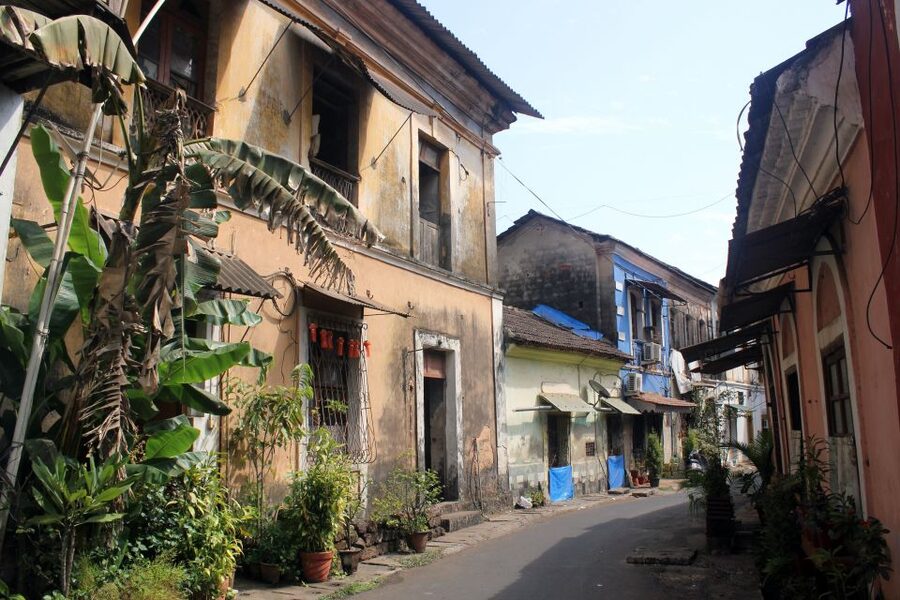
- A Panjim walking route: The tour links food with streets, cafés, markets, old buildings, and the area around the Immaculate Conception Church.
- Strong guide-led storytelling: Shimada is praised for explaining food traditions, Portuguese influence, preparation methods, spices, chilies, and coconut.
- A private group: You get a more personal experience than you would on a large group food walk.
- Good value at $28: The price includes six tastings, a beverage, and a professional English- or Hindi-speaking guide.
- Plan for moderate walking: There is no hotel pickup, and you must meet the guide at the church stairs.
Why Panjim Is the Right Place for a Food Walk
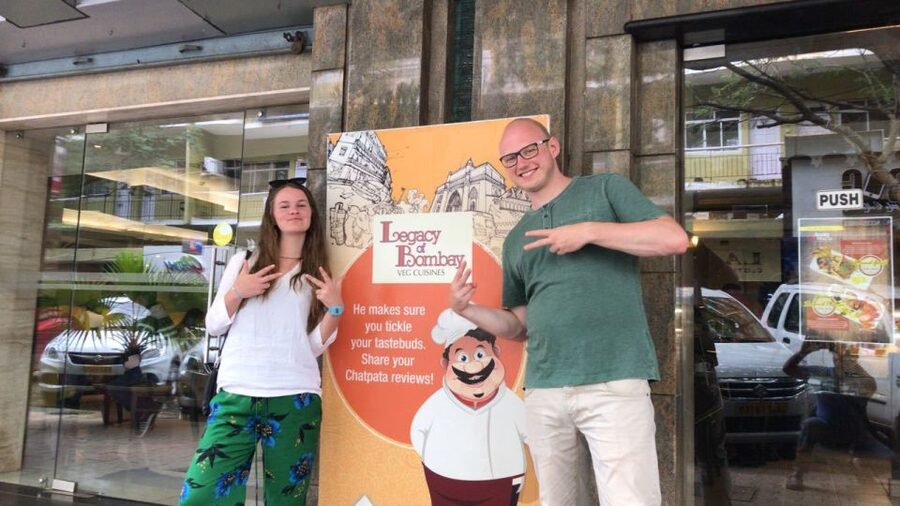
Panjim gives you more than a string of food stops. Its streets help explain why Goan cooking feels different from much of the food you may encounter elsewhere in India. The route passes buildings and lanes shaped by Portuguese influence, then connects that setting with the foods people still eat at local cafés and stalls.
That connection is the real value here. You are not simply handed a plate and told its name. You can ask why a dish tastes the way it does, how coconut or chilies affect it, and how local traditions have changed over time. The tour also touches on everyday Indian eating habits, not only dishes designed for visitors.
The start at the Immaculate Conception Church gives you an easy landmark in central Panjim. The church stairs are the meeting point, so you should arrive with enough time to find the correct side and look for the local partner’s guide. From there, the route continues on foot through stepped streets and older parts of the neighborhood.
Because the group is private, the guide can spend more time answering your questions. That matters on a food tour. If you want to discuss Goan chorizo, bakery traditions, spice choices, or vegetarian food, you are not competing with a large crowd for attention.
More Street Food Tours in India
- Mumbai: Street Food and Night Markets Tour
★ 4.9 · 719 reviews - Old Delhi Street Food Tour
★ 5.0 · 497 reviews - Delhi: Old Delhi Street Food Tour with Rickshaw Ride
★ 4.9 · 403 reviews
Starting at the Immaculate Conception Church
The first stop is less about eating and more about orientation. Meet at the stairs of Our Lady of the Immaculate Conception Church in Panjim, then set off with your guide toward local food stops.
The church is a practical starting point because it is easy to identify, but the surrounding streets also establish the mood of the walk. You will see stepped roads, Portuguese-influenced architecture, cafés, and older buildings before the tastings begin in earnest.
This opening section is useful if you are new to Panjim. Instead of being dropped at an isolated restaurant, you start by walking through the neighborhood that gives the food its setting. The guide can point out local details as you go, and the route is designed to show how food fits into daily life.
You should not expect a long architectural tour. The focus remains food, and the walking sections connect the stops rather than replace them. Still, the streets make the experience feel more local than a standard restaurant meal.
The First Cafés, Stalls, and Local Restaurants

The tour moves through several food stops, with tastings at rustic eateries and stalls used by local residents. The exact order of dishes may vary, but the food list includes six classic Goan and Indian specialties.
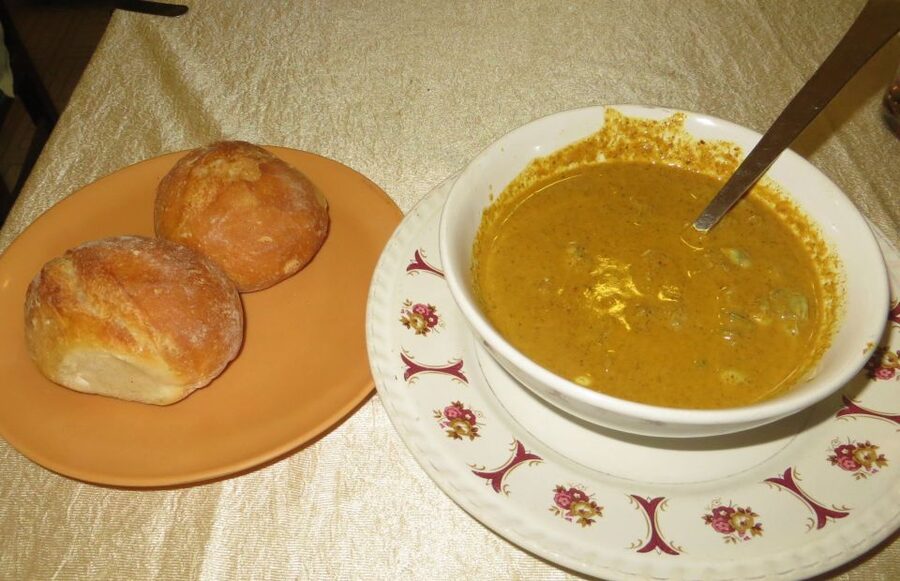
You may taste xacuti curry, a dish associated with Goa and its use of spices, coconut, and chilies. The guide explains how ingredients combine to create the right balance rather than simply telling you that the dish is spicy. That is helpful if you want to understand the cooking instead of judging each bite only by heat.
Other tastings can include different types of chaat, savory snacks, and cutlets. Chaat gives you a chance to sample the layered flavors common in Indian street food, while cutlets and patties show the influence of café and bakery culture. The food is not presented as one large meal. It arrives in smaller portions across several stops, which lets you compare textures and styles without committing to a single dish.
The route may also include a banana bun, dahl, or other local bakery and snack items. These foods are especially useful for understanding the casual side of Goan eating. They are the sort of things you might otherwise walk past without knowing what to order.
Your guide can also explain how dishes are prepared. Past guests have praised the food preparation talk, especially the discussion of spice, chili, and coconut choices. If you enjoy cooking, this may be one of the strongest parts of the tour because it gives you ideas to look for in later meals.
Sweet Peda and Cucumber Mint Juice
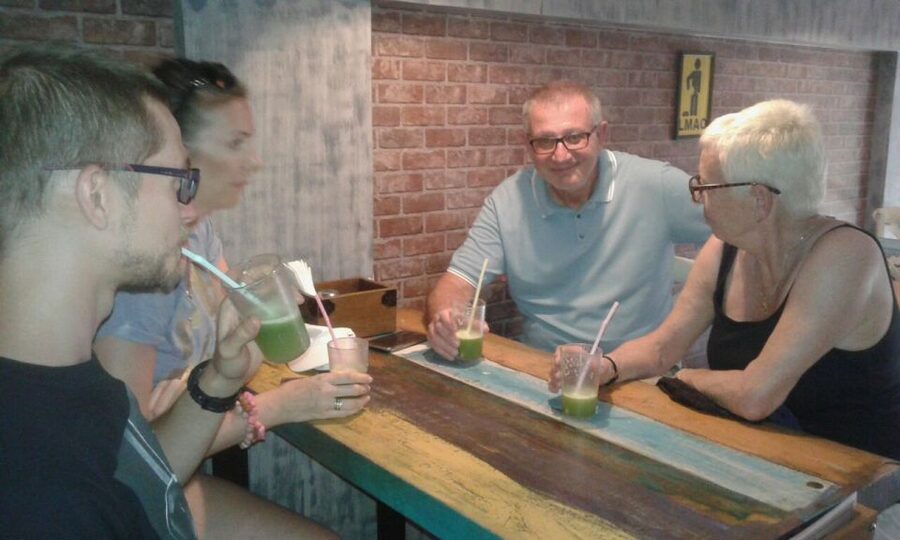
Not every stop is savory. Sweet peda provides a small dessert course, while cucumber mint juice gives you a refreshing drink during the walk. The beverage is included, which is useful in Goa’s warm conditions and means you are not paying separately for every item.
The contrast between the dishes matters. You get to move from curry and chaat to sweets and cooling flavors, rather than spending two hours eating versions of the same snack. Six tastings may sound modest, but several small portions can add up quickly.
That is why I would follow the advice to arrive hungry. One direct tip from the experience is to avoid eating much at breakfast. You do not need to skip food entirely, but a heavy meal beforehand could leave you too full to enjoy the later stops.
The menu is not presented as fixed in the information provided, so you should treat the named dishes as likely examples rather than a strict promise of every item. If you have dietary preferences, tell the guide early. Shimada has adjusted the experience for vegetarian and non-vegetarian preferences, which suggests the private format offers useful flexibility.
Same city, a different table:
- The Great Indian Food Tour: Old Delhi Food and Heritage Walk
★ 5.0 · 1,698 reviews - Delhi Food Walk: Rickshaw Ride, Street Eats & Market Tour
★ 5.0 · 401 reviews - Old Delhi Food Tour: A Night Time Feast
★ 5.0 · 326 reviews - Jaipur Bazaar & Food Walking Tour
★ 5.0 · 281 reviews
Shimada and the Value of a Good Food Guide
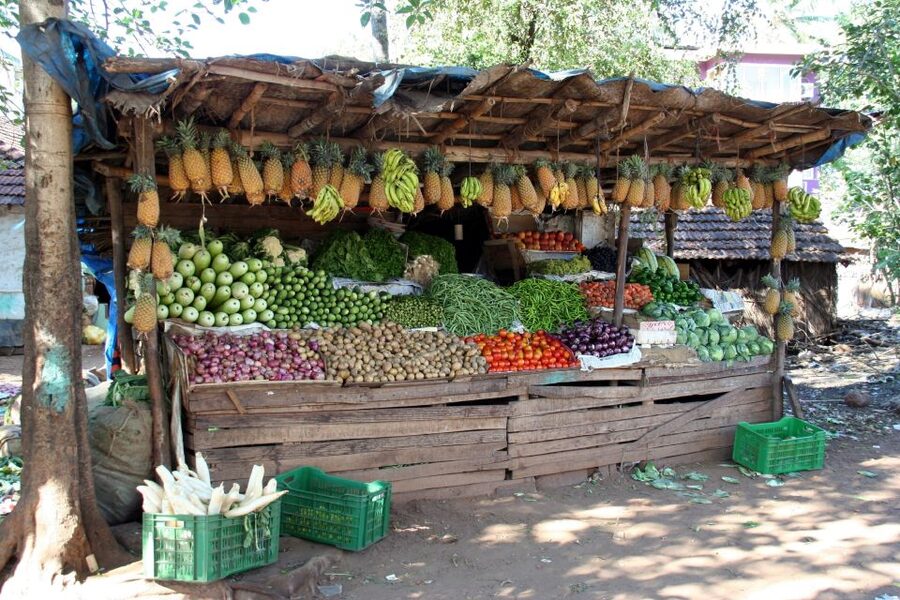
The guide is a major part of the experience. Shimada is repeatedly praised for being friendly, organized, and easy to talk with. Her explanations cover Goan food, Indian traditions, Portuguese influence, and the stories connected with specific dishes.
One especially useful feature is the chance to ask broad questions. The conversation has included topics ranging from Goan chorizo and the price of lobster to changing food habits in India. That tells you this is not a scripted tasting where the guide rushes through a memorized list.
You might also hear about bechina, bakery foods, dahl, patties, and the way local cooks choose spices, chilies, and coconut. The precise conversation will depend on your interests, but the private setting makes it easier to shape the walk around your questions.
Several people who took the tour with Shimada praised her ability to tell stories while walking. That combination is important. Food tastes better when you understand its place in the community, but too much lecture would slow the route. The best part of this experience is the balance between eating, strolling, and talking.
An earlier experience with guide Vrushali also received praise for a strong understanding of Goan food and Indian culture. The guide assigned to your booking may differ, so consider the quality of the local guide a central part of the tour rather than assuming one specific person will lead every departure.
A Closer Look at the Six Tastings
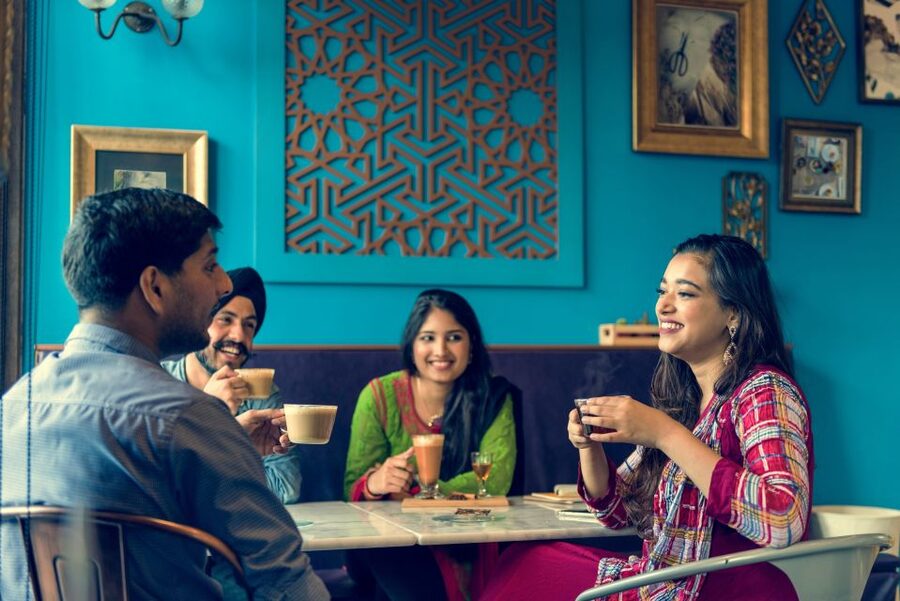
The food is the reason to book, so it helps to know what kind of variety you are getting.
Xacuti curry: Expect a dish that shows how Goan cooking uses spice, coconut, and chilies. The guide can help you understand the flavor balance and the dish’s place in local cooking.
Peda: This sweet gives the route a dessert element. It is a useful contrast after savory snacks and curries.
Cucumber mint juice: The included beverage brings a fresh, cooling note and gives you a break between solid foods.
Chaat: Different chaat preparations offer a mix of textures and seasonings. They also show the quick, snack-focused side of Indian food culture.
Cutlets and patties: These are casual café foods that can reveal Portuguese and Indian influences in the local food scene.
Additional local dishes: The final tastings may include items such as banana bun, dahl, or other bakery and street-food specialties. Since the selection can vary, the experience is better viewed as a guided introduction than a fixed tasting menu.
This range is one reason the tour works well as an opening activity in Panjim. You learn what to look for before sitting down to later meals on your own.
How Much Walking and Time You Should Expect
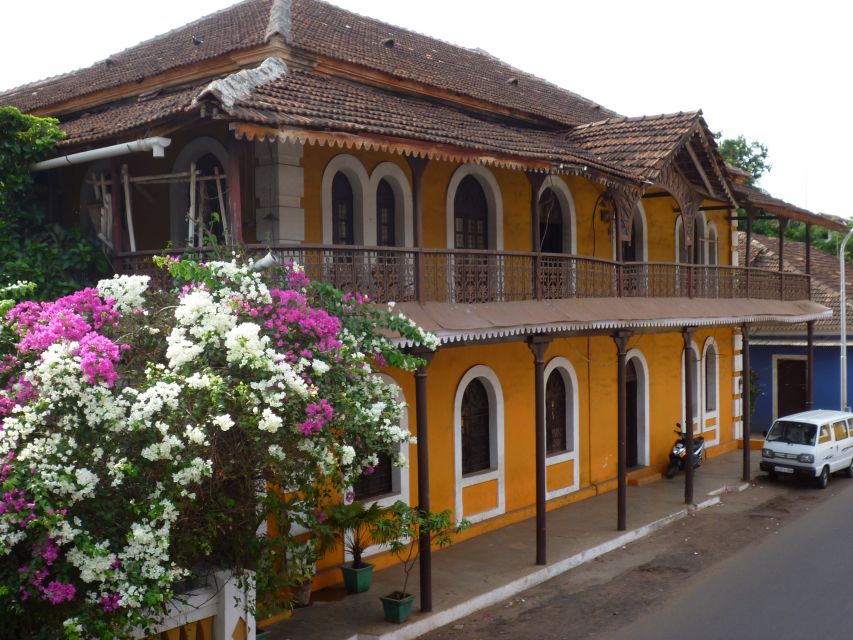
The tour lasts two hours and includes moderate walking. You will move between local restaurants and food stalls, with several walking sections through Panjim’s streets.
Comfortable shoes are essential. The route includes stepped streets, and the tour operates in all weather conditions. Bring a light rain layer or other weather protection if conditions look uncertain, since the walk does not move indoors simply because the sky changes.
Two hours is a sensible length for a first food walk. It is long enough to visit several places without taking half a day from your schedule. At the same time, you should not expect a slow, multi-course food tour with long pauses at each stop.
The finish at Kala Academy gives you a clear endpoint. Since hotel pickup and drop-off are not included, plan your own route to the meeting point and onward from the finish. This is easiest for people already staying in or near Panjim.
The tour is wheelchair accessible, but the presence of stepped streets means you may want to confirm route details directly if you have specific mobility needs. The provided information describes moderate walking and accessibility, but it does not explain every surface or stair section.
Is $28 a Fair Price?
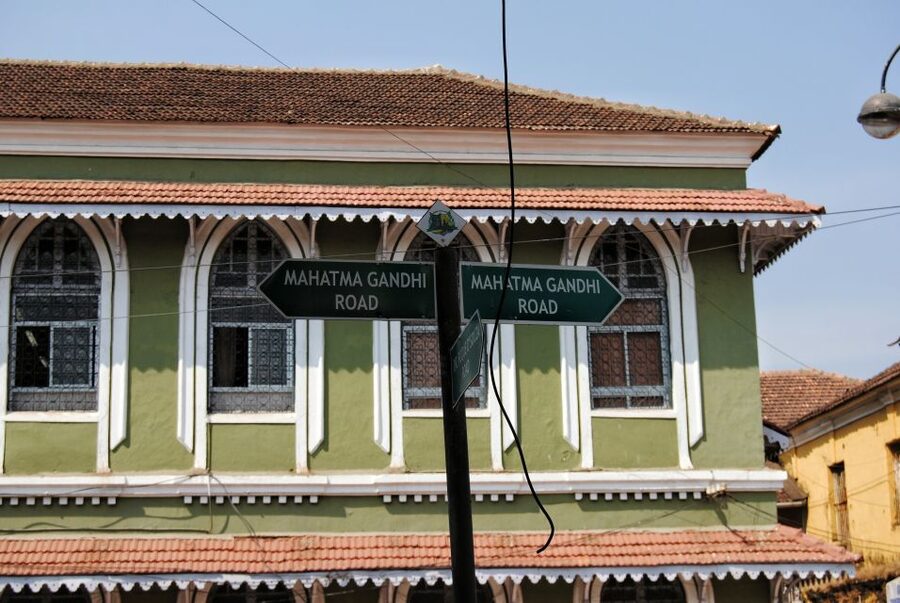
At $28 per person, the tour is reasonably priced if you value the guide and neighborhood context as much as the food. You receive six tastings, a beverage, a two-hour private walking experience, and a guide speaking English or Hindi.
You could likely spend less by ordering one or two snacks on your own. That comparison misses the main benefit, though. The tour takes you to places you might not find alone, explains what you are eating, and links the food to Goa’s cultural background.
The private group format improves the value. You can ask questions, discuss vegetarian or non-vegetarian choices, and avoid being one person in a large line of people moving from stall to stall.
The rating supplied for the experience is 3.7 from 29 reviews, so you should not treat it as a guaranteed perfect outing. Still, the detailed praise focuses on the same useful qualities: friendly guidance, strong food knowledge, interesting stories, good organization, and worthwhile local stops. That consistency gives me more confidence than a collection of vague compliments.
Who Will Enjoy This Panjim Food Walk?
I would recommend this tour to first-time visitors who want an easy introduction to Goan food. It is also a good choice if you enjoy asking questions and prefer eating in ordinary local places rather than formal restaurants.
Food-focused visitors will get the most from the explanations about spice, coconut, chilies, preparation, and Portuguese influence. The tour is also suitable for people who want cultural context without committing to a full-day sightseeing program.
Vegetarians and non-vegetarians can both consider it, but tell the guide about your preference at the start. The private format has allowed the guide to adapt the tastings.
I would be more cautious if you dislike walking, do not enjoy unfamiliar food, or want a precise menu guaranteed in advance. This is an introduction to local street food, not a luxury tasting menu. The weather policy also matters if you prefer indoor activities.
For families, the two-hour length may be manageable, but the moderate walking and varied food mean you should judge it by your group’s stamina and eating habits. The tour’s accessibility information is positive, but the stepped streets deserve attention when planning.
Should You Book the Goa Street Food Crawl?
Book it if you want your first taste of Panjim to include both food and local conversation. The strongest reason to go is not simply the six dishes. It is the chance to understand why Goan food uses its particular mix of spices, coconut, chilies, sweets, snacks, and Portuguese-influenced traditions.
I especially like the combination of a private group, local eateries, and a guide such as Shimada who can adjust the conversation to your interests. At $28, the tour offers fair value for a short introduction, provided you arrive hungry and accept that the food selection may vary.
Skip it if you want a fixed menu, a seated meal, or very little walking. For everyone else, this is a practical way to get your bearings in Panjim and learn what to order during the rest of your time in Goa.
FAQ
Where does the Goa Street Food Crawl begin?
The meeting point is at the stairs of Our Lady of the Immaculate Conception Church in Panjim, Goa.
Where does the tour finish?
The walk finishes at Kala Academy.
How long does the food crawl last?
The experience lasts two hours.
How many food tastings are included?
Six food tastings are included, along with a beverage.
Which languages does the guide speak?
The guide can conduct the tour in English or Hindi.
Is hotel pickup included?
No. Hotel pickup and drop-off are not included, so you must make your own way to the church meeting point.
Is the tour suitable for wheelchair users?
The activity is listed as wheelchair accessible. It also includes moderate walking and stepped streets, so you should confirm any specific mobility needs before booking.
Just added in India
- Food Trail Through Sowcarpet Market: A Taste of Chennai★ 5.0 · 38 reviews
- Sowcarpet Street Food Walking Tour in Chennai with guide★ 5.0 · 83 reviews
- Street Food walking tour in Bangalore with a food evangelist★ 5.0 · 83 reviews
- Filter Kaapi: A food walk by tourism ministry approved company★ 5.0 · 26 reviews
- Amritsar Food Walk With Hidden Gems★ 5.0 · 59 reviews
- Flavours of Agra Food walk★ 5.0 · 25 reviews
- The Great Indian Food Tour: Old Delhi Food and Heritage Walk★ 5.0 · 106 reviews
- Old Delhi Street Food Tour★ 4.8 · 40 reviews
Street Food Tours, compared.
Ho Chi Minh City Street Food Tour & Sightseeing By Motorbike
Read our review →
Small Group Hanoi Street Food Tour with a Real Foodie
Read our review →
Saigon By Night and Street Food By Motorbike | Opt: Ao Dai Riders
Read our review →
Private Street Food Tour by Motorbike/Car with Local Students
Read our review →
Cinque Terre Park Day Trip with Optional Street Food
Read our review →
Street Food Tasting & Sightseeing Tour by Motorbike
Read our review →Browse the lists this tour appears in