
REVIEW · ATHENS FOOD TOURS
Athens: Guided Greek Food Walking Tour with Tastings
Come hungry, leave happily stuffed. This four-hour Athens food walk turns the city center into your dining room, moving from Varvakios Agora market and old bakeries to specialty shops and local tavernas. I like the wide range of tasting stops, from koulóuria and loukoumades to Greek wine, olive oil, mezze, and gyros. I also like that the route gives you more than food: you get a look at the meat and fish markets, Evripidou Street’s herb shops, and everyday Athens away from the Acropolis crowds.
The main drawback is also part of the appeal: there is a great deal to eat. You may feel full well before the final souvlaki pita, so take the advice to arrive very hungry. The walk takes place rain or shine, requires comfortable shoes, and is not suitable for wheelchair users.
Key points at a glance
- Four hours of food: This is closer to breakfast, lunch, and dinner in one long outing than a few token samples.
- Varvakios Agora at the center: You walk through Athens’ main meat and fish market, then see the ingredients used in Greek cooking.
- Many kinds of tasting: Expect pastries, pies, cheese, deli foods, coffee, wine, ouzo, tsipouro, olive oil, honey, yogurt, mezze, and gyros.
- Guides make the difference: Adele, Anna, Tonia, Dorela, Maria, Nicoletta, Dimitra, and others receive repeated praise for warmth, food knowledge, and local stories.
- A smart first-day activity: You leave with a map of places and foods to revisit during the rest of your stay.
- $81 value: The price is strong if you want a full meal’s worth of food plus a guide and local drinks, but less appealing if you prefer a light tasting tour.
Starting at Monastiraki Square
Your meeting point is in front of the small church at the center of Monastiraki Square. That is a practical place to begin because it sits in the middle of central Athens, close to major sights and busy pedestrian routes.
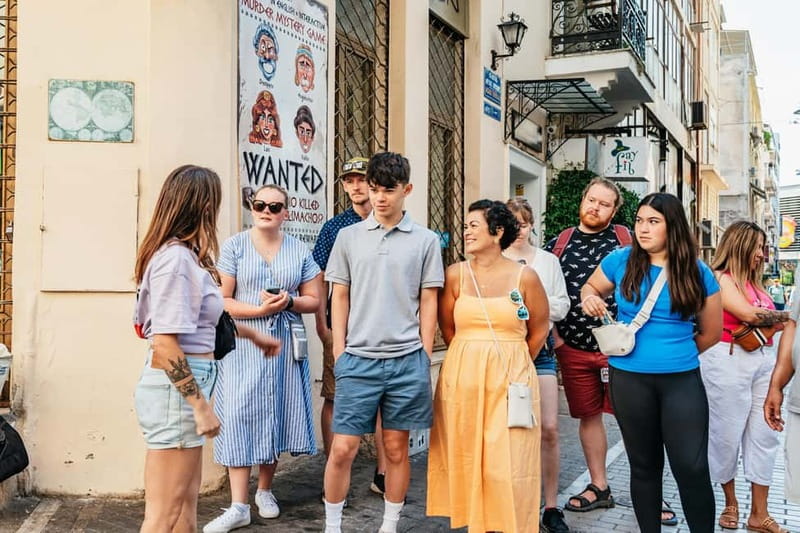
The tour is conducted in English by a live guide. Recent groups have been led by guides including Adele, Anna, Tonia, Dorela, Maria, Nicoletta, and Dimitra. The names change, but the pattern is clear: the strongest part of the experience is the personal guidance. Good food is easy to find in Athens. It takes a warm local guide to explain what you are eating, introduce you to shopkeepers, and make a group of strangers feel comfortable together.
Several guides are praised for adding small cultural details instead of giving a nonstop lecture. That matters on a food walk. You want enough context to understand why a dish is served in a certain way, but you also want time to eat it while it is fresh.
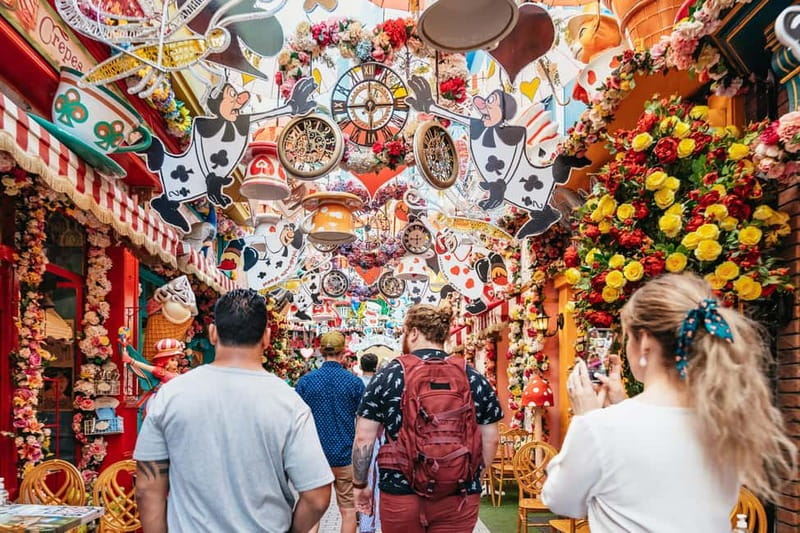
I especially like the advice to take this tour early in your Athens stay. You will pass shops, cafés, market stalls, and tavernas that you might otherwise overlook. If you like something, you can return later without the group.
More Food Walking Tours in Athens
- Greek Food Walking Tour in Athens
★ 5.0 · 4,740 reviews - Athens Authentic Greek Food Walking Tour (Small Group)
★ 5.0 · 809 reviews - Athens: Ultimate Food Walking Tour with 15 Tastings
★ 4.9 · 567 reviews
Greek breakfast begins with sesame bread and pastries
The first tastings introduce you to the sweeter and more portable side of Greek food. You may try koulóuria, the ring-shaped sesame bread sold around Greece, followed by loukoumades, small Greek doughnuts with ancient roots.
The route also includes custard-filled filo squares and a visit to a local phyllo pastry shop. At an authentic bakery, you can expect savory pies and Greek cheeses. These early stops are useful because Greek food is not simply a parade of grilled meat and salad. Pastry, bread, cheese, and sweets are part of daily eating, and this section gives them proper attention.
The pastry stops can also be a little dangerous for your appetite. A crisp filo square or warm doughnut does not feel like a full meal, but several samples add up quickly. If you have breakfast before meeting the guide, you may regret your decision by the time the tavernas appear.
You should also pay attention to the guide’s explanations of ingredients. Olive oil, cheese, herbs, pastry, and yogurt return later in the tour, so the morning tastings help you recognize the building blocks of Greek cooking.
Varvakios Agora shows the working side of Athens
The walk through Varvakios Agora is one of the strongest parts of the route. This is not a polished food hall designed mainly for sightseeing. It is a working market area where you see meat and fish counters, fresh ingredients, and the daily trade that supports downtown restaurants.
The market can be a sensory experience. You may notice strong smells, wet floors, close quarters, and displays that are more practical than pretty. That is exactly why the stop has value. It gives you a look at the food supply behind the meals served in tavernas and homes.
The meat and fish sections are also a break from the usual historic-center route. Athens sightseeing often centers on monuments and ancient sites. Here, you see another side of the city, one tied to shopping, cooking, and local business.
Your guide helps make sense of the market rather than leaving you to wander through it alone. The pacing matters. Recent groups describe having enough time at stops without feeling rushed, although the overall experience remains food-heavy and active.
Coffee, olives, cheese, and specialty shops
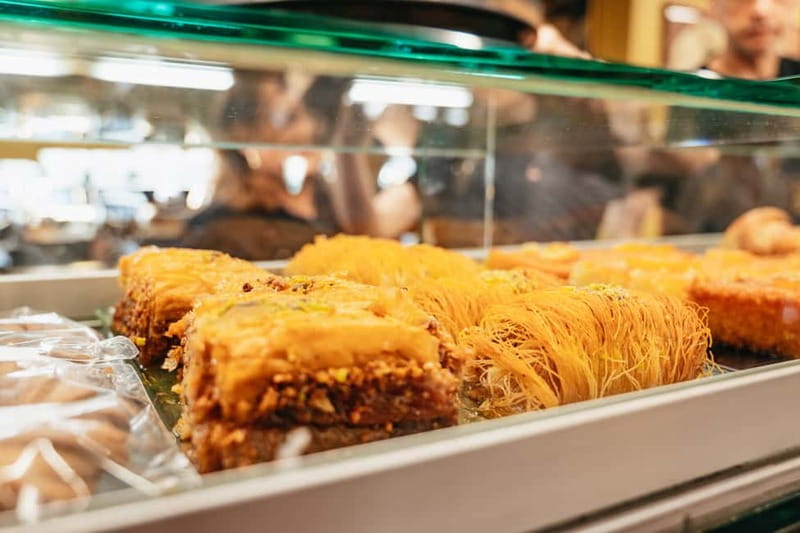
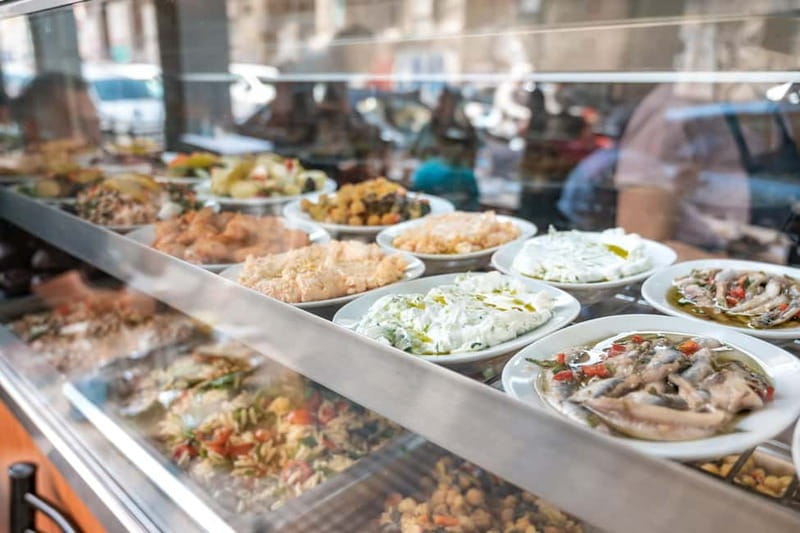
After the market, the tour moves through specialty food stores. This part of the route focuses on products you might want to buy for yourself, including wine, olive oil, honey, mushrooms, herbs, traditional salamis, olives, cheese, ham, and other deli items.
There is also a roasted coffee tasting. One family group specifically enjoyed coffee prepared in hot sand, though the precise preparation can vary by tour. The broader point is that coffee here is treated as part of the food culture, not merely a quick caffeine stop.
The tastings can help you shop more intelligently later. Greek olive oil varies in flavor and character, and a guided sample gives you a better basis for comparison than grabbing the first attractive bottle on a shelf. The same goes for honey, vinegar, olives, and cheese.
An olive oil and wine tasting receives especially strong praise. You may get a short lesson on how to approach the products, followed by local wine and organically produced olive oil. Honey and aged aromatized vinegar are also included, along with Greek yogurt topped with thyme honey.
That combination makes the tour more useful than a standard snack crawl. You are not just filling up. You are learning which Greek pantry products deserve space in your suitcase.
More Food Walking Tours in Greece
- Athens: Authentic Greek Food Walking Tour
★ 4.9 · 549 reviews - Athens: Evening Food Walking Tour
★ 4.9 · 422 reviews - Athens Street Food Walk
★ 5.0 · 385 reviews - Feast on Athens: LGBTQ+ Walking Food Tour
★ 5.0 · 23 reviews
Evripidou Street brings herbs and aromas
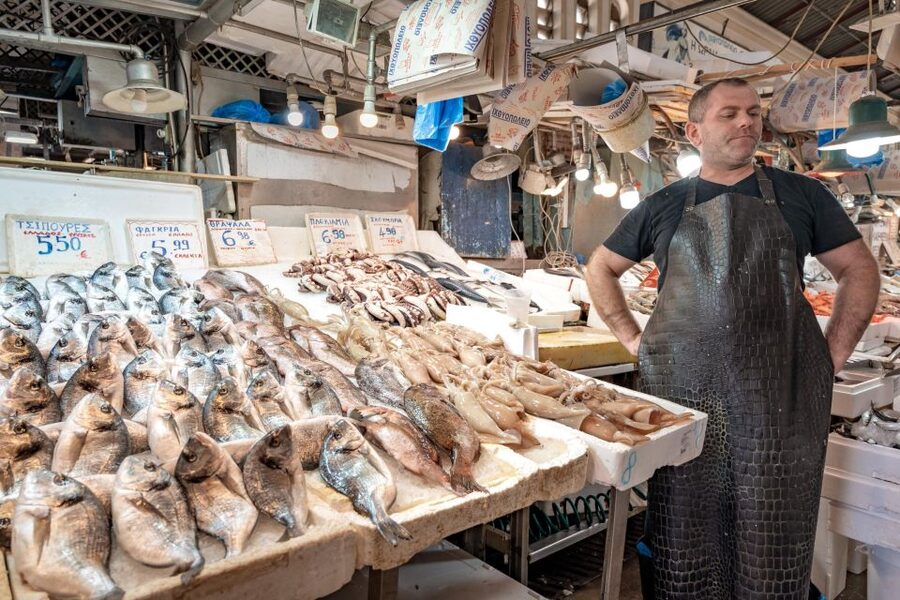
The walk down Evripidou Street adds another layer to the food story. The street is known for shops selling aromatic herbs and spices, and the smell becomes part of the experience before you even taste anything.
This is a good place to slow down and notice how much Greek cooking depends on herbs, dried seasonings, and preserved ingredients. The stop also connects the market to the home kitchen. What you see in the stalls is not only for restaurants. These are the kinds of products used to season meat, fish, vegetables, cheese, and sauces.
You may find the street more interesting than a formal food demonstration because it feels like a real shopping district. It is a place to ask questions, compare aromas, and consider what you might use at home.
Do not expect a quiet stroll. Central Athens has traffic, foot traffic, and uneven urban surfaces. Comfortable shoes are important, and you should be ready to walk for several hours with regular standing at shops and food stops.
Greek mezze turns the walk into a meal
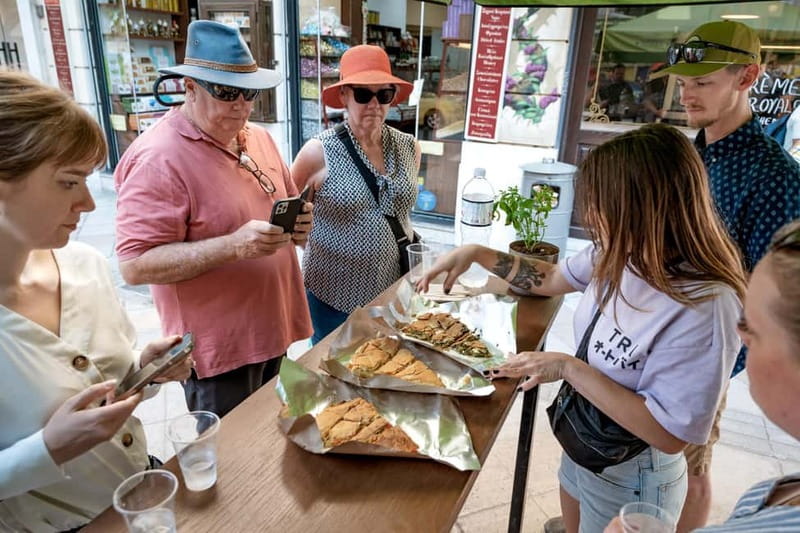
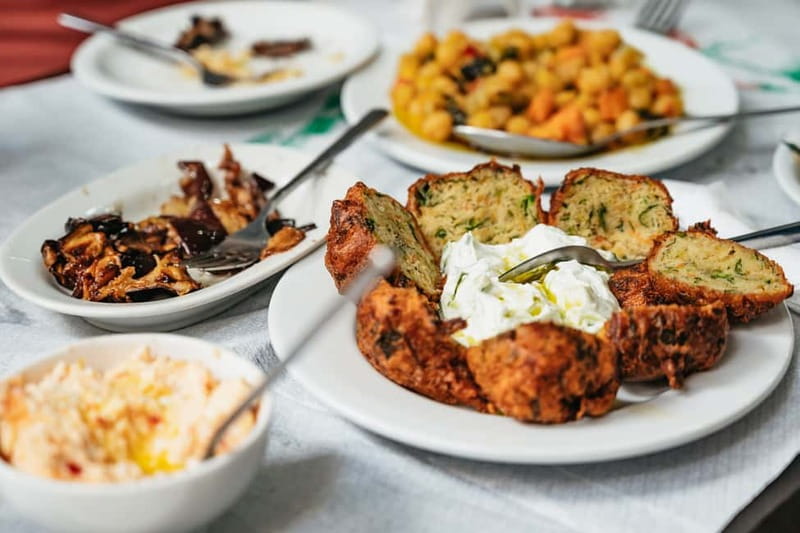
The taverna portion is where the tour shifts from sampling to sitting down and eating properly. You visit authentic downtown tavernas serving Greek versions of tapas, known as mezze.
The exact dishes can vary, but the tasting program includes food such as cheeses, meats, salads, stews, dolmades, calamari, pasta, and other traditional preparations. The experience is designed for sharing, which is one reason it works well for solo visitors and mixed groups. You can try several dishes without ordering a full plate of each one.
The sit-down meal is also where the tour starts to feel like a social event. A well-run guide introduces the group, keeps the conversation moving, and explains what arrives at the table. Several guides are praised for helping people who began as strangers finish the afternoon feeling like friends.
I would not choose this tour if you want to eat at your own pace with no group interaction. The appeal is the shared table, the steady flow of dishes, and the guide’s commentary. If that sounds enjoyable, it adds real value.
The food portions are generous. Some groups describe the meal alone as enough to fill them, and that comes after the bakeries, market samples, coffee, and specialty products. You can ask about taking leftovers with you, but do not count on every stop offering containers.
Souvlaki and gyros finish the route
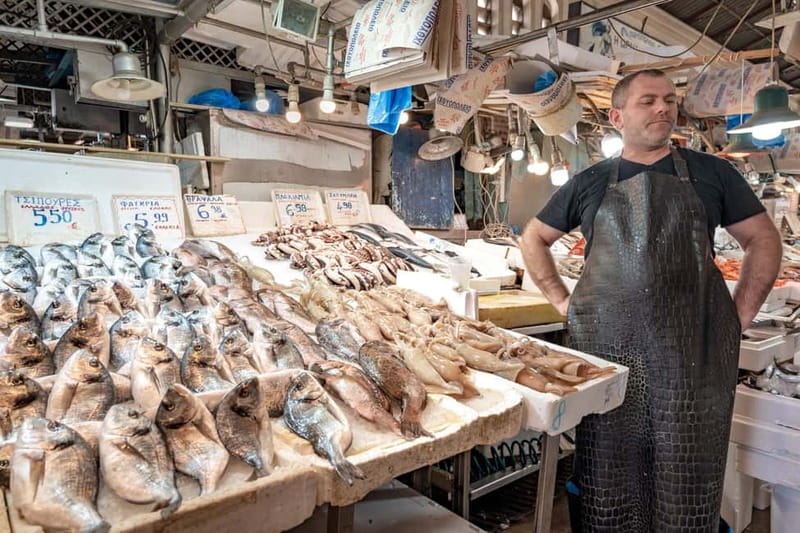
The final savory stop is a typical Greek souvlaki pita with pork or chicken gyros. It is a fitting ending because souvlaki is one of the easiest Greek foods to understand: warm pita, grilled meat, and familiar toppings in a compact meal.
The trouble is timing. By the time the gyros arrives, you may already have eaten a full day’s worth of food. Several people nearly tapped out before the last stop, while others treated the final pita as the reward for pacing themselves.
You can make the meal easier by taking small portions early, even when everything looks good. Do not feel obliged to finish every sample. The tour offers enough food that restraint at the first few stops will help you enjoy the final taverna meal instead of merely surviving it.
What the $81 price really buys
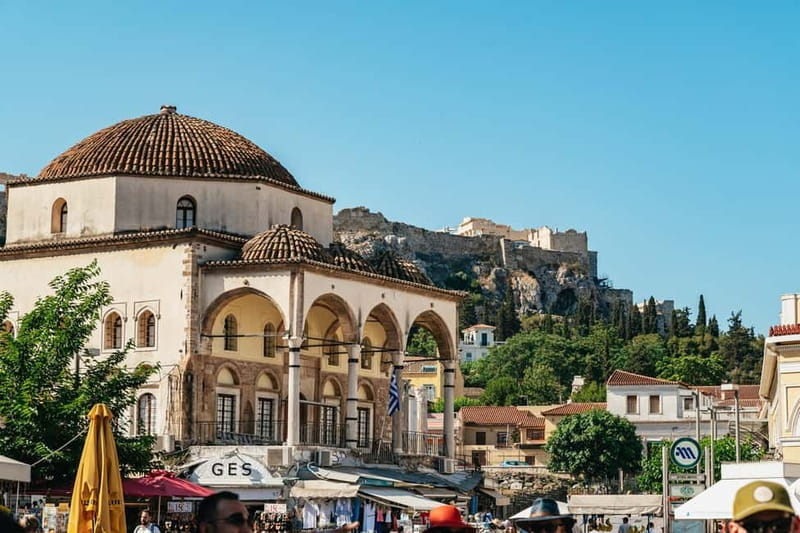
At $81 per person, this is not a cheap snack walk. It is a substantial food-and-drink experience lasting four hours, with a guide, all food tastings, coffee, local wine, and aperitifs such as ouzo and tsipouro included.
The value is strongest if you would otherwise pay separately for several meals. You receive breakfast-style pastries, market products, a seated mezze meal, and a final souvlaki. The included drinks also help explain the price, especially if you enjoy wine and Greek spirits.
You are also paying for access and interpretation. A guide who knows the shopkeepers can make the stops feel personal rather than random. Guides such as Adele, Anna, and Tonia are repeatedly praised for their warmth, local stories, and ability to explain both food and Athens.
The price is less attractive if you have a small appetite, strict dietary limits, or little interest in tasting alcohol. You should also tell the tour leader about food allergies on the day. The tour includes many ingredients and several shared tasting situations, so clear communication matters.
Who will enjoy this Athens food tour?
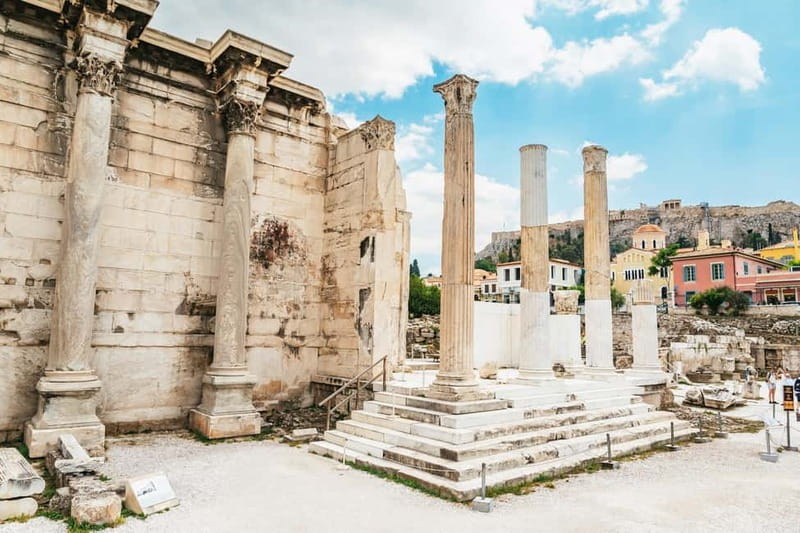
I would recommend it most strongly to:
- First-time visitors who want a quick introduction to Greek food
- Solo visitors who enjoy meeting people around a shared table
- Families whose children are open to trying new foods
- Couples who want a food-focused way to see central Athens
- Anyone who likes markets, bakeries, deli shops, and informal tavernas
- Repeat visitors who want a different view of the city beyond monuments
It is less suitable for anyone who dislikes walking, crowded markets, strong food smells, or large amounts of food. Wheelchair users should choose another activity because the tour is not suitable for wheelchair access.
The route takes place rain or shine. Bring comfortable shoes and a light layer suitable for changing conditions. Since no hotel pickup or drop-off is included, you are responsible for reaching Monastiraki Square and making your own way afterward.
How to get the most from the four hours
Arrive with an empty stomach, but do not treat that as permission to rush through the first tasting. Eat slowly and tell the guide if you need to pace yourself.
Ask questions about products you might buy later. Olive oil, honey, vinegar, wine, herbs, cheese, and salami are easier to choose when you have tasted and compared them first.
Take notes on places you want to revisit. Several people wish they had done the tour on their first full day because it pointed them toward good shops and eating spots for the rest of their stay.
If you are lost on the way, contact the tour team promptly. One guide, Adele, even called a participant to help her join the group. That kind of practical help can save the experience when Monastiraki’s streets become confusing.
Allow room for a friendly group atmosphere. The tour works best when you are willing to share a table, listen to the guide, and swap impressions with the other people in the group.
Should you book it?
Book this tour if you want a generous, social introduction to Athens through food rather than a light sampling session. The combination of Varvakios Agora, bakeries, specialty shops, Evripidou Street, mezze, drinks, and souvlaki gives you a broad picture of Greek eating in one afternoon.
I would book it early in an Athens visit. You will learn what to order, where to shop, and which central neighborhoods deserve a second look. Skip it if you need a short, quiet outing or cannot handle a large meal. For everyone else, $81 buys a lot of food, useful orientation, and a guide who can turn ordinary city streets into a memorable table.
FAQ
How long does the Athens Greek food walking tour last?
The tour lasts four hours.
Where does the tour meet?
Meet the guide in front of the small church at the center of Monastiraki Square.
What language is the tour conducted in?
The live tour guide conducts the experience in English.
What food is included?
Tastings include Greek pastries, pies, cheeses, deli products, loukoumades, yogurt with thyme honey, mezze, and a souvlaki pita with pork or chicken gyros.
Are drinks included?
Yes. Local wine, coffee, and local aperitifs such as ouzo and tsipouro are included.
Does the tour include hotel pickup?
No. Hotel pickup and drop-off are not included.
Should I eat before the tour?
It is best to arrive very hungry because the tour includes many tastings and a substantial meal. Several participants found the quantity of food surprisingly large.
What should I bring?
Bring comfortable shoes. The tour is a walking experience and takes place rain or shine.
Can wheelchair users join?
No. The activity is not suitable for wheelchair users.
What happens if I have a food allergy?
Tell the tour leader about any specific food allergies on the day of the tour.
Just added in Athens
- Classic Athens Food Tour with Local Drink & Market Visit★ 5.0 · 34 reviews
- Taste of Athens Small-Group Food Tour★ 5.0 · 33 reviews
- The Greek Food Experience (Max 8 persons)★ 5.0 · 181 reviews
- Best Food Tasting Tour of Athens, taste 18+ iconic Greek foods!★ 5.0 · 448 reviews
- Greek Gastronomy & Wine Pairing Cruise with a Sommelier in Athens★ 5.0 · 120 reviews
- Athens Street Food Tour: Explore City’s Iconic Eateries★ 5.0 · 155 reviews
- Athens: The Classic Food Tasting Tour★ 5.0 · 106 reviews
- Private Athens Morning Food Tour (15+ tastings) – Best Seller★ 5.0 · 25 reviews
Food Walking Tours, compared.
Reykjavik Food Walk – Local Foodie Adventure in Iceland
Read our review →
New Orleans Food Walking Tour of the French Quarter with Small-Group Option
Read our review →

Savannah First Squares Culinary & Cultural Walking Food Tour
Read our review →
Guided Food Walking Tour with Wine in Trastevere
Read our review →
Trastevere & Campo de Fiori Street Food Walking Tour
Read our review →
Browse the lists this tour appears in