
REVIEW · BANGKOK FOOD TOURS
Bangkok: Backstreets Food Tour with 15+ Tastings
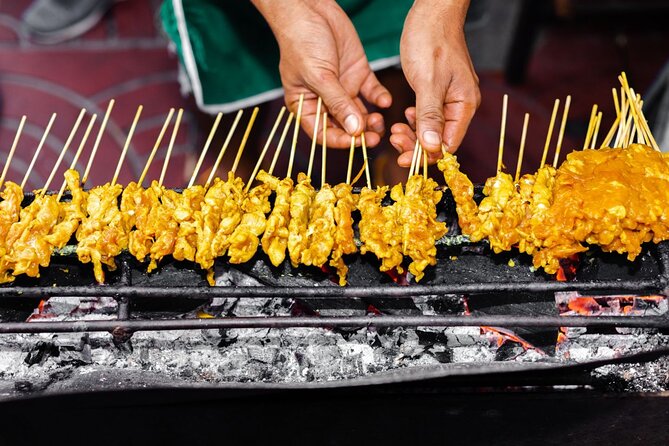
Come hungry, leave happily overwhelmed. This four-hour walking tour takes you through Yaowarat’s narrow lanes for 15 or more tastings, from crispy chive dumplings and grilled satay to shrimp dumplings, seafood soup, and even soy sauce ice cream. I like the sheer variety, and I like that the route gets away from the main road into places you would likely miss on your own.
The group is capped at eight, with a guide and a second staff member helping the food stops run smoothly. That small size is a real advantage in crowded Chinatown. The main consideration is the food itself: strict vegetarians, vegans, and people with serious allergies should choose another tour, while even enthusiastic eaters need to pace themselves.
Quick takeaways from the Chinatown food walk
- 15-plus tastings in 3.5 to 4 hours: This is a full meal, not a few sample bites.
- Eight to nine food stops: The route includes two or three Michelin-listed street-food venues, depending on the departure.
- Small groups of up to eight: A second staff member often goes ahead to prepare tables and food.
- Thai-Chinese food focus: You will taste how Chinese cooking traditions shaped Bangkok street food.
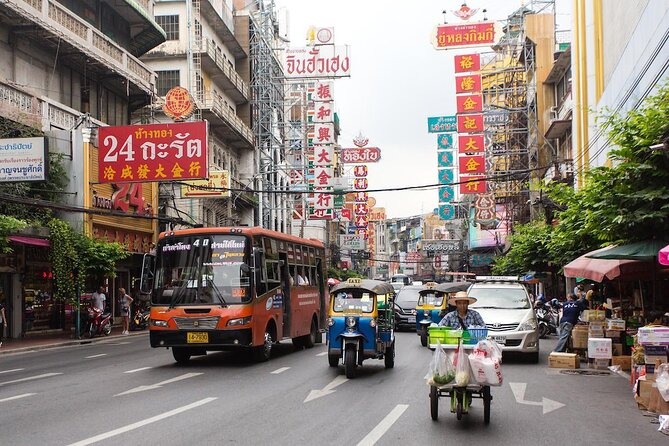
- Backstreets beyond Yaowarat Road: The route uses lanes too narrow for tuk-tuks, helping you avoid the most obvious tourist stops.
- English-speaking guides: Past guides have included Anya, Annie, JT, Pukpik, Wan, Som, and Paninee, with many guests praising their stories and energy.
Starting outside Shanghai Mansion Bangkok
The meeting point is outside Shanghai Mansion Bangkok on Yaowarat Road. Look for a staff member wearing a black A Chef’s Tour polo shirt. The group then moves to a nearby café or bar on a side street, where you can use the restroom and meet the rest of the party before setting off.
This arrangement is useful in a busy part of town. Yaowarat can feel like a wall of traffic, signs, scooters, smoke, and people, so gathering away from the main road gives everyone a calmer start. Bring comfortable shoes, an umbrella, and clothing suited to the weather. Bangkok heat, sudden rain, and uneven walking surfaces are all part of the practical equation.
The tour runs in the morning and evening. The two versions share most of the same food, but a few stops change because vendors keep different hours. If you want the full night-market atmosphere and glowing signs along Yaowarat Road, choose an evening departure. The morning version still offers the same general food idea, with a few daytime alternatives.
A few more food tours in Bangkok worth a look
- Bangkok: Midnight Food Tour by Tuk-Tuk
★ 4.9 · 2,054 reviews - Bangkok Backstreets Food Tour with 15+ Tastings
★ 5.0 · 1,926 reviews - Bangkok: Michelin Guide Street Food Tour by Tuk Tuk
★ 4.4 · 1,274 reviews
Why the eight-person limit matters
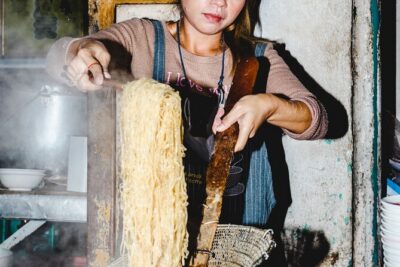
A group of eight may not sound dramatically small until you try to gather a larger party around a steaming noodle stall. In Chinatown, small spaces and narrow sidewalks make every extra person count. The limit also gives you a better chance to ask questions without turning the guide into a distant voice at the front.
The two-person setup is another strong point. The main guide explains the dishes, ingredients, customs, and neighborhood. The assistant can walk ahead, secure seats, collect food, and keep the route moving. Guides named in recent departures include JT with Peem, Annie with Ninja, and Ploy with Mikey. That system is especially helpful at busy food stalls where finding room for a small group would otherwise be a gamble.
There is one small tradeoff. The best guides are often enthusiastic, and one guest found that a host talked so much that a few stops took longer than expected. Another person occasionally struggled to hear a soft-spoken guide on a noisy street. If you have hearing difficulties, stay close to the guide and ask questions when the group pauses.
The first tastes: chive dumplings and grilled satay
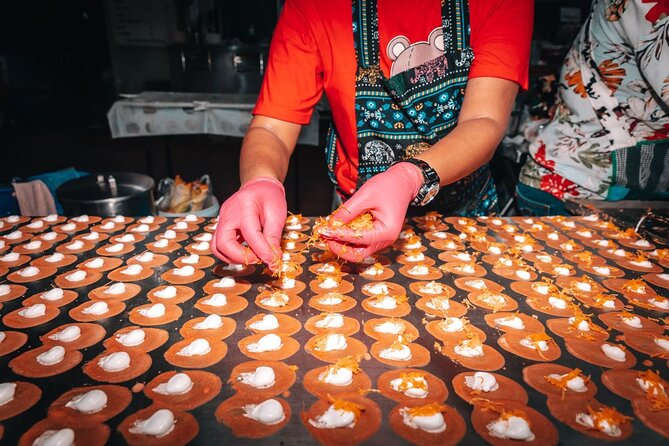
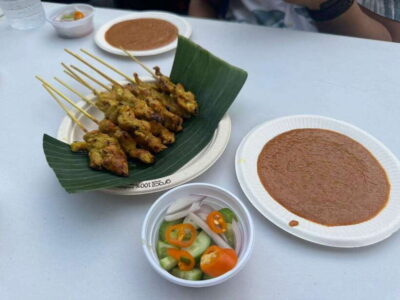
The exact order can change, but the food selection gives you a good sense of the tour’s range. Crispy chive dumplings with nam jim jaew sauce offer a crunchy start, with a spicy, sweet, and tangy dip that wakes up the palate.
You may then encounter charcoal-grilled meat with satay sauce. This is familiar food in name, but a street-side version gives you a better feel for the smoky cooking method and the way sauces shape the dish. These early stops also teach an important rule for the afternoon: taste the food before adding extra chili, vinegar, sugar, or sauce.
One useful habit from the tour is to sample each dish in its original form first. A guide can then explain what the condiments do, rather than letting you cover up the flavor before you understand it. This is a small lesson, but it helps you eat more confidently at Thai food stalls later in your trip.
Pork, dumplings, and the Thai-Chinese connection
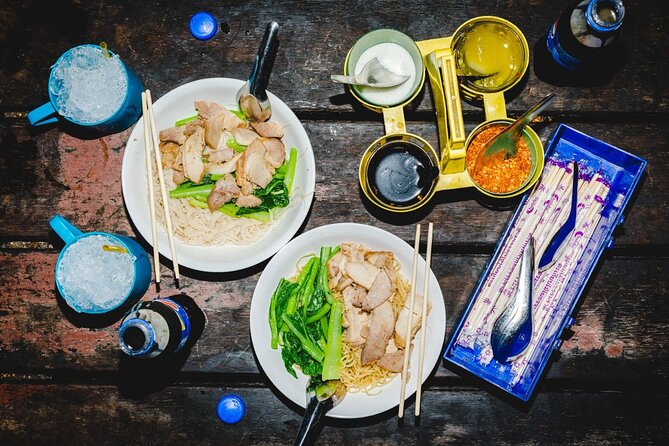
Bangkok’s food culture cannot be separated neatly into Thai and Chinese categories. Chinese migration and trade shaped noodles, stir-fries, dumplings, braised dishes, and many cooking methods now treated as part of everyday Bangkok food.
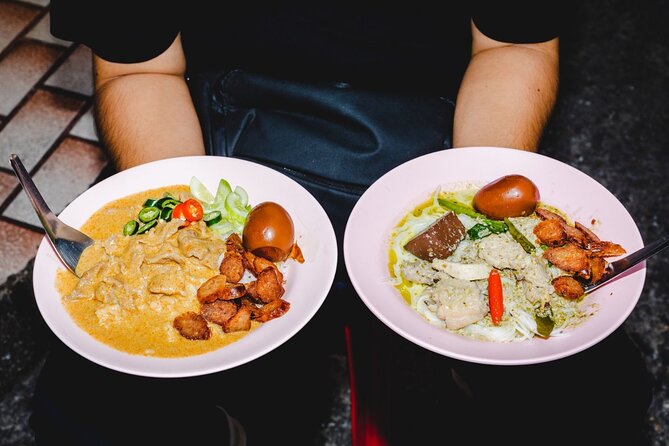
The tour uses Chinatown to make that connection practical. Slow-braised pork introduces you to tender meat cooked in a dark, aromatic sauce. You will likely work with chopsticks or a spoon, depending on the dish, and see how a simple-looking bowl can carry layers of spice, sweetness, soy, and broth.
Steamed shrimp dumplings bring a different texture and flavor. They also help break up the heavier grilled and braised foods. The variety is the point: you are not eating fifteen versions of the same noodle dish. You move from crisp to soft, smoky to soupy, savory to sweet.
The portions are not always tiny. Several people found themselves full well before the final stop, and one person said the amount was enough to last until the following day. That is good value if you enjoy eating, but it can create waste if you try to finish every serving. Pace yourself from the start. Take small bites, drink water, and remember that the final stops are part of the experience too.
Same city, a different table:
- Old Siam Bangkok Food Tour with 15+ Tastings
★ 5.0 · 867 reviews - Bangkok Authentic Tasting Thai-Chinatown Walking Food Tour
★ 4.9 · 852 reviews - Bangkok: Tuk Tuk Adventure Chinatown Michelin Food & Temples
★ 4.3 · 725 reviews - Bangkok Tuk-Tuk Tour by Night with Chinatown Street Food Meal
★ 5.0 · 635 reviews
Seafood soup and the pleasure of trying something unfamiliar
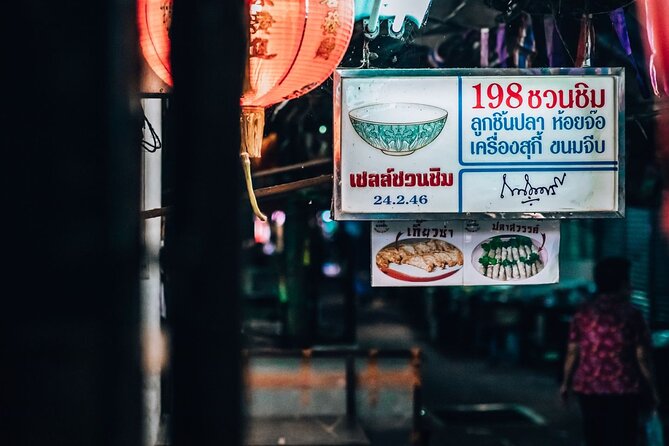
Poh taek seafood soup adds heat, herbs, and a strong broth to the route. Seafood-based dishes can be intense, particularly after several earlier tastings, but they show another side of Thai cooking: bold seasoning balanced with fresh ingredients and sour, spicy notes.
This is also where dietary limits become important. Pescatarians can take part, but they will miss two or three of the roughly fifteen tastings because some vendors do not offer alternatives. The provider says other diets can often be accommodated, but the tour is not suitable for strict vegetarians or vegans.
Severe allergies are also a serious concern because of cross-contamination and traces in shared cooking areas. Mild gluten intolerance may be manageable, but people with celiac disease should avoid the tour because soy sauce and unavoidable traces of gluten can be present.
Michelin-listed stalls without the fuss
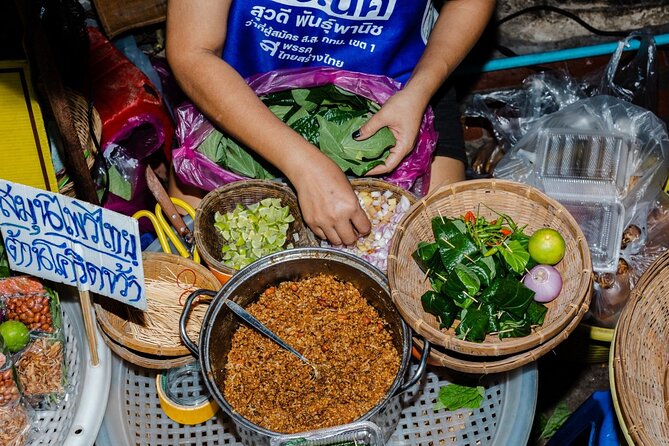
Two or three of the stops are Michelin-listed street-food venues. That label can be useful, but it is not the main reason to book this tour. The real benefit is that the guides know how to fit these popular spots into a moving route and help the group get seated or served.
At a busy stall, the practical work behind the scenes matters. An assistant may arrive first, arrange tables, and prepare the next tasting while the group is still walking. That saves time and removes the awkwardness of arriving with eight people and hoping someone can find space.
You should still expect street-food conditions, not restaurant service. The setting may be crowded, noisy, and compact. The reward is speed, freshness, and a direct connection to the food scene. If you need quiet dining, table service, or the ability to customize every dish, this is not the right format.
Wandering through Yaowarat’s back lanes
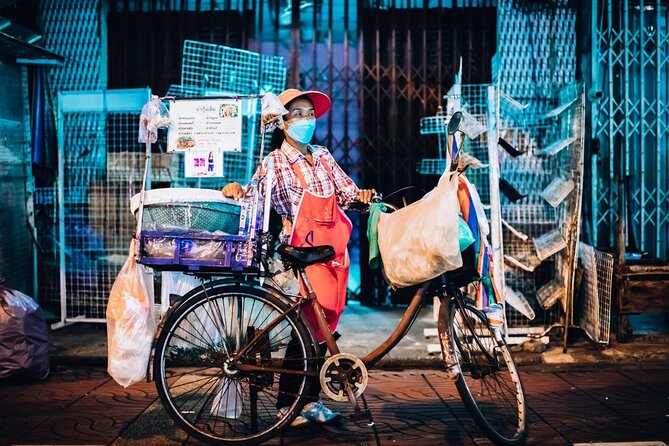
The route begins and ends near Shanghai Mansion Bangkok, with Yaowarat Night Market serving as the general setting. The most interesting part is not simply moving from one food stop to another. You also get a short walking tour through lanes that are easy to overlook from the main road.
These alleys let you see a less polished side of Chinatown. You may pass small storefronts, food preparation areas, and older buildings while moving between tastings. The narrow route also explains why a local guide helps. After several turns, it would be easy to lose track of exactly where you are.
One useful benefit is orientation. A good guide can point out where to find markets and dishes later, including daytime markets that may be closed during an evening tour. I would book this activity early in your Bangkok stay if possible. You can use the new food vocabulary and neighborhood knowledge for the rest of your trip.
The busy streets are part of the atmosphere, but they can tire you out. Expect regular walking, stops on sidewalks or in compact eateries, and the possibility of rain. The tour is not described as difficult, but comfortable footwear matters more than fashionable footwear here.
The surprise ending: soy sauce ice cream
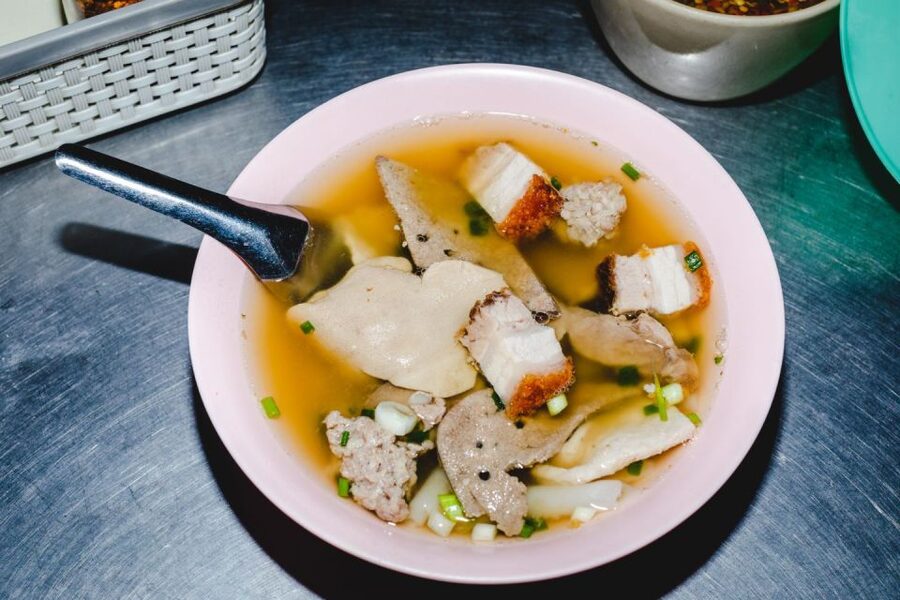
The final sweet stop is one of the tour’s more unusual moments. Soy sauce ice cream sounds strange until you try the salty-sweet combination. It is the kind of tasting that gives a food tour personality because it is unlikely to appear on your usual Bangkok meal plan.
Do not fill up too early. The ice cream is repeatedly singled out as a favorite, and it arrives after a great deal of savory food. You may need to treat the tour as a series of small meals rather than a single long lunch or dinner.
The tour finishes back near Shanghai Mansion Bangkok along Yaowarat Road. At night, the neon signs and food stalls make a fitting final scene. You leave with a full stomach and a better idea of which dishes you want to order again.
Price, value, and what you actually receive
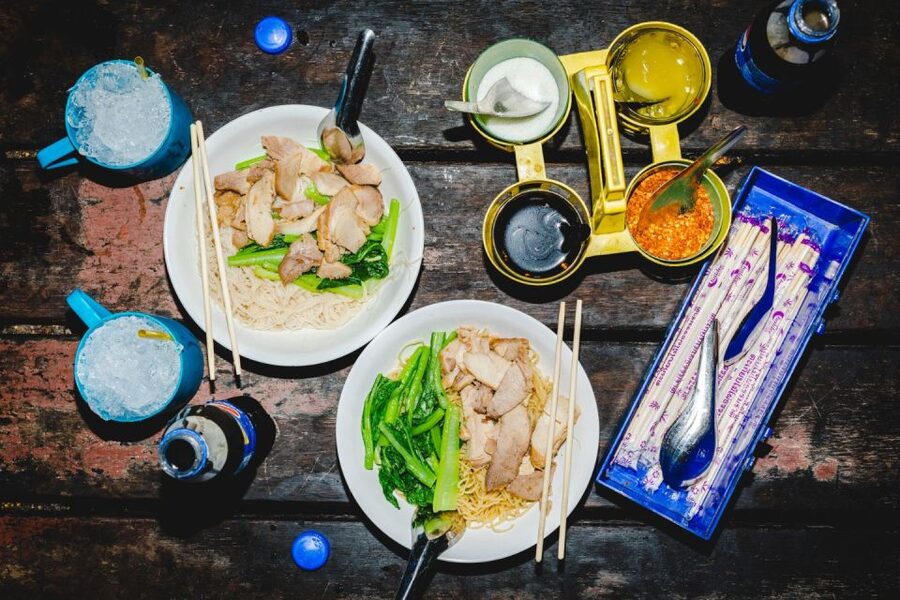
At $62 per person, this is not the cheapest way to eat in Bangkok. You can buy individual street-food dishes for very little money, and adventurous eaters can create their own route through Chinatown.
The value comes from the volume and organization. You receive 15 or more tastings across eight or nine stops, bottled water, an English-speaking guide, and a second staff member. You also avoid the cost of ordering full portions of unfamiliar dishes that you may not enjoy. With two or three Michelin-listed venues included, the price becomes easier to justify for first-time visitors who want a broad introduction in one afternoon or evening.
I would not book it only because of the Michelin references. Book it because you want range, explanation, and access to backstreet stops without planning every meal yourself. The small group and the assistant are particularly useful in a crowded neighborhood where popular stalls may have limited room.
How to make the most of the four hours
Start with a light meal earlier in the day. You do not need to arrive starving, but you should leave room for a substantial amount of food. The tastings add up quickly.
Wear shoes that can handle several hours of walking. Carry an umbrella and dress for Bangkok’s weather. Bottled water is included, but you may still want your own refillable bottle if you drink often in the heat.
Ask your guide about each dish before reaching for extra seasoning. The guides are not simply handing over food. They explain ingredients, preparation, local customs, and the Thai-Chinese link that connects many of the stops.
If you have a dietary restriction, state it when booking and repeat it at the start. Pescatarians can participate with fewer tastings, but vegans, strict vegetarians, people with severe allergies, and people with celiac disease should not book this tour.
The tour offers free cancellation up to 24 hours before departure, and you can reserve now and pay later. Check the available start times because the morning and evening routes use slightly different vendors.
Who should book this Chinatown food tour?
I would recommend it to first-time Bangkok visitors, curious eaters, couples, solo visitors who want company, and anyone who finds Chinatown exciting but hard to navigate. It is also a good choice if you want to try unfamiliar food without ordering a full plate at every stop.
Families with adventurous older children may enjoy the range, though the tour’s suitability depends on how comfortably they handle heat, walking, crowds, and spicy food. The small group makes conversation easy, and guides often add local phrases and neighborhood stories alongside the food.
I would skip it if you are looking for a calm restaurant meal, strict dietary control, or a short sightseeing walk with only a few bites. The schedule is food-heavy, the portions can be generous, and the street conditions are part of the deal.
Should you book it?
Yes, if you eat meat or seafood and want a well-organized introduction to Bangkok’s Chinatown food scene. The combination of 15-plus tastings, two staff members, and a maximum of eight people gives you more access and variety than a casual self-guided wander.
Book it early in your Bangkok stay so you can return to favorite stalls later. Come hungry but pace yourself, choose your departure time with care, and treat the route as a full meal with a walking tour attached. At $62, it costs more than eating independently, but the guidance, variety, and behind-the-scenes organization make it a strong value for many first-time visitors.
FAQ
Where does the Bangkok food tour start?
It starts outside Shanghai Mansion Bangkok in Chinatown. Look for a staff member wearing a black A Chef’s Tour polo shirt.
Where does the tour finish?
The tour returns to the starting area near Shanghai Mansion Bangkok, along Yaowarat Road.
How long does the food tour last?
The experience lasts about 3.5 to 4 hours.
How many tastings are included?
You receive 15 or more tastings during the tour.
How many food stops are included?
The route includes eight to nine stops, including two or three Michelin-listed street-food venues.
How large is the group?
The group is limited to eight participants.
Is the tour suitable for vegetarians or vegans?
No. The tour is not suitable for strict vegetarians or vegans because many dishes contain meat or seafood-based ingredients.
Can pescatarians join the tour?
Yes. Pescatarians can join, but they will have about two or three fewer tastings because some vendors do not offer alternatives.
Is the tour suitable for people with food allergies?
It is not suitable for people with severe allergies because of traces and cross-contamination. Mild gluten intolerance may be manageable, but the tour is not recommended for people with celiac disease.
Just added in Bangkok
- Bangkok Tuk Tuk Food Tour By Night★ 5.0 · 198 reviews
- Bangkok 3-in-1 Tour: Longtail Boat,TukTuk & Street Food Adventure★ 5.0 · 73 reviews
- Train & Floating Market Food Adventure + Scenic train ride★ 5.0 · 102 reviews
- Private Tuktuk Authentic Food Tour (Chinatown-Flower Market)★ 5.0 · 75 reviews
- 4-Hour Hidden Bangkok TukTuk Street Food Guided Tour★ 5.0 · 23 reviews
- Authentic Street Food Tour in China Town Bangkok★ 5.0 · 25 reviews
- Timeless Thonburi Canal and Food Tour★ 5.0 · 31 reviews
- Must-Try: Hidden Bangkok Bike and Food Tour★ 5.0 · 455 reviews
Bangkok Food Tours, compared.
Bangkok Backstreets Food Tour with 15+ Tastings
Read our review →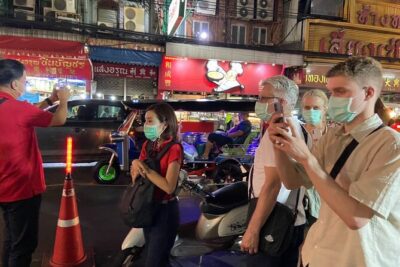
Bangkok Authentic Tasting Thai-Chinatown Walking Food Tour
Read our review →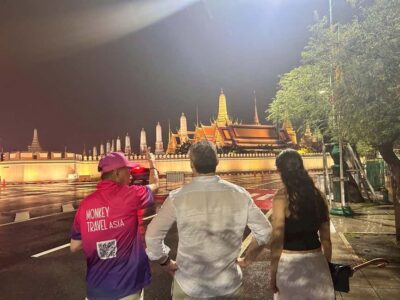
Tuk Tuk Adventure Chinatown Michelin Food & Temples
Read our review →
Bangkok Tuk-Tuk Tour by Night with Chinatown Street Food Meal
Read our review →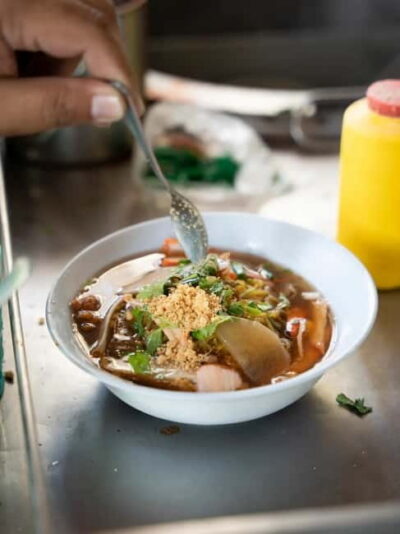
Browse the lists this tour appears in