
REVIEW · BARCELONA FOOD TOURS
Barcelona Gracia Neighborhood Local Food & History Tour
Come hungry, leave well oriented. This 3.5-hour walk through Gracia combines family-run food stops with Catalan history, modernist architecture, and the everyday character of one of Barcelona’s most appealing neighborhoods. You will taste pastries, tapas, cured and dried foods, drinks, and sweets while moving from Casa Vicens to Casa Milà.
I especially like the small group limit of 12 and the way the route supports local businesses rather than relying only on famous sights. I also like the generous amount of food, enough for breakfast and lunch, plus the chance to meet guides such as Danny, a chef who explains food with unusual clarity. The main consideration is diet: this is not a good choice for vegans, and it is not the strongest option for vegetarians because many included dishes contain meat.
Five things to know before you book
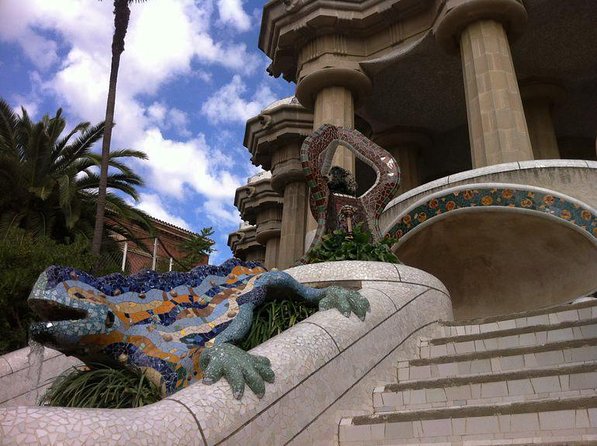
- Casa Vicens begins the story: Gaudí’s first major house gives the tour an architectural starting point before the eating begins.
- At least 10 food tastes are included: The detailed inclusions promise 12 or more tastes, enough for breakfast and lunch.
- Gracia’s local businesses are the focus: You visit an old pastry shop, a 1939 bodega, a Syrian bakery, a dried-fruit shop, a market stall, and a neighborhood restaurant.
- The group stays small: A maximum of 12 people makes it easier to ask questions and hear the guide in busy streets and compact eateries.
- The route ends at La Pedrera: You finish near Casa Milà on Passeig de Gracia, useful if you plan to visit the building afterward.
- Food restrictions need careful thought: Vegetarian, pescatarian, gluten-free, non-alcoholic, and pregnancy-friendly options can be arranged, but substitutes may not be available at every stop.
Why Gracia is a fine setting for a food tour
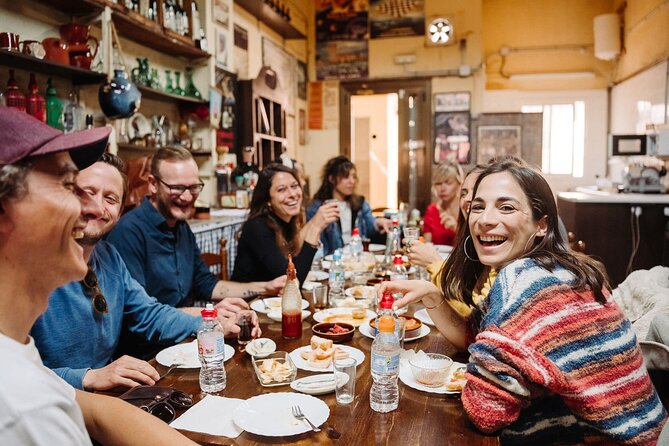
Gracia feels different from the grand boulevards around Plaça de Catalunya. It was once a separate town before Barcelona grew around it, and its streets still have a neighborhood feel. Small squares, local shops, old bodegas, bakeries, and modernist buildings sit close together.
That mix makes Gracia a smart place for a food walk. You are not simply moving from one famous monument to another. You are seeing how food fits into daily life, from a pastry bought in a family shop to vermouth served in a traditional bodega.
The tour starts around 10:00 a.m. and lasts about three and a half hours. That timing matters. You get a substantial morning meal, a market aperitivo, and a full tapas lunch without needing to plan another meal until later in the day.
The meeting information deserves a quick check before you set out. The stated meeting point is Farmàcia Les Carolines, Carrer de les Carolines 26, while the first described stop is outside Casa Vicens. These locations are in the same Gracia area, but you should follow the exact confirmation instructions so you do not wait at the wrong corner.
More history tours in Barcelona:
- Barcelona: Tapas Walking Tour with Food, Wine, and History
★ 4.8 · 4,261 reviews - Barcelona Tapas Walking Tour: Food, Wine & History
★ 4.5 · 1,928 reviews - Barcelona Tapas Food Tour, Taverns, History & Local Culture
★ 5.0 · 42 reviews
Casa Vicens puts Gaudí in context
The opening stop is Casa Vicens, Antoni Gaudí’s first major project. You spend about 15 minutes outside, looking at its colorful modernist design and hearing how it fits into his later work, including the Sagrada Familia and Casa Milà.
Admission to Casa Vicens is not included, and this is not a full interior visit. That is both a limit and a benefit. You get an architectural introduction without using the tour’s food budget or losing time inside a museum.
If you want to see Casa Vicens indoors, plan that separately. The food walk itself uses the building as a starting point, then quickly turns toward Gracia’s shops and eating places.
A 1916 pastry shop starts breakfast
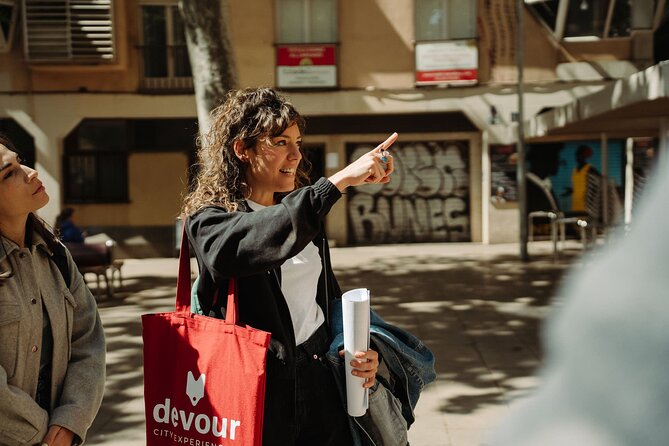
The first edible stop takes place at a third-generation pastry shop open since 1916. Ten minutes is enough for a local pastry, though it is not long enough for a leisurely café stop.
This is a useful first taste because it gives you a sense of how long-standing family businesses fit into the neighborhood. You can begin eating right away, but do not fill up. Several more stops follow, and the portions add up quickly.
The route is best approached as a series of small meals rather than isolated samples. You might want breakfast before meeting the group, but keep it light.
Cal Pep brings out old Barcelona customs
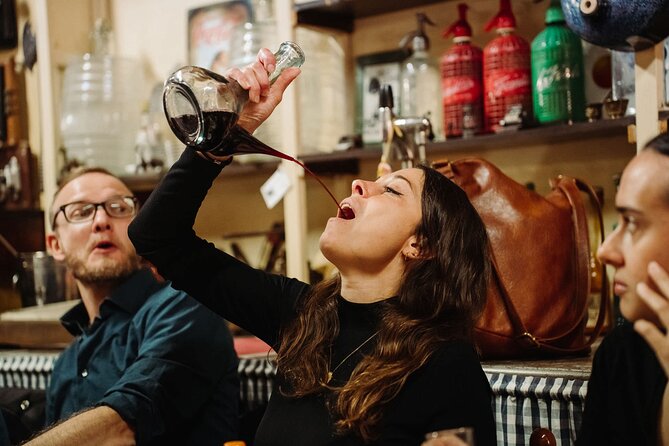
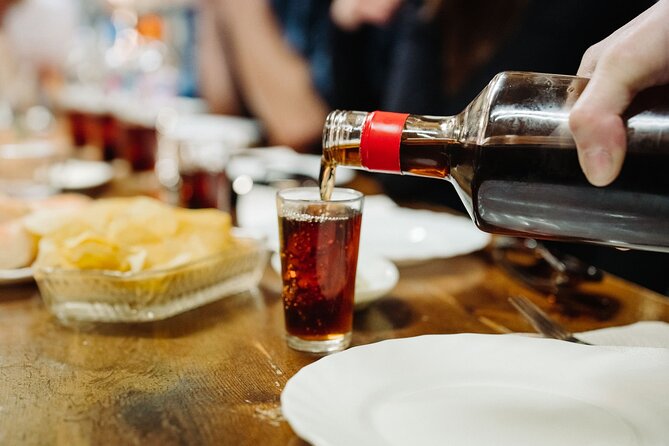
At Cal Pep, a traditional bodega operating since 1939, the pace slows. You spend about 35 minutes with classic Catalan breakfast dishes and a glass of vermouth while the guide explains local drinking customs.
This is one of the tour’s strongest moments for atmosphere. A bodega is not simply a restaurant stop. It gives you a look at an older style of neighborhood hospitality, where simple food and a drink carry plenty of local meaning.
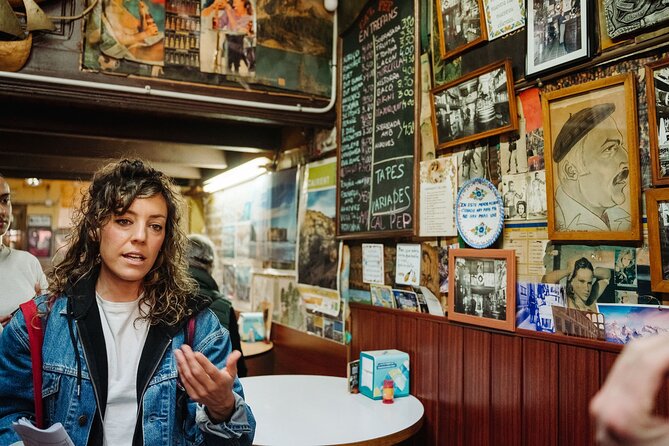
The vermouth stop also gives the guide a chance to explain how wine and aperitifs are enjoyed in Catalonia. Danny, one of the guides praised for this tour, is a chef, so you may find the food descriptions especially useful if you care about ingredients and preparation.
Alcohol is not compulsory. Non-alcoholic choices can be accommodated, though the operator notes that a replacement may not be available at every stop.
A few more food tours in Barcelona worth a look
- Barcelona: Food Walking Tour with Tapas and Wine
★ 4.9 · 2,180 reviews - Barcelona Gothic Quarter Tapas & Taverns Food & Wine Tour
★ 5.0 · 1,470 reviews - Barcelona Food Tour: Tapas, Paella, Sangria & 8+ Local Tastings
★ 5.0 · 1,275 reviews - Barcelona: Guided Food Walking Tour with Tapas and Wine
★ 5.0 · 848 reviews
Plaça de la Virreina links food with local identity
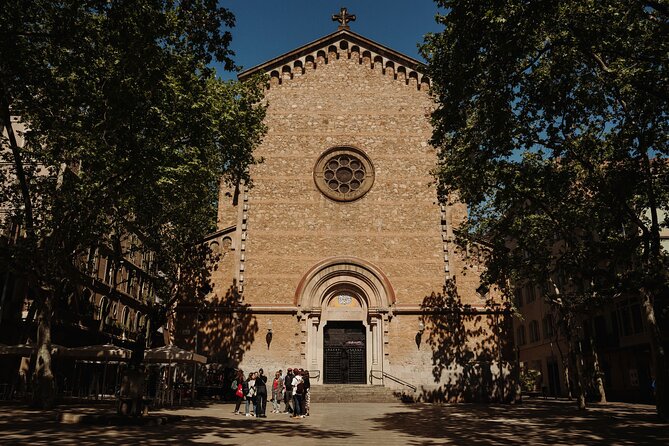
After Cal Pep, the walk reaches Plaça de la Virreina and the Sant Joan de Gracia church. The square provides a pause from eating and a chance to connect the neighborhood’s buildings with its past and its links to Gaudí.
Then the tour shifts direction through a Syrian pastry shop run by Mustafa. You pick up homemade sweets to eat later, rather than consuming them immediately. This small detail makes the route more interesting because it shows how Gracia’s food culture has changed while retaining older local businesses.
The Syrian stop is also a useful reminder that Catalan food culture is not sealed off from outside influences. At the final stop, your guide explains the influence of Arab culture on desserts in Spain, giving the pastry more context than a quick sugar hit.
Dried fruit, nuts, and Catalan politics
The next food stop is a 150-year-old dried-fruit and nut shop. The tasting is short, about 15 minutes, but it breaks up the pastries and tapas with something simpler.
On the walk there, the guide points out more modernist architecture and discusses Catalonia’s independence movement. This is where the tour’s food-and-history balance works well. You are not sitting through a formal lecture, but you are given enough background to understand why local identity matters so much in Barcelona.
Because the stop is brief, do not expect a long shop visit or a full lesson on Catalan politics. It is a compact cultural explanation folded into the walk.
Mercat de la Llibertat supplies the aperitivo
Mercat de la Llibertat is one of the route’s most appealing stops. This historic market brings together colorful stalls, food smells, and the sounds of everyday commerce. The building itself is another example of Barcelona’s modernist design.
At a market stall, you receive a typical aperitivo and a glass of cava. The market setting gives the drink more meaning than it would have in a generic bar. You are tasting in a place built around food shopping, not just passing through a tourist dining room.
You spend about 30 minutes here. It is enough time to take in the setting, listen to the guide, and enjoy the sample, but the market may feel active and crowded. Stay close to the guide so you do not lose the group while looking at stalls.
Bar Roure turns samples into lunch
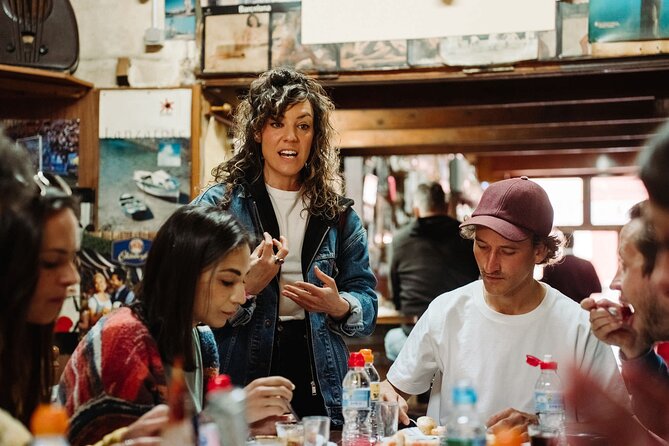
At Bar Roure, the tasting becomes a proper meal. You settle in for homemade Catalan tapas and choose wine or beer.
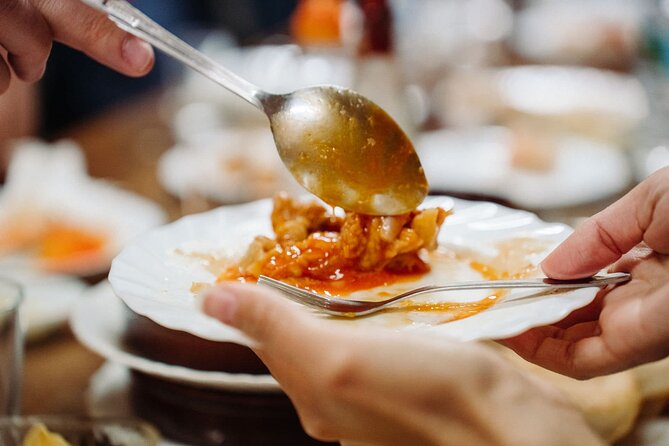
This is the point where the tour earns much of its price. You are not paying only for a few bites and a neighborhood stroll. The included food covers a morning pastry, bodega dishes, sweets, nuts or dried fruit, an aperitivo, and a tapas lunch. The stated inclusions promise 12 or more tastes, enough for breakfast and lunch.
The experience is especially well suited to people who want to learn what to order during the rest of a Barcelona stay. Several guides, including Danny, have been praised for recommending places for later dinners. That kind of practical advice can be worth as much as another sample, especially on a first visit.
The wine and beer choice is welcome, though those avoiding alcohol should make their needs clear at booking. The tour can provide non-alcoholic options, but you should not assume that every stop has a direct replacement.
Passeig de Gracia closes the architectural loop
After lunch, the route heads toward Passeig de Gracia. You pass Hotel Casa Fuster, a refurbished modernist mansion now operating as a five-star hotel.
This short walk connects Gracia to Barcelona’s grander central boulevard. The contrast is useful. You have spent much of the morning with small local businesses, then you reach a street known for expensive shops, major buildings, and Gaudí landmarks.
The final architectural stop is Casa Milà, also called La Pedrera. Your guide explains more about Gaudí’s career, helping connect the first stop at Casa Vicens with this later work.
The tour ends in front of Casa Milà. Admission is not included, but the location is convenient if you want to visit La Pedrera separately. If you are already planning that visit, check its opening times and ticket arrangements on your own before booking the food walk.
How much food and drink do you really get?
The food is a major strength. The tour description promises at least 10 items, while the detailed inclusions specify 12 or more tastes. The route includes enough food for breakfast and lunch, not just a few decorative samples.
The drink count needs a little care. The tour highlights refer to four drinks, while the inclusions specify three. The stops clearly include vermouth, cava, and a choice of wine or beer, but the exact total may vary by departure or wording. If the drink count matters to you, confirm it before booking.
You should also pace yourself. The itinerary begins with pastry and breakfast dishes, adds sweets and dried fruit, then moves into aperitivo and tapas. A large meal before the tour would make the later stops less enjoyable.
Group size, guide quality, and walking pace
With no more than 12 people, the tour has a personal scale without being private. You can usually hear the guide more easily, ask questions, and fit into small bodegas and restaurants with less fuss.
The guide makes a large difference here. Danny has a chef’s background and has been singled out for clear food explanations. Raquel and Irene have been praised for combining neighborhood history with visits to locally owned businesses. Norah lives in the area and has been described as making the walk feel like an outing with a friend. Renee is noted for her Catalan cuisine knowledge, while Ester received praise for introducing the real Barcelona through a small group.
Guide assignments can change, so you should not book on the assumption that one particular person will lead your departure. Still, the range of guide experience suggests that the tour is built around personal storytelling rather than a memorized script.
You need to walk at a moderate pace for three and a half hours. Comfortable shoes are essential. Mobility assistance can be arranged, but contact the provider’s Guest Experience team before booking so the route and stops can be discussed properly.
Is the $103.34 price good value?
At $103.34 per person, this is not a cheap snack crawl. It is a half-day food experience with a small group, a local English-speaking guide, at least 10 tastes, and enough food for two meals.
I consider the price reasonable if you value context and convenience. You are paying for several tastings, drinks, restaurant arrangements, a guide, and a route through places you might not find easily on your own. The small group also adds value, especially at compact neighborhood businesses.
The price is less attractive if you mainly want a large restaurant lunch or already know Barcelona’s food scene well. You may prefer spending the same money across several meals of your own choosing.
For a first visit, the tour can also save you from spending three hours guessing what to order. You leave with a better sense of Catalan dishes, local drinks, Gracia’s streets, and restaurants worth considering later.
Who should book this Gracia food walk?
I would choose this tour for first-time visitors who want food and local context in the same morning. It also suits repeat visitors who have already seen the Sagrada Familia and central sights and now want a neighborhood-focused experience.
It is a good match for people who enjoy trying several small portions, walking between stops, and hearing stories about architecture, Catalan identity, and changing food traditions. The experience is also useful for couples or small groups who want a structured introduction without joining a large bus tour.
Vegetarians should ask detailed questions before paying. Vegetarian options are possible, but many included dishes are meat-based, and a substitute may not appear at every stop. Pescatarians, people seeking non-alcoholic drinks, pregnant participants, and those avoiding gluten without celiac disease can be accommodated, but they should state their needs in advance.
Vegans should choose another experience. This tour is specifically not recommended for vegan diets.
Practical details worth knowing
The tour is conducted in English and begins at 10:00 a.m. It ends in front of Casa Milà, not back at the starting point, so plan onward transportation from Passeig de Gracia.
The route is near public transportation, and most people can take part if they can walk at a moderate pace. Hotel pickup and drop-off are not included.
You receive confirmation when booking. Free cancellation is available up to 24 hours before the start time, while cancellations or changes made inside that window are not accepted for a refund.
Should you book it?
Book it if you want a real meal, a small group, and a neighborhood view of Barcelona rather than a quick sampling of famous tourist foods. The combination of Gracia’s family businesses, modernist buildings, Mercat de la Llibertat, and Catalan drinks gives the morning a clear sense of place.
Skip it if you are vegan, dislike walking between food stops, or want a tour built around formal monument interiors. For most omnivores and flexible eaters, especially first-time visitors, the generous food portions and strong guide-led storytelling make this a worthwhile introduction to Gracia.
FAQ
How long does the Barcelona Gracia food tour last?
The tour lasts approximately 3 hours and 30 minutes.
What time does the tour start?
The stated start time is 10:00 a.m.
Where does the tour begin?
The meeting point is listed as Farmàcia Les Carolines, Carrer de les Carolines 26, in Gracia. The first described stop is Casa Vicens, so check your confirmation for the exact meeting instructions.
Where does the tour end?
The tour ends in front of La Pedrera, also called Casa Milà, at Passeig de Gracia 92.
How many people are in the group?
The maximum group size is 12 people.
Are drinks included?
Yes. The tour includes drinks, including vermouth, cava, and a choice of wine or beer at the lunch stop. The detailed inclusions specify three drinks, while other tour information refers to four, so confirm the exact number before booking.
Can people with dietary restrictions join?
Vegetarians, pescatarians, people seeking gluten-free food without celiac disease, pregnant participants, and those requesting non-alcoholic options can be accommodated. Replacement food may not be available at every stop, and the tour is not recommended for vegans.
Just added in Barcelona
- Vidavivida Wine Journey Food and Culture Tour in Barcelona★ 5.0 · 23 reviews
- Food & Drink Private Tour of Barcelona in Traditional Taverns★ 4.5 · 32 reviews
- Barcelona Wine and Gourmet Tapas Tour★ 5.0 · 188 reviews
- Food & Drink Tasting Private Tour & Sagrada Familia Skip the Line★ 4.5 · 30 reviews
- Barcelona Morning Tapas Crawl by Food Tour★ 5.0 · 45 reviews
- Food and Wine Small Group Tour from Barcelona – Maximum 8 people★ 5.0 · 111 reviews
- Spanish Wine and Tapas Tour in a Local Neighborhood in Barcelona★ 5.0 · 306 reviews
- Familly friendly traditions & food tour: tailored tapas & games!★ 5.0 · 32 reviews
Historical Tours, compared.
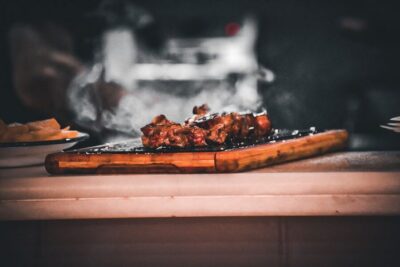
Tapas Walking Tour with Food, Wine, and History
Read our review →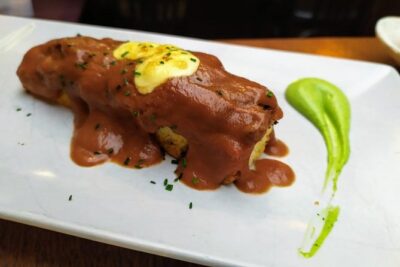
Sevilla Food Tour: Tapas, Wine, History & Traditions
Read our review →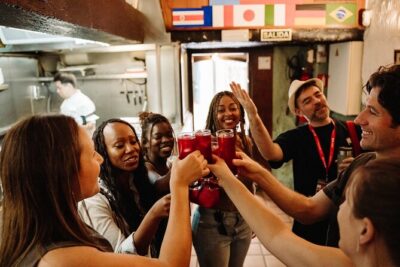
Madrid Tapas & Taverns Small Group Food & History Tour
Read our review →
Barcelona Tapas Walking Tour: Food, Wine & History
Read our review →
Boston Food & History: Pizza, North End & Freedom Trail
Read our review →Browse the lists this tour appears in