
REVIEW · BOLOGNA FOOD TOURS
Bologna: Food and Wine Tasting with Interactive Game
Wine tasting can feel stiff. This one keeps it playful. At Bottega Botlé in Bologna, you taste three Emilia-Romagna wines, sample classic Food Valley products, and use a tablet to test your senses in the Sommelier Game. I like the clear focus on local specialties and the friendly, relaxed teaching style. I also like that the game gives beginners something useful to do, rather than leaving you to nod politely while someone talks about tannins.
The main consideration is the setting. This takes place inside a wine bar, so an evening visit may feel social rather than private. The tasting itself is often about an hour to 90 minutes, not a full day, even though the booking information lists a one-day duration for availability purposes. For $34, it offers a generous amount of food and a well-planned introduction to Bologna’s table.
Key points at a glance
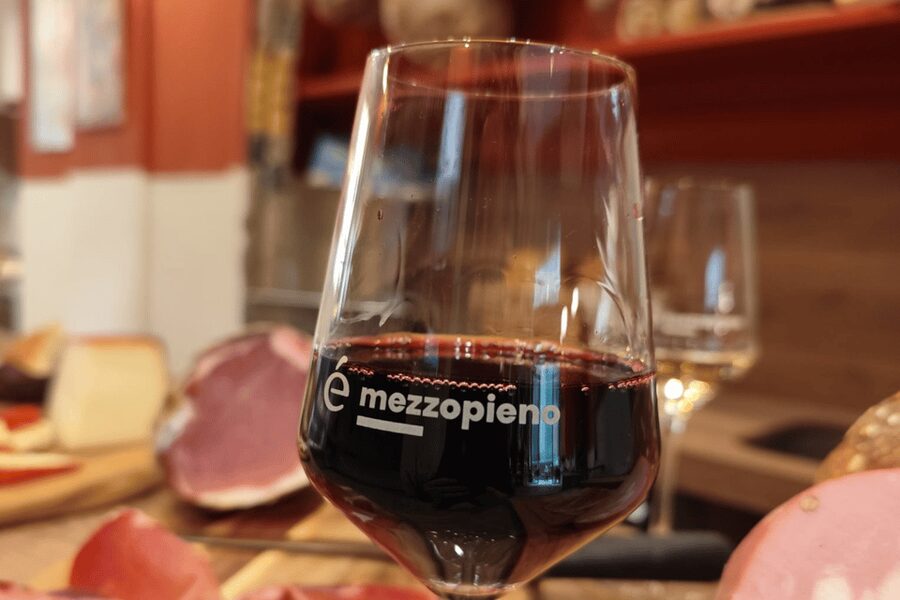
- Three very different local wines: Taste Pignoletto Fermo, Sangiovese In Purezza, and Sangiovese Appassito, with measured pours of 70, 130, and 70 milliliters.
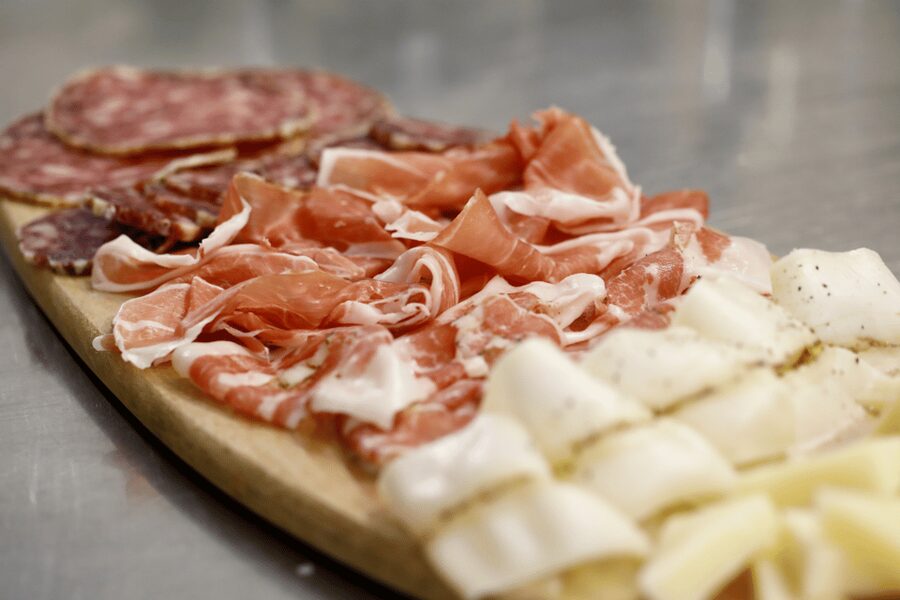
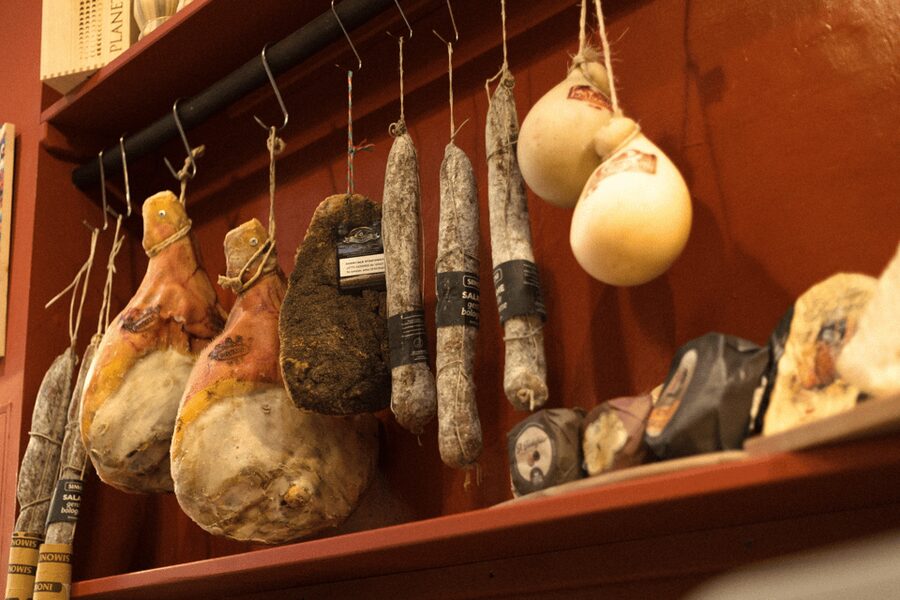
- A proper taste of Emilia-Romagna: Try Prosciutto Crudo, Mortadella Bologna, Parmigiano Reggiano, Modena balsamic vinegar, local cheese, and regional foods.
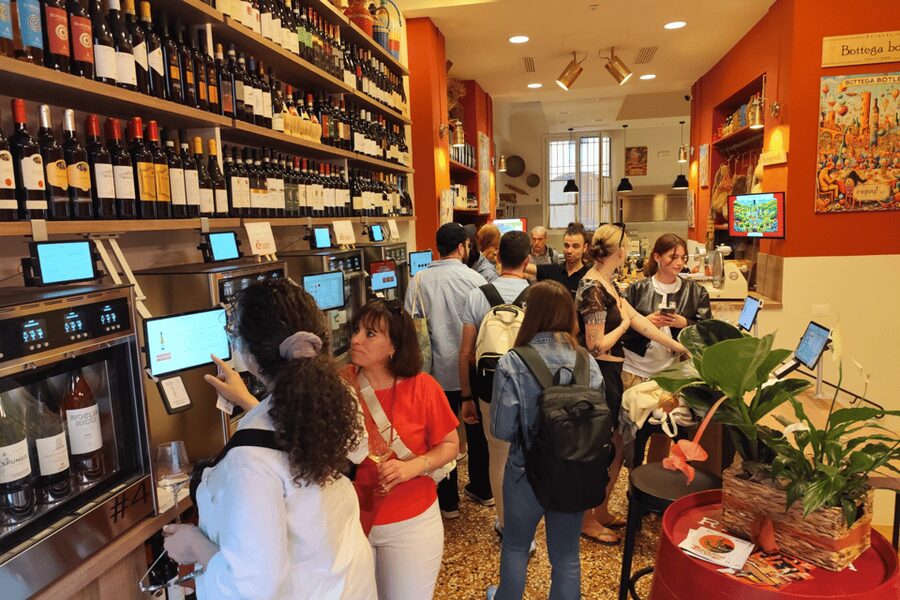
- The Sommelier Game makes learning easy: Tablet questions focus on sight, smell, taste, and wine characteristics without requiring prior wine knowledge.
- Friendly hosts guide the pairings: Hosts including Massimo, Danilo, Claudio, and Ixchel have been praised for their warmth, humor, and clear explanations.
- A small-group format: Space is limited to 10 people, though the wine bar setting can feel less private during busy evening hours.
- A useful souvenir: You receive a fridge magnet featuring a work from the I.Art exhibition.
Why this Bologna tasting works so well
I like this experience because it treats food and wine as a practical lesson, not a performance. You are not simply handed three glasses and left to guess what you should notice. The sommelier and taste guide explain how each wine changes when you eat it with salty meat, aged cheese, vinegar, or oil.
That matters in Bologna. Emilia-Romagna is famous for products that are often simple in appearance but carefully made. Prosciutto, mortadella, Parmigiano Reggiano, balsamic vinegar, and olive oil are not just snacks here. They are part of the region’s everyday food culture, and tasting them together helps you understand why local meals are so satisfying.
The setting also keeps the tone light. You can ask basic questions without feeling out of place. The Sommelier Game adds a little competition, but it is not designed only for wine experts. One question may ask you to identify a visual quality, smell, or flavor. The point is to notice what is in the glass, then connect that observation to the food on your plate.
The experience has earned a 4.9 rating from 175 bookings, and the strongest praise centers on the hosts, the pairings, and the game. That combination is important. Good wine alone does not guarantee a good tasting. Here, the teaching gives the food and wine a clear purpose.
More Wine Tours in Italy
- Bologna Food & Market Tour with 6 Tastings, Pasta, Wines & More
★ 5.0 · 1,328 reviews - Bologna: Local Food Tour with Authentic Tastings and Wine
★ 4.9 · 383 reviews - Bologna: Dinner, Wine & Tastings Walking Tour
★ 4.8 · 109 reviews
Starting with Emilia-Romagna’s food and wine story
The tasting begins with a short introduction to the region’s food and wine traditions. Do not expect a long lecture. The aim is to give you enough context to understand the products in front of you.
That short introduction helps place Bologna in the wider Food Valley of Emilia-Romagna. The region is known for carefully produced ingredients, and the tasting brings several of them together in one sitting. Instead of visiting several shops or arranging a day trip to Parma or Modena, you can sample a compact range in central Bologna.
This is especially useful if your trip schedule is tight. You get a local food introduction without needing transport outside the city. One person who had considered a more expensive food tour in Parma found this Bologna option a better value, which makes sense if you want a focused tasting rather than a full countryside excursion.
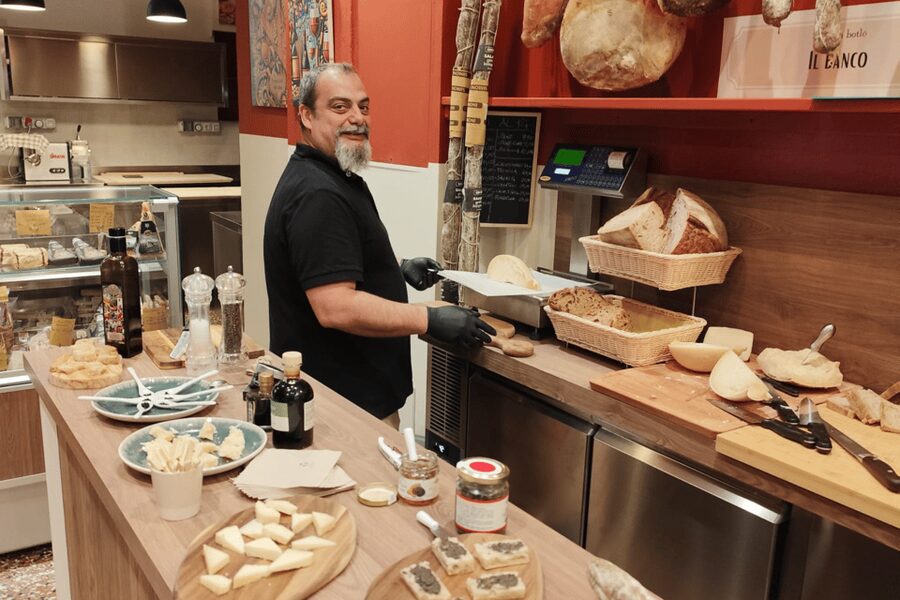
The hosts bring the subject down to earth. Massimo has been praised for his humor and clear explanations, while Danilo, Claudio, and Ixchel have also received warm comments for their friendly approach. The names may vary by booking, but the important point is the tone: expect conversation and questions rather than a formal classroom.
Three wines, three different lessons
The included wine tasting has three set pours. Together, they give you a useful contrast in style and weight.
Pignoletto Fermo from La Vallona
The first glass is Pignoletto Fermo from La Vallona winery, served as a 70-milliliter pour. Pignoletto is a regional name you are likely to encounter around Bologna, so this is a sensible place to begin.
The wine provides a way to discuss freshness and how a local white works with food. The guide explains what to look for and how the accompanying bite changes your perception of the wine. That lesson is more valuable than memorizing a grape name. You begin to see why a wine that tastes one way by itself can taste quite different beside salty meat or cheese.
More wine tours in Bologna:
- Private Bologna Food & Market Tour with 6 Tastings & Wine
★ 5.0 · 102 reviews - Eating Bologna Food and Wine Tour
★ 5.0 · 96 reviews - Bologna: Wine Tasting Tour in One of the Oldest Inns
★ 4.3 · 56 reviews - Food and Wine Experience in Bologna, Italy
★ 5.0 · 55 reviews
Sangiovese In Purezza from La Casetta
Next comes Sangiovese In Purezza from La Casetta winery, with a larger 130-milliliter pour. This is the biggest serving of the three, giving you more time to compare it with the food and consider its character.
Sangiovese is one of Italy’s best-known red wine grapes, but a regional example is still worth trying. The host uses this glass to guide you through basic wine features, such as aroma, balance, and how the wine responds to a bite. You do not need to arrive knowing wine vocabulary. The Sommelier Game helps you find the words as you go.
Sangiovese Appassito from Santodeno
The final included wine is Sangiovese Appassito from Santodeno winery, served as a 70-milliliter pour. The appassito style gives the tasting another point of comparison and lets you consider how production methods affect flavor.
This is a good moment to slow down and compare the three wines. The tasting is not about declaring one bottle the winner. It is about working out what you like and why. A smaller pour can be an advantage here. You get to try something you might not order as a full bottle, without committing to a wine that may not suit your taste.
Some participants have gone on to sample additional wines after the main tasting. The supplied experience includes three wines, so treat any extra pours as an optional extension rather than part of the guaranteed package. A card that can be topped up has also been mentioned, allowing you to continue trying products if you choose.
The food lineup is the real Bologna lesson
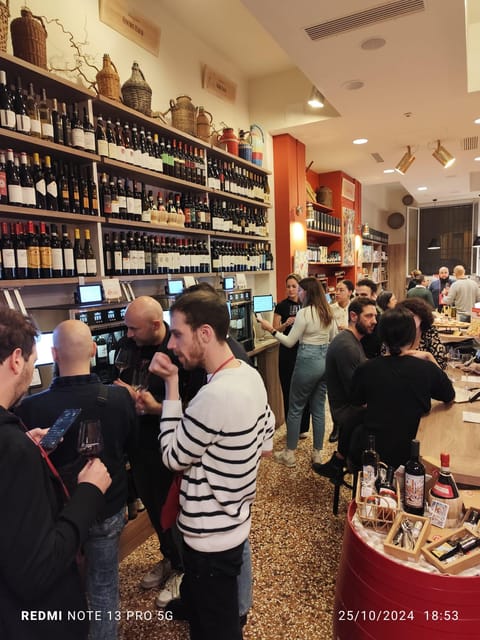
The food is not a token plate of crackers. The included tasting covers several signature products, and the guide explains how each affects the wine.
You can expect:
- Prosciutto Crudo
- Mortadella Bologna
- Parmigiano Reggiano aged 12 or 24 months
- Aceto Balsamico IGP di Modena
- Local cheese and other regional foods
- Monocultivar olive oils from Coratina, Peranzana, and Ogliarola
The cured meats offer an easy way to notice salt, fat, and texture. Mortadella gives you a distinctly Bolognese reference point, while Prosciutto Crudo provides another style of cured pork. The hosts explain how the bite works with the wine, so you can compare rather than simply eat between sips.
The Parmigiano Reggiano is especially useful for comparison because 12-month and 24-month cheese have different textures and intensity. A younger cheese can feel softer and milder, while an older one gives you more firmness and savory character. Even if you are already familiar with Parmesan-style cheese, tasting two ages side by side makes the distinction clearer.
The Modena balsamic vinegar is one of the memorable parts of the tasting. One participant singled out a balsamic aged for more than 10 years. The exact product available can vary, but you should expect the hosts to explain how balsamic changes as it ages. Use it sparingly and pay attention to what it does to the food and wine. This is not the place to drown your cheese in vinegar.
The olive oil tasting adds another useful layer. You try oils made from Coratina, Peranzana, and Ogliarola olives. This gives you a chance to compare oils by aroma, bitterness, and peppery finish. It is a small detail, but it shows how broad the regional food selection is.
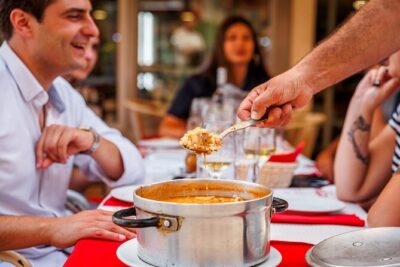
Several people praised the generous amount of food. I would avoid eating a full lunch just before arriving. The tasting is not a meal in the restaurant sense, but there is enough food to leave you feeling well fed.
The Sommelier Game turns tasting into a skill
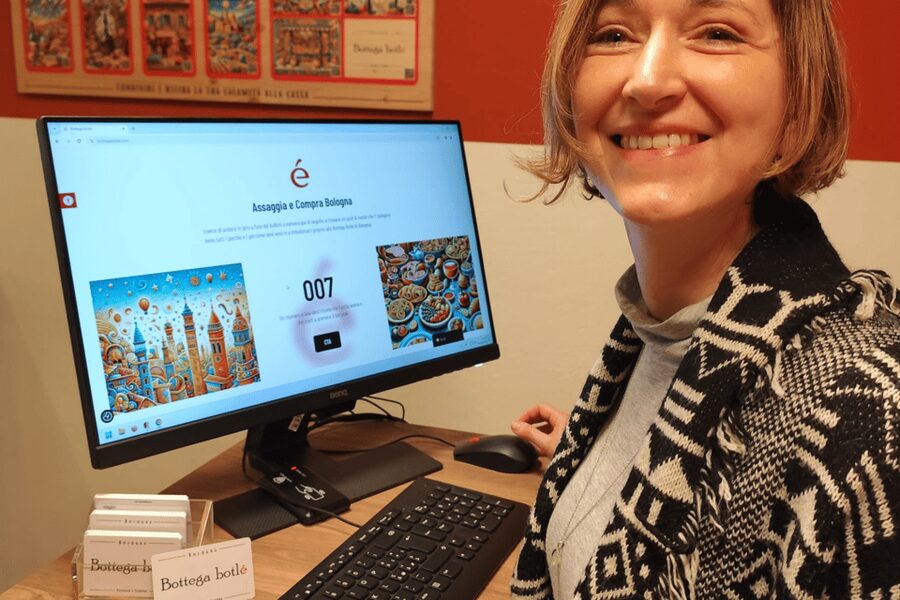
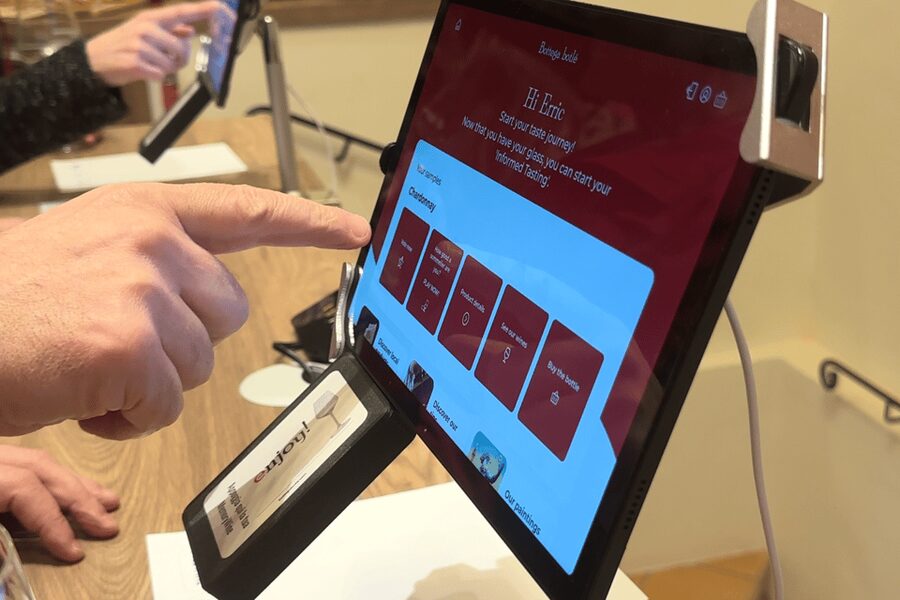
The tablet game is the most unusual part of the experience. Instead of listening passively, you answer questions about the wine. You can play alone or compete with friends, and the activity builds toward a final score.
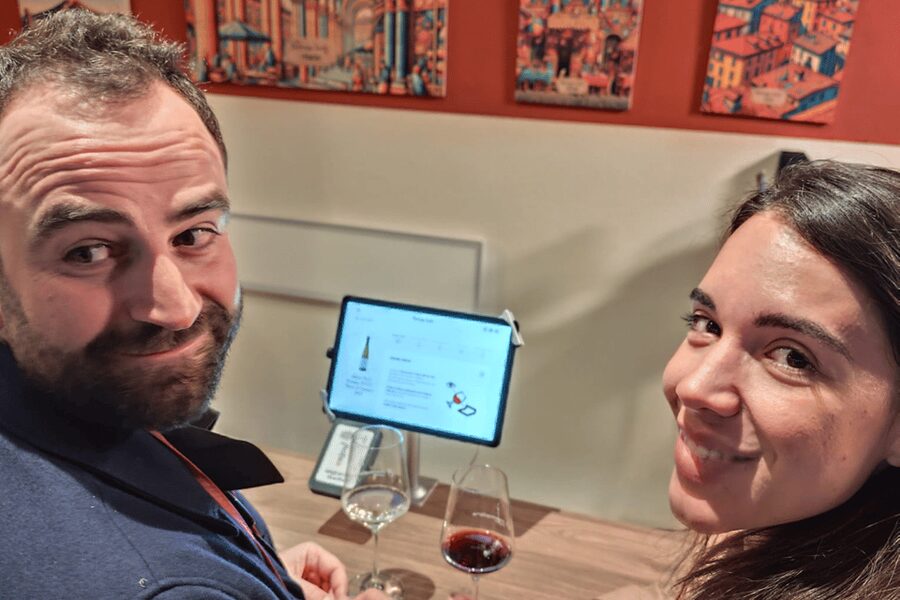
The game covers simple sensory clues such as sight and smell, along with wine properties and food pairing. You do not need formal training. The questions are meant to teach you how to pay attention, not expose gaps in your wine education.
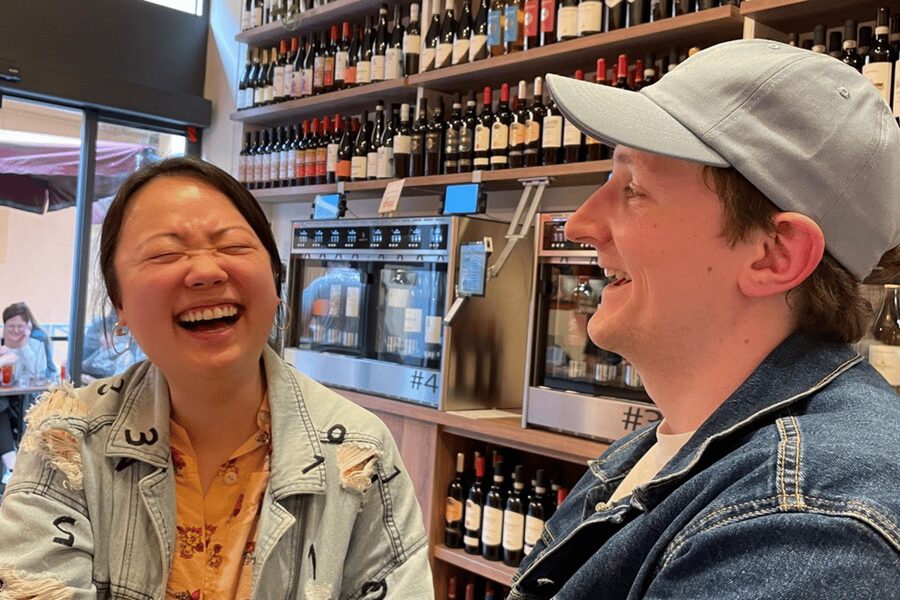
I like this format for couples and small groups because it creates a shared task. You can compare answers, debate what you smell, and laugh when your confident guess goes wrong. Solo visitors can also enjoy it. One person traveling alone was made to feel comfortable by the hosts, and the game gives you an easy way to take part without needing a companion.
The game also makes the tasting more memorable. Afterward, you may be better at noticing why you prefer one wine to another. You might not leave ready to sit an advanced sommelier exam, but you should have a few practical tools for ordering wine with dinner.
The only possible drawback is that the game can feel less focused during a busy evening. The tasting happens in the middle of a wine bar, not in a separate private room. If you prefer quiet instruction, choose a less busy time if available. If you enjoy a little background energy, the public setting adds atmosphere.
Group size, timing, and the feel of the visit
The group is limited to 10 participants, which is small enough for questions and direct help. It is not a private tasting, so the experience can still feel social, especially at night.
The booking page gives the activity a one-day duration for scheduling, but the actual tasting generally lasts about an hour to 90 minutes. That makes it easy to fit between sightseeing, dinner, or an afternoon walk through Bologna.
Some sessions may run closer to an hour, while others last longer if the hosts spend more time answering questions or you continue with extra samples. Plan for around 90 minutes if you want to enjoy the food, play the game, and avoid rushing.
The hosts speak Italian and English. The experience is wheelchair accessible, and reserved seating with a dedicated buffet can be arranged by contacting the shop directly. That last option is worth asking about if your group wants a more private setup or has specific seating needs.
Is $34 a fair price?
At $34 per person, the value is strong for Bologna. You receive three measured wine pours, a broad selection of food products, guided explanations, the tablet game, and a souvenir magnet.
The total wine volume is 270 milliliters, so this is not a heavy-drinking event. That is a good thing for a daytime activity and gives the tasting a clear educational purpose. The food selection adds much of the value. Buying comparable portions of Prosciutto, mortadella, Parmigiano Reggiano, balsamic vinegar, and olive oils separately could cost more, especially if you want expert help comparing them.
The price also saves you from paying for transport to several food towns. If you have only one day in Bologna, this is a practical way to sample products associated with the wider region without leaving the city.
Value depends on your expectations. If you want a long vineyard visit, a full meal, or a large number of wines, this will feel limited. If you want a compact tasting with useful guidance and a fun activity, the price is easy to justify.
Who should book this experience?
I would recommend it most strongly to:
- First-time visitors who want an introduction to Emilia-Romagna food
- Couples looking for a relaxed shared activity
- Solo visitors who prefer a hosted experience
- People who enjoy food but do not know much about wine
- Wine drinkers who want to compare smaller pours before buying bottles
- Anyone with limited time in Bologna
It also suits mixed groups. A serious wine fan can focus on the production details, while a beginner can enjoy the food and answer game questions without feeling tested.
I would be less likely to choose it if you dislike group settings or want a quiet, formal tasting room. The wine bar can become less private at busy times. I would also skip it if your main goal is a large meal, since the focus is tasting and comparison rather than dinner.
Practical tips for getting the most from it
Eat lightly beforehand. The combination of cured meats, cheese, oil, and other local foods is more filling than the word tasting suggests.
Arrive ready to ask questions. The strongest part of the experience is the explanation of how food changes the wine. Try each wine alone first, then with the suggested bite.
Do not worry about wine vocabulary. The game is built for learning as you go. Pay attention to what you see, smell, and taste, then use the guide’s language to sharpen your description.
If privacy matters, ask the shop about a quieter time or a reserved space with a dedicated buffet. Evening sessions may have more atmosphere, but they can also have more background activity.
Save room in your luggage, at least mentally. The products are available to purchase, and it may be hard to resist taking home the balsamic vinegar, cheese, wine, or olive oil you liked best. The included fridge magnet is an easy souvenir if your suitcase is already full.
FAQ
How much does the Bologna food and wine tasting cost?
The experience costs $34 per person.
How long does the tasting last?
The tasting commonly lasts about one hour to 90 minutes. The booking information lists a one-day duration for availability, but the hosted activity itself is shorter.
Which wines are included?
You receive Pignoletto Fermo from La Vallona winery, Sangiovese In Purezza from La Casetta winery, and Sangiovese Appassito from Santodeno winery.
How much wine is served?
The included pours are 70 milliliters of Pignoletto, 130 milliliters of Sangiovese In Purezza, and 70 milliliters of Sangiovese Appassito.
What food is included?
The tasting includes Prosciutto Crudo, Mortadella Bologna, Parmigiano Reggiano aged 12 or 24 months, Modena IGP balsamic vinegar, local cheese and food, and olive oils made from Coratina, Peranzana, and Ogliarola olives.
What is the Sommelier Game?
The Sommelier Game is an interactive tablet activity with questions about wine characteristics, sight, smell, and tasting. You can play alone or compete with friends.
Is the experience suitable for beginners?
Yes. The questions and explanations are designed to help you learn as you taste, so previous wine knowledge is not required.
How many people are in the group?
The group is limited to 10 participants.
Is the tasting wheelchair accessible?
Yes, the experience is wheelchair accessible. Italian and English are available, and you can contact the shop about a reserved space with a dedicated buffet.
Should you book it?
Book this tasting if you want a friendly introduction to Bologna’s food culture, especially if you like learning through comparison rather than sitting through a long talk. The three wines are enough to show useful differences, the local food selection is generous, and the Sommelier Game gives the visit a playful edge.
I would make it an afternoon or early evening stop, and I would not eat a large meal beforehand. Choose a quieter time if privacy matters. For $34, this is one of the better-value ways to sample Emilia-Romagna specialties in Bologna without spending a full day outside the city.
Just added in Bologna
- Bologna Food & Wine tour with a local Chef★ 3.0 · 30 reviews
- Devour Bologna Tastes & Traditions Food Tour with Market Visit★ 5.0 · 69 reviews
- Private Bologna Food & Market Tour with 6 Tastings & Wine★ 5.0 · 102 reviews
- Parmesan and Balsamic Food Tour with Ferrari Museum★ 5.0 · 28 reviews
- Private Emilia Romagna Food Tour Full Day★ 5.0 · 129 reviews
- Bologna Food Tour small group★ 4.5 · 50 reviews
- Food markets tour with a local!★ 4.5 · 39 reviews
- Eating Bologna Food and Wine Tour★ 5.0 · 96 reviews
Wine Tours, compared.
Winner 2025 Undiscovered Lisbon Food & Wine Tour by Eating Europe
Read our review →
Winner 2025 Florence Sunset Food & Wine Tour by Eating Europe
Read our review →
Authentic Parisian Gourmet Food Tour with 10 Local Dishes & Wines
Read our review →
Tapas Walking Tour with Food, Wine, and History
Read our review →
Lisbon Small-Group Portuguese Food and Wine Tour
Read our review →
Browse the lists this tour appears in