
REVIEW · HISTORICAL TOURS
Cebu City: Historical Street and Food Tour
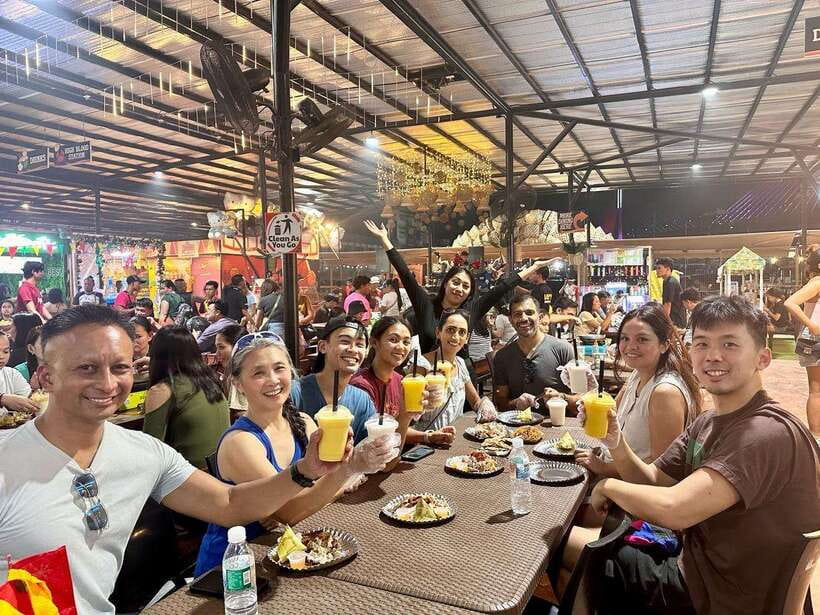
Cebu’s past is best tasted on foot. This three-hour walk brings together street food, old churches, markets, and Spanish-era landmarks, giving you a quick but lively introduction to the Philippines’ oldest city. You move from the Cebu Farmers Market to Carbon Market, with historic stops in between.
I especially like the chance to try balut with a local guide nearby, and I like the way the route links major sights with ordinary city streets. Guides such as Philip, Nacien, and Kyle have earned strong praise for their energy, care, and clear English. The main concern is the price: at $90 per person, this is expensive for a short walking tour, especially if you are comfortable exploring central Cebu on your own.
- Balut and market food give the tour a real local flavor, rather than limiting you to famous monuments.
- Yap Sandiego Ancestral House, built from coral stone in 1680, is one of the route’s most distinctive stops.
- Basilica Minore del Sto. Niño dates to 1565 and is recognized as the oldest Roman Catholic church in the Philippines.
- Magellan’s Cross marks the place where Spanish explorers left a Christian cross in 1521.
- Small groups of up to 10 people make it easier to ask questions and keep close to the guide.
- The tour runs rain or shine, so shoes, clothing, and a small amount of cash matter.
A Three-Hour Introduction to Cebu’s Old Core
This tour works best as a first look at Cebu City. In only three hours, you cover food markets, historic buildings, churches, and streets tied to the arrival of Spain. You will not see every important place in Cebu, but you will get a useful map of the city’s central historic area.
The route is conducted in English with a live guide. The small-group limit is 10 people, though the group may be even smaller. One person described receiving the guide’s full attention as a solo participant, which made it easier to ask questions about food and local history.
That personal contact is the heart of the experience. A guide can explain why a church matters, what a market name means, and how a food is eaten. Without that context, several of these stops would be quick photographs and little else.
The tour is a walking experience, so expect city traffic, uneven pavement, heat, and the need to keep moving. Wear comfortable shoes and clothes. Bring a camera, cash for food or personal purchases, and only essential valuables. Jewelry is not allowed.
Starting at Cebu Farmers Market
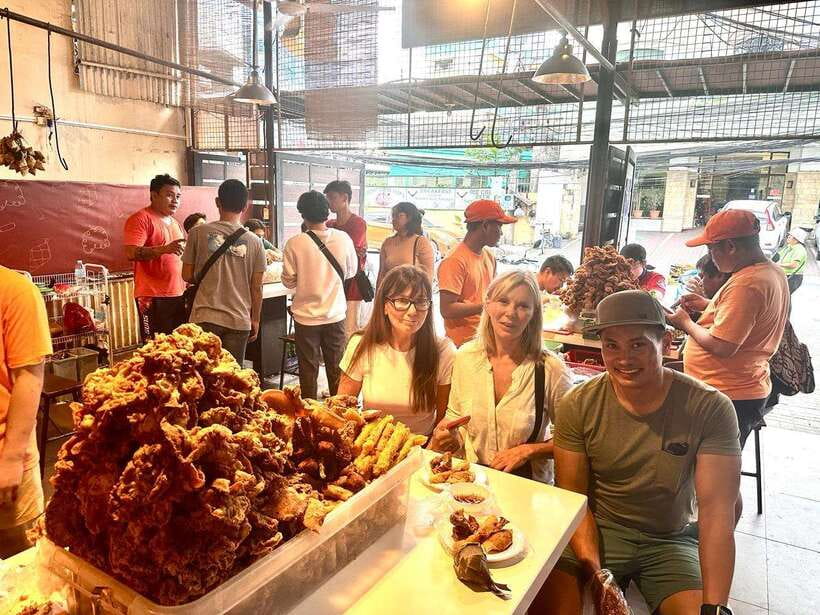
The opening stop at Cebu Farmers Market sets the tone. Instead of beginning with a polished monument, you start among food and daily commerce. Your guide introduces local ingredients and helps explain the role of markets in Cebu’s food culture.
This is a good place to ask questions before the route becomes more history-focused. If you are unsure about a food, the guide can help you understand what it is and how it is normally eaten. The supplied experience specifically includes local delicacies and street food, with balut as the most memorable example.
Balut is a boiled salted duck egg. It is traditionally eaten with salt, and it is famous far beyond the Philippines because it asks first-time tasters to be adventurous. You do not need to pretend it is for everyone. The value is in having a guide explain the custom and let you decide how far you want to go.
Food quality can vary from person to person. One rating described the food as only average, while other feedback praised the food and drinks as generous. That difference is worth noting. Book this for the chance to sample local flavors and learn how they fit into Cebu life, not as a gourmet food tour.
More history tours in the world:
- Barcelona: Tapas Walking Tour with Food, Wine, and History
★ 4.8 · 4,261 reviews - Sevilla Food Tour: Tapas, Wine, History & Traditions
★ 5.0 · 3,468 reviews - Madrid Tapas & Taverns Small Group Food & History Tour
★ 5.0 · 2,664 reviews
The Heritage of Cebu Monument and City Stories
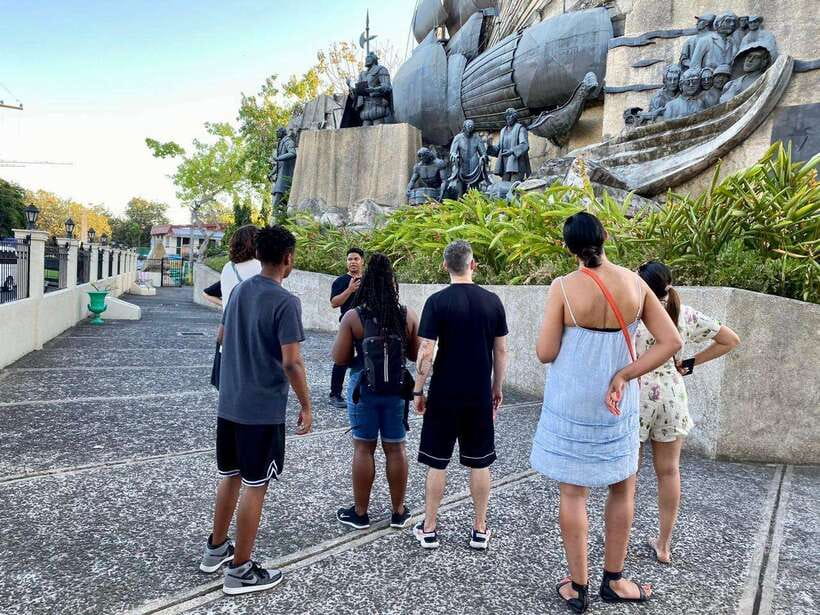
The Heritage of Cebu Monument is one of the route’s visual highlights. Metal sculptures present important scenes from Cebu’s past, giving you a compact way to see major events represented in one place.
The monument is more useful with a guide than on its own. A short explanation can help you connect Cebu’s pre-colonial life, Spanish arrival, religion, and local identity. Since Cebu was the first Spanish settlement and capital in the Philippines, this section helps explain why the city has such a central place in the country’s story.
I like this stop because it breaks up the church visits. Cebu’s historic core has several religious landmarks, and the metal sculpture group gives you a different way to read the past. It is also a practical photo stop, though the tour’s real value comes from the explanation rather than from spending a long time there.
Inside the 1680 Yap Sandiego Ancestral House
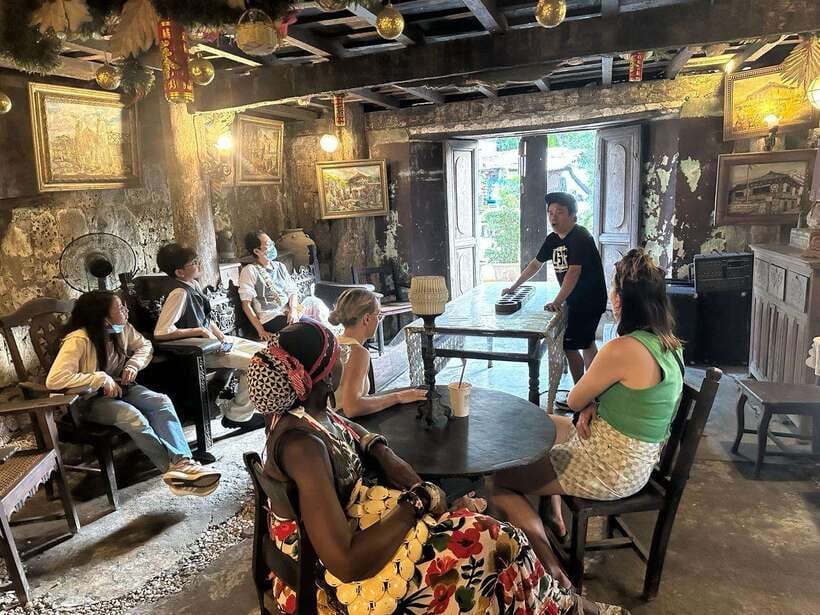
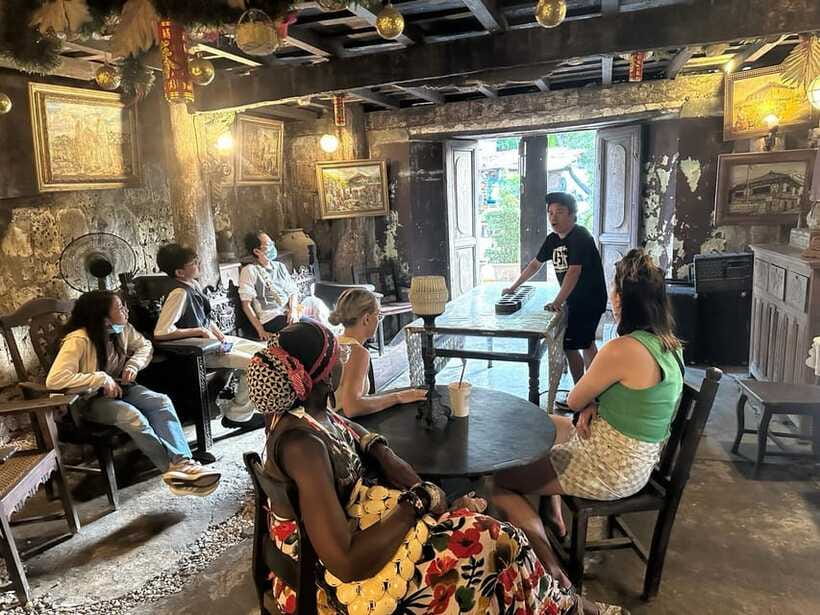
Yap Sandiego Ancestral House offers a more intimate look at Cebu’s past. Built from coral stone in 1680, the house reflects Chinese and Spanish architectural influences. That combination is important because Cebu’s story is not only about Spain. Chinese connections and local family life are part of the city’s older identity too.
The house helps make history feel domestic. Churches and monuments tell public stories, while an ancestral home gives you a sense of how families preserved space, objects, and traditions over generations. The coral-stone construction is a detail worth noticing, especially after seeing the open market streets outside.
This is one of the stops where a guide adds real value. You can walk through an old building, but a guide can point out the Chinese and Spanish elements and explain why the house matters. Keep your expectations realistic. The tour does not present this as a long museum visit, so the stop is part of a fast-moving route rather than a full architectural study.
Basilica Minore del Sto. Niño and the 1565 Church
The Basilica Minore del Sto. Niño is the tour’s major religious landmark. Built in 1565, it is described as the oldest Roman Catholic church in the Philippines. For anyone interested in the country’s Spanish period, this is a key stop.
The basilica also helps explain why Cebu remains such an important Catholic center. The tour places the church alongside the story of Magellan’s arrival, the Spanish settlement, and the Christian cross. Together, these places show how religion became tied to the city’s colonial history.
You should treat this as an active place of worship, not simply a sightseeing building. Keep your clothing comfortable but respectful, and follow any instructions from the guide or church staff. The tour information does not promise extended private access or a special ceremony, so expect an exterior and general visit within the three-hour schedule.
The historic age is impressive, but the church’s story is not simple. Spanish arrival brought Christianity and new political power, and it also changed local life. A good guide can help you see the landmark as part of that larger story rather than presenting it as a single uncomplicated achievement.
A few more food tours in the world worth a look
- Ho Chi Minh City Street Food Tour & Sightseeing By Motorbike
★ 5.0 · 9,413 reviews - Private Street Food Evening Walking Tour in Ho Chi Minh City
★ 5.0 · 3,175 reviews - Top Notch Street Food Motorbike Tour In Ho Chi Minh City
★ 5.0 · 2,667 reviews - Historic Ybor City Food Walking Tour
★ 5.0 · 2,210 reviews
Carbon Market and the Route Toward Magellan’s Cross
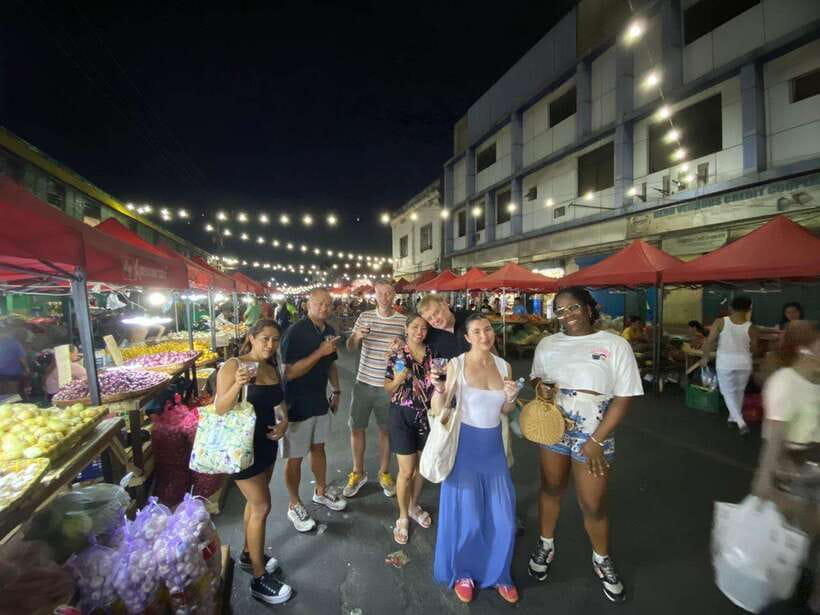
Carbon Market brings the tour back to working Cebu. Its name comes from the Spanish word for coal, and the market was once a coal depot. That small detail makes the stop more interesting than a standard market visit. It shows how a place can keep an old name even after its original purpose has changed.
The market also gives you a chance to see a more ordinary side of the city. You are not moving only between preserved buildings. You are passing through a place connected to trade, food, and daily routines.
The tour then continues to Magellan’s Cross. Spanish explorers led by Ferdinand Magellan placed the Christian cross here in 1521. This date comes before the construction of the basilica and marks an early point in the Spanish story in the Philippines.
The cross is a major Cebu landmark, but the visit is likely to be brief because the route has several more stops. I would pay attention to the guide’s explanation rather than simply taking a photograph. The meaning of the site comes from its connection to the arrival of Christianity and the beginning of a long period of Spanish influence.
One practical point matters here: the tour information specifically highlights Carbon Market and Colon Street as safe to visit with the guides, including for solo women. That does not remove the need for normal city awareness, but it does show why a guided visit can be useful in this part of Cebu.
Cebu Metropolitan Cathedral and War Damage
The final major historic stop is Cebu Metropolitan Cathedral. The church was destroyed during the Second World War and rebuilt in the 1950s. That gives you a different chapter of Cebu’s story from the 1565 basilica.
The cathedral shows that historic cities are not made only of untouched old buildings. War, rebuilding, and changing city life also shape what you see. Its story adds a modern layer to the route and helps explain why some buildings combine older religious traditions with newer construction.
By this point, you have visited a market, an ancestral house, two major churches, a monument, and a historic cross. The cathedral works as a fitting final stop because it brings the story forward from the Spanish period to the twentieth century.
The tour then ends, with the stated plan for you to return to your accommodation. Hotel transfer is not included, so confirm exactly where the walking portion finishes and arrange your own onward transport if needed.
What the Guides Add
The strongest part of this experience is the guiding. Philip is praised for looking after a solo participant and even helping that person catch a taxi home. Philip and Nacien are also praised for being attentive, safe, and willing to help with small details. Kyle is described as a particularly strong guide, while Nacien is praised for being both capable and fun.
Those details matter more than a generic promise of a friendly guide. On a food and history walk, you need someone who can explain unfamiliar dishes, answer questions, keep the group together, and help you feel comfortable in busy areas.
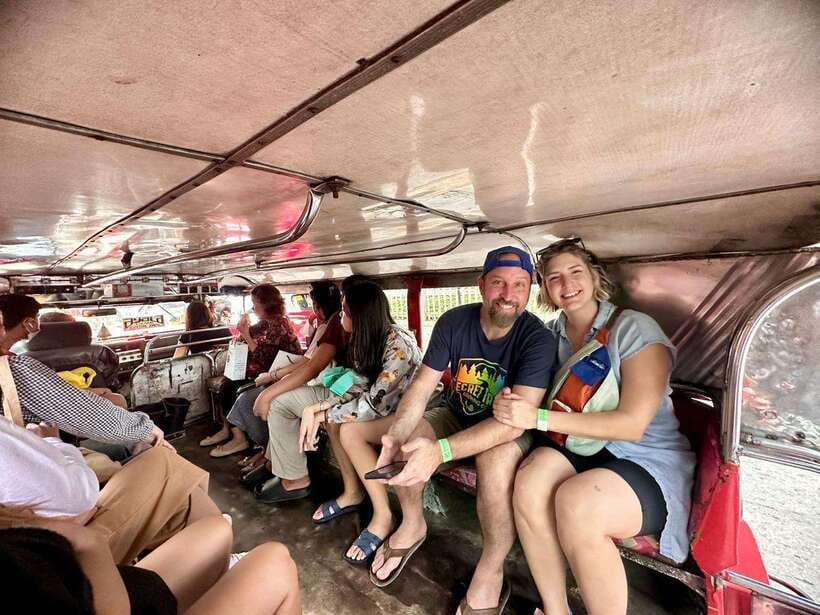
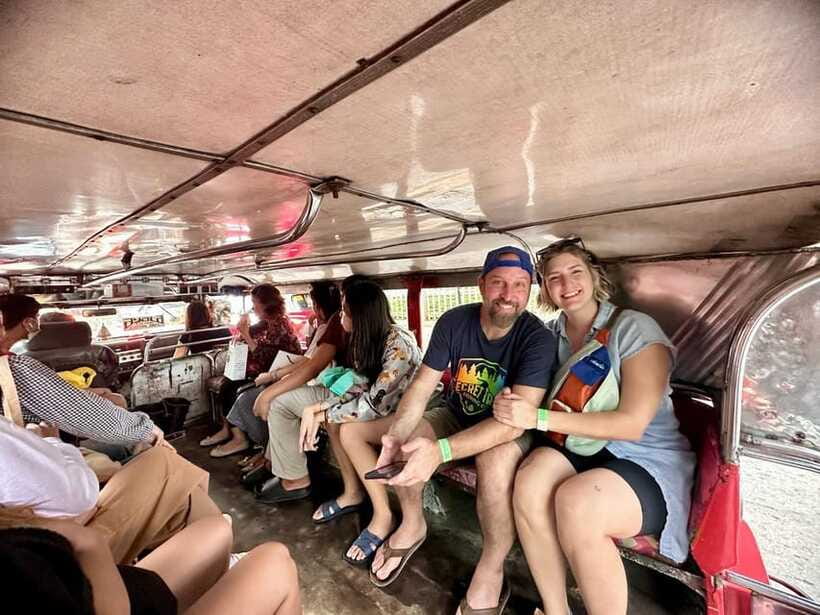
The tone appears to be informal and social. One person enjoyed riding local buses during the experience, although public transport is not presented as a guaranteed part of every booking. Treat that as a possible feature rather than a fixed promise.
Because the group is limited to 10, you have a reasonable chance to speak directly with the guide. This is particularly useful if you want to ask about Cebu’s history, food customs, church traditions, or the meaning of the market areas.
Is $90 a Fair Price?
At $90, this is not a budget walking tour. The price is easier to justify if you are new to Cebu, want a guide for the historic center, and value the convenience of combining food with several major sights.
You are paying for a three-hour guided experience, not for admission to a long list of paid attractions or for hotel transportation. The included benefits are the guide and guided tour, while hotel transfer is excluded. Food is part of the experience, but the exact amount and menu are not specified.
The value depends on how you travel. If you enjoy finding markets, reading about churches, and arranging your own route, you could probably visit many of these sites independently for less. One rating made exactly that point and found the cost too high for the food and sightseeing provided.
I would consider the price more reasonable for a solo visitor who wants company and local help, or for someone with only one short day in Cebu. The strong guide feedback also matters here. A good guide can turn a tight schedule into a clear introduction, while an ordinary guide would make the price feel harder to defend.
Who Should Book This Cebu Walk?
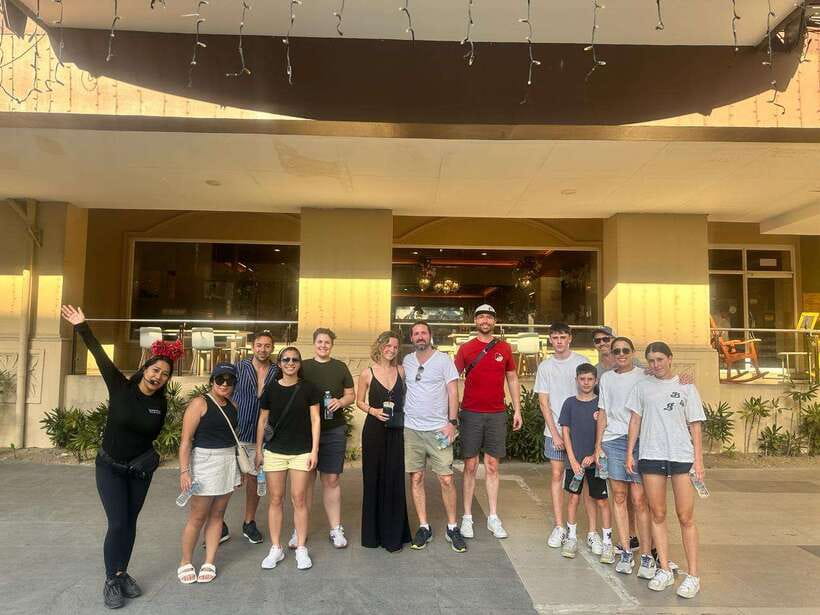
I would recommend it most to first-time visitors who want a quick orientation before exploring more of Cebu. It suits people who like history but do not want a formal museum tour, and it works well for anyone curious about Filipino street food.
Solo participants may find the small group especially useful. The experience has been praised for careful support, including help getting a taxi after the tour. Couples and small groups can also benefit if they want to avoid planning the route themselves.
This is less suitable if you dislike walking in busy city areas, prefer a slow pace, or want a dedicated food tour with many substantial tastings. It may also disappoint if you expect a private vehicle, hotel pickup, or a full guided visit inside every historic building.
Plan for rain or shine. Bring comfortable shoes, comfortable clothing, a camera, and cash. Since jewelry is not allowed, keep your outfit simple. The meeting instructions say to wait in the designated area for a guide holding a paper with your name, and you can message the operator through its Facebook page if needed.
Cancellation is flexible up to 24 hours before the tour for a full refund, and you can reserve now and pay later. Those terms help if your Cebu schedule is still changing, but they do not change the central question: is a guided introduction worth $90 to you?
Final Verdict: A Useful, Food-Focused First Look
Book this tour if you want a guided introduction to Cebu’s oldest historic areas, especially if you are traveling alone or prefer local help around markets and Colon Street. The best reasons to go are the thoughtful guides, the mix of food and history, Yap Sandiego Ancestral House, and the chance to understand the churches and Magellan’s Cross as connected parts of Cebu’s past.
Skip it if you are price-sensitive, confident navigating on your own, or mainly seeking a serious food experience. At $90, the tour needs to deliver more than a checklist of sights, and the food may not impress every palate.
For the right visitor, this is a lively three-hour orientation with plenty of useful context. Go for the guide, the city stories, and the chance to try balut in a supportive setting. Do not book it expecting luxury transport or a large meal.
FAQ
How long does the Cebu City Historical Street and Food Tour last?
The tour lasts three hours. It includes food stops, historic streets, markets, churches, and major landmarks in central Cebu.
What food is included on the tour?
The experience includes local delicacies and street food, including balut, a boiled salted duck egg traditionally eaten with salt. The exact menu and quantity are not specified.
Is hotel pickup included?
Hotel transfer is not included. The meeting information says to wait in the designated area for a guide holding a paper with your name.
What language is the tour conducted in?
The tour is conducted in English with a live English-speaking guide.
How large is the group?
It is a small-group tour limited to 10 participants. The group may be smaller, and solo participants may receive more direct attention from the guide.
What should I bring?
Bring comfortable shoes, comfortable clothes, a camera, and cash. Jewelry is not allowed, and the tour operates rain or shine.
Just added in the world
- Copenhagen Private Culinary Food Tour with 6 Tastings of Classics★ 5.0 · 42 reviews
- Copenhagen Private Food Walking Tour with 6 or 10 Tastings★ 4.5 · 177 reviews
- Copenhagen Food & Drink Private Tour: Scandinavia Delight Tasting★ 5.0 · 236 reviews
- Copenhagen Modern Food Tour★ 5.0 · 32 reviews
- 3-hour Culinary Bike Tour in English★ 5.0 · 235 reviews
- Copenhagen Best of Danish Pastry Tasting Tour★ 5.0 · 30 reviews
- Classic 3-Hour Food Tour in Colorado Springs★ 5.0 · 408 reviews
- The 10 Tastings of Colombo With Locals: Private Street Food Tour★ 4.5 · 71 reviews
Historical Tours, compared.
Tapas Walking Tour with Food, Wine, and History
Read our review →
Sevilla Food Tour: Tapas, Wine, History & Traditions
Read our review →
Madrid Tapas & Taverns Small Group Food & History Tour
Read our review →
Barcelona Tapas Walking Tour: Food, Wine & History
Read our review →
Boston Food & History: Pizza, North End & Freedom Trail
Read our review →Browse the lists this tour appears in