
REVIEW · CHIANG MAI FOOD TOURS
Chiang Mai: Food Tour by Songtheaw Truck with 15+ Tastings
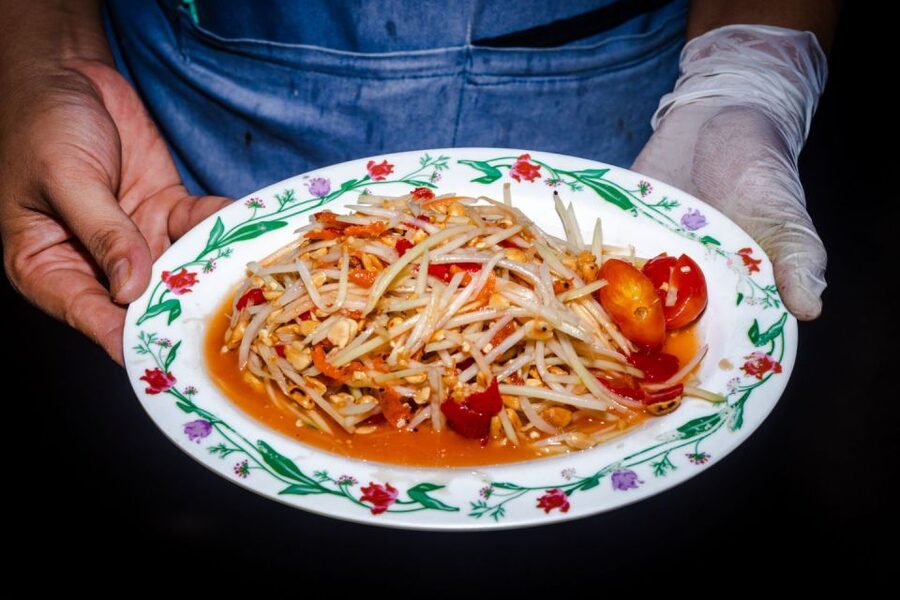
Come hungry, leave curious. This four-hour Chiang Mai food tour packs more than 15 tastings into a small-group ride around local restaurants, street stalls, and a market. I like the way it goes beyond familiar pad Thai and mango sticky rice, and I especially like the cultural stories attached to each dish. The main caution is simple: the food keeps coming, so a full breakfast is a poor plan.
The private red songthaew truck makes it possible to cover several parts of Chiang Mai without spending the whole morning walking. I also like the small group limit of eight, which gives you room to ask questions and share dishes. Some stops may feel less polished than a restaurant aimed at tourists, and the final market may seem ordinary if you have already visited several Thai markets.
What makes this Chiang Mai food tour worth your time
- 15 or more tastings: Expect a serious amount of food, from Northern Thai sausages and crispy pork to desserts, snacks, salads, soups, and regional specialties.
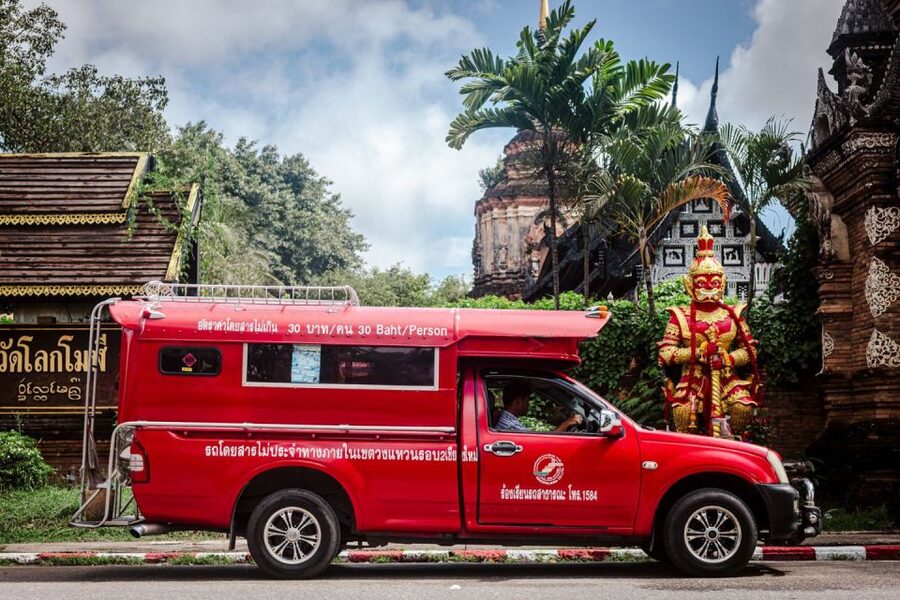
- A red songthaew between stops: The truck gives the tour a distinctly Chiang Mai feel and saves your feet during a four-hour route.
- Local places rather than famous tourist restaurants: The food stops include family-run venues and small local joints that can be hard to find alone.
- Food with context: Guides explain ingredients, cooking methods, regional influences, and the place of each dish in Northern Thai life.
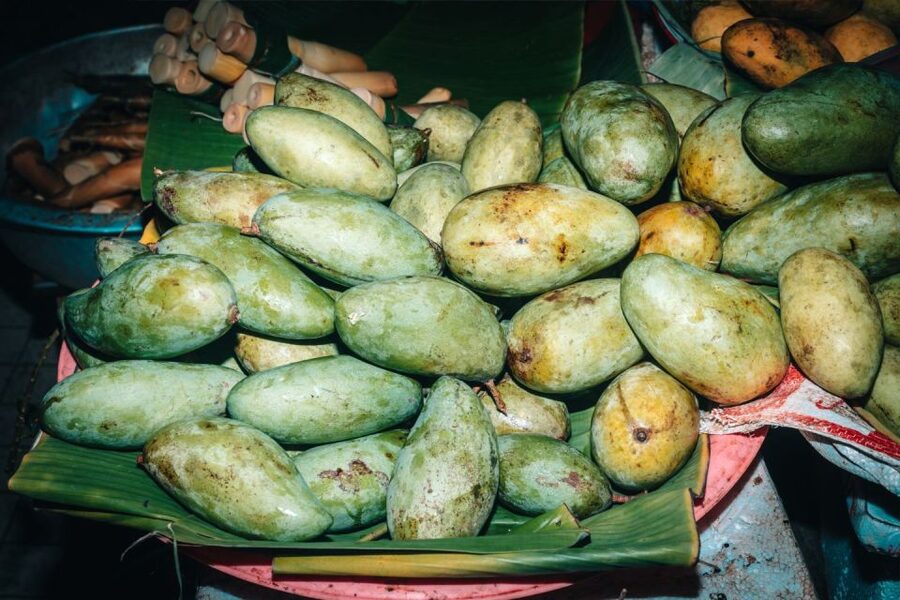
- A market visit with samples: The final stop adds fruit, sweets, snacks, spices, and a look at everyday shopping habits.
- A very small group: With no more than eight people, the experience feels more like eating with an informed local friend than following a large tour flag.
Meeting at Wat Lok Molee and climbing aboard
The tour begins at Wat Lok Molee, a well-known temple not far from central Chiang Mai. Once inside the grounds, turn left and look for the large decorated tree beside the four-headed statue. Your guide waits there.
Allow extra time to reach the temple. The stated taxi directions use the Thai name วัดโลกโมฬี ถนน มณีนพรัตน์, which is useful if your driver does not recognize the English spelling. This is a meeting-point tour, so hotel pickup and drop-off are not included.
From the temple, you board a private rod deang, also written songthaew. These red trucks are part of Chiang Mai’s everyday transport, and using one for the food route is more than a practical choice. It sets the tone from the start: you are moving through the city in a familiar local vehicle rather than a large sightseeing bus.
The group is limited to eight people. That matters when you are sharing dishes, standing near food stalls, or asking about unfamiliar ingredients. The ride also cuts down on walking, though you still need comfortable shoes for the market and food stops.
A few more food tours in Chiang Mai worth a look
- Small-Group Chiang Mai Evening Street Food Tour
★ 4.5 · 826 reviews - Chiang Mai: Evening Local Street Food Market Tour
★ 4.8 · 604 reviews - Northern Flavours Chiang Mai Food Tour with 15+ Tastings
★ 5.0 · 513 reviews
The first tastings: Northern Thai food beyond khao soi
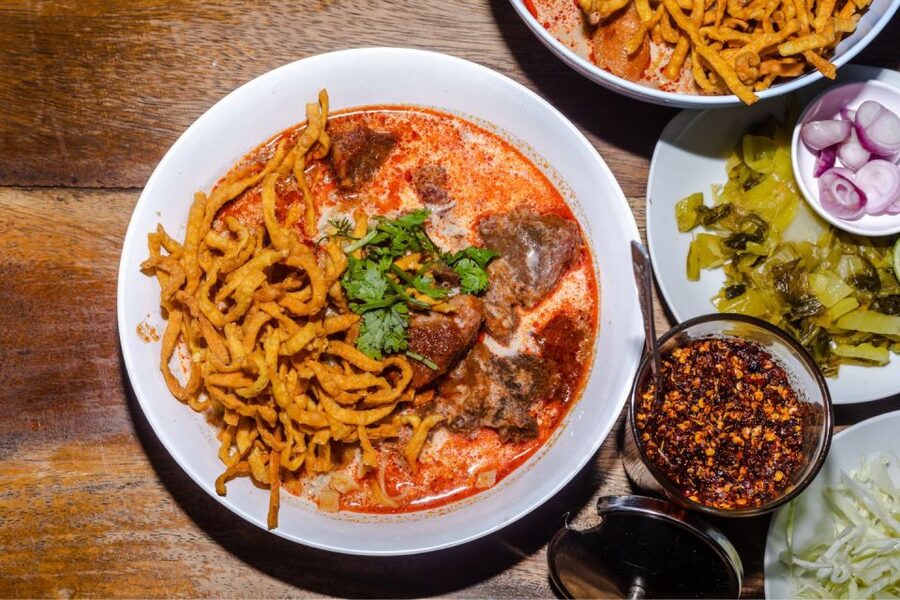
Khao soi may be Chiang Mai’s best-known dish, and it can appear during the tour, but this experience is built around a much wider picture of Northern Thai cooking. You may encounter curry soups, grilled meats, vegetable dishes, salads, sausages, snacks, and sweets.
A key pleasure is trying food you might not think to order from a menu. Past tastings have included water buffalo, fermented pork, coagulated chicken blood, silkworm larvae, and crickets. These are not presented as stunts. They fit into a larger explanation of local eating habits, preservation, texture, and the ingredients used across Northern Thailand.
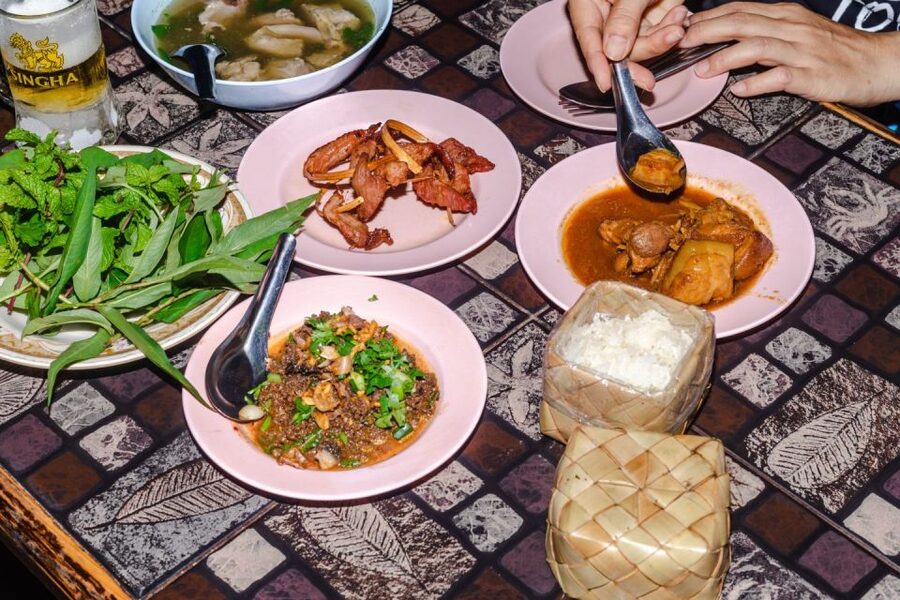
You can also expect dishes such as sai oua, a Northern Thai sausage often seasoned with herbs and spices. One version described on the tour is stuffed with lemongrass. Crispy pork belly is another highlight, including pork cooked in a clay pot, while chicken cooked in a deep pot has also earned strong praise.
The portions are not tiny samples designed only to give you a taste. Several stops serve family-style plates, and the quantity can be striking. You are not simply ticking off 15 bites. You are eating enough to form a real opinion about each dish, which is why pacing matters.
Five food stops and the value of local ordering
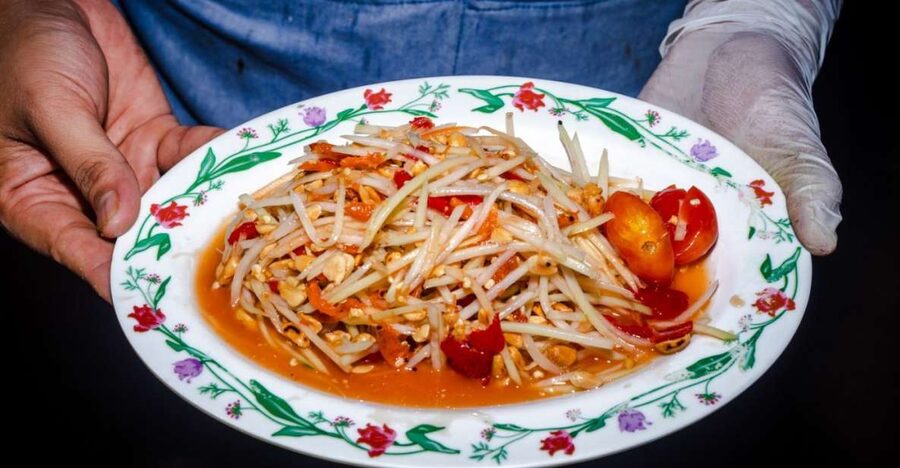
The route visits about five restaurants or food stops, along with a market. Exact dishes can change, which is sensible in a city where ingredients and specialties vary from day to day.
At each place, the guide orders for the group and explains what arrives. This is a major benefit if you cannot read Thai menus or are unsure how to compare one regional dish with another. You get a broad selection without ordering six full meals for yourself.
The venues are part of the experience. The tour favors local spots outside the most obvious tourist circuit, including family-run businesses and small places where regulars eat. You may meet an owner or cook, and guides have sometimes introduced the group to the people behind the food.
That local focus also brings a tradeoff. These are not necessarily sleek restaurants with English menus and carefully staged dining rooms. You are choosing access to everyday food over comfort and presentation. If you want air conditioning, a quiet table, or a fixed menu, this may not be the right food tour.
If you want someone to make the ordering easy, it works very well. Guides such as Moui, Aim, Noi, Bun, Indy, Muang, and Tree have been praised for combining food knowledge with warmth and clear English. The guide names can vary by departure, but the role remains the same: explain, order, pace, and help you understand what is in front of you.
Food history you can actually use later
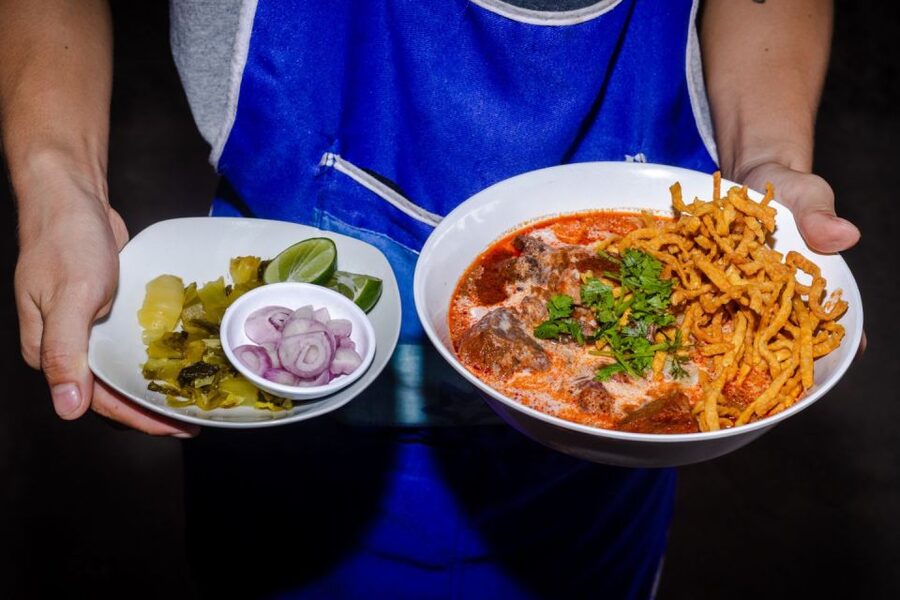
The strongest part of the tour is not the number 15. It is the explanation that ties the dishes together.
Northern Thai food has been shaped by neighboring regions and communities, including Shan influences. The tour includes Shan specialties and larb, a sharp, herb-filled salad whose Northern Thai version differs from what you may have eaten elsewhere in Thailand.
Guides explain the ingredients behind the flavors, including spice blends and fermented soybean paste. One guide carried samples of spices and dried fermented soy bean paste, allowing the group to smell and examine them instead of hearing only a quick description.
This turns a meal into a useful lesson for the rest of your trip. After four hours, you should feel more confident ordering street food across Thailand. You start to recognize the role of sourness, heat, herbs, fermentation, grilled flavors, and texture rather than treating every unfamiliar dish as a gamble.
The cultural side is just as important. Food connects with migration, regional identity, family cooking, local businesses, and daily routines. Several guides have explained not only how a dish is prepared but also where its influences came from and why it matters in Northern Thai culture.
Same city, a different table:
- The 10 Tastings of Chiang Mai With Locals: Private Street Food Tour
★ 5.0 · 216 reviews - Taste of Chiang Mai: Michelin Guide & Street Food Tour
★ 4.9 · 159 reviews - Go where the locals go, Eat what the locals eat! Food Tour with Local Foodies
★ 5.0 · 138 reviews - Fresh Local Market Tour – Food tour in Chiang Mai
★ 5.0 · 113 reviews
The market finale and a second wave of eating
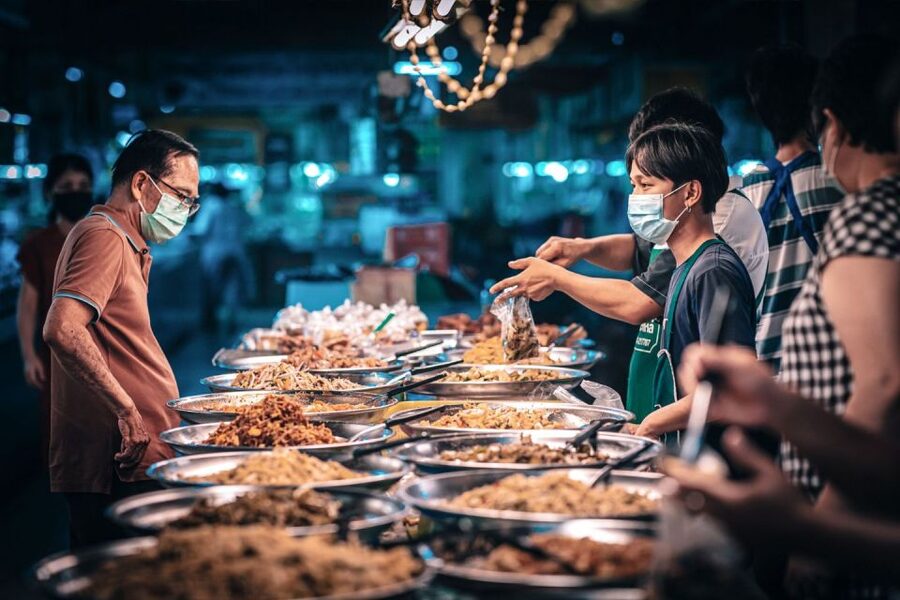
The market stop gives the tour a change of pace. Instead of sitting down for another restaurant course, you walk through stalls while the guide points out ingredients, snacks, fruit, sweets, spices, and local eating habits.
The final section has been described as a market picnic, with the guide buying items for the group to taste. This can include bags of snacks and desserts, and it is a good way to sample small things you may not notice when moving through a market on your own.
Do not save too much appetite for this stop. By the time you reach the market, you may already be full. Desserts have been a favorite for some people, but they can arrive when your stomach is already at its limit.
The market itself may be the least memorable part for experienced market visitors. One past participant found the final market fairly ordinary compared with other Chiang Mai markets. That is a fair criticism, but the market still adds useful context because you are not just wandering through it. Your guide explains what you are seeing and chooses food for the group.
How much food will you really eat?
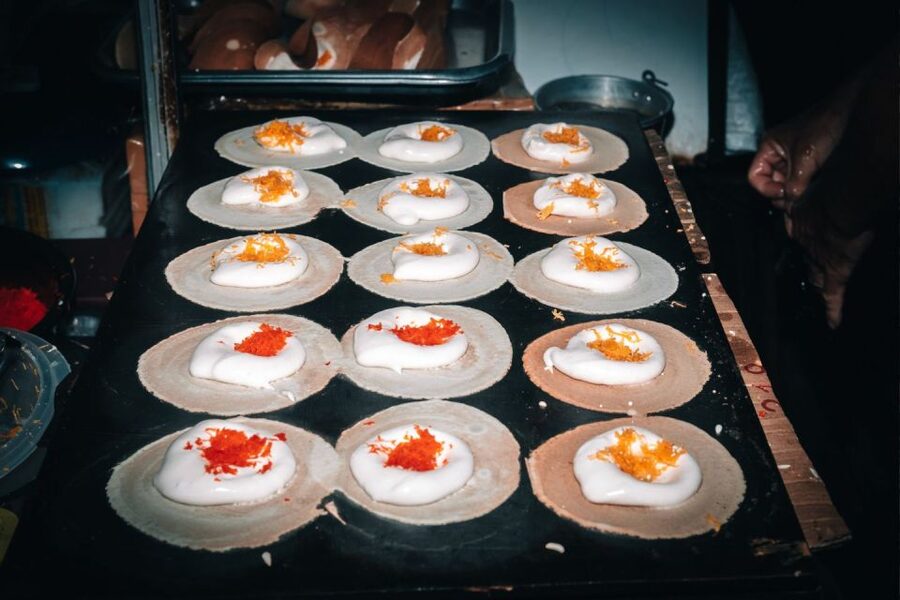
A lot. The most common practical advice is to skip breakfast or eat only something very light before a morning departure.
The tastings are substantial enough that some people did not feel ready for another meal until the following morning. That may be an exaggeration for your appetite, but it makes the point. Pace yourself from the first stop, even when a dish is especially good.
You are usually sharing food, which helps, but there can still be large portions across several locations. Eat slowly, drink the included water and soft drinks, and do not treat every dish as a race.
The menu may include ingredients that are unfamiliar or challenging, including insects, fermented meats, blood products, and strong flavors. You are not required to enjoy every item, but you should arrive open to tasting food outside your normal comfort zone.
This is not a suitable tour for vegetarians, vegans, pescatarians, people with severe allergies, people with nut allergies, or anyone who cannot consume soy sauce. The food is central to the experience, so dietary restrictions are not a minor issue here.
The truck, walking, weather, and comfort
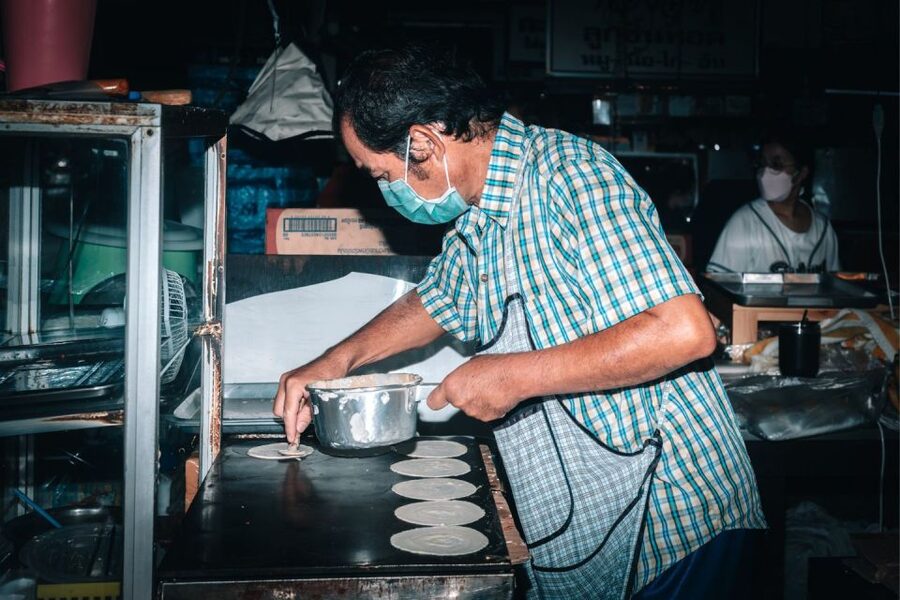
The red songthaew is a strong practical feature. You move between areas without the fatigue of walking long distances or arranging separate taxis. Several eating places provide a chance to sit, and the truck can be helpful if being in direct sun or walking for hours is difficult.
It is not a completely seated experience. You still walk through a market and move in and out of food stops, so wear comfortable shoes. The tour runs in rain or shine, and an umbrella is worth carrying during the wet season or whenever rain is likely.
Wear clothing suited to the weather. Chiang Mai can feel hot during the day, and food stops may be informal. A small bag is useful for personal items, though the supplied information does not specify luggage storage.
The transport received a 95 percent perfect score from the published rating data, and the overall experience is rated 4.9 from 157 reviews. Those figures point to consistently strong organization, but they do not remove the basic realities of street food: heat, traffic, strong smells, and simple dining spaces.
Is $62 a fair price?
At $62 per person, this is not the cheapest way to eat in Chiang Mai. You could buy individual street dishes for very little money, and a self-guided market visit would cost far less.
The value comes from the combination. Your fee covers more than 15 tastings, transportation between stops, a guide, bottled water, and soft drinks. It also covers the work of choosing places, ordering across several venues, explaining unfamiliar food, and keeping the route moving.
If you already know Chiang Mai well and feel comfortable ordering in Thai, you may prefer to spend the same money over several independent meals. If this is your first visit, or if you want to understand Northern Thai food rather than simply eat it, the price is easier to justify.
I would also compare the fee with the cost of ordering this range alone. You would need several people to share dishes, find the right venues, navigate between them, and avoid ordering too much of one thing. The guide saves time and reduces the guesswork.
Reserve and pay later is available, and cancellation is free up to 24 hours before the tour for a full refund. Check the available starting time when booking because the duration is four hours.
Who should book this food tour?
You should consider it if you:
- Want an introduction to Northern Thai food beyond the usual dishes.
- Enjoy trying unfamiliar meats, fermented foods, insects, and regional snacks.
- Prefer small local eateries to polished tourist restaurants.
- Want an English-speaking guide to explain ingredients and order for you.
- Like food history and culture as much as the meal itself.
- Have limited time in Chiang Mai and want several food stops in one morning or afternoon.
- Prefer riding between stops instead of walking around the city in the heat.
You may want a different experience if you are vegetarian, vegan, pescatarian, allergic to nuts, unable to eat soy sauce, or very cautious about unfamiliar ingredients. It is also not a good choice if you want a light snack tour. This is a serious meal disguised as sightseeing.
Families and older people should think about the food and mobility demands together. The truck and seated stops can reduce walking, but the official information says the experience is not suitable for people over 95. Comfortable shoes remain important for everyone.
My verdict: book it if you want to eat boldly
I would book this tour early in a Chiang Mai visit, especially if you want help finding your way into Northern Thai food. It gives you a useful map of flavors, dishes, ingredients, and eating places that you can use for the rest of your stay.
The best reason to go is not simply the generous tasting list. It is the chance to eat foods you might miss, with a guide who can explain why they matter. The main downside is the sheer amount of food and the possibility that the market finale feels less special than the restaurant stops.
For adventurous eaters, curious first-time visitors, and anyone who wants more than a standard khao soi lunch, $62 is a reasonable price for four hours of eating, transport, and local guidance. Arrive hungry, pace yourself, and keep room for dessert.
FAQ
How long does the Chiang Mai food tour last?
The tour lasts four hours.
How many food tastings are included?
The experience includes more than 15 Northern Thai food tastings.
Where does the tour meet?
The meeting point is in the grounds of Wat Lok Molee Temple. Enter the temple grounds, turn left, and look under the large decorated tree next to the four-headed statue.
Is transportation included?
Yes. Transportation between stops is provided by a private red songthaew, also called a rod deang truck.
Is hotel pickup included?
No. Hotel pickup and drop-off are not included.
What language is the tour conducted in?
The live tour guide speaks English.
Can vegetarians or vegans join?
No. The tour is not suitable for vegetarians or vegans. It is also not suitable for pescatarians, people with severe food allergies, people with nut allergies, or anyone who cannot consume soy sauce.
What should I bring?
Bring comfortable shoes, an umbrella, and clothing suited to the weather. The tour operates in rain or shine.
Just added in Chiang Mai
- Motorbike Food Tour in Chiang Mai★ 5.0 · 54 reviews
- Old Town Chiang Mai Food Tour with 10+ Local Dishes Tastings★ 5.0 · 21 reviews
- Go where the locals go, Eat what the locals eat! Food Tour with Local Foodies★ 5.0 · 138 reviews
- Lanna Kingdom Chiang Mai Food Tour with 15+ Tastings★ 5.0 · 84 reviews
- Taste of Chiang Mai: Michelin Guide & Street Food Tour★ 4.9 · 159 reviews
- Chiang Mai: Temples and Street Food Night Tour by Tuk Tuk★ 4.3 · 81 reviews
- Chiang Mai: Tuk-Tuk Evening Tour with Temples & Street Foods★ 4.7 · 26 reviews
- Fresh Local Market Tour – Food tour in Chiang Mai★ 5.0 · 113 reviews
Chiang Mai Food Tours, compared.
Small-Group Chiang Mai Evening Street Food Tour
Read our review →
Northern Flavours Chiang Mai Food Tour with 15+ Tastings
Read our review →
The 10 Tastings of Chiang Mai With Locals: Private Street Food Tour
Read our review →
Taste of Chiang Mai: Michelin Guide & Street Food Tour
Read our review →
Go where the locals go, Eat what the locals eat! Food Tour with Local Foodies
Read our review →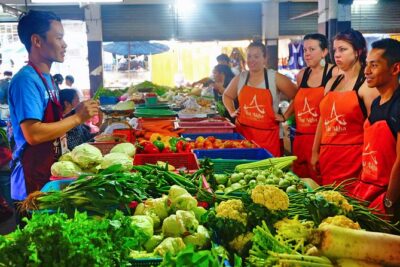
Fresh Local Market Tour – Food tour in Chiang Mai
Read our review →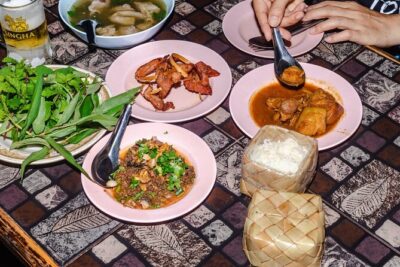
Lanna Kingdom Chiang Mai Food Tour with 15+ Tastings
Read our review →Browse the lists this tour appears in