
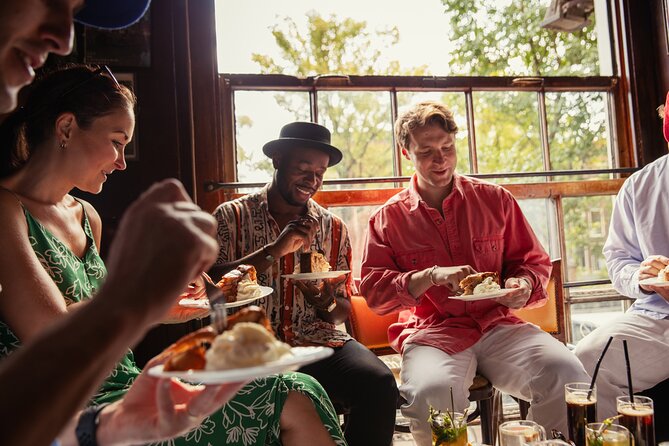
REVIEW · AMSTERDAM FOOD TOURS
Eating Amsterdam: Food Tour & Canals Cruise
Amsterdam tastes best on foot. This 3.5-hour experience combines Dutch food tastings in the Jordaan with a one-hour ride on a wooden saloon boat. I like the mix of apple pie, herring, cheese, roti, poffertjes, bitterballen, and jenever. I also like the small groups, which are capped at 11 people. The main drawback is easy to miss: most of the tour is walking, and the canal cruise comes at the end.
You begin at Noordermarkt and finish near Herengracht. Guides such as Paul, Gerard, Elena, Bart, Maddie, and Johanna have earned praise for their humor, local stories, and practical Amsterdam advice. Food and listed drinks are included, but expect changing stops and tastings depending on the day and season.
Key points to know before booking
- The Jordaan comes first: Spend about 2.5 hours walking through canals, lanes, cafés, and small food shops before boarding the boat.
- The menu covers classic Dutch bites: Apple pie, herring, kibbeling, Gouda, Surinamese roti, poffertjes, bitterballen, and jenever may all appear.
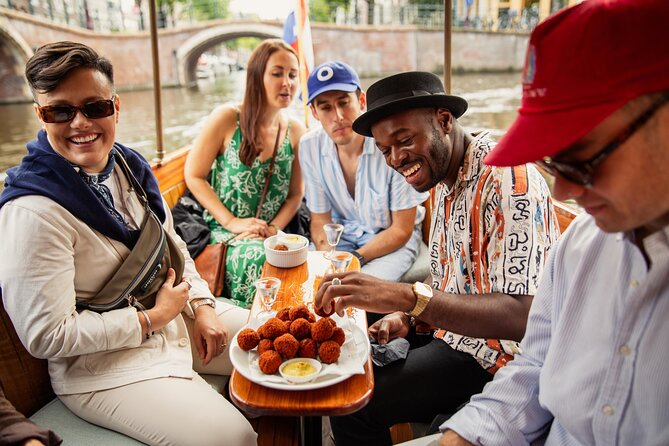
- The final hour is the canal cruise: The ride takes place on a vintage wooden saloon boat and includes a drink, with bitterballen served around the boat portion.
- The group is small: A maximum of 11 people makes it easier to ask questions and get acquainted with the other people in your group.
- The food is filling, not merely decorative: You make several stops, so arrive hungry but do not expect a full restaurant meal at each one.
- Timing matters: Arrive 15 minutes early. The boat leaves promptly, and you cannot join once it has departed.
Starting with apple pie at Papeneiland
The tour opens at Papeneiland, a 400-year-old brown café near the Jordaan. You receive a slice of the café’s famous apple pie with coffee, cappuccino, or tea. The recipe has drawn generations of regulars and even Bill Clinton, a small detail that adds charm without being the reason to come.
This is a smart first stop. Apple pie and coffee give you a gentle introduction before the more adventurous tastes arrive. The café also provides a quick lesson in Amsterdam’s brown-café culture, where dark wood, old interiors, and a relaxed pace matter as much as the menu.
Your guide uses the surrounding Jordaan to set the scene. This district grew through the work of laborers, artists, and migrants, and its narrow streets still feel different from Amsterdam’s grander central avenues. You walk past canals and lanes while hearing how ordinary residents shaped the neighborhood.
The walking pace is part of the appeal. This is not a bus tour that points at Amsterdam from a distance. You move between food stops and hear about the city as you go. Bring comfortable shoes, and dress for the weather. One highly praised guide, Gerard, was especially appreciated for personal stories and useful answers about daily life in the Netherlands.
A few more food tours in Amsterdam worth a look
- 10 Tastes of Amsterdam: Food Tour by UNESCO Canals and Jordaan
★ 5.0 · 3,020 reviews - Amsterdam Jordaan Food & Drinks Tour with Eating Europe
★ 5.0 · 2,425 reviews - Amsterdam: Food and Culture Walking Tour with Tastings
★ 4.9 · 838 reviews
Herring and kibbeling at Vishandel Centrum
At Vishandel Centrum, you visit a traditional fishmonger and sample herring and kibbeling. The open kitchen lets you see fish being prepared, giving this stop more substance than a quick food counter.
Herring is one of the Netherlands’ signature foods. It can seem like a daring choice if you are used to milder seafood, but the sample is served as a taste rather than a large portion. One description of the experience noted the refreshing quality of the fish alongside onions and pickles. Kibbeling offers an easier contrast: battered pieces of fish with a crisp exterior.
This stop is useful because it shows two sides of Dutch seafood culture. Herring is simple and traditional. Kibbeling is warm, fried, and immediately approachable. You do not need to love every bite for the stop to work. The point is to try food that you might not order on your own.
The tour is not designed around luxury dining. It is about everyday foods and the places that serve them. That makes the fishmonger a better fit for curious eaters than for anyone seeking elaborate presentation.
Four Goudas in a classic brown café
Café de Poort provides four organic Goudas in a cozy historic setting. The tasting moves from young to aged cheese, allowing you to compare texture and strength rather than treating Gouda as one single flavor.
This is one of the more accessible stops. Even if you are hesitant about herring or bitterballen, cheese is familiar ground. The range also gives your guide something useful to explain: Dutch cheese changes noticeably as it ages, and the café setting keeps the tasting tied to local life.
You should expect a generous series of small portions rather than a sit-down cheese course. The stops are short, usually around 15 to 30 minutes, so the group keeps moving. Some descriptions of the cheese selection include unusual variations, but the exact offerings can change. The reliable expectation is a comparison of several Goudas.
The order of the tour works well here. After the seafood, cheese gives you a calmer, savory stop before the walk continues through the Jordaan.
The Jordaan’s canals, lanes, and cramped alleys
Between tastings, the guide explains how Amsterdam’s canals supported trade, housing, and city growth. You walk along one of the prettiest waterways and see 17th-century buildings while hearing about the Dutch Golden Age and its effect on food and society.
The tour also passes the narrow spaces known as De Gangen Willemstraat. These back alleys were once crowded homes for some of the city’s poorest residents. Disease, hunger, and severe overcrowding were part of daily life there.
This section gives the food stops some needed context. Dutch cuisine is not only cheese and pastries. It also reflects migration, class, trade, hardship, and the movement of people through Amsterdam. The guide connects those themes to the neighborhood rather than delivering a long formal lecture.
The historical commentary is usually short and conversational. That suits the walking format, though one assessment found the information could have been more detailed. If you want an intensive academic account of Amsterdam, this is not that kind of tour. If you want useful background mixed with snacks, it hits a better balance.
Same city, a different table:
- Zaanse Schans and Cheese Tasting Guided Tour from Amsterdam
★ 4.0 · 661 reviews - Amsterdam High-End Dutch Food & History Tour – Up to 8 guests
★ 5.0 · 482 reviews - A’DAM LOOKOUT Entry Ticket with Food & Drink Options
★ 4.5 · 420 reviews - Amsterdam’s Market Street Food Tour with Streat Bites
★ 5.0 · 398 reviews
Surinamese roti at Mama’s Koelkast
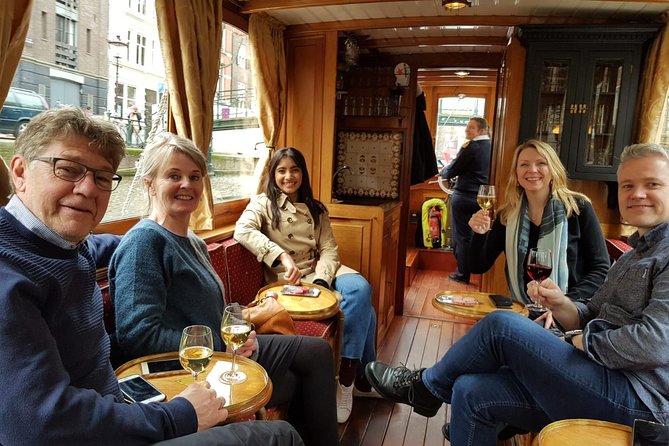
Mama Jane serves a homemade Surinamese roti roll at Mama’s Koelkast. This stop shows how Amsterdam’s food culture extends beyond old Dutch recipes.
The roti is especially important because it introduces the influence of Suriname and the people who brought their cooking traditions to the Netherlands. You get a home-style dish served through a small catering shop where women share food connected to their heritage.
This is a good reminder that local food does not mean food that developed in isolation. Amsterdam’s identity has always been shaped by movement across borders. The roti stop gives the tour a wider view than a route built only around cheese, fried snacks, and sweets.
The portion is a tasting, and the stop lasts about 15 minutes. It is enough to understand the flavor and story without slowing the tour too much. If you have dietary needs, mention them when booking. Vegetarian and gluten-free requests may be possible, but the company does not accept responsibility for severe or life-threatening allergies.
Warm poffertjes on Oude Leliestraat
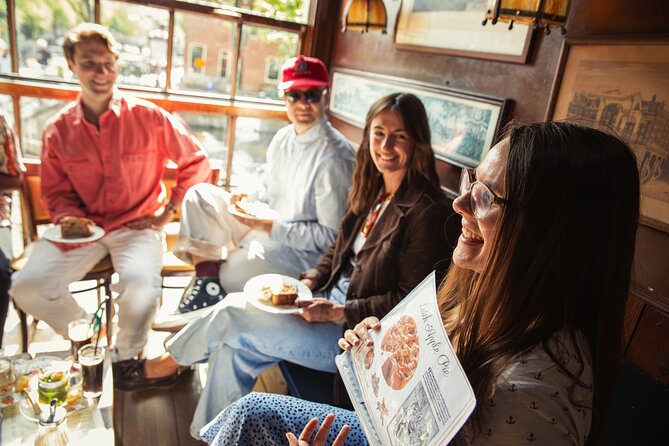
At Pat’s Poffertjes, you get small Dutch pancakes served warm with butter and powdered sugar. Poffertjes are light, soft, and sweet, making this the most child-friendly food stop on the route.
The serving gives you a taste of Dutch fairground and café food without asking you to tackle another unfamiliar ingredient. It also breaks up the savory dishes before the tour moves toward its final café stop.
The portions across the tour are not meant to replace every meal in Amsterdam, but the combined tastings are filling. Several people have described reaching the end feeling well fed. That is worth keeping in mind when planning dinner. You may want a lighter meal afterward rather than booking a large restaurant reservation immediately.
A short pause for Amsterdam’s wartime past
The route includes an exterior view of a significant wartime site. Your guide explains how Amsterdam during World War II affected the city’s people, culture, and food traditions.
Because the tour only views the exterior, this is a brief historical pause rather than a museum visit. Still, it adds emotional weight to the walk. The Jordaan is not just attractive canals and cafés. Its streets also carry difficult memories, and a good guide handles that shift with care.
This portion may feel more serious than the surrounding tastings, but it belongs in the route. Food and city life make more sense when you understand the events that changed the population and the way people lived.
Bitterballen and jenever at Café Dialoog
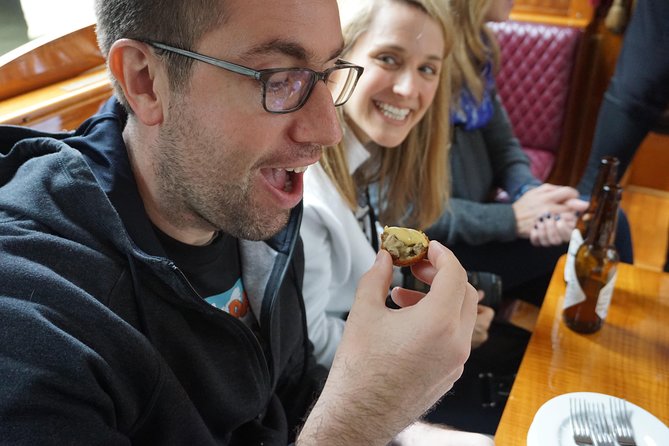
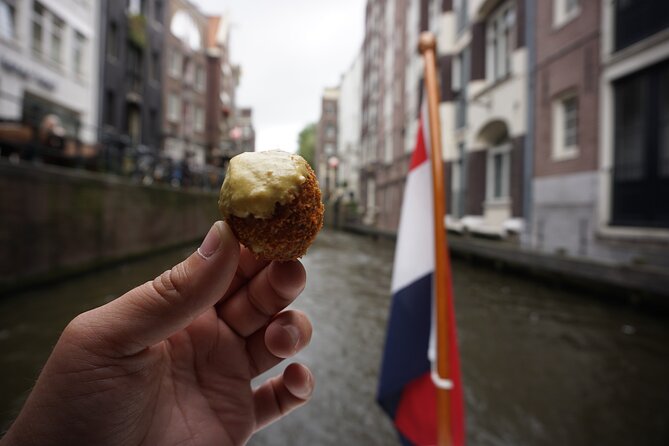
At Café Dialoog, a brown café near Prinsengracht, you try crispy bitterballen with a glass of jenever. Bitterballen are fried Dutch croquettes, usually filled with a savory mixture. Their crisp shell and hot interior make them an easy favorite, even for people who are less impressed by some of the country’s plainer dishes.
Jenever is a traditional Dutch spirit. The serving is small, and it gives you a chance to sample an important part of café culture without committing to a full drink. Extra drinks are not included, so any additional order is at your own expense.
This stop works as the bridge between the walking portion and the boat. By now you have tasted sweet, salty, fried, fermented, and cross-cultural foods. The café gives the group a comfortable place to pause before boarding.
The wooden boat and the one-hour canal ride
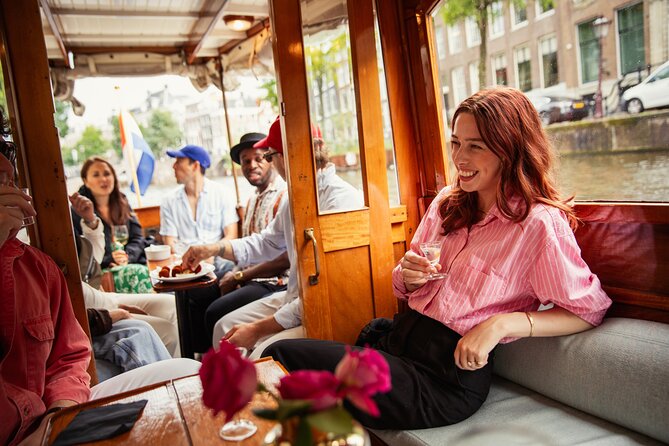
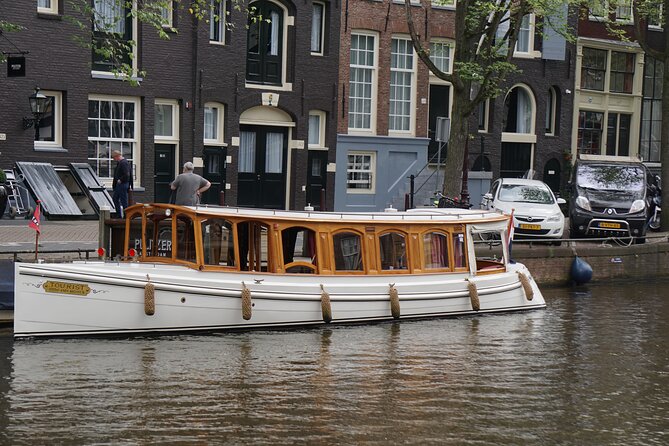
The final stop is a one-hour cruise from Herengracht. You board a vintage wooden saloon boat and travel through Amsterdam’s canals while the guide or skipper explains the city from the water.
This is the most relaxing part of the experience. After about 2.5 hours on foot, sitting down and watching the buildings pass by is welcome. The boat is also a different way to see Amsterdam’s architecture. From street level, you notice façades and bridges. From the canal, you get a broader view of how the city is arranged around its waterways.
Bitterballen and jenever are associated with the boat portion, and some descriptions also mention a liqueur toast. The exact drinks can vary, so do not assume every detail will be identical on every departure.
The boat is charming, but space is limited. One account specifically noted that the quarters can feel tight. The small group helps, yet you should not expect the open space of a large sightseeing vessel.
It is also important to set your expectations correctly. This is a food walk followed by a canal cruise, not a three-hour cruise with occasional food stops. If the boat is your main priority, a dedicated canal tour may suit you better. If you want food, neighborhood walking, and a scenic hour on the water, the combination is appealing.
What the $163.26 price includes
At $163.26 per person, this is not a budget snack crawl. The value depends on how much you want bundled together.
Your price includes all listed food and drink tastings, an English-speaking guide, the walking tour, the canal cruise, and insider tips for the rest of your time in Amsterdam. You are paying for access to several small businesses, a compact history lesson, and a boat ride, not just for the cost of the food itself.
I see the strongest value in the variety. You do not need to plan separate visits to a brown café, fishmonger, cheese stop, catering shop, pancake stand, and canal boat. You also avoid spending time deciding what to order at each place.
The price is harder to justify if you mainly want a long cruise or a formal meal. Food portions are tastings, and the tour moves at a steady pace. Still, the included drinks and full range of stops make it more substantial than a simple pastry walk.
Group discounts are available. The tour is offered in English, and children under four can join free, although their food is not included. Paid tickets with food are available from age four.
Practical advice for a smoother afternoon
Meet at Noordermarkt 48 and finish at Herengracht 124 to 128. These are different parts of the city, so do not plan to return to your starting point immediately afterward without allowing time for the journey.
Arrive at least 15 minutes early. This is not a minor suggestion. The boat must leave on schedule, and missing the departure means you cannot join the tour later.
The maximum group size is 11, though the experience requires at least four people to operate. If the minimum is not reached, the company will offer another date or a refund.
Wear good walking shoes and check the weather before leaving. The tour moves through streets and canals rather than staying indoors. A rain layer can make a wet Amsterdam afternoon much easier.
Tell the company about vegetarian, gluten-free, or other dietary needs when booking. They will try to help, but people with severe or life-threatening food allergies should not rely on this tour for safe food handling.
Free cancellation is available up to 24 hours before the start time. Changes or cancellations inside that window are not refunded.
Who will enjoy this Amsterdam food tour?
I would choose this for a first or second visit to Amsterdam when you want a broad introduction without spending a full day on formal sightseeing. It suits people who enjoy trying small portions, hearing short stories, and walking through a neighborhood with a guide.
It is also a strong choice for couples, families with older children, and solo visitors who like meeting a small group. Several guides have been praised for making introductions, answering questions, and offering suggestions for restaurants, shopping, and sights based on where people are staying.
Food enthusiasts should enjoy the range, but this is not a tour for highly specialized dining. Dutch food can be simple, earthy, and fried. One honest assessment described the food as good and filling rather than extraordinary. That is fair. The appeal is the setting, stories, and variety as much as the individual bites.
I would hesitate if you dislike walking, need complete control over ingredients, or want a long uninterrupted canal ride. I would also avoid scheduling it too close to another large meal.
Should you book Eating Amsterdam?
Book it if you want to taste familiar Dutch standards alongside foods shaped by Amsterdam’s wider culture. The Jordaan walk gives you a feel for daily city life, while the wooden boat provides a calm finish. The best guides, including Paul, Gerard, Elena, Bart, Maddie, and Johanna, add warmth, humor, and useful local advice.
Skip it if the canal cruise is your central goal. Only one hour is spent on the water, and the first 2.5 hours are primarily on foot. For most people seeking a balanced introduction to Amsterdam food and neighborhoods, that division is the strength of the tour, not a flaw.
FAQ
How long does the Eating Amsterdam food tour last?
The experience lasts approximately 3 hours and 30 minutes. About 2.5 hours are spent walking and tasting food, followed by a one-hour canal cruise.
Where does the tour start?
The tour starts at Noordermarkt 48, 1015 NA Amsterdam, Netherlands.
Where does the tour finish?
The tour ends at Herengracht 124 to 128, 1015 BT Amsterdam, Netherlands.
Is the canal cruise included?
Yes. The tour includes a one-hour cruise on a vintage wooden saloon boat.
Is food included in the price?
Yes. The listed food and drink tastings are included. Extra drinks are not included.
What food might I taste?
Possible tastings include apple pie, herring, kibbeling, Gouda cheese, Surinamese roti, poffertjes, bitterballen, and jenever. Stops and offerings can change by season or day.
Is the tour offered in English?
Yes. The tour is offered in English and includes an English-speaking guide.
How large is the group?
The tour has a maximum of 11 travelers.
Can children join the tour?
Children under four can join free, but food is not included for them. Paid tickets with food are available for children aged four and older.
Can dietary requirements be accommodated?
Vegetarian, gluten-free, and other dietary requests may be accommodated if you notify the company by email or add a note when booking. The experience is not suitable for severe or life-threatening food allergies.
How early should I arrive?
Arrive 15 minutes before the scheduled start. The boat departs promptly, and you cannot join after it leaves.
What happens if the minimum group size is not reached?
The tour requires at least four guests. If it is canceled because that number is not reached, you will be offered another date or experience, or receive a full refund.
Just added in Amsterdam
- Private Dutch Food Tour – Eat Like a Local★ 5.0 · 35 reviews
- Devour Amsterdam Ultimate Food Tour★ 5.0 · 26 reviews
- Amsterdam Private Food & Drinks Tour by UNESCO Canals & Jordaan★ 5.0 · 120 reviews
- Amsterdam High-End Dutch Food & History Tour – Up to 8 guests★ 5.0 · 482 reviews
- Amsterdam Food Tour: +10 Tastes, Culture and Canals with Sherpa★ 5.0 · 241 reviews
- Amsterdam’s Market Street Food Tour with Streat Bites★ 5.0 · 398 reviews
- Amsterdam Food Tour of 10+ Local Classic Tastings in Jordaan Area★ 5.0 · 334 reviews
- Private Amsterdam Red Light District and Food Tour (TOP RATED)★ 4.5 · 124 reviews
Amsterdam Food Tours, compared.
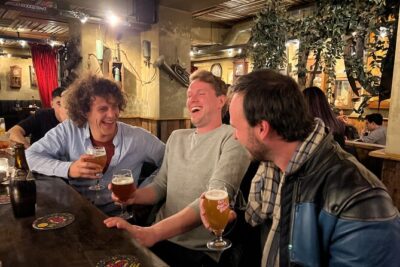
10 Tastes of Amsterdam: Food Tour by UNESCO Canals and Jordaan
Read our review →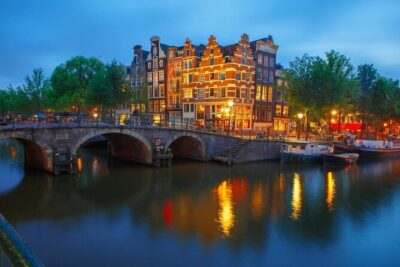
Amsterdam Jordaan Food & Drinks Tour with Eating Europe
Read our review →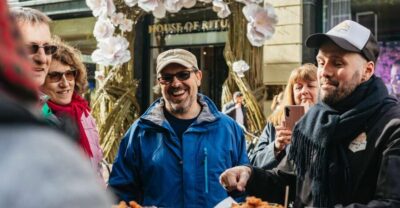
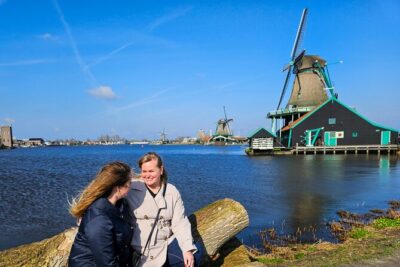
Zaanse Schans and Cheese Tasting Guided Tour from Amsterdam
Read our review →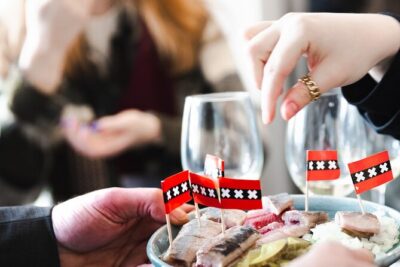
Amsterdam High-End Dutch Food & History Tour – Up to 8 guests
Read our review →
A’DAM LOOKOUT Entry Ticket with Food & Drink Options
Read our review →
Amsterdam’s Market Street Food Tour with Streat Bites
Read our review →
Amsterdam Food Tour of 10+ Local Classic Tastings in Jordaan Area
Read our review →Browse the lists this tour appears in