REVIEW · BANGKOK FOOD TOURS
Flavors of Bangkok: Small-Group Chinatown Evening Food Tour
Come hungry, Chinatown rewards an empty stomach. This four-hour evening walk combines Thai-Chinese food with the sights and stories of one of Bangkok’s oldest communities. I especially like the small maximum of 10 people and the chance to try food from several stalls, restaurants, markets, and shops rather than sitting in one place. The main drawback is dietary: gluten-free, halal, vegan, and vegetarian meals cannot be guaranteed.
The tour begins at Wat Mangkon MRT station at 5:30 p.m., a smart starting point for reaching Yaowarat Road. Guides such as Bella, Katy, Jung, Joker, Ohm, and Thee have earned praise for mixing food with local background, and several have adjusted the pace or choices when diners were getting full. At $104.28 per person, the price is not cheap, but it covers the guide, tastings, and beverages across an entire evening.
Key things to know before booking
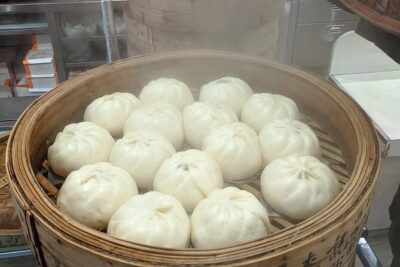
- Expect a full meal, not just a few nibbles: Stops can include dim sum, dumplings, peppered pork noodles, oysters, duck, sticky rice with mango, pastries, and drinks.
- The group is capped at 10 people: That makes it easier to ask questions and tell the guide what you can or cannot eat.
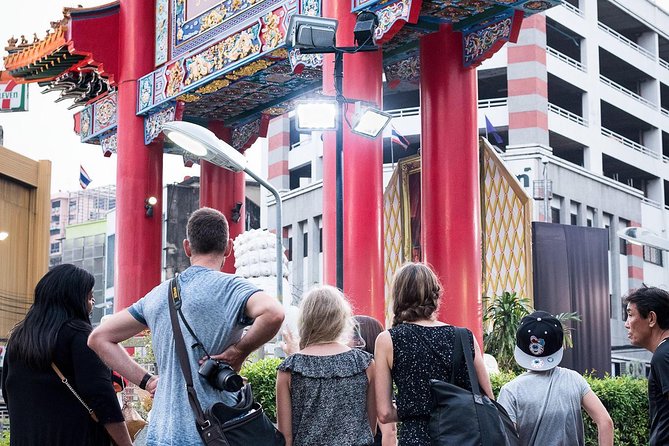
- Wat Mangkon MRT is the meeting point: You will walk from the Chinese community toward Yaowarat Road and the large red Chinese gate.
- The food is Thai-Chinese, not simply familiar Chinese food: Pepper soup, pork neck, chili salad, fried oyster omelets, and local sweets may all appear.
- Wear proper walking shoes: You will move through crowded streets, alleys, markets, and food areas for about four hours.
- Dietary restrictions need serious attention: The operator says gluten-free, halal, vegan, and vegetarian diets cannot be accommodated, even though one vegetarian participant received some help on the night.
Why Bangkok Chinatown works so well after dark
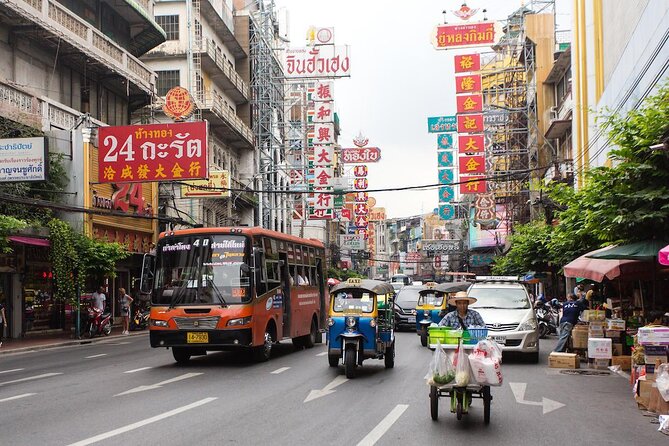
Bangkok’s Chinatown is best understood on foot. The streets around Yaowarat Road are packed with food stalls, restaurants, old shops, markets, signs, cooking smells, and narrow lanes. A guide gives you a useful way through it all, especially when you have only a short time in Bangkok.
The neighborhood has been home to a Thai-Chinese community for more than two centuries. That background matters because the food here reflects more than one tradition. You may recognize Chinese techniques or ingredients, but the flavors and dishes are shaped by Bangkok, local produce, Thai tastes, and family recipes passed down through the area.
I like that the tour does not treat Chinatown as a single restaurant district. You move from small shops to street stalls and older restaurants, tasting a series of dishes in different settings. That variety gives you a better sense of how people eat in the neighborhood.
The evening timing also works in your favor. At 5:30 p.m., you meet as the area is becoming active, then continue into the night when the food scene is at its most atmospheric. You should expect noise, tight spaces, traffic, and plenty of people moving around. This is not a quiet stroll, but that is part of the point.
More Evening Food Tours in Bangkok
- Bangkok Tuk-Tuk Tour by Night with Chinatown Street Food Meal
★ 5.0 · 635 reviews - Bangkok by Night Food Tour with 10+ Tastings in Chinatown
★ 5.0 · 545 reviews - Bangkok: E-Scooter Night Tour with Local Street Food
★ 4.8 · 488 reviews
Starting at Wat Mangkon MRT station
The meeting point is Wat Mangkon MRT station, at 530 Charoen Krung Road. It is described as the nearest station to Yaowarat Road, so the start is practical if you are using Bangkok’s public transport.
You meet your guide at 5:30 p.m. and begin by walking through the Chinese community. The first part lasts about an hour and includes two or three Thai-Chinese foods, with both savory and sweet items likely to appear.
This opening section is useful for getting your bearings. Instead of being dropped directly into the loudest part of Yaowarat Road, you start with a guided look at the surrounding community. Your guide can explain how the area developed and point out the connection between the neighborhood’s past and its food.
Guide quality is important here. Bella has been praised for combining food, history, photos, and conversation. Katy has been singled out for making personal recommendations and paying attention to individual tastes. Other guides named during the experience include Jung, Joker, Woody, Ohm, Jah, Pax, and Thee.
That list does not mean you can request a particular guide. It does show that the experience has been handled by several guides with different styles. Some are described as warm and funny, while one guide was also a chef by training. The best results seem to come when you tell your guide early what you like, what you avoid, and how adventurous you feel.
The red Chinese gate and the route into Yaowarat
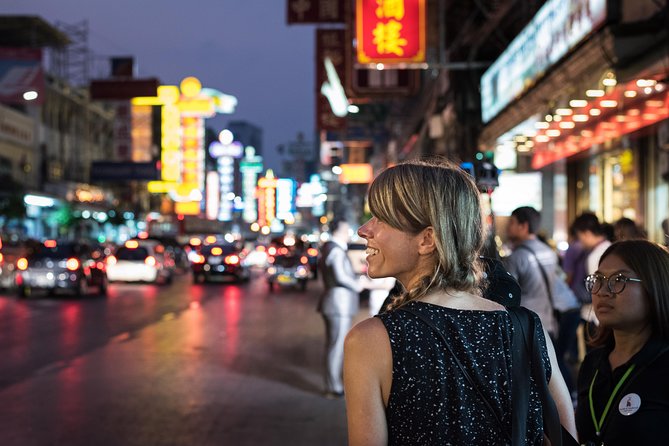
One of the route’s visual markers is the large red Chinese architectural gate on Mittaphap Thai-China Road. It provides a clear sense of arrival as you move toward Bangkok Chinatown and Yaowarat Road.
The gate is not treated as a separate attraction with an extended visit. Instead, it forms part of the walking route and helps connect the neighborhood’s Chinese identity with the food stops ahead. Your guide may pause to explain the area before leading you onward.
This is where the tour becomes more than a meal. You are walking through a district with layers of community life, commerce, and food traditions. A guide can point out places you might pass without noticing, including small eating spots and restaurants that are easy to miss when you are focused on the main road.
The route may feel crowded. You will need to keep moving with the group and watch your footing around busy food areas. Strollers are not allowed, and comfortable walking shoes are strongly recommended. If you dislike close crowds or long periods on your feet, this is a point to consider before paying.
What you may eat along Yaowarat Road
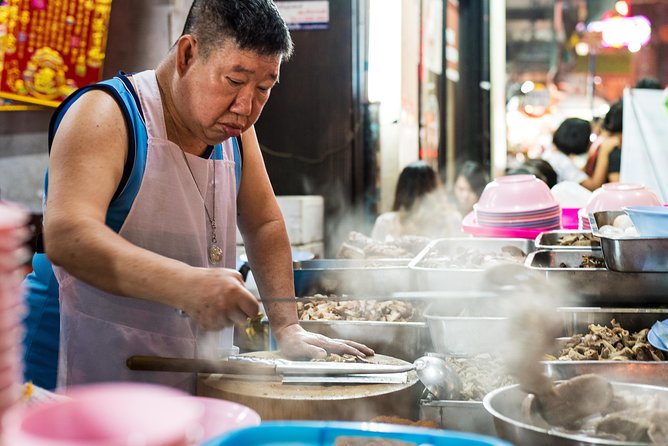
The second main section takes you along Yaowarat Road for about an hour and a half, with several Thai-Chinese tastings. The exact menu changes because vendors, seasons, and unexpected circumstances can affect what is available.
Possible dishes include dim sum, dumplings, peppered pork noodle soup, coconut drinks, pastries, fried oysters, duck, pork, chicken, rice, sticky rice with mango, and a hot ginger drink. Some participants have also enjoyed pork neck with chili salad and pepper soup.
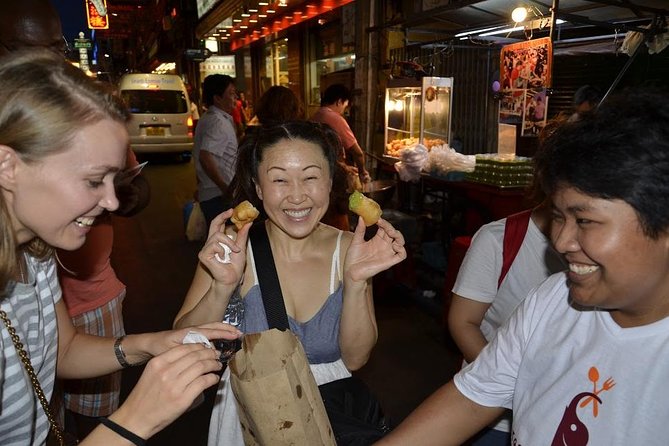
The range is the real strength. You are not simply tasting one famous Chinatown dish and calling it a night. You might move from something savory and peppery to a sweet dessert, then finish with a warm drink. Several stops can add up to the equivalent of a satisfying meal, so you should arrive genuinely hungry.
The food may not match your idea of standard Chinese cuisine. One important point from the experience is that the dishes can feel distinctly Thai-Chinese, with flavors and combinations that differ from what you might order in a Chinese restaurant at home. That can be a pleasant surprise if you want local food rather than familiar dishes.
I would also avoid planning a large dinner afterward. Some groups have visited seven or eight food places and ended the night completely full. The guide may adjust the final choices if everyone needs something lighter, but you should still pace yourself from the first stop.
More Evening Food Tours in Thailand
- Bangkok Tuk-Tuk by Night with Chinatown Street Food Meal
★ 4.6 · 263 reviews - Bangkok Food Tour By Night
★ 5.0 · 241 reviews - Bangkok Tuk Tuk Food Tour By Night
★ 5.0 · 198 reviews - Bangkok Evening Food Tour by Tuktuk
★ 5.0 · 86 reviews
Why the small group matters
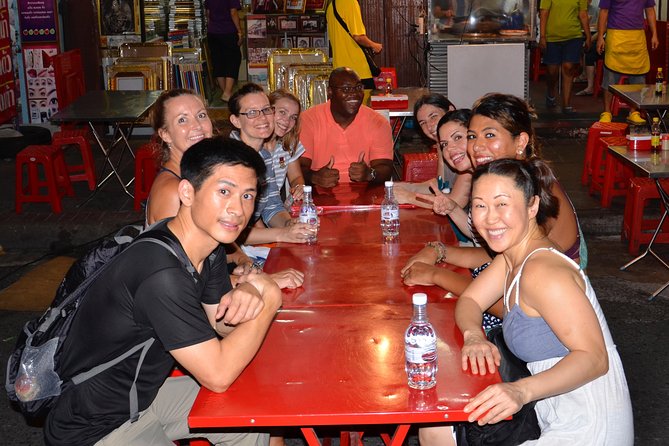
The maximum group size is 10 people. That is a useful limit in an area where a large group would be awkward, especially when stopping at small food venues or walking through narrow streets.
A small group also gives you a better chance to speak with the guide. You can ask why a particular dish matters, how an ingredient is used, or where the group is heading next. If you are unsure about trying something, you can explain your concern without shouting across a large crowd.
The guide can also respond to the group’s appetite. One group was offered lighter food toward the end because everyone was filling up. Another guide balanced different needs across seven people and encouraged someone to try tofu. That kind of flexibility is valuable, but it depends on what the vendors have available and what the guide can arrange.
In some cases, a booking may have only two people, creating an almost private walk. That is not something you should count on, but a small booking can make the evening feel more personal.
Is $104.28 good value?
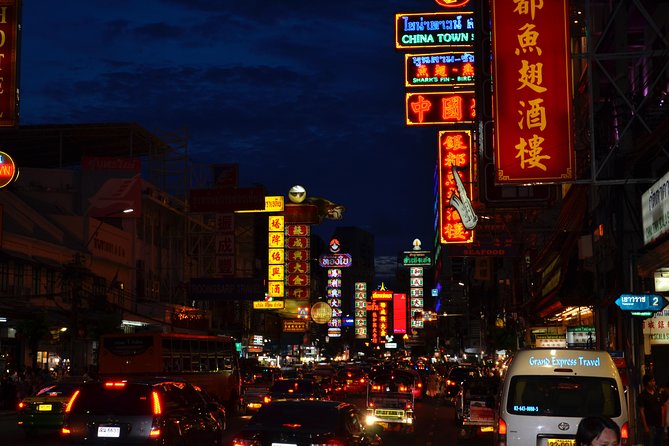
At $104.28 per person, this is priced above a casual self-guided street-food evening. You are paying for access, structure, transport-free local orientation, a professional guide, and a series of tastings and beverages.
The value depends on how you would otherwise spend your evening. If you already know Chinatown well and are comfortable choosing stalls on your own, you can certainly eat for less. You would not, however, receive the same help finding the stops, understanding the neighborhood, or managing a meal across several locations.
The price makes more sense if you have only one or two nights in Bangkok, feel uncertain about ordering local food, or want a guide to connect the dishes with the Chinese community’s story. It is also useful for a first evening in the district because you can return later to places or dishes you particularly enjoyed.
Food and beverages are included, as is the guide. Hotel pickup and drop-off are not included, so you need to reach Wat Mangkon yourself and arrange your own way afterward. The tour ends at Wat Mangkon according to the meeting details, placing you near public transportation.
Dietary restrictions and comfort
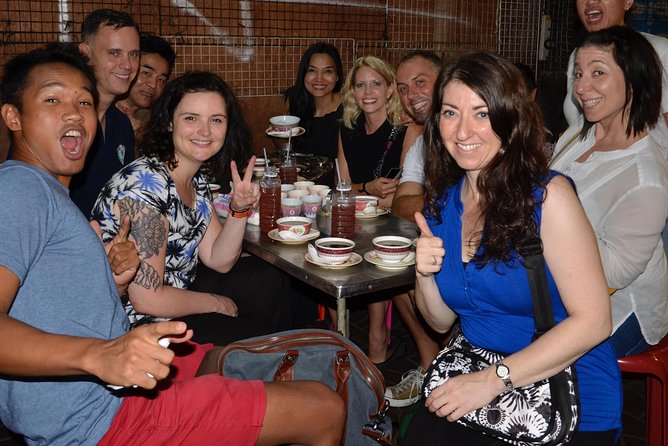
This is the most important caution. The operator states that gluten-free, halal, vegan, and vegetarian diets cannot be accommodated. You should provide dietary information when booking, but you should not assume that doing so guarantees suitable food.
One vegetarian participant received enough help to enjoy the evening, yet another vegetarian had a much smaller experience and felt the limitation should have been clearer. The practical advice is simple: if your diet is strict, this tour is a poor choice unless the provider confirms your needs directly before booking.
The food can include pork, chicken, duck, oysters, and other animal products. Tell the guide what you will not eat at the start. A good guide may help you make sensible choices, but substitutions are not promised.
Most people can take part, and the minimum age is six. You will be walking for several hours, so the experience is better for anyone comfortable standing and moving through crowded streets. Strollers are not permitted.
Weather, substitutions, and the right expectations
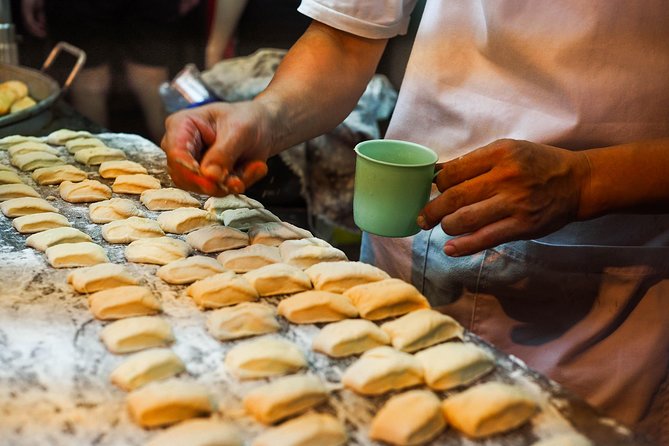
The venues and dishes can change because of seasonal conditions or unexpected circumstances. You may not receive every item listed as a possibility, and a favorite shop could be replaced by another stop.
That flexibility is normal for a food walk. The value is in trying a range of local food with guidance, not in receiving a fixed restaurant-style menu. If you need a precise list of dishes, this experience may frustrate you.
Rain can also affect the evening. One guide bought rain gear for participants during a wet night, which shows useful on-the-ground care, but you should still dress for Bangkok’s changeable weather. Comfortable shoes matter more than smart clothes.
The tour is mobile-ticket friendly, and confirmation is provided when you book. Free cancellation is available if you cancel at least 24 hours before the start time. Changes or cancellations inside that window are not accepted for a refund.
Who should book this Chinatown food walk?
I would recommend it to you if you:
- Want a guided introduction to Bangkok Chinatown at night
- Prefer many small tastings to one long restaurant meal
- Enjoy walking and trying unfamiliar food
- Have limited time in Bangkok
- Want local background without booking a large coach tour
- Feel more confident ordering with a guide nearby
I would think twice if you need strict vegetarian, vegan, halal, or gluten-free food. I would also skip it if long walks, crowded streets, or changing menus are not your style.
The strongest part of the experience is the combination of food and navigation. You are not just being handed dishes. You are being led through an area that can be confusing at first, with someone explaining what you are seeing and helping you decide what to try.
Should you book it?
Book this tour if you want a filling, social evening that introduces you to the food and story of Bangkok’s Chinatown without making you plan every stop yourself. The small group, the range of tastings, and the guides’ personal attention give it real value for a first visit or a short stay.
Skip it if you expect a fixed menu, familiar Chinese food, or reliable accommodation for dietary restrictions. For everyone else, arrive at Wat Mangkon hungry, wear shoes made for walking, and treat the menu as part of the adventure.
FAQ
Where does the Bangkok Chinatown food tour begin?
The tour begins at Wat Mangkon MRT station, at 530 Charoen Krung Road in Samphanthawong, Bangkok.
What time does the tour start?
The evening tour starts at 5:30 p.m.
How long does the experience last?
The tour lasts approximately four hours.
How many people can join the tour?
The group is limited to a maximum of 10 participants.
What food might be included?
Possible tastings include dim sum, dumplings, peppered pork noodles, coconut drinks, pork, chicken, oysters, rice, sticky rice with mango, pastries, fried oyster omelets, duck, and hot ginger drinks. The exact food can change.
Are vegetarian, vegan, halal, or gluten-free diets accommodated?
The tour information states that gluten-free, halal, vegan, and vegetarian diets cannot be accommodated. You should provide dietary requirements when booking, but suitable food is not guaranteed.
Is hotel pickup included?
No. Hotel pickup and drop-off are not included. You need to reach Wat Mangkon MRT station independently, and the tour ends at the listed meeting point.
More evening experiences in Bangkok
- Night Street Food Tour of Bangkok’s Chinatown
★ 5.0 · 173 reviews - Bangkok Night Food Tour By Tuk Tuk
★ 5.0 · 75 reviews - Bangkok: Street Food Tasting Tour at Night
★ 4.4 · 48 reviews - Bangkok: Highlights with Food Tour & Sunset in Wat Arun
★ 4.9 · 28 reviews
More Chinatown food tours in Bangkok
- Bangkok Authentic Tasting Thai-Chinatown Walking Food Tour
★ 4.9 · 852 reviews - Bangkok: Tuk Tuk Adventure Chinatown Michelin Food & Temples
★ 4.3 · 725 reviews - Bangkok: Chinatown Food Tour with Michelin Food Stalls
★ 4.8 · 226 reviews - Bangkok Night Michelin Foodie Tour in Chinatown with 15+ tastings
★ 5.0 · 189 reviews
Just added in Bangkok
- Bangkok Tuk Tuk Food Tour By Night★ 5.0 · 198 reviews
- Bangkok 3-in-1 Tour: Longtail Boat,TukTuk & Street Food Adventure★ 5.0 · 73 reviews
- Train & Floating Market Food Adventure + Scenic train ride★ 5.0 · 102 reviews
- Private Tuktuk Authentic Food Tour (Chinatown-Flower Market)★ 5.0 · 75 reviews
- 4-Hour Hidden Bangkok TukTuk Street Food Guided Tour★ 5.0 · 23 reviews
- Authentic Street Food Tour in China Town Bangkok★ 5.0 · 25 reviews
- Timeless Thonburi Canal and Food Tour★ 5.0 · 31 reviews
- Must-Try: Hidden Bangkok Bike and Food Tour★ 5.0 · 455 reviews
Chinatown Food Tours, compared.
Chinatown & Little Italy Food Tour with 7 Flavorful Tastings
Read our review →
Original NYC Guided Food Tour of Chinatown and Little Italy
Read our review →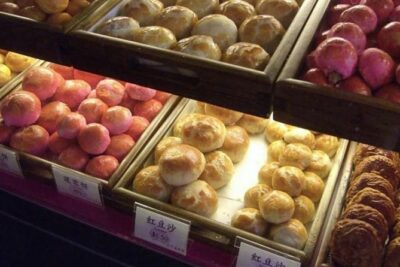
Chinatown & North BeachLittle Italy: 7 Tastings & History
Read our review →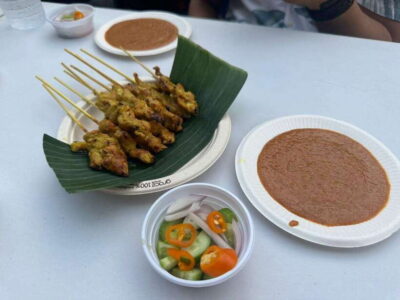
Bangkok Authentic Tasting Thai-Chinatown Walking Food Tour
Read our review →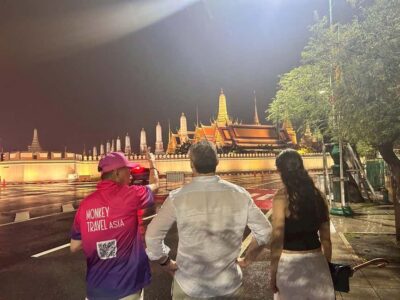
Tuk Tuk Adventure Chinatown Michelin Food & Temples
Read our review →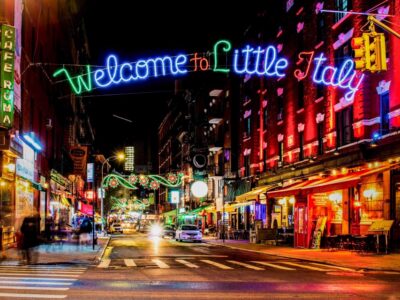

Bangkok Tuk-Tuk Tour by Night with Chinatown Street Food Meal
Read our review →