
REVIEW · AMSTERDAM FOOD TOURS
Guided Walking Street Food Tour of De Pijp & Beyond
Come hungry, leave oriented. This four to five-hour walk pairs Amsterdam street food with everyday neighborhood life, moving from Albert Cuyp Market into De Pijp’s small shops and eateries. I like the focus on family-run businesses and the chance to try at least seven foods plus drinks. I also like the small group, capped at eight people, which gives the guide room to adjust the pace and keep the outing social.
The main consideration is the price: $155.68 per person is a serious spend for a walking meal. You are paying for a half-day of food, guiding, local context, and several tastings, not simply a plate of lunch. If you prefer to choose your own restaurants or do not eat a wide range of foods, you may find the cost harder to justify.
Key points at a glance
- Seven or more tastings: Expect Dutch favorites such as herring, kroket, poffertjes, stroopwafels, and fries, along with Indonesian, Surinamese, and newer international foods.
- Albert Cuyp Market first: The tour begins at Amsterdam’s best-known street market, where family businesses and market vendors provide the opening bites.
- Three hours in De Pijp: Most of the experience takes place in this local neighborhood, with stops at small toko shops, eateries, and food businesses.
- A social group of eight maximum: The limited size suits people who prefer conversation and a more personal pace.
- Guides who shape the mood: Sharmain earned praise for lively banter and reading the group well, while Sara was praised for connecting food with history.
- A practical Amsterdam introduction: Walking, eating, and hearing about ordinary life can help you understand the city faster than a sightseeing route alone.
Why this food walk works so well
Amsterdam is easy to admire from a canal boat, but food often gives you a better sense of how the city lives. This tour uses De Pijp as a kind of open-air dining room. You walk short stretches, stop for a bite, hear where it fits into local life, then continue through the neighborhood.
I like that the food is not limited to the familiar Dutch trio of cheese, pancakes, and stroopwafels. The plan includes Indonesian and Surinamese flavors, Japanese sandos, pastries, and snacks from Dutch vendors. That mix reflects the everyday food culture you can find in Amsterdam, rather than presenting a narrow postcard version of the country.
The tone also matters. A food walk can feel stiff if the guide recites facts while everyone stares at the next snack. Sharmain was praised for good banter and for reading the group’s mood. Sara received similar praise for making the food meaningful through historical context. Those details suggest a tour that depends heavily on the guide’s personality, but the feedback points to two guides who know how to keep a small group involved.
The tour begins at 11:00 a.m. and lasts around four to five hours. That timing gives you a substantial meal spread before dinner, so plan to eat lightly beforehand. You do not need to rush from one landmark to another, but you should be comfortable walking and spending much of the day on your feet.
More street food tours in Amsterdam:
- Amsterdam’s Market Street Food Tour with Streat Bites
★ 5.0 · 398 reviews - Ho Chi Minh City Street Food Tour & Sightseeing By Motorbike
★ 5.0 · 9,413 reviews - Naples: Street Food Walking Tour with Local Guide
★ 4.9 · 4,976 reviews
Starting at Albert Cuyp Market
The meeting point is Albert Cuypstraat 75, Amsterdam 1072 CN. This puts you right by Albert Cuyp Market, a useful place to begin because the market immediately gives you a sense of De Pijp’s character.
The market is the largest part of the opening section, which lasts about 45 minutes. You visit small family businesses, longtime vendors, and newer food entrepreneurs. That mixture is important. You are not being sent only to the most polished stalls. The route includes places that have served local residents for years, along with newer operators adding fresh ideas.
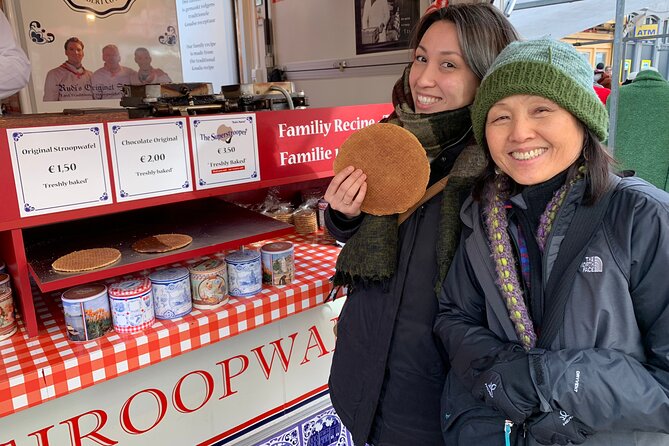
The food here can include herring, broodje pom, kroket, and stroopwafels. These cover several sides of Dutch and Amsterdam food culture. Herring is a classic local taste, while a kroket gives you a crisp, savory snack familiar from Dutch snack bars. A stroopwafel brings the sweet finish, with syrup between thin waffles.
Broodje pom adds a Surinamese note. It is a filled bread built around pom, a Surinamese dish made with grated root vegetables and seasoned chicken. The exact preparation and serving may vary, but it gives the tour a chance to show how Amsterdam’s food culture reaches beyond traditional Dutch dishes.
You may also encounter Indonesian or Japanese influences around the market. The point is not to turn the stop into a checklist of national cuisines. It is to show you that a short walk in Amsterdam can cross several food traditions without leaving one neighborhood.
The market can be lively, and the narrow passages may feel busy. That is part of the setting, but it also means you will not have a calm sit-down meal at every stop. Think of this section as a series of tastes and conversations rather than a restaurant lunch.
Three hours through De Pijp
After Albert Cuyp Market, the tour spends about three hours in De Pijp. This is where the outing shifts from a famous market to the smaller streets and local businesses that give the district its personality.
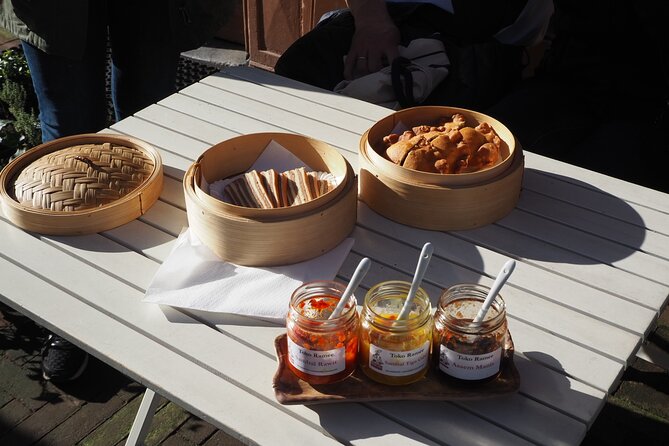
De Pijp is known for narrow streets, independent shops, small eateries, and a mix of cultures. Here, you visit local toko shops, Dutch snack spots, and newer international food businesses. A toko is often a small grocery store or eatery linked to Indonesian or Surinamese cooking, with Asian food products and ready-to-eat dishes.
For you, the value is the variety. One stop might introduce a familiar Dutch snack, while the next brings a flavor you may not have tried before. The guide can explain what you are eating and how it connects to the neighborhood, which makes the food easier to remember than a random snack bought alone.
Possible foods include herring, fries, kroket, poffertjes, and stroopwafels. Poffertjes are small, soft Dutch pancakes, usually served as a sweet snack. Fries and kroket offer a more casual side of Dutch eating, while herring and stroopwafels give you two widely recognized local tastes.
Japanese sandos add a newer note. These are Japanese-style sandwiches, often known for soft bread and carefully prepared fillings. The tour description does not promise a specific filling, so you should treat this as an example of the newer international food businesses included along the route.
Three hours is a long time for one neighborhood, but that is also what separates this from a quick market sampling. You have time to notice how the streets change, compare different kinds of shops, and hear about daily life in Amsterdam. The tradeoff is that anyone hoping for a fast, tightly packed sightseeing program may find the pace too food-focused.
The food list, and what you are really paying for
At least seven local street foods and several drinks are included. That is a substantial amount of tasting for a walking tour, though the information does not specify the exact menu, portion sizes, or drink selection. You should think of the servings as a progression of samples rather than seven full meals.
The price of $155.68 includes more than the ingredients. You are paying for the guide’s time, the route through small businesses, explanations about Dutch and international food, and the convenience of having the stops chosen for you. A good guide also saves you from spending your own time guessing which market stall or toko is worth trying.
Still, value depends on your habits. If you enjoy food tours and would normally buy several snacks, the total can make sense. If you eat little, avoid herring or meat, or prefer independent wandering, the price may feel high. The experience is best for someone who wants food to lead the way and enjoys trying several small portions.
I would also leave room in your stomach. Seven tastings plus drinks can add up, even if each serving is modest. A light breakfast is the sensible plan, and you may not need a large lunch afterward.
A few more food tours in Amsterdam worth a look
- Zaanse Schans and Cheese Tasting Guided Tour from Amsterdam
★ 4.0 · 661 reviews - Amsterdam: Guided Cultural Food Tour in English or German
★ 4.9 · 137 reviews - Top 10 Tastings of Amsterdam: Guided Walking Food Tour
★ 4.8 · 61 reviews - Amsterdam: Guided Food Tour with Tastings
★ 4.9 · 49 reviews
A small group changes the experience
The maximum group size is eight people. That is one of the strongest practical features here. A guide can speak to everyone without shouting, and you have a better chance to ask questions about ingredients, customs, and the neighborhood.
A small group can also make the outing feel more like a shared meal than a scheduled transfer between stops. The positive feedback about Sharmain’s banter is useful here. Good group chemistry matters on a four to five-hour walk, and a guide who can read the room can keep the conversation enjoyable without forcing it.
Sara’s praised approach offers another clue. Her strength was connecting food with history. That is the kind of explanation that gives a snack some meaning. You learn not only what something is, but why it appears in Amsterdam’s food culture and how different communities have shaped what people eat.
The social side is not a guarantee, of course. Your group may be quiet, chatty, adventurous, or cautious. The small size gives the guide more control, but it cannot determine the mood of every group.
Walking, timing, and practical comfort
The tour is offered in English and uses a mobile ticket. It begins at 11:00 a.m. at Albert Cuypstraat 75 and ends at a different location. The exact end point is not supplied, so you should avoid booking a tight appointment immediately afterward.
The route stays around Albert Cuyp Market and De Pijp and is described as a walking experience. Most people can take part, and the activity is near public transportation. Service animals are allowed. The information does not provide a precise walking distance, seating plan, or details about restroom access, so you should be prepared for a mostly active outing.
Wear comfortable shoes. De Pijp is best experienced at street level, where the route can turn down narrow lanes and pause at small businesses. You will get more from the tour if you are willing to keep moving, stand for some tastings, and accept that market food is not always served with a chair and a table.
The tour is offered in English, which makes the guide’s explanations central to the experience. If you want a fully independent food crawl, this format may feel structured. If you want someone else to organize the route and explain what you are tasting, that structure is helpful.
Who should book this Amsterdam food tour?
I would recommend it to first-time visitors who want an introduction to Amsterdam beyond canals and major museums. It is also a good match for people who enjoy small businesses, mixed food traditions, and conversation with a guide.
Food-minded couples and small groups should find the format especially appealing. The limited group size makes it easier to share opinions about each tasting, and the long De Pijp section gives you time to ask questions rather than simply follow a flag.
You should also consider it if you want to support independent businesses. The route is built around family shops, market sellers, local toko businesses, and newer food entrepreneurs. That gives your spending a more direct connection to the neighborhood than a meal at an international chain.
This may not be right for you if you need a precise menu in advance. The foods are varied, and the information does not list substitutions or dietary arrangements. It may also be a poor fit if you dislike walking, prefer formal meals, or want a short activity under two hours.
Booking and cancellation details
The tour is often reserved about 34 days ahead, so booking early is sensible if your Amsterdam dates are fixed. Confirmation arrives within 48 hours, subject to availability.
You can cancel for a full refund up to 24 hours before the start time. Changes or cancellations made less than 24 hours before the local start time are not accepted for a refund. The tour also requires a minimum number of participants. If that minimum is not reached and the activity is canceled, you are offered another date or experience, or a full refund.
My verdict: a strong choice for food-curious visitors
I like this tour because it treats food as a way to understand Amsterdam, not just as a series of snacks. Albert Cuyp Market provides the famous starting point, while the longer walk through De Pijp takes you into smaller businesses and a broader mix of Dutch, Indonesian, Surinamese, Japanese, and international tastes.
The high rating of 4.9 from 57 reviews and the 96 percent recommendation rate support the idea that the experience delivers on its social and food-focused promise. The strongest praise centers on the guides: Sharmain’s easy banter and Sara’s ability to link food with history. Those are exactly the qualities that can turn a long walking tour into a highlight.
Book it if you want at least seven tastings, local context, and a small group that moves at a relaxed pace. Skip it if $155.68 feels too steep for samples or if you need a fixed menu and a guaranteed endpoint. For the right eater, this is a useful, flavorful way to get your bearings in De Pijp and see how Amsterdam’s food culture works at street level.
FAQ
Where does the tour begin?
It begins at Albert Cuypstraat 75, 1072 CN Amsterdam, at 11:00 a.m.
How long does the experience last?
The walking tour lasts approximately four to five hours.
Where does the tour finish?
It ends at a different location from the meeting point. The exact end point is not specified in the available information.
How many people can join the tour?
The group has a maximum of eight participants.
What food can I expect to try?
The tour includes at least seven local street foods and several drinks. Possible foods include herring, broodje pom, kroket, fries, poffertjes, stroopwafels, and Japanese sandos, along with Indonesian and Surinamese specialties.
Can I cancel for a full refund?
Yes. You can cancel at least 24 hours before the experience start time for a full refund. Cancellations or changes made less than 24 hours before the start time are not accepted for a refund.
Just added in Amsterdam
- Private Dutch Food Tour – Eat Like a Local★ 5.0 · 35 reviews
- Devour Amsterdam Ultimate Food Tour★ 5.0 · 26 reviews
- Amsterdam Private Food & Drinks Tour by UNESCO Canals & Jordaan★ 5.0 · 120 reviews
- Amsterdam High-End Dutch Food & History Tour – Up to 8 guests★ 5.0 · 482 reviews
- Amsterdam Food Tour of 10+ Local Classic Tastings in Jordaan Area★ 5.0 · 334 reviews
- Amsterdam Food Tour: +10 Tastes, Culture and Canals with Sherpa★ 5.0 · 241 reviews
- Amsterdam’s Market Street Food Tour with Streat Bites★ 5.0 · 398 reviews
- Eating Amsterdam: Albert Cuyp Market & The Pijp Food Tour★ 5.0 · 102 reviews
Street Food Tours, compared.
Ho Chi Minh City Street Food Tour & Sightseeing By Motorbike
Read our review →
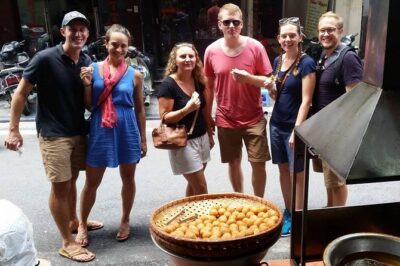
Small Group Hanoi Street Food Tour with a Real Foodie
Read our review →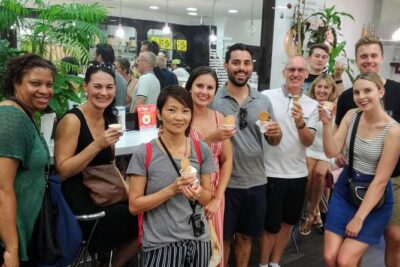
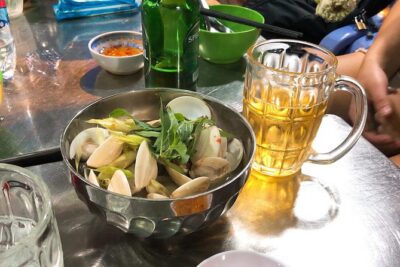
Saigon By Night and Street Food By Motorbike | Opt: Ao Dai Riders
Read our review →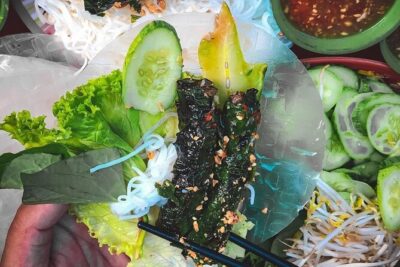
Private Street Food Tour by Motorbike/Car with Local Students
Read our review →
Cinque Terre Park Day Trip with Optional Street Food
Read our review →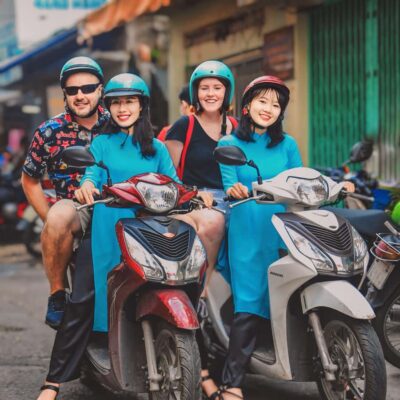
Street Food Tasting & Sightseeing Tour by Motorbike
Read our review →Browse the lists this tour appears in