
REVIEW · INDIA FOOD TOURS
Heritage Walk & Street Food Tasting in Jaipur
Jaipur tastes better from the back streets. This three-hour walk combines local snacks with old-city architecture, artisan workshops, temples, markets, and stories that help you see the Pink City as a living place rather than a collection of monuments. I especially like the small-group limit of 10 and the way the guides lead you into lanes you would probably miss on your own. The price, $21 per person, is also fair for the amount of food and guiding included.
The main consideration is that this is a walking tour, not a seated food experience. You need comfortable shoes, modest clothing for temple visits, and enough flexibility for crowded lanes and changing weather. Some food arrives in quick stops at local shops, so the pace may feel active if you prefer long meals.
Key points to know before you book
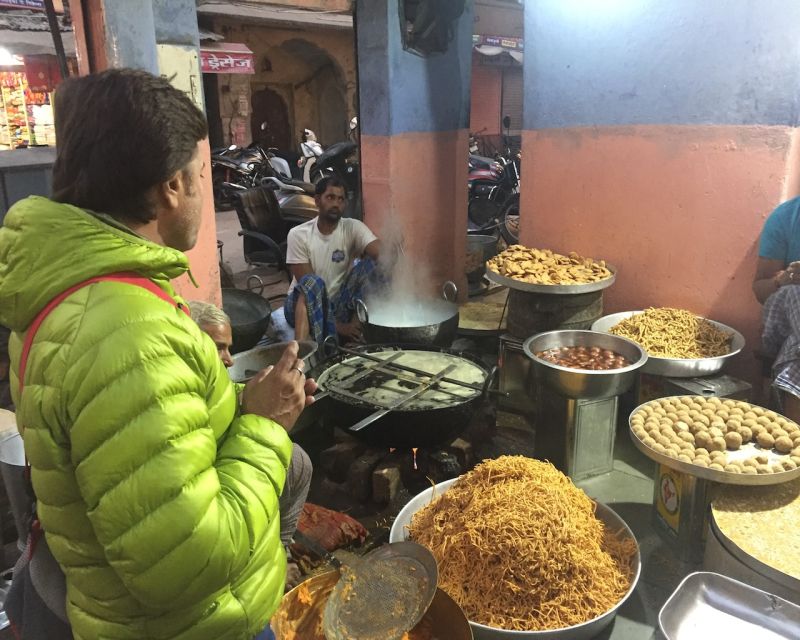
- About 15 food samples are possible: Expect samosa, kachori, sweets, masala chai, and other local bites, depending on the route and appetite.
- The route leaves the main lanes: You visit smaller gullies, artisan areas, markets, temples, and streets away from the usual sightseeing path.
- The guides are a major strength: Vivek, Raj, Kumar, Pushpendra, and other local guides are praised for clear explanations, warmth, patience, and care.
- The tour covers more than food: You learn about Jaipur’s city plan, royal connections, entry gates, religious customs, trades, and neighborhood life.
- It begins at Golcha Cinema: The walk continues through Chaura Rasta, Badi Chaupar, Tripolia Bazar, and Chhoti Chaupar.
- Come hungry, but pace yourself: The food can be plentiful, and one past participant found that too many sweets early in the route made later savory dishes harder to enjoy.
Why this Jaipur food walk is worth your time
Jaipur is easy to visit as a parade of major sights: City Palace, Jantar Mantar, Hawa Mahal, and the Amber Fort area. Those places matter, but they do not fully explain how the old city works day to day. This walk fills in that missing part through food, trade, religion, architecture, and ordinary neighborhood life.
I like the way the experience links each snack to the city around it. A samosa is not just something to eat between sights. A tea stop becomes a chance to watch local routines. A visit to a metalworking street introduces you to a long-standing craft community. A temple visit gives you a reason to discuss local customs and respectful behavior.
The tour is led in English by a local cultural walk guide. Vivek receives especially strong praise for his easy manner, local connections, patience, and ability to adjust the pace. Other tours have been led by Raj, Kumar, Pushpendra, and Sam. The names may vary with the date, but the important point is the local perspective. You are not simply being marched from one snack counter to another.
The guides also seem willing to answer ordinary questions about Jaipur. That matters in India, where a short walk can raise questions about religion, food preparation, street commerce, family businesses, architecture, and how the city’s old quarters are organized.
More Street Food Tours in India
- Mumbai: Street Food and Night Markets Tour
★ 4.9 · 719 reviews - Old Delhi Street Food Tour
★ 5.0 · 497 reviews - Delhi: Old Delhi Street Food Tour with Rickshaw Ride
★ 4.9 · 403 reviews
Starting at Golcha Cinema and entering Chaura Rasta
The meeting point is at the entry gate of Golcha Cinema. From there, the route begins in the old city and moves toward Chaura Rasta, one of the main areas included in the first section of the walk.
Chaura Rasta gives you an early look at Jaipur’s commercial character. The first 45 minutes combine walking, tea, street food, and commentary. This is a useful opening because you begin with familiar flavors while getting oriented to the city’s layout.
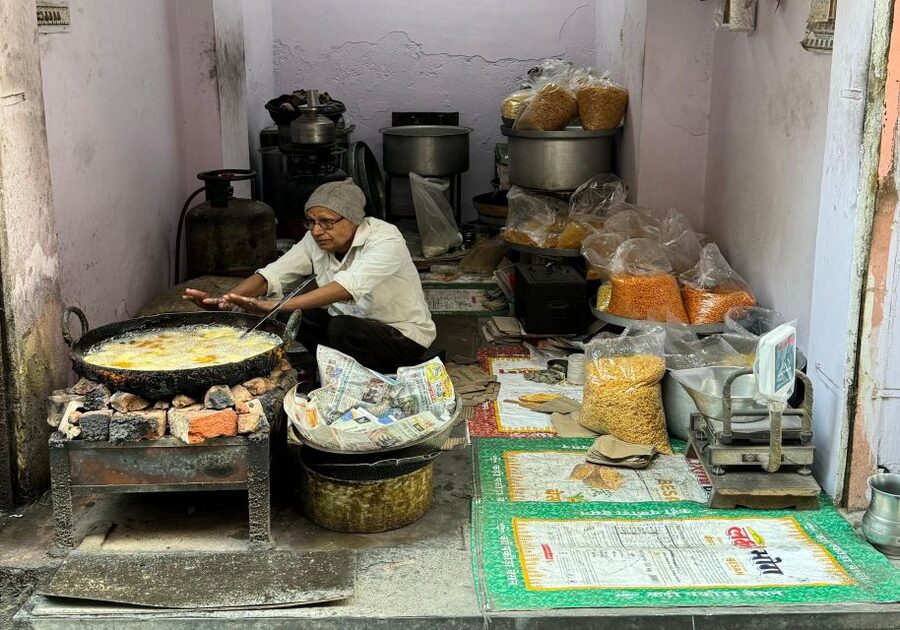
Your guide may introduce you to masala chai at a local tea shop, along with early savory snacks. Samosa and kachori are central to the experience. Kachori is especially worth trying with guidance, since the filling, texture, and accompaniments can differ from what you may have tasted elsewhere in India.
This is also where you can ask practical food questions. If you have a low tolerance for spice or a sensitive stomach, tell your guide at the start. One participant with very low spice tolerance and IBS found the food manageable, but that should not be treated as a guarantee for every person. Your own dietary needs remain your responsibility.
Badi Chaupar, tea, snacks, and city views
The next 45-minute section takes you toward Badi Chaupar. The stop combines tea, local snacks, food tasting, and views along the route. Badi Chaupar is one of the old city’s major open squares, so it helps you understand how Jaipur’s planned streets connect with its market districts.
The city is known for its geometric layout, and the guide explains the purpose of the entry gates and the organization of the historic quarters. This gives the walk a useful sense of direction. Instead of seeing a series of unrelated alleys, you begin to understand how the old city was designed and how those plans still shape movement and trade.
Food is served in small portions across several stops rather than as one formal meal. Some participants tried around 15 items at roughly six stops and finished quite full. That makes the $21 price attractive, especially since the fee includes the listed food, a bottle of water, and the walking guide.
Still, do not assume that every tour will deliver exactly 15 separate dishes. The food selection can depend on the day, the stops, the group, and how quickly people eat. It is safest to think of the tour as a generous tasting route, not a fixed restaurant menu.
Tripolia Bazar and the working old city
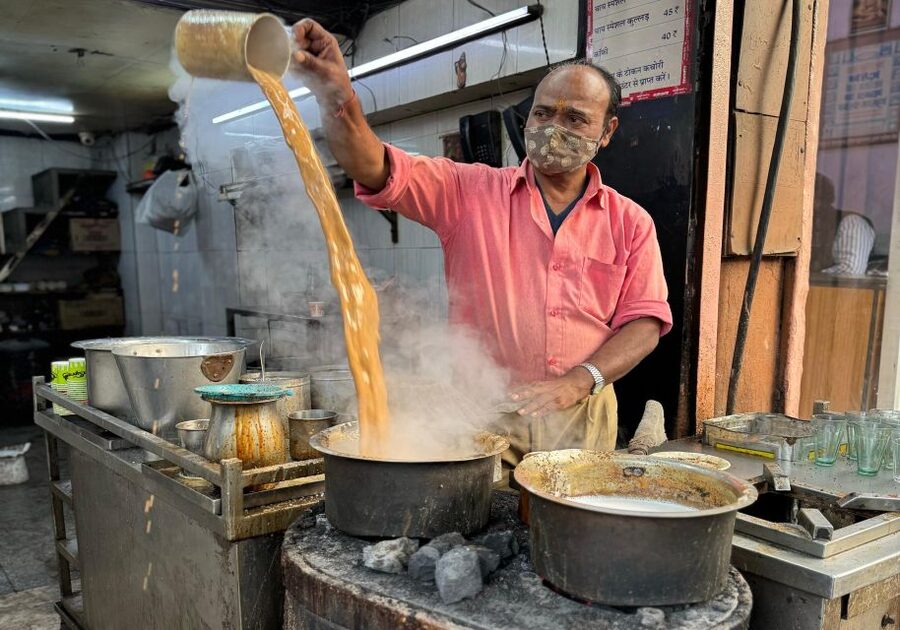
Tripolia Bazar forms the third 45-minute section. Here, the emphasis shifts more toward the street scene, architecture, and local trades, although you continue to pass through areas where food and commerce overlap.
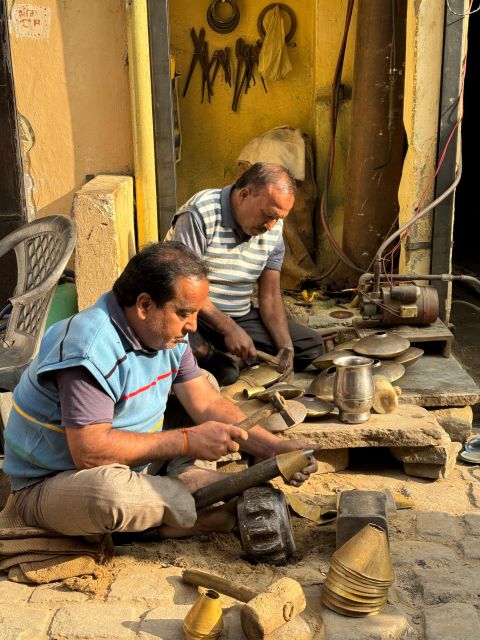
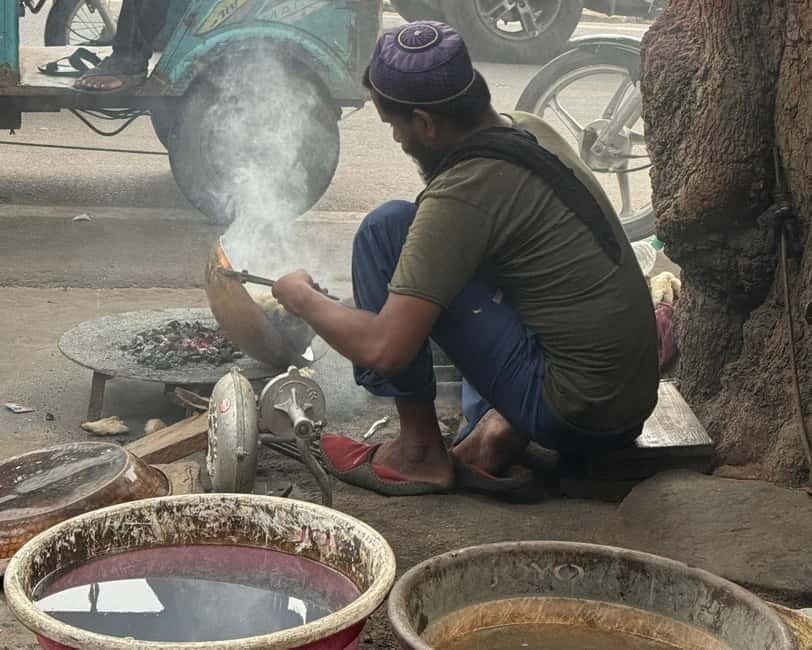
One particularly unusual stop is a street associated with the Thatheras, a community of metal beaters. This adds depth to the tour because you see a craft tradition connected to the old city’s working life. You may also meet local artisans and watch how their work is done.
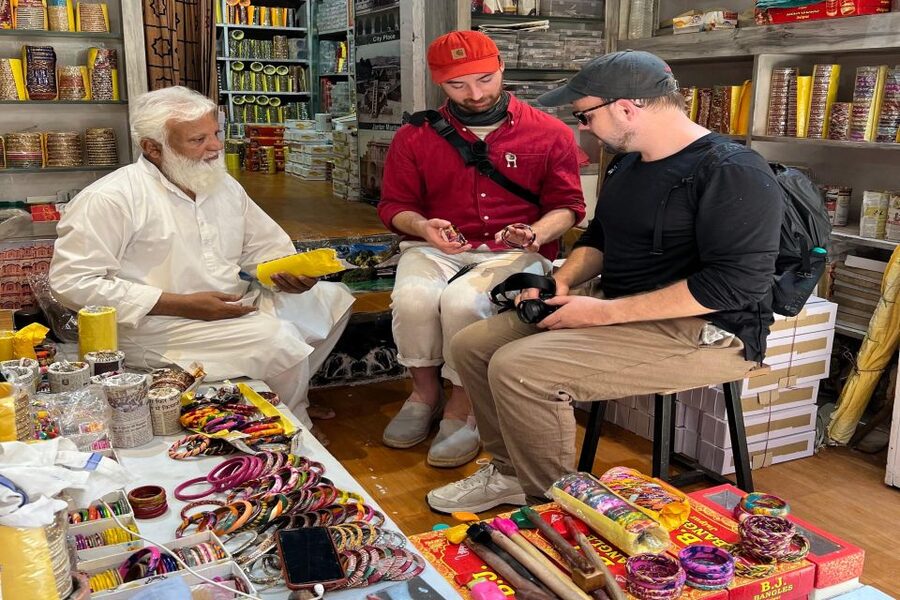
Another craft detail included on the walk is bangle making through sealing wax. This is the kind of small demonstration that can be easy to miss when sightseeing independently. It also gives you a better sense of how Jaipur’s identity is made through hands-on work, not only through palaces and painted facades.
The old houses are another reason to keep your eyes up. Some feature intricate fresco painting, and the guide explains the artistic character of the streets as you move through them. You should have chances to stop for photos, although the route is still a working neighborhood rather than a quiet museum.
Tripolia Bazar may feel crowded and hectic at times. That is part of the setting, but it can also make conversation harder. Stay close to the guide and be ready for a steady flow of people, vehicles, shop activity, and narrow passages.
Same city, a different table:
- The Great Indian Food Tour: Old Delhi Food and Heritage Walk
★ 5.0 · 1,698 reviews - Delhi Food Walk: Rickshaw Ride, Street Eats & Market Tour
★ 5.0 · 401 reviews - Old Delhi Food Tour: A Night Time Feast
★ 5.0 · 326 reviews - Jaipur Bazaar & Food Walking Tour
★ 5.0 · 281 reviews
Chhoti Chaupar and the final food stops
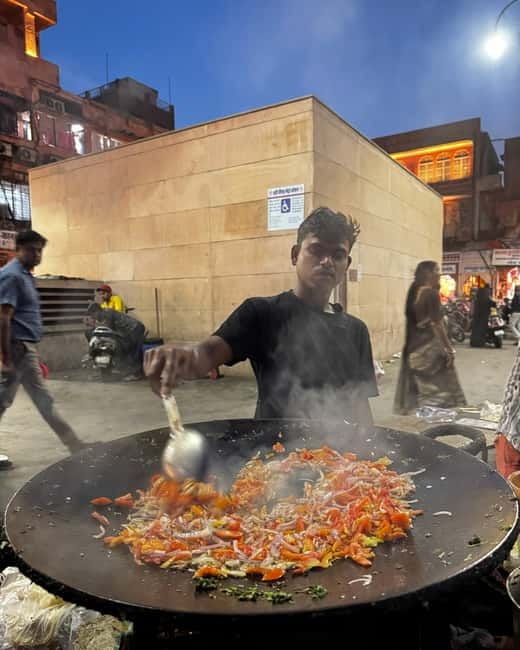
The last 45-minute section leads to Chhoti Chaupar, also spelled Choti Chaupar in the route description. This part includes more street food, regional snacks, and food tasting before the tour ends at Chhoti Chaupar.
Expect additional sweets and savory items, with the exact mix depending on the stops used that day. Jaipur is known for its sweet shops, and these tastings provide a chance to try local specialties without committing to a large serving of one unfamiliar dish.
Masala chai may appear again or earlier in the route, depending on timing. If you like sweet foods, this portion can be a highlight. If you do not, tell the guide so you can manage your portions. One useful tip from the experience is to avoid arriving overfull and to pace yourself through the sweets. A guest who enjoyed the tour suggested that a better eating order would be savory foods first, followed by sweets.
The finish at Chhoti Chaupar is convenient for continuing through the old city, but hotel transport is not included. Plan your onward ride before the tour ends, particularly if you are traveling alone or visiting Jaipur for the first time.
What the food experience is really like
This is not a polished restaurant crawl. You are eating at local shops and street-food stops, where the food is part of the neighborhood’s daily rhythm. That makes the experience feel more connected to Jaipur, but it also means you should expect simple surroundings and quick tastings.
The included foods specifically feature samosa, kachori, famous sweets, and masala chai. Additional local items may be offered along the way. The strongest food-related praise centers on variety, generous portions, clear explanations, and the guide’s ability to choose places that feel suitable for international visitors.
Food safety is a sensible concern in Jaipur. The guide helps by choosing the stops and explaining what you are eating, but no food tour can remove every personal risk. Carry any needed medication, tell the guide about allergies or restrictions, and avoid assuming that a dish is safe simply because another person tolerated it.
The tour does not include alcoholic drinks. Water is included, though carrying your own bottle is still sensible, especially in hot weather.
Stories, temples, and details you would miss alone
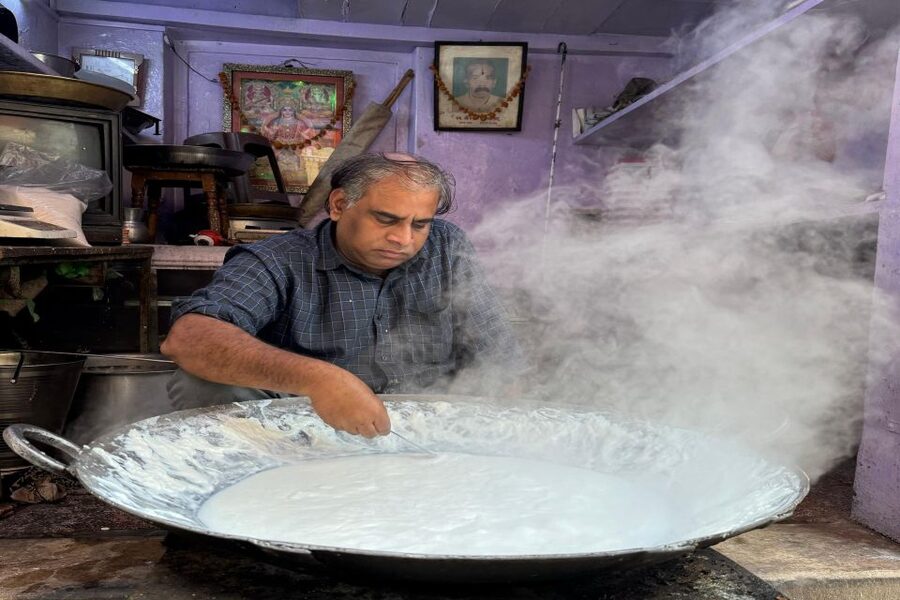
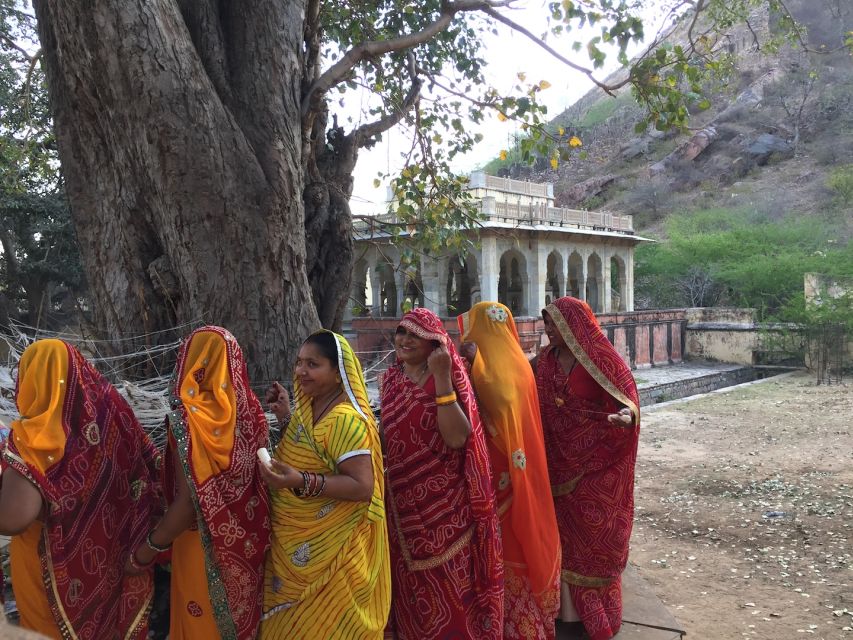
The food would be enough to make this a useful outing, but the cultural side gives it lasting value. You visit a Hindu temple, observe a community well, and learn how religious and social spaces fit into the old city.
Dress modestly for the temple visit, and do not use flash photography inside temples. Photography is generally allowed, but ask before photographing people, artisans, or worshippers. A respectful approach will make the experience more comfortable for everyone.
The guide also explains the significance of Jaipur’s gates, royal connections, architecture, and markets. Several people enjoyed the tour enough to continue exploring City Palace, Jantar Mantar, or other parts of Jaipur with the same guide afterward. That suggests a practical use for this walk: book it early in your stay, then use the guide’s advice to plan the rest of your time.
The route is especially helpful for solo visitors. Sanna, a solo woman from Sweden, felt safe and relaxed while walking through the old city with the guide. Other solo participants also appreciated having someone to handle navigation and explain local customs. That does not mean you should stop using normal street sense, but an experienced guide can make unfamiliar lanes feel far less intimidating.
Price, group size, and flexibility
At $21 per person, this is good value if you want both food and context. The cost includes the tastings listed, water, a three-hour heritage walk, and an English-speaking guide. It does not include hotel pickup or drop-off, so you need to reach Golcha Cinema independently.
The group is limited to 10 people. That is small enough for questions and a more personal pace, while still keeping the price moderate. A private guide is not promised, so the level of personal attention will depend on the group size and the guide working that day.
The tour is listed as three hours, though one participant described a longer, flexible outing after a meeting-time mix-up. Do not count on an extension, but the guides appear willing to respond to reasonable needs when possible. Start times vary, so check availability when booking.
Free cancellation is available up to 24 hours before the activity for a full refund. You can also reserve now and pay later, which helps if your Jaipur schedule is still changing.
Who should book this walk?
I would choose this tour if you want an early introduction to Jaipur’s old city and prefer local streets to a standard sightseeing circuit. It suits food-focused visitors, first-time arrivals, solo visitors, couples, and anyone who wants history explained while walking rather than delivered in a long lecture.
It is also a strong choice if you are nervous about ordering street food. The guide can explain the dishes, point out popular local shops, and help you judge what to try. You should still disclose allergies and health concerns before eating.
I would hesitate if you dislike walking, need step-free access, or want a relaxed sit-down meal. The tour is not suitable for wheelchair users, and the route includes busy streets, alleys, markets, and uneven urban conditions. Comfortable shoes are essential.
Should you book the Jaipur Heritage Walk and Food Tasting?
Yes, if you want Jaipur to feel like a real city rather than a checklist of famous buildings. The strongest part is the combination of food, craft, architecture, and personal guidance. You might come for the samosas and sweets, then remember the metal beaters, fresco-painted homes, community well, or a quiet explanation inside a temple.
Book it near the beginning of your Jaipur stay if possible. You will gain food recommendations, a clearer sense of the old city, and useful local context for later visits to City Palace and Jantar Mantar. Arrive hungry but not starving, wear sensible shoes, bring sunscreen and a hat, and leave room for one more sweet than you think you need.
FAQ
Where does the tour start?
The meeting point is at the entry gate of Golcha Cinema in Jaipur.
Where does the tour finish?
The tour finishes at Chhoti Chaupar, also written as Choti Chaupar in the route details.
How long does the tour last?
The scheduled duration is three hours.
What food is included?
The included tastings feature samosa, kachori, famous sweets, masala chai, and other local food from nearby shops.
Is water included?
Yes. A bottle of water is included, though you should also carry water to stay hydrated.
What language is the tour conducted in?
The live tour guide speaks English.
How large is the group?
The tour is offered as a small-group experience with up to 10 participants.
Is hotel pickup included?
No. You need to make your own way to Golcha Cinema, and hotel drop-off is not included.
Is the tour suitable for wheelchair users?
No. The tour is not suitable for wheelchair users.
What should I wear and bring?
Wear comfortable walking shoes and clothes, and bring a passport or ID, personal medication, sunscreen, and a hat. Dress modestly for the temple visit and avoid flash photography inside.
More history tours in India
- The Great Indian Food Tour: Old Delhi Food and Heritage Walk
★ 5.0 · 106 reviews - Jaipur: History Street Food Tour with Local Guide
★ 4.4 · 50 reviews - Barcelona: Tapas Walking Tour with Food, Wine, and History
★ 4.8 · 4,261 reviews - Sevilla Food Tour: Tapas, Wine, History & Traditions
★ 5.0 · 3,468 reviews
Just added in India
- Food Trail Through Sowcarpet Market: A Taste of Chennai★ 5.0 · 38 reviews
- Sowcarpet Street Food Walking Tour in Chennai with guide★ 5.0 · 83 reviews
- Filter Kaapi: A food walk by tourism ministry approved company★ 5.0 · 26 reviews
- Street Food walking tour in Bangalore with a food evangelist★ 5.0 · 83 reviews
- Amritsar Food Walk With Hidden Gems★ 5.0 · 59 reviews
- Flavours of Agra Food walk★ 5.0 · 25 reviews
- The Great Indian Food Tour: Old Delhi Food and Heritage Walk★ 5.0 · 106 reviews
- Old Delhi Street Food Tour★ 4.8 · 40 reviews
Street Food Tours, compared.
Ho Chi Minh City Street Food Tour & Sightseeing By Motorbike
Read our review →
Small Group Hanoi Street Food Tour with a Real Foodie
Read our review →
Saigon By Night and Street Food By Motorbike | Opt: Ao Dai Riders
Read our review →
Private Street Food Tour by Motorbike/Car with Local Students
Read our review →
Cinque Terre Park Day Trip with Optional Street Food
Read our review →
Street Food Tasting & Sightseeing Tour by Motorbike
Read our review →Browse the lists this tour appears in