
REVIEW · KRAKOW FOOD TOURS
Krakow: 4-Hour Polish Food Tour
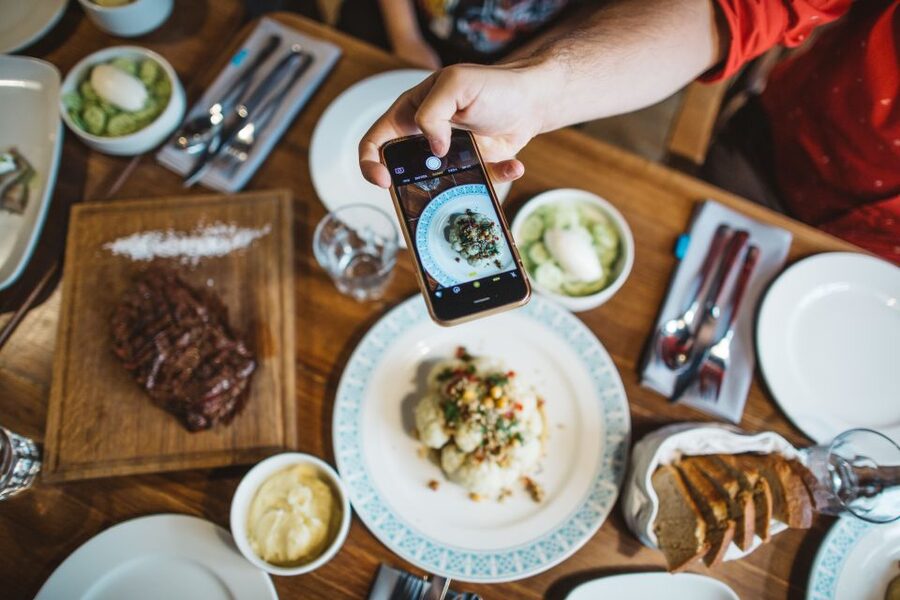
Come hungry, leave happily stuffed. This four-hour walk through Krakow’s Kazimierz district and Old Town is a fine way to meet Polish food beyond the familiar pierogi. I especially like the small group of no more than eight people and the way the tour connects each dish with Polish history, customs, and daily life. I also like that you receive written notes afterward, including food information and restaurant tips.
The main consideration is the sheer amount of food. Ten or more tastings across four to six stops add up to a full meal, dessert included. Vegetarians may find the menu limiting because Polish cooking often relies on pork, though you can report allergies in advance and ask for adjustments.
The best parts of this Krakow food tour
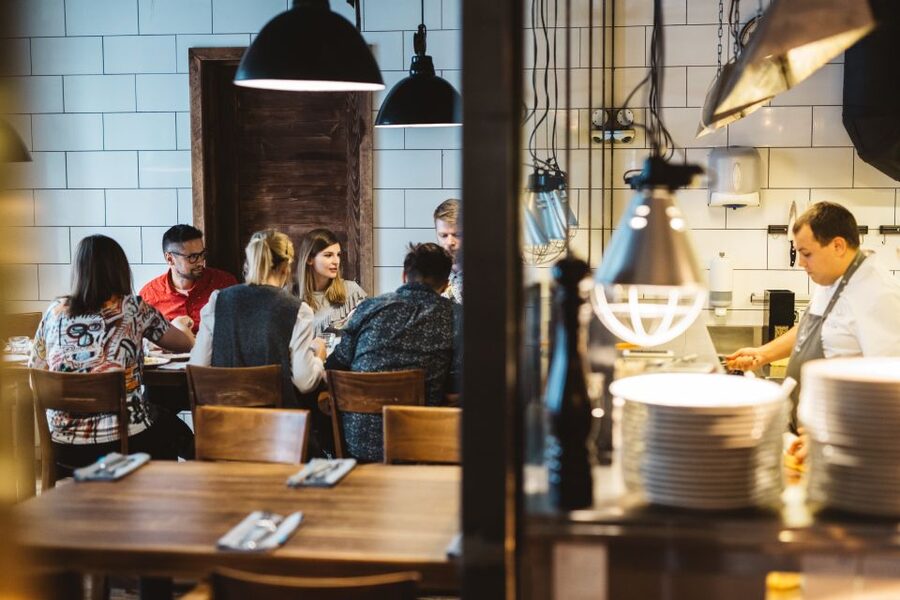
- A full meal in ten or more tastings: You will try cold starters, soups, main dishes, street food, regional specialties, and sweets.
- Kazimierz meeting point: The tour begins at Plac Wolnica, beside the statue of the three musicians near the former Town Hall.
- Food with cultural context: Guides explain bread, fermentation, preserved foods, Soviet-era food memories, and Polish hospitality.
- A dessert with Vatican connections: One sweet is tied to Pope John Paul II and adds an unexpected personal touch to the meal.
- A real mix of venues: Expect food stalls, cafes, traditional restaurants, and more polished dining rooms rather than one long restaurant sitting.
- Three Polish drink pairings: Choose the option that includes drinks if you want the food matched with local beverages.
Starting in Kazimierz at Plac Wolnica
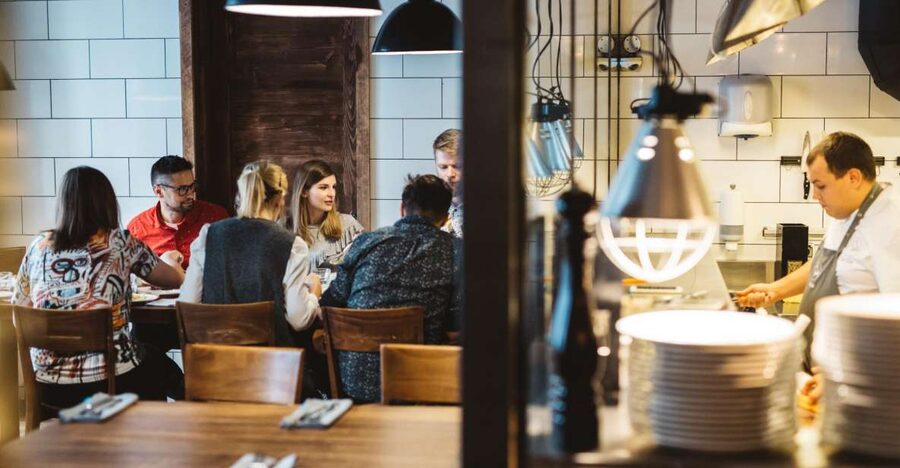
Your guide meets you at Plac Wolnica, a broad square in Kazimierz, Krakow’s former Jewish district. Look near the statue of the three musicians, past the Ethnographic Museum, which occupies the old Town Hall. The meeting spot is in the shade of the trees, and it is meant to be easy to find.
This location makes sense for a food walk. You begin among historic streets before moving toward Krakow’s Old Town, so the meal also gives you a first look at the city. The route is on foot, with regular stops to eat and talk. That walking matters because this is not a quick series of samples in one building. You move through several parts of central Krakow and get a feel for how the districts connect.
I would book this early in your stay. You get an introduction to dishes you may want to order again, plus practical restaurant suggestions for later meals. Kate, who had the tour with only her partner, found the guide’s recommendations useful enough to shape the rest of their stay. That is one of the best uses of a food tour: learn what to look for before you start ordering on your own.
A few more food tours in Poland worth a look
- Krakow Food Tasting Tour with Delicious Poland
★ 5.0 · 1,032 reviews - Warsaw’s No 1 cooking class-Polish dumplings with liqueur tasting
★ 5.0 · 576 reviews - Krakow: Tipsy Polish Food Tour With History, Pierogi & Shots
★ 4.9 · 439 reviews
First tastings: Polish snacks and street food
The opening stops introduce the lighter side of Polish food. You can expect cold appetizers, street food, and small regional specialties before the heavier courses arrive. The exact dishes can vary, but the tour is designed to show that Polish cooking is not just pierogi.
One food memory connected to this part of the tour is the range of textures. Polish meals make good use of pickling, fermenting, curing, spreading, and preserving. You may encounter food that is sharp, salty, sour, smoky, or earthy, often in combinations that are unfamiliar if your experience of Polish cuisine begins and ends with dumplings.
The guide explains why fermented food is still perfectly good to eat, rather than spoiled. That small distinction helps you understand a basic feature of Polish cooking. Fermentation is part of the flavor and preservation tradition, not a sign that food has been forgotten in the back of the refrigerator.
Street food also gives the tour a useful contrast. You are not only tasting dishes prepared for formal meals. You may get something simpler and more portable, then hear how it fits into everyday Polish eating. The range keeps the first hour lively and helps you notice how food changes from market counter to restaurant table.
Two traditional soups in a cellar setting
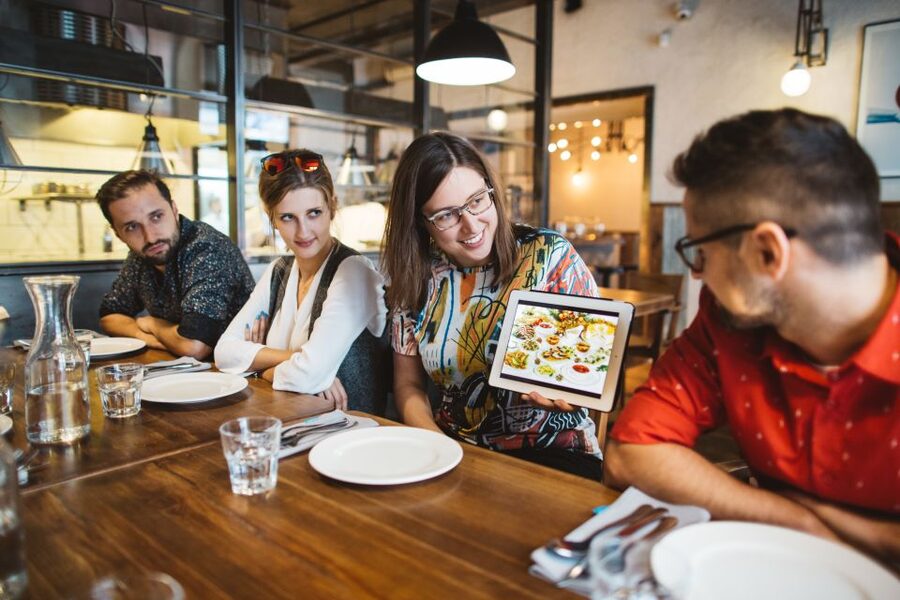
Soup is a serious part of Polish cooking, and this tour gives it proper attention. One stop includes two traditional soups in a cellar restaurant, according to the tour details shared by past participants. This is more than a token spoonful. Portions are generous throughout the experience, so expect enough food to make soup a meaningful course.
The appeal here is comparison. Polish soups can differ in color, sourness, richness, and texture, and tasting two together makes those differences easier to notice. Your guide explains ingredients and traditions as you eat, which turns a warm bowl into a lesson about how Polish cooks build flavor.
This is also where the tour begins to feel like a progressive dinner rather than a run of tiny samples. Thomas described the pace as comfortable, with time to sit, talk, and enjoy the food. That is important. Some food tours hurry you through a bite, a photograph, and the door. This one allows the meal to unfold.
The drawback is simple: if you have a light appetite, the portions may catch you off guard. The advice is practical. Eat breakfast, skip lunch, and arrive ready for a serious amount of food.
Main dishes beyond the pierogi stereotype
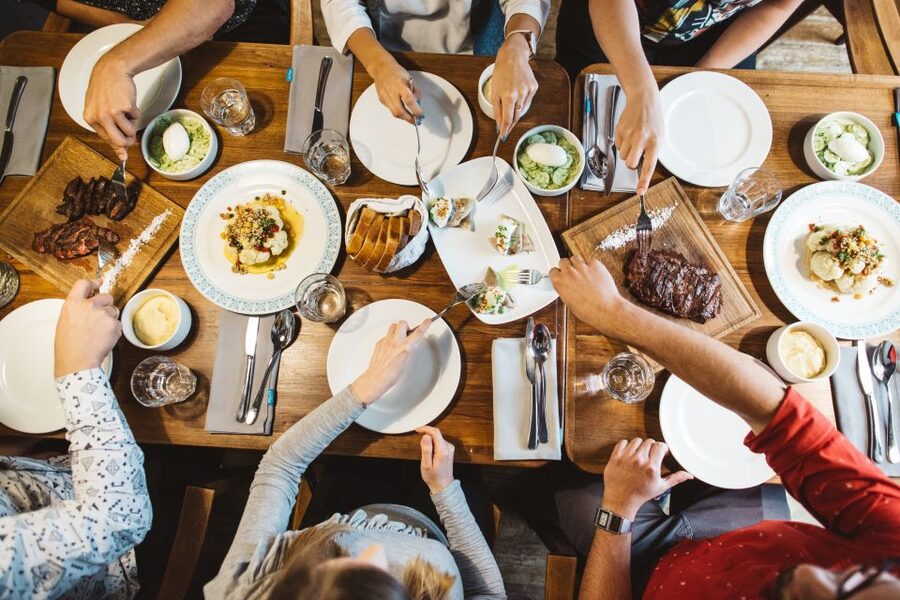
The central meal moves into more substantial Polish dishes. One past route included aged salted beef, potato puree, garlic broccoli, groats with blue cheese, and soda bread served as a sharing plate. The exact selection may change, but the purpose is clear: show you the broad range of Polish cooking rather than rely on one famous dish.
You may find hearty meat, potatoes, grains, bread, and vegetables sharing the table. That combination reflects the filling, practical character of much Polish food. It is not built around tiny portions or elaborate decoration. It is food meant to satisfy.
This is where the tour offers good value for curious eaters. At $115 per person, the price is not cheap for a four-hour activity. But you receive at least ten food tastings, water at most stops, a bilingual English-speaking guide, and the chance to visit four to six establishments. The food alone may not justify the fee for every budget, but the meal, walking tour, history, and restaurant advice make the cost easier to defend.
The main course stop also gives you time to ask questions. Tomasz, Mateusz, Thomas, and other guides have been praised for explaining the relationship between food, history, and social customs without turning the tour into a lecture. That conversational style is valuable. You learn what a dish means, not just what it contains.
Same city, a different table:
- Krakow: Street Food Walking Tour
★ 4.8 · 285 reviews - Krakow Pierogi Cooking Class with Market Visit & Home-Cooked Meal
★ 5.0 · 212 reviews - Krakow: Vodka Tasting Tour: Tapas, Tipsy Tales & Hidden Gems
★ 5.0 · 203 reviews - Krakow: Guided Polish Food and Culture Tour with Tastings
★ 4.8 · 134 reviews
Cold meats, cheeses, spreads, and a Polish drink
Later, expect a return to smaller plates, with cheeses, cold meats, and spreads. This part adds another layer to the meal because it shows how Polish households and restaurants use preserved foods, dairy, cured meat, and bread together.
A past route included a quality vodka shot with this course. If you choose the drink-pairing option, three Polish drinks are included. Water is provided at most venues, but additional drinks are not included, so check which booking option you select and budget for anything beyond the included pairings.
The drink element is not only about alcohol. It helps explain how certain foods are traditionally served and gives you another way to compare Polish customs with your own. Still, you should pace yourself. With several food stops and a possible vodka tasting, rushing is a poor strategy.
If you do not drink alcohol, check the available pairing arrangement before booking. The information confirms three Polish drink pairings for the relevant option, but it does not specify every alternative. You can also tell the provider about allergies and dietary needs before the tour.
Finishing with sweets and the Vatican connection
The final course brings relief in the form of dessert. A past route ended at a cake shop with homemade ice cream and a cream cake associated with Pope John Paul II. The tour explains the connection between this traditional regional dessert and the Vatican, giving the sweet a personal and historical story beyond its ingredients.
That ending works well. You have moved from snacks to soup, main dishes, preserved foods, and finally dessert, so the meal has a clear shape. You also finish with one of the tour’s most memorable pieces of cultural information.
Do not assume the dessert makes the tour feel light at the end. The warning about generous portions is real. This is a full meal with dessert, not ten dainty bites that leave you searching for dinner afterward.
What the guides add to the experience
The guides are the strongest part of this experience. Tomasz is repeatedly praised for his relaxed manner, enthusiasm, and ability to explain Polish cuisine without sounding stiff. Other guides named by participants include Mateusz, Thomas, and Camilla. The common thread is personal warmth and a strong interest in the food.
You are likely to get more than a list of ingredients. The guide may explain why Polish people complain about bread, why some still remember food made in the 1970s with surprising affection, and how food traditions changed over time. These details turn a meal into a picture of Polish life.
I also like the small-group format. With a maximum of eight people, you have a better chance to ask questions and hear the explanations. Some departures may be even smaller. One couple found themselves as the only participants, which made the tour feel more like an informal conversation than a set speech.
The bilingual guide detail is worth clarifying. The activity information lists English as the tour language, while the included guide is described as bilingual. One earlier experience noted that a guide explained things in Polish for a participant who did not speak English well. If language support is important to you, ask the provider what is available for your departure.
Walking, timing, and the route through Krakow
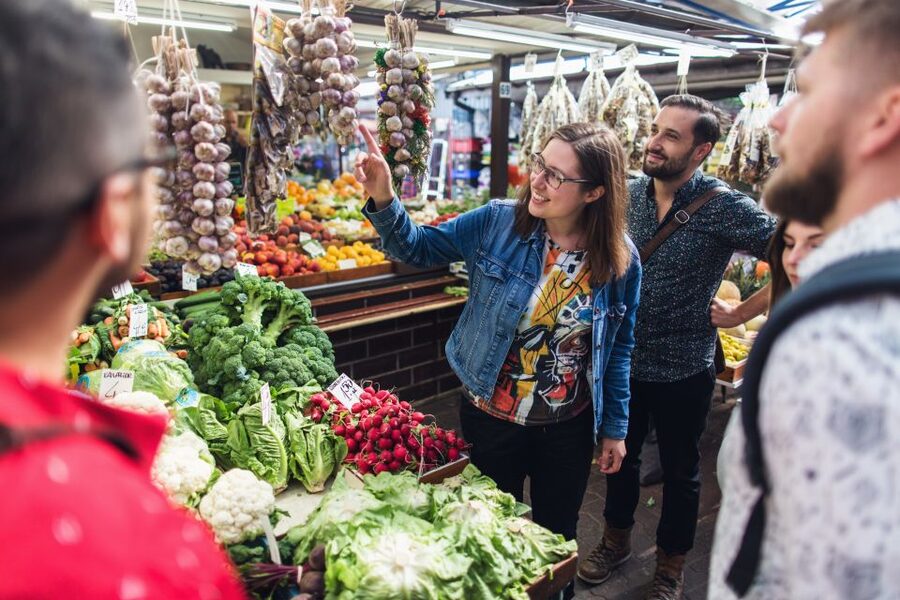
The tour lasts four hours and moves through central Krakow on foot. You will walk between food stops and pass Baroque and Renaissance sights on the way toward the Old Town. The walking is not just a calorie-burning necessity. It helps place the food within the city.
The route begins in Kazimierz and spreads outward, giving you a broader sense of Krakow than a restaurant-only tasting. Erin appreciated getting beyond the central sights while still learning the city. That makes this a useful first-day activity if you enjoy orienting yourself by walking.
Wear comfortable shoes and leave room in your schedule. One guide-led tour ran considerably longer than planned, and the guide was relaxed about it. That sounds pleasant, but you should not book a tight museum visit or airport transfer immediately afterward.
You do not receive hotel pickup or drop-off. Plan your own way to Plac Wolnica and allow time to find the statue of the three musicians near the former Town Hall. The meeting point is central, but clear planning will help you start calmly rather than arrive already flustered and hungry.
Vegetarian, allergy, and appetite advice
This tour is best for people who enjoy meat and are happy to try traditional food without needing every course adapted. Polish cuisine often uses pork, and many dishes on the route may not suit vegetarians.
You should tell the provider about food allergies before the tour. The menu can be adjusted, but the available information does not promise that every restriction can be accommodated. If you have several dietary limits, ask before paying so you know what is realistic.
For most people, appetite is the bigger issue. Eat breakfast, skip lunch, and arrive hungry. The tour provides enough for a full meal, and the portions are repeatedly described as generous. Trying to save room by skipping breakfast could leave you uncomfortable, so a normal morning meal is the better plan.
Is $115 a fair price?
At $115, this is a premium food walk, but you are getting a lot of food and several hours of guiding. Ten tastings across four to six venues can replace a substantial meal, while the route also covers Kazimierz and parts of the Old Town.
The strongest value comes from the explanations and follow-up information. You receive written details about the dishes and tips on places to eat afterward. If you use those recommendations for the rest of your visit, the tour becomes more useful than a single afternoon meal.
The price will feel less worthwhile if you only want a cheap snack crawl or already know Polish food well. It also may not suit a vegetarian who would miss many of the main traditional dishes. For first-time visitors who want food, context, and practical restaurant guidance in one booking, the cost is easier to justify.
The rating is 4.9 from 39 reviews, with praise focused mainly on the guides, generous portions, food variety, and connection between cuisine and culture. The occasional weakness is not poor organization or bad food. It is the risk of too much food, plus one past complaint about follow-up information not arriving.
Who should book this food tour?
I would choose this tour for a first visit to Krakow, especially if you want to understand the city through what people eat. It suits couples, small groups, solo visitors, and anyone who prefers a friendly guide over a formal lecture.
It is also a strong choice for food-focused visitors who want more than pierogi. You will sample soups, meats, cheeses, street food, breads, sweets, and possibly Polish drinks, while learning why those foods matter.
I would think twice if you need a strictly vegetarian menu, dislike pork, have serious dietary restrictions, or prefer a short tasting with tiny portions. Four hours is a long time to eat, and the generous servings are part of the experience.
Cancellation is free up to 24 hours before the tour, and you can reserve now and pay later. That gives you some flexibility while planning your Krakow schedule.
Should you book the Krakow Polish Food Tour?
Book it if you want a substantial meal, a walk through Kazimierz and central Krakow, and a guide who can connect food with Polish history and everyday customs. Tomasz receives especially strong praise, but the other named guides also bring warmth and enthusiasm to the route.
Skip it if you want a budget meal, a fully vegetarian menu, or a quick introduction lasting an hour or two. For everyone else, the generous food, small group, written recommendations, and unusual details such as the Vatican-linked dessert make this one of the more useful ways to start eating your way through Krakow.
FAQ
Where does the Krakow Polish food tour begin?
The tour begins at Plac Wolnica in Kazimierz. Meet by the statue of the three musicians, past the Ethnographic Museum, which occupies the former Town Hall, in the shade of the trees.
How long does the food tour last?
The tour lasts four hours. Starting times vary, so check availability when booking.
How many food tastings are included?
The tour includes at least ten food tastings, with food served at all the venues you visit. The tastings are intended to provide a full meal, including dessert.
How many places will the tour visit?
You will visit four to six carefully selected establishments in central Krakow. These may include food stalls, cafes, restaurants, and other food venues.
Are drinks included?
Water is provided at most venues. Three Polish drink pairings are included if you choose the option with pairing. Additional drinks are not included.
Is the tour suitable for vegetarians?
Polish cuisine on this tour is based heavily on pork, so many dishes may not be suitable for vegetarians. Contact the provider before booking to discuss possible adjustments.
Can food allergies be accommodated?
You should advise the provider about food allergies in advance. The menu can be adjusted, though the available information does not guarantee that every restriction can be accommodated.
Can I cancel the tour?
You can cancel up to 24 hours in advance for a full refund. The activity also offers a reserve-now, pay-later option.
Just added in Poland
- Krakow: Traditional Street Food Walking Tour★ 4.6 · 51 reviews
- Krakow: Vodka Tasting Tour: Tapas, Tipsy Tales & Hidden Gems★ 5.0 · 203 reviews
- Krakow: Traditional Polish Food and Drinks Tasting Tour★ 4.8 · 77 reviews
- Krakow: Guided Polish Food and Culture Tour with Tastings★ 4.8 · 134 reviews
- Krakow: 6-Course Full Polish Food Tour with Vodka Tasting★ 4.8 · 98 reviews
- Gdansk: 4-Hour Polish Food Tour★ 4.9 · 35 reviews
- Gdańsk: Authentic Polish Vodka & Food Experience★ 4.9 · 50 reviews
- Gdansk Private Polish Beer Tasting Tour at Best Pubs & Bars★ 4.8 · 22 reviews
Krakow Food Tours, compared.
Krakow Food Tasting Tour with Delicious Poland
Read our review →
Tipsy Polish Food Tour With History, Pierogi & Shots
Read our review →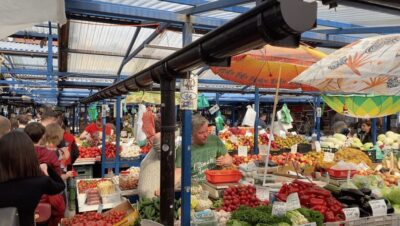
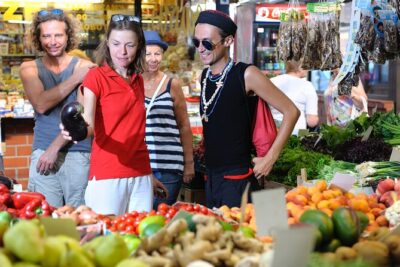
Krakow Pierogi Cooking Class with Market Visit & Home-Cooked Meal
Read our review →
Vodka Tasting Tour: Tapas, Tipsy Tales & Hidden Gems
Read our review →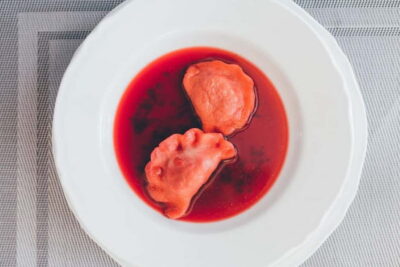
Guided Polish Food and Culture Tour with Tastings
Read our review →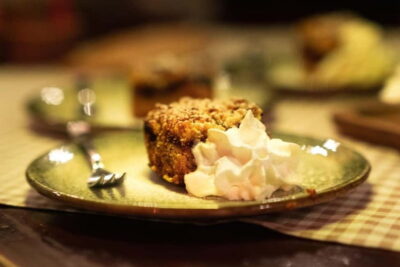
6-Course Full Polish Food Tour with Vodka Tasting
Read our review →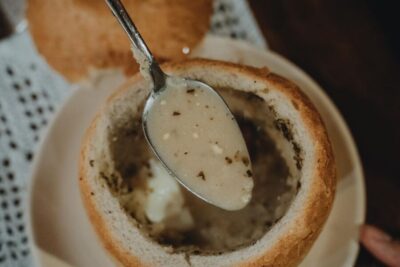
Traditional Polish Food and Drinks Tasting Tour
Read our review →Browse the lists this tour appears in