
REVIEW · MADRID FOOD TOURS
Madrid Ultimate Spanish Cuisine Food Tour
Madrid eats best on foot. This tour turns breakfast and lunch into a three-hour walk through local food traditions, from thick hot chocolate and churros to market olives, Spanish cheeses, vermouth, and a calamari sandwich near Plaza Mayor. I like the mix of familiar Spanish favorites and small neighborhood businesses, and I like that guides such as David, Flo, Mitzi, José, and Dani add food facts, local tips, and plenty of personality. The main consideration is the pace: you need to walk steadily and keep eating even when you are already getting full.
I also appreciate the small maximum group of 12, since some stops are tiny and personal. The tour gives you enough food for breakfast and lunch, with more than 15 tastes and a drink included. If you have celiac disease or follow a vegan diet, though, this is not the right choice. Other dietary needs can often be handled, but you must contact the tour team after booking.
Why this Madrid food walk is worth your morning
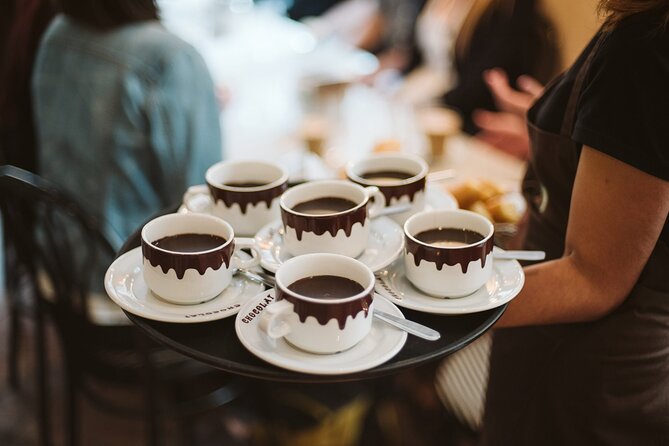
- Churros start the day: Morning departures begin with thick Spanish hot chocolate and churros at Chocolat.
- A real market stop: Mercado de Antón Martín brings olives, cured meats, produce, olive oil, and vermouth into the picture.
- Madrid’s odd but excellent sandwich: You eat a crisp calamari sandwich outside Bar La Campana, near Plaza Mayor.
- More than a restaurant crawl: The guide explains Spanish food customs, regional products, wine ordering, and Madrid traditions.
- Enough food for a meal: The 15-plus tastes are spread across about eight tasting stops, so plan this as breakfast and lunch.
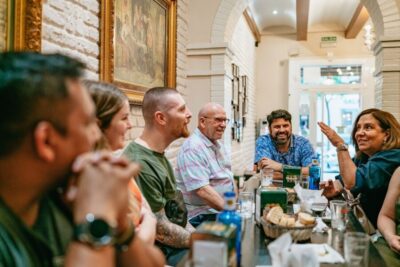
- A genuinely small group: The group limit is 12, useful in narrow shops and crowded food venues.
Starting near Santa Ana with a local food guide
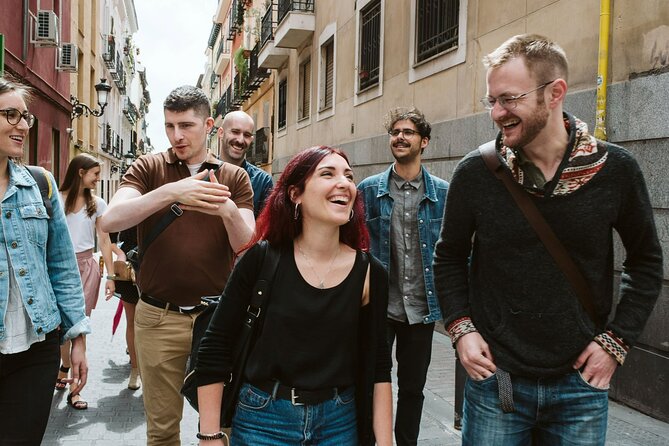
You meet at the Monument Calderón de la Barca near Plaza de Santa Ana, in central Madrid, 15 minutes before your selected start time. The route finishes in Plaza Mayor, so the tour works well as a morning introduction to the city center. You end near one of Madrid’s major sights rather than returning to the starting point.
The experience is offered in English with a local guide. The strongest part of the tour is often the guide’s ability to connect a bite of food with a larger Spanish custom. David is praised for combining food, wine, and historical stories without losing track of the group. Flo brings comic energy and enthusiasm, while Mitzi is known for including everyone and answering questions. José, Dani, Isabel, Arantxa, Liliana, Frank, and others have also led tours praised for warmth, local advice, and strong food knowledge.
That variation matters. A food walk depends heavily on the person leading it, and this company appears to use guides who do more than point out dishes. They explain where foods come from, how people order them, and why certain habits belong to Madrid rather than Spain as a whole.
The walking is moderate, not a strenuous hike. Still, wear comfortable shoes. You move between several stops, often with food in hand, and some tastings are eaten standing up.
A few more food tours in Madrid worth a look
- Madrid Tapas & Wine Tasting Walking Tour – Small Group Local Bars
★ 5.0 · 3,644 reviews - Madrid Tapas & Taverns Small Group Food & History Tour
★ 5.0 · 2,664 reviews - Madrid: Tapas & Wine Tasting Tour with Local Guide
★ 4.8 · 2,171 reviews
Chocolat: hot chocolate and churros before the city wakes up
On a morning tour, the first stop is Chocolat, a neighborhood café known for its thick hot chocolate and churros. This is not the thin cocoa drink many visitors expect. Spanish hot chocolate is dense enough to feel almost like a dessert sauce, and churros are made for dipping.
The stop lasts about 30 minutes, giving the guide time to explain the origins of chocolate and the place churros hold in Madrid’s morning routine. It is a smart opening because you start with a recognizable Spanish classic, then learn that the local version may not match what you have eaten elsewhere.
This is also one reason to choose a morning departure. The 5 p.m. tour does not include the churros stop. Instead, it visits a tapas bar for two local tapas and a beer. That evening version may suit you if you prefer an aperitif-style outing, but the morning tour gives you the more distinctive chocolate-and-churros beginning.
Moega: bread, empanadas, and a chorizo-filled roll
Next comes Moega Empanadas y Pan Gallego, a tiny bakery run by a young baker from northern Spain. The visit focuses on bread and the role of buying it for the day, a simple routine that says a great deal about daily food culture.
You taste a homemade roll filled with chorizo. It is a compact serving, but it adds something important to the tour: Spanish food is not only jamón and tapas. Bread quality, regional baking, and the difference between an ordinary roll and a carefully made one also matter.
The stop lasts around 15 minutes. Since the shop is small, the group limit becomes useful here. You may not have room to linger, browse, and spread out, but the short visit keeps the route moving and lets you taste something you might not think to order on your own.
Mercado de Antón Martín: Madrid food shopping in real time
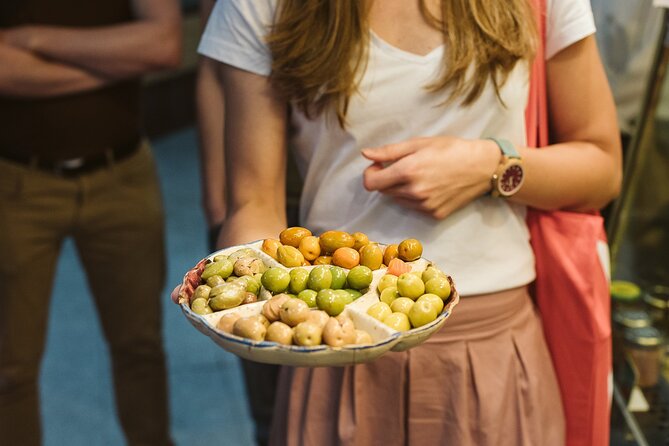
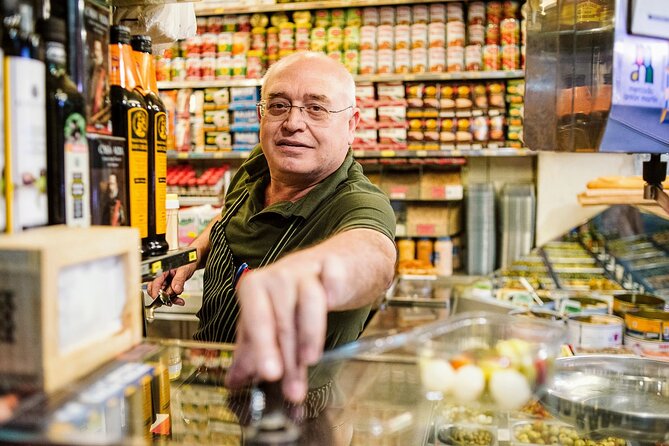
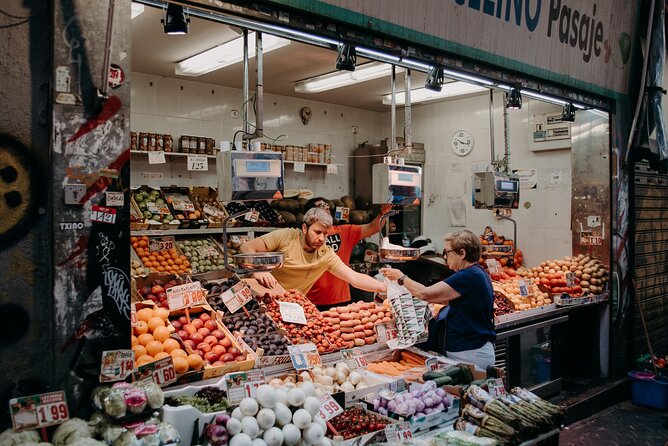
The market is the heart of the morning. At Mercado de Antón Martín, you walk among stalls where local people buy groceries and prepared foods. The guide leads you through several tastes rather than asking you to choose one lunch stall and settle in.
Expect olives, cured meats, locally sourced produce, extra virgin olive oil, and red vermouth. The olive oil tasting is especially useful because it explains the difference between regular, virgin, and extra virgin oil, along with how production affects quality. You gain information you can use later when shopping for food to take home.
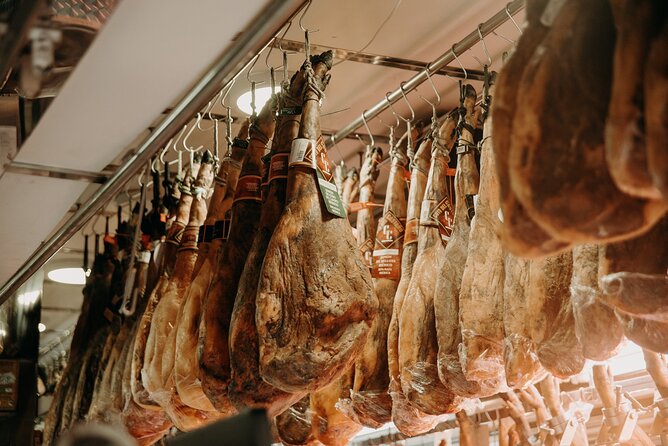
The cured meats bring regional Spain to the table. You may taste ham and other products while learning how different areas produce and serve them. Reviews of the tour also mention fruit, octopus, and additional bites, so the exact selection can vary by day and by vendor.
The vermouth is a particularly good Madrid touch. You learn why red vermouth is treated as an aperitif and when people drink it. It is not just another sample poured into a glass. It helps explain the social rhythm of eating and drinking in Spain, where a small drink can be the start of an afternoon rather than the final event of the day.
The market stop takes about 40 minutes. That is enough time to see several stalls, but not enough for a full market wander. If you want to return later for shopping, listen closely to the guide’s recommendations. Several past participants have found products worth buying along the route.
Same city, a different table:
- Madrid: Food & Wine Tour with 10 Tapas & 4 Drinks Included
★ 4.9 · 984 reviews - Madrid Historic Centre Food Tour with Authentic Tapas & Wines
★ 5.0 · 814 reviews - Madrid Guided Food Tour with Tapas and Spanish Wine
★ 4.9 · 773 reviews - Madrid Small Group Tapas Tour at 4 Venues -Lunch or Dinner
★ 5.0 · 553 reviews
Casa González: cheese, wine, and a surprising past
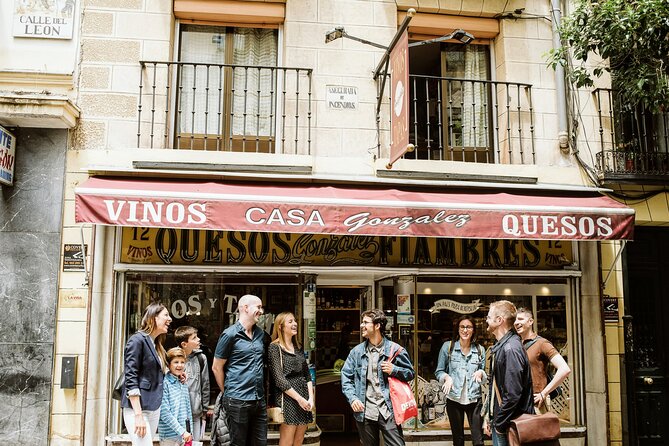
At Casa González, the route shifts from grazing to sitting down. This unassuming deli has a striking political past: the owner’s father held secret meetings there in opposition to Spain’s dictatorship in the 1930s. The setting gives the tasting a sense of place without turning the tour into a formal history lecture.
You sample cheeses from different parts of Spain and pair them with two wines. The guide explains the origins of the products and offers practical advice about ordering wine in Spain. That last point is useful for the rest of your trip. Spanish wine lists and ordering customs can feel unclear if you are used to choosing by grape alone, so a little coaching goes a long way.
This is one of the better-balanced parts of the route. You get a chance to sit, ask questions, and slow down after several small tastes. The tasting lasts about 35 minutes.
The wine pairing is included, but non-drinkers can request coffee or other non-alcoholic options. If you have dairy restrictions, alternatives may be possible, but you should not assume every cheese stop has a replacement. Contact the tour team after booking with your needs.
Bar La Campana: Madrid’s calamari sandwich
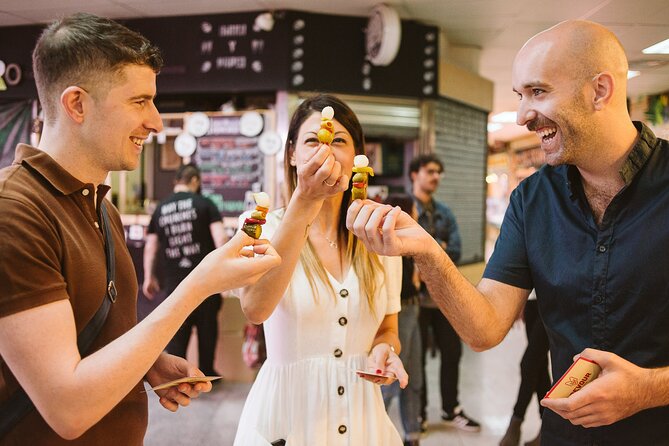
Near Plaza Mayor, you stop at Bar La Campana for one of Madrid’s most unexpected specialties: a calamari sandwich. The idea sounds strange until you see the crisp rings tucked into bread. The calamari is cooked in a light batter, and you eat the sandwich standing outside the bar, following the local habit.
This is a memorable stop because it is strongly tied to central Madrid. The sandwich is not a polished restaurant dish. It is quick, salty, filling street food, and the setting is part of the point.
Portions can be larger than you expect at this stage of the tour. One participant found the sandwich a little salty and did not finish it, while others in the same group enjoyed it completely. That is a useful warning: do not treat every bite as a tiny canapé. You are getting meal-sized food overall, and it is fine to pace yourself.
Plaza Mayor and the final sweet bite
The published route ends in Plaza Mayor, Madrid’s central square, where the guide connects the food walk to the city’s public life and major events. The square is a practical finish because you can continue sightseeing from here without backtracking.
The stated itinerary also includes a historic pastry shop for coffee or tea and a sweet dessert. Depending on the day and route, you may encounter marzipan cake or another pastry. The dessert gives the tour a clear ending, but it can be intense after so much food. Some past participants describe the final sweet as very sugary, so save room if you can.
The official description lists eight tasting stops and more than 15 tastes, while individual experiences have included nine or ten food stops. That difference likely reflects the day’s vendors, added samples, or the way a guide counts stops. The important point is that this is a full eating session, not a few token samples followed by a recommendation for lunch.
What the food says about Madrid
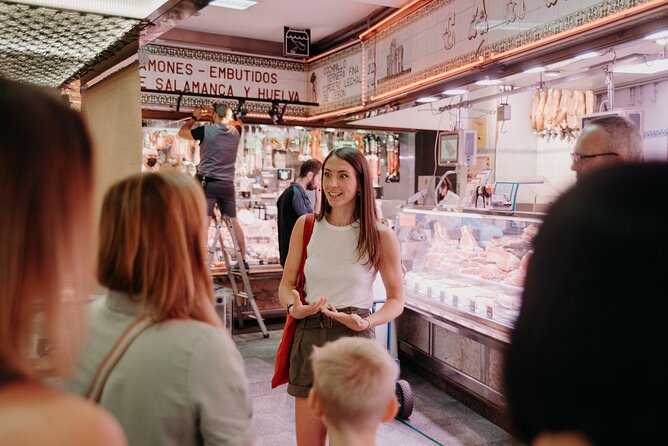
A good food tour should teach you how a city eats, not just what it eats. This one covers several habits in a compact route: bread bought for the day, market shopping, vermouth before a meal, cheese from different regions, tapas with beer, and a sandwich eaten outside a bar.
The guide also puts Spanish food into regional context. You hear about olive oil production, different types of ham, cheese origins, wine customs, and the way local businesses preserve old routines. That background helps you order with more confidence later.
I like that the route supports small shops and neighborhood businesses rather than relying only on famous attractions. You still see central Madrid, but the food is not limited to the most obvious tourist menu.
Price, food quantity, and overall value
At about $95.53 per person, this is not a cheap breakfast. It is a fair price if you plan to use the tour as your main morning meal and value guidance, tastings, and local context. You receive more than 15 tastes, at least one drink, and enough food for breakfast and lunch.
The value improves if you are new to Spanish cuisine. You can sample ham, olives, oil, cheese, vermouth, beer, churros, bread, and calamari without committing to full portions at several separate restaurants. The guide also saves you the work of finding suitable places and explaining what to order.
The value is weaker if you are a very selective eater, cannot drink alcohol, or prefer to explore at your own pace. You may also feel full before the final stop. Pace yourself early, especially with the bread, cheese, and calamari sandwich.
The tour is often booked around 40 days ahead, so reserve early if your Madrid dates are fixed. Free cancellation is available until 24 hours before the start time. After that point, changes and refunds are not accepted.
Who should book this food tour
I would choose this tour for a first or second visit to Madrid, especially if you want food to help you understand the city. It suits curious eaters, couples, families with older children, and anyone who likes walking between small businesses rather than sitting in one restaurant.
It is also a good first-day activity because it gives you practical ideas for later meals. You learn about vermouth, tapas, markets, bread, wine, and the city’s most famous sandwich before you spend the rest of your trip ordering on your own.
The tour is adaptable for vegetarians, pescatarians, people avoiding gluten but not with celiac disease, dairy-free diners, pregnant women, and those choosing not to drink alcohol. Replacement food is not guaranteed at every stop. It is not suitable for vegans or people with celiac disease, and you need to email the Guest Experience team after booking with allergies or dietary restrictions.
Should you book the Madrid Ultimate Spanish Cuisine Food Tour?
Yes, if you want a generous, well-organized introduction to Madrid through food, and you are happy to walk and eat a lot in three hours. The best reasons to book are the small group, the market visit, the unusual calamari sandwich, and guides who explain the customs behind each bite.
Choose the morning departure if thick hot chocolate and churros are high on your list. Choose the 5 p.m. option if you would rather begin with tapas and beer. Skip this tour if you need vegan or celiac-safe food, dislike group pacing, or want a quiet sit-down meal.
For most visitors, this is a strong use of half a day. Bring comfortable shoes, arrive early, and leave room in your appetite for one more taste.
FAQ
How long is the Madrid Ultimate Spanish Cuisine Food Tour?
The tour lasts approximately three hours and includes a guided walking route through central Madrid.
Where does the tour start and finish?
It starts near the Monument Calderón de la Barca at Plaza de Santa Ana. It finishes in Plaza Mayor.
What food and drinks are included?
Included tastings can include chocolate and churros, chorizo-filled bread, olives, cured meats, extra virgin olive oil, vermouth, Spanish cheeses, wine, a calamari sandwich, coffee or tea, and dessert. The tour includes more than 15 tastes and one drink.
Is the churros stop included on every departure?
No. The churros stop is available on morning tours. The 5 p.m. tour visits a tapas bar instead, where you try two local tapas and a beer.
Can the tour accommodate dietary restrictions?
The tour can adapt for vegetarians, pescatarians, gluten-free diets that are not suitable for people with celiac disease, dairy-free diets, non-alcoholic options, and pregnant women. You must contact the Guest Experience team after booking, and a replacement is not guaranteed at every stop.
How large is the group?
The tour has a maximum of 12 participants. A moderate walking pace is required, and comfortable shoes are recommended.
Just added in Madrid
- Madrid: Tasty Tapas Tour & Visit to a Terrace with Views★ 4.5 · 118 reviews
- No Diet Club – Unique local Food Tour in Madrid !★ 4.9 · 38 reviews
- Madrid: Old Madrid Walking Food and Wine Tour★ 4.9 · 111 reviews
- Madrid: Iberico Ham and Spanish Wine Small-Group Food Tour★ 4.9 · 49 reviews
- Madrid: Ultimate Food Tour of Local Markets & Tapas★ 4.8 · 151 reviews
- Madrid: The Authentic Morning Food Tour!★ 4.9 · 30 reviews
- Madrid: Guided Food Tour with Tapas Tastings and Drinks★ 4.8 · 72 reviews
- Madrid: Evening Tapas Tour with 5 Delicious Stops & Drinks★ 5.0 · 42 reviews
Madrid Food Tours, compared.
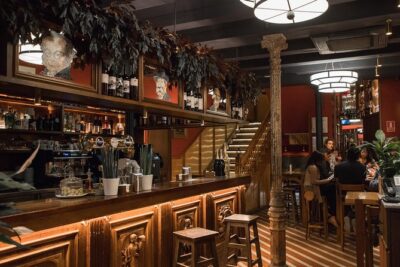
Madrid Tapas & Wine Tasting Walking Tour – Small Group Local Bars
Read our review →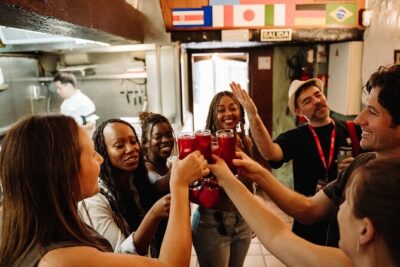
Madrid Tapas & Taverns Small Group Food & History Tour
Read our review →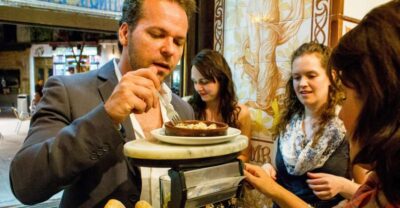
Food & Wine Tour with 10 Tapas & 4 Drinks Included
Read our review →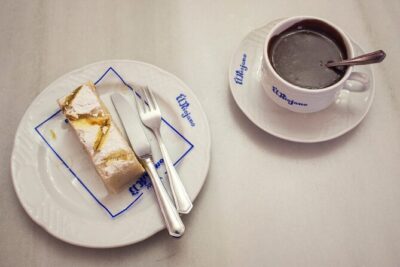
Madrid Historic Centre Food Tour with Authentic Tapas & Wines
Read our review →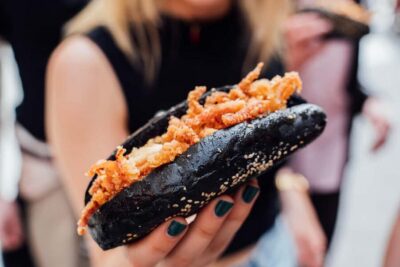
Madrid Guided Food Tour with Tapas and Spanish Wine
Read our review →
Madrid Small Group Tapas Tour at 4 Venues -Lunch or Dinner
Read our review →
Madrid Local’s Tapas Tour Dinner with a side of History
Read our review →Browse the lists this tour appears in