
REVIEW · NEW ORLEANS FOOD TOURS
New Orleans French Quarter Food Tour: Cajun, Creole and Culture
Come hungry, leave oriented. This 2.5-hour walk combines classic New Orleans food with stories about the French, Spanish, African, Caribbean, Italian, and Southern influences that shaped the city. I like the small group limit of 12, which gives you a better chance to ask questions, and I like that the food comes from local stops rather than a single restaurant meal. The main thing to consider is the balance: this is as much a culture and history walk as it is a food tour.
I also like the route. You begin at Jackson Square, visit the French Market, and then spend most of the time on foot in the French Quarter. The roughly 1.5-mile walk is easy to manage, but some people may prefer more regular tastings earlier in the tour. At times, the food arrives in clusters rather than at even intervals.
Key points to know before booking
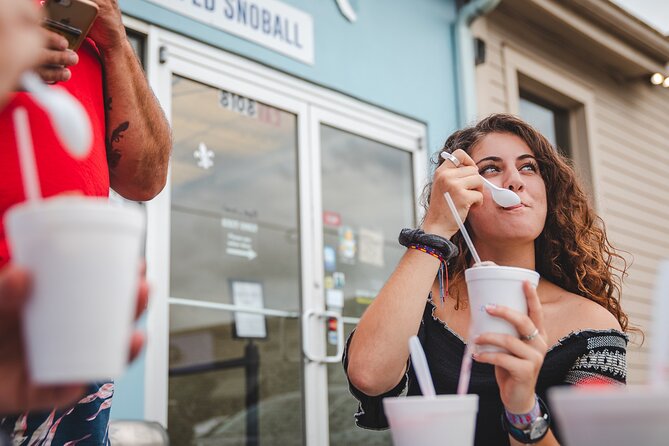
- Five substantial food samples: Expect some mix of gumbo, po’boy or muffuletta, jambalaya or red beans and rice, a beignet, praline, and possibly other local tastes.
- A small group capped at 12: The format makes it easier to ask about food, neighborhoods, family traditions, and local customs.
- A cultural tour with a full meal: You learn about New Orleans while eating enough to leave satisfied, not just nibbling tiny samples.
- About 14 city blocks: The pace is relaxed, with regular walking and stops through the French Quarter.
- Guide quality matters: Guides including Andre, Neil, Chip, Kaffey, Adam, and Christy have been praised for mixing food knowledge, local history, humor, and useful restaurant advice.
- Dietary flexibility is limited: Your guide can suggest alternatives, but every food stop may not offer vegetarian or special-diet substitutions.
What the $81.10 price gets you
At $81.10 per person, this is not the cheapest way to eat in New Orleans. But you are paying for more than five bites. The price covers a guided walk, a full meal’s worth of samples, local food explanations, hot sauce tasting, and an introduction to the French Quarter that can help shape the rest of your visit.
I think the value is strongest if this is your first day in New Orleans. A good guide can give you a sense of what gumbo should taste like, explain the difference between Cajun and Creole cooking, and point you toward dishes or restaurants worth trying later. Several guides have also offered restaurant suggestions and recipes, which adds value beyond the scheduled food.
The value is weaker if you want a tightly timed procession of restaurant tastings with little talking. One person found that too much of the food came near the end, while another felt the stops were rushed. Those comments point to the tour’s central tradeoff: you get a generous serving of New Orleans culture, but the food schedule may not feel perfectly even.
The 4.9 rating from 1,246 reviews and 96 percent recommendation rate suggest that the overall format works very well for most people. Still, I would book it for the combination of eating and learning, not as a pure restaurant crawl.
A few more food tours in the USA worth a look
- New Orleans Food Walking Tour of the French Quarter with Small-Group Option
★ 5.0 · 6,118 reviews - Chef Guided Food Tour of Pike Place Market
★ 5.0 · 3,733 reviews - Savannah First Squares Culinary & Cultural Walking Food Tour
★ 5.0 · 3,229 reviews
Starting beside Andrew Jackson in Jackson Square
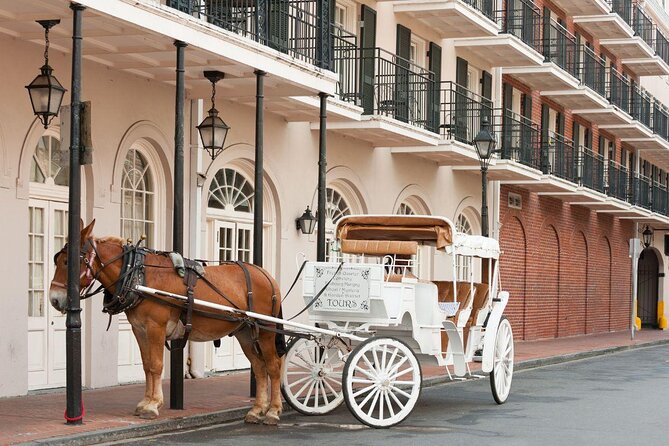
The meeting point is 701 Decatur Street, a central spot in the French Quarter near Jackson Square. You enter the square and look for the equestrian statue of Andrew Jackson. Your guide waits beside it, facing St. Louis Cathedral.
This is a useful starting point because Jackson Square gives you an immediate sense of the Quarter’s scale and character. You are not beginning in a remote neighborhood or spending the first half hour on transport. The tour gets to the heart of New Orleans at once.
The opening 30 minutes are devoted to the square and its surroundings. Expect an orientation to New Orleans, the French Quarter, and the people who shaped its food. Guides have explained how different cultural groups influenced local cooking, architecture, music, and daily life.
I would pay attention here even if you are eager to eat. The history helps make sense of the dishes later. Gumbo is not simply a thick soup, and jambalaya is not just seasoned rice. The guide’s job is to connect food with migration, local ingredients, trade, family traditions, and the city’s mixed cultural roots.
Jackson Square is also a practical place to begin if you are new to the city. You get your bearings quickly, and you end the tour nearby, making it easy to continue exploring the Quarter afterward.
The French Market: old traditions, local tastes
The next stop is the French Market, described as America’s oldest public market. You spend about 30 minutes here, taking in the stalls, vendors, and street life while sampling local food.
The market works well in this tour because it shows food as part of public life. You are not sitting in a dining room hearing an abstract lecture about New Orleans cooking. You are standing in a place where food, selling, conversation, and city tradition meet.
This is also where the experience can feel less polished than a standard restaurant tour. Food options depend on the season and on which vendors are available that day. That variety is part of the appeal, but it means your exact tasting list is not guaranteed.
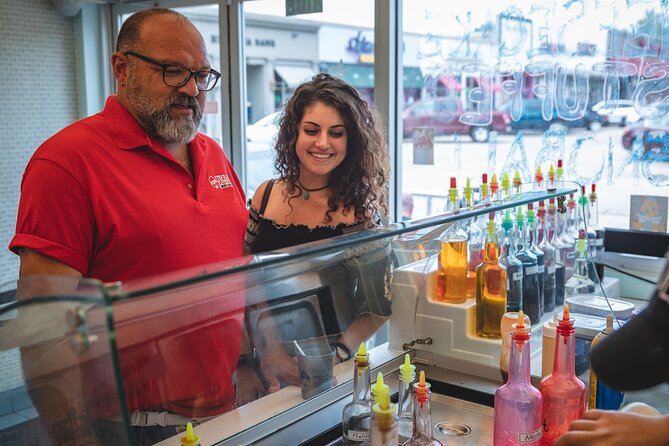
If you like trying local specialties without committing to a full plate, the market stop is useful. You may encounter small tastes and learn about ingredients or hot sauces that are common in Louisiana cooking. The hot sauce tasting adds a simple but memorable lesson: spice is not only about heat, and different sauces can change the character of a dish.
The market is open and active, so keep an eye on your guide and listen for meeting instructions. The group is small, but the surroundings can still be busy.
A 90-minute walk through the French Quarter
Most of the tour takes place in the French Quarter. The final 90 minutes combine walking, food, and stories, with the route covering about 14 blocks, or 1.5 miles.
That distance is modest, but the weather matters. The experience requires good weather, and New Orleans heat or humidity can make an easy walk feel longer. Wear comfortable shoes, bring water, and avoid arriving overly full. You are likely to eat enough for lunch or dinner.
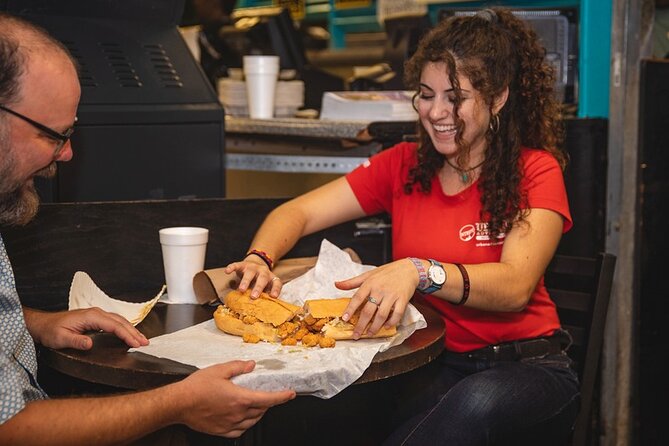
The Quarter portion is where the food usually becomes the focus. Stops may include a cup of chicken and andouille gumbo or seafood gumbo, a po’boy or muffuletta sample, jambalaya or red beans and rice, a fresh beignet, and a praline.
The exact combination changes. You might receive alligator sausage or another local taste, as one group did, but you should not book expecting that one specific item. Portion size and vendor selection can shift, though the total food is intended to equal a full meal.
Same city, a different table:
- San Francisco Super Saver: Muir Woods & Wine Country w/ optional Gourmet Lunch
★ 4.5 · 3,352 reviews - NYC: Chinatown & Little Italy Food Tour with 7 Flavorful Tastings
★ 5.0 · 2,733 reviews - Nashville: Food Tour with 5+ Tastings of Local Delicacies
★ 5.0 · 2,704 reviews - Historic Ybor City Food Walking Tour
★ 5.0 · 2,210 reviews
Gumbo, po’boys, muffulettas, and rice dishes
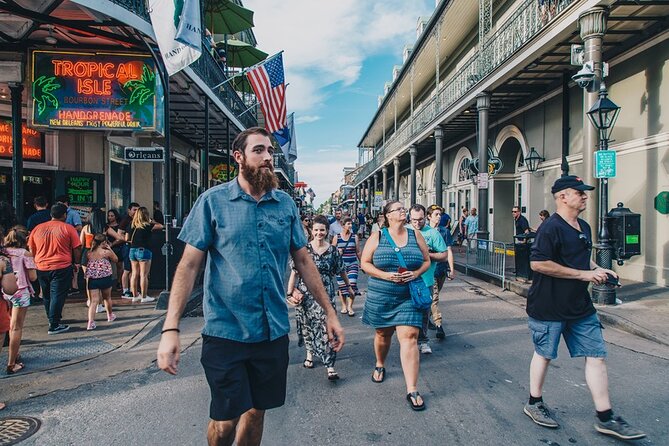
Gumbo is often the first dish people associate with New Orleans, and this tour gives you a chance to taste it in a small portion rather than ordering a large bowl before you know what you like. The sample may be chicken and andouille or seafood, depending on availability.
A po’boy brings a different lesson. The sandwich is casual, filling, and closely tied to New Orleans dining culture. A muffuletta offers another route, with Italian meats and olive salad. Comparing the two helps you see how local cooking absorbed outside influences and made them part of the city’s own food identity.
The rice dish may be jambalaya, a Creole preparation with sausage, or red beans and rice. Again, the point is not simply to check off famous foods. The guide explains how these dishes fit into local cooking and why ingredients, seasoning, and preparation matter.
I appreciate this range because it gives you different textures and styles. You get soup, bread and fillings, rice, pastry, and sweets. It feels more like a meal than a string of identical samples.
Still, the spacing can vary. If your guide gives a long history talk before the next food stop, you may wonder when the next taste is coming. That is worth knowing if you are expecting a bite every few minutes.
Beignets, pralines, and the sweet finish
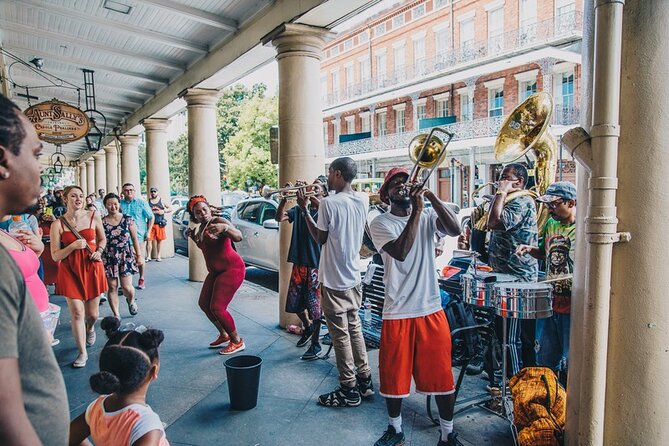
The dessert portion usually includes a hot beignet and a praline. The beignet is the more dramatic finish, especially when it arrives fresh and warm. Expect a soft pastry with a generous coating of powdered sugar, so keep a napkin handy.
The praline offers a different experience, with candied pecans and a sweeter, denser texture. Together, these desserts provide a quick introduction to the city’s famous sweets without requiring you to choose between them at a bakery later.
You may receive the dessert toward the end, and some people find that the food arrives in a less even rhythm than expected. On the other hand, finishing with sweets can work well after the savory dishes. By the end, you should feel fed rather than teased by tiny portions.
The tour ends at Jackson Square. That is convenient because you can remain in the French Quarter for more sightseeing, return to your hotel, or use the guide’s suggestions to plan your next meal.
The guides make or break the experience
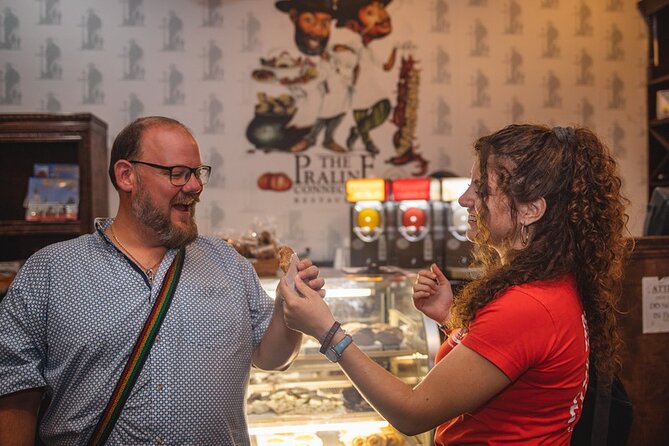
The strongest part of this tour is the person leading it. The guide is not only carrying food from stop to stop. The guide explains what you are eating, connects it to New Orleans culture, and answers questions as you walk.
Andre has been praised for his command of local history and food, and one group appreciated his restaurant advice and recipes. Neil has been singled out for explaining food, music, history, and local culture, with an easy willingness to answer questions. Chip has received praise for making the walk engaging while explaining how different cultures influenced New Orleans cuisine.
Kaffey has been described as energetic, funny, and attentive to the group. Christy helped one couple feel more confident exploring the city after the tour, while Adam was praised for making the meal enjoyable. These details matter because the same route can feel very different with a guide who simply recites facts compared with one who listens and adjusts.
You should expect the guide’s personal favorites to shape the tasting list. That is a good thing when you want local judgment rather than a fixed corporate script, though it also means the food will not be identical every day.
Who will enjoy this tour most
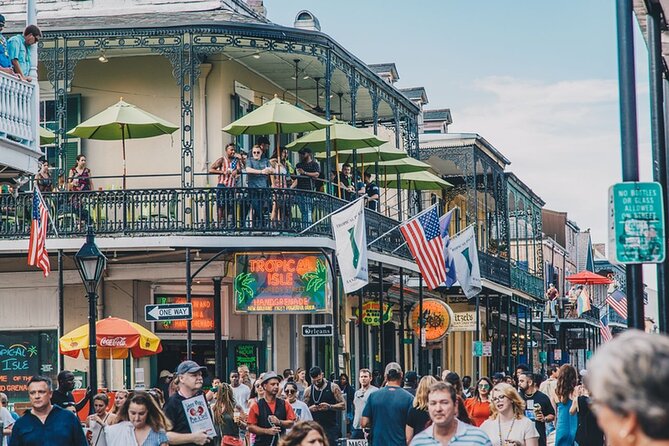
I would recommend it most strongly to first-time visitors who want an introduction to New Orleans before making their own food plans. You get a useful orientation, classic dishes, and a better sense of how the French Quarter fits into the city.
It also suits couples, families, solo visitors, and small groups of friends. Children are welcome, children under four can join free, and reduced pricing applies to children ages four through 11. The relaxed pace and regular stops make it manageable for most people who can walk 1.5 miles.
Solo visitors may particularly like the group size. It is small enough to make conversation easier without feeling like a large procession. People who enjoy asking questions about recipes, neighborhoods, music, or local customs should get plenty from the format.
Food-focused visitors should set their expectations carefully. You will eat well, but this is not a dedicated chef-led tasting menu. It is a cultural walking tour with a substantial food component.
Vegetarians and people with allergies should contact the operator before booking if possible and tell the guide at the start. Some stops cannot provide substitutions, although the guide can recommend suitable alternatives to purchase during the walk.
Timing, meeting details, and cancellation
The experience lasts about two hours and 30 minutes. It is offered in English, uses a mobile ticket, and runs near public transportation. Tips for the guide are not included, so plan for gratuity if the guide gives you a good tour.
Free cancellation is available when you cancel at least 24 hours before the start time. Changes or cancellations inside that window are not accepted for a refund. Since poor weather can cancel the experience, you may be offered another date or a full refund in that situation.
I would avoid scheduling this as your last activity before a flight or a tightly timed reservation. The walk is planned for 2.5 hours, but food service and group pacing can affect the finish.
Should you book the French Quarter food tour?
Book it if you want a full meal paired with local stories, especially during your first days in New Orleans. The small group, central route, wide range of dishes, and strong guide feedback make it a good introduction to both the French Quarter and the city’s food traditions.
Skip it if your top priority is a rapid series of tastings with very little history. The guide may spend a fair amount of time explaining New Orleans, and the food may not arrive at perfectly even intervals.
For most people, I think the $81.10 cost is reasonable because it combines lunch or dinner with a useful city orientation. Go early in your stay, wear comfortable shoes, arrive hungry, and treat the menu as a sample of New Orleans rather than a fixed promise. That approach gives you the best chance of enjoying both sides of the experience.
FAQ
How long is the New Orleans French Quarter food tour?
The tour lasts approximately two hours and 30 minutes.
How much walking is involved?
You walk about 14 blocks, or 1.5 miles, at a relaxed pace with regular stops.
What food is included?
The tastings may include gumbo, a po’boy or muffuletta, jambalaya or red beans and rice, a beignet, a praline, and other local samples. Food choices and portions can change by season and vendor availability.
Where does the tour start and end?
The tour starts at 701 Decatur Street near Jackson Square. It ends at Jackson Square.
Can vegetarians or people with special dietary needs join?
Some food stops cannot always accommodate vegetarian or other dietary needs. The guide can recommend suitable alternatives to purchase during the tour, but substitutions are not guaranteed at every stop.
Is the tour suitable for children?
Yes. Children under four can join free, and a reduced child price applies to children ages four through 11.
Just added in the USA
- Classic 3-Hour Food Tour in Colorado Springs★ 5.0 · 408 reviews
- Village Food Tours Lunch & History Tour★ 5.0 · 80 reviews
- West Side Market Food Tour★ 4.0 · 31 reviews
- Tremont Neighborhood Food Tour★ 5.0 · 35 reviews
- Little Italy Neighborhood Food Tour of Cleveland★ 4.5 · 52 reviews
- Clearwater Beach Fun and Tropical Food Tour★ 5.0 · 47 reviews
- Ohio City Neighborhood Food Tour of Cleveland★ 5.0 · 244 reviews
- Mainstrasse Village Food Tour in Covington KY★ 5.0 · 48 reviews
New Orleans Food Tours, compared.
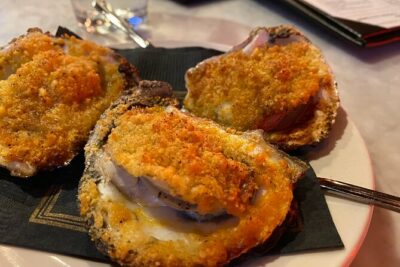
New Orleans Food Walking Tour of the French Quarter with Small-Group Option
Read our review →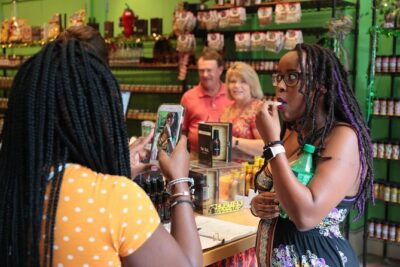
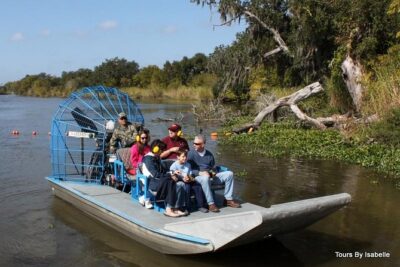
Airboat and Plantations Tour with Gourmet Lunch from New Orleans
Read our review →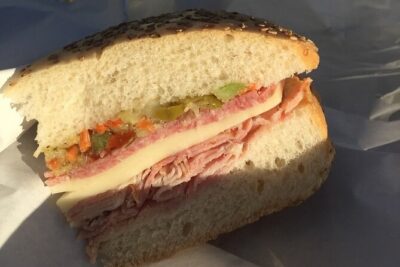
French Quarter walking Food Tour Famous Flavors of New Orleans
Read our review →
French Quarter walking Food Tour: Signature Tastes of New Orleans
Read our review →
French Quarter Small-Group Cocktail and Foodie Crawl
Read our review →
Browse the lists this tour appears in