
REVIEW · PARIS FOOD TOURS
Paris: Guided Champagne & Food Tour in St-Germain-des-Pres
Paris tastes better with bubbles. This three-hour walk through Saint-Germain-des-Prés pairs at least three Champagnes with six French delicacies, collected from small local shops before a final tasting in a wine cellar. I especially like the visits to real cheese, bakery, and pastry shops, plus the chance to learn from guides such as Raphael, who brings history and food to life.
The small-group format, capped at 10 people, keeps the outing personal and easy to follow. My main caution is the meal size: the food arrives mostly at the end, and one disappointed participant found the tour more like a history walk with a light snack than a full food tour.
Key points to know before booking
- Start at Les Deux Magots: Meet your guide outside one of Paris’s famous literary cafés before walking into the quieter lanes of Saint-Germain.
- Five food stops come before the cellar: You collect cheese, bread, pastries, and other delicacies from local shops for the final pairing.
- Taste several Champagne styles: The tasting includes at least three Champagnes, with guidance on how the wines work with different foods.
- Raphael earns special praise: He is particularly good at connecting French history, architecture, culture, and food.
- Small groups keep the pace friendly: The maximum group size is 10, with private options also available.
- Plan for a tasting, not lunch: The six delicacies add substance, but this is not designed as a full meal.
Starting with Saint-Germain at Les Deux Magots
Your meeting point is in front of Les Deux Magots, one of Saint-Germain-des-Prés’s best-known cafés. It is a handy landmark, but also an appropriate place to begin: this neighborhood has long been tied to Parisian café life, writers, artists, and intellectuals.
From there, you set off on foot with an English-, French-, or Spanish-speaking wine guide. The tour is not only about Champagne. As you walk, the guide adds stories about French history, local customs, gastronomy, and the streets around you.
That balance is important. If you only want to sit down and drink, this may feel too slow. If you like understanding how food fits into the life of a city, the walking portion gives the tasting more meaning.
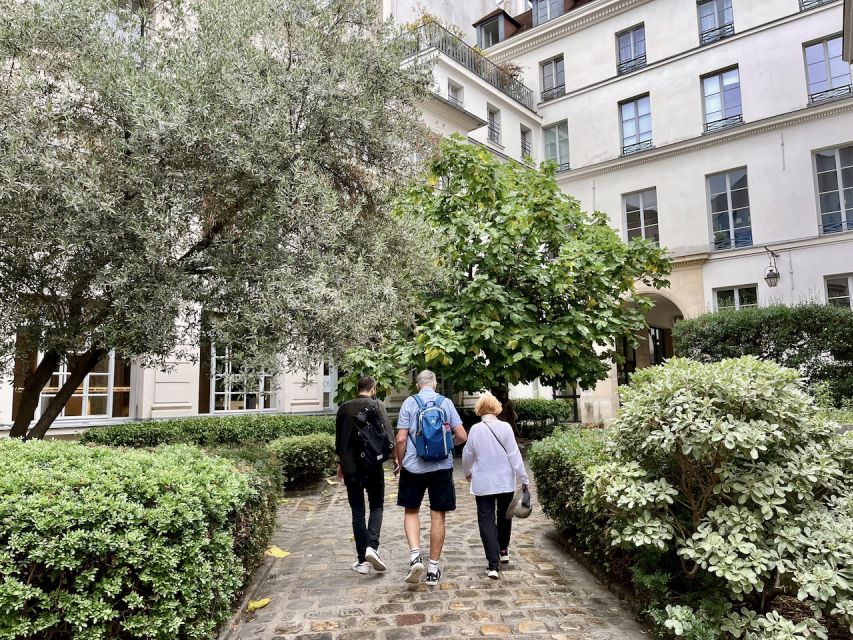
Saint-Germain is especially well suited to this format. Its small streets are lined with cafés, specialty food shops, and old-style businesses. You are not being taken to one large attraction and then rushed back to a coach. Instead, the neighborhood itself becomes part of the experience.
Raphael receives particularly strong praise for his storytelling. His subjects include local history, architecture, French culture, and Champagne, and his manner is described as both warm and entertaining. If he is leading your group, expect the historical side of the walk to receive real attention.
A few more food tours in Paris worth a look
- Paris: Le Marais Guided Food Tour with Tastings
★ 4.9 · 378 reviews - Paris: Saint Germain des Prés Guided Foodie Walking Tour
★ 4.8 · 146 reviews - Paris: Montmartre Food and Wine Guided Tour
★ 4.9 · 58 reviews
Five shops, six delicacies, and a taste of daily Paris
The guide takes you to five local shops to gather the food for the final tasting. The exact selection can vary, but the planned range includes cheese, bread, pastries, and other French specialties.
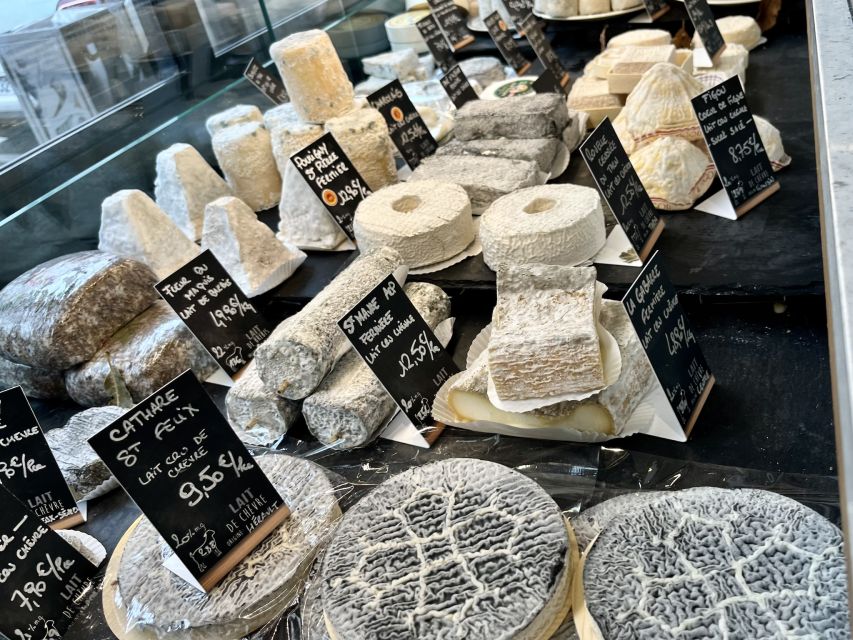
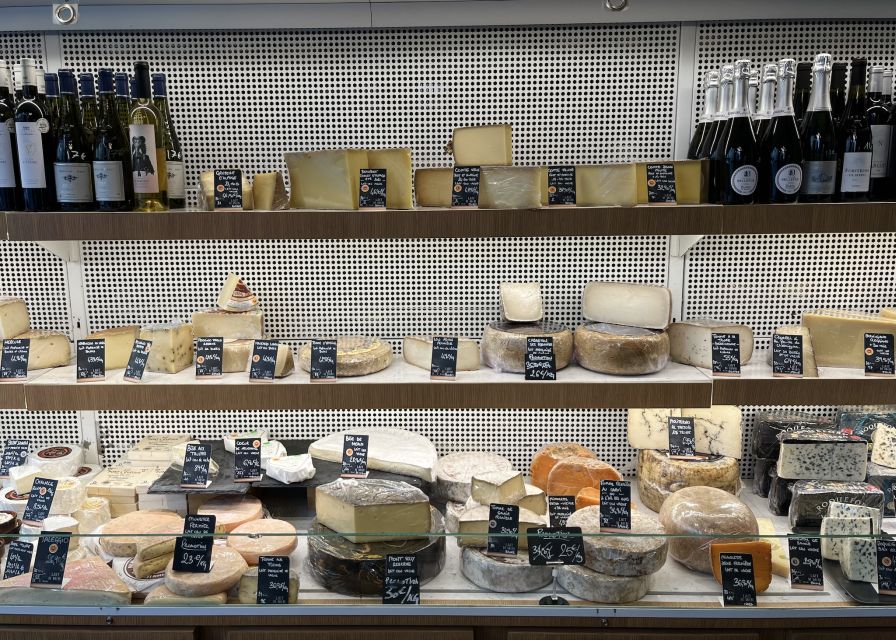
A stop at a traditional cheese shop is one of the strongest parts of the outing. Rather than tasting cheese as an isolated product, you learn how it fits alongside Champagne. The contrast between creamy, salty, earthy, and sparkling flavors gives the wine lesson a practical purpose.
Bread comes from an authentic bakery, and the food collected may include prosciutto bread. This is a useful reminder that French food culture is not built only around grand restaurant dishes. A good bakery, a neighborhood cheese counter, and a carefully chosen pastry can tell you plenty about how people eat in Paris.
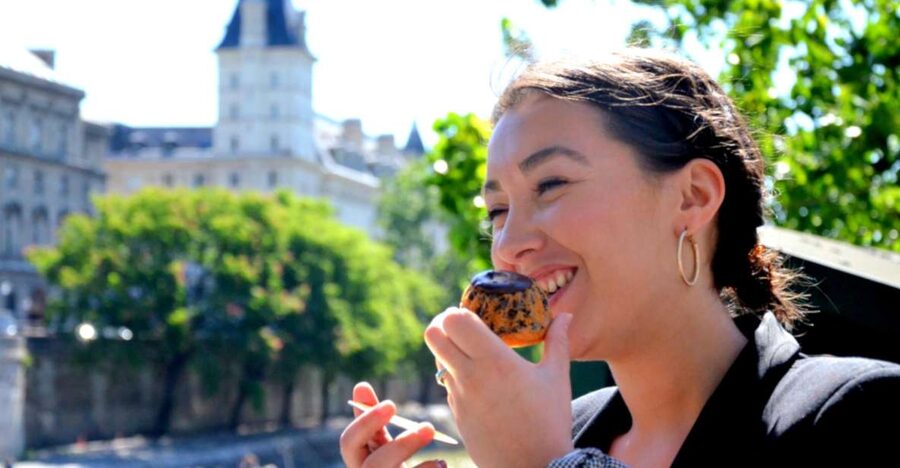
Maison Mulot is named as a pastry stop, and the tasting can include a macaron. Pastries provide a different test for Champagne, especially when the wine’s freshness meets sweetness or buttery texture. You may not leave with a full guide to French pâtisserie, but you will have a better sense of how varied Parisian food can be.
The six delicacies are meant to be paired with the wine, not served as six separate courses. That distinction matters. You get a spread of tastes to compare, but you should not book this expecting a three-hour replacement for lunch.
One person found the food arrived too late and expected more savory items, such as foie gras or another substantial French specialty. That criticism is fair. The tour’s structure saves most of the eating for the final stop, so anyone who gets hungry easily should have a meal or snack beforehand.
The final cellar makes the Champagne lesson work
The last stop is a local wine cellar, where the collected foods are paired with Champagne. This is the point where the various stops come together.
You taste at least three Champagnes and learn about the wine rather than simply receiving a glass and moving on. The guide explains different styles and shows how the wines interact with cheese, bread, cured meat, and pastries.
For many people, this will be more useful than a formal tasting with no food. Champagne can seem simple because it is often served at celebrations, yet its character changes noticeably depending on what you eat with it. A cheese may make one style seem rounder, while a pastry may highlight its freshness or sweetness.
The emphasis on smaller Champagne houses also appeals to people who already know the major names. One participant said the tasting changed their view of Champagne and made them less interested in the usual large brands. That is a valuable result if you want to understand the category beyond familiar supermarket labels.
Do not expect a visit to the Champagne region itself. You will not tour vineyards or production cellars in Reims or Épernay. This is a Paris tasting led by a wine expert, with the city’s food shops and neighborhood streets providing the setting.
The cellar also gives the experience a more focused finish. After walking and collecting food, you have time to sit with the pairings and ask questions. The guide can explain why one combination works better than another, which is where the tour’s educational value is strongest.
What the three-hour schedule feels like
The advertised duration is three hours. That is enough time for a relaxed walk, several shop visits, historical commentary, and a proper tasting, but it is not enough for long stops at every location.
The tour includes sightseeing, a photo stop, cheese tasting, local snacks, Champagne tasting, and regional food. You should expect to keep moving through Saint-Germain rather than spending the entire afternoon at a table.
The route finishes on Rue du Cherche-Midi. This is useful for planning the rest of your day because you do not return to Les Deux Magots. The end point leaves you in another part of Saint-Germain, close to more cafés, shops, and walking routes.
One experience lasted about four hours, so I would avoid scheduling a museum reservation or train departure immediately afterward. The official timing is three hours, but a lively guide, questions, or a relaxed tasting can stretch the outing.
Wear comfortable shoes. The walk is the main way you move between stops, and Saint-Germain is best enjoyed at street level rather than through a vehicle window.
Same city, a different table:
- Bateaux Parisiens Seine River Gourmet Dinner & Sightseeing Cruise
★ 4.5 · 6,930 reviews - Authentic Parisian Gourmet Food Tour with 10 Local Dishes & Wines
★ 5.0 · 4,754 reviews - Bateaux Parisiens Seine River Gourmet Lunch & Sightseeing Cruise
★ 4.5 · 2,680 reviews - Montmartre Hill French Gourmet Food and Wine Tasting Walking Tour
★ 5.0 · 2,588 reviews
Why the small-group size matters
The maximum group size is 10 people. That is large enough to provide a social atmosphere but small enough for a guide to answer questions during the tasting.
A small group also helps inside independent shops and the wine cellar. You can hear the explanations more clearly, and the visit feels less like a procession through a busy commercial district.
Private groups are available as well. That option may suit couples, families, or friends who want more control over the pace and food discussion. The standard small-group experience should be enough for most people, especially if you are comfortable meeting other visitors.
The guide is central to the experience. Raphael is praised for being warm, entertaining, and well informed about Champagne, architecture, history, and food pairings. That range makes a difference because this is part walking tour, part cultural lesson, and part tasting.
The format also works well for first-time visitors who want an introduction to French food customs. You do not need prior wine knowledge. At the same time, the pairing discussion can still be useful if you already drink Champagne and want to think more carefully about producers and food matches.
Is $163 a fair price?
At $163 per person, this is not a budget snack walk. You are paying for a three-hour guided experience, at least three Champagne tastings, six delicacies, several shop visits, and a small-group guide in central Paris.
The value depends on what you want from the outing. If you price it only by the amount of food and wine, you may find it expensive, especially since the portions are not intended to be a full meal.
If you value access to independent food shops, an English-speaking wine expert, and a guided look at French gastronomy, the price becomes easier to justify. You are also paying for organization. Someone else has chosen the shops, arranged the tasting, explained the pairings, and connected the stops into one story.
I would compare it with the cost of arranging a similar afternoon yourself. You could certainly buy cheese, bread, pastries, and Champagne for less. You would not automatically receive the historical context, the introductions to specific artisans, or a structured tasting that shows how the foods work together.
The tour is best value for people who want an easy, guided introduction without spending time researching wine bars and specialty stores. It is less attractive if you are seeking a large meal or already know Saint-Germain’s food shops well.
Gratuities are not included, so allow for that extra cost if the guide gives you a good afternoon. Payment flexibility is available, and you can reserve first and pay later. Free cancellation is offered up to 24 hours before the start.
What could disappoint you
The biggest issue is the gap between the word food tour and the actual format. The tour includes six delicacies, but the food is gathered along the route and mainly eaten at the final cellar.
If you imagine frequent tastings every 20 minutes, you may feel let down. If you see it as a guided neighborhood walk that ends with a Champagne and food session, the structure makes more sense.
The tour can also be canceled if the minimum of four participants is not reached. In that event, an alternative or a full refund is offered, but cancellation could affect your plans.
The experience is conducted in several languages, yet the available language depends on the guide and departure. English is offered, along with French and Spanish, so check the selected option carefully.
There is no claim that the route is fully accessible, and comfortable shoes are specifically recommended. Since the tour is on foot and moves between shops, anyone concerned about mobility should ask for details before booking.
Who will enjoy this Saint-Germain tasting?
I would recommend it to anyone who wants a gentle introduction to French wine and food while seeing a famous Paris neighborhood from street level.
It is particularly suitable for:
- Couples seeking a social food experience with a polished cultural angle
- First-time visitors who want more than a standard monument tour
- Champagne drinkers interested in smaller houses and food pairings
- People who enjoy bakeries, cheese shops, pastries, and local food traditions
- Visitors who prefer small groups over large scheduled tours
- Anyone who wants a guide to explain the history behind the neighborhood
Families and mixed-interest groups may also find it useful because the walk includes architecture and history, not only wine. However, anyone expecting a full lunch should eat first.
The tour may be less suitable for serious wine collectors seeking technical production details, or for people who want to visit the Champagne region itself. It is an urban tasting with cultural context, not a vineyard excursion.
Practical planning for your day
Meet outside Les Deux Magots and arrive ready to walk. The café is a clear landmark, but central Paris can be busy, so give yourself enough time to find the exact meeting spot.
Wear comfortable shoes and bring an appetite, but not an empty stomach. A light meal before the tour is sensible because the food may not appear until the final stop.
Keep the rest of your schedule flexible. The official duration is three hours, though one outing ran closer to four hours. The route ends on Rue du Cherche-Midi, not back at the starting café.
Think of the tasting as a lesson in combinations. Notice how each Champagne changes with cheese, bread, cured meat, or pastry. Ask the guide why a pairing works, and you will get more from the experience than by simply trying to identify flavors.
Should you book it?
Book this tour if you want Champagne, neighborhood history, and French food shops in one compact outing. The strongest reasons are the small group, the cellar tasting, the chance to sample several Champagne styles, and the lively guidance associated with Raphael.
Skip it if you want a substantial meal, frequent food samples throughout the walk, or a tour of vineyards and Champagne production. For everyone else, $163 buys a well-organized introduction to the French art of eating and drinking, with enough walking to make the afternoon feel like Paris rather than a sealed tasting room.
FAQ
Where does the tour start?
The tour starts in front of Les Deux Magots, a famous Paris café in Saint-Germain-des-Prés.
Where does the tour finish?
The tour finishes on Rue du Cherche-Midi in Paris.
How long does the tour last?
The advertised duration is three hours. One reported experience lasted about four hours, so avoid booking another activity immediately afterward.
How many Champagnes will I taste?
The tour includes at least three different Champagnes.
Is food included?
Yes. The guide collects six delicacies from several local shops, including cheese, bread, and pastries, for a Champagne pairing at a local wine cellar.
What languages are available?
The tour is offered in English, French, and Spanish. Small-group and private options are available.
Just added in Paris
- The Official Emily in Paris Food Tour★ 4.8 · 39 reviews
- Paris: Taste of Montmartre Food & Wine Walking Tour★ 4.9 · 29 reviews
- Paris: Saint Germain des Prés Guided Foodie Walking Tour★ 4.8 · 146 reviews
- Paris: Pastries and Chocolate Walking Food Tour★ 4.8 · 57 reviews
- Paris Le Marais Food Tour: Full Traditional French Feast★ 4.8 · 119 reviews
- Paris: Montmartre Food Tour with 10 Local Tastings & Wines★ 4.8 · 191 reviews
- Paris: Le Marais Bakery and Pastry Food Tour with Tastings★ 4.7 · 64 reviews
- Paris: Le Marais District Food Tour with 10+ Tastings & Wine★ 4.8 · 382 reviews
Paris Food Tours, compared.
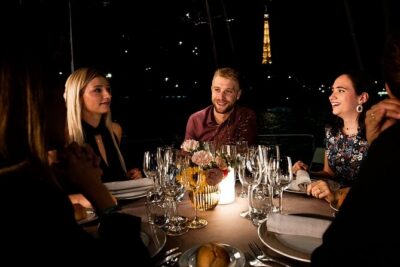
Bateaux Parisiens Seine River Gourmet Dinner & Sightseeing Cruise
Read our review →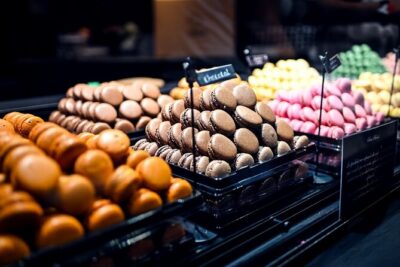
Authentic Parisian Gourmet Food Tour with 10 Local Dishes & Wines
Read our review →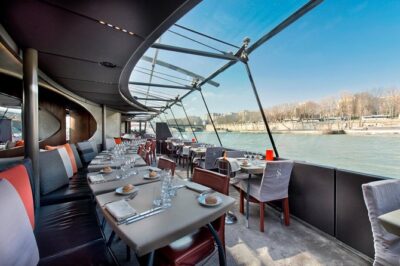
Bateaux Parisiens Seine River Gourmet Lunch & Sightseeing Cruise
Read our review →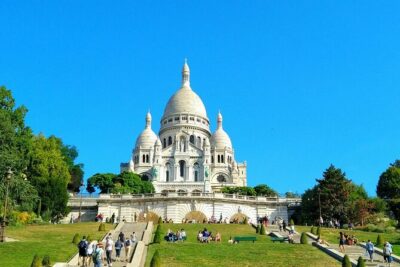
Montmartre Hill French Gourmet Food and Wine Tasting Walking Tour
Read our review →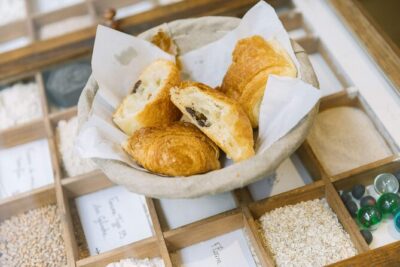
Paris 3-Courses Gourmet Dinner Seine River Cruise with Champagne
Read our review →
Paris Gourmet Dinner Seine River Cruise with Singer and DJ Set
Read our review →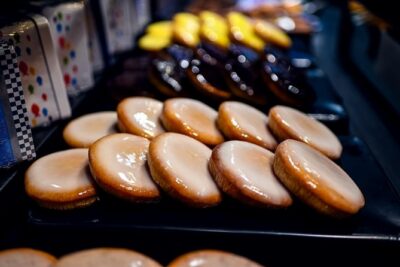
Private Montmartre Food Tour with Wine, Cheese & Pastries
Read our review →Browse the lists this tour appears in