
REVIEW · CANADA FOOD TOURS
Quebec City: Historical Walking and Tasting Tour
Old Quebec tastes better with a story. This three-hour walk combines French colonial history with four stops for cheese, sausage, local vegetables, drinks, and maple taffy. I like the way food gives the city’s past a practical shape, and I like that the guides bring real character to the route, sometimes appearing as figures such as Marie Rollet or Louis Hébert. The main caution is simple: the samples are small, so eat lunch first.
You meet beside Place d’Armes, then walk through the upper part of Old Quebec with an English-speaking guide. The tour earns its strong reputation through lively storytelling, excellent food stops, and guides such as Chantal, Yves, Jonathan, and Louis, who have been praised for warmth and strong local knowledge. Comfortable shoes are essential, and this is not a good pick if hills, stairs, or extended walking are difficult.
Key points at a glance
- Four local tasting stops: Expect changing samples such as cheese, sausage, vegetables, drinks, seafood dishes, and maple treats.
- History with personality: Some guides use period characters, including Marie Rollet and Louis Hébert, to bring New France to life.
- A three-hour orientation: The route focuses on the upper part of Old Quebec around Place d’Armes and the Château Frontenac area.
- Small portions, not lunch: The food is high quality, but the tastings work best as an introduction to local cuisine.
- Strong guide-led experience: English-speaking guides are praised for friendly, animated presentations and clear historical context.
- Good flexibility: You can cancel up to 24 hours ahead for a full refund, and reserve now while paying later.
Starting beside Place d’Armes
The meeting point is in front of the tourist information center beside Place d’Armes. This is a sensible place to begin because you are already in the heart of Old Quebec, near some of the city’s most photographed streets and buildings.
Your guide leads the group on foot through the old town, stopping to explain the first French settlements and the people who shaped New France. The emphasis is not only on dates. You get the human side of settlement, farming, family life, and the slow development of Quebec’s food culture.
The route is in the upper part of Old Quebec, especially around the Fairmont Château Frontenac and nearby streets. One useful point from the tour’s structure is that it does not cover every part of the city. You should set aside separate time for Lower Town, the area below the cliff, if you want a fuller look at Old Quebec.
This makes the tour a good early activity during a Quebec City visit. You get your bearings, learn how the upper town fits together, and collect a few restaurant ideas before choosing where to eat later.
More history tours in Canada:
- Victoria Guided Food and History Tour
★ 5.0 · 2,015 reviews - Gastown Historic Walking Food Tour
★ 5.0 · 1,863 reviews - Vancouver: Gastown Historical Walking Food Tour
★ 4.8 · 539 reviews
History told by Marie Rollet and Louis Hébert
The best guides add a sense of theater without turning the tour into a school performance. Chantal, for example, has led the walk in period clothing as Marie Rollet, often described as the first French female farmer and teacher in Quebec. Louis Hébert, recognized as one of the first French settlers in Quebec, has also appeared as a character at the meeting point.
That approach can sound gimmicky on paper. In practice, it depends entirely on the guide. Here, the historical character has been praised as warm, entertaining, and convincing rather than forced. I like this format because it gives you a person to remember, not just a list of names.
You may hear about the early settlers of New France, the first farms, and the relationship between settlement and food production. The guide also connects the city’s past with the regional terroir, meaning the local combination of land, climate, farming, and food traditions.
The quality of the presentation matters a great deal. A quiet guide could make a three-hour history walk drag. The guides associated with this tour, including Jonathan, Yves, Chantal, and others, are repeatedly described as animated, friendly, and easy to follow. Some participants have specifically praised the way the conversation continues naturally while the group walks.
Four stops that turn history into lunch ideas
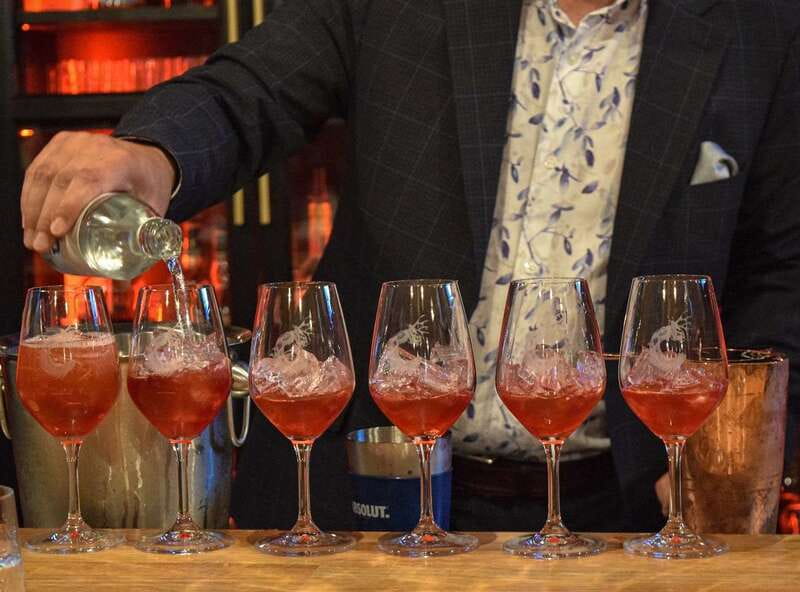
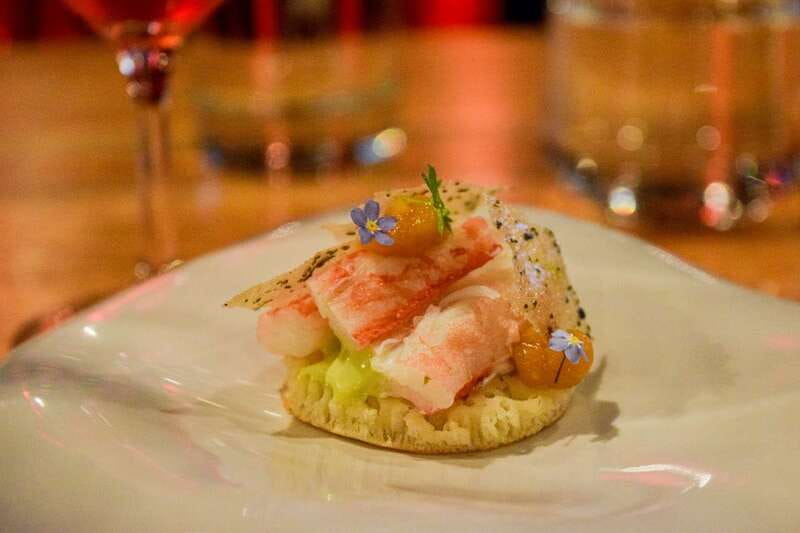
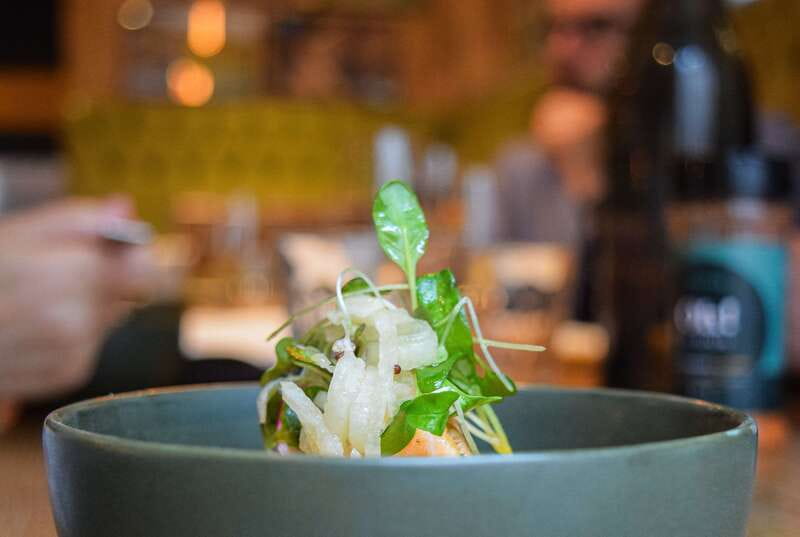
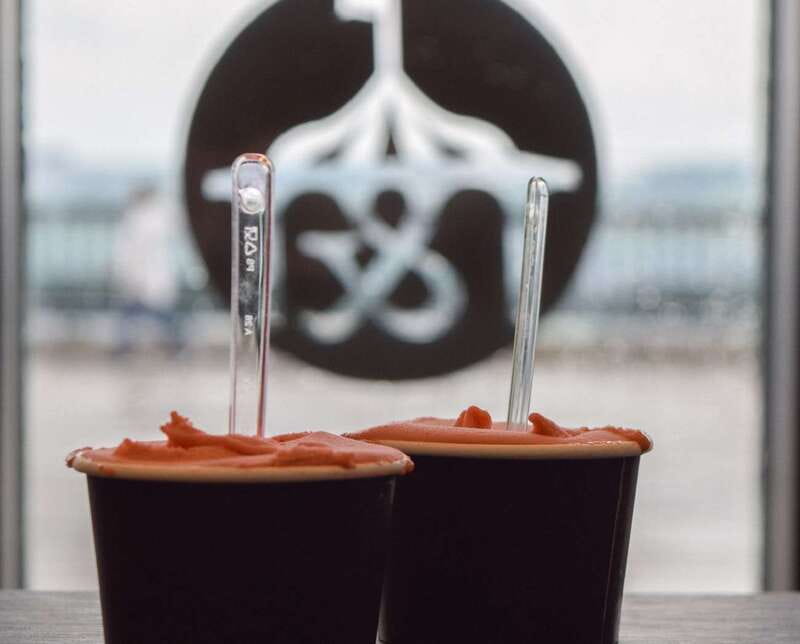
The tasting portion is the tour’s other major strength. You visit four tasting stops, with food and drinks that may change without notice. Possible samples include regional cheeses, sausage, vegetables, drinks, seafood, maple taffy, and maple gelato.
The stops may include three restaurants followed by a sweet finish, though the exact lineup can change. That variety is useful. Rather than visiting four similar counters, you may see different styles of cooking and presentation. One stop might focus on a small savory plate, another on seafood, and another on a more formal restaurant setting.
The food is generally presented as a tasting, not a full meal. One particularly practical point is worth taking seriously: the portions can be very small. You should eat beforehand, especially if you are booking the tour around lunchtime or early evening. The samples are meant to show you what Quebec’s food scene offers, not fill you up for the rest of the day.
I see that as a fair trade. Smaller portions allow the tour to include several kinds of food and keep the pace moving. They also leave you free to return to a restaurant later for a proper meal.
The tastings may include fish or shellfish. Substitutions have been provided for people who do not eat those foods, and vegetarian substitutions have also been handled well. Still, send your allergies or intolerances through the booking chat after reserving. Since products can change, you should not assume that every sample will suit your diet without advance notice.
What the food says about Quebec
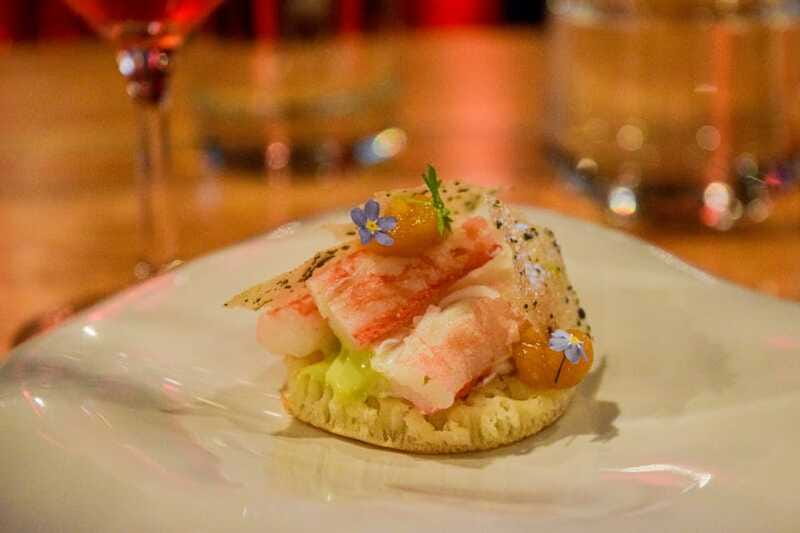
This is not simply a food walk with a few historical comments added. The food gives the guide a way to explain how Quebec developed its own regional identity.
Cheese and sausage point toward local production and preservation. Vegetables connect the table to farming. Maple sweets provide a familiar taste of Quebec, but they also show how a local ingredient has become part of the province’s culinary identity. Drinks and restaurant dishes broaden the picture beyond the usual maple syrup stereotype.
The regional angle is helpful if this is your first trip to Quebec. You are not just sampling isolated items. You are hearing how local products and cooking have changed over time, and how restaurants use them today.
One tour route included restaurants with different levels of formality and different approaches to cuisine. That is especially useful because it gives you more than one idea of what to eat in Quebec City. If something catches your attention, note the restaurant name and return later. Several people have wished they had taken the tour earlier so they could revisit the places during the rest of their stay.
A few more food tours in Canada worth a look
- Old Quebec City Food Tour with 10+ Autentic Local Tastings
★ 5.0 · 1,288 reviews - Evening Gourmet Tour 5 Course Dinner – History and Food in Old Quebec City
★ 5.0 · 496 reviews - Quebec City: Old Quebec 5-Course Gourmet Food Tour
★ 5.0 · 107 reviews - Ho Chi Minh City Street Food Tour & Sightseeing By Motorbike
★ 5.0 · 9,413 reviews
The upper town route and its hills
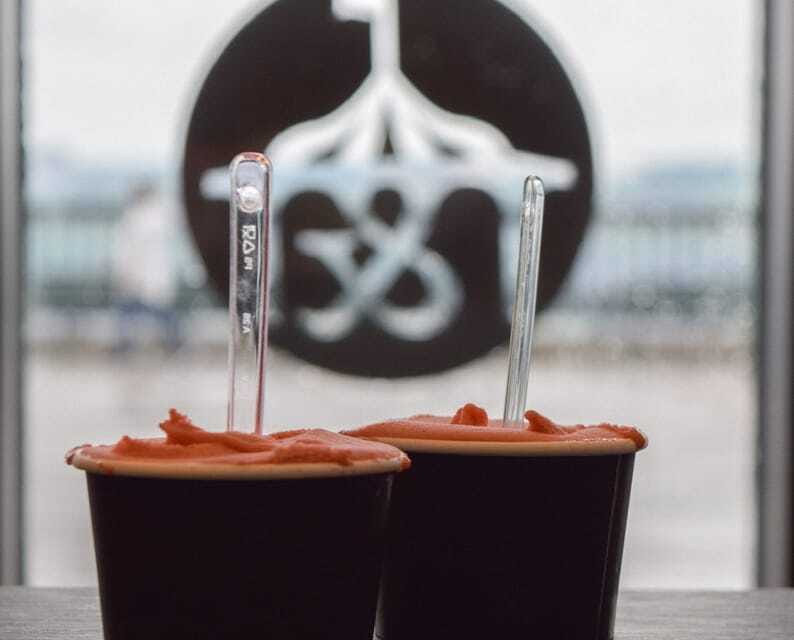
Expect a walking tour, not a gentle stroll on flat pavement. Quebec City’s upper town has slopes, uneven streets, and changes in elevation. One guide was described as moving quickly up and down the hills, so comfortable shoes are more important than stylish ones.
The tour is not suitable for people with mobility impairments. The information provided does not give a precise distance, group size, or step count, so I would not book it if you need guaranteed seating, an accessible route, or frequent rest breaks.
For most other visitors, the walking is part of the point. You move between historic streets, food stops, and views near the Château Frontenac instead of sitting in a vehicle and watching the city pass by. The three-hour length gives the guide enough time to tell stories without turning the day into a full-day commitment.
Plan Lower Town separately. The tour focuses on the upper portion, and one useful suggestion is to explore the lower section on your own. You might pair this activity with a later walk down toward the waterfront and Petit-Champlain area, but the tour itself does not promise that coverage.
Is $87 good value?
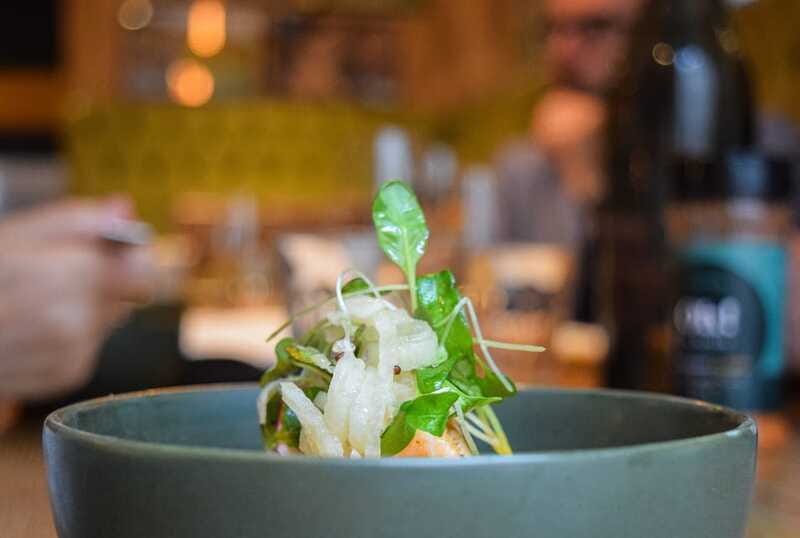
At $87 per person, the value depends on how you use the tour. You are paying for three hours of guiding, historical interpretation, four tastings, and the convenience of visiting several food stops without planning the route yourself.
If you already know Old Quebec well and mainly want a full meal, the price may feel less attractive. The portions are samples, and you will still need lunch or dinner afterward.
For a first visit, I think the price is easier to justify. A good guide can save you time, introduce places you might otherwise miss, and explain the city in a way that makes later walks more rewarding. The food stops add real value, especially if you use them as a shortlist for future meals.
The tour also works well for people who do not want a standard history lecture. The strongest part is the combination of stories, movement, and tasting. You are doing something every few minutes, which helps the three hours pass quickly.
How the guides shape the experience
The guide is the deciding factor here. The route and samples matter, but the experience relies heavily on the person leading it.
The most praised qualities are friendliness, energy, humor, and clear explanations. Chantal’s period presentation as Marie Rollet has been singled out for making early settlement memorable. Jonathan has been praised for being exceptionally welcoming and informed. Yves has received similar praise for an informative tour that felt like good value.
Another guide helped retrace the route when a participant lost a pair of glasses. That small detail says something useful about the tone of the service. You are not simply handed a map and moved along. The guide is present and engaged with the group.
The tour is conducted in English. If you want a quiet, self-guided food outing, this is not the right format. If you enjoy asking questions and listening as you walk, the guide-led structure is a strong reason to book.
Dietary needs and changing samples
The food lineup is not fixed. Local products may change without notice, so you should treat the listed examples as possibilities rather than promises.
Vegetarians have been accommodated with substitute dishes, and seafood alternatives have also been arranged. That is encouraging, but advance communication remains important. Send your food allergies and intolerances after confirming the reservation.
You should also remember that a substitution may change the character of one tasting. The tour can try to accommodate you, but it cannot guarantee that every replacement will match the original dish or that every product will be available on the day.
For children and non-drinkers, nonalcoholic drinks have been offered in place of alcoholic options. The available information does not give a minimum age, so families should confirm that detail when booking if it matters to their plans.
Best for first-time visitors and curious eaters
I would recommend this tour most strongly to first-time visitors who want a fast, friendly introduction to Old Quebec. It suits you if you like hearing local stories, trying small portions, and walking between several stops.
It is also a good fit for couples, friends, and solo visitors who want built-in company without committing to a full-day group activity. The natural conversation and guide-led format make it easy to stay engaged.
Food lovers should view it as a preview rather than a meal. You will sample several local flavors, then decide what deserves a return visit. That is a better use of the tour than arriving hungry and expecting four full courses.
You may want to skip it if you have significant mobility limits, dislike group walks, or want detailed coverage of Lower Town. It is also less useful if you have only a short appetite for history and would rather spend $87 on one substantial restaurant meal.
Booking details worth knowing
The tour lasts three hours, with starting times based on availability. It includes the Old Quebec walking tour and four tasting stops. The guide language is English.
You can reserve now and pay later, which helps if your schedule is still shifting. Cancellation is free up to 24 hours before the activity for a full refund.
The current rating is 4.8 from 70 reviews, with especially strong praise for the guides, food quality, and mix of history and cuisine. I would still read the practical details carefully before booking, particularly the walking requirement, the small tasting portions, and the changing food lineup.
FAQ
Where does the Quebec City historical tasting tour meet?
Meet in front of the tourist information center next to Place d’Armes in Old Quebec.
How long does the tour last?
The tour lasts three hours.
What language is the tour conducted in?
The live tour guide speaks English.
How many tasting stops are included?
The tour includes four tasting stops.
What foods might be served?
Possible tastings include regional cheeses, sausage, local vegetables, drinks, seafood dishes, maple taffy, and maple gelato. Products can change without notice.
Is the tour suitable for people with mobility impairments?
No. The activity is not suitable for people with mobility impairments, and the route includes walking through the upper part of Old Quebec.
Should you book it?
Book this tour if you want history and food in one well-paced outing, especially near the start of your Quebec City visit. The guides are the main attraction, with period characters, friendly storytelling, and a clear connection between New France and today’s regional cooking.
Go in after eating a light meal, wear good walking shoes, and plan a separate visit to Lower Town. If those conditions suit you, $87 buys more than a few bites. It gives you a useful introduction to the city, several restaurant leads, and a lively explanation of why Quebec’s food tastes the way it does.
Just added in Canada
- Charlottetown Food Walking Tour★ 5.0 · 59 reviews
- Charlottetown waterfront SOLAR PartyBike food & drink experience!★ 4.0 · 92 reviews
- Bites and Sites of Canmore Walking Food Tour★ 5.0 · 26 reviews
- Calgary Street Art & Craft Beer 3 Hour Tasting Tour★ 5.0 · 44 reviews
- Canadian Rocky Mountain Food Tour★ 5.0 · 91 reviews
- Banff Food Tour: Eat the Castle★ 5.0 · 130 reviews
- Toronto: St Lawrence Market Food Tour with 6 Tastings★ 4.7 · 168 reviews
- Ottawa: Taste of the ByWard Market Food Tour★ 4.9 · 50 reviews
Historical Tours, compared.
Tapas Walking Tour with Food, Wine, and History
Read our review →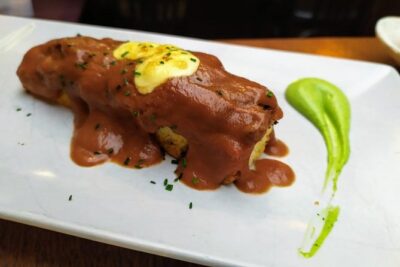
Sevilla Food Tour: Tapas, Wine, History & Traditions
Read our review →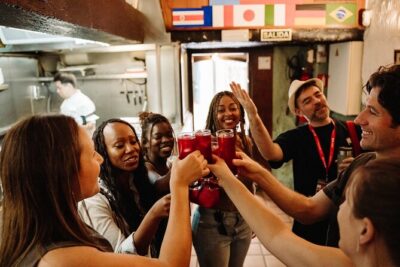
Madrid Tapas & Taverns Small Group Food & History Tour
Read our review →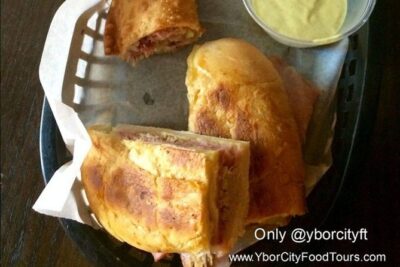
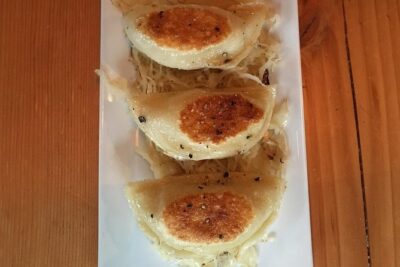
Barcelona Tapas Walking Tour: Food, Wine & History
Read our review →
Boston Food & History: Pizza, North End & Freedom Trail
Read our review →Browse the lists this tour appears in