
REVIEW · ITALY FOOD TOURS
Siena: Food and Wine Walking Tour
Siena tastes better one bite at a time. This two-hour walk pairs local wines and Tuscan foods with stories about Siena’s traditions, taking you from the Tuscan Wine School to food stops around town. I like the mix of tasting and place: you are not simply seated for a wine flight, and you are not rushed through a sightseeing walk with one token snack. You get cheese, cured meats, extra virgin olive oil, sweets, and dessert while learning why local products are made the way they are.
I also like the attention given to details many food tours skip, including Cinta Senese pork, local truffles, plain Tuscan bread, and the medieval recipes that still shape some dishes. Guides such as Elio Martino, Paolo, and Georgia have been praised for their warmth, humor, and strong knowledge of wine and food. The main drawback is the pace: two hours goes quickly, and the walking route is not suitable for people with limited mobility. Wear good shoes, arrive five minutes early, and remember that tips are extra.
Key points about Siena’s food and wine walk
- Two to three local wines: Taste a typical Tuscan white and red, with the chance to learn how the region’s wine production works.
- Food beyond a standard tasting plate: Expect local cheese, cured meats, extra virgin olive oil, bruschetta, sweet foods, dessert, and possibly gelato.
- A guide-led walk through Siena: The experience combines stops at the Tuscan Wine School with visits to food vendors around town.
- Useful food history: Learn why traditional Tuscan bread is plain and saltless, and how it is used in recipes today.
- Small producers and local ingredients: The discussion includes Cinta Senese pork, truffles, cheeses, cold cuts, and olive oil.
- Best for curious eaters: The tour suits people who want context with their tastings, especially those new to Italian wine.
Starting with wine at the Tuscan Wine School
The tour begins with wine at the Tuscan Wine School, giving you a useful introduction before the walking portion gets under way. You can expect to taste two or three local wines, including a typical white and red. The point is not just to pour a glass and move on. Your guide explains regional production and how wine fits into Tuscan food culture.
That makes this a good first stop for anyone who knows little about Italian wine. Elio Martino, in particular, has been praised for explaining Italian and local wines clearly, along with balsamic products and oils. His sense of humor also helped keep the tasting relaxed rather than overly formal.
You should not expect a full sommelier course in two hours. The wine section is an introduction, not a detailed survey of every Tuscan appellation. Still, it gives you enough background to pay closer attention to the wines you see on menus for the rest of your trip.
I like that the tasting includes both white and red wine. A single wine can tell you very little about a region, while two different styles give you a better sense of the range available. The exact wines are not specified, so you should think of this as a local tasting rather than a guaranteed chance to sample a particular famous label.
More Wine Tours in Italy
- Winner 2025 Florence Sunset Food & Wine Tour by Eating Europe
★ 5.0 · 5,015 reviews - From Florence: Small Group Wine Tasting Tour to Tuscany
★ 4.9 · 3,902 reviews - Rome Food Tour: Unlimited Tastings with Fine Wine & Barolo
★ 5.0 · 3,365 reviews
Cheese, cured meats, and olive oil with a local angle
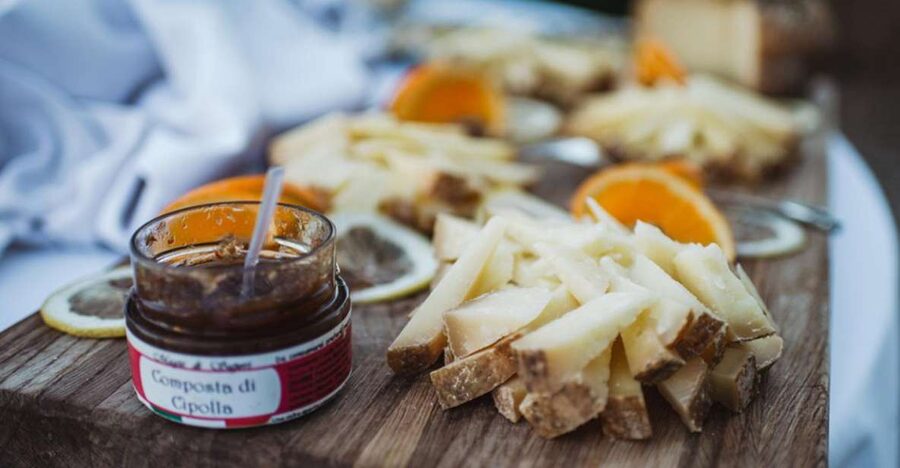
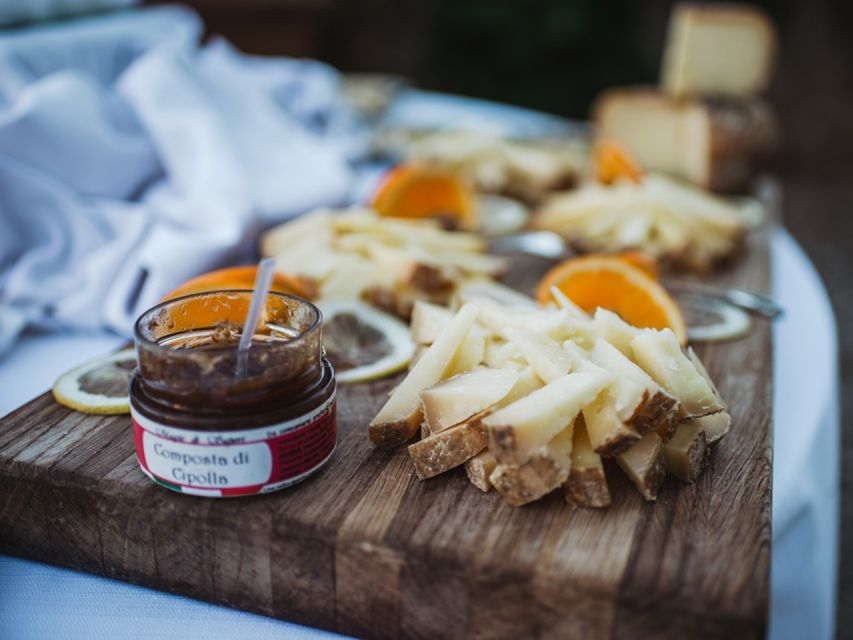
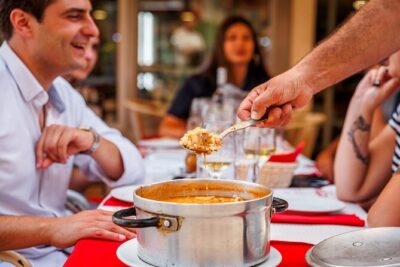
Food arrives alongside the wine, with tastings of cheese, cured meats, and extra virgin olive oil. These are basic Tuscan ingredients, but the guide adds value by explaining how they are produced and how people use them.
The cured meats offer a chance to learn about pork traditions, including Cinta Senese. This local breed is an important part of the food story covered on the tour. You also hear about how the animals and products connect to the area’s traditions, rather than treating the meat as just another item on a platter.
Cheese gets similar attention. You learn about local production and the role of cheese in regional eating. The tasting is especially useful if you plan to visit markets or food shops later, since you will have a better idea of what you are looking at.
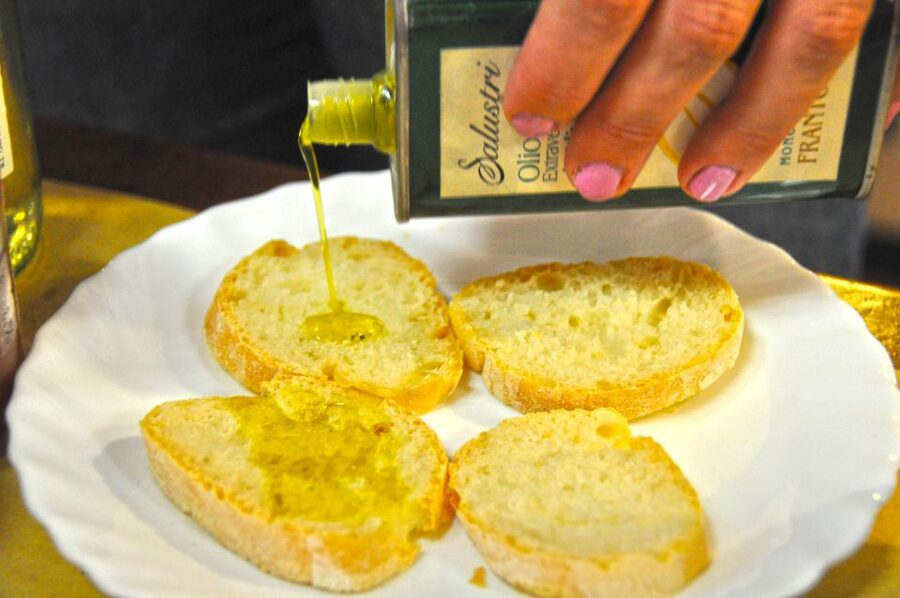
Extra virgin olive oil is another strong part of the experience. A little oil can seem simple until you understand how much its production affects flavor. The tour gives you a way to think about the difference between an everyday condiment and a product treated as a key part of Tuscan cooking.
Some food stops include bruschetta, meats, cheeses, and oil. The exact order and selection may vary, but the stated tastings cover the main local products. You should arrive ready to eat, though this is best viewed as a generous tasting walk rather than a replacement for a full lunch or dinner.
Walking Siena through its everyday foods
After the wine school, the tour moves through Siena’s streets and visits local vendors. This is where the experience becomes more than a seated tasting. You see how food fits into the city itself, with stops connected to local shops and neighborhood life.
The walk lets you meet vendors and learn about the foods they sell. That matters because Siena’s culinary culture is easier to understand when you connect products with real places. Instead of hearing only general facts about Tuscany, you can ask questions while looking at the ingredients themselves.
The route also gives you a taste of Siena’s historic center, though this is not presented as a dedicated sightseeing tour. Your guide explains how food, local history, and tradition are linked. If you want detailed information about every church, palace, or square, book a separate city tour. Here, the streets are the setting for the food story.
You should also expect some standing and walking on city streets. The experience is not recommended for people with mobility impairments. Comfortable shoes are specifically advised, and that is practical advice rather than a minor footnote. Siena is a city where a short route can still involve uneven surfaces and regular stops.
The story behind saltless Tuscan bread
One of the more unusual subjects is Tuscan bread. You learn why it is traditionally made without salt, how it appears in recipes today, and how older medieval cooking shaped the food people still eat.
This is the sort of detail that helps you understand a dish instead of simply labeling it authentic. Plain bread can seem bland if you do not know the reason behind it. With the background, it becomes part of a wider story about regional cooking and older habits.
The bread discussion also shows why this tour works best for people who enjoy food explanations. You are not only sampling ingredients. You are learning how practical choices, local traditions, and historical conditions influenced recipes.
The tour does not promise a full cooking lesson, so you will not be making bread yourself. But you do get useful context for dishes that might otherwise seem basic. I would pay attention here, especially if you plan to eat traditional Tuscan food during the rest of your stay.
Same city, a different table:
- Winner 2025 Rome Twilight Trastevere Food Tour by Eating Europe
★ 5.0 · 5,157 reviews - Naples: Street Food Walking Tour with Local Guide
★ 4.9 · 4,976 reviews - Rome: Street Food Tour with Local Guide
★ 4.8 · 4,077 reviews - Florence: Cinque Terre Park Day Trip with Optional Street Food
★ 4.5 · 3,593 reviews
Cinta Senese, truffles, and other Tuscan specialties
The tour also introduces Cinta Senese and local truffles. These topics add variety to the usual wine, cheese, and salumi discussion.
Cinta Senese connects the food on your plate to a specific local tradition. Even if you do not taste every product linked to it, learning about the breed gives you a better understanding of why certain pork products matter in Siena and Tuscany.
Truffles bring another side of the region into the conversation. The guide explains more about how local truffles are found, adding a practical detail that many general food tours leave out. You may not go truffle hunting during this two-hour walk, so keep your expectations in check. The value is in learning how the ingredient enters local food culture.
Together, these subjects help keep the tour from feeling repetitive. Wine, cheese, cold cuts, bread, oil, pork, and truffles each show a different part of regional cooking. The guide’s role is important because the experience could otherwise become a series of small samples without a clear connection between them.
Dessert, sweets, and possibly gelato
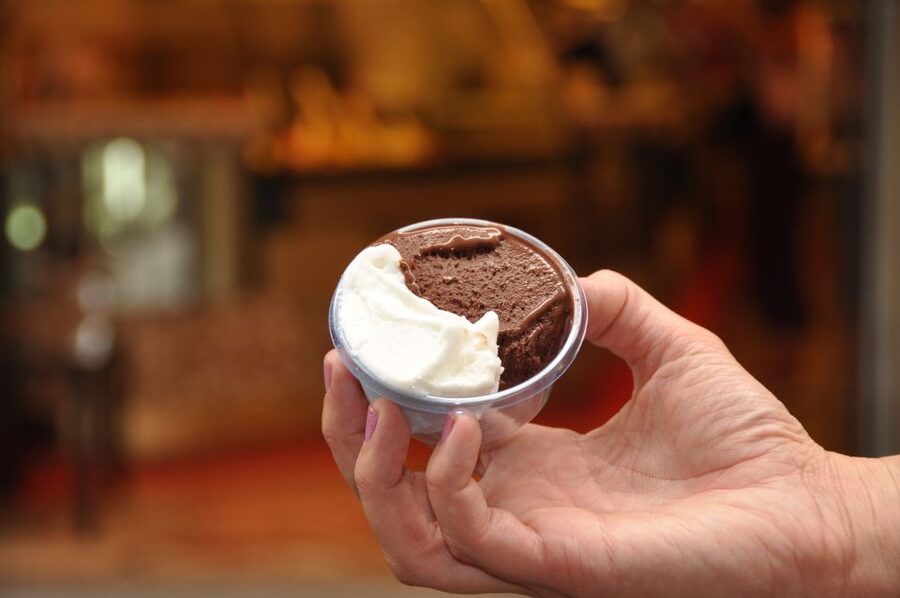
The final tastings include dessert and sweet foods. One account of the route also describes a stop for gelato before returning for dessert, so you may get a pleasant change of pace after the savory foods.
Sweet tastings are useful for balancing the experience. Wine and cured meats can make a tour feel heavy if there is no lighter finish. Ending with dessert gives you a clear close and lets you compare the savory traditions with Siena’s sweeter side.
The precise sweets are not listed, so I would not book this expecting a particular pastry or gelato flavor. Think of dessert as part of the overall tasting rather than the main reason to choose the tour.
Because the tour lasts only two hours, the food is spread across several stops. You will want to pace yourself, especially if you have breakfast shortly before starting. At the same time, do not skip meals beforehand if you need substantial food. Tastings can be filling, but they do not guarantee a complete meal.
The guides make a real difference
The guide may shape your experience as much as the food. English is the tour language, and several guides have received especially warm praise for their approach.
Elio Martino has been described as an excellent guide who explains Italian and local wines, balsamic products, and oils in clear English. His humor and friendly manner are useful during a tasting, where a stiff presentation can quickly become tiring.
Paolo has also been praised for his strong knowledge, good humor, and ability to explain both food and production methods. Georgia has been noted for her introduction to wine, Italian food, and the different regions before leading the tasting and city walk.
The provider is Tuscan Escapes by Papilio. Since the available information does not state a fixed group size or guarantee a particular guide, you should treat those names as examples of the guiding style rather than a promise that one specific person will lead your departure.
Still, the pattern is encouraging. The strongest part of the experience appears to be the human side: local guides who can answer questions, explain production, and keep the two hours moving at a comfortable pace.
Is $71 a fair price?
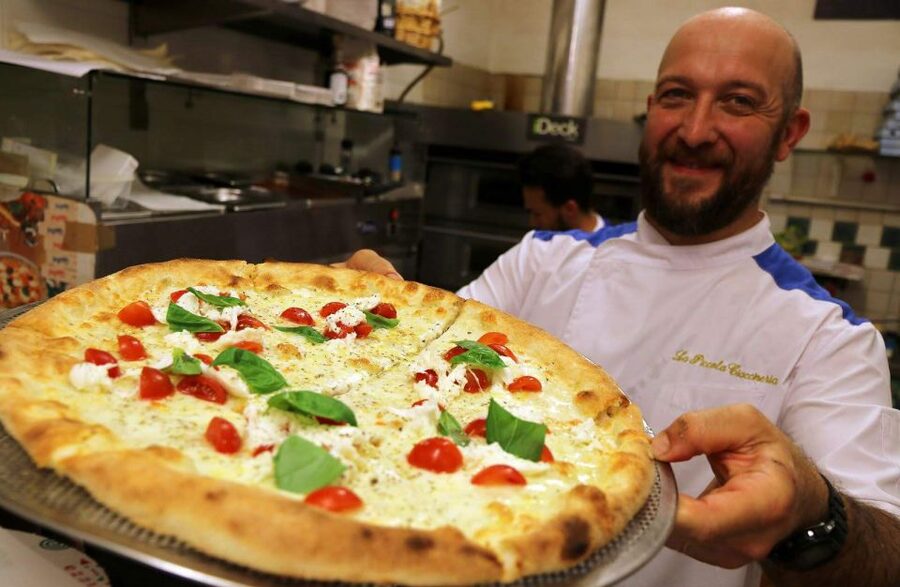
At $71 per person, this tour is not the cheapest way to eat in Siena. You could buy bread, cheese, meat, wine, and sweets on your own for less. But the comparison is not quite fair, since you would also be paying for the guide, the explanations, the vendor visits, and the work of bringing those pieces together.
I consider the price reasonable if you want a structured introduction to Siena’s food culture. You receive two or three glasses of local wine, several food tastings, dessert, and a guided walk. The value improves if you are new to Tuscan food or unsure how to choose local wines.
The price is less attractive if you mainly want a large meal. This is a tasting and learning experience, not a restaurant replacement. It also offers less value to someone who already knows Tuscan wines and products well and prefers to explore independently.
Free cancellation up to 24 hours before the start gives you some planning flexibility. You can also reserve now and pay later, which helps if you are building an Italy itinerary before every detail is settled.
Who should book this Siena tour?
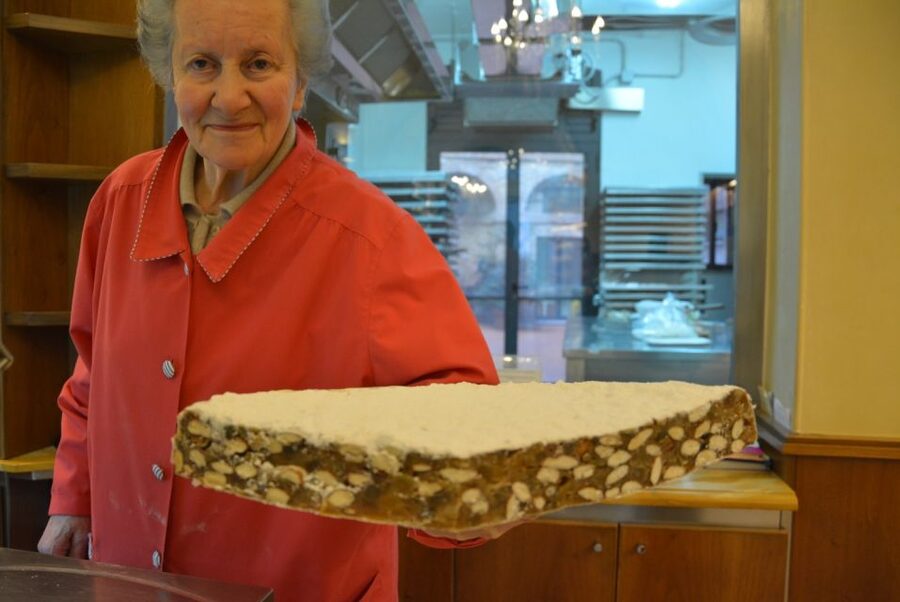
I would recommend it to first-time visitors who want an easy introduction to local food and wine without spending half a day on a formal excursion. It also suits people who like asking questions and learning why ingredients matter.
Wine beginners should find the format friendly. You get an overview of regional wines without needing technical knowledge before you arrive. Food lovers will appreciate the attention to olive oil, cheeses, cured meats, bread, Cinta Senese, and truffles.
The tour may be less suitable for you if you have limited mobility, dislike walking, or need a fully accessible route. It may also disappoint if you expect a full meal, a cooking class, or a detailed tour of Siena’s monuments.
Arrive five minutes before the start, wear comfortable walking shoes, and bring room for a little extra food. Tips are not included, so plan for that separately if you wish to thank your guide.
Should you book the food and wine walk?
Book this tour if you want local context with your tasting, especially during your first days in Siena. The combination of wine school instruction, vendor visits, traditional foods, and city walking gives you useful knowledge for the rest of your trip.
I would skip it only if you need a full meal, cannot manage a walking route, or already have strong knowledge of Tuscan food and wine. For most curious eaters, $71 is a fair price for two hours of guided tasting and practical food history, with the biggest value coming from the guide’s explanations and the chance to connect Siena’s streets with what appears on your plate.
FAQ
How long is the Siena Food and Wine Walking Tour?
The tour lasts two hours.
How much does the tour cost?
The price is $71 per person.
How many wines are included?
The tour includes two to three glasses of different local wines, including a typical Tuscan white and red wine.
What food is included?
Food tastings include cheese, cured meats, extra virgin olive oil, dessert, and sweet foods. The tour information also refers to local food stops, and one described route included bruschetta and gelato.
Is the tour conducted in English?
Yes. The live tour guide speaks English, and English is the listed tour language.
Where does the tour meet?
The experience begins at the Tuscan Wine School. You should arrive five minutes before the tour starts.
Is the tour suitable for people with limited mobility?
No. It is not recommended for people with mobility impairments, and comfortable walking shoes are advised.
Can I cancel for a full refund?
Yes. You can cancel up to 24 hours in advance for a full refund.
Just added in Italy
- Street food tour of Catania by night★ 4.5 · 31 reviews
- Private tour of Etna and Winery Visit with Food and Wine Tasting from Taormina★ 5.0 · 221 reviews
- Catania Sicilian Street Food Tour: Small Group by Do Eat Better★ 5.0 · 293 reviews
- Mt Etna and Wine tasting tour from Catania★ 5.0 · 282 reviews
- Small-Group Food and Wine Tour from Cagliari★ 5.0 · 237 reviews
- Cagliari: A Full Meal Sardinian Food Tour with Do Eat Better★ 5.0 · 265 reviews
- Bologna Food & Wine tour with a local Chef★ 3.0 · 30 reviews
- Taste Bolzano: Food Tour with Full Meal by Do Eat Better★ 5.0 · 21 reviews
Wine Tours, compared.
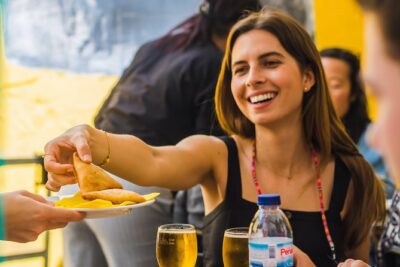
Winner 2025 Undiscovered Lisbon Food & Wine Tour by Eating Europe
Read our review →
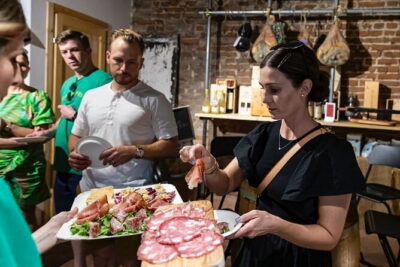
Winner 2025 Florence Sunset Food & Wine Tour by Eating Europe
Read our review →
Authentic Parisian Gourmet Food Tour with 10 Local Dishes & Wines
Read our review →
Tapas Walking Tour with Food, Wine, and History
Read our review →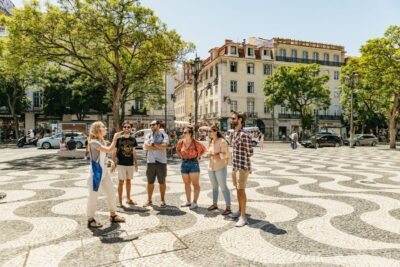
Lisbon Small-Group Portuguese Food and Wine Tour
Read our review →
Browse the lists this tour appears in