
REVIEW · KRAKOW FOOD TOURS
Krakow: Traditional Polish Food and Drinks Tasting Tour
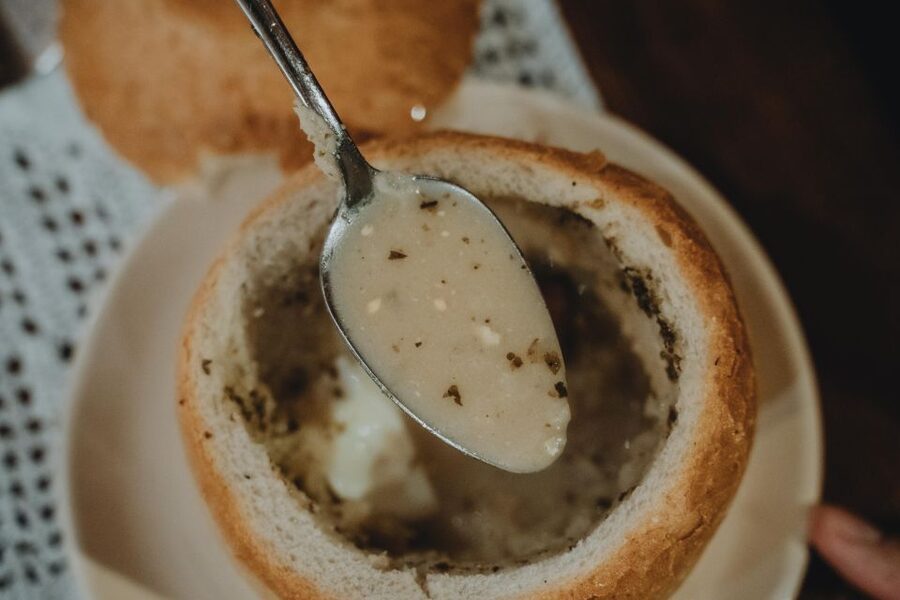
Come hungry, leave full of Polish stories. This three-hour Krakow food tour brings together 10 or more traditional tastings, several Old Town stops, and a proper lunch or dinner rather than a string of tiny samples. I especially like the chance to try foods you might not order alone, such as sour rye soup, bread with pork lard, pierogi, and Krakow’s own obwarzanek. The two Polish vodka tastings add a useful look at local drinking customs.
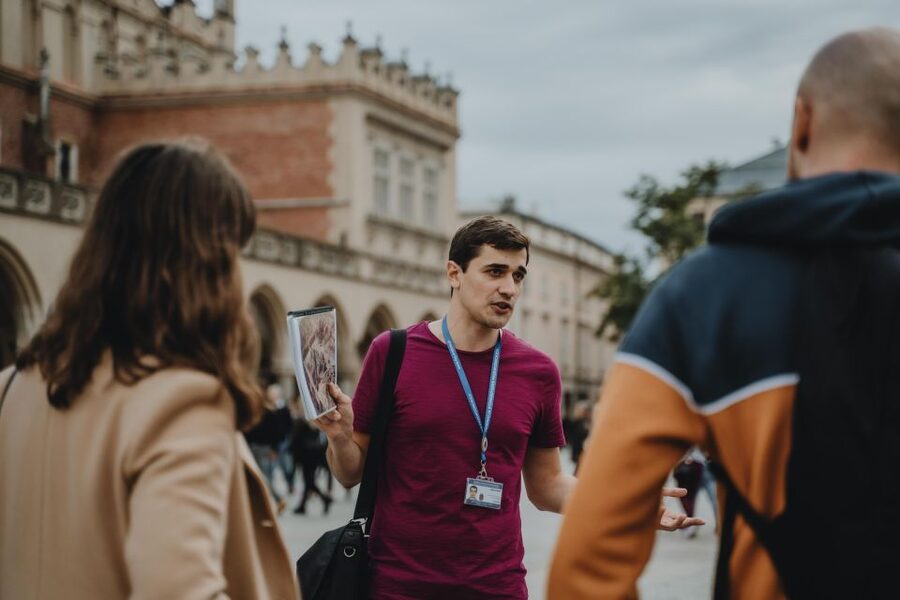
The strongest part is the guiding. Guides including Tomasz, Aleksandra, Joanna, and Karolina have been praised for their warmth, clear English, and grasp of Polish food, culture, and history. The main drawback is that the route visits only a few restaurants and cafes, with little walking between them. If you want a wider tour of Krakow’s neighborhoods or lots of street-food stops, this may feel limited.
Key points to know before booking
- A full meal, not just snacks: You receive starters, soup, a main course, dessert, and more than 10 Polish tastes.
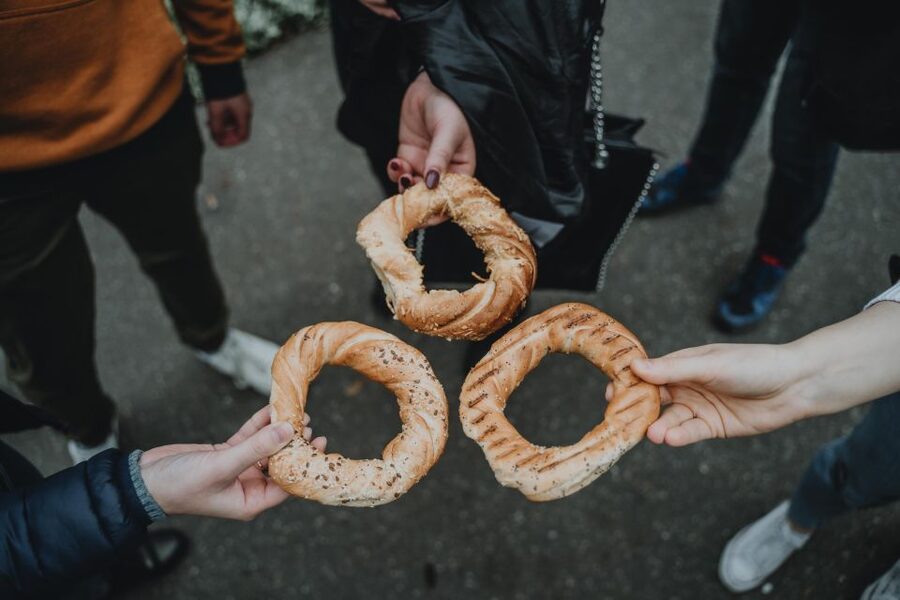
- Obwarzanek is a Krakow specialty: This ring-shaped bread is linked especially with the city and gives the tour a local touch.
- Two vodka tastings are included: Expect premium Polish vodka served with typical snacks, with nonalcoholic alternatives for children.
- The route stays around the Old Town: You begin near St. Peter and Paul Church, pass Grodzka Street and Planty Park, and finish near Bagatela Theatre.
- The food is generous: Arrive hungry. Several people found the portions large enough to cover lunch or dinner completely.
- Diet limits matter: Vegetarian options can be arranged in advance, but vegan, gluten-free, and lactose-free diets cannot be accommodated.
What the $110 price really covers
At $110 per person, this is not a cheap snack walk. It is a hosted meal with a broad range of food, two vodka samples, table service at several stops, and a small group capped somewhere between eight and ten participants depending on the booking details.
That price can make sense if you want one organized introduction to Polish cuisine. You are paying for more than pierogi and a shot of vodka. The guide explains customs around eating and drinking, introduces Polish names for the dishes, points out landmarks, and sends a written food summary with suggestions for the rest of your stay.
The full meal is the key value. You receive starters, soup, a second course, and dessert, along with street snacks and other samples along the way. If you paid for each dish and drink separately, the total could add up quickly, though the tour is still best viewed as a cultural food experience rather than a bargain dinner.
The small-group format also matters. A group of eight or ten is much easier to manage in a compact Old Town restaurant than a large coach party. On some departures, a small booking may even become a private tour. One couple found themselves with only their friend and guide, which gave them more room for questions.
Cancellation is free up to 24 hours before the start, and you can reserve now and pay later. Those terms are useful if your Krakow schedule is still shifting.
A few more food tours in Poland worth a look
- Krakow Food Tasting Tour with Delicious Poland
★ 5.0 · 1,032 reviews - Warsaw’s No 1 cooking class-Polish dumplings with liqueur tasting
★ 5.0 · 576 reviews - Krakow: Tipsy Polish Food Tour With History, Pierogi & Shots
★ 4.9 · 439 reviews
Starting at St. Mary Magdalene Square
The meeting point is Plac św. Marii Magdaleny, by the statue of Piotr Skarga in front of St. Peter and Paul Church. This is a practical place to begin because you are already in the historic center, close to Grodzka Street and several important Old Town sights.
Wear comfortable shoes. The tour is not a hard walking route, but it takes place rain or shine and includes outdoor stretches between food stops. One past participant felt the meeting point was a little far from some of the later restaurants, while others appreciated the modest amount of walking after a day spent sightseeing.
Your guide uses the walk to add context. You pass notable buildings and hear about Krakow’s past, local customs, and Polish food traditions. The food is the main event, but the route gives the meal a sense of place rather than treating each restaurant as an isolated stop.
Grodzka Street brings the first local tastes
The first food portion takes place around Grodzka Street and lasts about 15 minutes. Here, you sample local snacks and street food before settling in for the larger meal.
Obwarzanek is one of the most useful tastes at this point. It looks a little like a pretzel, but it is a Krakow specialty and not simply another generic bakery item. It is the kind of food you can easily pass by at a street stand without knowing its importance. Having a guide explain where it fits into Krakow life makes the sample more memorable.
You might also encounter other small Polish bites before the main restaurant stop. The exact selection can vary, but the point is to show that Polish food is not limited to the dishes most familiar to visitors. The early samples also help you compare quick street food with the sit-down meal later.
This section is short, so do not expect a long street-food crawl. If your priority is sampling many vendors or eating in the Jewish quarter, the route may feel too narrow. One participant specifically wanted more variety from other parts of Krakow. That is a fair criticism, especially if you have already spent time around the Old Town.
Old Town stories between the plates
The route includes about 30 minutes of guided walking through Krakow’s Old Town. You pass landmarks while your guide talks about local history, buildings, food, and customs.
The strongest guides add more than a list of dates. Tomasz has been praised for his enthusiasm for Polish history and culture, while Aleksandra has been described as warm, professional, and generous with practical restaurant advice. Karolina combined food stops with explanations of buildings, street history, Polish traditions, and the location of an old restaurant.
That range is important because food in Poland is tied to family life, religious customs, celebrations, and difficult periods in the country’s past. A dish is easier to understand when you know why it appears at a particular meal or how it is normally served.
The history portion is not a full city tour. If this is your first visit to Krakow and you want more stories about the city, you may wish it lasted longer. One participant enjoyed the guide but hoped for more Krakow and Poland stories. I would treat the history as a useful layer over the food, not as the main sightseeing program.
Same city, a different table:
- Krakow: Street Food Walking Tour
★ 4.8 · 285 reviews - Krakow Pierogi Cooking Class with Market Visit & Home-Cooked Meal
★ 5.0 · 212 reviews - Krakow: Vodka Tasting Tour: Tapas, Tipsy Tales & Hidden Gems
★ 5.0 · 203 reviews - Krakow: Guided Polish Food and Culture Tour with Tastings
★ 4.8 · 134 reviews
Two Polish vodkas with local customs
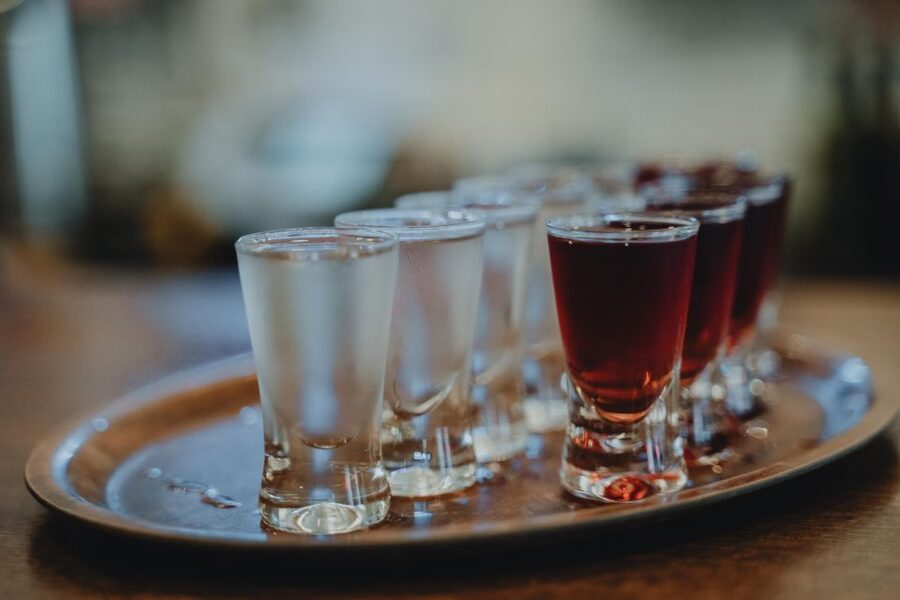
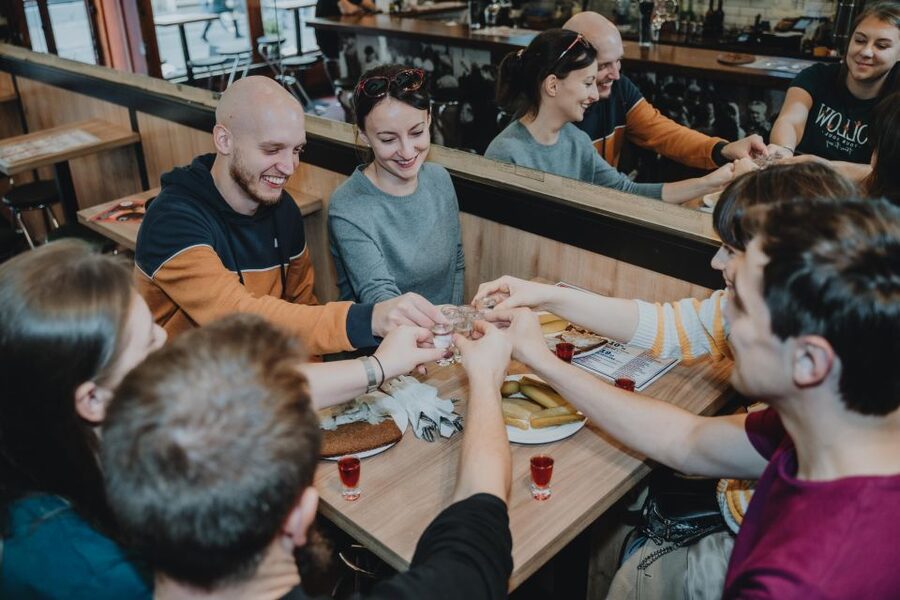
The vodka stop lasts about 30 minutes and includes two types of high-quality Polish vodka with typical snacks. This is not just a chance to drink. Your guide explains Polish vodka customs and helps you notice different flavors.
Past tastings have included bison grass and red currant vodka. Those examples show why the tasting is worthwhile for people who normally skip straight spirits. The flavored varieties offer something more distinctive than a basic shot, and the accompanying snacks help make the experience feel connected to Polish hospitality.
The vodka section is also a good place to ask questions. Your guide may explain how Polish people traditionally serve or enjoy vodka, though the exact discussion depends on the person leading your group. Guides such as Tomasz and Aleksandra have been praised for explaining culture as well as food.
You do not need to be a vodka fan to enjoy this part, but you should be comfortable with alcohol. Children have been included on past tours and received juice instead of vodka while still tasting the food. The activity information does not promise a separate substitute for every adult who does not drink, so contact the provider in advance if that is important to you.
A substantial Polish lunch or dinner
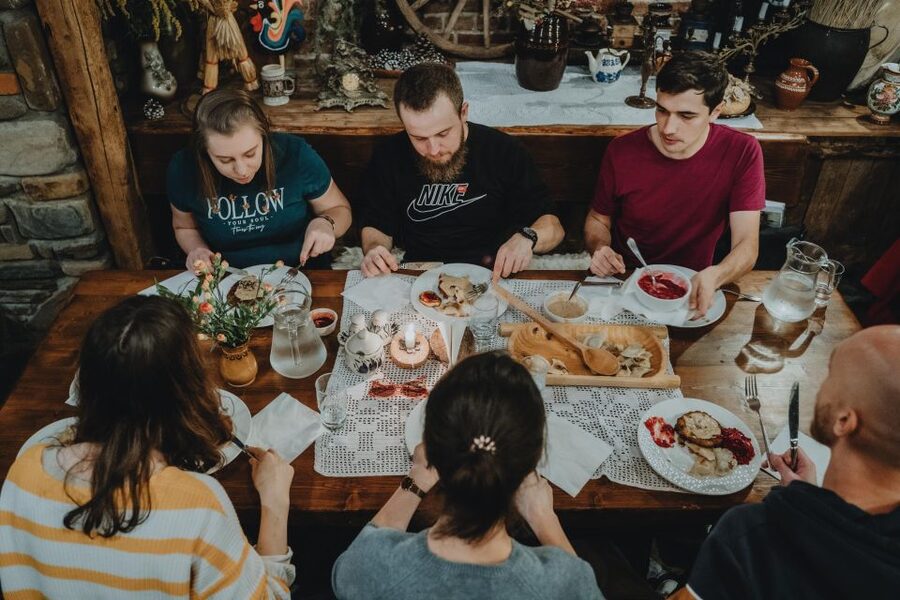
The central meal takes about an hour in a traditional restaurant. This is where the tour earns its promise of being a complete lunch or dinner rather than a light tasting.
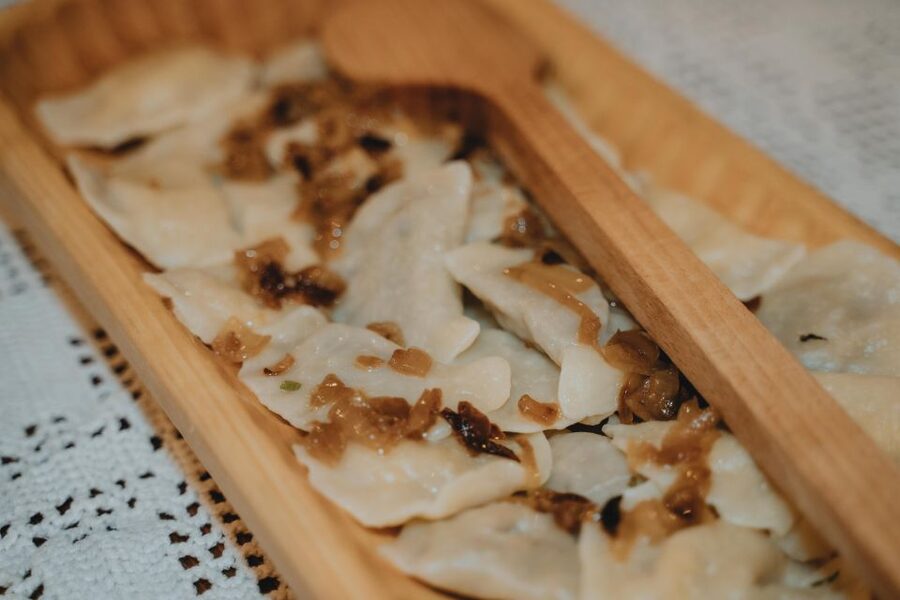
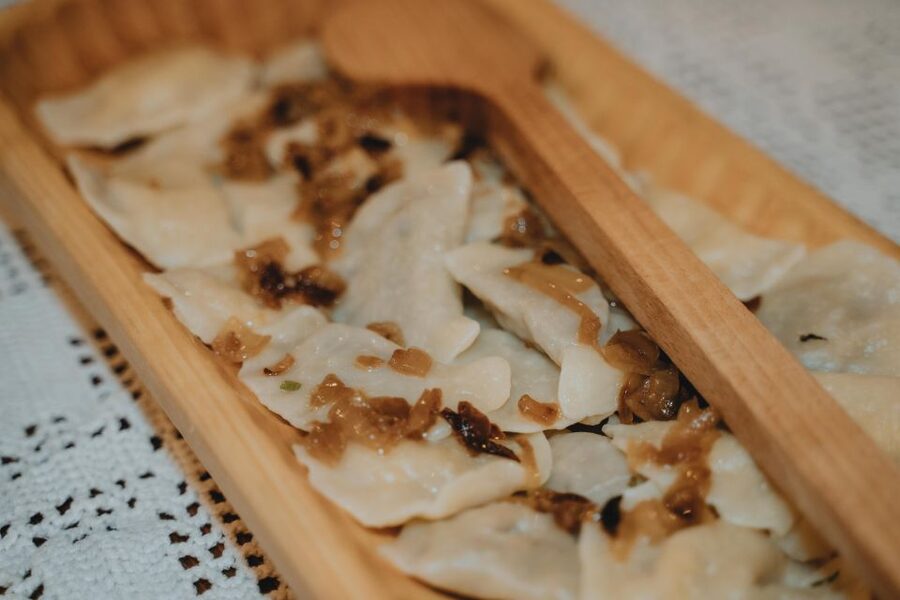
Pierogi are the obvious star. These filled dumplings are famous across Poland, but tasting them in a local restaurant gives you a chance to appreciate the variety of fillings and serving styles. The tour also introduces less obvious choices, including sour rye soup and bread with pork lard.
The latter two examples are valuable because they are foods many visitors may not order without encouragement. One family was glad to try both and found them delicious. This is the useful role of a good food guide: you get a safe way to test dishes outside your normal habits without having to decode a menu on your own.
The meal can be very generous. One participant advised arriving hungry, and another emphasized that it was a lot of food. Do not schedule a large dinner immediately afterward. The tour description is accurate in treating this as a meal replacement.
The restaurant stop also gives you time to ask about recipes, customs, and the role of certain dishes in Polish homes. You are not rushed from one bite to the next. That slower pace helps the food feel like part of daily life rather than a tasting menu designed only for tourists.
The limitation is variety of venues. The full meal takes place in one restaurant, and the route overall appears to use roughly three restaurants or food venues. That makes the afternoon comfortable, but it does not show you a large cross-section of Krakow’s dining scene.
Dessert near Planty Park
The final food stop takes place around Planty Park and lasts about 30 minutes. You finish with a Polish dessert in a patisserie or cafe setting.
The sweet course is a pleasant ending after the savory dishes, though the exact item can vary. One participant thought it would have been more interesting to sample several small desserts instead of giving everyone the same Pope cake. If you are keen on Polish pastries, that is worth keeping in mind.
The Planty Park section also gives the tour a calmer finish. Rather than ending inside a crowded restaurant, you get one more short walk and a final taste before finishing near Bagatela Theatre. From there, you are well placed to continue exploring the Old Town or find your way back to your accommodation.
The guides make the difference
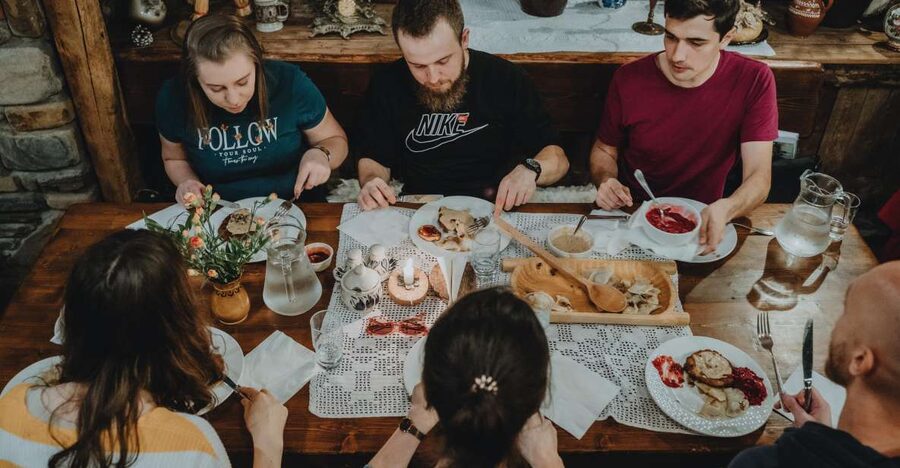
The most consistent praise goes to the guides. Tomasz is repeatedly described as friendly, engaging, and passionate about Polish history, culture, and food. Aleksandra has been praised for her hospitality, local suggestions, and ability to answer questions. Joanna was described as friendly and well informed, while Karolina added strong explanations of Krakow’s buildings and customs.
That matters because the food itself is only half of the experience. You can order pierogi in many Krakow restaurants. You cannot get the same context without someone explaining why a dish matters, what to drink with it, and how Polish people approach the table.
Guide quality can never be identical on every departure. Still, the repeated praise suggests that the provider takes the host role seriously. English is the tour language, and the available feedback points to clear communication.
The written follow-up is another useful touch. Afterward, you receive a list of the Polish names of the dishes you tasted, plus recommendations for the rest of your time in Krakow. That is handy when you want to find a dish again or order something similar on your own.
Who should book this food tour?
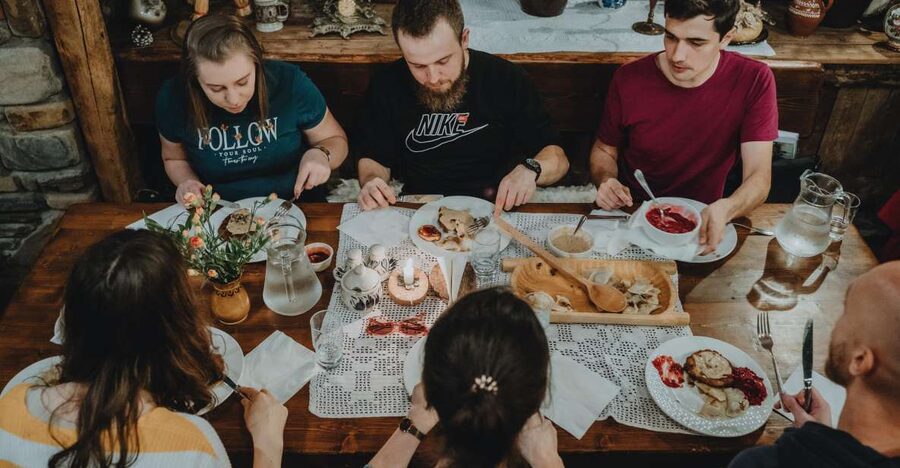
I would recommend it to first-time visitors who want a friendly introduction to Polish food without spending a day researching restaurants. It also suits couples, families with older children, and anyone who likes history served alongside dinner.
It is especially useful early in your stay. You learn dish names, pick up restaurant ideas, and get a sense of local eating customs before making your own choices. Some guides also offer suggestions for areas such as Kazimierz, which can help you plan later meals.
Families should note that children can join, and juice can replace the vodka tasting. The food itself is traditional and may include pork, dairy, bread, and other ingredients that do not suit every child.
You should skip this tour if you are vegan, gluten-free, or lactose-free. Vegetarian tasting may be arranged with advance notice, but the provider cannot accommodate vegan, gluten-free, or lactose-free diets.
It may also be the wrong choice if you want a vigorous walking tour, a large number of street-food vendors, or a visit to several different Krakow districts. The route is centered on the Old Town and uses a small number of food venues.
Should you book it?
Book this tour if you want a filling, guided introduction to Polish cuisine and enjoy trying dishes you might not choose alone. The combination of pierogi, obwarzanek, sour rye soup, dessert, two vodkas, and a full meal gives you a broad first taste of the country.
I would book it for the first or second day of a Krakow visit, arrive very hungry, and wear shoes that can handle cobblestones and wet weather. At $110, the cost is fair for a three-hour hosted meal with drinks and a small group, though less appealing if you only want inexpensive street food.
The best reason to choose it is the guide. With a strong host such as Tomasz or Aleksandra, an ordinary dinner becomes a lesson in Polish customs, local history, and hospitality. If you prefer to explore widely and eat at your own pace, spend the money on several independent meals instead.
FAQ
How long does the Krakow food tour last?
The tour lasts three hours, including food tastings, walking through the Old Town, vodka tasting, a full meal, and dessert.
Where does the tour begin?
It begins at Plac św. Marii Magdaleny, by the statue of Piotr Skarga in front of St. Peter and Paul Church.
Where does the tour finish?
The tour finishes near Bagatela Theatre.
How many people are in the group?
It is advertised as a small-group tour. The details give a maximum of eight participants in one section and up to ten in another, so confirm the group size when booking.
What food and drinks are included?
You receive more than 10 traditional Polish tastings, including snacks, pierogi and other regional foods, a full meal with starters, soup and a second course, dessert, and two types of Polish vodka.
Can vegetarians join the tour?
Yes. Vegetarian tasting may be arranged if you notify the provider in advance.
Can vegans or people with food intolerances join?
No. The provider cannot accommodate vegan, gluten-free, or lactose-free diets.
Is the tour suitable for children?
Children can join. On at least one family booking, children received juice instead of vodka while tasting the same foods.
What should you bring?
Bring comfortable shoes. The tour takes place rain or shine.
Just added in Poland
- Krakow: Traditional Street Food Walking Tour★ 4.6 · 51 reviews
- Krakow: Vodka Tasting Tour: Tapas, Tipsy Tales & Hidden Gems★ 5.0 · 203 reviews
- Krakow: Guided Polish Food and Culture Tour with Tastings★ 4.8 · 134 reviews
- Krakow: 4-Hour Polish Food Tour★ 4.9 · 39 reviews
- Krakow: 6-Course Full Polish Food Tour with Vodka Tasting★ 4.8 · 98 reviews
- Gdansk: 4-Hour Polish Food Tour★ 4.9 · 35 reviews
- Gdańsk: Authentic Polish Vodka & Food Experience★ 4.9 · 50 reviews
- Gdansk Private Polish Beer Tasting Tour at Best Pubs & Bars★ 4.8 · 22 reviews
Krakow Food Tours, compared.
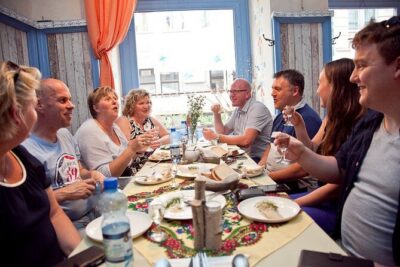
Krakow Food Tasting Tour with Delicious Poland
Read our review →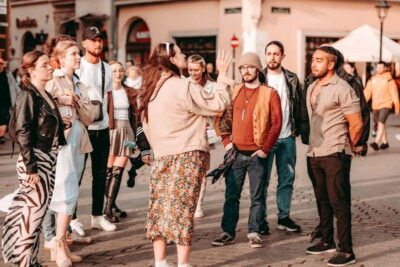
Tipsy Polish Food Tour With History, Pierogi & Shots
Read our review →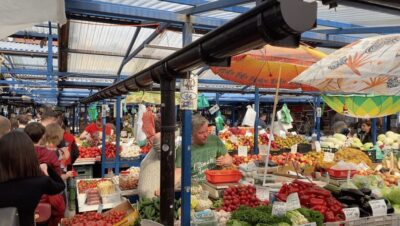
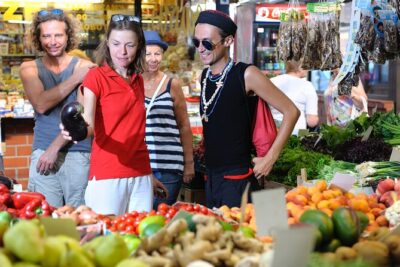
Krakow Pierogi Cooking Class with Market Visit & Home-Cooked Meal
Read our review →
Vodka Tasting Tour: Tapas, Tipsy Tales & Hidden Gems
Read our review →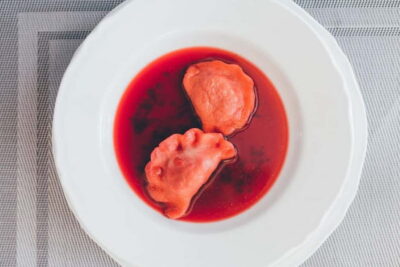
Guided Polish Food and Culture Tour with Tastings
Read our review →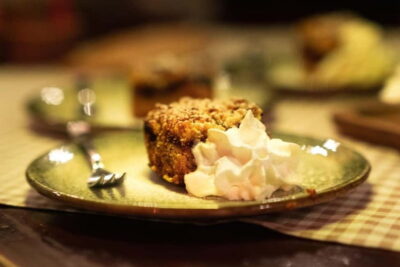
6-Course Full Polish Food Tour with Vodka Tasting
Read our review →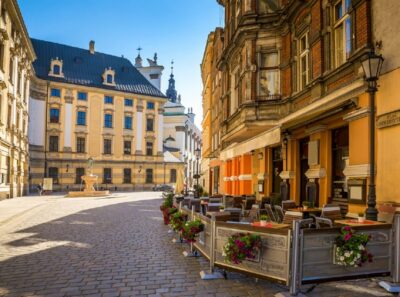
Browse the lists this tour appears in