
REVIEW · MALAYSIA FOOD TOURS
Kuala Lumpur: Private Food Tour – 10 Tastings with Locals
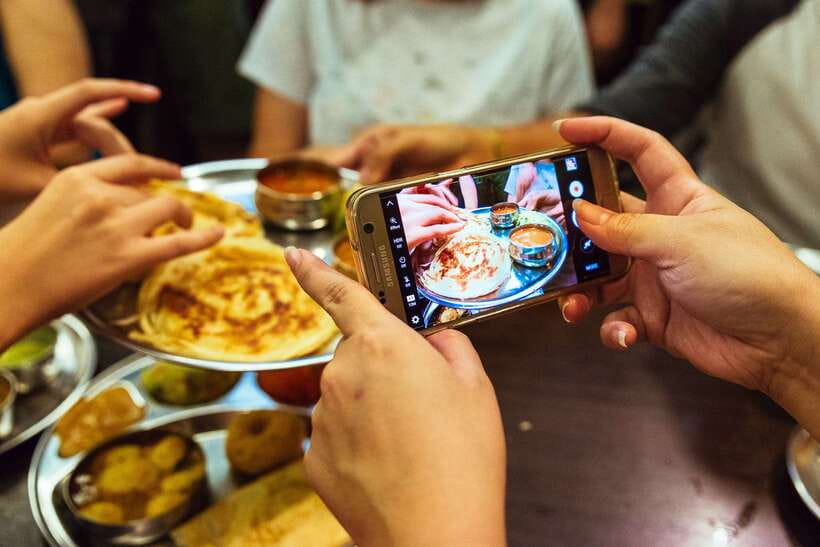
The best way to meet Kuala Lumpur is through its food. This three-hour walk combines 10 Malaysian tastings with Petaling Street, Central Market, Guan Di Temple, and Sri Mahamariamman Temple, giving you a useful first look at the city’s food and cultural mix. I like the chance to try Nasi Lemak and paper dosa at local spots, and I like having a guide order and explain dishes you might skip on your own. The main drawback is simple: this is a walking tour in busy old-city areas, so it is not suitable for wheelchair users or people with mobility impairments.
You meet your English-speaking host at the entrance to Central Market and walk between food stops in a group capped at eight people. Come hungry, since the portions can be more generous than tiny samples, and tell your guide about dietary needs at the start. Vegetarian alternatives are available, but the tour is better for adventurous eaters than for anyone seeking a carefully controlled restaurant meal.
Key points to know before booking
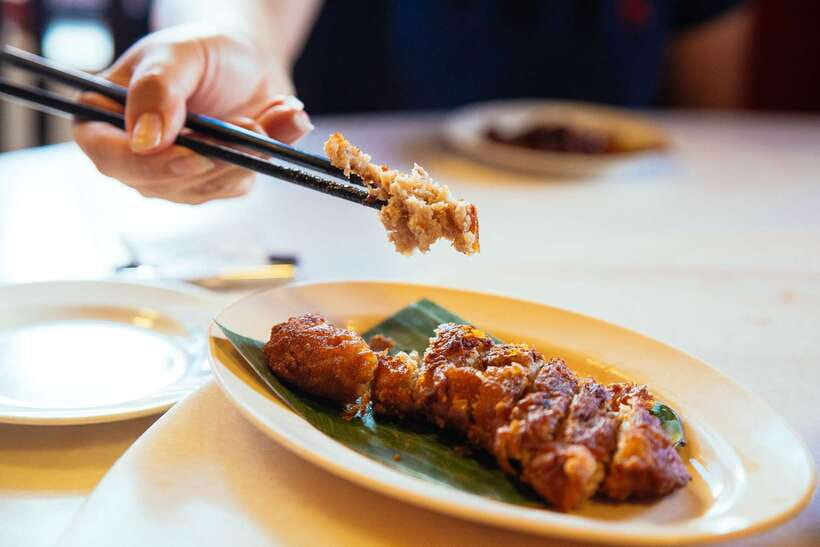
- Ten tastings in three hours: Food and drinks range from savory dishes to sweets, with local drinks included.
- Nasi Lemak and paper dosa: Two classic stops give you a taste of Malay and Indian-Malaysian food traditions.
- Old Kuala Lumpur on foot: Central Market, Petaling Street, Guan Di Temple, and Sri Mahamariamman Temple are part of the route.
- Small group format: The group is limited to eight, which makes it easier to ask questions and adjust the food choices.
- Guides make the difference: Hosts such as TK, Povan, Zack, Reka, Manjeet, Joel, and Siddoz have been praised for food knowledge, humor, and local recommendations.
- Useful practical limits: Hotel pickup is not included, mobility access is limited, and comfortable shoes are essential.
Why a food tour works so well in Kuala Lumpur
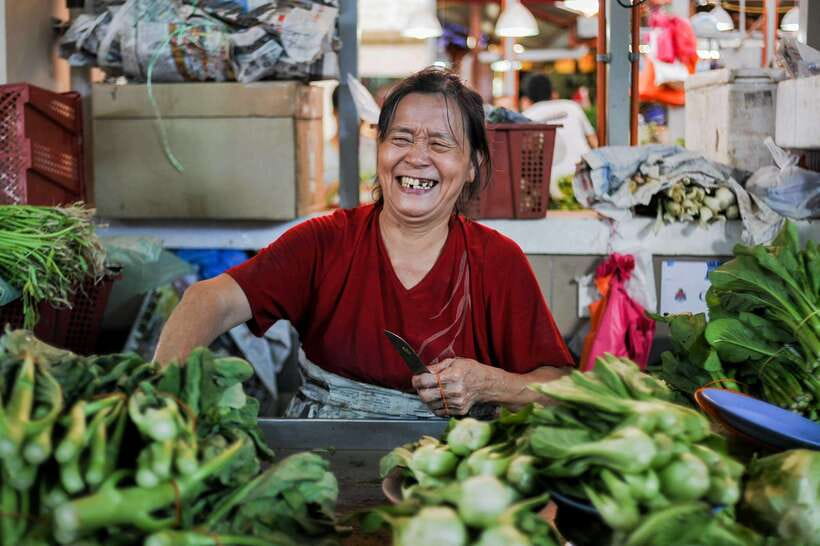
Kuala Lumpur can be an intimidating place to eat for the first time. The city offers Malay, Indian, Chinese, and broader Southeast Asian influences, often within a few streets of one another. Menus may be unfamiliar, food stalls can look informal, and you may not know which dish is a local classic and which is simply a convenient option.
That is where this tour earns its keep. You are not just handed a list of dishes. A local host chooses the stops, explains what you are eating, and gives you the confidence to try food you might not order alone. Several guides have also been praised for adding stories about Malaysian traditions, religion, local habits, and the city’s development.
I especially like this format early in a Kuala Lumpur visit. In three hours, you get an introduction to the food and a short orientation walk through the old center. Afterward, you have names of dishes to seek out and suggestions for places to visit during the rest of your stay.
The tour has a rating of 4.8 from 145 reviews, with especially strong praise for the guides, food variety, generous servings, and cultural explanation. One guest described the food as so plentiful that it was easy to fill up quickly. That is useful information: this is not necessarily ten tiny mouthfuls. Eat a light breakfast or lunch beforehand.
More food tours with locals in the world:
- Naples: Street Food Walking Tour with Local Guide
★ 4.9 · 4,976 reviews - Rome: Street Food Tour with Local Guide
★ 4.8 · 4,077 reviews - Eat Like a Local: Venice 3-Hour Small-Group Food Tasting Tour
★ 5.0 · 3,137 reviews
Starting at Central Market
The meeting point is the entrance to Central Market, a convenient place to begin because it puts you close to Kuala Lumpur’s older commercial district. You will need to make your own way there, since hotel pickup and drop-off are not included.
Central Market also gives the tour a sensible starting point. Rather than beginning in a modern shopping district, you start near streets and buildings tied to the city’s trading past. The walk then moves through places where food, worship, shopping, and daily life overlap.
Your host should meet you at the entrance, but allow enough time to arrive without rushing. Kuala Lumpur traffic can slow a taxi or rideshare, and one guide, Zack, was specifically praised for waiting when a participant was delayed by traffic. Still, do not count on generous delays. Arrive early, especially if you are unfamiliar with the area.
At the start, tell your guide about vegetarian needs or other food restrictions. The stated option is vegetarian food, with the menu adapted at the beginning of the tour. If you have a serious allergy or an unusually strict diet, ask for confirmation before booking rather than assuming every tasting can be changed.
Nasi Lemak gives you the Malaysian baseline
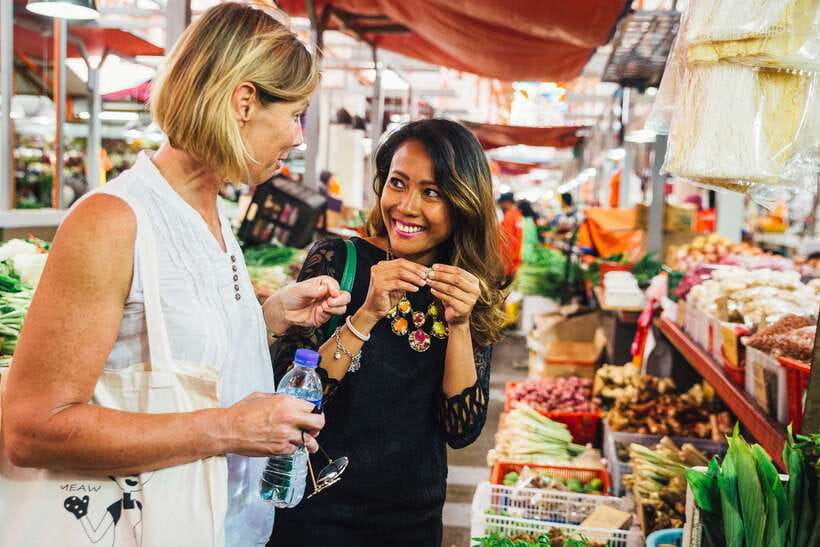
Nasi Lemak is one of the most useful dishes to try on a first visit to Malaysia. The dish is centered on fragrant coconut rice and is commonly served with spicy sambal, peanuts, anchovies, cucumber, and other accompaniments. The exact serving on this tour is not specified, so your guide’s local choice will shape the experience.
What matters is the explanation around it. A good host can point out how the ingredients work together, what gives the dish its character, and why it is such a familiar part of Malaysian food life. You are tasting a national favorite, not just checking off a famous dish.
This is also a good example of the tour’s broader value. If you order Nasi Lemak alone, you get a plate of food. With the guide, you get context and a suggestion about how locals approach it. That extra layer is useful when the city’s food culture feels too wide to sort out by yourself.
Paper dosa shows Kuala Lumpur’s Indian influence
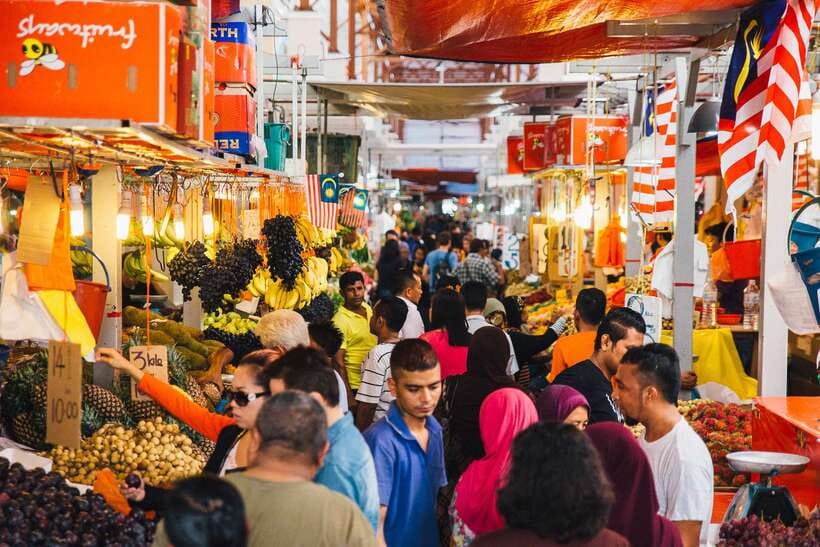
Paper dosa brings a different texture and tradition to the route. It is a thin, crisp South Indian crepe, usually made from fermented rice and lentil batter, and often served with sauces or vegetable dishes. The tour presents it as another classic tasting at an authentic local spot.
The contrast with Nasi Lemak is part of the point. Kuala Lumpur’s food identity is not one single cuisine. Malay, Indian, and Chinese communities have all shaped what people eat in the city, and a short walking route can introduce you to that mix more effectively than a formal dinner in one restaurant.
Several guides have been praised for explaining why dishes are special and what goes into them. Manjeet, Povan, Reka, and Joel are among the hosts singled out for combining food explanations with stories about local culture. The exact guide depends on the date and availability, but the host is central to the experience.
More private food tours in the world:
- Lisbon Exclusive PRIVATE Food Tour with 6 or 10 Tastings
★ 4.5 · 1,113 reviews - The Award-Winning PRIVATE Food Tour: 10 Tastings of 3 Cultures
★ 4.5 · 1,017 reviews - Rome Private Food Tour with 6 or 10 Tastings
★ 4.5 · 902 reviews - Lisbon Private Food Tour – Taste 10+ Local Dishes & Wines
★ 5.0 · 896 reviews
Petaling Street adds the city’s street-food character
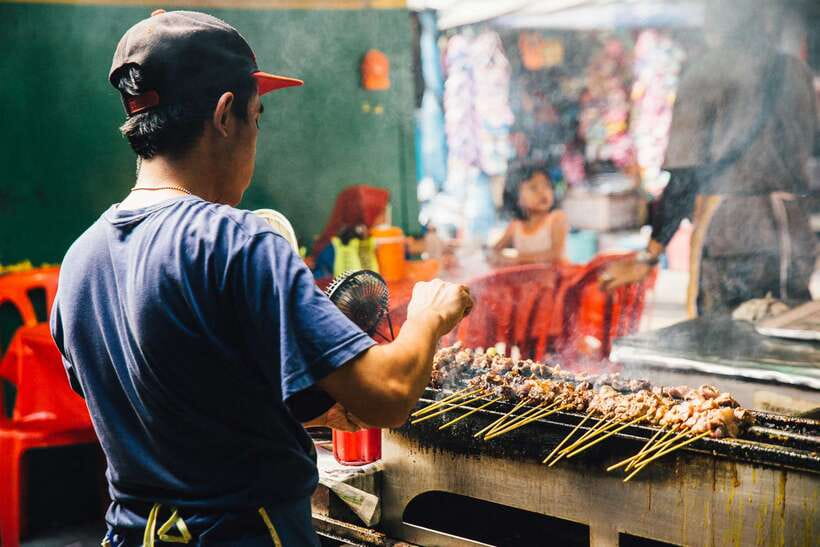
Petaling Street is one of the key areas on the route. It is associated with Kuala Lumpur’s old Chinatown district and offers a very different mood from a polished restaurant dining room. Here, you can expect the tour to focus on local stalls, small eateries, or shops selected by the host.
This is where the tour feels most useful for cautious eaters. A guide can take you to places you might walk past, explain what to order, and help you understand the setting. One participant said the guide brought the group to food stalls they would not have tried alone, yet each stop turned out well.
Do not expect five-star surroundings. One older comment makes that point clearly: you are eating with locals, not dining in luxury restaurants. That is a feature if you want ordinary food culture, but a drawback if you need air conditioning, formal service, or a quiet table at every stop.
The market area also gives you a chance to watch the city work. You may see shopping, bargaining, food preparation, and religious landmarks within a short walk. One guest particularly enjoyed receiving advice on bargaining and taking photographs around the area.
Guan Di Temple and Sri Mahamariamman Temple
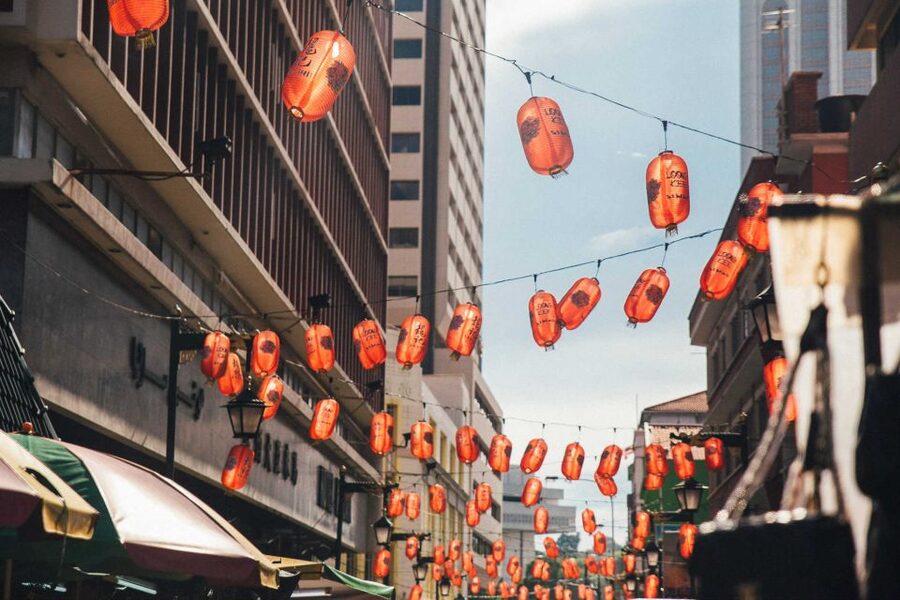
The route includes Guan Di Temple and Sri Mahamariamman Temple, two important religious sites near the old center. They help explain why this part of Kuala Lumpur feels culturally layered.
Guan Di Temple is associated with Chinese religious traditions, while Sri Mahamariamman Temple is a Hindu temple with strong links to the city’s Indian community. The tour does not treat these places as detached sightseeing stops. They appear between food tastings, allowing your guide to connect the dishes you eat with the communities and traditions that shaped them.
The temples are also a welcome change of pace. Ten tastings can become a lot of eating in a short time, so the walking and sightseeing give your palate a break. Several people singled out the temple visits as highlights, along with the chance to hear local stories and take photographs.
Be respectful at both sites. Dress and behavior should suit places of worship, and follow your guide’s instructions about where you may enter or take pictures. The available information does not promise an extended guided temple visit, so think of these stops as cultural highlights within a food walk, not as full religious tours.
Ten tastings, generous portions, and food variety
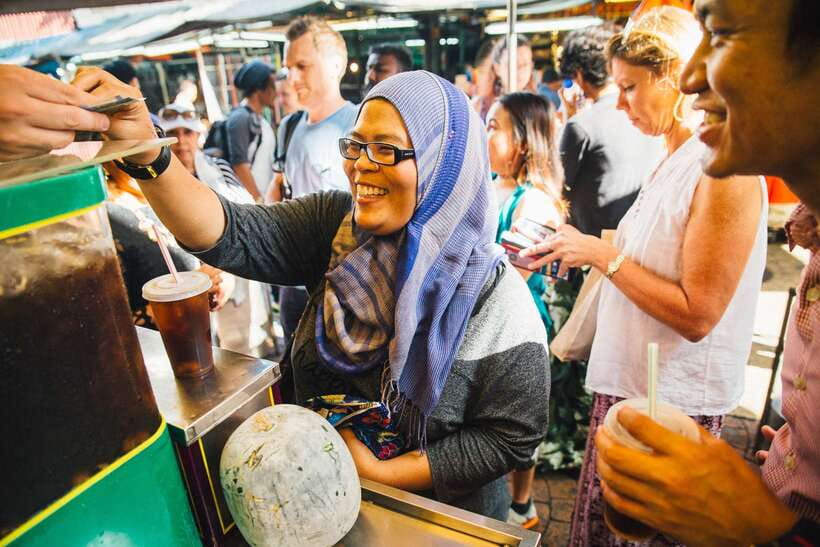
The tour promises ten food and drink tastings. The menu is described broadly as a mix of savory and sweet items, local drinks, and Malaysian classics, with Nasi Lemak and paper dosa specifically included in the description.
The full list of ten items is not fixed in the information provided. That may be a positive feature. Your guide can adapt the choices to the day, the available stalls, and the group’s preferences. It also means you should not book this expecting a guaranteed menu beyond the named dishes.
The quantity appears to be more than a nibble at some stops. One participant was surprised by the generous portions and became full earlier than expected. Others described being happily full at the end. For most people, that makes the $75 price easier to justify, since you are paying for a substantial food outing rather than a few decorative samples.
The drinks matter, too. A local beverage can tell you as much about everyday habits as a plate of food, and it breaks up the heavier tastings. If you are sensitive to spice, sweetness, or unfamiliar ingredients, tell the host early. The tour is designed around trying new things, but a good guide can adjust the balance.
Vegetarians can take part, and the menu can be adapted at the beginning. The information does not promise vegan, halal, gluten-free, or allergy-safe alternatives, so ask before booking if those details are important to you.
The guide is the main value of the experience
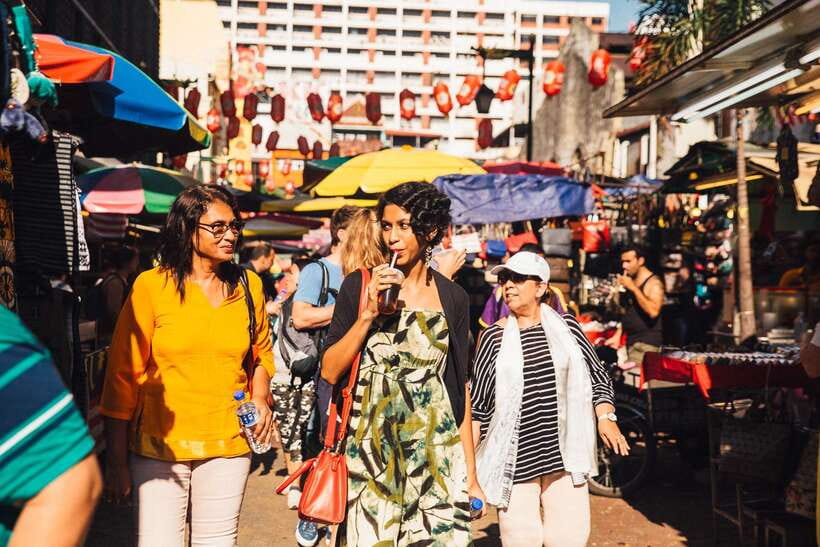
The food is important, but the guide determines how much you get from it. Past hosts praised by name include TK, Zack, Joel, Manjeet, Reka, Povan, Siddoz, May, and Saadi. The strongest descriptions focus on hosts who were friendly, funny, flexible, and able to explain both food and local life.
TK appears repeatedly as an energetic host who knew where to go and introduced dishes people would not have found alone. Povan was praised for his enthusiasm, clear food explanations, and broad cultural background. Reka was appreciated for setting a relaxed pace and offering suggestions for the next day. Manjeet received praise for connecting the dishes with Kuala Lumpur’s culinary past.
You should not expect every host to deliver the same personality or exact route. That is normal for a guide-led experience. What you can reasonably expect is an English-speaking local host, a small group, and help making sense of the food.
The small group limit of eight is useful. You can ask questions without shouting across a crowd, and the guide has a better chance of noticing dietary preferences or slowing down when the group needs it. The word private appears in the experience title, but the practical format is a small shared group unless your booking arrangement says otherwise.
Is $75 a fair price?
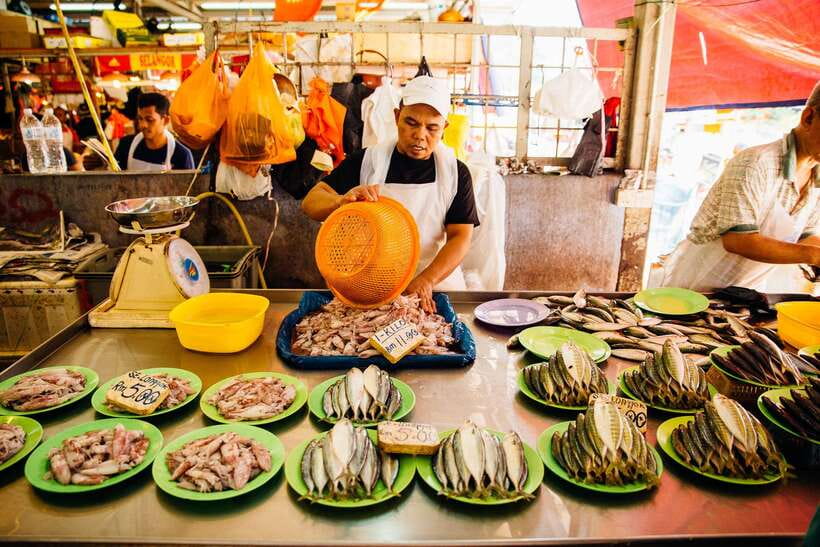
At $75 per person, this is not the cheapest way to eat in Kuala Lumpur. You could spend far less by visiting food stalls independently, especially if you already know where to go and what to order.
But the price covers ten tastings, a three-hour guided walk, and local interpretation in a small group. It also removes much of the guesswork. If you are only comparing the cost of the food, the tour may look expensive. If you are paying for access, explanation, orientation, and the chance to try several places without making ten separate decisions, the value is stronger.
I would consider it good value for a first-time visitor who wants a structured introduction. It is less compelling for a confident repeat visitor who already knows Kuala Lumpur’s food districts and speaks enough of the local languages to order comfortably.
The value improves if you use the tour as a launchpad. Write down the dish names, ask where locals eat, and request suggestions for the next few days. Several guides have offered useful recommendations beyond the tour, which can help you turn one afternoon into a wider food plan.
Pace, footwear, and practical limits
The tour lasts three hours and involves walking between stops. Comfortable shoes are not a minor suggestion here. The route includes market streets, temple areas, and old-city sidewalks, so sandals or shoes that handle steady walking will serve you better than dress shoes.
The pace has generally been described as relaxed rather than rushed. That gives you time to eat, ask questions, and look around. Still, Kuala Lumpur’s heat, humidity, and sudden rain can affect how comfortable you feel, even though the supplied details do not promise weather arrangements.
Mobility access is the clearest limitation. The tour is not suitable for people with mobility impairments or wheelchair users. Hotel transportation is also not included, so you must arrange your own route to Central Market and your return afterward.
You can cancel up to 24 hours before the start for a full refund, and the reserve-now, pay-later option keeps payment flexible. Starting times vary, so check availability for the date you want.
Who should book this Kuala Lumpur food walk?
I would recommend it most strongly to first-time visitors, food-focused couples, solo visitors who want company, and small groups that enjoy trying unfamiliar dishes. It also suits families with older children, since one family specifically enjoyed the food and guide explanations, though the walking and spice levels may not suit every child.
It is a good choice if you feel overwhelmed by Kuala Lumpur’s food options. The guide narrows the field, puts food in cultural context, and gives you a safe way to try dishes you might otherwise avoid.
I would be more cautious if you have limited mobility, need a wheelchair-accessible route, dislike informal food stalls, or require a strict allergy-controlled menu. It may also feel too much if you prefer one leisurely restaurant meal instead of several stops.
FAQ
Where does the Kuala Lumpur food tour meet?
The host meets you at the entrance of Central Market in Kuala Lumpur.
How long does the tour last?
The tour lasts three hours.
How many food and drink tastings are included?
Ten food and drink tastings are included.
Does the tour include Nasi Lemak?
Yes. Nasi Lemak is one of the named classic tastings on the tour.
Is paper dosa included?
Yes. Paper dosa is also specifically included among the classic dishes.
Are vegetarian options available?
Yes. Vegetarian alternatives are available. Tell your guide at the beginning so the menu can be adapted.
Is hotel pickup included?
No. Hotel pickup and drop-off are not included.
Is the tour suitable for wheelchair users?
No. The tour is not suitable for wheelchair users or people with mobility impairments.
How large is the group?
The small group is limited to eight participants.
What language does the guide speak?
The live tour guide speaks English.
What should I bring?
Bring comfortable shoes because the experience includes walking between food and sightseeing stops.
Can I cancel for a refund?
Yes. You can cancel up to 24 hours in advance for a full refund.
Should you book it?
Book this tour if you want an easy, tasty introduction to Kuala Lumpur and prefer having a local host choose the stops. The strongest reasons are the range of food, the combination of eating and sightseeing, and the chance to visit places such as Petaling Street, Guan Di Temple, and Sri Mahamariamman Temple without planning the route yourself.
Come hungry, wear comfortable shoes, and keep your expectations focused on local stalls and everyday food rather than polished restaurants. At $75, you are paying for guidance as much as for dinner. For a first visit, that combination makes the tour a sensible way to get your bearings and leave with a better idea of what to eat next.
Just added in the world
- Copenhagen Private Culinary Food Tour with 6 Tastings of Classics★ 5.0 · 42 reviews
- Copenhagen Private Food Walking Tour with 6 or 10 Tastings★ 4.5 · 177 reviews
- Copenhagen Food & Drink Private Tour: Scandinavia Delight Tasting★ 5.0 · 236 reviews
- Copenhagen Modern Food Tour★ 5.0 · 32 reviews
- 3-hour Culinary Bike Tour in English★ 5.0 · 235 reviews
- Copenhagen Best of Danish Pastry Tasting Tour★ 5.0 · 30 reviews
- Classic 3-Hour Food Tour in Colorado Springs★ 5.0 · 408 reviews
- COLOMBO PRIVATE CITY TOUR WITH street food( All inclusive )★ 4.0 · 40 reviews
Food Tours with Locals, compared.

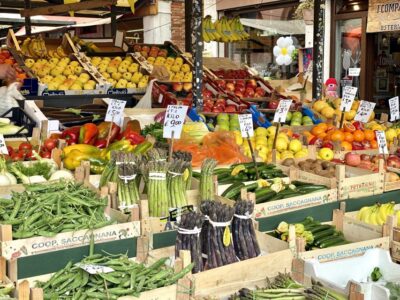
Eat Like a Local: Venice 3-Hour Small-Group Food Tasting Tour
Read our review →
Street Food Tour with a Local Guide and Tastings
Read our review →
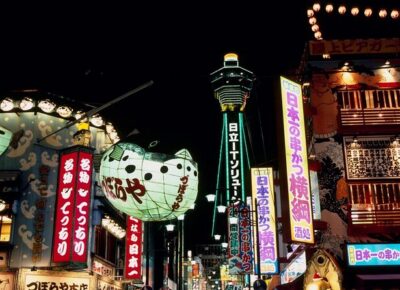
Hungry Osaka Street Food Tour:15 Tastings & 3 Drinks with a Local
Read our review →Browse the lists this tour appears in