
REVIEW · STREET FOOD TOURS
Lima: Historic Center Street Food, Market, and Eateries Tour
Come hungry, leave with a new view of Lima. This four-hour walking tour mixes Peruvian street food with the city’s grandest colonial squares, market stalls, churches, and local eateries. I like the way it takes you beyond the usual sightseeing circuit, especially into Mercado Central and Chinatown, where daily Lima life is easier to see. I also like the range of food, from anticuchos and chicharrón sandwiches to churros, picarones, fruit, and chilcanos.
The main caution is that the menu leans heavily toward meat, sweets, and drinks. Portions are usually manageable, but several stops can add up to a very filling afternoon or evening. If you are vegetarian, vegan, pescatarian, severely allergic to gluten or nuts, or need strict food substitutions, this is not the right tour for you.
Five things to know before you book
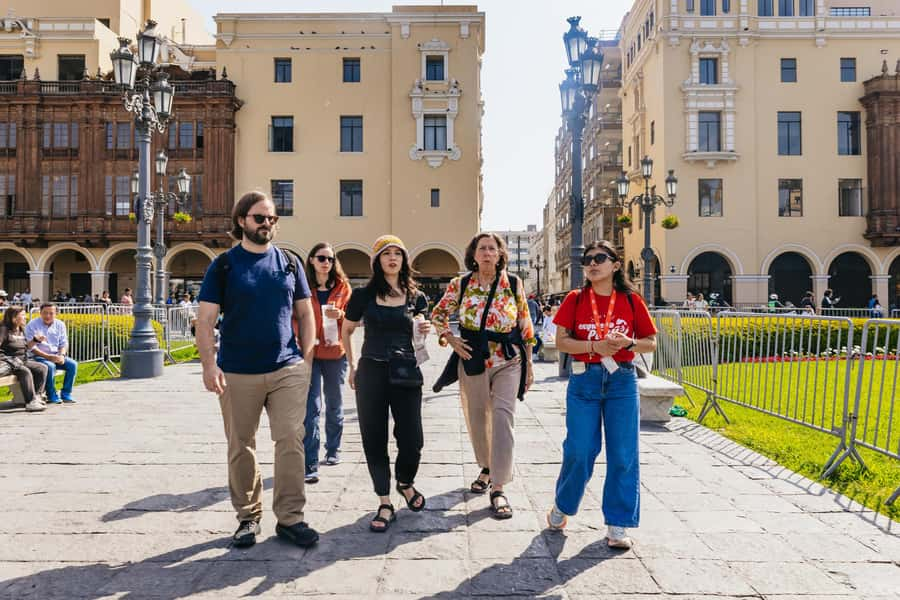
- The tour begins at Gran Hotel Bolivar: Meet at the main entrance on Jirón de la Unión 958, in Plaza San Martín.
- You see central Lima while eating: The route includes Plaza San Martín, Plaza Mayor, La Merced, San Francisco, the Cathedral, Mercado Central, and Chinatown.
- Expect local food rather than a polished restaurant meal: You will eat at small restaurants, food carts, market stops, and a local bar.
- The food is generous overall: Past participants often finished full, with anticuchos, sandwiches, tamales, fruit, churros, picarones, and other tastings included.
- English is the only shared-tour language: If you need another language, a private tour is required.
- Bring an appetite, not luggage: Large bags are not allowed, and hotel pickup and drop-off are not included.
Starting in Plaza San Martín with Lima’s grand facade
Your meeting point is easy to recognize: the main door of the Gran Hotel Bolivar, one of the historic buildings facing Plaza San Martín. This gives the tour a strong opening. You begin in a formal public square, then quickly move into the street life of central Lima.
The first photo stop lasts about five minutes. That may sound brief, but it works as an introduction rather than a full architectural visit. Your guide sets the scene, points out the important buildings, and gets the group moving toward its first food stop.
From here, the route combines sightseeing with short walks. You are not spending hours inside museums or churches, so this tour works best if you want an overview of the historic center paired with plenty of tasting stops. The tradeoff is simple: you see the landmarks from the outside, but you do not get extended interior visits.
More street food tours in the world:
- Ho Chi Minh City Street Food Tour & Sightseeing By Motorbike
★ 5.0 · 9,413 reviews - Naples: Street Food Walking Tour with Local Guide
★ 4.9 · 4,976 reviews - Small Group Hanoi Street Food Tour with a Real Foodie
★ 5.0 · 4,682 reviews
Chilcanos and local stories inside an old Lima casona
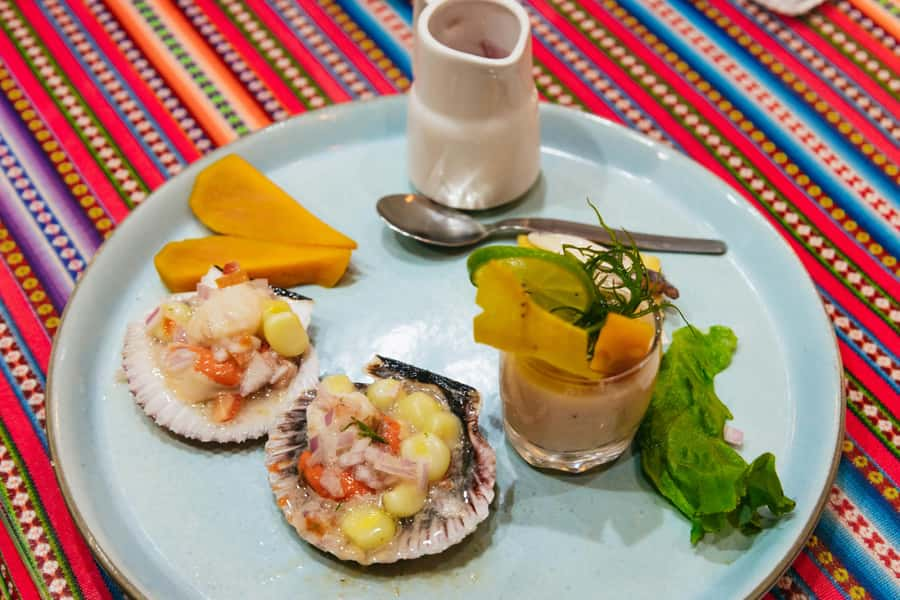
One of the tour’s most distinctive moments is a stop for chilcanos in one of Lima’s oldest casonas. A chilcano is a Peruvian cocktail made with pisco, ginger ale, lime, and bitters. The drink gives you a taste of Peru’s pisco culture while placing you inside an older building rather than a modern bar.
The stop is scheduled for about 30 minutes, which allows time to sit, drink, and listen. This is a welcome pause during a walking route. It also gives your guide room to connect food and drink with Lima’s past, local habits, and the city’s changing economy.
The tour includes a drink, and the food and drink tastings are built into the $69 price. I see that as a fair deal if you take advantage of the full route. Buying each tasting, cocktail, dessert, and local snack separately would take time and planning, and some of the small places would be easy to miss on your own.
Colonial landmarks between the food stops
After the first restaurant visit, the tour continues through central Lima with short sightseeing pauses. You pass the Iglesia de La Merced, stop around Plaza Mayor, and walk toward the Cathedral of Lima and the Government Palace.
The Plaza Mayor is the symbolic heart of the historic center. It is also where the city’s major colonial and republican buildings come together in one broad square. Your guide uses the buildings as a way to explain Lima’s past, not just as backdrops for photographs.
The Cathedral and Government Palace are viewed from outside. The San Francisco Basilica receives a photo stop later in the route, and its colonial facade is one of the visual highlights. If you want to study religious art, catacombs, or interior architecture, plan a separate visit. This tour gives you context and orientation, not a full church tour.
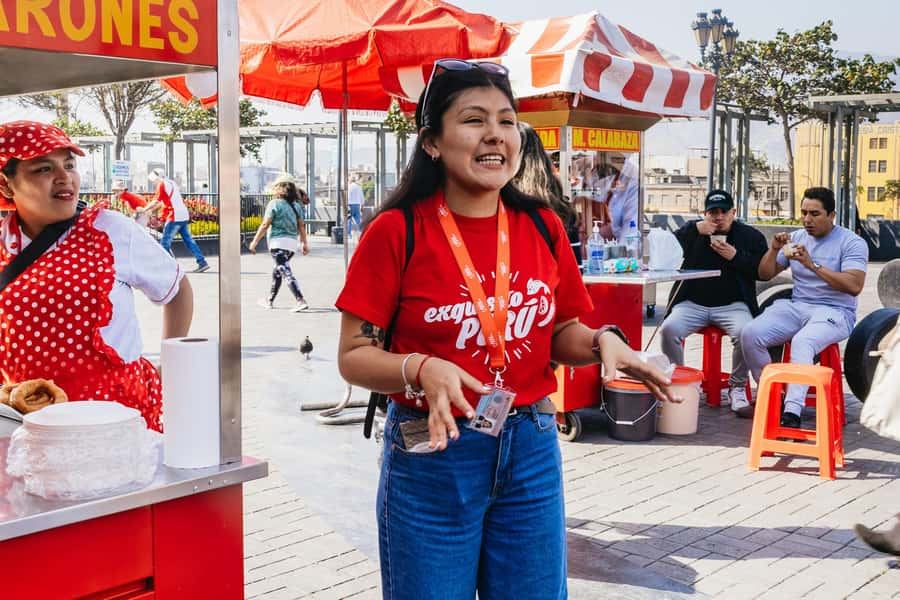
That format suits me because the food remains the main event. You are less likely to feel stuck in a long lecture, and the walking sections help break up the tastings. Guides such as Aura, Marcos, Valeria, Sheyla, David, and Manuel have been praised for explaining the buildings, culture, and food in a friendly way. The strongest guides do more than name landmarks. They explain how Lima’s history connects to what people eat today.
Mercado Central, where Lima shops for daily food
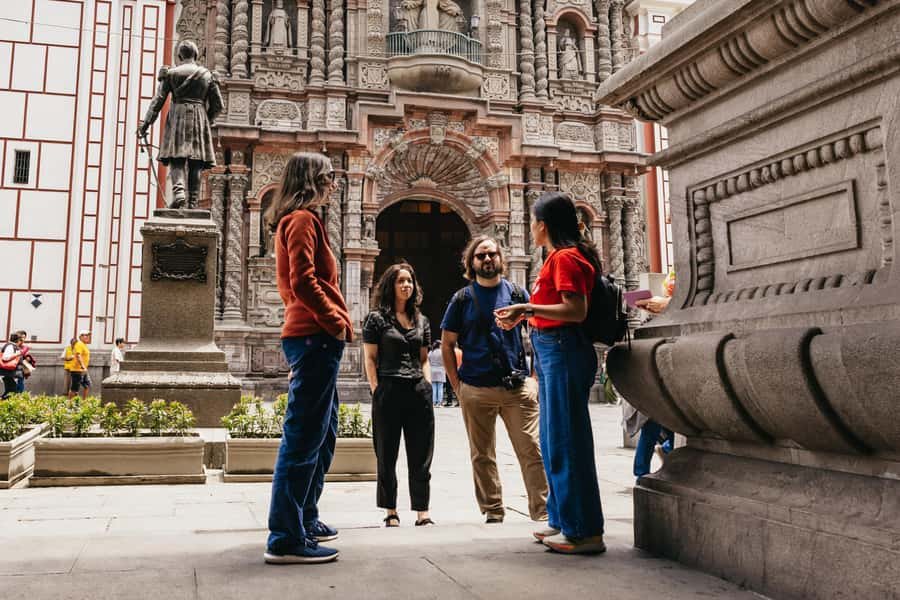
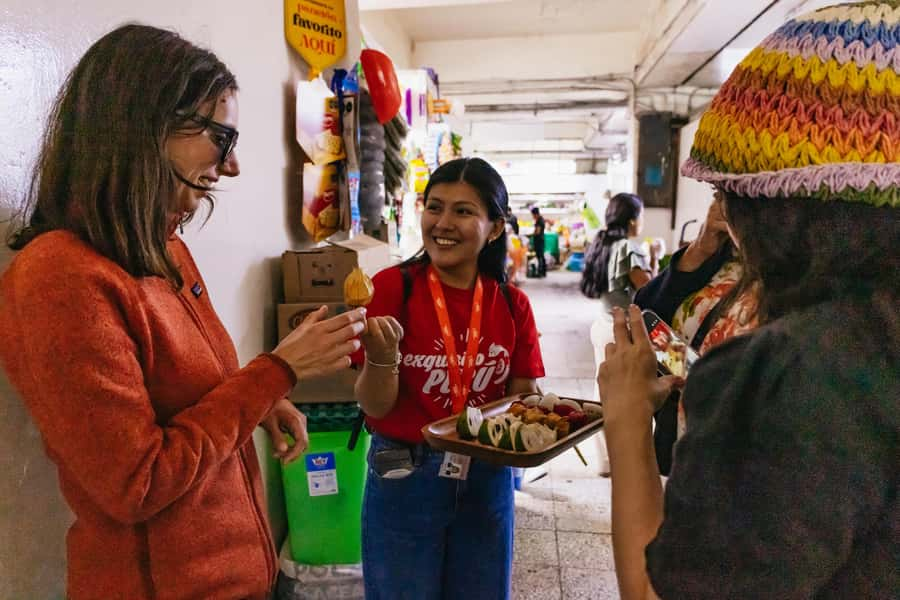
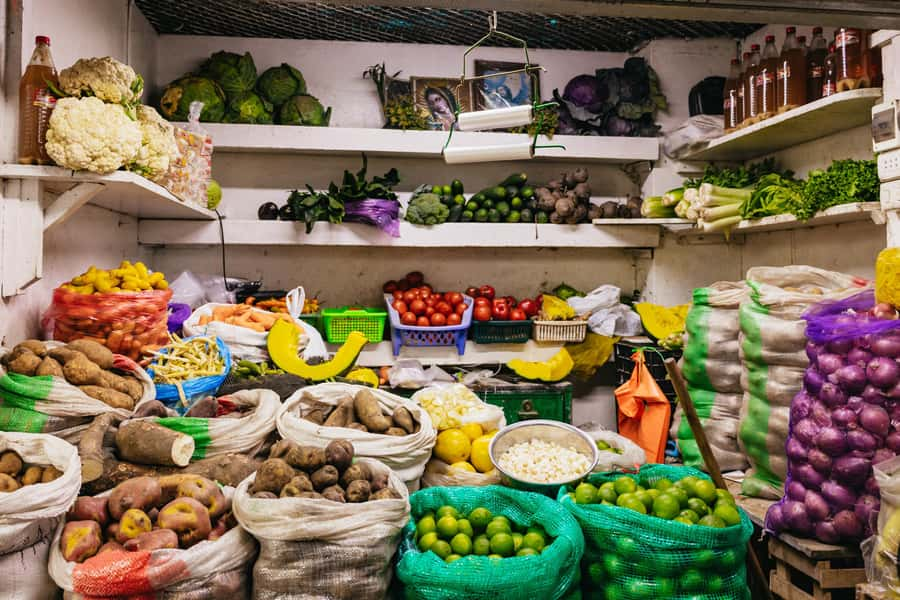
Mercado Central is one of the most useful stops on the route. It is Lima’s largest market, and the 25-minute visit gives you time to see produce, spices, fruit, and local specialties in a setting built for everyday shopping.
This is not a staged market arranged for sightseeing. You are seeing a working part of the city, with the colors, smells, and movement that come with a major food market. Your guide helps explain ingredients and points out items you may not recognize. Fruit tastings are also part of the experience.
For many people, this will be the place where the tour feels most different from a standard city walk. A restaurant can show you one finished dish. The market shows you the raw materials and shopping habits behind it.
The stop is fairly short, so do not expect time to browse every aisle or shop at length. Keep your belongings close, follow the guide, and avoid bringing a large bag. The no-luggage rule is practical here, since crowded market aisles are not a good place for bulky luggage.
More market food tours in the world:
- Chef Guided Food Tour of Pike Place Market
★ 5.0 · 3,733 reviews - Tokyo Tsukiji Fish Market Food and Culture Walking Tour
★ 5.0 · 3,184 reviews - London Bridge & Borough Market Food Tour with 7 Authentic Dishes
★ 5.0 · 1,972 reviews - Pike Place Market Tasting Tour
★ 5.0 · 1,696 reviews
Chinatown and the Peruvian-Chinese food connection
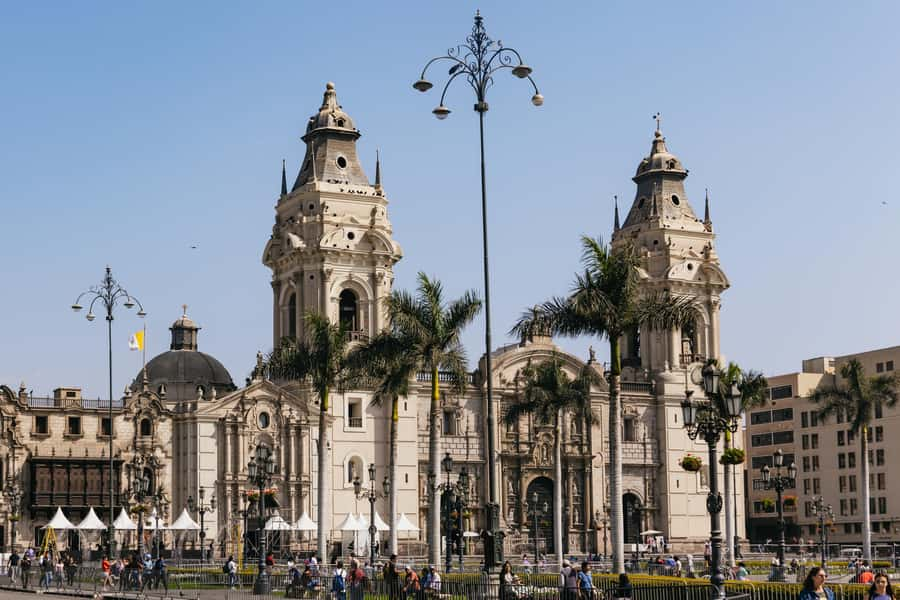
The route then enters Lima’s Chinatown, known locally as Barrio Chino. This is where the food story broadens beyond traditional Andean and coastal dishes.
Lima’s chifa cuisine developed from Chinese culinary traditions adapted to Peruvian ingredients and tastes. The tour uses Chinatown to show that Peruvian food is not one narrow tradition. It is shaped by migration, trade, local products, and generations of adaptation.
The Chinatown stop includes street food, a walk, and a tasting, with about 15 minutes scheduled. You may also encounter a sandwich stop connected with El Chinito, a local name praised for its chicharrón sandwich. The route may vary by day, but the point is to try the kind of quick food Lima residents eat rather than only formal restaurant dishes.
This is a good place to ask questions. You can learn how a dish is eaten, what makes it local, and how Chinese influence became part of Lima’s everyday food culture. Since the stop is brief, listen closely when the guide explains the ingredients and traditions.
Anticuchos, tamales, and comida al paso
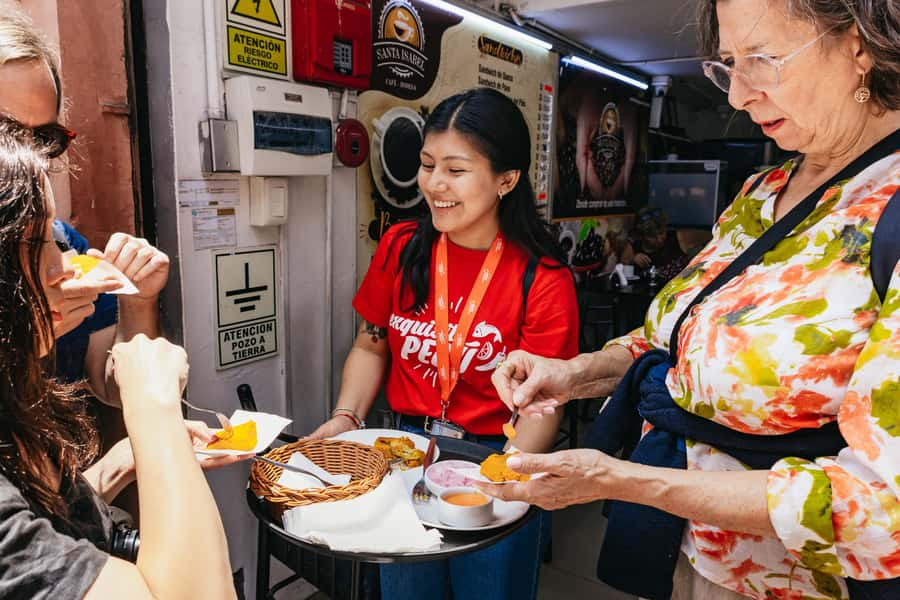
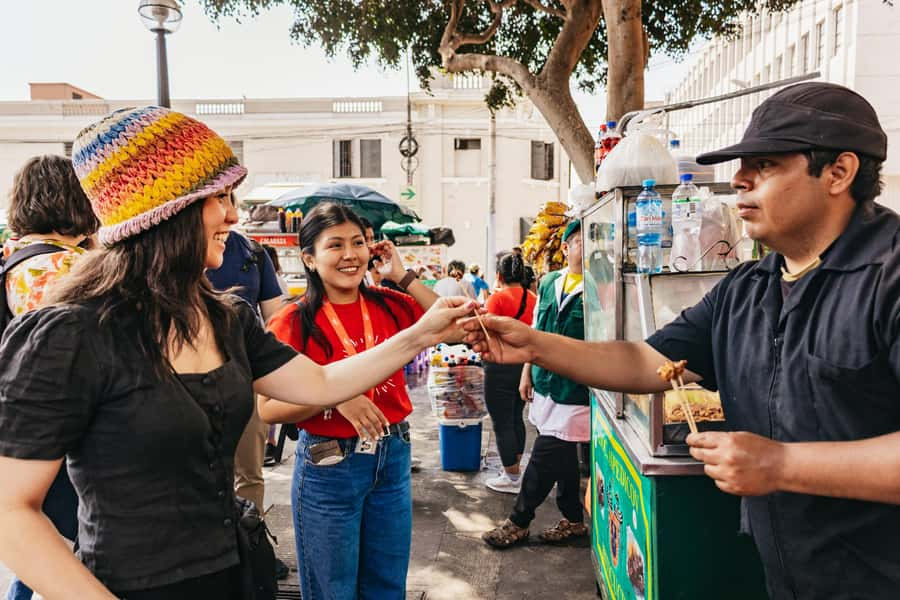
The strongest part of the tour is its focus on comida al paso, or food eaten quickly while going about your day. That can mean a food cart, a small counter, a local restaurant, or a snack bought in the middle of a walk.
Anticuchos are a likely favorite. These seasoned skewers are especially popular as street food, and the smoky, savory flavor gives the tour a welcome break from the sweets that appear later. A chicharrón sandwich adds another substantial savory bite, while tamales offer a softer corn-based option.
The portions are generally tasting size, but the total amount is not small. One account of the tour described eight food tastings and enough food to skip dinner. Another praised the balance, saying each portion left room for the next stop. Both points can be true because appetite, group size, and the day’s exact food selection will affect how full you feel.
If you want to try everything, pace yourself. Do not treat the first restaurant stop as a full meal. At the same time, do not assume the tour will leave you hungry. Most people should plan this as a major meal, not a light snack walk.
Churros, picarones, and the sweet side of Lima
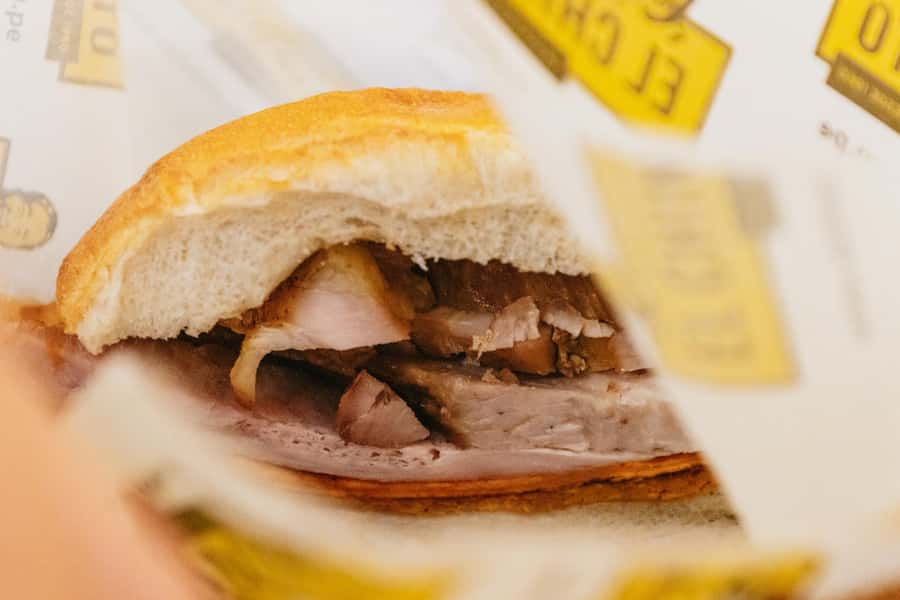
Dessert is a major part of the route. You may try creole churros, picarones, and other sweets, with a final dessert or street-food stop near the end.
Picarones are Peruvian ring-shaped fritters, usually made with squash and sweet potato and served with syrup. They are different from a standard doughnut and give you a useful taste of Lima’s traditional sweet side. The churros are also a highlight for many people, especially when served fresh.
Here is the balance issue: one tasting may be small, but a full churro and a whole picarón can feel substantial after several savory foods and a cocktail. If you are not especially fond of sweets, ask your guide about sharing or saving room. If you have a serious sweet tooth, this part may be your favorite.
The dessert focus is not a flaw, but it is worth knowing before you book. The tour does not build toward a single large dinner. It builds a long series of small food experiences, and several of those are sweet.
San Francisco, the Cathedral, and the final walk
Near the last part of the route, you stop for photos at the Basilica and Convent of San Francisco, then pass the Cathedral of Lima and continue through the center.
San Francisco is one of the city’s best-known colonial landmarks. Even from outside, the facade gives you a sense of the scale and style of old Lima. The Cathedral anchors Plaza Mayor and helps complete the architectural picture that began at Plaza San Martín.
The final walking stretch leads to Alameda Chabuca Granda, where the tour ends. Since there is no hotel drop-off, you should have a plan for your next stop. The endpoint is useful if you want to continue exploring central Lima, but it may require a taxi or another ride depending on where you are staying.
The route includes many short walks rather than one long march. Still, you should wear comfortable shoes. One past participant worried that the walking would be too much but found that the group sat and rested several times. Another advised preparing to walk a lot and eat even more. That is the right expectation.
Guides make the difference
The tour is delivered in English, and guide quality matters because the route covers both food and history. The most praised guides are Marcos, Aura, Valeria, David, Sheyla, Manuel, and Shainy. Their strengths include clear explanations, humor, good timing, and attention to the group.
Marcos has been singled out for connecting recipes with Peruvian culture and for keeping the route on schedule. Aura has been praised for tailoring explanations to a group’s interest in Lima’s past. Valeria has received praise for thoughtful food choices and a well-paced walk.
You should still remember that this is a shared tour. The exact guide, group size, and food selection can vary. The tour is offered in English only, and the guide will not provide simultaneous service in Spanish and English for mixed-language groups.
Who should book this $69 experience?
I would recommend it to first-time visitors who want to understand Lima through food rather than through museums alone. It is especially useful if you have only a short stay and want a guided introduction to the historic center, Mercado Central, Chinatown, and several local dishes in one outing.
The price is reasonable if you value variety. You receive a four-hour guided walk, multiple food tastings, a drink, market access, and historical explanation. It is less useful for someone who prefers a long sit-down meal, wants a formal culinary class, or already knows central Lima well.
Dietary restrictions require serious attention. You must advise the operator at least 24 hours before the tour if you have specific needs, but vegetarian, vegan, and pescatarian alternatives are not available. People with severe gluten or nut allergies should not book because some foods may contain traces.
You can cancel up to 24 hours before the start for a full refund, and reserve now while paying later. Those policies are helpful if your Lima plans are still shifting, but the food restrictions are the more important booking issue.
Should you book the Lima street food tour?
Book it if you want a lively introduction to Lima that joins grand squares with ordinary eating. The strongest reasons are the access to small local food stops, the market visit, the Chinatown connection, and the chance to try dishes you might not order alone.
Skip it if you need vegetarian food, strict allergy control, another tour language, or a quiet architectural tour with long interior visits. For everyone else, $69 buys a useful first taste of central Lima, and the final result is likely to be both educational and filling.
FAQ
Where does the Lima food tour start?
It starts at the main entrance of the Gran Hotel Bolivar at Jirón de la Unión 958, Cercado de Lima, in Plaza San Martín.
Where does the tour end?
The tour finishes at Alameda Chabuca Granda.
How long does the tour last?
The experience lasts four hours.
Is hotel pickup included?
No. Hotel pickup and drop-off are not included.
What language is the tour conducted in?
The shared tour is conducted in English only. For another language, you need to book a private tour.
Can vegetarians, vegans, and pescatarians join?
No. The operator states that vegetarian, vegan, and pescatarian alternatives cannot be provided. People with severe gluten or nut allergies should also not book because some foods may contain traces.
More history tours in the world
- Barcelona: Tapas Walking Tour with Food, Wine, and History
★ 4.8 · 4,261 reviews - Sevilla Food Tour: Tapas, Wine, History & Traditions
★ 5.0 · 3,468 reviews - Madrid Tapas & Taverns Small Group Food & History Tour
★ 5.0 · 2,664 reviews - Historic Ybor City Food Walking Tour
★ 5.0 · 2,210 reviews
More Shopping Tours in the world
- Small Group Cooking Class & Market Food Tour in Florence
★ 5.0 · 1,574 reviews - Nishiki Market Brunch Walking Tour (7 Tastings + Brunch)
★ 5.0 · 1,355 reviews - Bologna Food & Market Tour with 6 Tastings, Pasta, Wines & More
★ 5.0 · 1,328 reviews - Seoul Street Food Market Tour
★ 5.0 · 1,226 reviews
Just added in the world
- Copenhagen Private Culinary Food Tour with 6 Tastings of Classics★ 5.0 · 42 reviews
- Copenhagen Private Food Walking Tour with 6 or 10 Tastings★ 4.5 · 177 reviews
- Copenhagen Food & Drink Private Tour: Scandinavia Delight Tasting★ 5.0 · 236 reviews
- Copenhagen Modern Food Tour★ 5.0 · 32 reviews
- 3-hour Culinary Bike Tour in English★ 5.0 · 235 reviews
- Copenhagen Best of Danish Pastry Tasting Tour★ 5.0 · 30 reviews
- Classic 3-Hour Food Tour in Colorado Springs★ 5.0 · 408 reviews
- COLOMBO PRIVATE CITY TOUR WITH street food( All inclusive )★ 4.0 · 40 reviews
Street Food Tours, compared.
Ho Chi Minh City Street Food Tour & Sightseeing By Motorbike
Read our review →
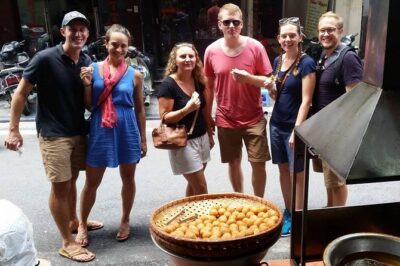
Small Group Hanoi Street Food Tour with a Real Foodie
Read our review →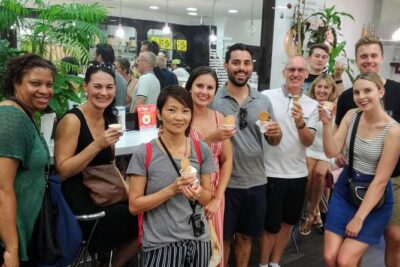
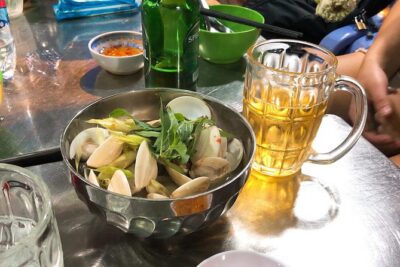
Saigon By Night and Street Food By Motorbike | Opt: Ao Dai Riders
Read our review →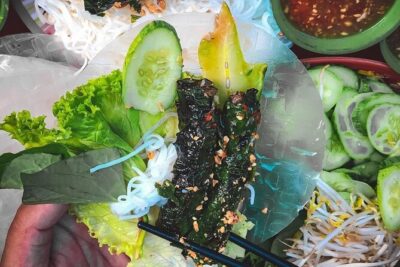
Private Street Food Tour by Motorbike/Car with Local Students
Read our review →
Cinque Terre Park Day Trip with Optional Street Food
Read our review →
Street Food Tasting & Sightseeing Tour by Motorbike
Read our review →Browse the lists this tour appears in