REVIEW · TOKYO FOOD TOURS
Tokyo Tsukiji Fish Market Food and Culture Walking Tour
Fresh fish, sharp knives, and street-side snacks await.
Tokyo’s Tsukiji Fish Market food tour offers a lively introduction to Japanese food culture in about three hours. I like the way it combines tasting with practical market guidance, so you are not simply wandering past stalls wondering what to buy. I also like the mix of foods, from Wagyu beef and sushi to dashi soup, fish cakes, omelette, fruit, and green tea. The main caution is that the wholesale fish market is now elsewhere, so the experience focuses on Tsukiji’s outer market rather than the original wholesale floor.
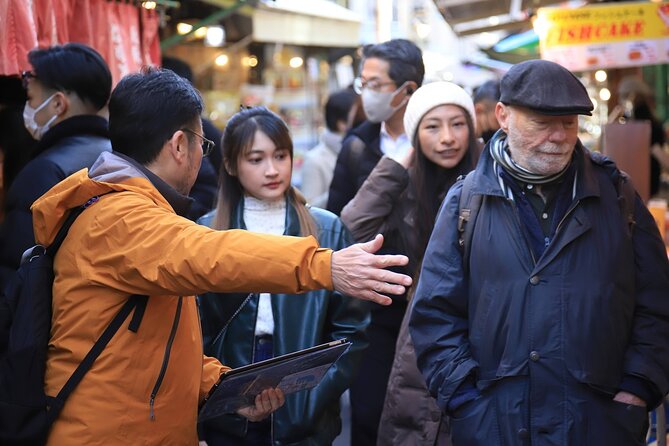
A guide can make a real difference here. The market’s narrow lanes, crowds, unfamiliar ingredients, and many small vendors are easier to handle with someone who knows where to stop. Guides such as Kiyo, Naz, Shoko, Masa, Yuki, and Nick have been praised for adding useful food, cultural, and cooking information. Still, guide quality can vary, and a few tours have felt slow or too focused on looking rather than eating.
Key points to know before you book
- Start at Tsukiji Hongwanji Temple: Meet at the temple’s main gate, not the back entrance shown by some map directions.
- Expect a three-hour walking route: Comfortable shoes matter, and you should arrive ready to leave exactly on time.
- Eat a varied set of samples: Possible tastings include Wagyu beef skewers, tuna, sushi or a seafood bowl, fish cakes, Japanese omelette, seasonal fruit, dashi soup, seaweed, green tea, and other snacks.
- The wholesale market is not the main event: You visit the outer market and Tsukiji Uogashi when it is open, while the original wholesale operation is now located elsewhere.
- Market days affect the food: Tsukiji Uogashi is closed on Wednesdays, Sundays, and holidays, and some tastings are unavailable on those days.
- This is best for fish eaters: Vegetarian, halal, gluten-free, allergy-related, and fish-free requests cannot be accommodated.
Starting beside Tsukiji Hongwanji Temple
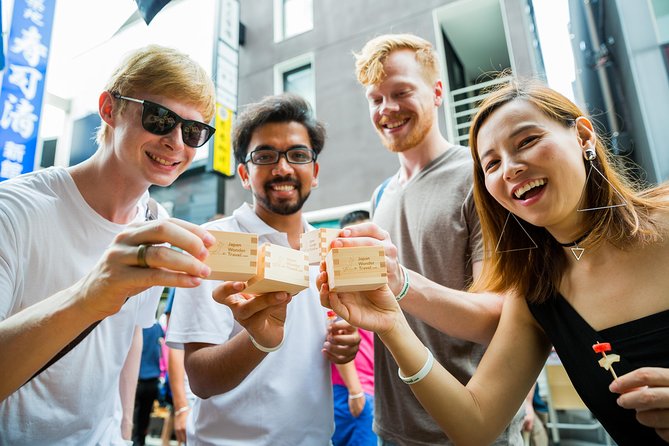
The tour begins in front of Tsukiji Hongwanji Temple, at 3-chōme-15-1 Tsukiji. Meet at the main gate on the front side of the temple. This detail matters because map directions can send you around to the rear entrance, and the group leaves at the stated start time without waiting for late arrivals.
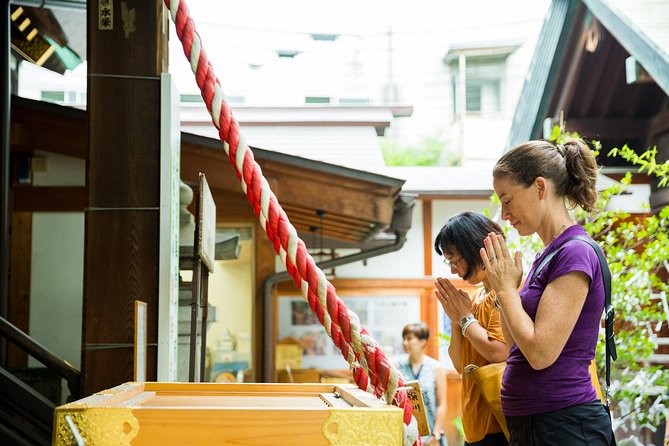
The temple makes a useful meeting point. Before the food begins, your guide may explain the building and its unusual design. One guide, Kiyo, was especially praised for explaining what inspired the temple’s architecture. Other guides have included the nearby shrine and temple setting in their introductions to the area.
This opening gives the tour a little more shape than a simple snack crawl. You begin with a place of worship and local history, then move into the market where food, trade, and daily life take over. I like that contrast. It helps you understand Tsukiji as a neighborhood, not only as a place to buy seafood.
Bring comfortable walking shoes. The route takes you through busy lanes and market areas, and the full three hours can feel tiring if you are wearing shoes meant for sightseeing photos rather than actual walking.
More Market Food Tours in Japan
- Tsukiji Fish Market Guided Tour and Sushi Making with Pro Chef
★ 5.0 · 775 reviews - Tokyo: Tsukiji Fish Market Food and Culture Walking Tour
★ 4.7 · 757 reviews - Tsukiji Fish Market: Street Food & Culture Walking Tour
★ 5.0 · 669 reviews
Tsukiji Jogai Market, the outer market’s best introduction
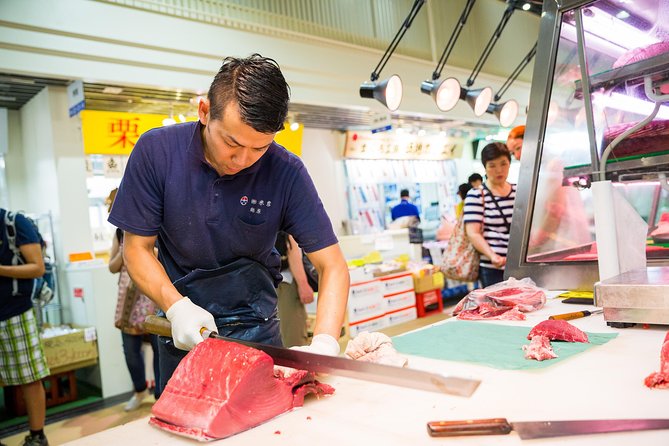
The first major part of the tour takes about 90 minutes in Tsukiji Jogai Market. This is the outer market, a dense collection of seafood stalls, food shops, restaurants, and stores selling kitchen tools and cooking ingredients.
The market has an 80-year connection with Tokyo’s fish trade. Your guide explains why local cooks and professional chefs come here for fresh seafood and specialist ingredients. You may see boxes of sea urchin, large tuna being cut, shellfish, fish cakes, and pufferfish in tanks. The displays are part of the pleasure, but the guide’s explanations help you understand what you are seeing.
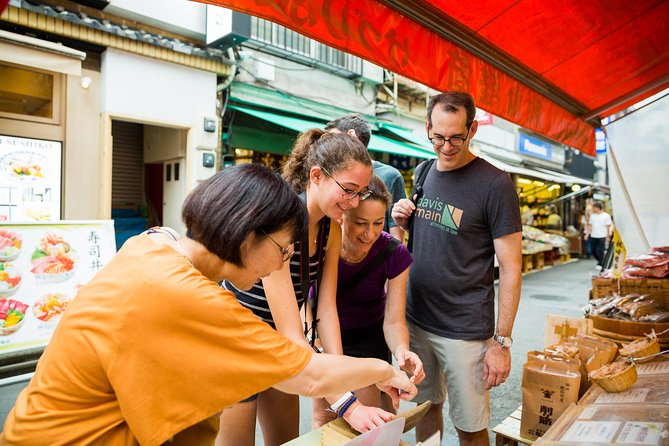
This is where the tour earns much of its value. You can walk through the market alone, but you may miss the meaning of the products, the best places to pause, and the small snacks that are not obvious to a first-time visitor. Guides have helped people find foods they would otherwise have passed by, and some have offered suggestions for ingredients to take home.
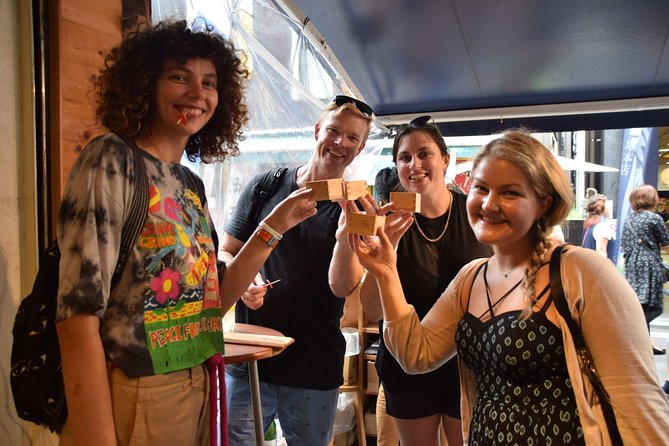
The tastings can begin with simple but revealing items such as dashi soup, green tea, seaweed, and Japanese omelette. These foods show how much Japanese cooking depends on broth, texture, freshness, and careful preparation. Fish cakes and seasonal fruit may also appear, depending on the day and which shops are open.
Do not expect every tour to follow the exact same food list. The market is a working place, not a fixed restaurant menu. Supplies, opening days, and the timing of the visit affect what is served.
The food stops, from Wagyu to tuna
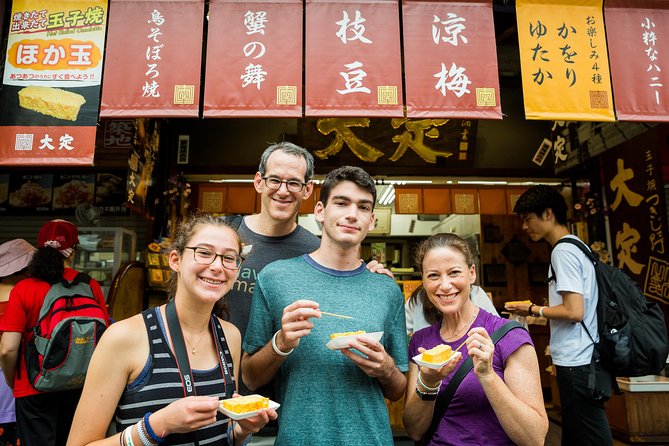
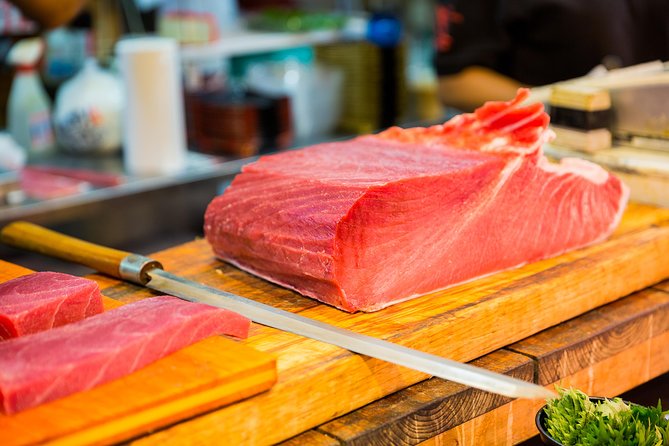
The tasting portion is varied rather than centered on one large meal. You might receive a Wagyu beef skewer, fresh tuna, fish cake, Japanese omelette, seasonal fruit, and other small portions. The selection is designed to keep you moving through the market while giving you a sense of Japan’s different food traditions.
Some people particularly enjoy the contrast between land and sea. Wagyu beef adds a savory, grilled bite, while tuna, squid, eel, and other seafood show off Tsukiji’s main strength. One guide helped a first-time sushi eater discover that squid and eel could be approachable and enjoyable. If you arrive open to trying unfamiliar foods, this is a good setting for it.
The tour also provides a chance to ask practical questions. Shoko, for example, has helped people understand how she uses market ingredients and spices in home cooking. That kind of advice is more useful than a list of dish names because it gives you a reason to look for certain foods later in your trip.
The amount of food is worth discussing honestly. Many people finish with a full stomach, especially when the tastings are generous and the final meal is included. But at least one account found the tour more focused on seeing and discussing food than on eating it. I would not arrive expecting an all-you-can-eat event. Have a light breakfast if you want to enjoy every sample, but do not skip food beforehand if you need a substantial meal.
Kitchen tools and the old Tsukiji market
The route may include a stop at a shop selling kitchen tools. This is a useful addition if you want a Japanese knife, cooking utensil, or another food-related souvenir. Your guide can explain what you are looking at and help you browse without feeling lost among unfamiliar goods.
The itinerary also refers to the old Tsukiji Market and allows around 30 minutes for food touring. This portion is less about a single landmark and more about seeing how the market’s shops fit together. You may move between stalls, taste additional items, and hear about local customs and ingredients.
Small groups make this easier. The maximum group size is 20, but some departures have been much smaller, including one group of four. A small party is easier to hear in crowded lanes and gives you more room to ask about a spice, fish, snack, or cooking tool. It can also allow a guide to adjust the pace or make a brief shopping stop.
That flexibility is one of the better features of the experience. A few guides have gone beyond the formal route to help with a shop request or suggest a sake tasting. Do not count on extra time after the tour, but a responsive guide can make the morning feel personal rather than mechanical.
More Market Food Tours in Tokyo
- Tsukiji Fish Market Small-Group Food Walking Tour
★ 5.0 · 621 reviews - Tokyo: Tsukiji Fish Market Sushi Making Class with Pro Chef
★ 4.9 · 506 reviews - Tsukiji Fish Market: Street Food & Culture Walking Tour
★ 4.8 · 259 reviews - Tokyo: Toyosu Tuna Auction &Tsukiji Market Gourmet Adventure
★ 4.8 · 187 reviews
Tsukiji Uogashi and the wholesale-market confusion
The tour passes through Tsukiji Uogashi, a smaller wholesale market where you can see many types of fresh fish. The planned visit takes about 30 minutes, but this stop depends heavily on the calendar.
Tsukiji Uogashi is closed on Wednesdays, Sundays, and holidays, along with other market closure days. When it is closed, you will not see this section in the same way, and Japanese omelette, fish cake, and fruit may not be available from the usual shops. Check the date before booking if this part matters to you.
You should also set your expectations correctly. The famous wholesale fish operation associated with old Tsukiji is now somewhere else. This tour does not give you access to the original wholesale floor. It shows you the outer market and the Uogashi area when open, which is still worthwhile, but it is a different experience from watching the main wholesale trade at its former location.
This distinction is important because the tour description can sound broader than the actual route. If you mainly want wholesale auctions and industrial fish handling, this is not the right choice. If you want food stalls, local shopping, tastings, and an explanation of how Tsukiji works today, the route makes more sense.
Finishing with sushi or a seafood bowl
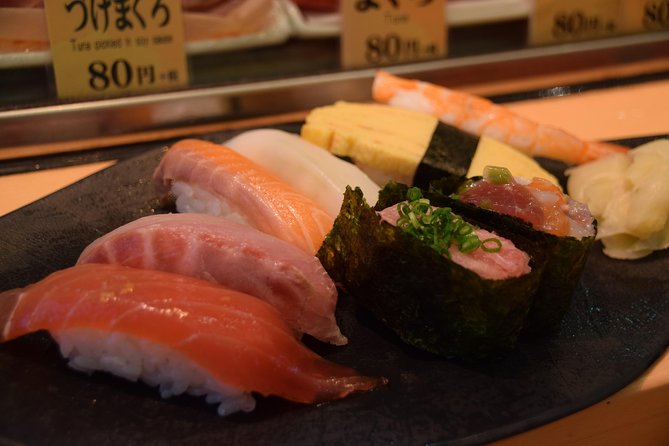
The final 30 minutes bring the group to a meal of sushi or a seafood bowl. The exact dish depends on the day and the restaurant arrangement. This is not always a fixed sushi lunch, so ask your guide what is being served if you have a strong preference.
The meal gives the tasting sequence a proper finish. After small portions of snacks and market foods, you sit down to eat a more complete seafood dish. One particularly memorable version included a sashimi lunch and a preparation demonstration, while another stop allowed the group to watch fish being prepared before making sushi.
These demonstrations can be a highlight because they connect the market stall to the plate. You see how the fish is handled, then taste the result. The experience is not only about luxury ingredients. It is also about precision, freshness, and the everyday care that goes into Japanese food.
Still, restaurant quality and atmosphere may vary. One account found the final stop too much like a tourist restaurant, with little choice once the group arrived. I would treat the meal as a planned part of the tour rather than a chance to choose from Tsukiji’s many restaurants. If you want complete control over your lunch, explore independently instead.
How much value do you get for $99.49?
At $99.49 per person, this is not the cheapest way to visit Tsukiji. You can walk through the market on your own and buy individual snacks for less. The price becomes easier to justify if you value guidance, a set of tastings, cultural background, and a final sushi or seafood-bowl meal.
I see the strongest value in the orientation. Tsukiji can feel confusing at first, especially when you are trying to avoid blocking shop entrances, choose unfamiliar foods, and understand which stalls are aimed at local cooks. A guide who knows the vendors can save time and help you spend money on foods you actually want.
The food alone may not justify the price for everyone. Portions are varied, but they are not guaranteed to be large, and the exact selection changes. The tour makes more sense for you if you want both eating and explanation. If you only want the lowest-cost breakfast in Tokyo, go on your own.
The tour is highly rated, with a 4.9 score from 3,184 ratings and a 97 percent recommendation rate. Those figures suggest strong overall satisfaction, but they do not remove the practical issues: guide style varies, the wholesale market has moved, and dietary restrictions are not supported.
Who will enjoy this Tsukiji experience most?
I would recommend this tour to first-time visitors who want a clear introduction to Japanese food culture. It is also a good fit for people who enjoy trying several small foods rather than ordering one familiar meal.
It suits curious eaters who are willing to try fish, seafood, sushi, and ingredients they may not recognize. A person who has never eaten sushi may find the guided approach reassuring, especially when the guide explains the preparation and recommends approachable choices.
The experience can also work well for families with older relatives if the group pace is considerate. Mieko, for example, was praised for keeping a comfortable pace for an elderly father. Still, you should be able to walk for three hours through crowded market lanes.
I would not book this tour if you need vegetarian, halal, gluten-free, or allergy-safe food. The operator does not accommodate those requests. You also cannot join if you cannot eat fish. Under-20 participants are offered another drink instead of alcohol, and the minimum drinking age is 20.
Practical tips for a smoother morning
Arrive early at the front gate of Tsukiji Hongwanji Temple. The tour leaves sharply at the scheduled time, and late arrivals cannot extend the tour or receive a refund for that day.
Wear walking shoes and keep your belongings manageable. Crowded market lanes are easier when you can move without a bulky bag or awkward footwear.
If you want to buy ingredients or kitchen tools, tell the guide early. Small groups may allow some shopping flexibility, but the scheduled route still needs to continue.
Check the calendar before choosing your date. Wednesdays, Sundays, and holidays can mean no Uogashi wholesale-market visit and fewer tastings. The tour ends back at the meeting point, and transportation to and from Tsukiji is not included.
Free cancellation is available if you cancel at least 24 hours before the start time. Changes or cancellations inside that window are not accepted, so do not wait until the morning of the tour if your plans are uncertain.
Should you book it?
Book this tour if you want a guided introduction to Tsukiji, a broad set of tastings, and a final seafood meal without having to plan each stop yourself. The strongest guides bring the market to life with food advice, local customs, cooking tips, and a calm way through the crowds.
Skip it if you are mainly seeking the old wholesale fish market, need strict dietary accommodations, or prefer choosing every dish and restaurant yourself. Also keep your expectations realistic: this is an outer-market food walk, not a wholesale auction visit and not an unlimited meal.
For most first-time visitors who eat seafood, the $99.49 price is reasonable when the guide is strong and the tastings are generous. Choose a market-open day, arrive early, wear good shoes, and come hungry enough to enjoy the food without expecting a feast at every stall.
FAQ
How long does the Tsukiji food tour last?
The tour lasts approximately three hours and ends back at the Tsukiji Hongwanji Temple meeting point.
Where does the tour meet?
Meet your guide at the main gate on the front side of Tsukiji Hongwanji Temple, at 3-chōme-15-1 Tsukiji, Chuo City, Tokyo. Do not use the back entrance.
What food is included?
Lunch and snacks are included. Possible foods include Wagyu beef skewers, tuna, sushi or a seafood bowl, fish cakes, Japanese omelette, seasonal fruit, dashi soup, seaweed, green tea, and other market foods.
Is sushi or a seafood bowl guaranteed?
No. Depending on the day and time, the final meal is either sushi or a seafood bowl.
Is the wholesale fish market included?
The route passes through Tsukiji Uogashi when it is open, but the original wholesale fish market is now located elsewhere. This tour focuses on Tsukiji’s outer market.
Can people with dietary restrictions join?
The tour does not accommodate vegetarian, halal, gluten-free, or allergy-related requests. You must be able to eat fish to join.
What happens if I need to cancel?
You can receive a full refund if you cancel at least 24 hours before the experience start time. Cancellations or changes made less than 24 hours before the start time are not accepted.
More seafood tours in Tokyo
- Seafood trail
★ 5.0 · 766 reviews - From Santiago: Rías Baixas Galicia Seafood & Wine Day Tour
★ 4.6 · 209 reviews - Boston Seafood Lovers Food and History Walking Tour
★ 5.0 · 208 reviews - New Orleans: Food Tour with Seafood Boil in French Quarter
★ 4.6 · 146 reviews
More Seafood Tours in Japan
- Tokyo: Sushi Making with Pro Chef & Tsukiji Fish Market Tour
★ 4.6 · 49 reviews - Osaka: Wakayama Cat Train, Seafood market, Hot Springs Tour
★ 4.6 · 24 reviews
Just added in Tokyo
- Tokyo: Allstar Food Tour★ 4.7 · 29 reviews
- Tokyo: West-Side Cycling and Food Tour with Guide★ 5.0 · 37 reviews
- Tokyo Tsukiji Food & Culture Private Tour Licensed Guide★ 4.9 · 28 reviews
- Tokyo: Wagyu and Sushi Gastronomic Journey★ 4.3 · 24 reviews
- Tokyo: Togoshi Ginza Street Food Tour★ 5.0 · 34 reviews
- Tokyo: Sushi and Ramen Cooking Class with Sake Pairing Set★ 5.0 · 81 reviews
- Tokyo: Sushi Making Class★ 4.9 · 390 reviews
- Tokyo: Ramen Tasting Tour with 6 Mini Bowls of Ramen★ 4.9 · 432 reviews
Market Food Tours, compared.

London Bridge & Borough Market Food Tour with 7 Authentic Dishes
Read our review →
Small Group Cooking Class & Market Food Tour in Florence
Read our review →
Nishiki Market Brunch Walking Tour (7 Tastings + Brunch)
Read our review →
Bologna Food & Market Tour with 6 Tastings, Pasta, Wines & More
Read our review →