
REVIEW · TOKYO FOOD TOURS
Tokyo: Ramen Tasting Tour with 6 Mini Bowls of Ramen
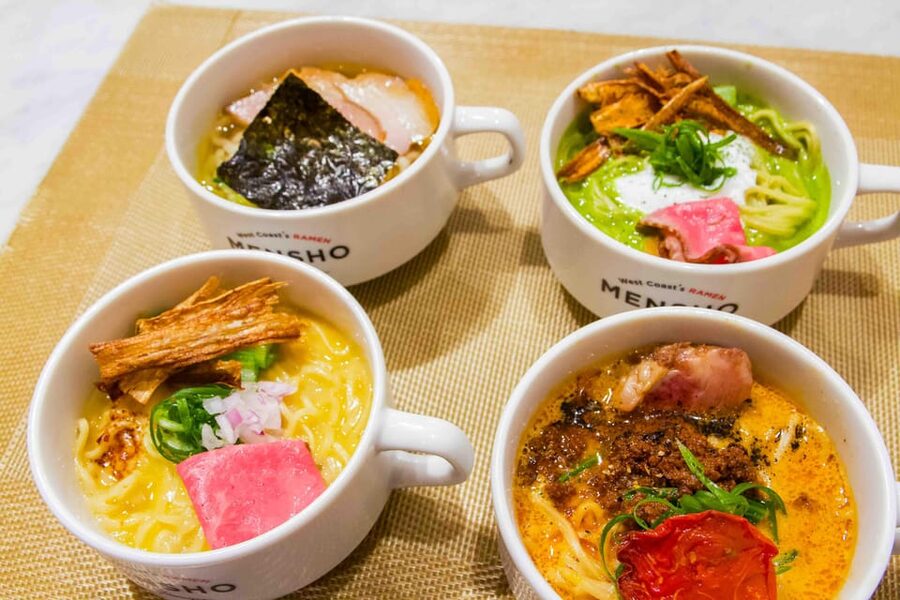
Ramen is bigger than one bowl. This three-hour Tokyo food tour makes that clear, taking you to three ramen shops in three different neighborhoods and serving six mini bowls from a choice of 11 or 12 styles. I like the smart tasting format: each bowl is about one-quarter the size of a regular serving, so you can compare several broths without stopping after your first meal.
I also like the teaching. Your English-speaking guide uses slides and handouts to explain ramen’s origins, regional styles, noodles, broth, and preparation. Guides such as Sahori, Bunga, Makayla, Daisy, and Manny have been praised for making the subject lively and easy to follow. The main drawback is price: at $122 per person, this costs far more than eating ramen on your own, and the three-kilometer walking route can feel long on a hot or rainy day.
The format works best if you treat this as both a meal and a small food class. You will get six tastings, one drink, neighborhood walks, and help choosing styles you might otherwise skip. Just arrive hungry, check the route before booking, and remember that every standard tour broth contains chicken, pork, and fish.
Key points at a glance
- Six mini bowls, not one oversized serving: Choose six ramen samples from roughly 11 or 12 options, usually two at each of three shops.
- Three different Tokyo routes: The choices include Shibuya, Shinjuku, and Ueno, with each route built around different ramen traditions.
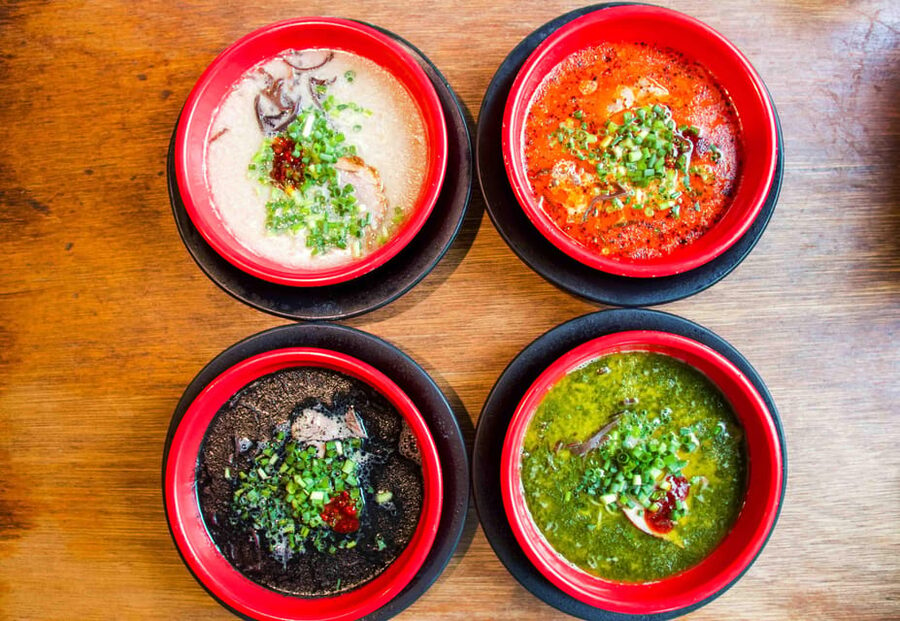
- A useful lesson in ramen styles: You may compare Hokkaido, Tokyo, Kyushu, tonkotsu, tori paitan, curry, tsukemen, and other modern versions.
- A small group of up to eight: The group size leaves room for questions and makes ordering easier in compact ramen shops.
- Walking is part of the meal plan: Expect about three kilometers on foot, plus a train ticket if the route requires one.
- Not suitable for plant-based diners: All broths on this tour contain chicken, pork, and fish. A separate vegan and vegetarian tour is available.
Why six small bowls beat one large bowl
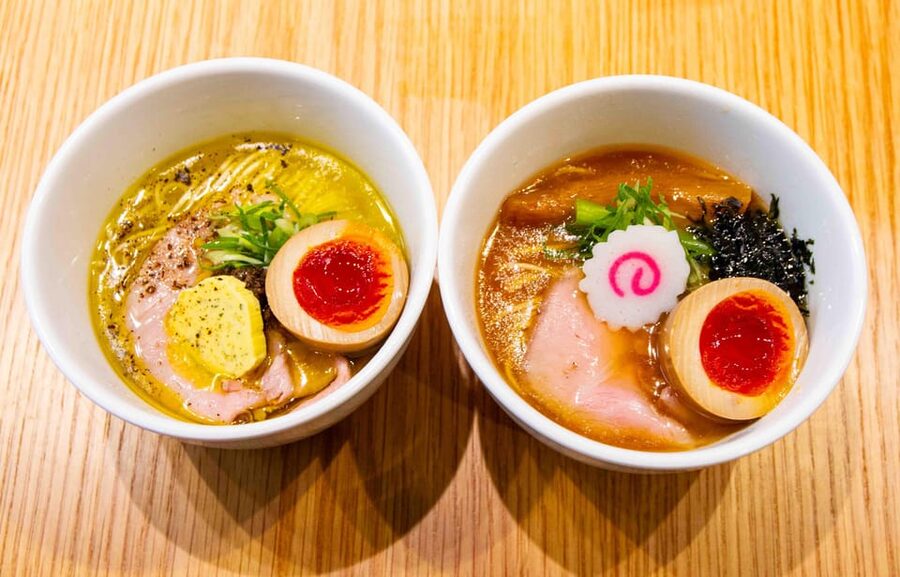
A full ramen bowl is a meal. Six full bowls would be a competitive sport. The mini portions solve the problem neatly.
Each sample is about one-quarter the size of a regular bowl, and the smaller format lets you compare broth, noodle texture, toppings, and seasoning without committing to one style. You choose six from a selection of approximately 11 or 12. In practice, the structure described by several guests is two types at each stop, which gives the afternoon a clear rhythm.
The portions are small, but do not mistake the tour for a light snack. Six tastings add up, especially when the noodles and broth are served at three separate restaurants. One visitor found it wise to skip lunch, while another was too full to finish the last bowl. I would plan a modest breakfast and leave room for the final stop.
The walking helps. You move between restaurants instead of sitting in one place and eating continuously, giving you time to digest and think about what you just tasted. Still, you should not schedule an elaborate dinner immediately afterward.
More Sushi and Ramen Tours in Tokyo
- Sushi Making Tokyo Roll and Authentic Japanese Sushi Class
★ 5.0 · 3,971 reviews - Tokyo: Roll and Authentic Sushi Making Class in Asakusa
★ 4.9 · 1,957 reviews - Best of Shinjuku: Izakaya Food Tour (4 Stops, 14+ Tastings)
★ 5.0 · 1,863 reviews
The ramen lesson gives the food a wider frame
The best part of the tour is not simply getting fed. It is learning why the bowls taste different.
Ramen in Japan is not one fixed recipe. The tour introduces its origins, regional development, broth types, noodles, and modern changes through colorful slides and handouts. Several guides have used a tablet or iPad presentation, which helps when explaining ingredients and styles to a group standing near a busy station or restaurant.
That visual aid matters because ramen vocabulary can blur together. Tonkotsu refers to pork-bone broth, while tori paitan is a rich chicken style. Tsukemen serves the noodles separately from the dipping broth. Curry ramen brings a different seasoning profile altogether. By the end, you have a way to describe what you like, rather than simply saying one bowl was good.
Your guide can also add Tokyo advice beyond ramen. Daisy, for example, helped one family with a difficult anime-themed reservation, while other guides answered broader questions about food and getting around Japan. That extra conversation is not the formal product, but it can be useful during a first Tokyo visit.
Shibuya route: Hokkaido, tonkotsu, and curry
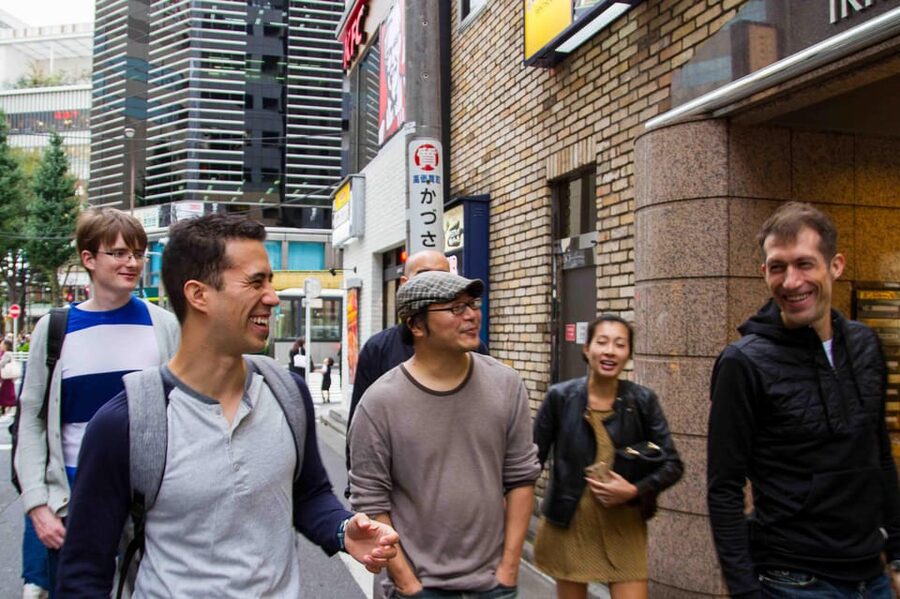
The Shibuya route begins with three very different directions in ramen.
Stop one: classic Hokkaido ramen
Hokkaido-style ramen is often associated with hearty seasoning and a substantial bowl, and this first stop sets up the regional comparison. You may choose a classic Hokkaido sample before moving on to styles with very different foundations.
This is a good opening because it gives you a reference point. Pay attention to the noodles, the saltiness, and how the broth feels in your mouth. The sample is small enough to finish while still leaving room for the next two restaurants.
Same city, a different table:
- Tokyo: Shinjuku Food Tour (13 Dishes at 4 Local Eateries)
★ 5.0 · 6,603 reviews - Tokyo Tsukiji Fish Market Food and Culture Walking Tour
★ 5.0 · 3,184 reviews - Tokyo: Shinjuku Food Tour (15 Dishes and 4 Eateries)
★ 4.9 · 2,033 reviews - Tokyo: Sushi Making Class in a Happi Coat near a Famous Spot
★ 4.9 · 1,377 reviews
Stop two: fusion tonkotsu
The second shop focuses on fusion tonkotsu, built around pork-bone broth but presented in a newer style. This stop can show how a traditional base changes when cooks adjust flavor, toppings, or technique.
Several people singled out the second restaurant as a highlight, especially when it introduced a style or noodle type they had never tried. That is one reason the route is more useful than simply visiting three famous shops serving similar bowls. The point is contrast.
Stop three: savory curry ramen
Curry ramen closes the Shibuya route with a strong change of direction. If your idea of ramen is limited to soy sauce or pork broth, this bowl can reset your expectations.
Curry brings warmth and spice, and it may be the most memorable sample of the three for diners who enjoy bold flavors. It can also be the most filling-feeling bowl late in the tour, so use the earlier tastings to pace yourself.
The Shibuya route includes neighborhood walking and finishes in Ebisu according to the activity information. Confirm the exact meeting point and ending location when you book, since route details can vary by day.
Shinjuku route: classic Tokyo to luxurious chicken or fish
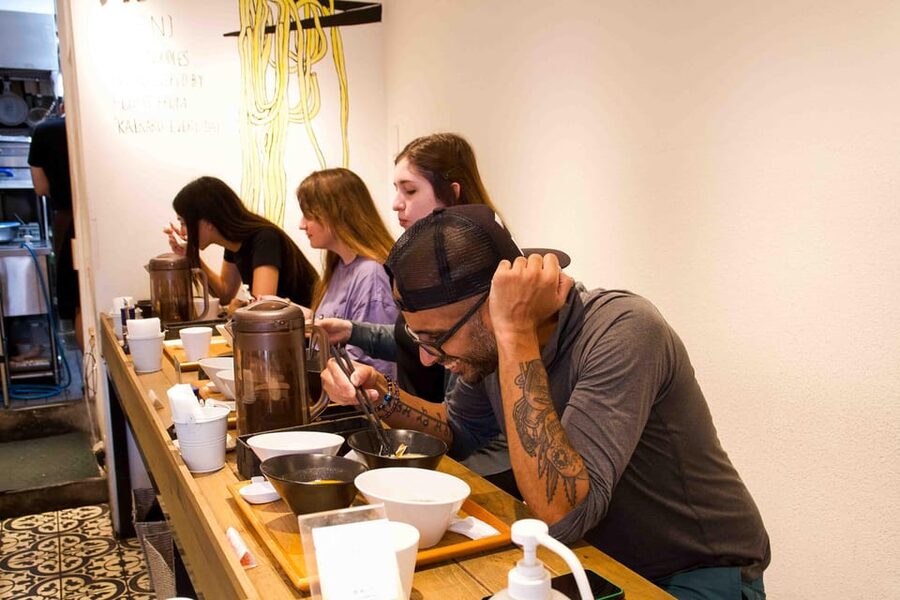
The Shinjuku option follows a different set of styles and may suit you if you want a more direct look at Tokyo ramen and newer chicken-based preparations.
Stop one: classic Tokyo ramen
Classic Tokyo ramen gives you a traditional starting point. This is the sort of bowl that helps you understand the city’s own style before trying more specialized or modern versions.
Listen closely when your guide explains the broth and noodles. The educational part is especially useful here because classic ramen can look simple while relying on careful balance. A small serving makes it easier to compare the details rather than filling up on a single familiar bowl.
Stop two: modern tori paitan
Tori paitan is a creamy, rich chicken ramen. It offers a useful comparison with tonkotsu because the texture may feel similarly full while the base comes from chicken rather than pork.
This is also where the dietary warning matters. The tour’s broths contain chicken, pork, and fish across the standard routes. If you avoid one of those ingredients, do not assume a particular bowl will be safe. Book the separate vegan and vegetarian ramen tasting tour instead.
Stop three: luxurious chicken or fish ramen
The final Shinjuku stop features a more luxurious chicken or fish ramen. The word luxurious here suggests a polished, special-occasion style rather than a basic everyday bowl, though the exact choice can vary.
This stop may appeal to diners who want to compare lighter or more refined flavors after the fuller broths earlier in the route. Because you choose from available selections, ask your guide which two bowls create the best contrast at that restaurant.
Ueno route: Kyushu, tsukemen, and modern Tokyo
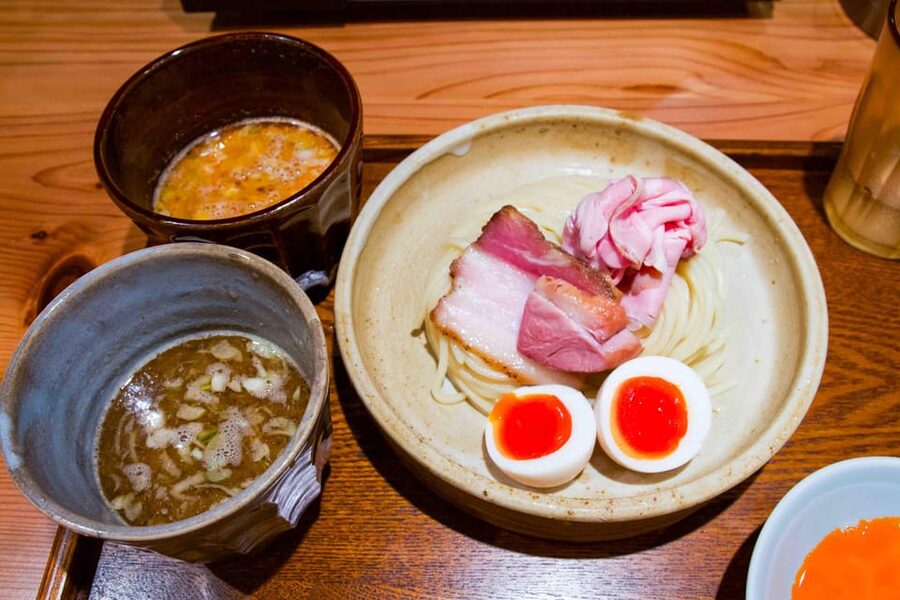
The Ueno route moves through classic Kyushu ramen, dipping noodles, and a modern Tokyo style. It is the route for you if you want the widest change in eating method, not just a change in broth.
Stop one: classic Kyushu ramen
Kyushu ramen is commonly linked with tonkotsu-style pork-bone broth, though the exact bowl served on the tour depends on the shop. This first stop introduces a regional style with a strong identity.
Use this bowl to focus on texture. Notice the noodles, the body of the broth, and how the seasoning compares with the Hokkaido or Tokyo samples on other routes.
Stop two: contemporary tsukemen
Tsukemen changes the basic ramen routine. Instead of noodles sitting in broth, you dip the noodles into a separate, concentrated sauce.
That difference makes this one of the most educational tastings. You control how much sauce reaches each bite, and the noodles may have a different thickness or firmness from standard ramen noodles. If you have only eaten ramen from a single bowl, tsukemen gives you a completely new way to think about the dish.
Stop three: modern Tokyo ramen
The Ueno route ends with modern Tokyo ramen, bringing the tasting back to the capital while showing how far the style can move from its classic roots.
The contrast between the three Ueno stops is the main attraction. You get a regional bowl, a different serving method, and a contemporary city style. That sequence keeps the tour from becoming six versions of the same meal.
Three neighborhoods add context, not just scenery
The route is not a sightseeing tour in the usual sense, but the neighborhood changes help give the afternoon shape.
Shibuya or Shinjuku brings Tokyo’s famous city energy, while Ueno offers another setting for the food experience. You will walk between restaurants and may use the train, with train fare not included if required. The walking route has been praised as a good way to see more of the city and work off some noodles, but it is not a casual stroll of only a few blocks.
The total distance is about three kilometers, or 1.86 miles. That is manageable for most people in ordinary fitness, but the combination of stairs, stations, city pavement, weather, and six tastings can wear you down. Wear comfortable shoes and consider the season.
Rain can change the pace. On one Shibuya tour, heavy rain led the guide to arrange a taxi for the final stop. That was a kind practical choice, but you should not assume taxi transport is part of the standard package.
The guide can make or break the afternoon
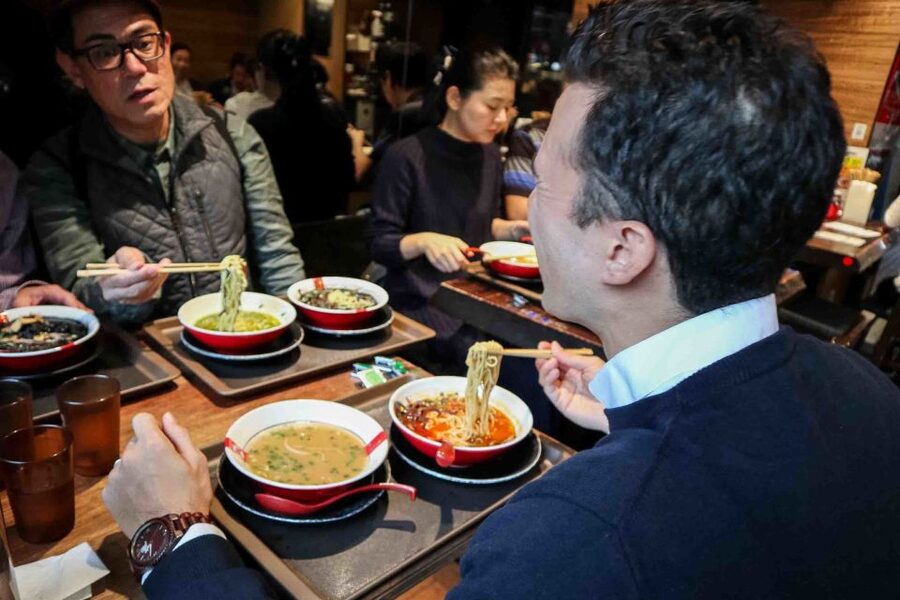
This experience depends heavily on the person leading it. The guide explains the styles, helps you understand the menu, keeps the group moving, and turns six bowls into a connected story.
The most praised guides include Sahori, Bunga, Makayla, Daisy, Manny, Brian, and Michaela. Sahori has been noted for clear English and a friendly manner. Bunga brings strong enthusiasm for ramen and has explained everything from regional styles to unusual bowls such as squid ink, curry, pesto, and salty miso. Makayla has been praised for using an iPad presentation and answering questions with patience.
Guide assignments change, so you cannot count on a particular person. What you can expect is an English-speaking guide in a small group limited to eight people. A smaller group is useful in ramen shops, where space may be tight and ordering can be quick.
The best guides do not simply recite facts. They explain what makes each bowl different and help you notice changes in broth, noodles, and preparation. That is the difference between eating six samples and learning how to order ramen for the rest of your trip.
Is $122 good value for a ramen tour?
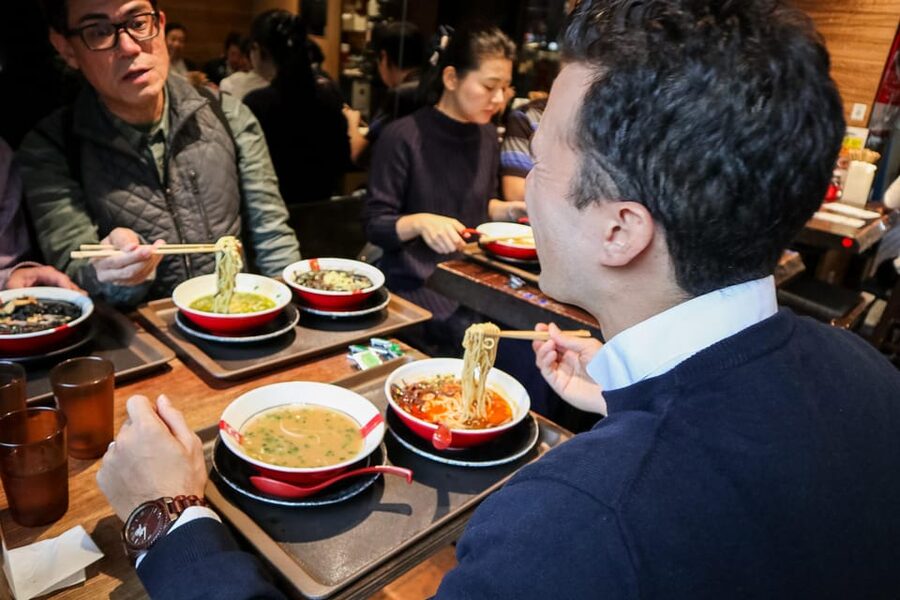
At $122 per person, this is expensive if you measure the experience only by food. Six mini bowls and one beverage would cost less if you found the shops yourself, assuming you could identify similar places and order the right styles.
The price makes more sense when you include the instruction, restaurant selection, English guidance, neighborhood route, and the chance to taste 11 or 12 possibilities without ordering full bowls. You are paying for access to a structured comparison and for someone to explain what is in front of you.
The value is strongest for first-time visitors who love ramen but do not know the regional styles. It is also good for families and small groups who want an organized food activity. One nine-year-old completed the tour happily, and children who enjoy noodles may find the small portions less intimidating than a full bowl.
The value is weaker if you already have a detailed ramen itinerary, speak Japanese comfortably, and enjoy researching restaurants on your own. In that case, $122 may feel steep. Even people who considered it pricey still found the range of food and guide worthwhile, but this is not a budget meal.
Who should book, and who should skip it?
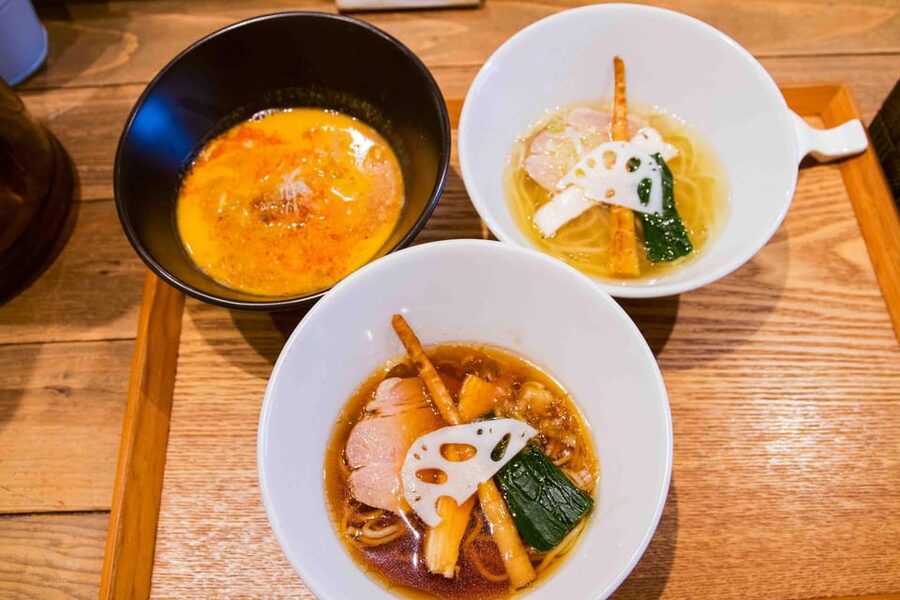
Book this tour if you love ramen and want variety more than quantity. It is especially useful early in your Tokyo trip, when the guide’s explanations and restaurant suggestions can shape later meals.
It also suits curious eaters who want to try unfamiliar bowls, including curry, tsukemen, tori paitan, modern Tokyo ramen, and other changing selections. The small group, visual presentation, and walking between shops make it social without feeling like a large bus excursion.
Skip it if you need vegan or vegetarian food, since the standard broths contain chicken, pork, and fish. Skip it too if three kilometers of walking sounds tiring or if paying $122 for a guided food lesson does not fit your budget.
For everyone else, I would book it when you can give the tour your appetite and attention. Eat lightly beforehand, wear good shoes, and avoid placing another major meal right after it. You will probably leave full, better able to read a ramen menu, and with a clear favorite among the six bowls.
FAQ
How many bowls of ramen do I get?
You get six mini bowls of ramen. Each is approximately one-quarter the size of a full ramen bowl, and you choose the six from a selection of about 11 or 12 options.
How many ramen shops do I visit?
You visit three ramen shops, each with its own style. The tour normally offers two ramen selections at each stop.
Which Tokyo neighborhoods are included?
Available routes include Shibuya, Shinjuku, and Ueno. The exact route depends on the option booked.
How long does the tour last?
The tour lasts three hours. Starting times vary, so check availability for the date you want.
Is the tour suitable for vegans or vegetarians?
No. All ramen broths on this standard tour contain chicken, pork, and fish. A separate vegan and vegetarian ramen tasting tour is available.
Is transportation included?
Walking between the restaurants is part of the experience. A train ticket may be required and is not included. The tour starts in Shibuya and ends in Ebisu or Shinjuku, depending on the day.
How much walking is involved?
Expect approximately three kilometers, or 1.86 miles, of walking. The tour is not recommended if you have a low level of fitness.
Should I book this tour?
Book it if you want to compare many ramen styles with an English-speaking guide and do not mind the $122 price. It is a particularly good choice early in your Tokyo visit, while independent diners who prefer low-cost, self-guided meals may want to skip it.
Just added in Tokyo
- Tokyo: Allstar Food Tour★ 4.7 · 29 reviews
- Tokyo: West-Side Cycling and Food Tour with Guide★ 5.0 · 37 reviews
- Tokyo: Togoshi Ginza Street Food Tour★ 5.0 · 34 reviews
- Tokyo Tsukiji Food & Culture Private Tour Licensed Guide★ 4.9 · 28 reviews
- Tokyo: Wagyu and Sushi Gastronomic Journey★ 4.3 · 24 reviews
- Tokyo: Sushi and Ramen Cooking Class with Sake Pairing Set★ 5.0 · 81 reviews
- Tokyo: Sushi Making Class★ 4.9 · 390 reviews
- Tokyo: Best of Shibuya Food Tour★ 4.7 · 119 reviews
Sushi and Ramen Tours, compared.
Sushi Making Tokyo Roll and Authentic Japanese Sushi Class
Read our review →
Roll and Authentic Sushi Making Class in Asakusa
Read our review →
Ramen Cooking Class at Ramen Factory in Kyoto
Read our review →
Best of Shinjuku: Izakaya Food Tour (4 Stops, 14+ Tastings)
Read our review →
Sushi Making Class in a Happi Coat near a Famous Spot
Read our review →
Sushi Making Tokyo! Popular Maki Sushi & Japanese Sushi(+Recipe!)
Read our review →
Sushi Making Osaka Roll and Authentic Japanese Sushi Class
Read our review →
Tokyo Sushi Making Class in Tsukiji with Professional Chef
Read our review →Browse the lists this tour appears in