
REVIEW · TOKYO FOOD TOURS
Tokyo: Best of Shibuya Food Tour
Shibuya has far more to eat than its famous crossing. This three-hour walk leads you into side streets, small restaurants, and a department-store food hall, where local dishes come with stories about Japanese customs and regional cooking. I like the five-stop format and the way the route reaches places you would likely miss alone. The main drawback is that much of the experience involves walking and standing, so it may feel tiring if you want a seated meal.
I also like the small-group limit of 10 people. Guides such as Alex, Jane, Saika, Maya, and Kumie have been praised for friendly conversation, clear English, photos, and useful suggestions for the rest of a Japan trip. At $170 per person, this is not a cheap way to eat, but the price can make sense if you want several tastings, two drinks, a dessert, and a local escort who removes the guesswork from Shibuya’s crowded food scene.
Five useful things to know before you book
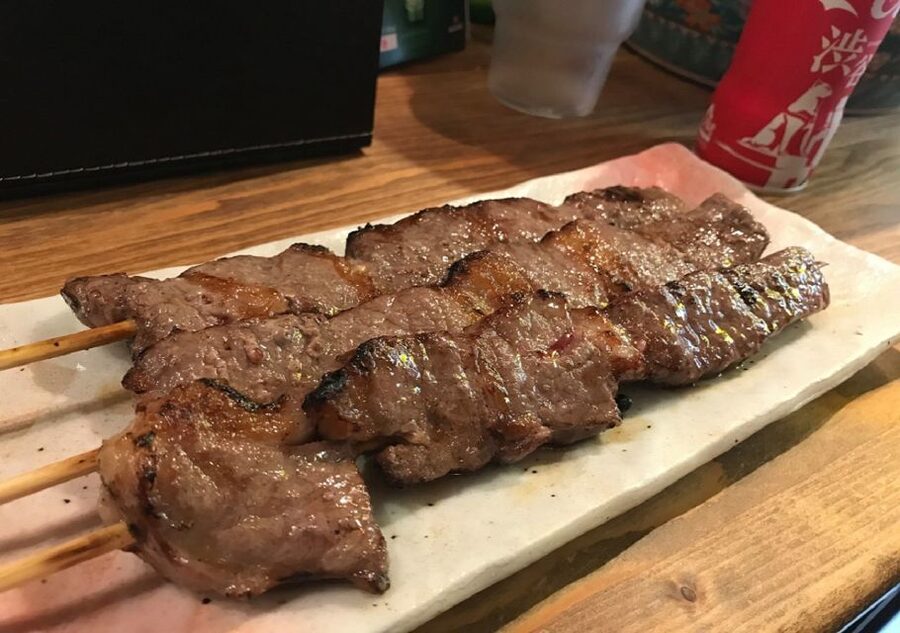
- Five food experiences in three hours: Expect a broad sampling rather than one long meal, with possible stops for sushi, an izakaya, okonomiyaki, ramen, and a traditional dessert.
- A quieter side of Shibuya: The route leaves the Scramble Crossing behind for narrow lanes, small restaurants, and places that are easy to overlook.
- Small groups capped at 10: This gives you a better chance to ask questions and follow the guide through compact eateries.
- Two drinks are included: Extra food and drinks can be purchased separately if you still have room.
- The finish is at a Shibuya Depachika: You end with dessert and a look around one of Tokyo’s famous department-store food halls.
- Arrive early at Hachiko’s wall mural: The group meets at the colorful mural outside the Hachiko Exit, not at the crowded statue, and the guide waits only five extra minutes.
Why this tour works better than a meal near the crossing
Shibuya is often treated as a photo stop. You see the enormous intersection, watch the lights change, take a few pictures, and move on. That gives you the postcard version of the district, but not much sense of how people eat there.
This tour changes the pace. You follow the guide through backstreets where restaurant signs compete for attention, entrances may sit upstairs or below street level, and the best choice is not always obvious from outside. The point is not simply to eat five times. It is to learn how a Tokyo neighborhood works through its food.
The strongest part of the experience is the combination of food and conversation. Guides have explained Japanese food customs, regional differences, everyday habits, and local history while leading groups from one stop to the next. Alex has been praised for mixing Japanese and Mexican cultural connections into the walk, while Saika added fun facts, photos, and extra time for a couple traveling alone.
You should expect the guide’s personality to shape the afternoon or evening. That is a good thing here. Some guides are especially playful, some focus on food, and others spend more time on culture and practical advice. Names that have received especially warm praise include Alex, Jane, Saika, Maya, Kumie, Shion, and Michie.
A few more food tours in Tokyo worth a look
- Tokyo: Shinjuku Food Tour (13 Dishes at 4 Local Eateries)
★ 5.0 · 6,603 reviews - Tokyo Tsukiji Fish Market Food and Culture Walking Tour
★ 5.0 · 3,184 reviews - Tokyo: Shinjuku Food Tour (15 Dishes and 4 Eateries)
★ 4.9 · 2,033 reviews
Starting at the Hachiko mural, not the statue
The meeting point is easy to get wrong. Exit Shibuya Station at the Hachiko Exit and look for the colorful wall mural of Hachiko. Do not wait at the famous dog statue. The mural is outside the station, visible as you come out, with the large intersection in front of you and the mural behind you.
Give yourself extra time. Shibuya Station is large, and the area around the statue is crowded enough to slow you down. The operator allows only a five-minute grace period after the scheduled start. Once the group leaves, the guide cannot provide directions or call you to arrange a late meeting.
This strict start is understandable. The group has restaurant reservations and a timed route, so a late arrival affects more than one person. I would arrive at least 10 to 15 minutes early, especially if this is your first visit to Shibuya Station.
Bring comfortable shoes. You also need your passport, and a copy of passport information is required for every participant aged 10 and over. Hotel pickup is not included, although it can be arranged for an additional charge.
Stop one: sushi and the first taste of local rhythm
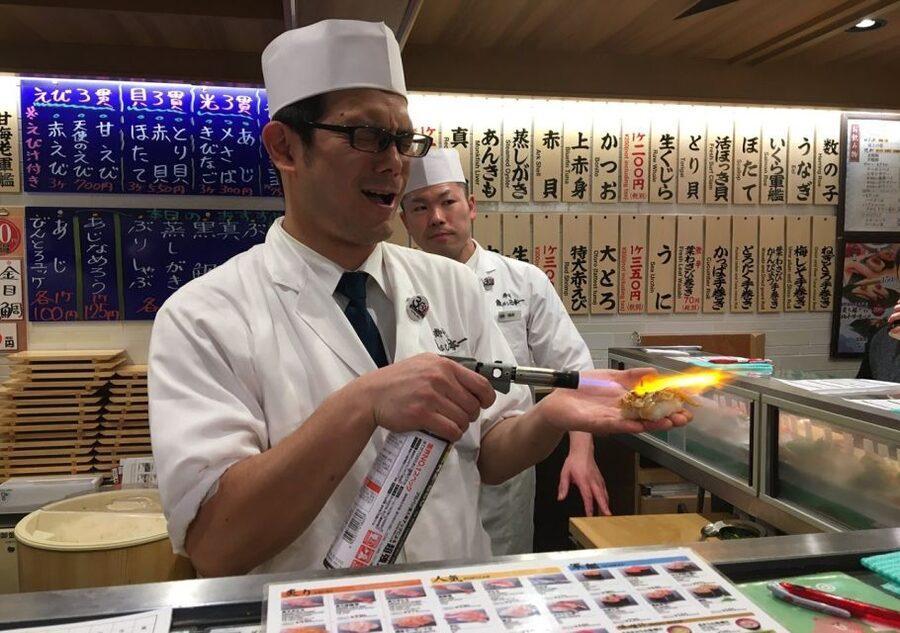
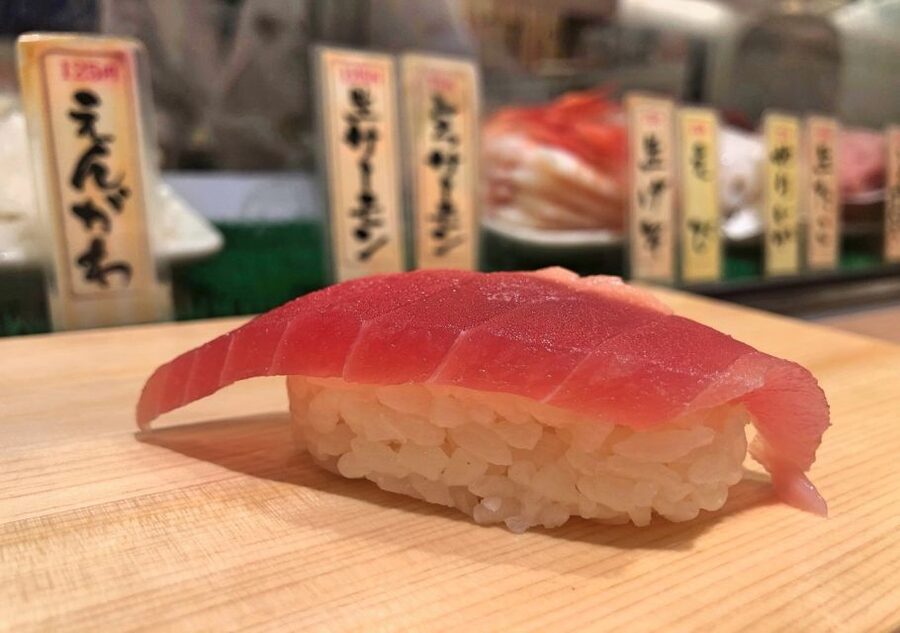
The exact restaurant order may change, but one commonly described version begins at a standing sushi restaurant. This is a useful introduction to the tour because it gets you eating quickly and shows a type of Japanese dining that can feel intimidating without help.
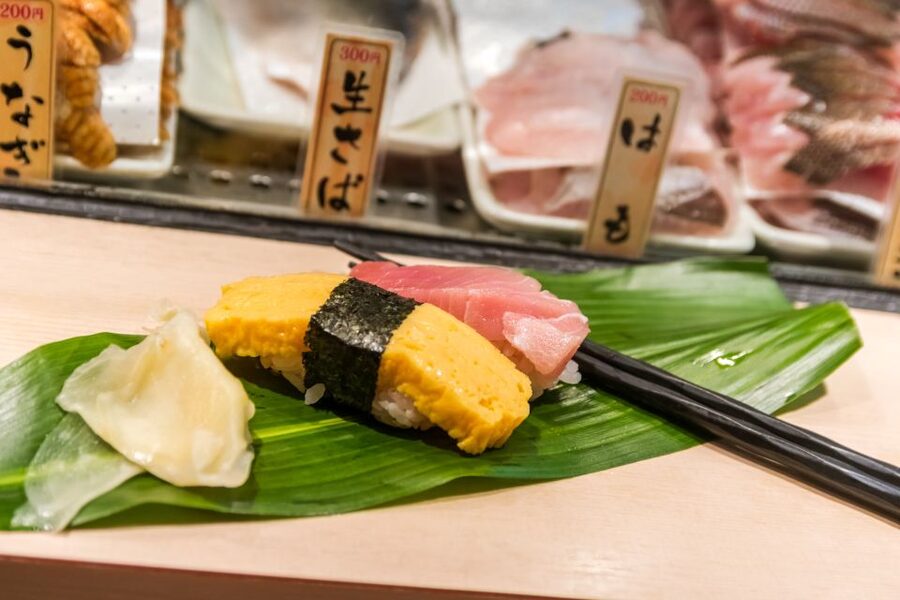
A standing restaurant is also a reminder that Tokyo food does not always come with a long, formal meal. You may eat fresh sushi in a compact setting, listen to the working rhythm behind the counter, and learn how the guide orders and explains each item. One couple called this their best sushi in Japan so far, which is high praise considering how much sushi most visitors plan to eat.
The possible drawback is comfort. If you expect a leisurely table and time to linger over each course, this stop may feel brisk. The reward is efficiency and atmosphere, with the guide helping you understand what is in front of you instead of leaving you to guess.
Stop two: an izakaya and Japan’s social side
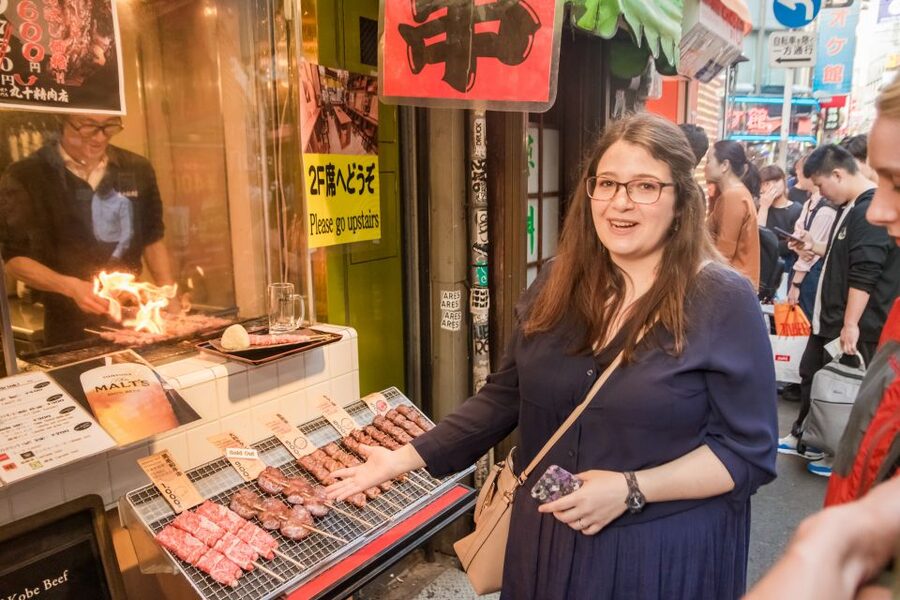
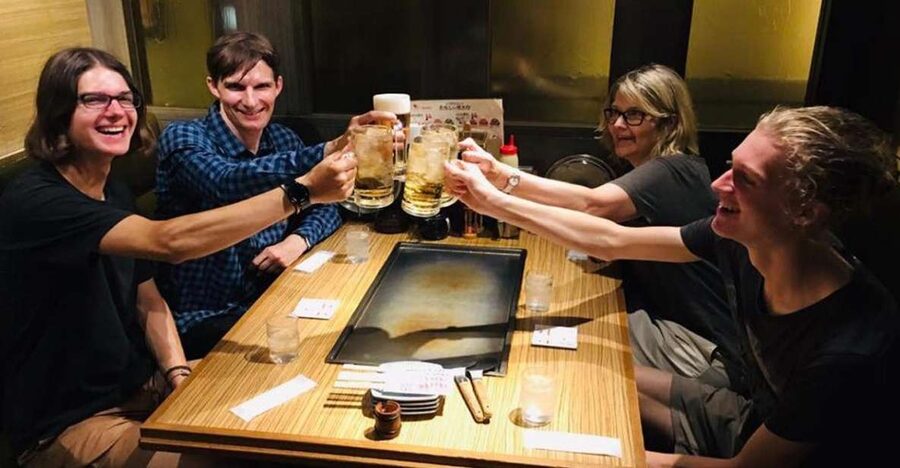
An izakaya is a casual Japanese drinking and dining place, usually built around small dishes meant to share. It gives the tour a different mood from sushi. Instead of focusing on one delicate item, you may try several dishes while learning how food and drinks fit into an ordinary night out.
The included two drinks are useful here. They help you sample the setting without immediately adding to the cost. Additional drinks or food are available at your own expense, so keep a little room in both your stomach and your budget.
This stop is especially valuable if you are unsure how to enter or order at an izakaya by yourself. A guide can explain the menu, help with the flow of service, and answer questions about customs. It is also a good place for conversation, since the meal format naturally gives you time to talk with the guide and the rest of the group.
Same city, a different table:
- Sushi Making Tokyo Roll and Authentic Japanese Sushi Class
★ 5.0 · 3,971 reviews - Tokyo: Roll and Authentic Sushi Making Class in Asakusa
★ 4.9 · 1,957 reviews - Best of Shinjuku: Izakaya Food Tour (4 Stops, 14+ Tastings)
★ 5.0 · 1,863 reviews - Tokyo: Sushi Making Class in a Happi Coat near a Famous Spot
★ 4.9 · 1,377 reviews
Stop three: okonomiyaki with regional character
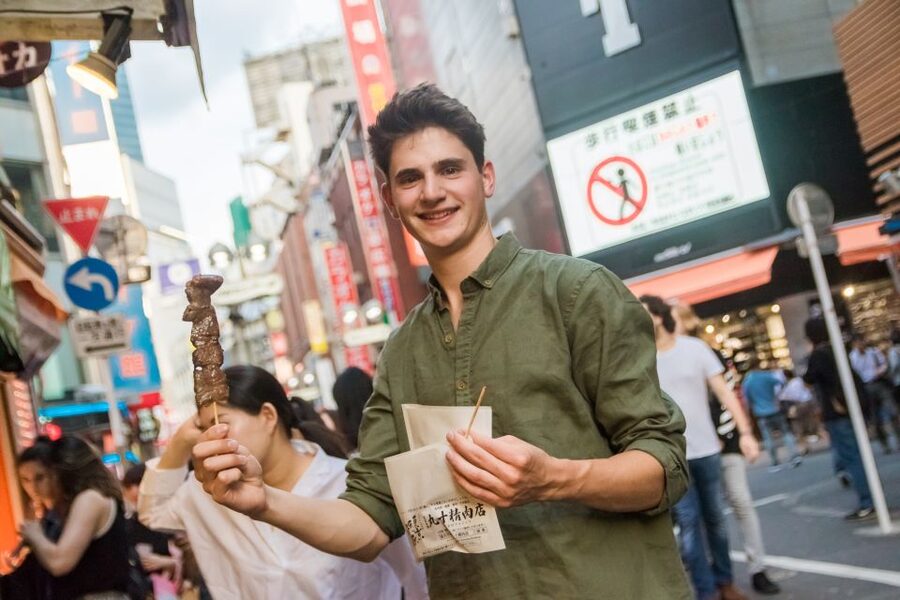
Okonomiyaki is often described as a savory Japanese pancake, but that simple label misses much of its appeal. It is a filling, cooked-to-order dish with regional versions, and one of the stops has been praised for serving different styles of this classic food.
This is likely to be one of the more substantial tastings. A past participant specifically enjoyed the okonomiyaki and suggested changing the sushi stop while still praising the pancake. That is a useful reminder that food preferences vary. The tour offers breadth, but not every stop will be your personal favorite.
I like having okonomiyaki in the middle of a food walk because it gives you something hearty after lighter bites. You should pace yourself, though. Several people described the portions as generous, and one person wished for half-serves or smaller samples to leave more room for later stops.
Stop four: ramen and a fuller meal
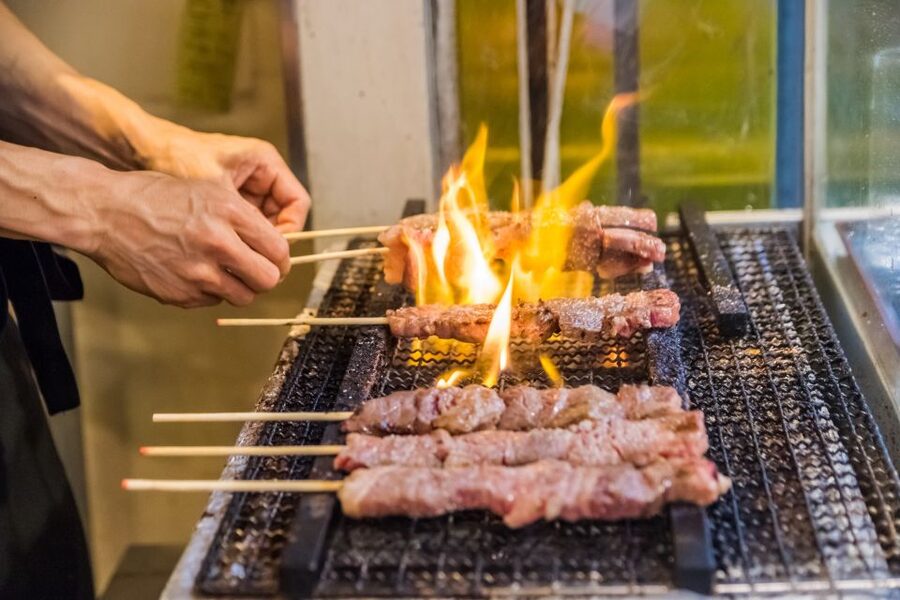
A ramen stop adds warmth, noodles, broth, and another familiar Japanese staple to the route. The precise restaurant can vary, but one detailed account described a ramen street restaurant as the fourth food experience.
By this point, the three-hour schedule makes more sense. You are not simply sitting at one restaurant and eating a large dinner. You are moving through different settings, tasting a little at each, and learning how one district supports many kinds of dining.
You should arrive hungry. A family group described the food as generous, and another participant summed up the practical advice simply: come hungry. If you have already eaten a large meal before the tour, you may enjoy the stories but struggle with the food.
The route also requires walking between stops. One older account noted that only one of the food places had seating and that children might find three hours of walking and standing tiring. The current group limit is smaller than that earlier group, but the basic advice remains useful: wear good shoes and avoid scheduling this after an exhausting full day.
Stop five: dessert in a Shibuya Depachika
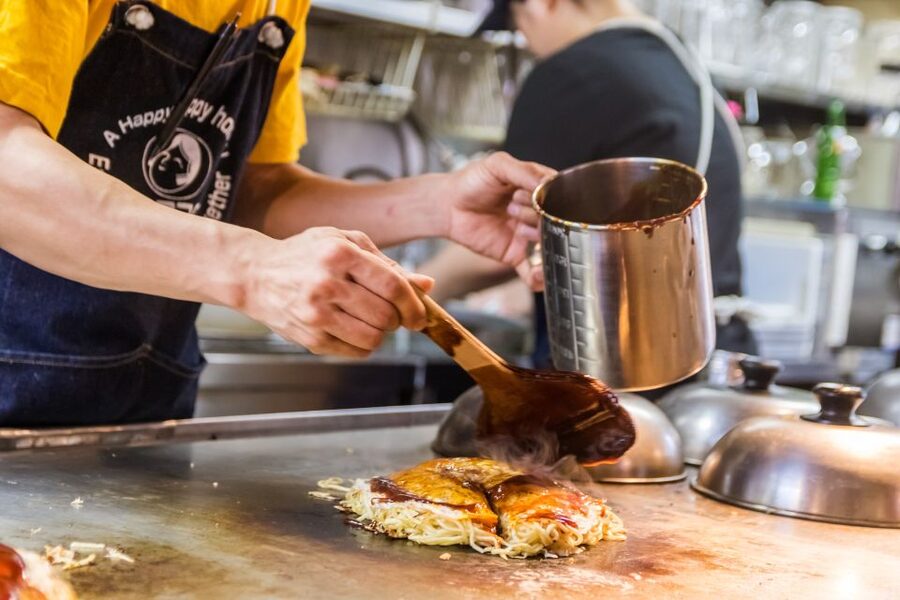
The final stop shifts from small restaurants to a Shibuya Depachika, the food section found in a department-store basement. This is a smart ending because it shows another side of Japanese food culture, one built around presentation, gifting, seasonal products, and carefully made sweets.
You receive dessert here, and it provides a gentler finish after sushi, savory dishes, and noodles. It also gives you a chance to keep exploring after the formal food stops end. If you see something else you want to try, extra purchases are not included, but you can buy them yourself.
The Depachika visit is more than a final sugar course. It helps explain why Japanese department stores are useful food destinations in their own right. You may find the display more interesting than a standard dessert counter, particularly if you want edible gifts or ideas for snacks later in your trip.
What the guide adds to the food
Food tours depend heavily on the person leading them, and this one has a strong record in that area. The current rating is 4.7 from 119 reviews, with especially consistent praise for warmth, enthusiasm, English skills, and cultural explanation.
Alex appears repeatedly in the feedback and is described as fun, informative, and helpful with food suggestions for Tokyo and other Japanese cities. Jane has been praised for taking groups to small independent restaurants they would not have found alone. Maya received similar praise for choosing good stops and adding history and local facts.
Saika made a particularly strong impression on one small group, taking photos without being asked and staying longer than the advertised time. Kumie handled food restrictions carefully and made sure nobody in a girls’ group felt left out. Shion was praised for warm hospitality, while Michie explained the background of street food and Japanese culture.
The guide can also make the tour work for families. Past groups included children aged 6, 8, 9, 10, 11, and 12, with positive experiences when the children were willing to try unfamiliar food. One guide handed out hand warmers during a cold outing and adjusted the schedule to provide more indoor rest. That does not guarantee the same arrangement every time, but it shows why telling the operator about your group needs is sensible.
Is $170 a fair price?
At $170 per person, this belongs in the special-experience part of your Tokyo budget, not the casual meal category. You are paying for five food stops, two drinks, dessert, a three-hour English-speaking guide, route planning, and help navigating restaurants that may be difficult to choose or enter on your own.
The value is strongest if you want an introduction to Japanese food and prefer not to solve every menu and ordering question yourself. It is also useful near the start of a Japan trip because guides have offered restaurant recommendations and practical food advice for later days.
The value is weaker if your main aim is to eat as much as possible for the lowest cost. You can spend far less on individual ramen, sushi, or desserts in Tokyo. You may also prefer a long sit-down meal rather than several short tastings.
For me, the price is easiest to justify for a first visit, a small group that wants cultural context, or anyone nervous about eating in unfamiliar places. It is harder to justify for a confident Tokyo eater who already knows where to go and does not need help with menus.
Who should book this Shibuya food walk?
This tour fits you best if you:
- Want to see more than the Scramble Crossing
- Enjoy trying several dishes instead of eating one large meal
- Like learning food customs and local stories as you eat
- Prefer a small group, with a maximum of 10 participants
- Are comfortable walking and possibly standing between and during stops
- Want English-language help with restaurants and ordering
- Are visiting Tokyo early in your trip and want food ideas for later
It is less suitable if you need a fully seated experience, dislike unfamiliar dishes, or want complete control over every restaurant and menu choice. Food restrictions may be accommodated, as Kumie did for one group, but you should provide those details before booking rather than assume every dish can be changed.
Free cancellation is available up to 24 hours before the start, and you can reserve now and pay later. Transportation, gratuity, hotel pickup, and any extra food or drinks are not included.
FAQ
How long does the Shibuya food tour last?
The tour lasts three hours.
How many people can join the tour?
It is a small-group experience limited to 10 participants.
Where is the meeting point?
Meet in front of the Hachiko wall mural outside Shibuya Station at the Hachiko Exit. Do not meet at the Hachiko statue.
What food will I eat?
The route includes five food stops and a dessert. Examples described for the tour include sushi, an izakaya, okonomiyaki, ramen, and a traditional dessert, though the exact stops may vary.
Are drinks included?
Two drinks are included. Additional drinks and food can be purchased separately at your own expense.
What should I bring?
Bring comfortable shoes and your passport. A copy of passport information is required for all participants aged 10 and over.
Should you book it?
Book this tour if you want Shibuya explained through food rather than simply photographed. The best reasons are the small restaurants, the five-part tasting route, the Depachika finish, and guides who add cultural context instead of just pointing out dishes.
I would book it near the beginning of a Tokyo stay, arrive early at the mural, and skip lunch beforehand. If you want a relaxed seated dinner or the cheapest possible introduction to Japanese food, spend the $170 elsewhere. If you want a friendly guide, several distinct tastes, and a clearer sense of how Shibuya eats, this is a strong choice.
Just added in Tokyo
- Tokyo: Allstar Food Tour★ 4.7 · 29 reviews
- Tokyo: West-Side Cycling and Food Tour with Guide★ 5.0 · 37 reviews
- Tokyo: Wagyu and Sushi Gastronomic Journey★ 4.3 · 24 reviews
- Tokyo: Togoshi Ginza Street Food Tour★ 5.0 · 34 reviews
- Tokyo Tsukiji Food & Culture Private Tour Licensed Guide★ 4.9 · 28 reviews
- Tokyo: Sushi and Ramen Cooking Class with Sake Pairing Set★ 5.0 · 81 reviews
- Tokyo: Sushi Making Class★ 4.9 · 390 reviews
- Tokyo: Ramen Tasting Tour with 6 Mini Bowls of Ramen★ 4.9 · 432 reviews
Tokyo Food Tours, compared.
Shinjuku Food Tour (13 Dishes at 4 Local Eateries)
Read our review →
Sushi Making Tokyo Roll and Authentic Japanese Sushi Class
Read our review →
Tokyo Tsukiji Fish Market Food and Culture Walking Tour
Read our review →
Shinjuku Food Tour (15 Dishes and 4 Eateries)
Read our review →
Roll and Authentic Sushi Making Class in Asakusa
Read our review →
Best of Shinjuku: Izakaya Food Tour (4 Stops, 14+ Tastings)
Read our review →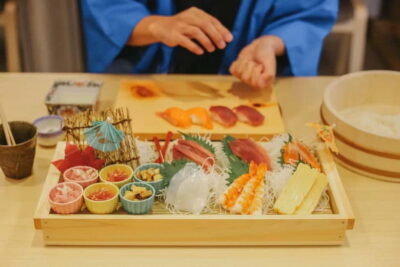
Sushi Making Class in a Happi Coat near a Famous Spot
Read our review →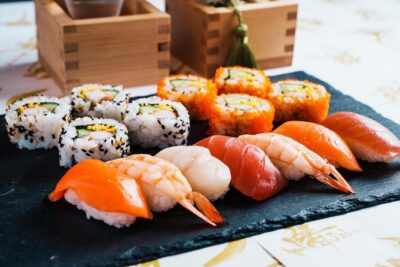
Sushi Making Tokyo! Popular Maki Sushi & Japanese Sushi(+Recipe!)
Read our review →Browse the lists this tour appears in