
REVIEW · TOKYO FOOD TOURS
Tokyo: Allstar Food Tour
Tokyo tastes better with a local beside you. This three-hour food tour links polished Ginza with the old-school alleys of Yurakucho, giving you regional dishes, drinks, sweets, and a useful lesson in Japanese dining customs. I especially like the contrast between Ginza’s luxury storefronts and Yurakucho’s red lanterns under the railway tracks. I also like the small group, limited to 10 people, which gives the guide room to explain what you are eating.
The main drawback is the price: $181 per person is a serious outlay for one evening, especially since transport, extra drinks, and gratuity are not included. Still, if you are new to Tokyo and want someone to handle the food choices, explain the etiquette, and lead you into places you might not enter alone, this tour can be a smart first-night splurge.
Key points to know before booking
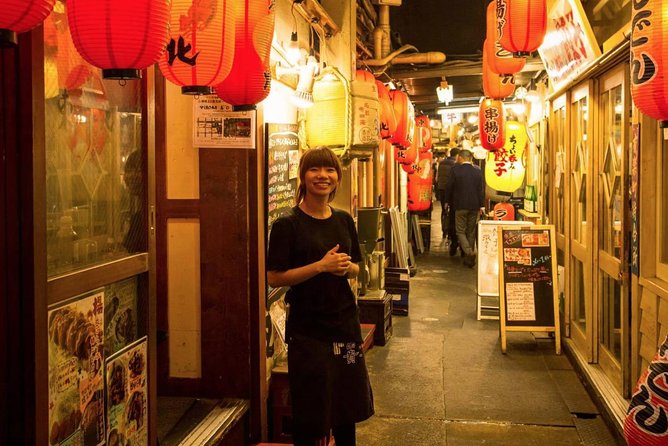
- Ginza meets Yurakucho: See Tokyo’s expensive shopping district, then walk into the retro yokocho lanes beneath the railway.
- Food is the main event: Expect several stops, regional specialties, snacks, dessert, and two included drinks.
- A 300-year snack tradition: The route includes a specialty snack shop with more than three centuries of history and crisp rice crackers made from a recipe dating back over 200 years.
- Small-group format: The maximum group size is 10, a useful limit in narrow alleys and tiny izakaya.
- A strong first-night choice: The tour covers food customs, local drinking culture, and neighborhood history without asking you to plan each stop yourself.
- Check the paperwork: Everyone aged 10 and over must provide passport information, and solo participants should contact the supplier before booking.
Why this Tokyo food tour works well on your first evening
I like food tours early in a Japan trip because they solve several small problems at once. You learn what to order, how an izakaya works, and how Tokyo’s eating districts fit together. After three hours with a guide, you should feel less nervous about stepping into a small Japanese restaurant on your own.
This tour begins in front of the Ginza Wako Building, a landmark near Ginza Station. That location puts you in one of Tokyo’s best-known commercial areas from the start. The streets around Ginza are polished and expensive, with department stores, major brands, and carefully presented shop windows.
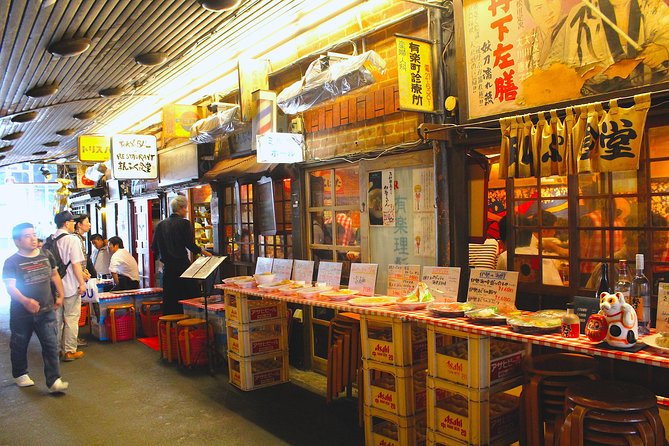
Then the mood shifts. Yurakucho is close by, but it feels much less formal. Its yokocho alleys sit around the railway, where compact eateries and izakaya create a more relaxed neighborhood atmosphere. The contrast is the point. In one short walk, you see two very different sides of central Tokyo.
The experience carries a 4.7 rating from 29 submitted ratings, and the strongest praise centers on the food, guides, cultural explanations, and friendly small-group atmosphere. Guide names associated with past departures include Sandra, Motoko, Josh, Joshua, Ryan, Anne, and Satoshi. Your guide will depend on the date, but the pattern is clear: a personable English-speaking guide is a major part of the value.
A few more food tours in Tokyo worth a look
- Tokyo: Shinjuku Food Tour (13 Dishes at 4 Local Eateries)
★ 5.0 · 6,603 reviews - Tokyo Tsukiji Fish Market Food and Culture Walking Tour
★ 5.0 · 3,184 reviews - Tokyo: Shinjuku Food Tour (15 Dishes and 4 Eateries)
★ 4.9 · 2,033 reviews
Starting at Ginza Wako Building
The meeting point is directly in front of the Ginza Wako Building, about a minute from Ginza Station. From the station, follow signs for the Ginza 4 chome Crossing Gate, pass through the fare gate, and leave through Exit A9.
This is one of those meeting points that sounds easier than it may feel in Tokyo’s underground maze. Give yourself time to find Exit A9 rather than arriving at the last minute. The address is Seiko House, 4 Chome-5-11 Ginza, Chuo City, Tokyo 104-8105.
Beginning here makes sense. Ginza is not simply a place to pass through on the way to dinner. It is one of Japan’s most expensive and famous shopping districts, and the tour uses it as a visual introduction to Tokyo’s polished public face. You get context before the food starts, which helps explain why the evening later feels so different in Yurakucho.
The start time varies, so you need to check availability when booking. A late afternoon or early evening departure may be useful if you want to avoid the thickest dinner rush. One past participant specifically appreciated a start time that allowed the group to miss the busiest period.
Walking from luxury Ginza to old Yurakucho
The route’s best feature is its change of scenery. Ginza presents Tokyo as refined, ordered, and high-end. Yurakucho brings you closer to the city’s informal drinking culture, where small restaurants gather under and around the railway line.
Your guide explains the Showa-era feel of the area, a reference to the period when many of these modest drinking spots became part of everyday city life. You will see red lanterns, neon signs, narrow lanes, and small places where the room itself may be as memorable as the meal.
The route is a walking tour, and transportation costs are not included. The supplied information does not give an exact walking distance, so wear comfortable shoes and expect to move between food stops on foot. This is not a formal sightseeing circuit with long lectures. The value comes from moving through the neighborhoods while eating and listening.
The railway-side setting also gives the evening a useful sense of place. You are not being taken from one isolated restaurant to another by vehicle. You are seeing how food businesses fit into central Tokyo’s streets, alleys, and commuter districts.
What you can expect at the izakaya stops
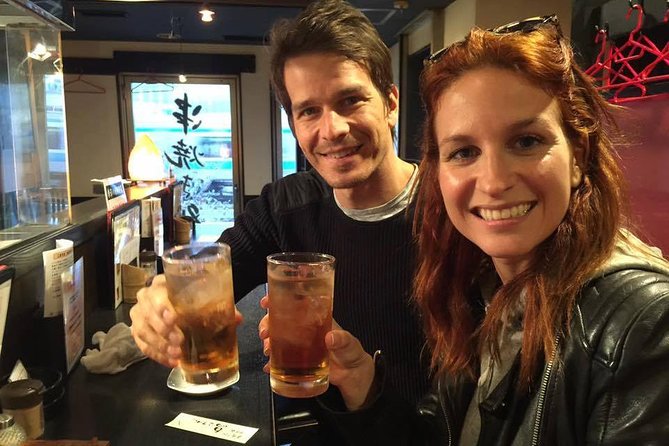
Izakaya are Japanese pubs that serve food alongside drinks. They are often social, informal places where people order several dishes for the table rather than one large individual meal. For a first visit to Japan, this is valuable because the menu and ordering style can feel unfamiliar.
The tour introduces you to this setting in a guided way. You can ask why a dish is served a certain way, how a drink fits the meal, or what behavior is expected in a local bar. That kind of explanation is more useful than simply being handed a plate of food.
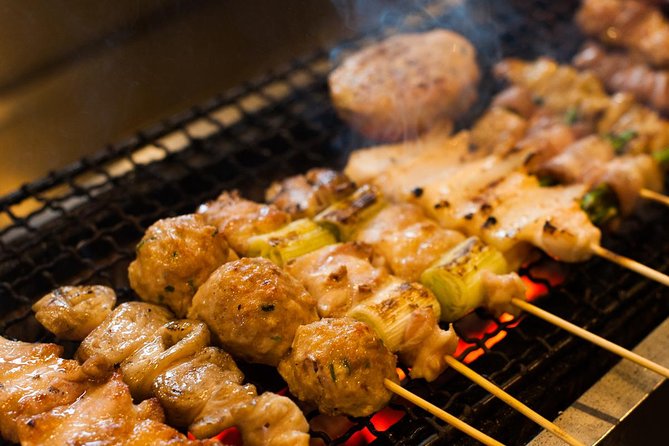
Past departures included yakitori restaurants operating beneath the railway, a tiny izakaya decorated with colorful murals, a side-street bar, and an organic or eco-focused restaurant. These examples show the range of places the route may include, although the exact stops can change.
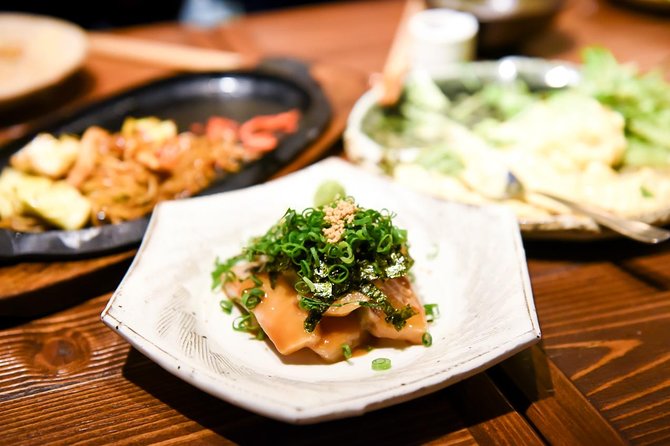
That variety is one of the tour’s strengths. You are not eating one fixed meal in one polished restaurant. You are sampling several parts of Tokyo’s food culture, from grilled items to small plates and snacks. The tradeoff is that portions may be designed for tasting rather than for a large dinner. If you have a big appetite, budget for an extra purchase.
Two drinks are included. Additional drinks and food are available at your own expense, so you can add more if the tasting portions do not fill you up. Gratuity is also not included.
Same city, a different table:
- Sushi Making Tokyo Roll and Authentic Japanese Sushi Class
★ 5.0 · 3,971 reviews - Tokyo: Roll and Authentic Sushi Making Class in Asakusa
★ 4.9 · 1,957 reviews - Best of Shinjuku: Izakaya Food Tour (4 Stops, 14+ Tastings)
★ 5.0 · 1,863 reviews - Tokyo: Sushi Making Class in a Happi Coat near a Famous Spot
★ 4.9 · 1,377 reviews
Regional flavors, rice crackers, and seasonal food
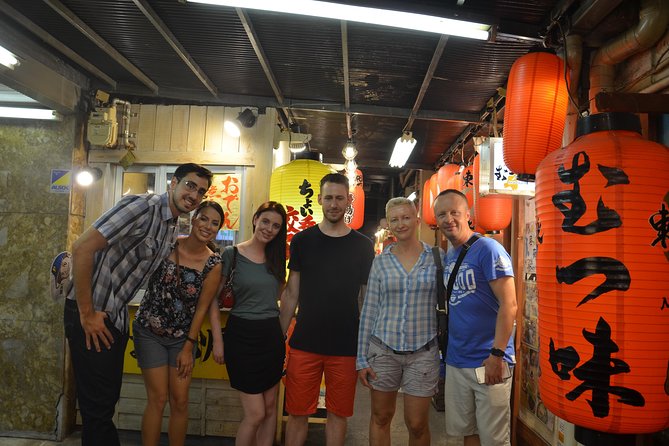
The tour aims to show more than standard Tokyo staples. You may taste regional and seasonal flavors from different parts of Japan, with the guide explaining where the food comes from and how it fits Japanese customs.
One memorable stop is a specialty snack shop with more than 300 years of history. The tour also features crisp rice crackers made with a recipe dating back more than 200 years. That is a small but telling detail. Japanese food culture is not only about sushi counters and ramen shops. It also includes carefully made snacks, family recipes, and shops that have served the same kind of product for generations.
The department store food counters are another possible highlight. One past route included counters with around 10,000 food products for sale. These food halls can feel like museums of Japanese presentation, from boxed sweets to regional specialties and beautifully packaged gifts.
I would not book this tour expecting a single definitive dish list. The description promises a variety of dishes at multiple stops, but it does not guarantee a fixed menu. Food availability, season, and restaurant operations can affect what appears on a particular evening.
That uncertainty is normal for a neighborhood food walk. It also means you should tell the supplier about dietary needs before booking. Dietary options are available, but you will get the best result by communicating clearly in advance.
Dessert gives the evening a clean finish
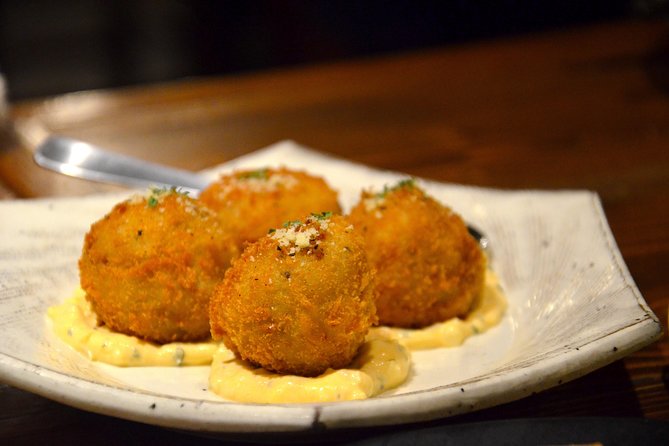
The final dessert is a useful part of the pacing. After savory dishes, grilled food, snacks, and drinks, a sweet course gives the group a natural ending.
The exact dessert is not specified, so I would treat it as a pleasant surprise rather than book the tour for one particular sweet. The tour promises a unique dessert or snack, and the food-focused structure means you should have tried several different textures and flavors by the time you reach it.
This ending also matters because the tour is designed as an introduction, not a restaurant crawl that leaves you guessing what happened. You finish with one last taste and a better sense of how Japanese meals can move from small savory dishes to something sweet.
The guide can make or break the evening
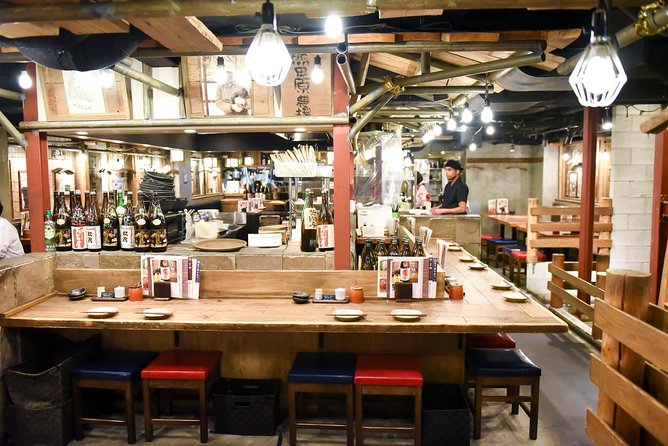
A food tour depends heavily on the person leading it. Here, the guide is not just a translator or a person holding a sign. The guide explains food origins, dining customs, local history, and the differences between Japanese food and other Asian cuisines.
Past guide names connected with the experience include Motoko, Sandra, Josh, Joshua, Ryan, Anne, and Satoshi. Several were praised for humor, warmth, clear explanations, and a strong affection for Japanese food and culture. One guide was described as making the group feel safe and comfortable while explaining the city and its eating habits.
That personal element matters in an izakaya. A guide can explain how to share dishes, what a particular food is, and why a small restaurant is worth your attention. Without that help, you might simply see a plate of unfamiliar food and miss the point.
The small group helps here. With no more than 10 participants, you can usually hear the explanations and ask questions without turning the evening into a lecture for a crowd of 30. The format also suits the narrow restaurants found in Yurakucho.
If you are joining alone, contact the supplier before booking. That request is worth taking seriously, since the tour uses shared food stops and a small-group format.
Is $181 a fair price?
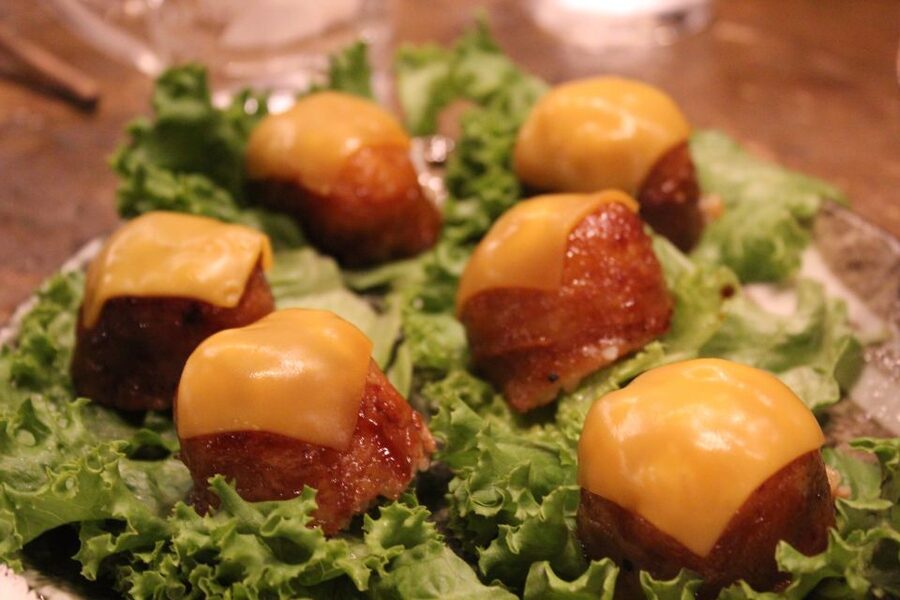
At $181, this is not a budget dinner. You are paying for more than the food itself: an English-speaking guide, several stops, two drinks, neighborhood interpretation, help with customs, and the convenience of having the evening arranged.
The value is strongest if you are new to Tokyo, unsure about ordering Japanese food, or short on time. You can cover Ginza and Yurakucho in one organized outing and leave with ideas for later meals. The tour also reduces the risk of spending an expensive evening at a restaurant that does not suit you.
The value is weaker if you already know Tokyo’s izakaya culture, speak Japanese comfortably, or prefer to choose every restaurant yourself. You could spend less by eating independently, though you would give up the guide’s explanations and the carefully linked route.
Remember the extra costs. Transportation to and from the meeting point is yours, as are additional food, extra drinks, and gratuity. Hotel pickup is not included, but it can be arranged for an additional charge.
For me, the price makes most sense as an orientation meal near the beginning of a Japan trip. It is a premium introduction, not an inexpensive way to get dinner.
Practical details that affect your decision
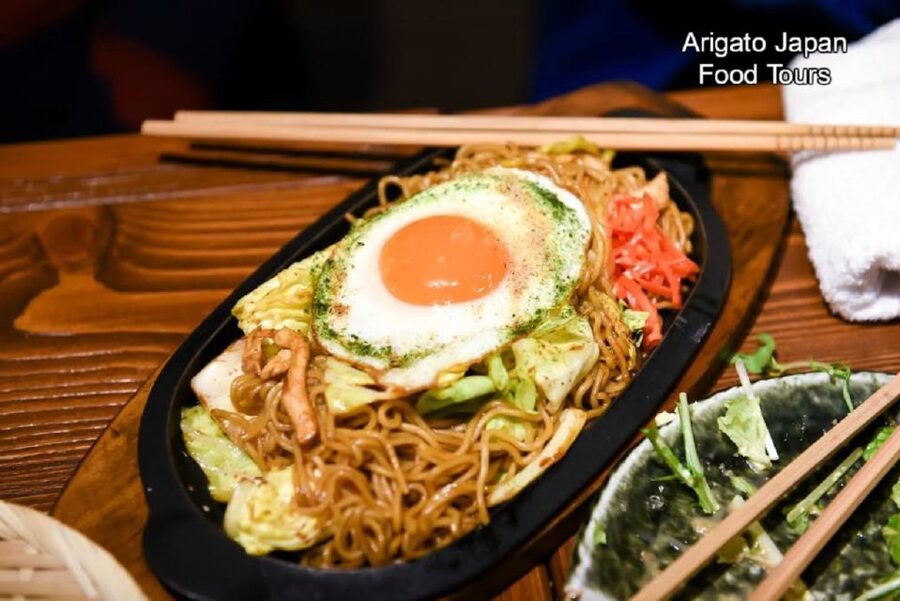
The tour lasts three hours and is conducted in English. It is limited to 10 participants, and food, drinks, snacks, and dessert are included within the stated format.
You meet at Ginza Wako Building rather than being collected from your hotel. Plan your route to Ginza Station and allow time to find Exit A9. Since the tour moves between neighborhoods and food stops, comfortable shoes are a sensible choice.
Free cancellation is available up to 24 hours before the start for a full refund. You can also reserve and pay later, which helps if your Tokyo schedule is still changing.
Every participant aged 10 and over must provide passport information. This is an important booking detail for families and mixed-age groups. Dietary options are available, but send those requirements before the tour rather than waiting until the first restaurant.
The tour is best for adults and older children who enjoy trying several small portions and listening to cultural explanations. It may be less suitable for someone seeking a quiet, formal dinner or a completely fixed menu.
Who should book the Allstar Food Tour?
I would choose this tour if you want a friendly introduction to Tokyo food without spending your first evening decoding menus and searching for open restaurants. The Ginza to Yurakucho route gives you both polished central Tokyo and its rougher, more local-feeling drinking lanes.
I would also recommend it to curious eaters who want context. The rice crackers, regional flavors, izakaya customs, railway-side yakitori, and dessert give the evening a wider range than a single sushi meal.
I would hesitate if $181 is beyond your food budget, if you need a guaranteed menu, or if you dislike shared tasting portions. You should also contact the supplier first if you are traveling alone or have strict dietary needs.
For most first-time visitors who value guidance, this is a strong opening-night experience. It gives you food, orientation, and enough local know-how to make later meals easier. Just arrive hungry, wear good shoes, and keep room in your budget for the extras.
FAQ
How long does the Tokyo Allstar Food Tour last?
The tour lasts three hours.
Where does the tour meet?
It meets in front of the Ginza Wako Building, about a minute from Ginza Station. From Ginza Station, follow signs for the Ginza 4 chome Crossing Gate and exit through A9.
Which neighborhoods does the tour visit?
The route visits Ginza and Yurakucho, including Yurakucho’s yokocho alleys and izakaya areas.
How many people are in the group?
The group is limited to 10 participants.
What is included in the price?
The price includes a variety of dishes at multiple food stops, two drinks, unique desserts and snacks, and a local English-speaking guide.
Is hotel pickup included?
No. Hotel pickup is not included, though it can be arranged for an additional charge.
Are dietary options available?
Yes. Dietary options are available, but you should communicate your requirements before booking.
Do children need to provide passport information?
All participants aged 10 and over must provide a copy of their passport information.
Just added in Tokyo
- Tokyo: West-Side Cycling and Food Tour with Guide★ 5.0 · 37 reviews
- Tokyo: Togoshi Ginza Street Food Tour★ 5.0 · 34 reviews
- Tokyo Tsukiji Food & Culture Private Tour Licensed Guide★ 4.9 · 28 reviews
- Tokyo: Wagyu and Sushi Gastronomic Journey★ 4.3 · 24 reviews
- Tokyo: Sushi Making Class★ 4.9 · 390 reviews
- Tokyo: Sushi and Ramen Cooking Class with Sake Pairing Set★ 5.0 · 81 reviews
- Tokyo: Ramen Tasting Tour with 6 Mini Bowls of Ramen★ 4.9 · 432 reviews
- Tokyo: Shibuya Food Tour (13 dishes and 4 Eateries)★ 5.0 · 178 reviews
Tokyo Food Tours, compared.
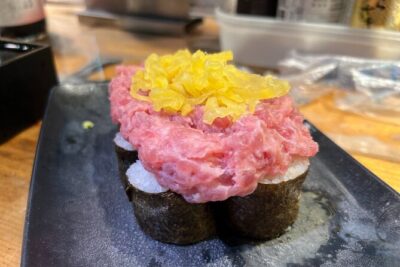
Shinjuku Food Tour (13 Dishes at 4 Local Eateries)
Read our review →
Sushi Making Tokyo Roll and Authentic Japanese Sushi Class
Read our review →
Tokyo Tsukiji Fish Market Food and Culture Walking Tour
Read our review →
Shinjuku Food Tour (15 Dishes and 4 Eateries)
Read our review →
Roll and Authentic Sushi Making Class in Asakusa
Read our review →
Best of Shinjuku: Izakaya Food Tour (4 Stops, 14+ Tastings)
Read our review →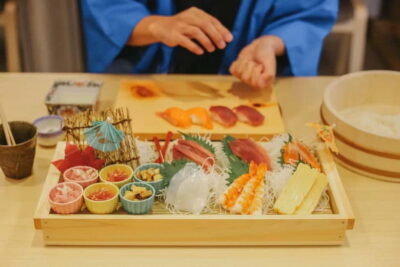
Sushi Making Class in a Happi Coat near a Famous Spot
Read our review →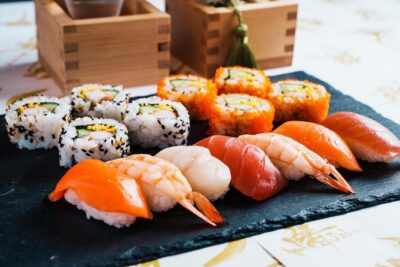
Sushi Making Tokyo! Popular Maki Sushi & Japanese Sushi(+Recipe!)
Read our review →Browse the lists this tour appears in