
REVIEW · TOKYO FOOD TOURS
Sushi Making Tokyo! Popular Maki Sushi & Japanese Sushi(+Recipe!)
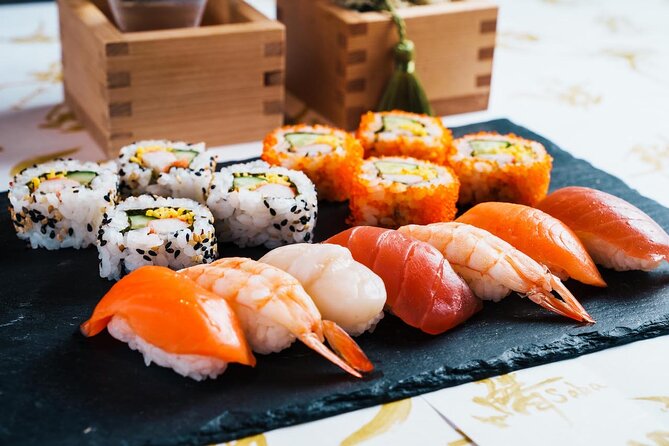
Make sushi, then eat your lesson. This Asakusa cooking class gives you a practical introduction to two Japanese standards: maki sushi and nigiri sushi. I like the clear focus on hands-on work, and I like that the class includes the ingredients and the meal, not just a demonstration. The main drawback is its short 1-hour-50-minute format, which leaves little room for a leisurely lesson or a large amount of individual coaching.
The class is a good fit for families, first-time sushi makers, and anyone who wants more than another sightseeing stop. You learn some background about sushi, work with fresh ingredients, and leave with skills you can try at home. The class can accommodate some dietary needs, including gluten-free requests and options without raw fish, but you should raise those needs before booking.
Key Things to Know Before Making Your Sushi
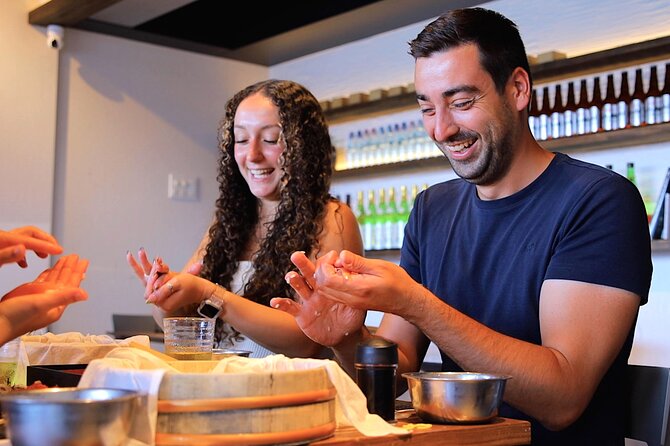
- You make both maki and nigiri: Learn rolled sushi and the hand-shaped style that is especially common in Japan.
- The class runs about 1 hour and 50 minutes: It fits neatly into a Tokyo sightseeing day, especially before or after exploring Asakusa.
- English instruction is included: The teaching style is friendly, energetic, and broken into manageable steps.
- Fresh ingredients and lunch are part of the price: You eat what you prepare, so this is both a lesson and a filling meal.
- Families can take part: A ten-year-old participant enjoyed making sushi, and non-raw options are available.
- The class is near Tokyo transportation: The meeting point is at 2-chōme-1-13 Kaminarimon in Taito City, close to Asakusa’s main sights.
Why This Class Works Well in Asakusa
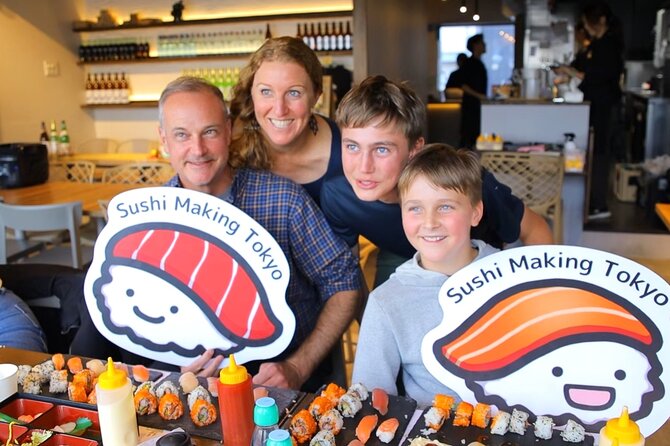
Asakusa is a smart setting for a Japanese food class. You are in one of Tokyo’s best-known sightseeing districts, with temples, traditional streets, and a long connection to everyday Japanese culture nearby. A sushi lesson here gives your day a useful change of pace: instead of only looking at Japan, you get to handle one of its most familiar foods.
The class was opened in 2023 with a focus on Japanese food and cultural experience. That newer setup matters. The aim is not to train professional chefs in nearly impossible knife work. It is to give you a friendly introduction to sushi that you can understand, enjoy, and perhaps repeat at home.
The location is listed at 2-chōme-1-13 Kaminarimon, Taito City, Tokyo 111-0034. The class is near public transportation, and the meeting point is in the Kaminarimon area of Asakusa. Since Asakusa is a major tourist district, you can pair the class with other sightseeing, but allow enough time to reach the exact address. A mobile ticket makes entry simple.
More Sushi and Ramen Tours in Tokyo
- Sushi Making Tokyo Roll and Authentic Japanese Sushi Class
★ 5.0 · 3,971 reviews - Tokyo: Roll and Authentic Sushi Making Class in Asakusa
★ 4.9 · 1,957 reviews - Best of Shinjuku: Izakaya Food Tour (4 Stops, 14+ Tastings)
★ 5.0 · 1,863 reviews
What You Actually Learn in 110 Minutes
The lesson centers on two sushi forms. Maki sushi, often called roll sushi, wraps ingredients in rice and seaweed. It is familiar around the world, but making a neat roll is harder than it looks. You need to control the rice, place the fillings sensibly, roll with enough pressure, and cut the finished piece without crushing it.
Nigiri sushi is the more technical part for many beginners. You shape a small portion of rice by hand and pair it with a topping. The class explains the steps slowly enough for beginners to follow, though one class comment suggested that the English speaking pace could be a little slower for maximum clarity.
That point is worth keeping in mind. The instructors are described as energetic and friendly, and the teaching is broken into clear steps. Still, English is not necessarily every instructor’s first language. If you miss a point, ask for it again. This is a practical workshop, not a silent cooking demonstration, so questions are part of the process.
You also receive some sushi background. The class presents nigiri as the most popular sushi style in Japan and explains its place as an early or original form of sushi. That context helps you understand why sushi in Japan is not limited to the rolls most familiar abroad.
From Prepared Ingredients to a Proper Meal
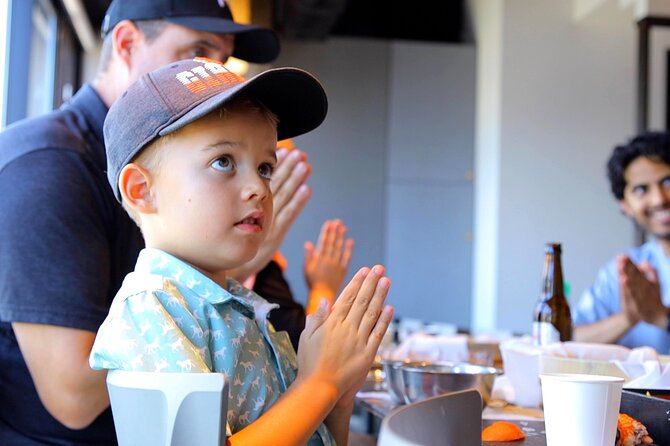
The ingredients for the class are included, and the food is described as fresh. You do not need to shop, measure every item, or bring cooking equipment. That keeps the limited class time focused on technique.
The setup is designed to make the lesson efficient. Ingredients are prepared in advance, allowing you to spend more time rolling and shaping instead of waiting for basic preparation. For a visitor with only a few days in Tokyo, that is a real advantage.
At the end, you eat what you make. This is not a tiny sample followed by a search for lunch. One family described the portion as filling, which makes the $63.28 price easier to judge. You are paying for instruction, ingredients, staff help, and a meal in a central Tokyo district.
The food itself is also part of the fun. Your sushi may not look like a chef’s work on the first try, particularly the nigiri. That is normal. The point is to learn why shape, pressure, and rice portions matter. You get a meal, but you also gain a better eye for the craft behind the sushi counter.
Maki Sushi: The Easier Starting Point
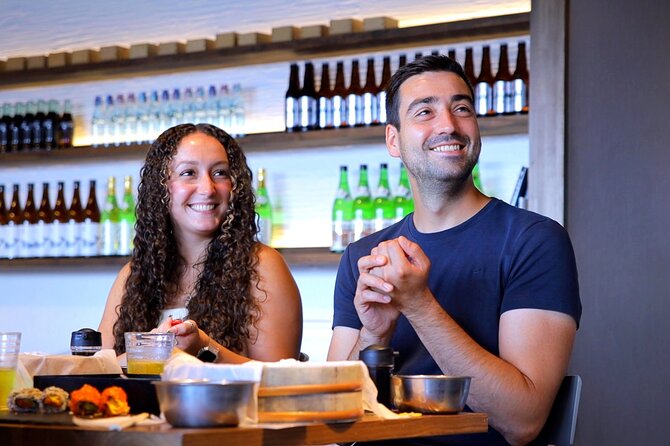
Maki is usually the more approachable of the two styles. The ingredients are placed with rice and rolled together, giving you a clear visual goal. You can see the shape develop as you work.
That does not mean it is foolproof. Too much rice makes the roll difficult to close. Too much filling can make it split. A roll that looks tidy before cutting can also fall apart if the pressure is uneven. These small failures are useful because the instructor can show you how to correct them.
I like that the class includes maki rather than focusing only on nigiri. Maki is the style you are most likely to try again at home, especially if you already own a sushi-making kit. One participant arrived with a kit but did not know where to begin, then left feeling more confident about using it.
The roll also gives children a clear task. A ten-year-old enjoyed making sushi during the class, and the group format allows adults and children to work side by side. Children may need help with the rolling pressure and cutting, but the activity is more active than simply watching a chef work.
Same city, a different table:
- Tokyo: Shinjuku Food Tour (13 Dishes at 4 Local Eateries)
★ 5.0 · 6,603 reviews - Tokyo Tsukiji Fish Market Food and Culture Walking Tour
★ 5.0 · 3,184 reviews - Tokyo: Shinjuku Food Tour (15 Dishes and 4 Eateries)
★ 4.9 · 2,033 reviews - Tokyo: Sushi Making Class in a Happi Coat near a Famous Spot
★ 4.9 · 1,377 reviews
Nigiri Sushi: The More Challenging Skill
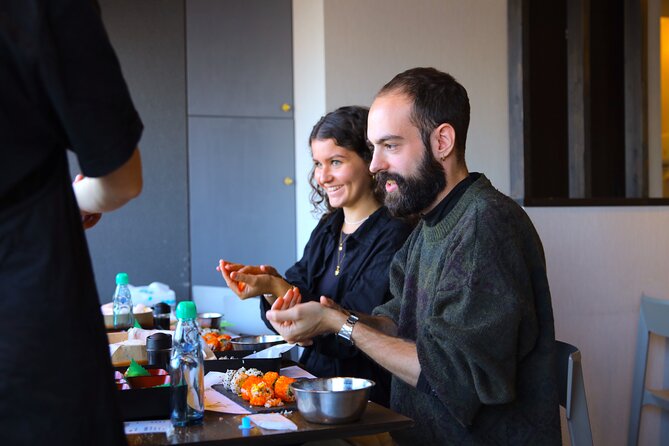
Nigiri is where the class earns its keep. It looks simple, but shaping rice by hand takes control. You need the rice to hold together without turning into a dense block, then you need to place the topping neatly.
A ten-year-old participant’s family found nigiri harder than expected, even though the instructors explained each step well. That is useful advice for setting expectations. You may make attractive rolls on your first attempt but need more practice before your nigiri looks polished.
The class treats this difficulty in a sensible way. You practice the basic motion rather than being expected to produce restaurant-quality pieces immediately. The instructors can show the hand position and break the technique into smaller actions.
Nigiri is also a valuable cultural lesson. It is easy to think of sushi as one broad category, but the difference between a roll and a hand-shaped piece tells you something about Japanese food traditions. The class gives you a direct, edible way to understand that difference.
The Teaching Style and Names to Know
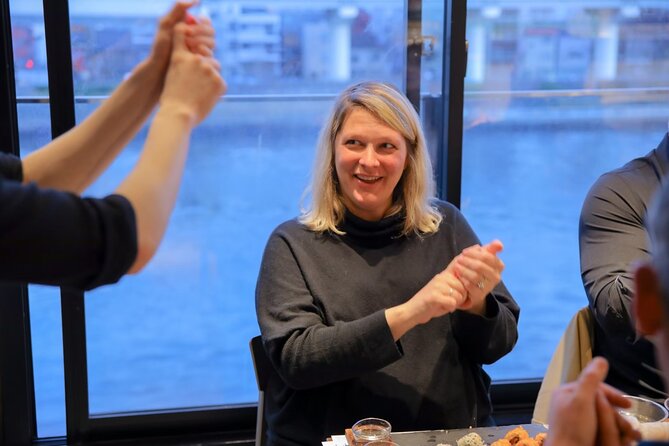
The strongest part of the class is the teaching atmosphere. The staff are repeatedly described as kind, funny, energetic, and helpful. The names Ken, Sato, Momo, Kento, Matti, and Yuto have been associated with the teaching team in class feedback.
Yuto was praised for explaining technical sushi work while including a little history. Ken, Sato, and Momo were described as engaging and entertaining teachers. The class appears to rely on active instruction rather than leaving you alone with a recipe sheet.
That said, the class can have up to 40 people. A maximum of 40 is not the same as a private or tiny class, so your experience may depend on the session size. One family described their group as small enough to get help when needed, but you should not assume every departure will feel equally intimate.
The good news is that the format is built around participation. You are not expected to sit quietly in the back. If you want more help with rolling or shaping, speak up. The instructors’ friendly approach should make that easy, though the pace may feel brisk to some English-speaking participants.
Family Options and Food Restrictions
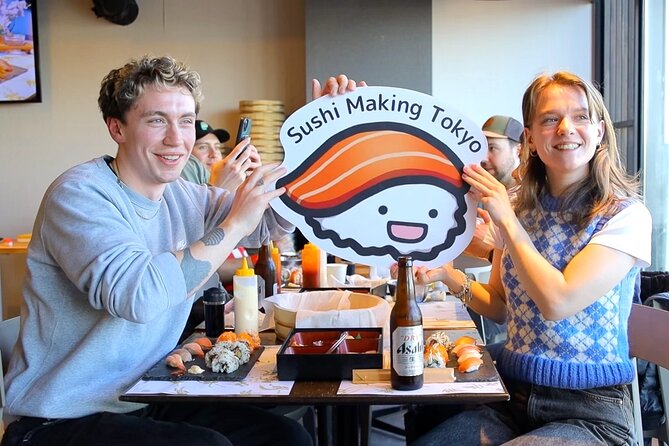
This class suits families better than many food activities. Children can take part in the rolling and shaping, and the meal gives everyone a clear reward at the end. The hands-on format also keeps the activity moving.
Raw fish is not the only possibility. Class feedback specifically notes options without raw fish, allowing people with different comfort levels to enjoy the meal. A gluten-free accommodation was also provided for one child.
You should still tell the provider about dietary needs before the class. The supplied information confirms that accommodations have been made, but it does not provide a full allergen list or guarantee every request. If you have a serious allergy, ask what ingredients and sauces are used before you attend.
Service animals are allowed. The activity is near public transportation, but the available information does not describe every physical feature of the venue, so ask directly if you need detailed accessibility information.
Is $63.28 a Fair Tokyo Price?
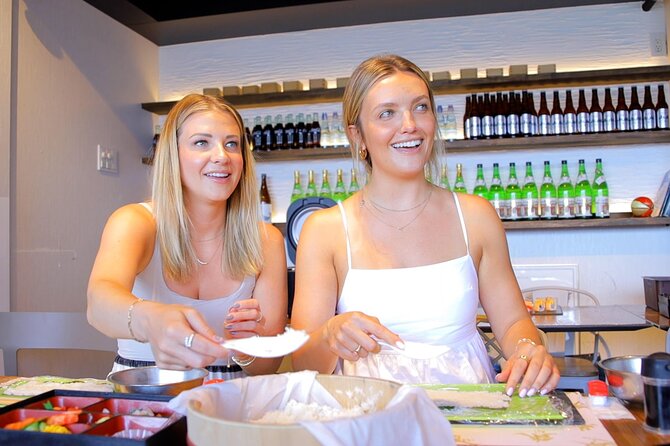
At $63.28 per person, this is not the cheapest meal you will find in Tokyo. It is also not simply a meal. The cost covers an English-speaking instructor, cooking ingredients, instruction in two sushi styles, and the food you prepare.
The value is strongest if you want an activity rather than only lunch. You receive a cultural explanation, hands-on practice, staff assistance, and a filling meal in Asakusa. It also saves you from arranging ingredients or equipment yourself.
The price is less appealing if you already make sushi comfortably or if you are looking only for a quick tasting. A skilled home cook may learn little from the basic steps. For first-timers, families, and visitors who want a guided Japanese food activity, the combination is more persuasive.
The class is often booked about 36 days ahead. That suggests you should reserve early, especially if you need a particular date or want to fit the lesson into a tightly planned Tokyo schedule.
How to Fit It Into an Asakusa Day
The 1-hour-50-minute length is convenient. It is long enough to make and eat sushi, but short enough to leave time for other Asakusa sights.
You can place it before sightseeing if you want a planned lunch, or afterward if you prefer to explore first. Since the meeting point is near Kaminarimon, check your route carefully and arrive with enough time to find the address. The class does not include hotel pickup or drop-off, so you handle transportation on your own.
Asakusa is a place where timing matters. You may want to allow extra time around the class for walking, photos, and nearby sights. Do not treat the 110 minutes as your total commitment. Add local transportation and arrival time, particularly if you are coming from another part of Tokyo.
A mobile ticket keeps the booking simple. Confirmation is provided when you book, and the experience requires a minimum number of participants. If that minimum is not met and the class is canceled, you are offered another date or experience, or a full refund.
Who Should Book This Sushi Lesson?
I would choose this class if you want to do something active in Tokyo and you enjoy learning through food. It is especially suitable for:
- First-time sushi makers
- Families with children
- Couples and small groups
- Visitors who want an English-language activity
- People who want to learn both maki and nigiri
- Anyone curious about Japanese food culture
I would think twice if you dislike group activities, need a long and slow lesson, or already have strong sushi-making skills. A group of up to 40 can feel less personal than a private class, and the short schedule means the teaching has to keep moving.
The class also works well for mixed groups. People who avoid raw fish can use non-raw options, while more adventurous participants can practice the standard styles. That flexibility is one of its practical strengths.
Should You Book Sushi Making Tokyo?
Book it if you want a friendly, useful introduction to sushi rather than a formal chef’s course. The class gives you two core styles, fresh ingredients, a full meal, English instruction, and a setting in Asakusa that fits easily into a sightseeing day.
The strongest reasons to go are the helpful staff, the chance to practice nigiri instead of only watching, and the family-friendly food choices. The main cautions are the possible group size, the brisk pace, and the need to arrange your own transportation.
At $63.28, I see good value for a first-time visitor who wants a meal with a story and a skill to take home. Reserve ahead if your dates matter, ask about dietary needs in advance, and arrive ready to make a few imperfect pieces. That is part of the lesson.
FAQ
Where is the sushi-making class held?
The meeting point is Sushi Making Tokyo at 2-chōme-1-13 Kaminarimon, Taito City, Tokyo 111-0034, Japan.
How long does the class last?
The class lasts approximately 1 hour and 50 minutes.
What types of sushi will I learn to make?
You will learn to make maki sushi, also called roll sushi, and nigiri sushi.
Is the class taught in English?
Yes. An English-speaking instructor is included.
Are ingredients and a meal included?
Yes. The cooking-class ingredients and the meal are included in the price.
Can people who do not eat raw fish join?
Yes. Class information includes options without raw fish, allowing people with different food preferences to take part.
Can I cancel for a full refund?
Yes. You can receive a full refund if you cancel at least 24 hours before the experience start time. Changes or cancellations made less than 24 hours in advance are not accepted for a refund.
Just added in Tokyo
- Tokyo: West-Side Cycling and Food Tour with Guide★ 5.0 · 37 reviews
- Tokyo: Allstar Food Tour★ 4.7 · 29 reviews
- Tokyo: Togoshi Ginza Street Food Tour★ 5.0 · 34 reviews
- Tokyo Tsukiji Food & Culture Private Tour Licensed Guide★ 4.9 · 28 reviews
- Tokyo: Wagyu and Sushi Gastronomic Journey★ 4.3 · 24 reviews
- Tokyo: Sushi and Ramen Cooking Class with Sake Pairing Set★ 5.0 · 81 reviews
- Tokyo: Sushi Making Class★ 4.9 · 390 reviews
- Tokyo: Ramen Tasting Tour with 6 Mini Bowls of Ramen★ 4.9 · 432 reviews
Sushi and Ramen Tours, compared.
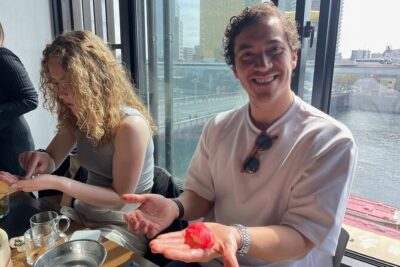
Sushi Making Tokyo Roll and Authentic Japanese Sushi Class
Read our review →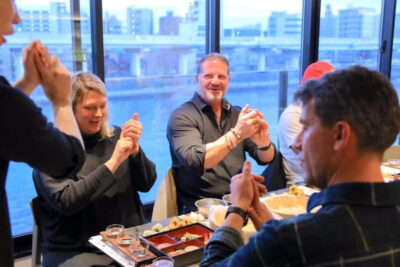
Roll and Authentic Sushi Making Class in Asakusa
Read our review →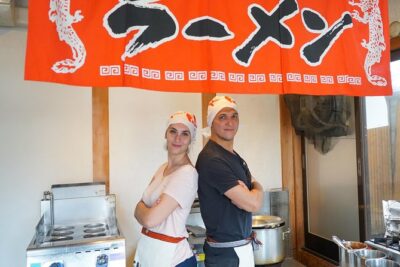
Ramen Cooking Class at Ramen Factory in Kyoto
Read our review →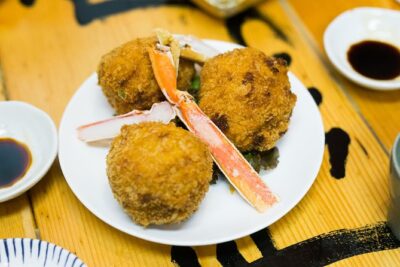
Best of Shinjuku: Izakaya Food Tour (4 Stops, 14+ Tastings)
Read our review →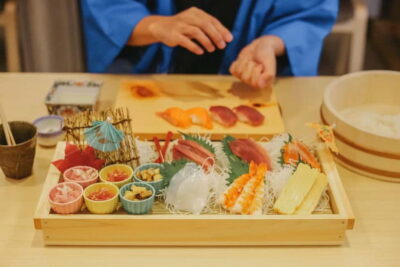
Sushi Making Class in a Happi Coat near a Famous Spot
Read our review →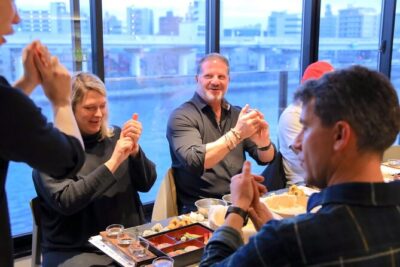
Sushi Making Osaka Roll and Authentic Japanese Sushi Class
Read our review →
Tokyo Sushi Making Class in Tsukiji with Professional Chef
Read our review →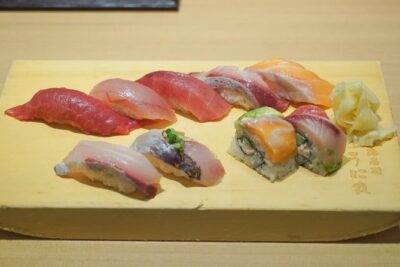
Tokyo Night Foodie Tour in Shinjuku – Seasonal Sushi, Wagyu Beef
Read our review →Browse the lists this tour appears in