REVIEW · KYOTO FOOD TOURS
Ramen Cooking Class at Ramen Factory in Kyoto
Ramen gets personal here. At Kyoto’s Ramen Factory, you knead dough, press noodles, mix your broth, prepare toppings, and sit down to eat the bowl you made. I like the hands-on cooking and the way the class turns lunch into an activity, not just another restaurant stop. I also like the choice of flavors and toppings, plus the option to request vegetarian, vegan, or Halal-friendly food.
The main drawback is the price: $131.32 per person is a lot for a 90-minute meal and cooking lesson. Still, the value improves if you want a family activity, a break from sightseeing, or a food experience you can repeat at home. Drinks cost extra, and you must make your own way to the factory in Kyoto.
- Make noodles from scratch: Knead the dough, work it by hand, and press it into noodles rather than simply watching a demonstration.
- Build your own bowl: Select soup flavors and toppings, then finish a personalized ramen lunch.
- Cook more than noodles: Depending on the class flow, you may prepare and cook the protein, including rolling and tying chicken thigh and charring it with a small torch.
- Friendly teaching style: Guides such as Mahiro, Moeka, Haruka, China, Fuku, Akemi, Moe, and Hiro are praised for clear instruction, humor, and encouragement.
- Dietary flexibility: The factory is Halal-certified, with vegetarian food available and vegan food available by request after booking.
- Easy scheduling: Several departure times are offered, and the activity lasts about 1 hour and 30 minutes.
What the Kyoto Ramen Factory Class Is Really Like
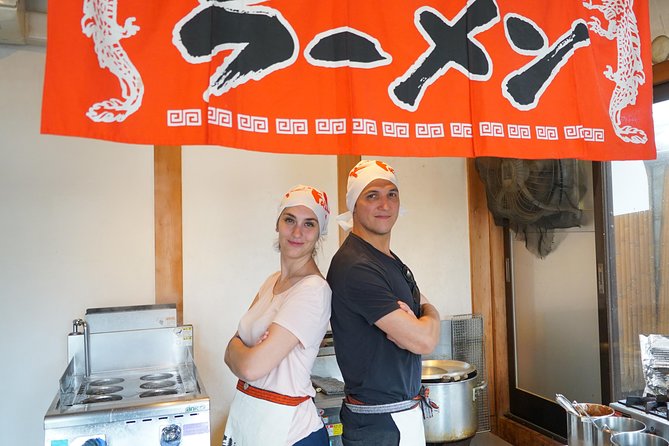
This is a short, structured cooking class held at Ramen Factory Kyoto in the Kamigyo Ward. You meet at the factory, located in the basement at 44714 Kajiicho, Kyoto, then return to the same spot when the activity ends.
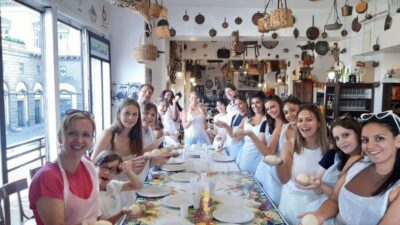
The class is designed as a small-group experience, with a maximum of 20 people. That is large enough to create a lively room, but not so large that the activity becomes a silent demonstration. Some class times may be much smaller. One couple reported having a private lesson because they were the only participants in their time slot.
The instructors lead you through the process in stages. You are not expected to arrive with cooking skills. The teaching style is practical and social, with plenty of help available as you work. The guides are also part of the appeal. Mahiro is praised for humor and clear demonstrations, while Moeka, Haruka, China, Fuku, Akemi, Moe, and Hiro are each singled out for being warm, helpful, or entertaining.
You should expect an organized class rather than an open-ended culinary workshop. The experience moves at a steady pace, so you can make the noodles, prepare the soup, assemble the toppings, and eat within the scheduled 90 minutes.
Kneading Dough and Making the Noodles

The class begins with the part that makes this different from ordering ramen at a shop: you make the noodles yourself.
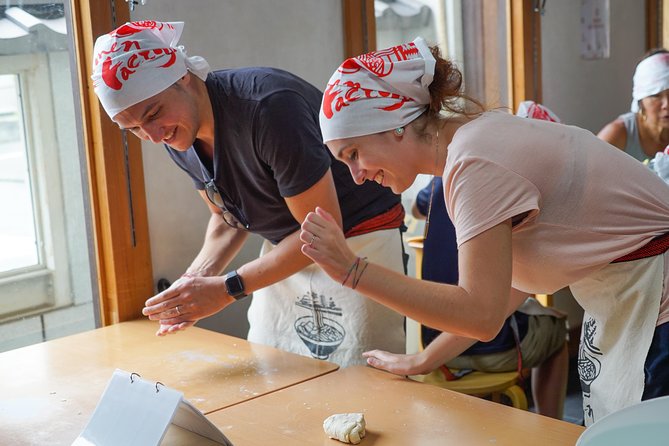
You work with the dough, kneading it and pressing or rolling it into the noodle shape. The process is more physical than many people expect. One useful bit of feedback is that making ramen is harder than it looks, especially when the steps are shown in quick, simplified form. That is part of the fun. You get a better sense of why fresh noodles have texture and why small changes in thickness matter.
Some participants describe pounding or working the dough by hand before pressing it into noodles. The exact motions may depend on the class instructions, but the point is the same: you are actively shaping the noodles instead of merely learning a recipe on paper.
I think this section works particularly well for families. Children can take part in the physical work, and the activity gives them something concrete to do. It also suits adults who like food but do not want a long, formal cooking school.
The class is not intended to turn you into a ramen chef in one hour. You will learn the basic sequence and leave with a better understanding of the ingredients and preparation. If you hope to recreate the bowl at home, pay close attention to the dough texture and noodle thickness, since those are the skills most worth remembering.
More Cooking Classes in Japan
- Kyoto: Ramen Cooking Class at a Ramen Factory with Souvenir
★ 4.9 · 532 reviews - Kyoto: Ramen, Gyoza, and Onigiri Cooking Class
★ 5.0 · 445 reviews - The Original Small-Group Sushi Making Class in Kyoto
★ 5.0 · 436 reviews
Mixing the Broth and Choosing Toppings
After the noodles, you turn to the soup and toppings. You can choose from a variety of flavors and ingredients, which means everyone at the table can create a bowl suited to personal taste.
This is one of the class’s strongest features. Ramen can be mild, salty, rich, light, meat-based, or vegetable-focused, and your finished bowl does not have to match the person sitting beside you. The customization also makes the activity easier for a mixed group. One person can choose a vegetarian bowl while another selects meat and a different soup flavor.
The class includes more than a simple packet of noodles and prepared broth. Participants describe customizing broth seasonings, preparing toppings, and cooking the protein. One detailed account included rolling and tying chicken thigh, cooking it in broth, then using a small torch to char it after cooking. That extra step gives the meal a little theater and makes the final bowl feel like a dish you built in stages.
The factory is Halal-certified. Vegetarian food is available, and vegan food can be arranged if you contact the provider after booking. If this matters to you, do not wait until you arrive. Make the request in advance so the staff can prepare the right ingredients.
The Meal You Earn at the End
The final reward is lunch: your personalized bowl of ramen.
This is not a tasting where you receive a tiny sample and then need to find a proper meal elsewhere. The activity includes lunch, and several people advise scheduling the class around lunchtime or dinnertime. That is a useful tip because the meal comes at the end, after the work is finished. Arriving hungry makes the experience feel more complete.
The finished ramen is often praised as delicious, even by people who had already eaten ramen elsewhere in Japan. That praise should be read in context. The pleasure comes partly from freshness and partly from ownership. You have made the noodles, chosen the soup, prepared the toppings, and watched the bowl come together. Food usually tastes better when you had a hand in it.
The meal is also filling enough to count as a proper lunch for many people. Drinks are not included, so budget a little extra if you want something besides the ramen.
Why Families and First-Time Cooks Like It
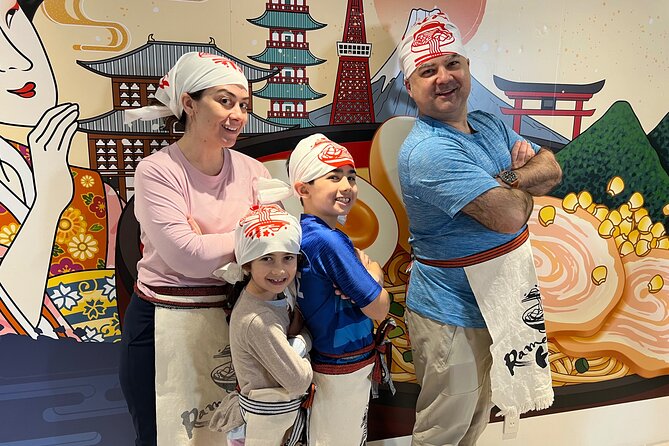
The class has a strong family-friendly character. Children can help with the dough, noodles, toppings, and assembly, while adults can focus on the cooking steps and final bowl.
It also gives a family a shared task during a Kyoto visit. Temples and gardens are wonderful, but a hands-on food activity breaks up a long day of walking. The class takes about 90 minutes, so it fits more easily into a busy schedule than a full-day cooking course.
First-time cooks should feel comfortable here. The guides are repeatedly praised for being supportive and easy to follow. Some instructors use humor, which helps when the dough does not behave perfectly or your noodles come out less uniform than expected.
The experience may also suit couples. One couple took the class during a honeymoon and considered it a highlight of the trip. That makes sense: the activity gives you something to do together, then ends with a meal neither of you ordered from a menu.
More Cooking Classes in Kyoto
- Kyoto: Ramen Bowl Painting and Michelin Cooking Class
★ 4.9 · 96 reviews - Kyoto: Sushi Making Class with Sushi Chef
★ 4.8 · 64 reviews - Nishiki Market Food Tour with Cooking Class
★ 4.9 · 42 reviews
The Instructors Make a Big Difference
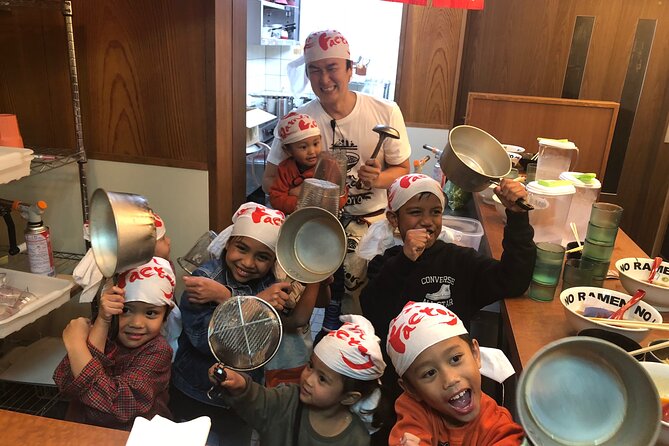
A cooking class succeeds or fails on the teaching. Here, the staff receive unusually strong praise for friendliness, energy, and patience.
Mahiro is described as an excellent demonstrator with a good sense of humor. Moeka is praised for making the class fun and easy to follow. Haruka is described as a friendly host and strong teacher, while China is remembered for helpful guidance. Fuku is praised for wit and kindness, and Akemi, Moe, and Hiro are also singled out for their welcoming approach.
The age and style of the instructors may vary. One participant was impressed by an 18-year-old teacher who was poised, funny, and enthusiastic. That detail gives you a good sense of the tone: this is not a stiff professional kitchen lesson. It is lively, informal, and built around participation.
You may also receive photos, and some participants mention a free apron. Other souvenirs, including a T-shirt, may be available depending on the class arrangement. Treat these as pleasant extras rather than the reason to book.
The factory also gives notice that photos and video may be taken during the visit, including promotional filming and 360-degree camera recordings. If you do not want to appear, tell a staff member before the class begins. The company says it will try to accommodate that request.
Price, Timing, and Overall Value
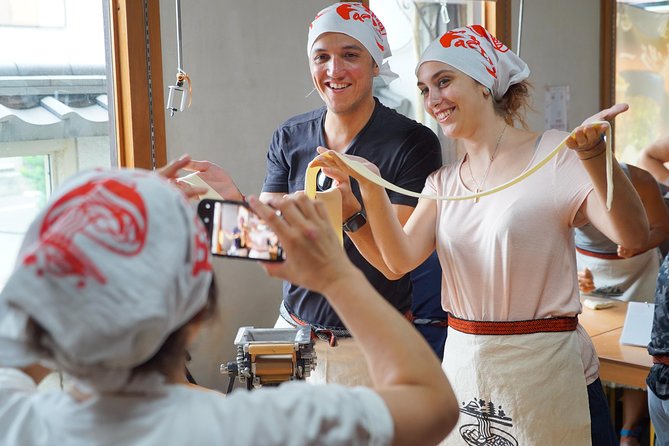
At $131.32 per person, this is not a budget lunch. You are paying for instruction, ingredients, a hosted activity, lunch, local taxes, and the chance to make ramen from scratch.
The price makes the most sense for someone who values an organized food experience rather than simply eating a bowl of ramen. It is also easier to justify for families, couples, or small groups who want an activity with a clear beginning and end. You leave with a full meal and practical knowledge, not just a photograph.
For a solo diner seeking the cheapest ramen in Kyoto, this is poor value. A restaurant meal will cost much less. For a ramen fan who wants to understand the preparation and have a memorable shared activity, the calculation changes.
The class runs for about 1 hour and 30 minutes, with several departure times throughout the day. That flexibility is useful when you are fitting it between sightseeing stops. I would choose a time close to lunch or dinner so the included meal becomes part of your daily plan.
You need to arrange your own transportation to the factory. The meeting point is near public transportation, but the supplied information does not provide a station name or walking time. Check the exact map location before leaving your hotel, especially since the venue is in a basement and the address includes BF1.
Who Should Book This Ramen Experience
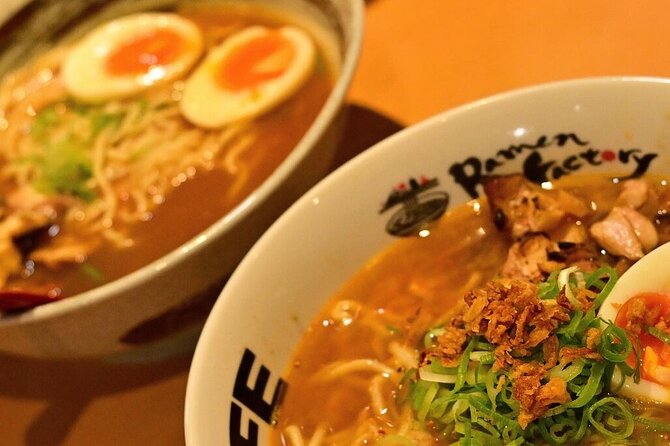
I would recommend this class to:
- Ramen fans who want to make noodles rather than only eat them
- Families looking for an activity children can join
- Couples who want a shared meal with a practical element
- People seeking a break from Kyoto’s temples and outdoor sightseeing
- Vegetarians, vegans, and Halal diners who arrange food needs ahead of time
- First-time cooks who prefer friendly guidance over a formal school setting
I would be more cautious if you dislike group activities, want a quiet meal, or consider $131.32 too high for lunch. The class is social and structured. You will be working alongside other participants, following instructions, and moving through a set process.
It is also not a long culinary course. You will gain a useful introduction to ramen preparation, but not a full professional education in broth making, noodle chemistry, or regional ramen styles.
Booking Advice for a Smoother Visit
Book a departure time that works as a meal, not just as a spare gap in your schedule. The bowl at the end is a central part of the experience, and you will enjoy it more if you are ready to eat.
Contact the provider after booking if you need a vegan option. Vegetarian food is listed as available, and the factory is Halal-certified, but advance notice remains the sensible move for any dietary request.
Allow enough time to reach the basement meeting point without rushing. Your confirmation is provided at booking, and the activity returns to the same location.
Cancellation is free if you cancel at least 24 hours before the local start time. Changes or cancellations inside that period are not accepted for a refund, so check your Kyoto schedule before committing.
Should You Book the Ramen Factory Class?
If you want a cheap meal, no. If you want a lively, hands-on food activity that ends with a satisfying lunch, yes.
The best reasons to book are the fresh noodle making, personal choice of broth and toppings, friendly instructors, and strong family appeal. The class also handles several dietary needs better than many casual food activities, provided you make arrangements ahead of time.
The price is the key question. At more than $130 per person, this is a special-occasion activity, not an everyday meal. For ramen lovers, families, honeymooners, and anyone seeking a break from sightseeing, it can earn that price through the shared experience. For everyone else, Kyoto has cheaper bowls waiting.
FAQ
Where does the ramen cooking class take place?
The class takes place at Ramen Factory Kyoto in the Kamigyo Ward, at 44714 Kajiicho, BF1, Kyoto, Japan, postal code 602-0841.
How long does the activity last?
The experience lasts approximately 1 hour and 30 minutes.
What does the class include?
It includes a tour host or escort, local taxes, food tasting, and lunch featuring your personalized ramen bowl.
Are drinks included?
No. Drinks are not included in the activity price.
Do I need to arrange my own transportation?
Yes. You make your own way to the Ramen Factory in Kyoto. The venue is near public transportation.
Can I choose my ramen flavors and toppings?
Yes. The class offers a variety of flavors and toppings so you can personalize your bowl.
Is the class suitable for vegetarians?
Yes. A vegetarian option is available.
Can I request vegan food?
Yes, but you should contact the provider after booking to request the vegan option.
Is the factory Halal-certified?
Yes. The Ramen Factory is Halal-certified.
What is the cancellation policy?
You can receive a full refund if you cancel at least 24 hours before the experience start time. Cancellations or changes made less than 24 hours before the start time are not accepted for a refund.
More Workshops in Kyoto
- Sushi Making Tokyo Roll and Authentic Japanese Sushi Class
★ 5.0 · 3,971 reviews - Authentic Pizza Making Class in Naples with Appetizers and Drink
★ 5.0 · 3,178 reviews - Tokyo: Roll and Authentic Sushi Making Class in Asakusa
★ 4.9 · 1,957 reviews - Small Group Cooking Class & Market Food Tour in Florence
★ 5.0 · 1,574 reviews
More Sushi and Ramen Tours in Kyoto
- Sushi Making in Kyoto! Same-day bookings welcome!
★ 5.0 · 713 reviews - Kyoto: Small-Group Authentic Sushi Making Workshop
★ 5.0 · 137 reviews - Kyoto Michelin Ramen Workshop or Painting Ramen Essentials
★ 4.9 · 100 reviews
Just added in Kyoto
- Kyoto: Sushi Making Class with Sushi Chef★ 4.8 · 64 reviews
- Nishiki Market Food Tour with Cooking Class★ 4.9 · 42 reviews
- Kyoto: Small-Group Authentic Sushi Making Workshop★ 5.0 · 137 reviews
- Kyoto: Sake Brewery and Tasting Tour in Fushimi★ 4.8 · 55 reviews
- Kyoto Evening Gion Food Tour★ 4.9 · 35 reviews
- Kyoto: Nishiki Market Tour with a Local Foodie & Tastings★ 4.5 · 67 reviews
- Kyoto: Foodie Night Tour in Gion with 9 dishes + 6 Sake★ 4.4 · 26 reviews
- Kyoto: Nishiki Market Food Tour★ 4.9 · 21 reviews
Cooking Classes, compared.

Authentic Pizza Making Class in Naples with Appetizers and Drink
Read our review →
Roll and Authentic Sushi Making Class in Asakusa
Read our review →
Small Group Cooking Class & Market Food Tour in Florence
Read our review →
Sushi Making Class in a Happi Coat near a Famous Spot
Read our review →
Tokyo Sushi Making Class in Tsukiji with Professional Chef
Read our review →
Food Market Visit and Cooking Class with Wine
Read our review →