REVIEW · KYOTO FOOD TOURS
Kyoto: Ramen Cooking Class at a Ramen Factory with Souvenir
Ramen tastes better when you make the noodles. At Kyoto’s Ramen Factory, you turn flour into noodles, season chicken, choose from miso, salt, and soy flavors, then sit down to eat your own bowl. I especially like the hands-on noodle making and the friendly, high-energy teaching style. The main thing to consider is the price: at $127 per person for 90 minutes, this is not a cheap lunch, though it includes instruction, the meal, and a souvenir.
The class is run by a ramen school established by Menbaka Fire Ramen, one of Kyoto’s best-known ramen restaurants. I also like that it fits neatly into a sightseeing day, since the shop is about a five-minute walk from Demachiyanagi Station. The basement entrance can be easy to miss, so look for the staircase to the right of the supermarket, or the street-side stairs behind the bus stop.
Key points to know
- Make noodles from flour: Mix, punch, knead, fold, drain, and shake the dough into finished noodles.
- Choose your bowl’s flavor: Combine miso, salt, or soy with your preferred soup and condiments.
- Cook chicken chashu: Season chicken as part of the ramen preparation.
- Enjoy a meal at the end: You eat the ramen you prepared instead of simply watching a demonstration.
- Take home a souvenir: Four souvenir choices are available, with items such as a ramen bowl offered in some sessions.
- Ask about dietary needs early: Vegetarian, pescatarian, and vegan adjustments have been made, but you should contact the supplier after booking.
What the 90-minute ramen class is really like
This is a short, tightly organized cooking lesson rather than a slow culinary seminar. In 90 minutes, you move from flour and raw ingredients to a finished bowl, with staff guiding each step and helping with photos and videos.
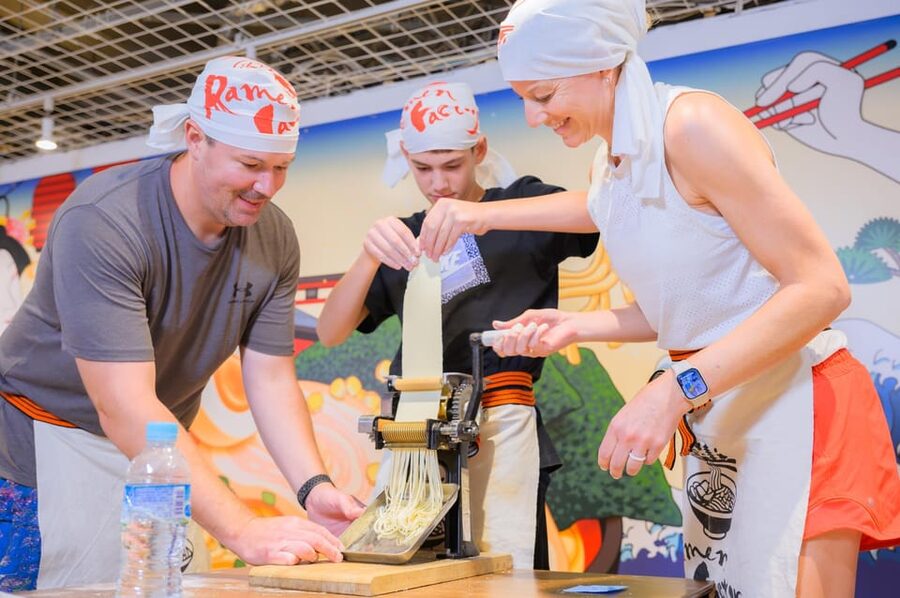
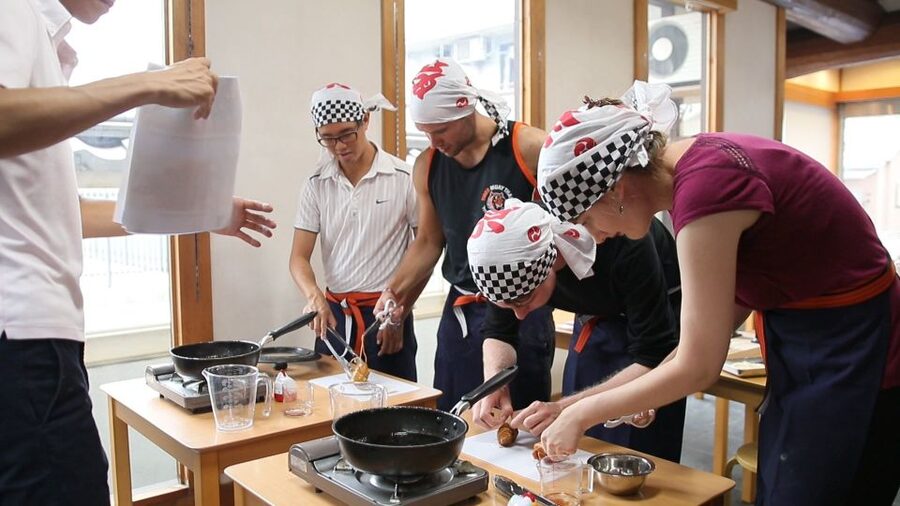
The class begins with a ramen apron and headscarf. You then watch a short overview video that explains the process before the practical work starts. This helps you understand the sequence, especially if you have never made noodles before.
The atmosphere is energetic. Instructors such as Sakura, Fuku, Moeka, Akemi, Maya, Kazuma, and Haruka have all been praised for keeping the class clear, funny, and upbeat. The tone is more lively than formal, which makes it a good choice for families and couples who want an activity with plenty of interaction.
If you prefer a quiet, technical class with long explanations about flour chemistry, this may feel a little showy. If you want to learn by doing and have a few laughs along the way, the pace works well.
More Cooking Classes in Japan
- Ramen Cooking Class at Ramen Factory in Kyoto
★ 5.0 · 1,937 reviews - Kyoto: Ramen, Gyoza, and Onigiri Cooking Class
★ 5.0 · 445 reviews - The Original Small-Group Sushi Making Class in Kyoto
★ 5.0 · 436 reviews
Turning flour into noodles by hand
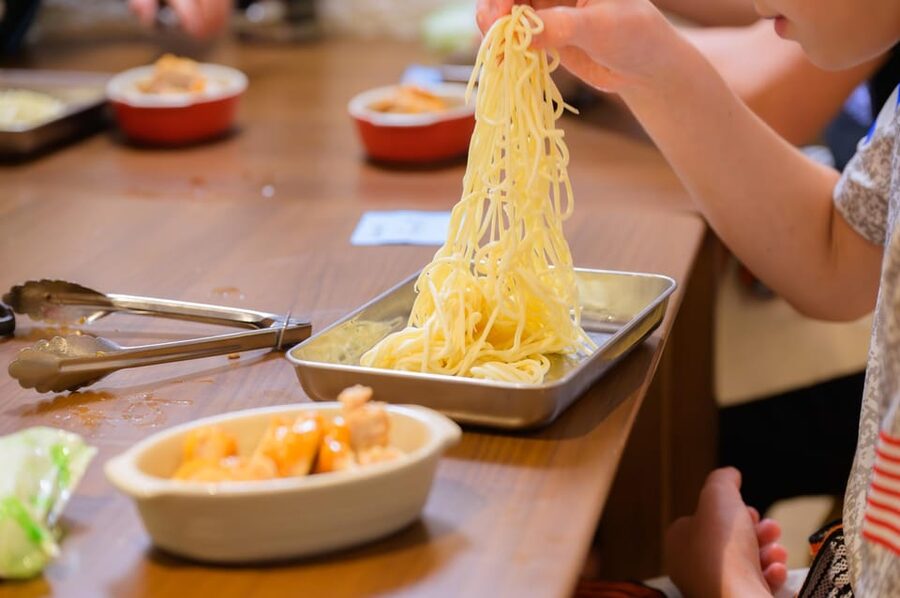
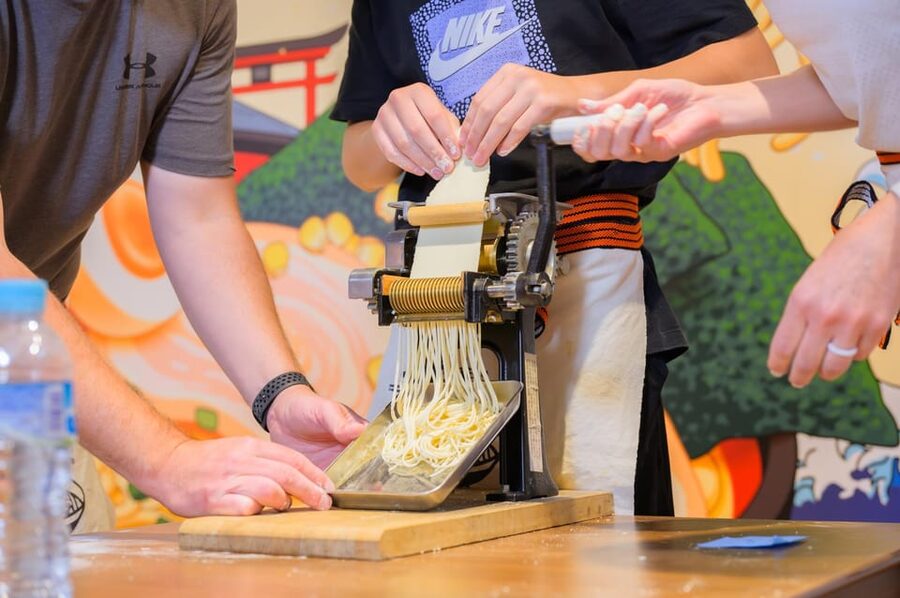
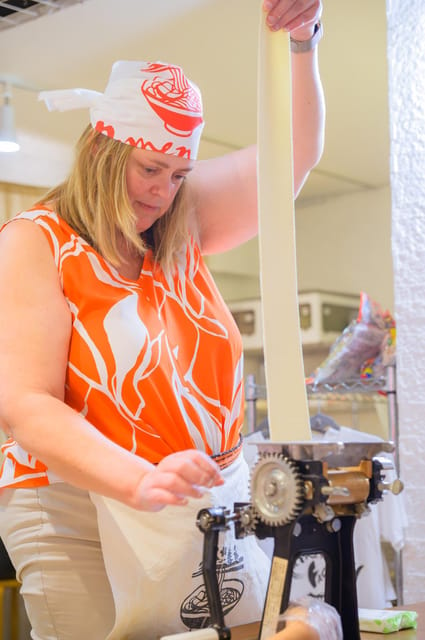
The most memorable part is making the noodles. You start with flour and work the dough through mixing, punching, kneading, folding, and shaping. The instructions emphasize folding the dough more than 100 times, a simple but useful way to show how much work goes into the right texture.
You also drain and shake the noodles before they are finished. That physical work gives you a better sense of ramen-making than simply rolling dough with a machine. It is not difficult in the professional-chef sense, but it does require some effort and coordination.
The staff set out the equipment and ingredients in advance, so you are not left hunting for tools or waiting for a step to begin. This preparation keeps the lesson moving. Several participants have also found the instructions easy to follow even with no previous cooking experience.
I would not expect to produce restaurant-quality noodles immediately at home. The class gives you the method and the feeling of the process, but consistent noodle texture takes practice. Still, the lesson makes ramen seem much less mysterious.
Seasoning chicken and building the ramen base
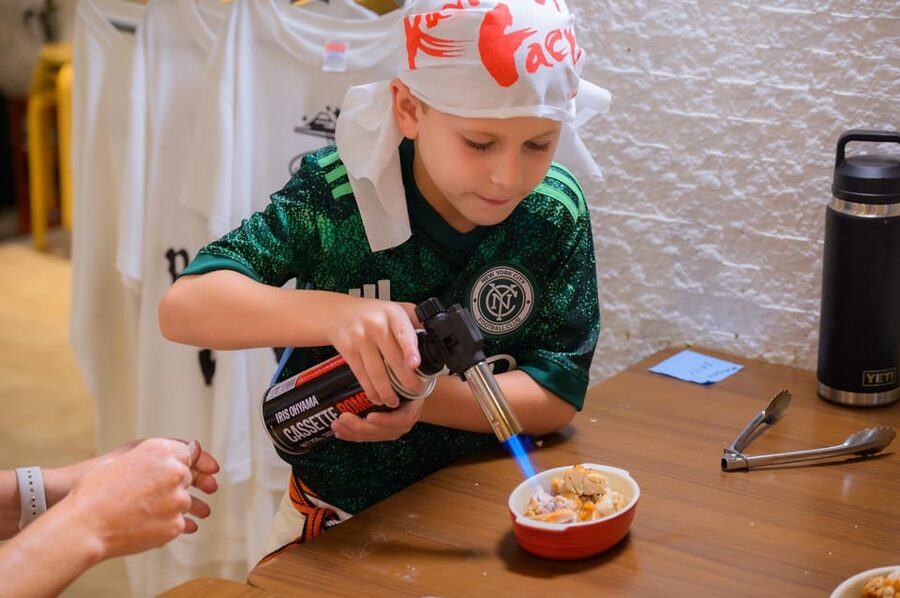
The class uses chicken chashu rather than pork. That choice matters because traditional ramen preparations can take much longer than 90 minutes. The chicken is seasoned during the class, giving you a real cooking task while allowing the staff to manage the parts that need more time.
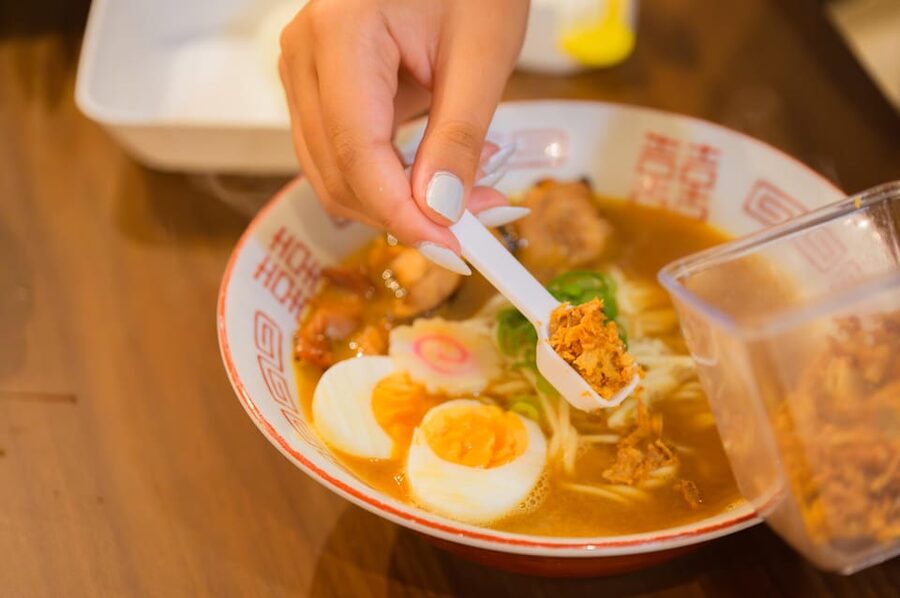
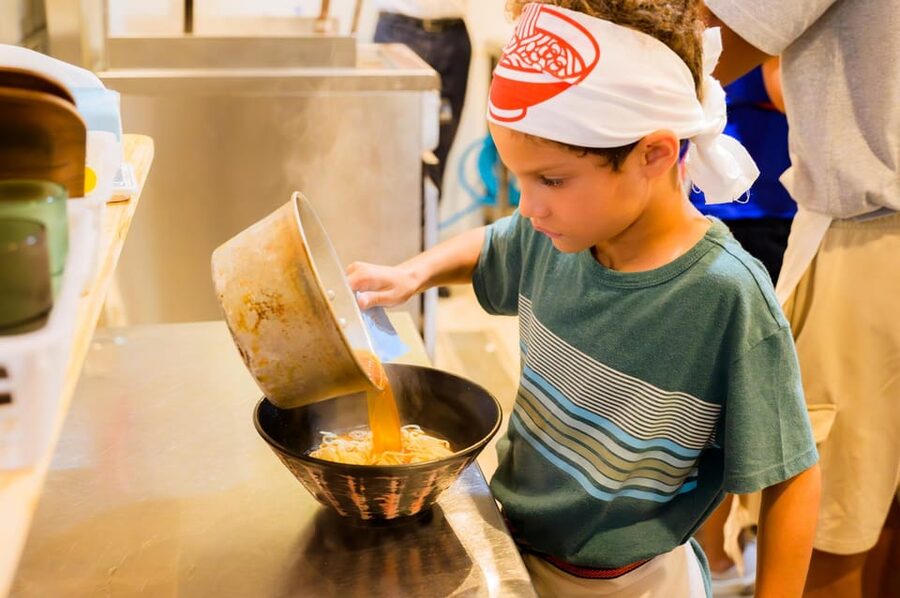
You then taste and mix three featured ramen sauces: miso, salt, and soy. You choose a soup and sauce combination for your bowl, then add toppings, an egg, and condiments according to your taste.
This customization is one of the class’s strongest features. You are not all served an identical bowl. You can make the ramen more suited to your preferences, although the exact range of toppings and soup combinations is set by the class.
The flavor choices also give you a quick introduction to how ramen changes with small adjustments. Miso brings a fuller, more savory character. Salt lets the broth taste cleaner and lighter. Soy adds a familiar, rounded seasoning. The lesson does not turn you into a ramen expert, but it gives you a useful starting point for experimenting at home.
One important detail: the complete ramen recipe is sent by email, and the class also provides access through a QR code. That makes the experience more useful than a meal you simply remember. You can try the recipe again after returning home.
The final bowl is part of the lesson
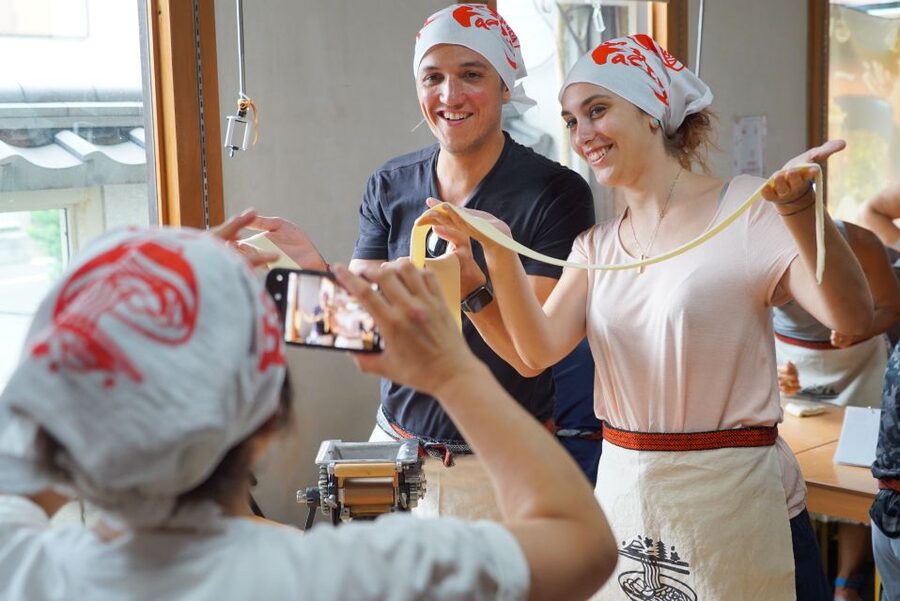
At the end, you display your ramen bowl with toppings and condiments, then eat what you made. This is not a cooking class where the food is secondary. The final bowl is the reward and the test of everything you have just done.
The ramen is served during the session, so the meal remains connected to the preparation. You can look back at the steps while eating, compare choices with the people beside you, and see how the sauces changed the result.
The food has received especially strong praise. People have described the ramen as unexpectedly delicious, with some calling it the best bowl of their Japan trip. That is a high bar, and you should treat such claims as personal taste rather than a guarantee. Still, the combination of fresh noodles, prepared toppings, and sauce choices clearly makes the final meal more satisfying than a basic demonstration dish.
You should also know that some elements are prepared behind the scenes. Good ramen often requires long preparation, so a 90-minute class cannot realistically include every stage of making broth from scratch. The value is in the parts you can complete and understand within the time available.
More Cooking Classes in Kyoto
- Kyoto: Ramen Bowl Painting and Michelin Cooking Class
★ 4.9 · 96 reviews - Kyoto: Sushi Making Class with Sushi Chef
★ 4.8 · 64 reviews - Nishiki Market Food Tour with Cooking Class
★ 4.9 · 42 reviews
Souvenirs that extend the experience
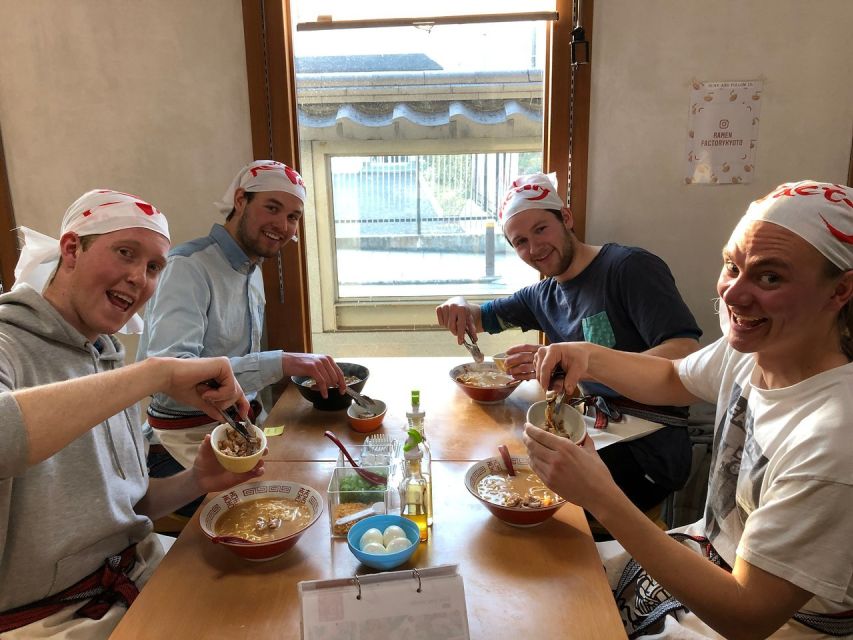
A souvenir is included, and you can choose from four types. The exact choices may vary, but a ramen bowl has been offered, along with other practical keepsakes.
The take-home element adds value, especially if you enjoy cooking souvenirs more than generic merchandise. Some sessions have also included a bandana, a printed photo, a certificate, or photos and videos taken by the staff. These extras should not be treated as the central promise of the class, but they can make the experience easier to remember.
The recipe is the most useful souvenir of all. A bowl may sit on a shelf, but the recipe gives you a reason to recreate the meal. You can also keep the apron-style headscarf from the class in some sessions, which adds a small personal touch.
Why the location works for a Kyoto day
The Ramen Factory is about five minutes from Demachiyanagi Station on the Keihan Line. That makes it a practical break from sightseeing around northern Kyoto and the nearby university district.
The location is on a basement floor. Do not rely only on the map pin, since the entrance may not look obvious from the street. Look for the staircase to the right of the supermarket, and also check the street-side stairs behind the bus stop if you are having trouble.
Transportation is not included, so you make your own way there. The short walk from the station is easy, but you should allow extra time to find the correct entrance. Arriving late could be awkward in a class with several timed cooking steps.
The 90-minute duration is convenient. You can fit it between other plans without losing half a day. The trade-off is that every stage moves quickly, and you will not have much time to linger over each technique.
The class works well for families and first-time cooks
This is a strong family activity. Teenagers and children can take part in the physical noodle work, and adults can focus on the seasoning and assembly. The cheerful format keeps the session from feeling like a lecture.
It also suits couples and solo visitors. Solo participants have received warm assistance, and the staff help with photos and videos so you do not miss the memory-making part of the experience. If you are traveling alone, this is an easy way to take part in a social activity without committing to a full-day group tour.
The class is beginner-friendly. You do not need to know how to knead dough or balance a ramen bowl before arriving. Staff members guide you through each step, and the work is broken into manageable tasks.
People with dietary requirements should contact the local supplier after booking. Adjustments have included tofu, fish broth, and meat-free options, with individual accommodation for vegan diets. Do not assume every option is automatically available, and do not wait until the class begins to explain your needs.
Is $127 good value for 90 minutes?
The price is the main point to weigh carefully. $127 per person is a lot for a 90-minute activity, especially when Kyoto offers inexpensive ramen meals. You are paying for more than the food, though.
The fee includes the chef-course class, the hands-on instruction, your finished bowl, a souvenir, and the chance to receive the complete recipe for home cooking. Staff also help capture photos and videos during the process, which adds practical value for families and solo visitors.
I think the price makes more sense if you see this as a cooking experience plus lunch, rather than simply a meal. It is less convincing for someone who only wants to eat excellent ramen. Kyoto has cheaper and more traditional ways to do that.
The activity also offers a useful balance between structure and fun. You do not need to buy ingredients, find equipment, or spend hours preparing broth. For a short Kyoto schedule, that convenience counts.
The free-cancellation policy allows cancellation up to 24 hours ahead for a full refund, and you can reserve now and pay later. Those terms help if your sightseeing plans are still changing, but they do not alter the basic price question.
A few practical cautions before booking
The class is conducted in English and Japanese. English instruction is part of the experience, and the staff use demonstrations as well as spoken guidance. Still, if you need highly detailed technical explanations, some steps may feel brisk.
The media notice is worth knowing. You may be photographed or filmed during professional video, photography, or 360-degree camera work. Images can be used on the company website, in media coverage, and in worldwide promotional material. If that makes you uncomfortable, ask the supplier about it before booking.
Drinks are not included. The finished ramen is the main food and drink component of the session, so plan accordingly if you want something else with your meal.
The class has a very upbeat personality. Instructors may joke, encourage group participation, and keep the room lively. That is a plus for most families and couples, but it may not suit you if you prefer a quiet kitchen lesson.
Should you book the Kyoto Ramen Factory class?
I would book this if you want a compact, memorable activity that combines food, local culture, and a practical skill. It is especially well suited to families, teenagers, couples, solo visitors, and anyone who enjoys making rather than merely seeing.
I would skip it if your main goal is the cheapest or most traditional ramen meal in Kyoto. At $127, the value depends on wanting the full experience: making noodles, customizing the bowl, taking home a souvenir, and trying the recipe later.
For most visitors with room in the budget, this is a strong choice. The staff’s warmth, the surprisingly good final bowl, and the chance to make noodles from flour give the class more substance than a simple tourist photo stop. Just find the basement entrance in advance, mention dietary needs early, and arrive ready to knead.
FAQ
How long does the Kyoto Ramen Factory class last?
The class lasts 90 minutes.
What types of ramen sauce can I choose?
You can taste and mix three featured sauces: miso, salt, and soy.
Do I get to make the noodles from scratch?
Yes. You work with flour and dough, then mix, punch, knead, fold, drain, and shake the dough into finished noodles.
Is a meal included?
Yes. You eat the ramen you prepare during the class. Drinks are not included.
Is a souvenir included?
Yes. A selective souvenir is included, with four types available to choose from.
Where is the Ramen Factory located?
The location is on the basement floor, about a five-minute walk from Demachiyanagi Keihan Line Station. Take the staircase to the right of the supermarket, and check the street-side stairs behind the bus stop if needed.
Can dietary requirements be accommodated?
Dietary options may be available, including tofu, fish broth, and meat-free or vegan adjustments. Contact the local supplier after booking to discuss your needs.
More Workshops in Kyoto
- Sushi Making Tokyo Roll and Authentic Japanese Sushi Class
★ 5.0 · 3,971 reviews - Authentic Pizza Making Class in Naples with Appetizers and Drink
★ 5.0 · 3,178 reviews - Tokyo: Roll and Authentic Sushi Making Class in Asakusa
★ 4.9 · 1,957 reviews - Small Group Cooking Class & Market Food Tour in Florence
★ 5.0 · 1,574 reviews
More Sushi and Ramen Tours in Kyoto
- Sushi Making in Kyoto! Same-day bookings welcome!
★ 5.0 · 713 reviews - Kyoto: Small-Group Authentic Sushi Making Workshop
★ 5.0 · 137 reviews - Kyoto Michelin Ramen Workshop or Painting Ramen Essentials
★ 4.9 · 100 reviews
Just added in Kyoto
- Kyoto: Sushi Making Class with Sushi Chef★ 4.8 · 64 reviews
- Nishiki Market Food Tour with Cooking Class★ 4.9 · 42 reviews
- Kyoto: Small-Group Authentic Sushi Making Workshop★ 5.0 · 137 reviews
- Kyoto: Sake Brewery and Tasting Tour in Fushimi★ 4.8 · 55 reviews
- Kyoto Evening Gion Food Tour★ 4.9 · 35 reviews
- Kyoto: Foodie Night Tour in Gion with 9 dishes + 6 Sake★ 4.4 · 26 reviews
- Kyoto: Nishiki Market Tour with a Local Foodie & Tastings★ 4.5 · 67 reviews
- Kyoto: Nishiki Market Food Tour★ 4.9 · 21 reviews
Cooking Classes, compared.
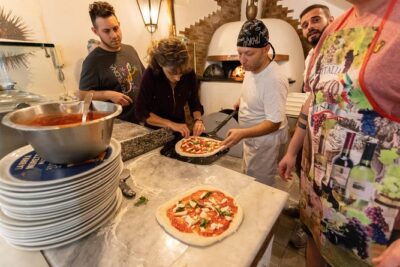
Authentic Pizza Making Class in Naples with Appetizers and Drink
Read our review →
Roll and Authentic Sushi Making Class in Asakusa
Read our review →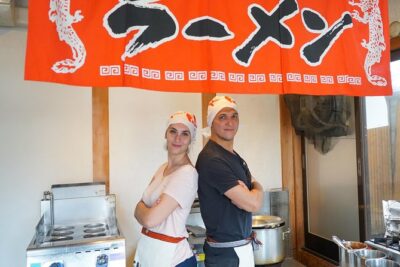
Ramen Cooking Class at Ramen Factory in Kyoto
Read our review →
Small Group Cooking Class & Market Food Tour in Florence
Read our review →
Sushi Making Class in a Happi Coat near a Famous Spot
Read our review →
Tokyo Sushi Making Class in Tsukiji with Professional Chef
Read our review →
Food Market Visit and Cooking Class with Wine
Read our review →