
REVIEW · KYOTO FOOD TOURS
Kyoto Evening Gion Food Tour
Old Kyoto glows after sunset. This three-hour walk through Gion and Shirakawa pairs maiko and geiko culture with traditional snacks, beautiful streets, and a ten-course kaiseki dinner. I like the small group size, limited to 10 people, and the chance to hear local customs explained by an English-speaking guide rather than simply passing through the district on your own.
I also like the clear shape of the evening: short food stops lead into a proper dinner, so you get both casual tastes and a more formal Japanese meal. Guides such as Sae, Miki, Marie, and Russ have been praised for their warmth and cultural insight. The main consideration is price. At $216 per person, this is not a cheap food walk, and one past participant felt it was more of a Gion neighborhood tour followed by dinner than a full food tour.
Key points to know before booking
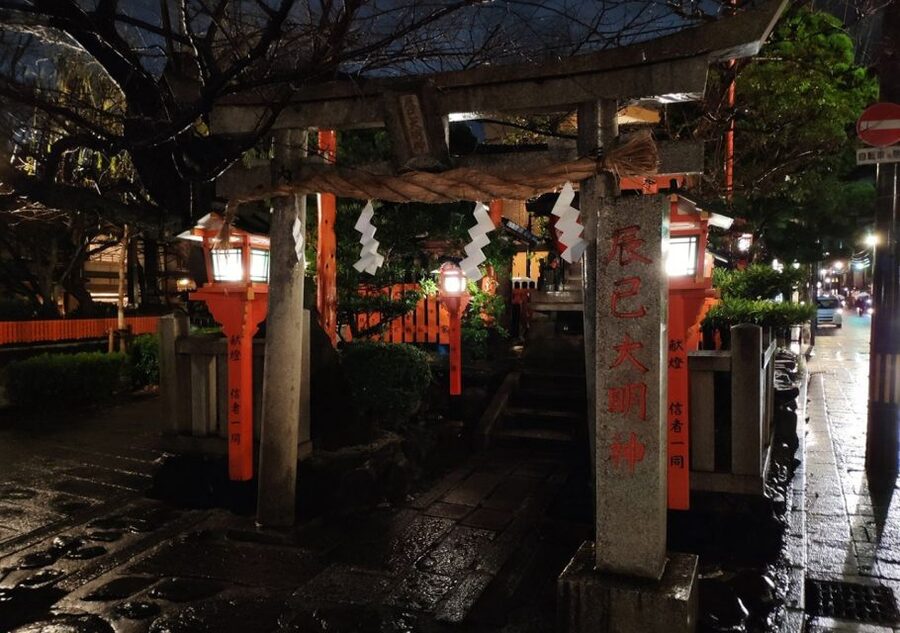
- Gion after dark: Lantern-lit streets, traditional teahouses, and the Shirakawa area provide the setting for the walking portion.
- Maiko and geiko culture: Your guide explains the history and present-day customs of Kyoto’s entertainers, with a focus on respectful understanding.
- Ten-course kaiseki dinner: Seasonal and regional ingredients are served in small, carefully arranged dishes, with dessert and one drink included.
- Only a few snack stops: Expect several tastes along the route, but most of the food comes at the final restaurant.
- Small English-speaking group: The tour accepts no more than 10 people, which helps with questions and narrow historic lanes.
- Strict meeting time: Meet in front of the Japan Kanji Museum & Library, and arrive early because the guide waits only five minutes.
Starting in Gion beside the Japan Kanji Museum
The meeting point is in front of the Japan Kanji Museum & Library at Gionmachi Minamigawa, in Kyoto’s Higashiyama Ward. Your guide holds a sign, but do not cut this close. The guide leaves after five minutes, and the tour does not include hotel pickup unless you arrange it for an added charge.
I would allow extra time to reach the meeting point, especially if Gion is unfamiliar to you. Transportation to and from the tour is your responsibility, so check your route before dinner rather than trying to work it out at the last minute.
The tour lasts three hours. That is enough time for a focused evening, but not enough for a slow, wandering night with long stops everywhere. You are buying a planned introduction to Gion, not an open-ended crawl through Kyoto’s restaurants.
The group limit of 10 is useful here. Gion’s lanes are narrow, and a smaller group makes it easier to hear the guide and keep moving without blocking the street. It also gives you a better chance to ask about customs, food, and the buildings around you.
More evening experiences in Kyoto:
- Kyoto Night Foodie Tour in Gion (9+ dishes + 6 Sake tastings)
★ 5.0 · 1,762 reviews - Kyoto Night All-Inclusive Eats and Streets, Gion and Beyond
★ 4.6 · 576 reviews - Kyoto: Casual Pontocho Evening Food Tour
★ 4.8 · 31 reviews
Walking through Gion and Shirakawa at twilight
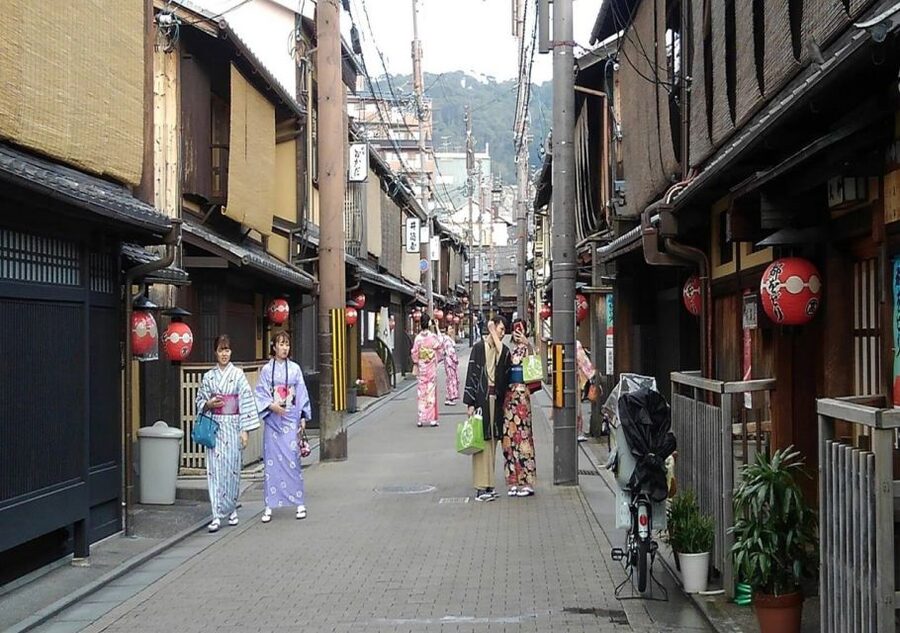
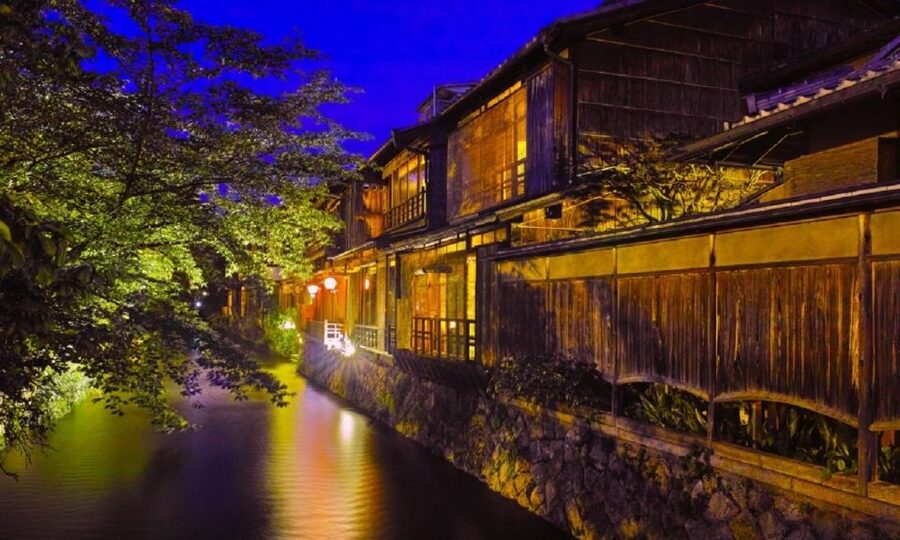
The walking portion is the heart of the experience. As daylight fades, the old streets take on a quieter mood, with lanterns lighting traditional buildings and teahouses. The route includes Gion and Shirakawa, two areas closely linked with Kyoto’s old entertainment districts.
The appeal is not simply taking photographs. Your guide helps explain what you are seeing: the style of the streets, the role of teahouses, and the difference between seeing an old district and understanding how it functions today.
The descriptions of the evening suggest a strong visual setting, with cobblestones, wooden facades, and the soft light of lanterns. You may also see maiko or geiko moving through the area, but this should not be treated as a guaranteed sighting. One past booking happened to see both a geisha and a maiko, which was considered a lucky moment, not a scheduled part of the tour.
That distinction matters. This is an opportunity to learn about the culture, not a performance arranged for the group. Your guide discusses the artistry and working life of maiko and geiko, helping you approach the subject with more respect than the usual camera-first visit.
Wear comfortable shoes. The tour is a walking experience, and the historic streets are not the place for footwear that looks good but punishes you after twenty minutes. You should also expect to spend the evening outdoors between food stops and the restaurant.
Learning what maiko and geiko really represent
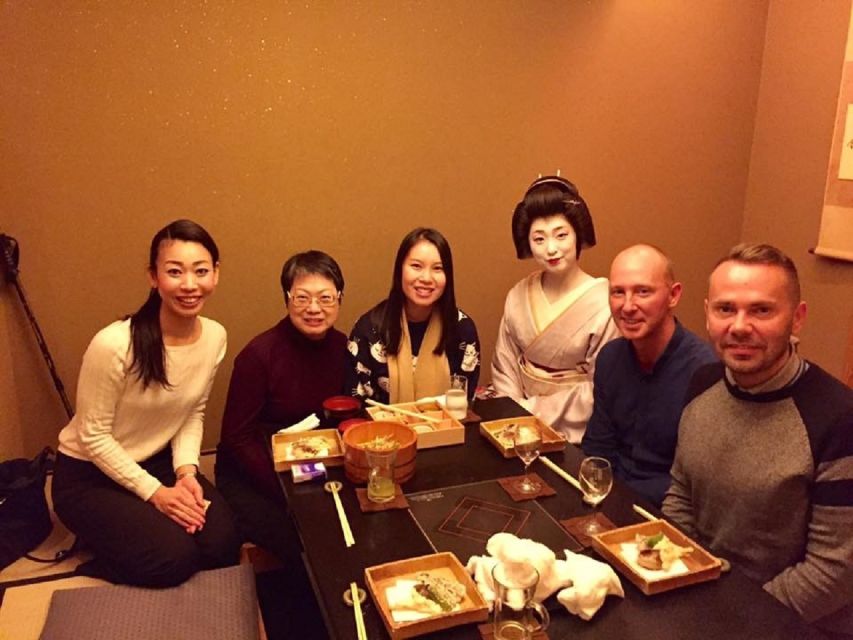
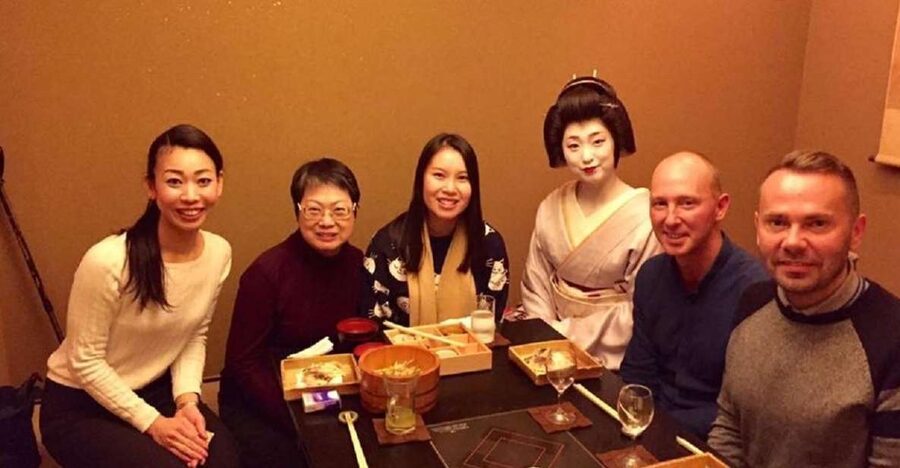
The cultural talk is one of the tour’s strongest features. Gion is often reduced to a postcard image of kimono, lanterns, and mysterious figures disappearing around a corner. A good guide gives you a fuller picture of the people, training, artistry, and customs behind that image.
The tour focuses on both historical background and current practices. That combination is important because Gion is not a museum exhibit. It is a living district with rules, professional relationships, and traditions that continue today.
Past guides have received especially strong praise for this part of the evening. Sae was noted for her clear explanations and for pointing out useful places to stop for snacks and souvenirs. Miki was praised for bringing energy to the walk while explaining Gion, food, and the geisha world. Marie was described as professional, friendly, and a strong host, while Russ was appreciated for his grasp of local culture and practical advice about getting around Japan.
Guide quality can vary because the guide is not always the same person. Still, the number of positive comments about several different guides suggests that the experience is built around interpretation rather than simply escorting you from one restaurant to another.
Small snack stops, with realistic expectations
The tour includes several stops to sample Kyoto’s traditional foods. These brief tastes add variety and help connect the streets to local eating habits. Each bite is meant to introduce a regional ingredient or preparation rather than fill you up before dinner.
Do keep the scale in mind. One detailed assessment described the tour as stopping for only two bites in shops, with most of the food served at the final restaurant. That is the most useful expectation to carry into the evening.
If you want a long series of market tastings, this may not be the right format. The snack stops are supporting acts. They break up the walk, give you something to taste, and set up the more formal meal later.
I like this arrangement for a first evening in Kyoto. You get a few casual food experiences without spending the entire night standing at counters. You also avoid the problem of being too full when the main dinner arrives.
The snacks may appeal to families and mixed-age groups because they are short, varied, and easy to fit into the route. One past food tour comment praised a guide team for explaining dishes patiently to both adults and children, although that comment referred to a different neighborhood experience, so it should not be taken as a promise about this exact route.
A few more food tours in Kyoto worth a look
- Nishiki Market Brunch Walking Tour (7 Tastings + Brunch)
★ 5.0 · 1,355 reviews - Kyoto Sake Brewery & Tasting Walking Tour
★ 5.0 · 623 reviews - Kyoto Nishiki Market Food and Culture Walking Tour
★ 5.0 · 412 reviews - Kyoto: Gion & Pontocho Food Tour with 13 Dishes
★ 4.9 · 235 reviews
The ten-course kaiseki dinner
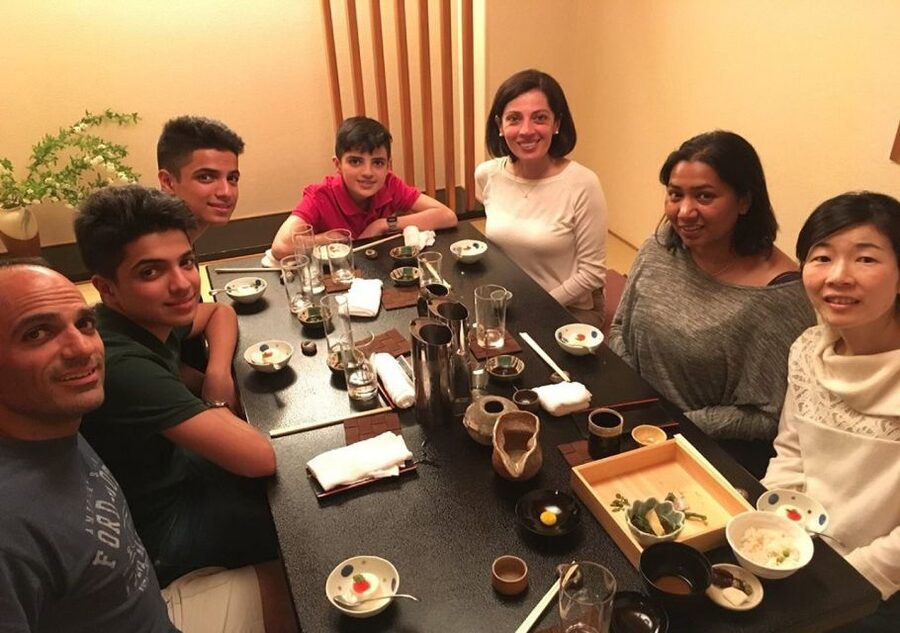
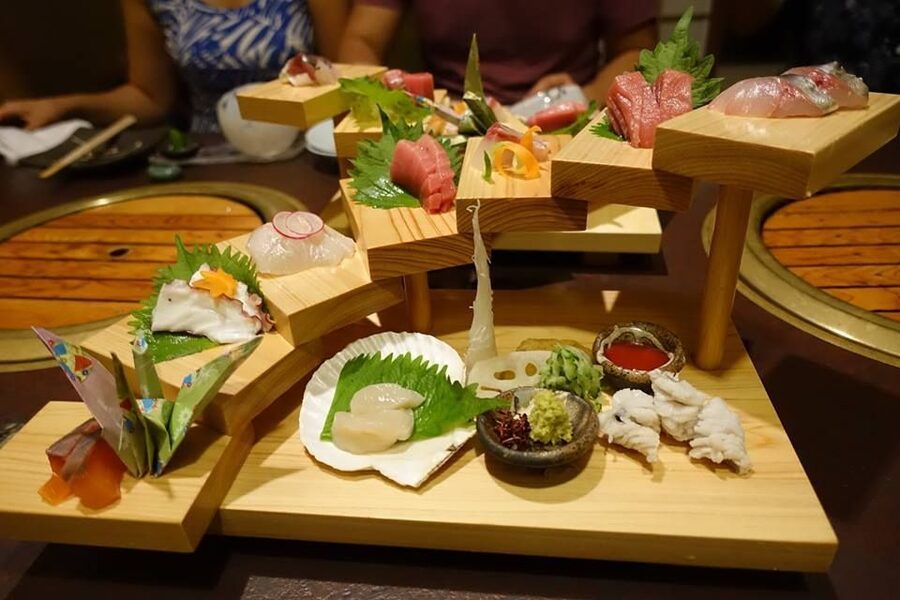
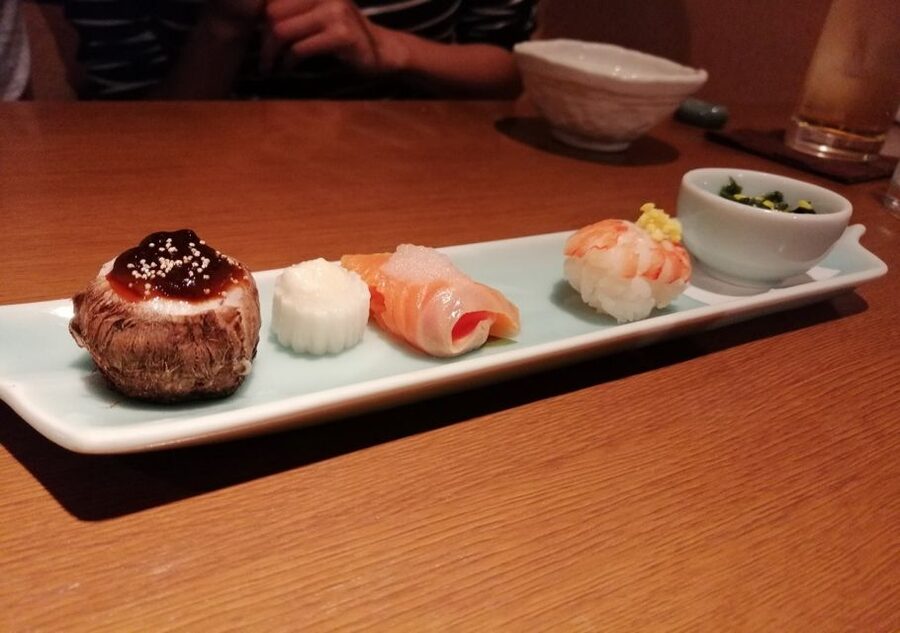
Dinner is the major food event. The package includes a ten-course meal, dessert, and one drink. The meal uses seasonal and regional ingredients, with small portions arranged on Japanese ceramics.
Kaiseki is as much about presentation and sequence as it is about quantity. You may encounter flavors such as miso, yuba, and grilled fish, along with other seasonal preparations. The point is to notice changes in texture, temperature, color, and seasoning as the courses arrive.
This is not an all-you-can-eat dinner. Ten courses can sound huge, but kaiseki dishes are generally small and carefully paced. You should expect a meal that feels formal and visually considered, not a table piled with large plates.
The restaurant setting adds to the occasion. One past participant found the food good rather than exceptional but liked the atmosphere very much. That is a fair warning for anyone paying $216. The value depends on how much you care about the complete evening: the guide, the neighborhood, the cultural explanation, the snack stops, and the structure of a kaiseki dinner.
If you only want excellent food at the lowest possible price, you can likely spend less elsewhere. If you want help understanding what is placed in front of you, plus a walk through Gion before dinner, the package makes more sense.
One drink is included. Additional drinks and food cost extra, so keep that in mind if you prefer sake, beer, wine, or a second soft drink with dinner.
What the $216 price really covers
At $216 per person, this is a premium evening. You are paying for more than ten dishes. The cost also covers a live English-speaking guide, a small group, several food tastings, cultural explanation, and the convenience of having the evening organized in a part of Kyoto that can feel confusing on a first visit.
The small group is a real part of the value. With no more than 10 participants, the guide can respond to questions and keep the cultural talk conversational. A private tour would offer more personal attention, but this format gives you some of that benefit without the full cost of booking alone.
The price is harder to justify if you already know Gion well, speak Japanese, or have a favorite kaiseki restaurant booked. It is easier to justify if you want your first evening in Kyoto to combine food, orientation, and local context.
Several people found the guides especially useful for practical Japan advice, including how to get around without making basic cultural mistakes. That extra help can matter early in a trip, when you are still learning how restaurants, streets, and social customs work.
The best value comes when you treat the tour as a cultural introduction with dinner, not as a bargain food crawl.
Dietary needs, passports, and other practical details
Tell the provider about food allergies or dietary requirements before the tour. A guide was able to manage several food restrictions on one past booking, but you should still provide accurate information in advance. Do not assume every request can be handled at the table.
A minimum of two people is required per booking. Solo visitors cannot book this experience alone under the stated conditions.
Every participant aged 10 and over must provide a copy of passport information. Have that ready when booking so the requirement does not catch you by surprise.
The tour is offered in English with a live guide. Comfortable shoes are essential, and you should plan for walking outdoors during the evening.
Cancellation is flexible up to 24 hours before the start for a full refund. You can also reserve now and pay later, which helps if your Kyoto plans are still shifting.
Who will enjoy this evening most
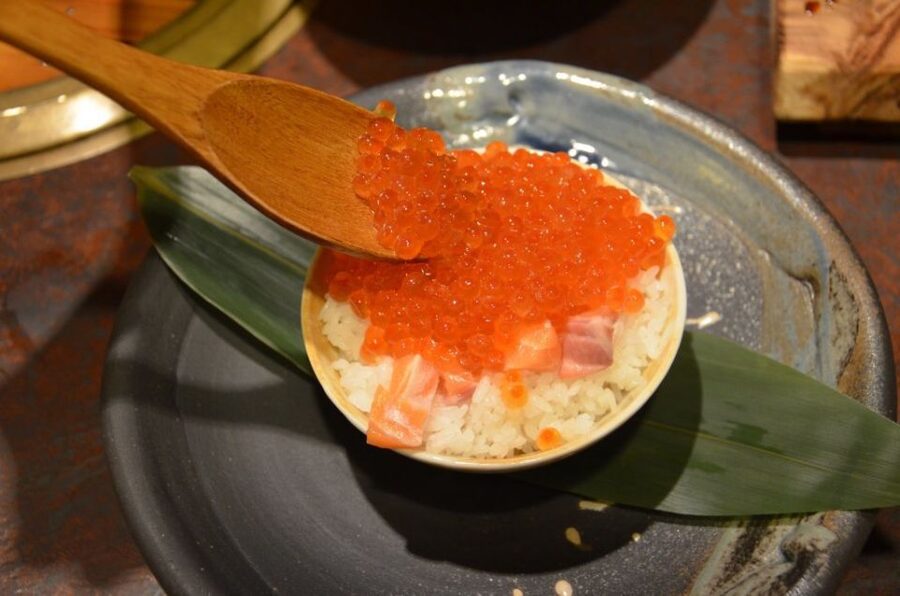
I would recommend this tour to first-time Kyoto visitors who want a polished introduction to Gion without having to research every restaurant and historic lane themselves. It also suits couples, families with older children, and small groups who value a guide’s explanation as much as the meal.
Food-focused visitors should book with the right expectation. You will sample traditional snacks, but the main food experience is the ten-course dinner. If you want a nonstop sequence of tastings, choose a dedicated market or street-food tour instead.
This tour also fits people who are curious about maiko and geiko culture but want more than a staged photo opportunity. The guide-led explanation gives the subject context and encourages respectful behavior in a working neighborhood.
It may be less suitable for anyone who dislikes formal meals, has complex dietary restrictions, cannot walk comfortably, or wants to keep the evening inexpensive. The three-hour schedule is focused and fairly structured.
Should you book the Kyoto Evening Gion Food Tour?
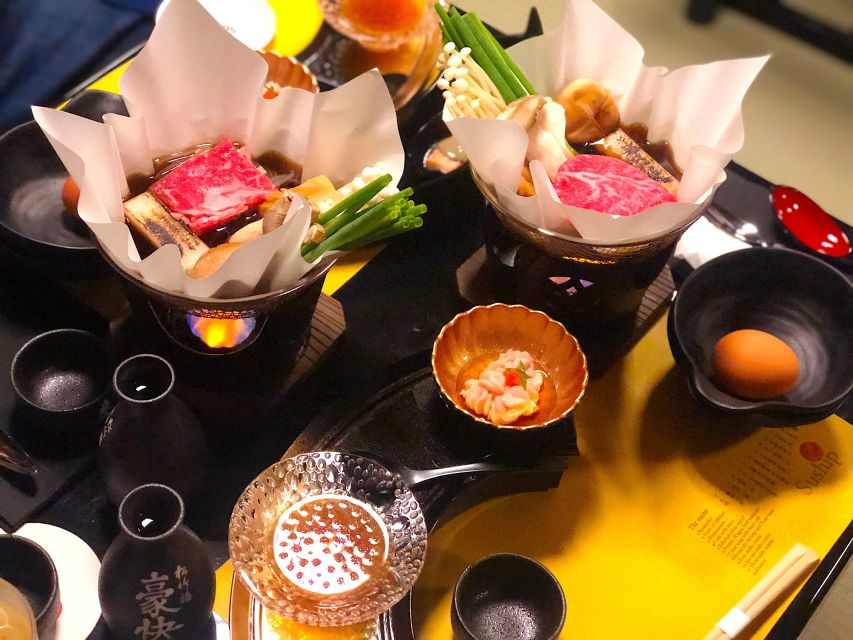
Book it if you want Gion scenery, cultural context, and a formal Kyoto dinner in one evening. The strongest parts are the guides, the small group, the twilight walk through Shirakawa, and the carefully presented ten-course meal.
Think twice if your main goal is quantity, bargain dining, or a long list of food samples. The snack stops are limited, and the dinner may feel good rather than extraordinary for the price.
For a first night in Kyoto, I can see the appeal. You get a useful orientation to one of the city’s most famous districts, practical advice from an English-speaking guide, and a meal that feels distinctly Japanese. Just arrive early, wear sensible shoes, share dietary needs in advance, and view the $216 as the cost of a guided cultural evening rather than a simple dinner.
FAQ
Where does the Kyoto Evening Gion Food Tour meet?
The meeting point is in front of the Japan Kanji Museum & Library at Gionmachi Minamigawa, Higashiyama Ward, Kyoto, Kyoto Prefecture 605-0074, Japan.
How long does the tour last?
The tour lasts three hours.
What language is the tour offered in?
The tour has a live English-speaking guide.
How large is the group?
The group is limited to 10 participants.
What food is included?
The experience includes several snack stops, a ten-course dinner, dessert, and one drink.
Are additional drinks included?
No. Additional drinks or food are not included in the listed price.
Is hotel pickup provided?
Hotel pickup is not included. It may be arranged for an additional charge.
Can I request help with food allergies or dietary requirements?
Yes. You should inform the provider about allergies or dietary requirements before the tour.
Is there a minimum booking requirement?
Yes. A minimum of two people per booking is required. Participants aged 10 and over must also provide a copy of their passport information.
What is the cancellation policy?
You can cancel up to 24 hours before the tour for a full refund. The experience also offers a reserve-now, pay-later option.
Just added in Kyoto
- Kyoto: Sushi Making Class with Sushi Chef★ 4.8 · 64 reviews
- Nishiki Market Food Tour with Cooking Class★ 4.9 · 42 reviews
- Kyoto: Small-Group Authentic Sushi Making Workshop★ 5.0 · 137 reviews
- Kyoto: Sake Brewery and Tasting Tour in Fushimi★ 4.8 · 55 reviews
- Kyoto: Foodie Night Tour in Gion with 9 dishes + 6 Sake★ 4.4 · 26 reviews
- Kyoto: Nishiki Market Tour with a Local Foodie & Tastings★ 4.5 · 67 reviews
- Kyoto: Nishiki Market Food Tour★ 4.9 · 21 reviews
- Kyoto: Casual Pontocho Evening Food Tour★ 4.8 · 31 reviews
Kyoto Food Tours, compared.
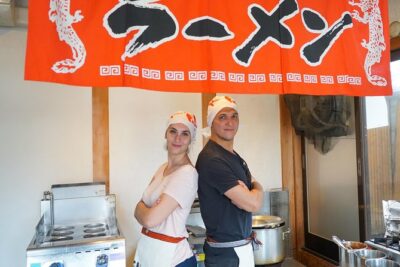
Ramen Cooking Class at Ramen Factory in Kyoto
Read our review →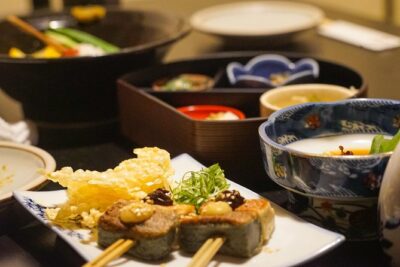
Kyoto Night Foodie Tour in Gion (9+ dishes + 6 Sake tastings)
Read our review →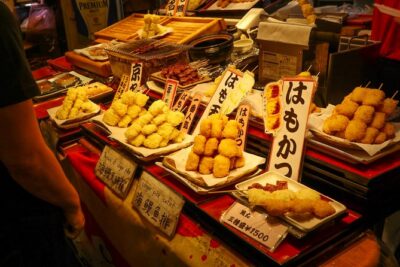
Nishiki Market Brunch Walking Tour (7 Tastings + Brunch)
Read our review →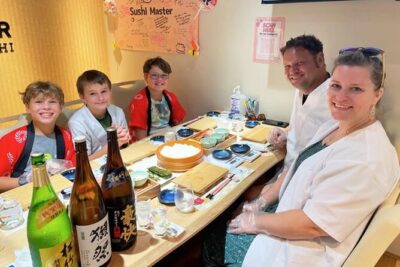
Sushi Making in Kyoto! Same-day bookings welcome!
Read our review →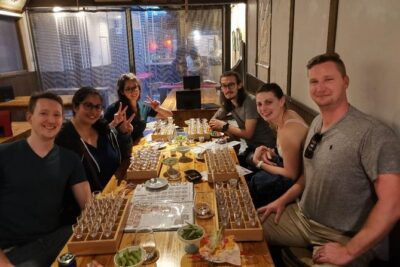
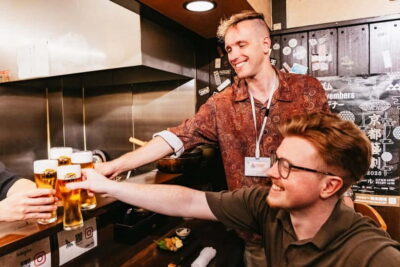
Kyoto Night All-Inclusive Eats and Streets, Gion and Beyond
Read our review →
Ramen Cooking Class at a Ramen Factory with Souvenir
Read our review →
Browse the lists this tour appears in