REVIEW · KYOTO FOOD TOURS
Kyoto: Ramen, Gyoza, and Onigiri Cooking Class
Come hungry, leave with recipes. This 90-minute Kyoto cooking class packs three Japanese favorites into one lively lesson: ramen with homemade broth, pan-fried gyoza, and neatly shaped onigiri. I like that the class focuses on broth you can actually recreate at home, not on making noodles from scratch with hard-to-find equipment. I also like the small groups, friendly English-speaking instructors, and the fact that you eat the food you prepare.
The main caution is the dietary policy. The class cannot accommodate vegan, pescatarian, gluten-free, or other special diets. The listed vegetarian option replaces pork with tofu, but other ingredients remain the same, so you should check the ingredients carefully before booking.
The best parts of the class at a glance
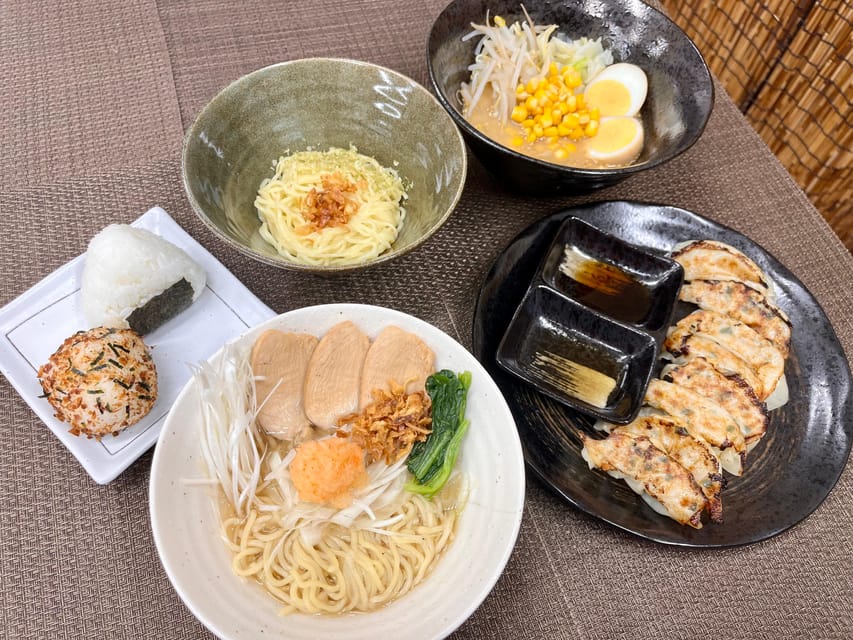
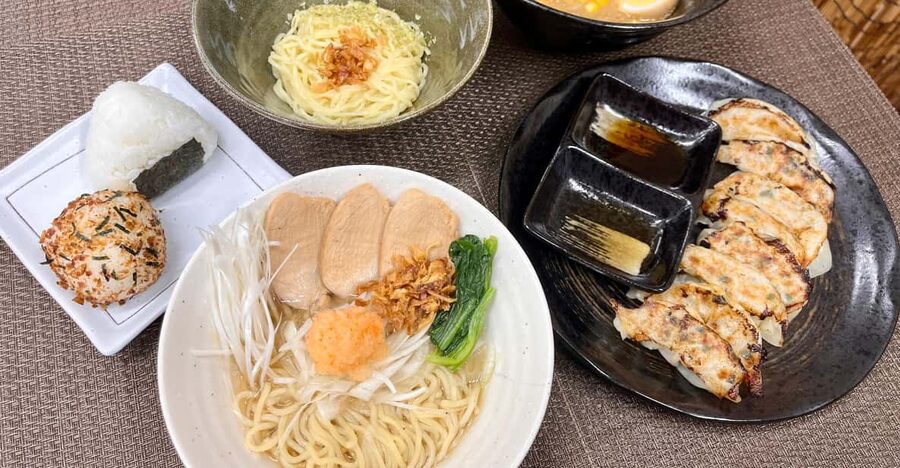
- Two ramen styles in one lesson: Prepare miso ramen and shoyu ramen with separate broths and simple toppings.
- A useful broth lesson: Learn a practical soup method using ingredients such as soy sauce, miso, garlic, ginger, sesame oil, and chicken stock powder.
- Gyoza folding made simple: Practice filling, sealing, and shaping dumplings before pan-frying them.
- Onigiri you can repeat at home: Learn how to season rice and form tidy Japanese rice balls.
- Small-group attention: The class is limited to eight people, and several sessions have had multiple instructors helping at each station.
- A full meal for $90: You receive the food you cook, recipes for ramen and gyoza, coffee or tea, and a hands-on introduction to everyday Japanese cooking.
What happens during the 90-minute Kyoto class
This is a quick class, but it is not a sit-back demonstration. You work through several dishes in a tightly planned order, with ingredients and equipment ready at the cooking stations.
The class covers two kinds of ramen, gyoza, and onigiri. Some sessions have finished the cooking in about an hour, leaving time to sit down and eat. That pace is part of the appeal, but you should expect the lesson to move briskly.
The ingredients are measured and prepared in advance. That keeps the class on schedule and makes it easier to follow the English instructions. It also means this is more of a guided cooking workshop than a full lesson in shopping, weighing, trimming, and preparing every ingredient from scratch.
For a first Japanese cooking class, that is a sensible trade. You spend your time learning techniques that matter most: balancing broth, seasoning fillings, folding gyoza, and shaping rice.
More Cooking Classes in Japan
- Ramen Cooking Class at Ramen Factory in Kyoto
★ 5.0 · 1,937 reviews - Kyoto: Ramen Cooking Class at a Ramen Factory with Souvenir
★ 4.9 · 532 reviews - The Original Small-Group Sushi Making Class in Kyoto
★ 5.0 · 436 reviews
Starting with ramen broth
The ramen portion focuses on the soup rather than homemade noodles. That is a practical choice because ramen noodles are usually easier to buy than a good soup base. You learn how to build flavor with accessible seasonings and stock ingredients rather than relying only on an instant packet.
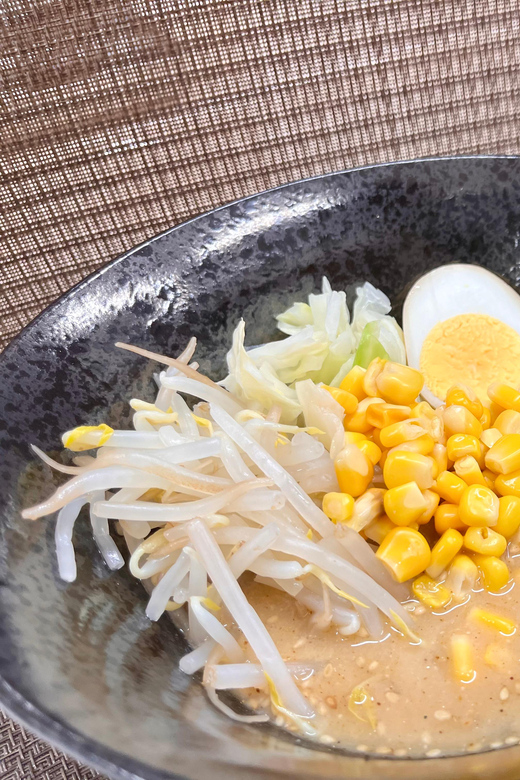
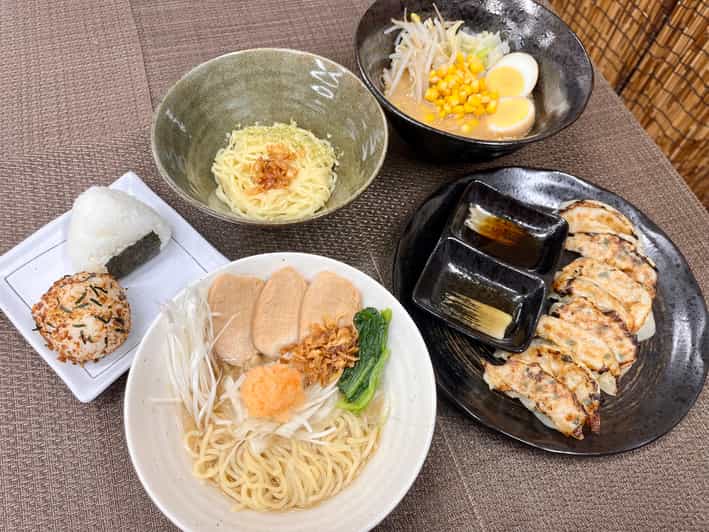
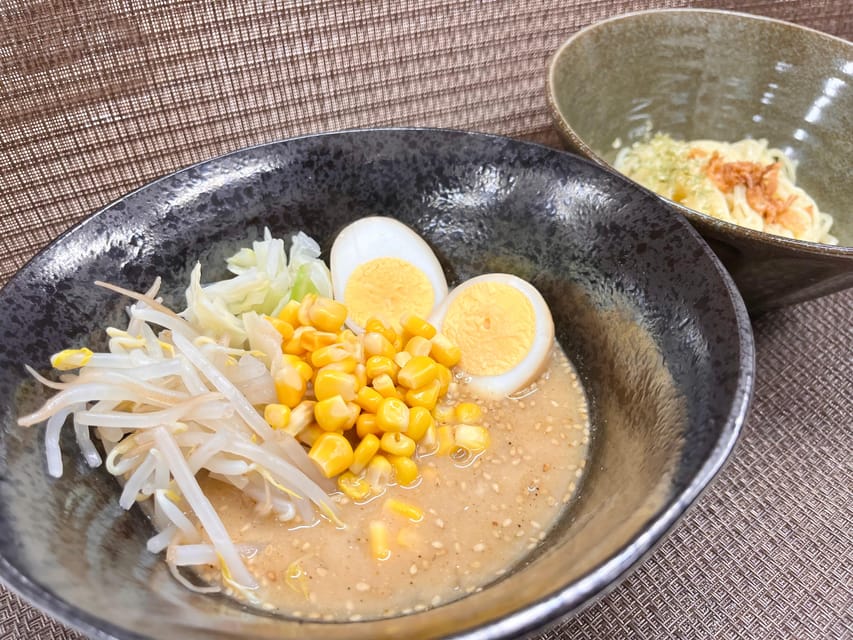
The two versions are miso ramen and shoyu ramen. The miso broth is paired with boiled egg, bean sprouts, green onions, and sweet corn. The shoyu version comes with chicken, bamboo shoots, and green vegetables.
This also teaches a useful Japanese cooking principle: strong toppings do not need to compete with a well-seasoned broth. The toppings are fairly simple, allowing you to notice the difference between the miso and soy sauce bases.
The ingredient list includes chicken stock powder, oyster sauce, sesame oil, soy sauce, garlic, ginger, lard, mirin, black pepper, miso, butter, ground pork, onion, fish powder, chili oil, chives, cabbage, cooking sake, and salt and pepper. If you want to repeat the recipes at home, pay close attention to these ingredients. Several are animal-based, and oyster sauce and fish powder matter for anyone avoiding seafood.
The class does not make ramen noodles. That is worth knowing before you book. If your goal is noodle production, this is not the right activity. If your goal is learning a usable ramen broth, it is a much better fit.
Folding and cooking the gyoza
Gyoza is where the class becomes especially hands-on. You work with a filling that balances ground meat, vegetables, and seasonings, then learn how to place the filling, fold the wrapper, and seal the edges.
The shape may look difficult when you first see a neatly pleated dumpling. In practice, the class breaks it into manageable steps. The instructors guide you through the amount of filling and the sealing technique so the dumplings hold together in the pan.
This is one of the most useful skills from the class because gyoza is easy to make in batches once you understand the method. It is also a fun group task. You can compare your shapes, improve with each dumpling, and then eat the results while they are freshly cooked.
The vegetarian menu replaces pork with tofu. It is not a fully flexible menu, though. The class says other ingredients remain the same, so the vegetarian option may still include ingredients that do not suit vegans, pescatarians, people avoiding seafood, or anyone with other restrictions.
Shaping onigiri
Onigiri are Japanese rice balls, often eaten as a quick snack or lunch. The class shows you how to season and shape them so they hold together neatly.
This sounds simple, and that is part of its value. Onigiri is an easy dish to repeat at home, especially when you want a quick alternative to sandwiches. The class turns a basic rice preparation into something you can pack, share, and vary with different fillings.
The shape also gives the session a pleasant change of pace. After working with hot broth and folding dumplings, forming rice balls is quieter and more tactile. The finished meal includes all three dishes, so you get a chance to see how noodles, dumplings, and rice fit together in an everyday Japanese meal.
More Cooking Classes in Kyoto
- Kyoto: Ramen Bowl Painting and Michelin Cooking Class
★ 4.9 · 96 reviews - Kyoto: Sushi Making Class with Sushi Chef
★ 4.8 · 64 reviews - Nishiki Market Food Tour with Cooking Class
★ 4.9 · 42 reviews
The teaching style and group size
The class is limited to eight participants, which makes a real difference in a short lesson. In several sessions, three instructors helped a group of three, while other classes had around eight people with assistants moving between stations.
Nori is one of the instructors frequently named by participants. He is described as funny, clear, and encouraging, with a teaching style that includes brief explanations of dish origins and Japanese food culture. Kairi, Aoi, Minori, Ayuna, Riho, Mia, and Kiara are also among the staff mentioned in connection with different sessions.
The strongest part of the teaching is the balance between help and independence. You are not simply watching a chef do everything. At the same time, staff are close enough to correct a fold, explain a seasoning, or help you keep pace.
The English instruction is designed for visitors. Several people have specifically appreciated the clear explanations and the chance to ask questions about cooking and Japanese culture. That makes this a good choice if you want more than a recipe card but do not speak Japanese.
The class also seems well suited to families with teenagers. The official requirement says participants must be 13 or older and able to cook independently without staff assistance. Some past participants attended with younger children, but you should follow the stated age requirement when planning your booking.
The food, portion size, and final meal
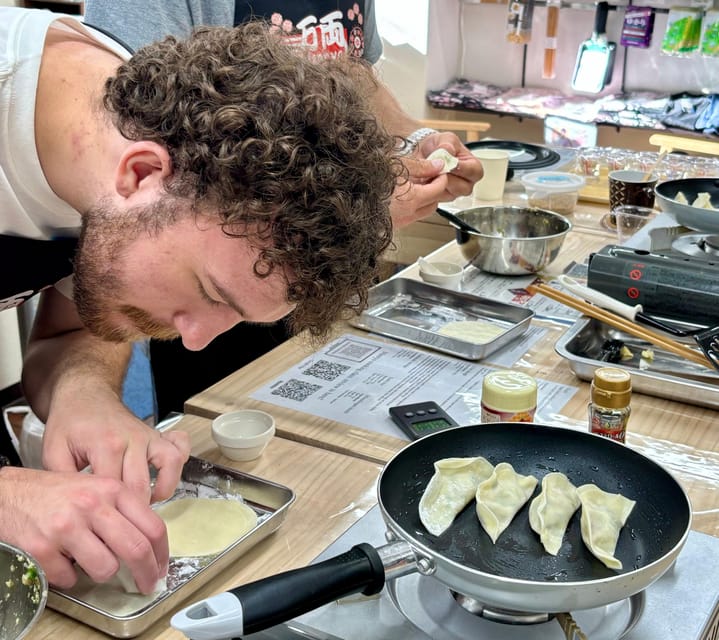
You eat the food you make at the end of the class. That sounds obvious, but it changes the feel of the experience. You are not cooking small samples for a quick taste. The portions have been described as generous, and several people recommend arriving hungry.
The meal includes two ramen bowls, gyoza, and onigiri. That is a lot of food for a 90-minute activity, especially if you have already eaten breakfast or plan to visit another restaurant soon afterward.
The final meal also gives you a practical test of the recipes. You can taste the miso and shoyu broths side by side, see how the simple toppings work, and judge the texture of your gyoza. If something needs more seasoning or a better seal, you learn that before trying it at home.
Coffee and tea are included. Beer may be available for purchase after the meal, but it is not included in the class price.
Is $90 a good value in Kyoto?
At $90 per person, this is not the cheapest way to eat ramen in Kyoto. You could buy several bowls of ramen for that amount. The value comes from the instruction, the meal, the small group, and the recipes you can use after the trip.
I think the price makes sense if you enjoy cooking or want a structured food activity rather than another restaurant meal. You are learning four preparations in one session, and the recipes use ingredients you can generally find outside Japan. The class also saves you the trouble of buying a long list of ingredients for a one-time attempt.
The value is weaker if you mainly want to eat Japanese food or watch a professional chef. The ingredients are pre-portioned, and the class does not cover noodle-making. It is best understood as a practical introduction to popular Japanese home-style dishes, not advanced culinary training.
For families, couples, and small groups, the price also buys a shared activity. The class gives you something to talk about and repeat at home, rather than ending when the meal is finished.
Finding the classroom near Sanjo Keihan
The classroom is in the basement level, B1, of the Life Building. It is not directly on the main street. The entrance is one street back, so check the location on Google Maps before you go.
Search for Manryo cooking class rather than relying only on the building name. If you take a taxi, the recommended landmark is the Family Mart at Sanjo Keihan. From there, the classroom is about a two-minute walk.
This is a place where arriving early pays off. One participant found the small side street easy to miss and recommended arriving about 10 minutes before the start. Comfortable shoes and comfortable clothes are the only items specifically requested.
There is no hotel pickup or drop-off. The classroom is also not suitable for wheelchair users, and the activity is not recommended for people with recent surgeries.
Who will enjoy this Kyoto cooking class?
I would choose this class for you if you want:
- A short food activity between sightseeing stops
- Recipes you can make after returning home
- A friendly English-speaking lesson
- A small group rather than a large demonstration
- A meal that is filling enough to replace lunch or dinner
- A hands-on introduction to several Japanese staples
- A family activity for participants who meet the age requirement
It is especially good for first-time cooks because the instructions are clear and the ingredients are prepared in advance. You do not need to worry about buying specialist equipment or measuring every ingredient from scratch.
It also suits experienced home cooks who want to understand the structure of ramen broth or improve their gyoza folding. The lesson is not advanced, but it gives you a useful framework for experimenting later.
I would not book it if you need vegan, gluten-free, pescatarian, halal, or another special menu unless the provider confirms a suitable arrangement directly. The published policy says no special diets can be accommodated, and the vegetarian menu only swaps pork for tofu.
A few practical details before you reserve
The experience costs $90 per person and lasts 90 minutes. English is the listed language, and the group size is limited to eight.
Only one reservation is allowed per group. Multiple bookings under the same name for the same or different dates can be canceled, since they hold places that other people might need.
Everyone entering the classroom must be taking part in the class. If you reserve places for five people, only those five participants may enter. This matters if you are considering bringing a non-cooking companion.
Cancellation is free up to 24 hours in advance, and the activity offers reserve-now, pay-later booking. Check the available start times when choosing your date.
Should you book the ramen, gyoza, and onigiri class?
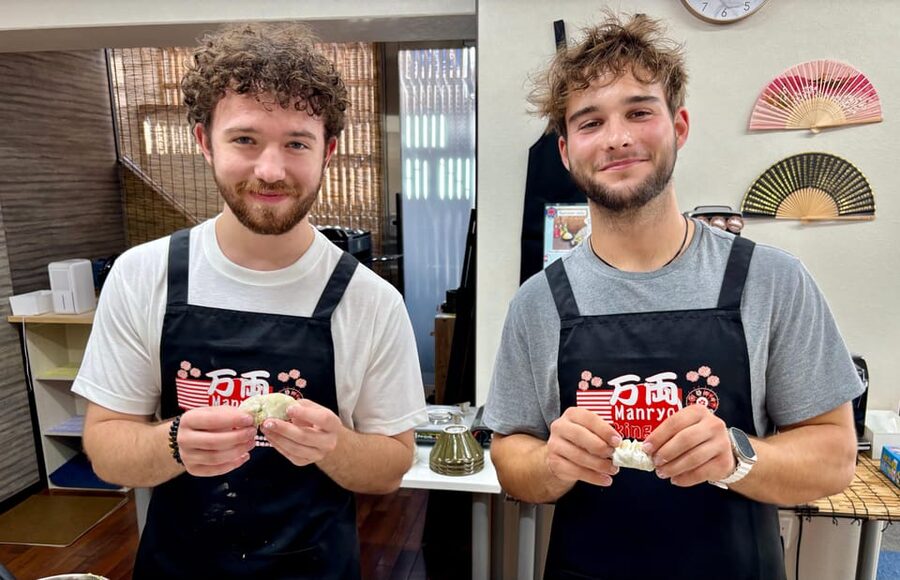
Yes, if you want a compact, social cooking lesson with a full meal at the end. The best reasons to book are the small groups, clear English instruction, practical broth recipes, and the chance to make several dishes in one sitting.
I would give it a pass if you are looking for handmade noodles, advanced technique, or a menu tailored to allergies and special diets. Otherwise, this is a strong Kyoto choice for a late morning, lunch, or early evening activity. Arrive 10 minutes early, skip the large breakfast, and bring enough appetite for two ramen styles, gyoza, and onigiri.
FAQ
How long does the Kyoto ramen cooking class last?
The class lasts 90 minutes. Some sessions have completed the cooking in about an hour, followed by time to eat the food prepared during the lesson.
What dishes will I make?
You will make miso ramen, shoyu ramen, gyoza, and onigiri. The class focuses on ramen broth and does not include making ramen noodles.
Are the instructors fluent in English?
English is the listed language, and the instructors provide cooking explanations in English. Staff members named in connection with sessions include Nori, Kairi, Aoi, Minori, Ayuna, Riho, Mia, and Kiara.
Is a vegetarian menu available?
Yes. The vegetarian option replaces pork with tofu, but the other ingredients remain the same. It is not a vegan menu.
Can the class accommodate vegan, pescatarian, or gluten-free diets?
No. The class cannot accommodate vegan, pescatarian, gluten-free, or other special diets.
Where is the cooking classroom?
The classroom is on B1 of the Life Building. It is one street away from the main road. From the Family Mart at Sanjo Keihan, it takes about two minutes on foot. Search for Manryo cooking class on Google Maps.
What is included in the price?
The price includes English-speaking instructors, ingredients, equipment, the food you prepare, recipes for ramen and gyoza, and free coffee and tea. Hotel transportation is not included.
More Workshops in Kyoto
- Sushi Making Tokyo Roll and Authentic Japanese Sushi Class
★ 5.0 · 3,971 reviews - Authentic Pizza Making Class in Naples with Appetizers and Drink
★ 5.0 · 3,178 reviews - Tokyo: Roll and Authentic Sushi Making Class in Asakusa
★ 4.9 · 1,957 reviews - Small Group Cooking Class & Market Food Tour in Florence
★ 5.0 · 1,574 reviews
More Sushi and Ramen Tours in Kyoto
- Sushi Making in Kyoto! Same-day bookings welcome!
★ 5.0 · 713 reviews - Kyoto: Small-Group Authentic Sushi Making Workshop
★ 5.0 · 137 reviews - Kyoto Michelin Ramen Workshop or Painting Ramen Essentials
★ 4.9 · 100 reviews
Just added in Kyoto
- Kyoto: Sushi Making Class with Sushi Chef★ 4.8 · 64 reviews
- Nishiki Market Food Tour with Cooking Class★ 4.9 · 42 reviews
- Kyoto: Small-Group Authentic Sushi Making Workshop★ 5.0 · 137 reviews
- Kyoto: Sake Brewery and Tasting Tour in Fushimi★ 4.8 · 55 reviews
- Kyoto Evening Gion Food Tour★ 4.9 · 35 reviews
- Kyoto: Foodie Night Tour in Gion with 9 dishes + 6 Sake★ 4.4 · 26 reviews
- Kyoto: Nishiki Market Tour with a Local Foodie & Tastings★ 4.5 · 67 reviews
- Kyoto: Nishiki Market Food Tour★ 4.9 · 21 reviews
Cooking Classes, compared.
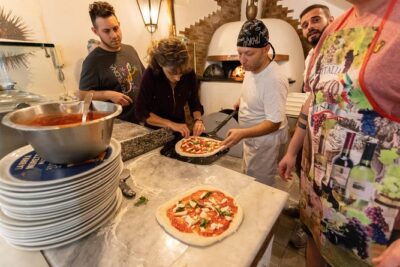
Authentic Pizza Making Class in Naples with Appetizers and Drink
Read our review →
Roll and Authentic Sushi Making Class in Asakusa
Read our review →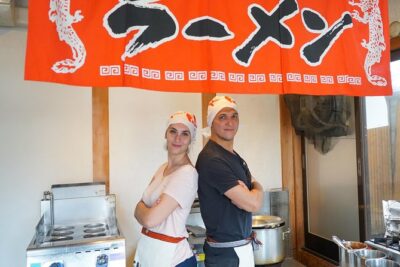
Ramen Cooking Class at Ramen Factory in Kyoto
Read our review →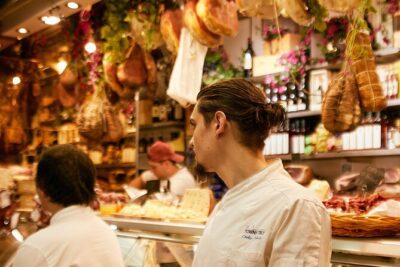
Small Group Cooking Class & Market Food Tour in Florence
Read our review →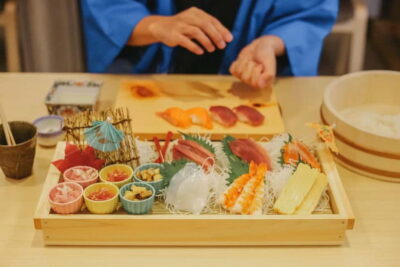
Sushi Making Class in a Happi Coat near a Famous Spot
Read our review →
Tokyo Sushi Making Class in Tsukiji with Professional Chef
Read our review →
Food Market Visit and Cooking Class with Wine
Read our review →