
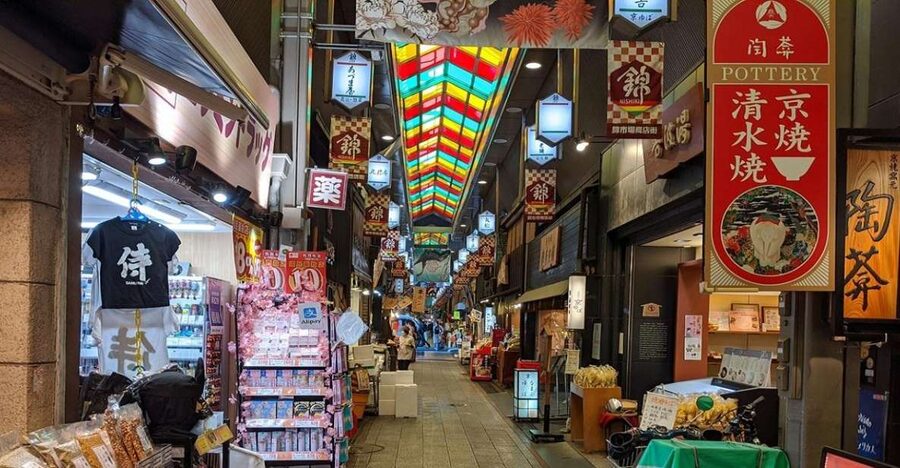
REVIEW · KYOTO FOOD TOURS
Kyoto: Nishiki Market Food Tour
Come hungry, leave curious. This three-hour walk through Nishiki Market gives you a friendly way to taste Kyoto beyond the usual restaurant menu, with visits to about 10 family-run vendors, seasonal food, tea, and a market lunch. I especially like the small group size, capped at eight, and the chance to meet local shop owners rather than simply stroll past their counters.
I also like that the tour explains why Japanese food changes with the seasons, instead of treating the market as a string of random samples. The main drawback is the price: at $173 per person, this is not a cheap snack crawl. You are paying for a guide, structure, cultural context, and a meal-sized tasting session, so it makes the most sense if you want help ordering and understanding what you eat.
Key points at a glance
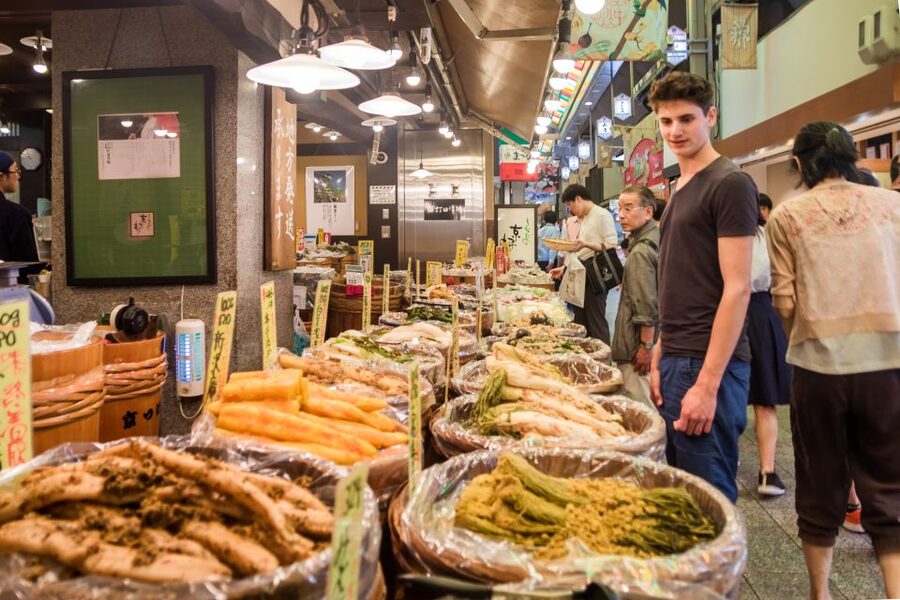
- About 10 market vendors: You move through several family-owned shops and stalls, tasting local snacks, seafood, seasonal ingredients, and specialty foods.
- A proper three-hour introduction: The tour combines walking, food tastings, lunch, tea, shopping time, and explanations of Japanese cuisine.
- Small group of up to eight: This is a more personal format than a large coach-style food tour, with room to ask questions.
- English-speaking guides: Guides including Raquel, Sanae, Sae, Marie, Ida, Kohei, and Rosalia Yoshiko have been praised for warmth, clear explanations, and useful food tips.
- Central meeting point: Meet in front of Lacoste near Kawaramachi Station. Hankyu Line passengers should use Exit 9.
- Plan for walking and tasting: Wear comfortable shoes, report allergies in advance, and remember that extra food, drinks, transport, and gratuity cost more.
Why Nishiki Market works so well for a food tour
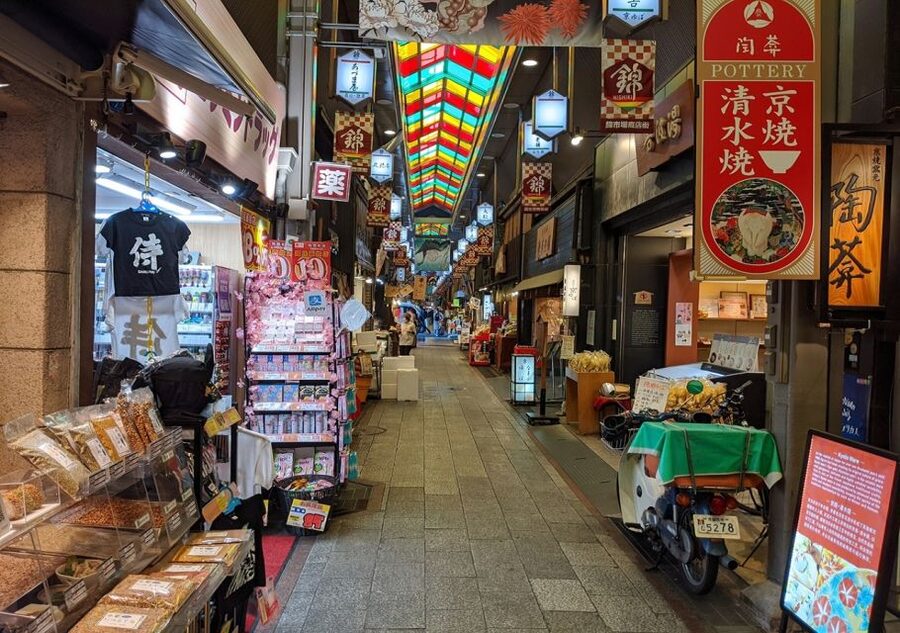
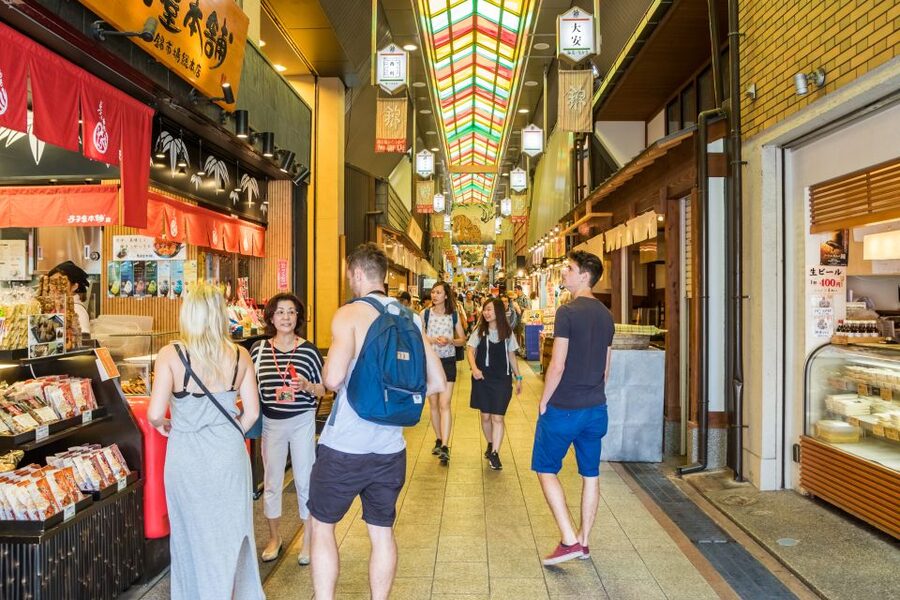
Nishiki Market is often called the Kitchen of Kyoto, and the name fits. Its centuries-old shopping passage brings together seafood, pickles, tea, sweets, prepared snacks, and ingredients used in home cooking. You are not visiting one restaurant with a fixed menu. You are moving through a working food district where each counter has its own specialty.
That matters because Japanese cuisine can be hard to read at first glance. A neatly arranged shopfront may display ingredients you do not recognize, and a snack may look familiar until you taste it. With an English-speaking guide beside you, you can get a plain explanation before taking a bite.
The market also gives you a quick lesson in seasonality. The food changes through the year, and the tour places that idea at the center of the visit. Seasonal produce, fresh seafood, pickled vegetables, sweets, and roasted tea show how Japanese cooking pays close attention to freshness, timing, and presentation.
I like this approach more than a tour that simply hands you a list of famous dishes. You get a sense of how ingredients connect to daily life in Kyoto. The experience also explains the cultural value of Japanese cuisine and its UNESCO recognition, giving the food a larger context without turning the walk into a classroom lecture.
More Market Food Tours in Japan
- Nishiki Market Brunch Walking Tour (7 Tastings + Brunch)
★ 5.0 · 1,355 reviews - Kyoto Nishiki Market Food and Culture Walking Tour
★ 5.0 · 412 reviews - Kyoto: Local Food Tasting Tour at the Nishiki Market
★ 4.7 · 135 reviews
Starting near Kawaramachi Station
The meeting point is in front of Lacoste at Naramonochi 375, on Shijo-dori near Kawaramachi. From the Hankyu Line, get off at Kawaramachi Station and use Exit 9. This is a useful central location, but give yourself enough time to find the exact spot on a busy shopping street.
There is no hotel pickup included. You need to reach the starting point on your own, and transportation costs are not covered. That is easy enough if you are already sightseeing around Kawaramachi, but less convenient if your hotel is elsewhere in Kyoto.
Once the group gathers, the guide sets the rhythm for the morning or afternoon. Since the group is limited to eight people, you should have a better chance to hear explanations and ask about unfamiliar ingredients. The minimum booking is two people, so this is not designed as a solo drop-in activity.
Walking through about 10 family-owned vendors
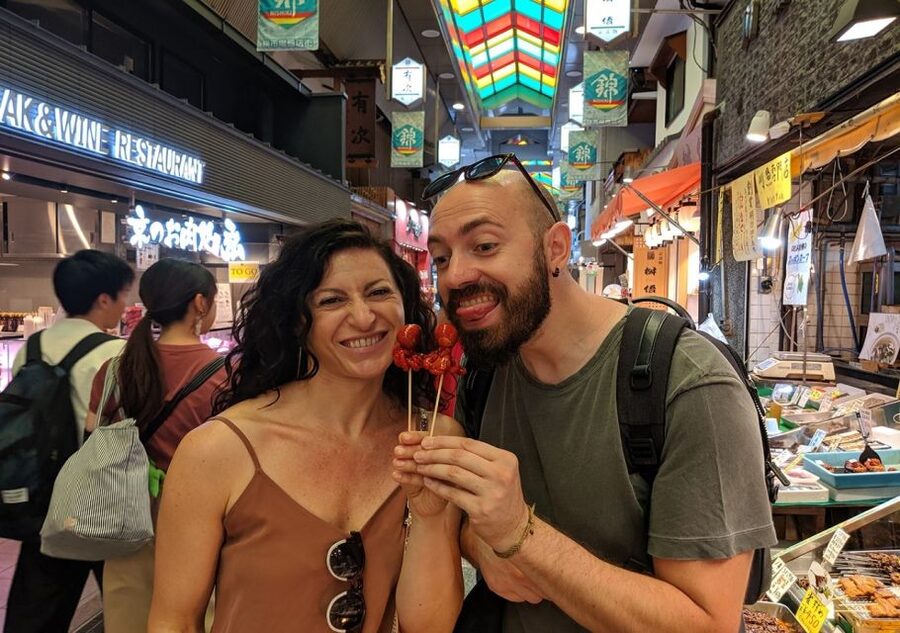
The main pleasure of the tour is the movement from one small food stop to the next. You visit around 10 vendors, with each stop offering a different look at Kyoto’s food culture. Expect a mix of local snacks, seasonal products, fresh seafood, and specialty items.
The exact foods can change, which is a good thing here. A fixed tasting menu would miss the point of Nishiki Market. The market is shaped by the season, and the guide can point out what is especially good or relevant during your visit.
The atmosphere is part of the meal. You will notice the smell of grilled seafood and sizzling skewers, the earthy notes of pickled vegetables, the warm scent of roasted tea, and rows of carefully arranged sweets. The displays are made to catch your eye, but the guide helps you look past appearance and understand what the products are used for.
Several stops are family-run shops. That gives the experience a more personal feel than eating only at a restaurant selected for tourists. You may learn how a product is prepared, why it matters in Kyoto, or how local shoppers use it at home. The tour places value on those small explanations, and that is where much of the cost is justified.
You should also expect to eat in small portions rather than receive one large plate at every stop. The advantage is variety. You can try more kinds of food without committing to a full serving of something unfamiliar.
Seafood, snacks, pickles, sweets, and tea
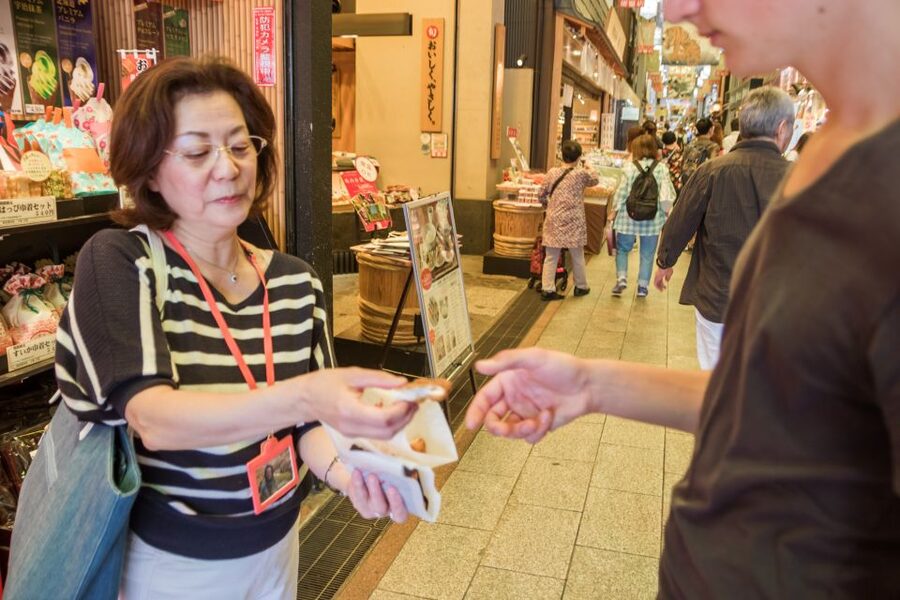
Fresh seafood is one of the main draws. You may encounter grilled seafood or other market specialties, with the guide explaining what you are tasting and how it fits into local food traditions. If seafood is important to you, this tour gives you a stronger reason to choose a guided visit instead of a general market walk.
Local snacks add a more casual side. These may be the sort of foods you would pass by because the name or appearance is unfamiliar. A guide can tell you what to expect before you taste it, which removes some of the guesswork.
Pickled vegetables show another side of Japanese cooking. They are not just colorful side dishes. They reflect the long Japanese habit of preserving seasonal produce and balancing a meal with sharp, salty, or earthy flavors. Even if you do not normally seek out pickles, this is a useful chance to understand their place on the table.
Tea is included, adding a quieter pause among the market stalls. Hand-roasted tea is part of the sensory experience described for the tour, and it helps link the market’s ingredients to Kyoto’s everyday food customs. Sweets also appear along the route, giving you a change of texture and flavor after seafood and savory samples.
One past participant became a particular fan of dried bonito after trying it with the guide. That detail captures the spirit of the tour well: you may arrive expecting the obvious market bites and leave with a new favorite ingredient you had never considered.
More Market Food Tours in Kyoto
- Kyoto: Nishiki Market and Depachika Food Tour with a Local
★ 4.7 · 76 reviews - Kyoto: Nishiki Market Tour with a Local Foodie & Tastings
★ 4.5 · 67 reviews - Nishiki Market Food Tour with Cooking Class
★ 4.9 · 42 reviews
The included lunch gives the tour more substance
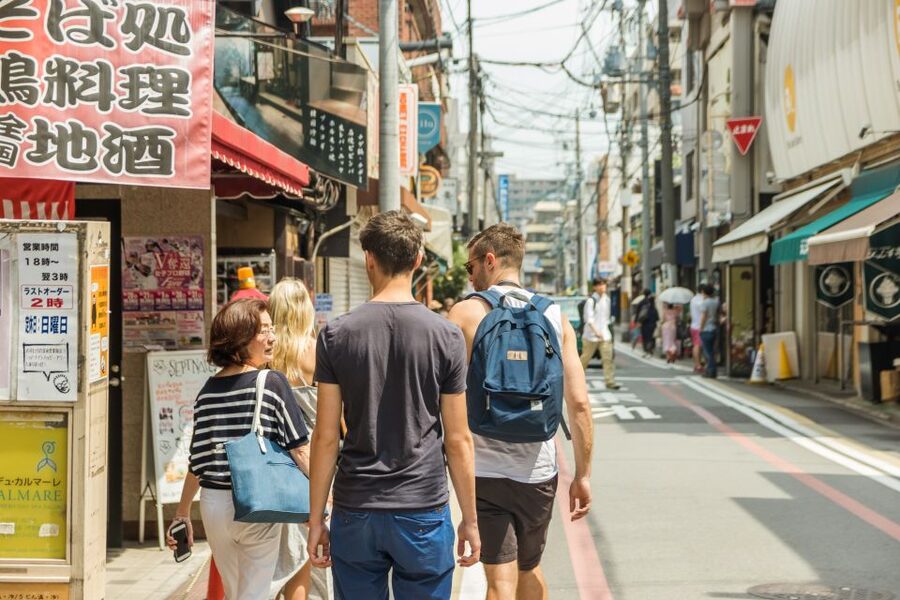
The tour includes a seasonal and regional lunch, along with the market tastings. That is important when judging the $173 cost. You are not paying for three hours of tiny samples alone. The experience is meant to function as both a food introduction and a meal.
Earlier descriptions of the experience also highlight a traditional lunch setting. The exact restaurant and dishes may depend on the day and season, so you should not expect a fixed menu. That flexibility works in the market’s favor, though anyone with a strict preference for particular dishes should ask ahead.
The lunch also breaks up the walking. Three hours around food stalls can feel rushed if you are constantly eating on your feet. A proper meal gives you time to sit, talk, and reflect on what you have tasted.
Still, keep your expectations sensible. The tour includes lunch and tastings, but additional food and drinks are not covered. If you see something else you want to try or buy, you pay for it yourself. That shopping time is useful, but it can also make the final cost rise.
The guide can make or break the experience
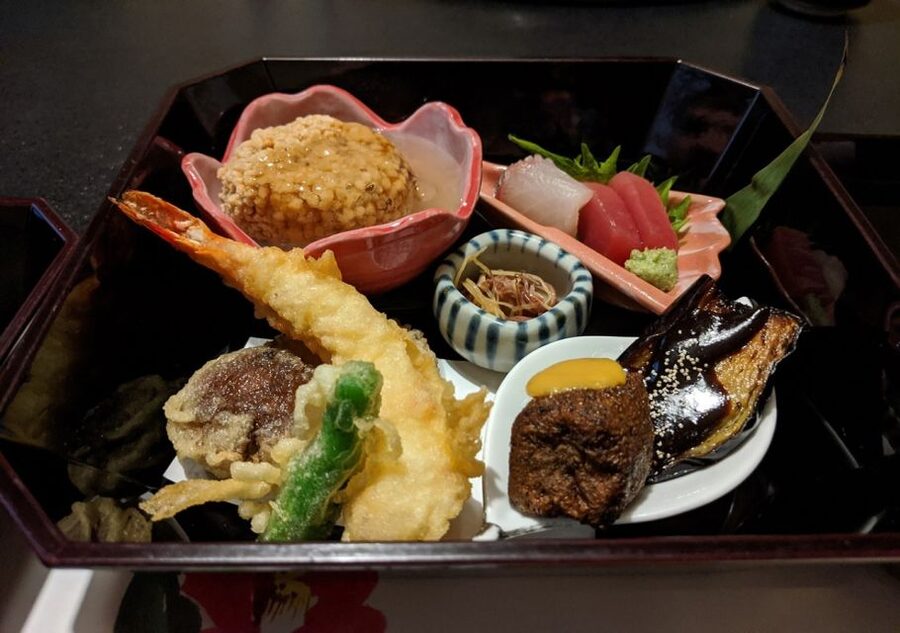
The strongest part of this tour is the guide-led interpretation. Names associated with especially warm and helpful visits include Raquel, Sanae, Sae, Marie, Ida, Kohei, and Rosalia Yoshiko. Their reported strengths differ slightly, but the pattern is clear: good guides make the market easier to understand and more enjoyable to navigate.
Sanae was praised for bringing historical context to the food stops. Sae was remembered for encouraging a full tasting experience and explaining what the group was eating. Marie was valued for pairing food knowledge with extra suggestions for places to eat and visit in Kyoto.
Raquel was described as professional, pleasant, and attentive to the group’s experience. Ida made the market easy to follow, while Rosalia Yoshiko offered useful hints and stories. Kohei was warmly regarded for his preparation and international outlook, although one useful criticism suggested that the food explanations could have been stronger from the perspective of a daily local shopper.
That last point is worth noting. A guide’s personality and background can shape the tour. You will likely get a warm, accessible introduction, but the depth of food detail may vary from one guide to another. If you are a serious food student, you may want to ask especially detailed questions rather than wait for every answer to be volunteered.
The English-language format is best for visitors who want cultural explanations while they eat. It is not simply a guided route through the market. The guide helps with context, ordering, and the small social details that can otherwise be easy to miss.
What the $173 price really covers
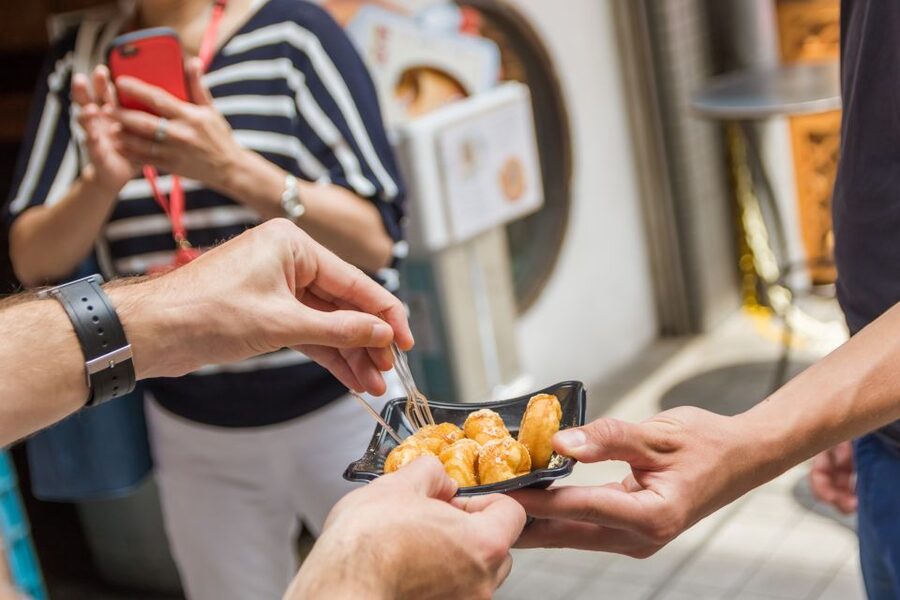
At $173 per person, this tour belongs in the paid food-experience category, not the casual market snack category. If you only want to wander Nishiki Market and buy a few bites, you can spend much less by going independently.
The value appears when you add up what is included: three hours with an English-speaking guide, a small group of no more than eight, tastings at around 10 vendors, a seasonal regional lunch, Japanese tea, cultural explanations, and time to shop. You are also paying for the convenience of not having to guess what each stall sells.
I would consider it good value for a first visit to Kyoto if food is a major part of your trip. It is less attractive for repeat visitors who already know Nishiki Market well and feel comfortable choosing dishes on their own.
The price may also work better if you share the tour with someone who likes asking questions and trying unfamiliar foods. A quiet group that wants only to eat may not get as much from the explanations. This is a social, guided experience, not a private tasting menu.
Practical details that matter
Wear comfortable shoes. You will walk through the market and nearby streets for three hours, and the food stops do not remove the need to stay on your feet.
Tell the operator about food allergies and dietary requirements before the tour. The market includes a wide range of ingredients, and advance notice gives the guide a better chance to help you make sensible choices. The provided details do not promise that every dietary need can be accommodated, so be specific when you book.
Bring a little flexibility for extra purchases. Additional food and drinks are not included, and Nishiki Market is full of items that may catch your eye. Shopping time is part of the experience, but it is optional spending.
Gratuity is not included. Hotel pickup is also excluded and can be arranged for an additional charge. You must provide a copy of passport information for every participant aged 10 and over.
Cancellation is free up to 24 hours before the tour for a full refund, and you can reserve now and pay later. Starting times vary, so check availability for your date before making other plans.
Who should book the Nishiki Market tour?
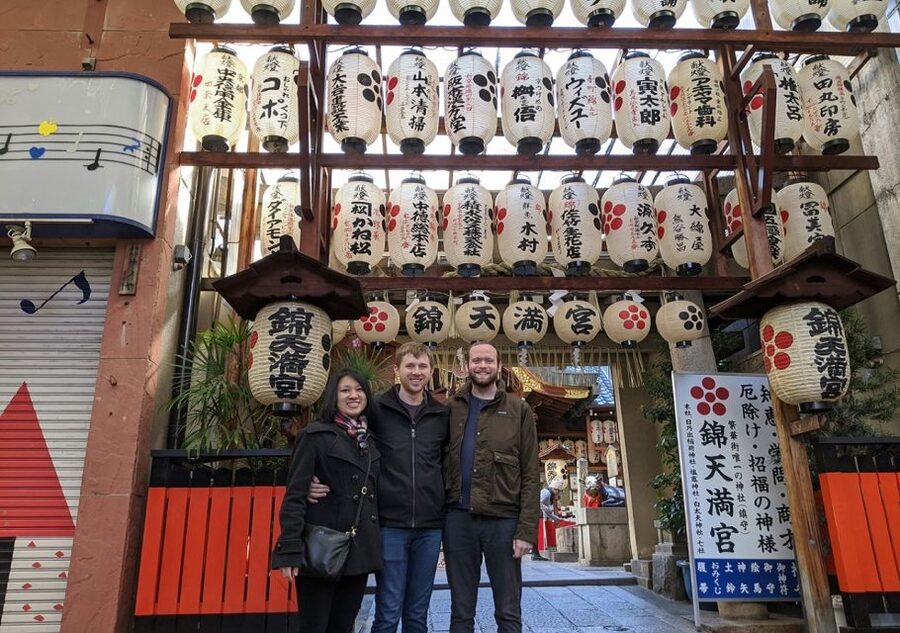
I would recommend it to first-time visitors who want a clear, friendly introduction to Kyoto food. It suits couples, families with older children, and small groups who would rather taste several foods with guidance than study the market alone.
It is also a good match if you are nervous about unfamiliar seafood, pickles, tea, or specialty snacks. The guide gives you a sense of what you are trying and why it matters, which makes the experience less intimidating.
You may want to skip it if you are on a tight budget, dislike group tours, or have already spent a lot of time exploring Nishiki Market independently. It may also disappoint you if you expect a fixed list of famous dishes. The appeal lies in seasonal variety and local context, not in checking off a guaranteed menu.
Should you book it?
Book this tour if you want food, stories, and guidance in one compact Kyoto experience. The small group, included lunch, tea, and visits to family-owned vendors give it more substance than a simple tasting walk.
At $173, it is a considered purchase. I would book it early in a Kyoto trip, so you can use the guide’s food suggestions for later meals and return to the market with more confidence. If you are already an experienced Nishiki Market visitor, spend your money on individual tastings instead.
FAQ
How long is the Nishiki Market food tour?
The tour lasts three hours.
Where does the tour meet?
The meeting point is in front of Lacoste at Naramonochi 375, Kyoto. From Hankyu Kawaramachi Station, use Exit 9.
How many people are in the group?
The group is limited to eight participants.
What food and drinks are included?
Seasonal and regional lunch, market tastings, and Japanese tea are included. Additional food and drinks are not included.
Is hotel pickup provided?
Hotel pickup is not included. It can be arranged for an additional charge.
What language is the tour offered in?
The live guide leads the tour in English.
What should I do if I have a food allergy or dietary requirement?
Inform the tour provider about allergies or dietary requirements in advance. You should also wear comfortable shoes for the walking portion.
More Shopping Tours in Kyoto
- Chef Guided Food Tour of Pike Place Market
★ 5.0 · 3,733 reviews - Tokyo Tsukiji Fish Market Food and Culture Walking Tour
★ 5.0 · 3,184 reviews - London Bridge & Borough Market Food Tour with 7 Authentic Dishes
★ 5.0 · 1,972 reviews - Pike Place Market Tasting Tour
★ 5.0 · 1,696 reviews
Just added in Kyoto
- Kyoto: Sushi Making Class with Sushi Chef★ 4.8 · 64 reviews
- Nishiki Market Food Tour with Cooking Class★ 4.9 · 42 reviews
- Kyoto: Small-Group Authentic Sushi Making Workshop★ 5.0 · 137 reviews
- Kyoto: Sake Brewery and Tasting Tour in Fushimi★ 4.8 · 55 reviews
- Kyoto Evening Gion Food Tour★ 4.9 · 35 reviews
- Kyoto: Foodie Night Tour in Gion with 9 dishes + 6 Sake★ 4.4 · 26 reviews
- Kyoto: Nishiki Market Tour with a Local Foodie & Tastings★ 4.5 · 67 reviews
- Kyoto: Casual Pontocho Evening Food Tour★ 4.8 · 31 reviews
Market Food Tours, compared.

Tokyo Tsukiji Fish Market Food and Culture Walking Tour
Read our review →
London Bridge & Borough Market Food Tour with 7 Authentic Dishes
Read our review →
Small Group Cooking Class & Market Food Tour in Florence
Read our review →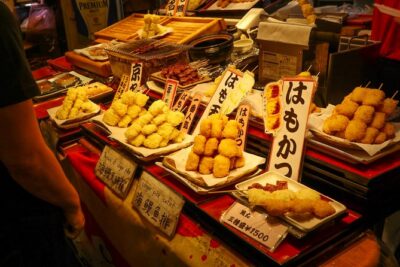
Nishiki Market Brunch Walking Tour (7 Tastings + Brunch)
Read our review →
Bologna Food & Market Tour with 6 Tastings, Pasta, Wines & More
Read our review →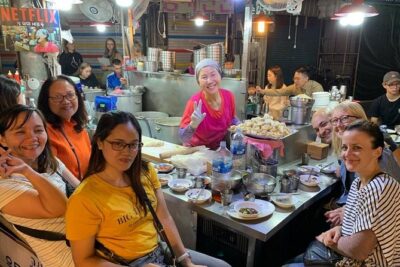
Browse the lists this tour appears in