
REVIEW · KYOTO FOOD TOURS
Kyoto: Small-Group Authentic Sushi Making Workshop
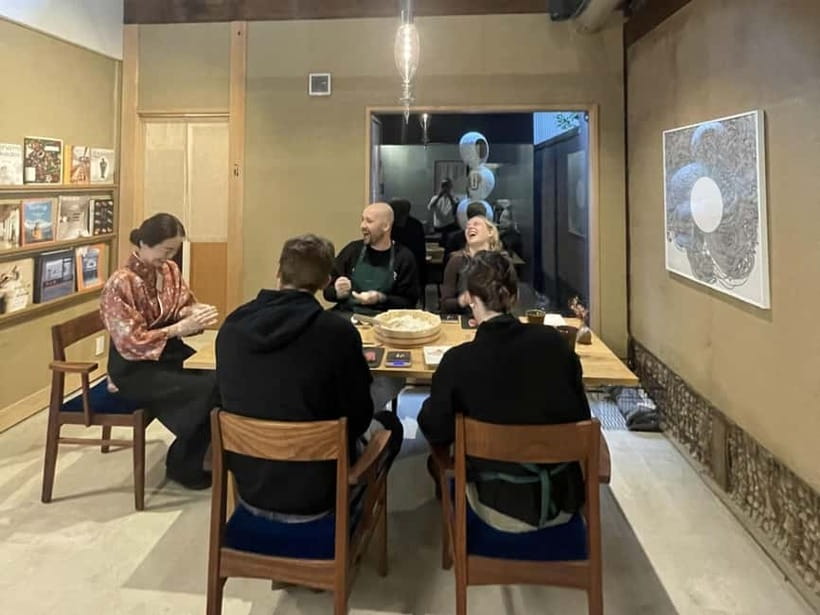
Roll up your sleeves for lunch. This 90-minute Kyoto class turns sushi from something you order into something you can shape yourself, with only eight participants and clear English instruction. I like the small size, which gives you room to ask questions, and the calm traditional townhouse setting near Kiyomizu-Gojō Station. The main consideration is simple: this class uses raw fish and is not suitable for vegetarians.
The other big plus is the food itself. You work with fresh fish and carefully prepared local ingredients, then eat the sushi you make with miso soup. I also like the useful gift bag, which includes a rolling mat, chopsticks, and recipe card. You do not leave with just a full stomach and a few photographs. You leave with tools to try the meal again at home.
Key Points Before You Book
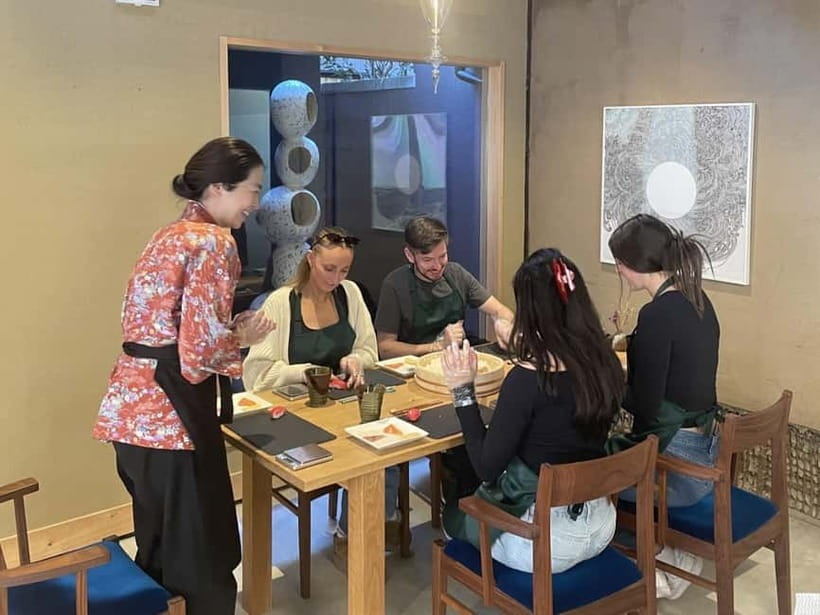
- Small class of up to eight: The limited size allows for patient demonstrations and one-to-one corrections.
- Traditional Kyoto setting: The workshop takes place in the restored Kyoto Wand building, within walking distance of Gion and Kiyomizu-dera.
- Nigiri and maki included: You learn several styles of sushi rather than only rolling one basic maki.
- Fresh local ingredients: Fish is sourced locally, with past classes using ingredients from Nishiki Market and rice grown by the instructor’s family.
- A generous lunch: Your finished sushi, along with miso soup, makes this a proper meal rather than a quick tasting.
- English instruction: Hosts such as Kana, Aya, and Ayumi explain each step clearly and welcome questions about food and Japanese culture.
Why This Kyoto Sushi Class Works So Well
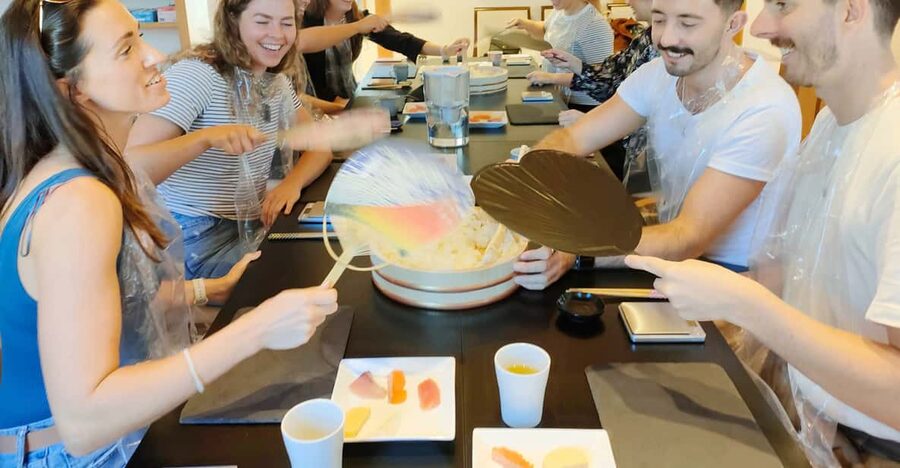
Sushi can look easy until you try to shape it. Rice sticks to your fingers, fillings slide away, and the first roll may look more like a soft cylinder than a neat restaurant piece. This class handles that problem well by slowing the process down and showing each movement before you try it.
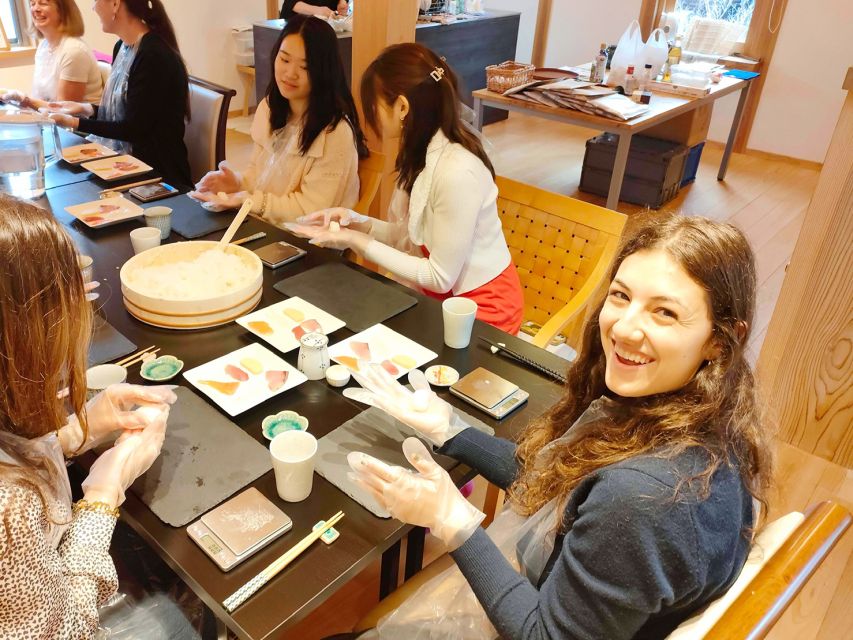
The group limit matters. With no more than eight people, the instructor can watch how you handle the rice, correct your grip, and help when a roll starts to unravel. If only a few people book a particular session, you may receive even more personal attention. One small class had just two participants, while another accommodated a family of seven.
I like this format for beginners because you are not pushed through a crowded demonstration. You can stop and ask why the rice is seasoned a certain way, how tightly to roll the maki, or how much rice belongs in a piece of nigiri.
The class also works for people who already make sushi at home. You can compare your current method with traditional local techniques and pick up small improvements in rice preparation, shaping, and presentation.
More Sushi and Ramen Tours in Kyoto
- Ramen Cooking Class at Ramen Factory in Kyoto
★ 5.0 · 1,937 reviews - Sushi Making in Kyoto! Same-day bookings welcome!
★ 5.0 · 713 reviews - Kyoto: Ramen Cooking Class at a Ramen Factory with Souvenir
★ 4.9 · 532 reviews
Arriving at Kyoto Wand Near Kiyomizu-Gojō
The workshop takes place in the Kyoto Wand building, a beautifully restored traditional townhouse a few minutes on foot from Kiyomizu-Gojō Station on the Keihan Main Line. The location is convenient if you are spending the day around Gion, Kiyomizu-dera Temple, or the lanes on the eastern side of central Kyoto.
The activity does not include hotel pickup or drop-off, so you need to make your own way there. That is not much of a burden in this part of Kyoto. You can combine the class with sightseeing instead of crossing the city just for a short appointment.
Use the provided Google Plus Code, XQVC+J7 Kyoto, if your map app has trouble identifying the building. I would allow enough time to reach the area without rushing. Kyoto’s streets around the eastern temple district can be busy, and a calm arrival suits the mood of the workshop better than turning up breathless.
Once inside, expect a quiet room rather than a commercial cooking school atmosphere. Several people have appreciated being greeted warmly by name and offered a comfortable welcome before the lesson begins. That personal touch sets the tone for the rest of the session.
The First Lesson: Rice, Seasoning, and Sushi Basics
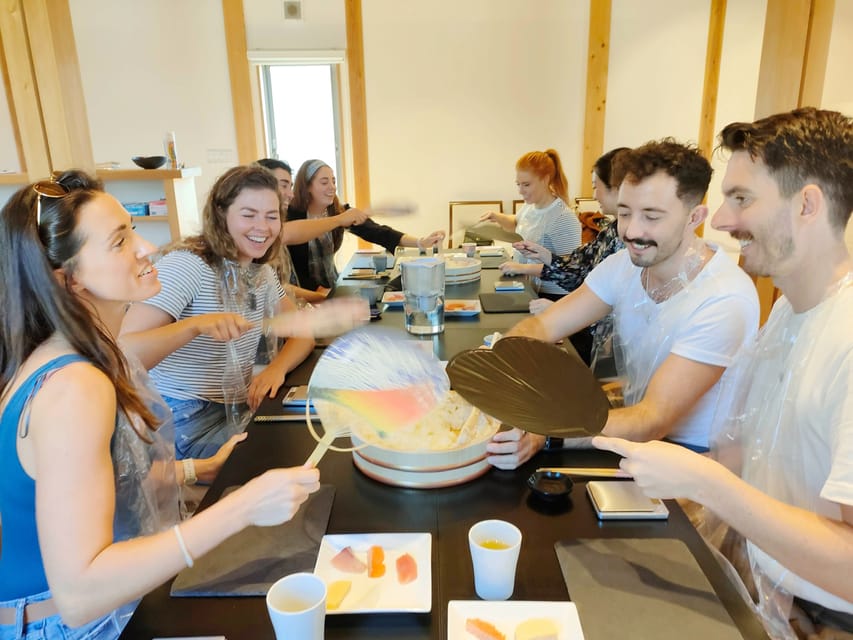
The class begins with the foundation of good sushi: properly cooked rice. You learn how the rice is seasoned and how to handle it without crushing the grains into a sticky lump.
That may sound like a small point, but it is the skill that makes the rest of the class useful. If the rice is too loose, your nigiri falls apart. If it is packed too firmly, the texture suffers. The instructors demonstrate the process slowly, then give you time to copy it.
Kana is frequently praised for her patient teaching style and clear English. She has also shared stories about growing up in Osaka and moving to Kyoto, along with details about Japanese culture and local life. Her husband Karim has helped with instruction and conversation, while Aya and Ayumi have also led sessions.
The class is not only about copying hand movements. You can ask about Japanese food customs, local ingredients, Kyoto, and the difference between sushi styles. If food is your way into a culture, this conversation adds real value to the 90 minutes.
Making Nigiri, Maki, and More
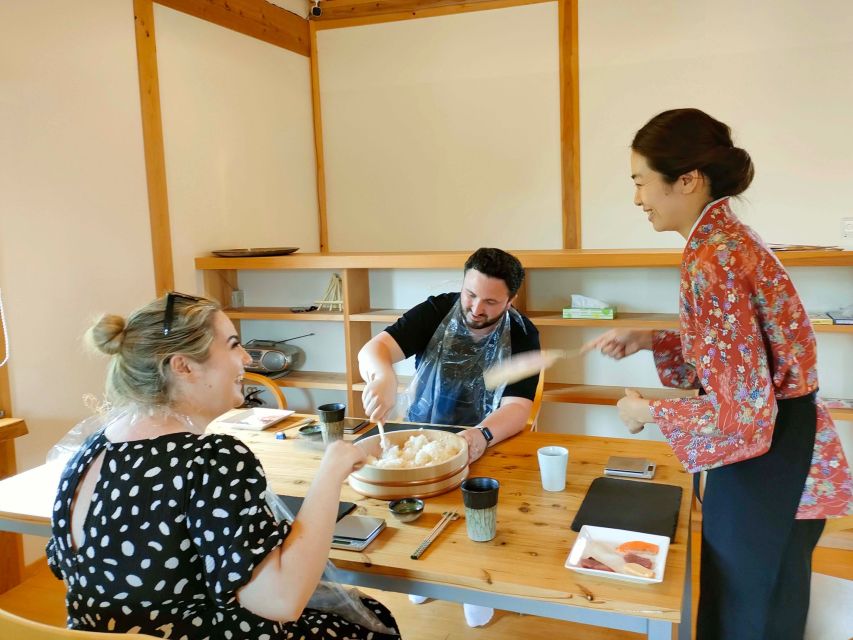
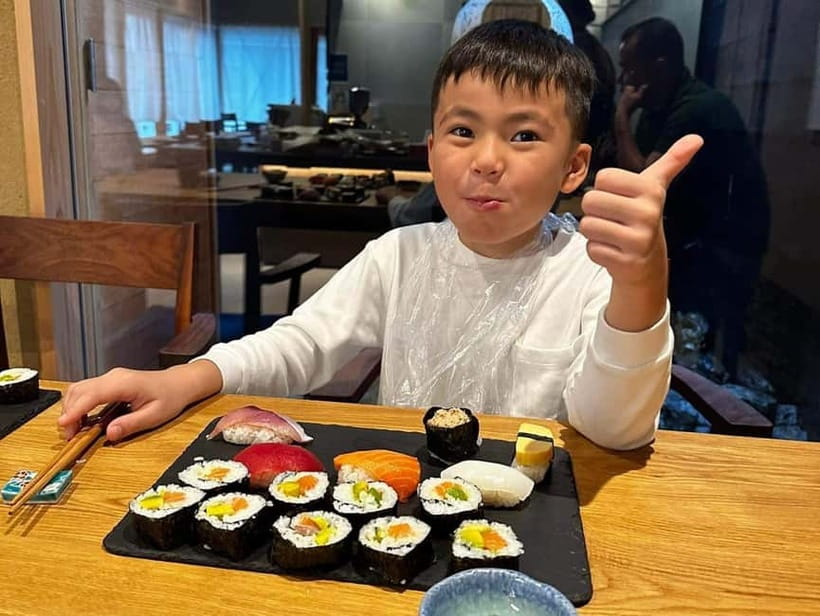
The hands-on section covers several types of sushi. Nigiri gives you the basic challenge of forming a small bed of rice and placing fish neatly on top. It looks simple, but the shape, pressure, and portion size all matter.
You also make maki rolls, with rice and fillings wrapped in seaweed. The rolling mat in your gift bag is not just a souvenir. It is the same kind of practical tool you can use later when you want to repeat the lesson at home.
Some sessions have included gunkan sushi, a hand-formed style with a strip of seaweed around the rice and a topping held in place above it. Past combinations have included salmon, tuna, squid, yellowtail, egg omelette, corn, tuna salad, avocado, and other prepared fillings. The exact selection can change, so do not treat any one fish list as guaranteed.
You will not normally be cutting the fish yourself. One participant wished that step had been included, but the ingredients are prepared in advance so the class can focus on shaping and technique within its short schedule. For most first-time cooks, that is a reasonable tradeoff.
The teaching is designed to be hands-on from start to finish. You do not simply watch a professional make attractive sushi while you stand back. You handle the rice, shape the pieces, roll the maki, and see the results on your own plate.
Same city, a different table:
- Kyoto Night Foodie Tour in Gion (9+ dishes + 6 Sake tastings)
★ 5.0 · 1,762 reviews - Nishiki Market Brunch Walking Tour (7 Tastings + Brunch)
★ 5.0 · 1,355 reviews - Kyoto Sake Brewery & Tasting Walking Tour
★ 5.0 · 623 reviews - Kyoto Night All-Inclusive Eats and Streets, Gion and Beyond
★ 4.6 · 576 reviews
Fresh Fish and a Proper Sushi Lunch
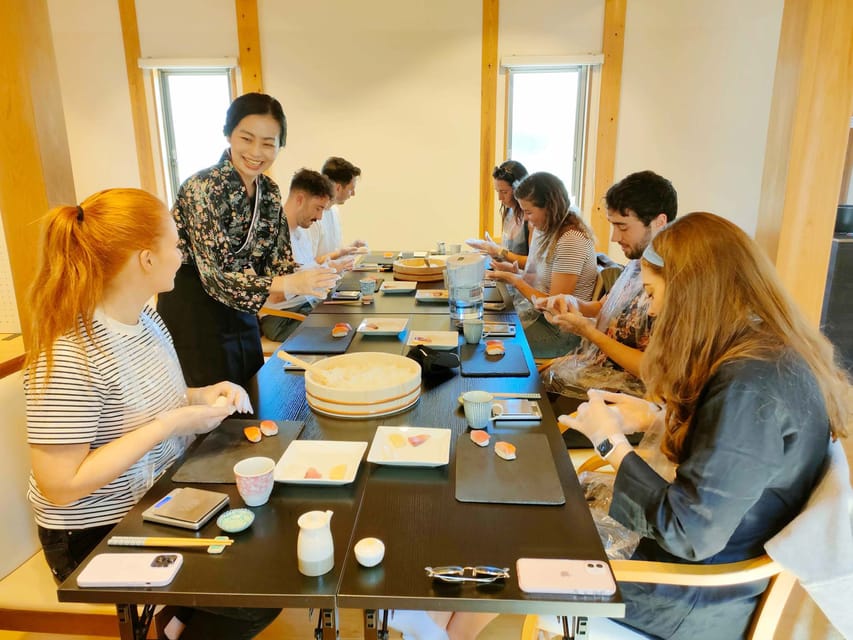
Ingredient quality is one of the strongest reasons to book this class. The fish is described as fresh and locally sourced, with fish from Nishiki Market used in some sessions. The rice has an especially personal connection: one class used rice grown by Kana’s family.
That local connection gives the meal more meaning than a generic cooking demonstration. You are learning with ingredients tied to Kyoto and the instructors’ own food traditions, not just assembling supermarket sushi.
The finished meal is also generous. You eat the sushi you made, along with miso soup, and several participants have found the amount surprisingly large. I would not schedule an elaborate lunch immediately afterward. The class may be only 90 minutes, but it can leave you very well fed.
Soy sauce, wasabi, and ginger are available with the meal, and you have the satisfaction of tasting your own work. Even if the shapes are not perfect, the food tends to taste better when you know exactly how much care went into each piece.
If you are nervous about raw seafood, the freshness of the fish may help, but this is still a raw-fish-focused experience. Anyone with dietary restrictions should notify the provider when booking. Vegetarians should choose another activity, since the class is specifically listed as unsuitable for them.
A Calm Break from Kyoto Sightseeing
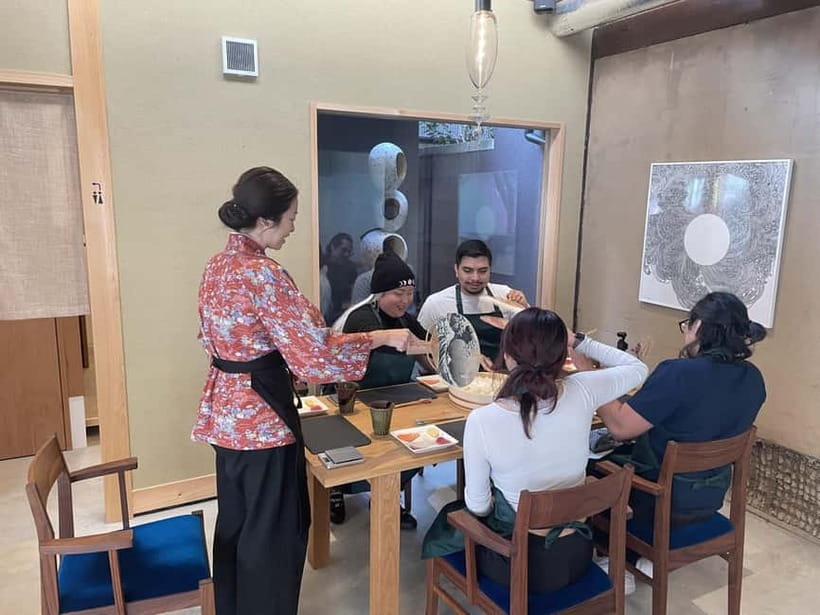
Kyoto sightseeing can involve long walks, temple steps, and busy lanes. This workshop provides a useful change of pace. You sit down, work with your hands, eat a meal, and have time for conversation.
I particularly like the balance between structure and ease. The instructor explains the next task, but the room does not feel like a race. People can talk with one another, compare their rolls, and ask questions as they work.
The class can suit families, couples, solo visitors, and food-focused groups. A family of seven, including children and a grandmother, enjoyed the format, and a 10-year-old participant was able to take part. The work is delicate rather than physically demanding, though the activity is not wheelchair accessible.
It is also a good choice if you want an experience that does not require advanced cooking skills. The demonstrations are slow, and beginners receive support throughout. You should still expect to use your hands and accept that your first pieces may look uneven. That is part of the fun.
The Gift Bag and What You Take Home
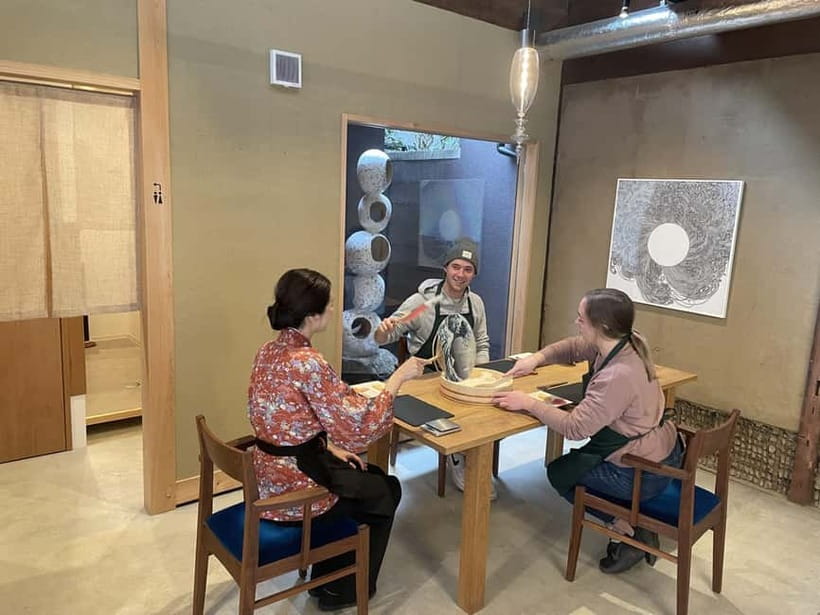
At the end, you receive a gift bag with a sushi rolling mat, chopsticks, and a recipe card. Disposable gloves and an apron are provided during the class.
The recipe card is the most useful item if you want to repeat the meal. The mat and chopsticks make it easier to set up a simple sushi night at home, while the apron and gloves keep the workshop tidy.
This small package adds to the value of the $60 price. You are paying for instruction, food, a meal, and practical equipment rather than a brief demonstration followed by a tiny sample. The class is not the cheapest possible way to eat sushi in Kyoto, but it offers much more than a restaurant lunch.
At $60 per person, I see the price as fair for the combination of personal teaching, fresh ingredients, a full meal, and a traditional setting. The value is strongest if you want to learn a skill. If you only want to eat excellent sushi, a good restaurant may be a simpler choice.
What Could Be Better
The short schedule has limits. Ninety minutes is enough to learn the main techniques and eat what you make, but not enough for a full study of sushi knife work, fish preparation, regional styles, or professional restaurant practice.
You also should not expect to prepare the fish from the whole ingredient. The fish is supplied ready for the workshop, which keeps the class clean and manageable but removes one possible part of the craft.
The class may run longer in an informal way. Some sessions have continued with conversation after the scheduled time, but you should not count on extra time if you have another fixed booking. Plan your day with a little space around the activity.
Finally, the class is not suitable for vegetarians or wheelchair users. Dietary restrictions must be shared when booking, and raw fish may not suit everyone.
Who Should Book This Experience?
I would recommend it to first-time sushi makers, families, couples, and anyone who wants a relaxed food activity near eastern Kyoto. It is also a good fit for people who enjoy speaking with local hosts rather than moving through a silent demonstration.
The class suits you especially well if you want to understand the work behind sushi. You will learn why rice matters, how hand pressure changes the final piece, and how several sushi styles are built.
You may want to skip it if you dislike raw fish, want a vegetarian cooking lesson, need wheelchair access, or prefer a large professional kitchen with advanced knife instruction. The class is friendly and practical, not a formal chef-training course.
Book it if you want a memorable lunch with a useful skill attached. The combination of a small group, English instruction, fresh local ingredients, and patient hosts such as Kana makes this one of the more personal food activities you can add to a Kyoto itinerary.
FAQ
How long does the sushi-making workshop last?
The workshop lasts 90 minutes. Starting times vary, so you need to check availability when booking.
How many people can join the class?
The class is limited to eight participants. Smaller sessions may have only a few people, which can allow for extra individual attention.
Is the class taught in English?
Yes. The workshop includes an English-speaking host and English instruction throughout the activity.
What food is included?
You make and eat your own sushi, including styles such as nigiri and maki. Miso soup is also included.
What should I do if I have dietary restrictions?
You should advise the provider of any dietary restrictions when booking. The activity is not suitable for vegetarians.
What do I receive after the class?
The gift bag includes a sushi rolling mat, chopsticks, and a recipe card. Disposable gloves and an apron are provided for use during the workshop.
More Workshops in Kyoto
- Kyoto: Ramen, Gyoza, and Onigiri Cooking Class
★ 5.0 · 445 reviews - The Original Small-Group Sushi Making Class in Kyoto
★ 5.0 · 436 reviews - Kyoto Michelin Ramen Workshop or Painting Ramen Essentials
★ 4.9 · 100 reviews - Kyoto: Ramen Bowl Painting and Michelin Cooking Class
★ 4.9 · 96 reviews
Just added in Kyoto
- Kyoto: Sushi Making Class with Sushi Chef★ 4.8 · 64 reviews
- Nishiki Market Food Tour with Cooking Class★ 4.9 · 42 reviews
- Kyoto: Sake Brewery and Tasting Tour in Fushimi★ 4.8 · 55 reviews
- Kyoto Evening Gion Food Tour★ 4.9 · 35 reviews
- Kyoto: Foodie Night Tour in Gion with 9 dishes + 6 Sake★ 4.4 · 26 reviews
- Kyoto: Nishiki Market Tour with a Local Foodie & Tastings★ 4.5 · 67 reviews
- Kyoto: Nishiki Market Food Tour★ 4.9 · 21 reviews
- Kyoto: Casual Pontocho Evening Food Tour★ 4.8 · 31 reviews
Sushi and Ramen Tours, compared.
Sushi Making Tokyo Roll and Authentic Japanese Sushi Class
Read our review →
Roll and Authentic Sushi Making Class in Asakusa
Read our review →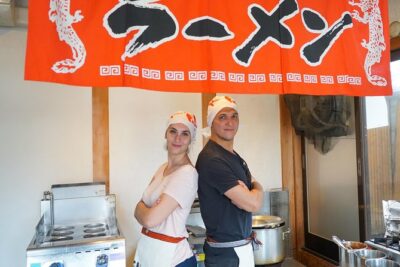
Ramen Cooking Class at Ramen Factory in Kyoto
Read our review →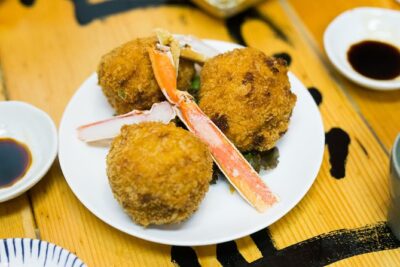
Best of Shinjuku: Izakaya Food Tour (4 Stops, 14+ Tastings)
Read our review →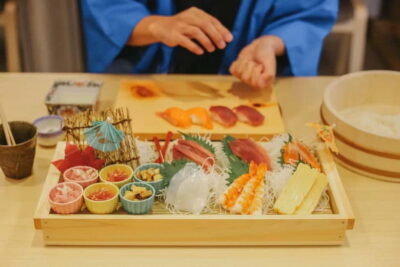
Sushi Making Class in a Happi Coat near a Famous Spot
Read our review →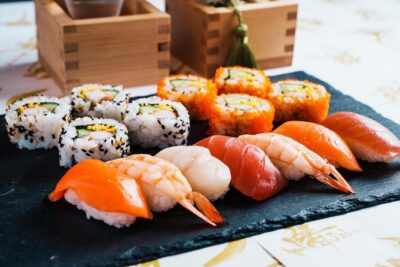
Sushi Making Tokyo! Popular Maki Sushi & Japanese Sushi(+Recipe!)
Read our review →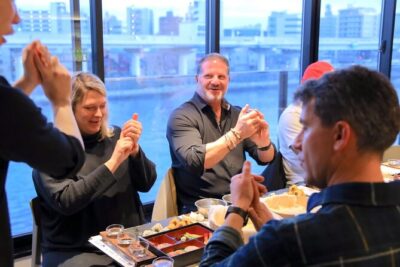
Sushi Making Osaka Roll and Authentic Japanese Sushi Class
Read our review →
Tokyo Sushi Making Class in Tsukiji with Professional Chef
Read our review →Browse the lists this tour appears in