REVIEW · KYOTO FOOD TOURS
The Original Small-Group Sushi Making Class in Kyoto
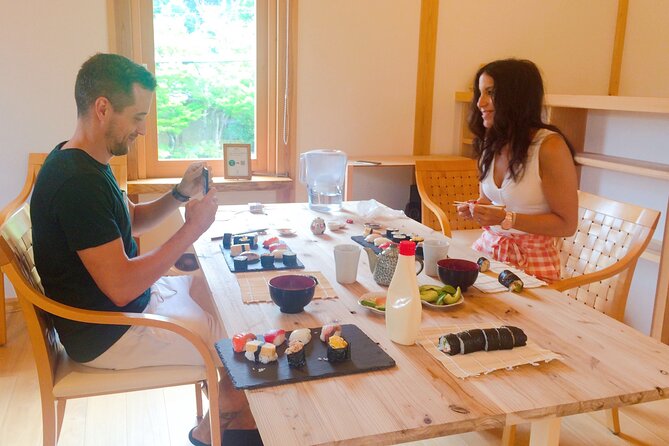
Sushi is better when you make it yourself. This 90-minute workshop in a restored Kyoto townhouse gives you hands-on practice with seasoned rice, nigiri, and maki, rather than a quick demonstration from across the room. I especially like the eight-person limit, which leaves room for questions, and the warm teaching style of Kana and her family-run team. The use of fresh fish and local ingredients is another major plus.
The main consideration is food choice. A vegetarian or vegan option is not included, so this class is best for people who eat fish and seafood. If you have allergies, contact the provider before booking. Several participants with gluten and shellfish allergies received helpful adjustments, but those arrangements should be confirmed in advance.
Key points at a glance
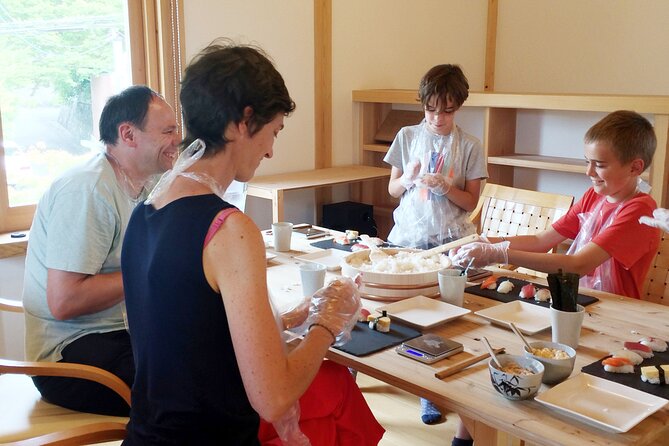
- Only eight people: The small group allows personal help with rice, shaping, and rolling.
- Two classic sushi styles: You learn both nigiri and maki, then eat what you prepare.
- A historic Kyoto setting: The workshop takes place in a restored townhouse near Kiyomizu-dera and Gion.
- English instruction: Kana leads the class in English and adds practical notes about Japanese culture.
- A generous meal: You make enough sushi to leave satisfied, not merely sample a few pieces.
- Take-home extras: Class notes, recipes, chopsticks, and a sushi mat may be provided as a useful souvenir.
Why this Kyoto sushi class works so well
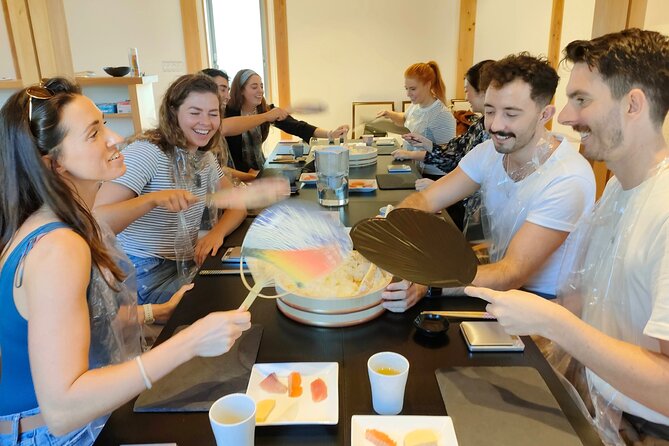
Many cooking activities are really demonstrations with a few minutes of participation at the end. This one is built around doing the work yourself. You season rice, handle the ingredients, shape nigiri, and roll maki with guidance close at hand.
That format matters because sushi looks simple until you try it. Rice that is too wet becomes difficult to shape. Too much pressure can crush the grains. A roll may look tidy on the outside but fall apart when cut. A small class gives you time to correct those mistakes without feeling rushed.
The workshop is also more personal than a standard food activity. Kana teaches the techniques, answers questions, and shares parts of her own story and Japanese culture. Her husband or another assistant may help with the class, adding to the relaxed, family-run feel.
I would not book this only for a meal. You can find sushi throughout Kyoto, often at many price levels. The value here comes from combining lunch or dinner with a practical skill, a local setting, and friendly conversation.
More Cooking Classes in Japan
- Ramen Cooking Class at Ramen Factory in Kyoto
★ 5.0 · 1,937 reviews - Kyoto: Ramen Cooking Class at a Ramen Factory with Souvenir
★ 4.9 · 532 reviews - Kyoto: Ramen, Gyoza, and Onigiri Cooking Class
★ 5.0 · 445 reviews
Arriving near Kiyomizu-dera and Gion
The meeting point is Atelier SUSHI at 311-1 Kitatōryōchō in Higashiyama Ward, Kyoto. It is near public transportation and close to two of Kyoto’s most visited areas, Kiyomizu-dera and Gion.
That location makes the class easy to pair with sightseeing. You could schedule it before or after exploring the narrow streets around Gion, or make it part of a day in eastern Kyoto. Still, allow time to find the exact address. The surrounding area has many small streets, and Kyoto sightseeing can take longer than expected once you begin stopping for photos and shops.
The setting is part of the appeal. Rather than meeting in a modern cooking studio, you enter a carefully restored traditional townhouse. The old building gives the class a calmer sense of place and helps connect the food to Kyoto itself.
Do not expect a grand restaurant dining room or a formal sushi counter. The atmosphere is more intimate and home-like. That is good news if you want conversation and direct instruction, though less ideal if you prefer a polished, silent meal prepared entirely by someone else.
The first lesson: seasoning sushi rice
Rice is the foundation of good sushi, and this class gives it proper attention. You learn how properly cooked rice is seasoned before it becomes nigiri or maki.
That may sound basic, but it is one of the most useful parts of the workshop. Sushi rice needs the right balance of seasoning and texture. It must hold together without turning heavy or sticky in an unpleasant way. Once you understand that base, the rest of the process becomes easier.
The class is prepared in advance so you can spend your time learning rather than waiting for every ingredient to be chopped or cooked. One participant who already made sushi at home still enjoyed the workshop because the interactive parts remained fun and useful.
I like this balance. You are not asked to spend the entire 90 minutes on kitchen preparation. Instead, the class concentrates on the steps that shape the final result: seasoning, handling, shaping, and presentation.
Making nigiri by hand
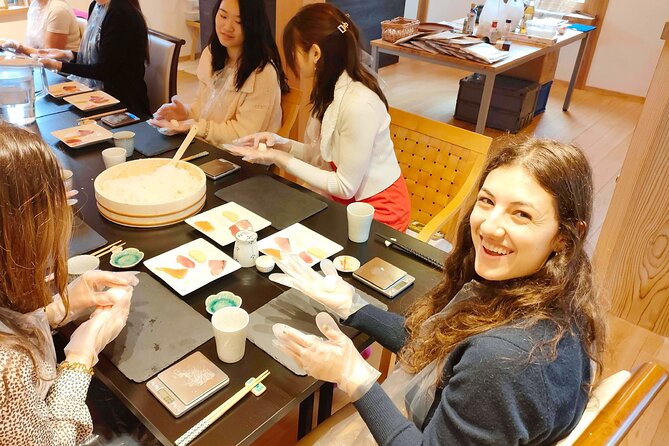
Nigiri is the sushi most people recognize immediately: a small portion of rice topped with fish or another ingredient. It looks neat and effortless when made by an experienced sushi chef. Your first pieces may be less tidy, which is exactly why personal instruction helps.
Kana shows you how to work with the rice and form it without pressing too hard. You then add the topping and learn how to create a piece that holds together while still feeling light.
The class includes premium fresh fish, which makes a clear difference when you eat the finished sushi. Fresh, well-prepared ingredients do not need heavy decoration. The rice and fish carry the flavor.
Several people described the sushi as generous and filling. You are not likely to leave after making just one or two pieces. The amount of food is worth keeping in mind when choosing the class time. If you attend at lunchtime, it functions as a proper meal. At another time, it may serve as dinner.
More Cooking Classes in Kyoto
- Kyoto: Ramen Bowl Painting and Michelin Cooking Class
★ 4.9 · 96 reviews - Kyoto: Sushi Making Class with Sushi Chef
★ 4.8 · 64 reviews - Nishiki Market Food Tour with Cooking Class
★ 4.9 · 42 reviews
Rolling maki without the usual struggle
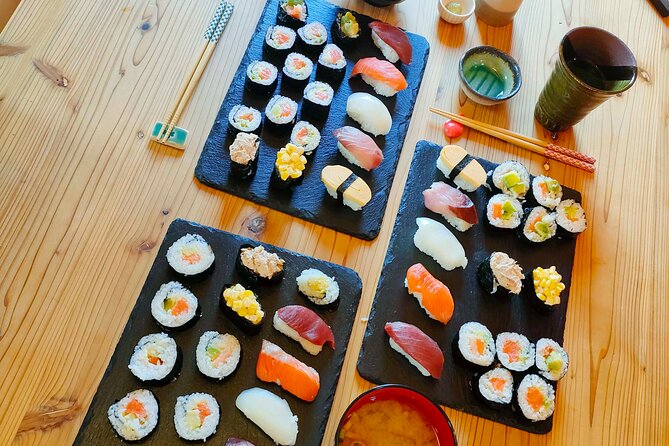
The second main technique is maki, or rolled sushi. You use a sushi mat to assemble ingredients, roll the sheet, and create neat pieces for eating.
Maki is often easier to understand once someone shows you how to position the rice and filling. The challenge is applying enough pressure to form a firm roll without squeezing everything out the sides. The instructor can watch your hands and offer a correction right away.
The variety is one of the best features of the class. You do not learn only one form of sushi. You practice individual nigiri and a roll of maki, giving you two different skills to repeat at home.
The class notes and recipes are especially useful here. A souvenir bag may also include chopsticks and a sushi mat. These are practical gifts, not clutter that gets forgotten in a hotel drawer. If you enjoy cooking, you can use the lesson after returning home and try to recreate the experience for family or friends.
A meal you prepare yourself
At the end, you eat the sushi you have made. That changes the meal in a small but meaningful way. You notice the texture of the rice, the shape of the pieces, and the freshness of the fish because you handled every stage yourself.
I also like that the food is not treated as a tiny tasting portion. The class provides enough sushi to satisfy people who arrive hungry. Several participants specifically appreciated leaving full.
Coffee, tea, or Japanese tea is included as well. The drink service fits the slower, welcoming tone of the workshop. You can sit, eat, and talk instead of rushing away as soon as the final roll is finished.
The meal is not meant to replace a high-end omakase dinner. You are learning and eating in a relaxed class environment, not receiving a long chef-led tasting menu. For many people, that is the better value. You get food, instruction, and a memory of making the meal yourself for $69.64 per person.
Kana’s teaching style and the cultural side
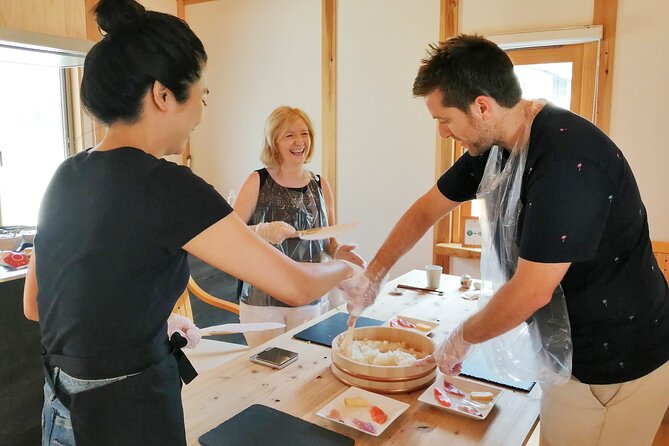
The strongest part of the experience is the teaching. Kana is patient, friendly, and comfortable explaining the process in English. Her approach makes sushi seem manageable, even for people who have never cooked it before.
She also talks about Japanese culture, Kyoto, and her own journey. The cultural conversation is not a separate lecture. It comes naturally while you prepare food, which keeps the class relaxed and personal.
The family-run atmosphere adds warmth. Kana’s husband, Kerim, has assisted with classes, and other staff members may help. The team is described as welcoming, humorous, and generous with local advice. You may come away with ideas for the rest of your Kyoto visit, not just a sushi recipe.
That personal contact is a big reason I would choose this workshop over a larger class. With a maximum of eight people, the instructor can learn your name, check your technique, and respond to your questions. Couples, families, solo visitors, and small groups can all fit comfortably into the format.
What the small group means for you
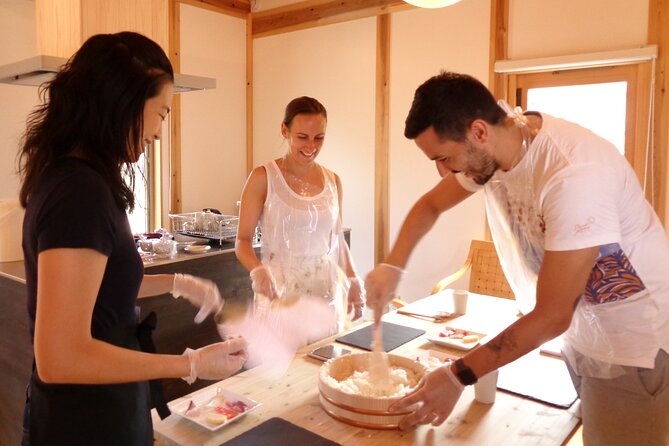
A group of eight is small enough for personal attention but large enough to create some conversation. You may work alongside people from different countries, compare your sushi shapes, and share a meal at the end.
The size also keeps the pace manageable. You do not have to fight for a place at the counter or wait while a large group takes its turn. The class is designed for participation from start to finish.
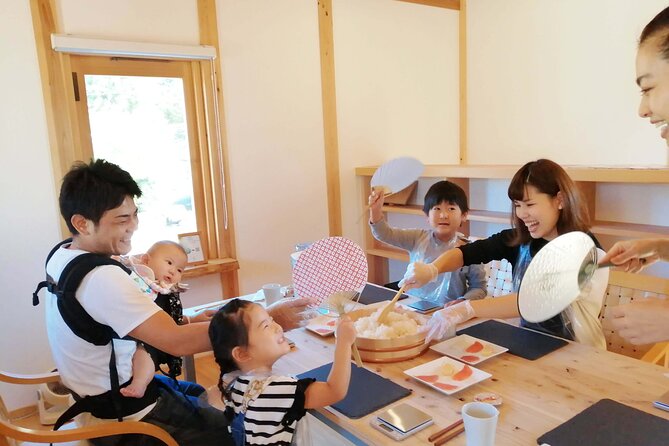
Families should find the format appealing, especially if children already like sushi. A 12-year-old participant was particularly excited by the class, and the food quantity worked well for a family. Parents should still decide if their children can manage the food preparation and the length of the activity.
Solo visitors can also fit in easily. The hosts make an effort to include everyone, and the shared cooking provides an easy way to meet people without needing to arrange a private group.
Food restrictions and what to check
The published experience does not include a vegetarian or vegan option. If you do not eat fish or seafood, this is not the right class for you.
Allergies require more care. People with gluten and shellfish allergies received accommodations, but that does not mean every request can be handled automatically. Contact Atelier SUSHI before booking and explain your needs clearly.
The use of gloves and aprons helps keep the activity comfortable and hygienic. Still, you should ask about ingredients, sauces, cross-contact, and substitutions if your allergy is serious. Do not assume that a general request at the start of class will be enough.
For everyone else, the fresh fish and carefully selected local ingredients are central to the experience. If you are unsure about raw fish, the class may still help. One person who was not fond of raw fish found the freshness and taste convincing. That is not a guarantee, but it suggests the workshop can be a gentle introduction for cautious eaters.
Is $69.64 a fair price?
At $69.64 per person, the price is fair for a 90-minute activity that includes instruction, the sushi meal, tea or coffee, an apron, and gloves. The value improves if you use the recipes and sushi mat at home.
You are also paying for the small class size. A cheaper, larger workshop may offer less time for questions and less direct help with your hands-on technique. Here, the limit of eight gives the price a practical reason.
The location adds value too. You can combine the class with a day around Kiyomizu-dera and Gion instead of making a separate trip across Kyoto. The class ends back at the meeting point, so planning your next stop is simple.
I would compare it with the cost of a good lunch or dinner in Kyoto, then ask what you want from the meal. If you want the finest sushi prepared by a specialist, spend the money at a restaurant. If you want food plus a useful experience you can repeat at home, this workshop makes more sense.
Timing, cancellation, and practical planning
The activity lasts about one hour and 30 minutes. That is long enough to learn several techniques without taking up half your day. It also leaves time for sightseeing before or after the class.
You receive confirmation when booking, and the activity is available with a mobile ticket. The class begins and ends at Atelier SUSHI, so there is no separate drop-off point to arrange.
Free cancellation is available up to 24 hours before the start time for a full refund. Changes or cancellations inside that 24-hour window are not accepted or refunded, with cut-off times based on local Kyoto time.
I would book this for the first or second day of a Kyoto stay if possible. The class gives you a friendly introduction to local food culture, and the hosts may offer useful ideas for the rest of your visit. It also gives you a chance to settle into Kyoto through an activity that is social but not exhausting.
Who should book this experience?
I would recommend it to sushi fans, home cooks, couples, families, solo visitors, and anyone who prefers active cultural experiences over passive sightseeing. It is also a good fit if you want an English-language class with clear instruction and a relaxed pace.
You do not need previous cooking experience. The techniques are taught from the beginning, and the small group allows you to ask for help.
People who want a strictly vegetarian meal, a vegan class, or a formal fine-dining experience should choose something else. The same applies if you dislike raw fish and do not want to handle it, although the fresh ingredients may win over some cautious eaters.
Should you book the Kyoto sushi workshop?
I would book this class if you want to do more than take another food photo. The strongest reasons are the small eight-person group, Kana’s patient English instruction, the fresh fish, and the chance to make both nigiri and maki in a traditional Kyoto townhouse.
The price is reasonable because it covers a filling meal and a skill you can use again. You may even return home with recipes, chopsticks, and a sushi mat.
Check the food restrictions first, confirm any allergies directly with the provider, and arrive with enough time to find the townhouse. If those points work for you, this is one of the more personal and useful food activities to add near Kiyomizu-dera and Gion.
FAQ
Where does the sushi-making class take place?
The class takes place at Atelier SUSHI, 311-1 Kitatōryōchō, Higashiyama Ward, Kyoto, 605-0918, Japan. It is near public transportation and close to Kiyomizu-dera and Gion.
How long does the class last?
The workshop lasts approximately one hour and 30 minutes.
How many people can join the class?
The activity has a maximum of eight participants.
Is the class taught in English?
Yes. The workshop is conducted in English and led by a Japanese instructor.
What kinds of sushi will I learn to make?
You learn how to season sushi rice and make two main styles: nigiri and maki rolls.
Is a meal included?
Yes. You eat the sushi you prepare during the workshop. It is served as lunch or dinner depending on the class time.
Are drinks included?
Coffee, tea, or Japanese tea is included.
Are vegetarian or vegan options available?
No vegetarian or vegan option is included in the experience details.
What is the cancellation policy?
You can cancel at least 24 hours before the start time for a full refund. Cancellations or changes made less than 24 hours before the start time are not refunded or accepted.
More Workshops in Kyoto
- Sushi Making Tokyo Roll and Authentic Japanese Sushi Class
★ 5.0 · 3,971 reviews - Authentic Pizza Making Class in Naples with Appetizers and Drink
★ 5.0 · 3,178 reviews - Tokyo: Roll and Authentic Sushi Making Class in Asakusa
★ 4.9 · 1,957 reviews - Small Group Cooking Class & Market Food Tour in Florence
★ 5.0 · 1,574 reviews
More Sushi and Ramen Tours in Kyoto
- Sushi Making in Kyoto! Same-day bookings welcome!
★ 5.0 · 713 reviews - Kyoto: Small-Group Authentic Sushi Making Workshop
★ 5.0 · 137 reviews - Kyoto Michelin Ramen Workshop or Painting Ramen Essentials
★ 4.9 · 100 reviews
Just added in Kyoto
- Kyoto: Sushi Making Class with Sushi Chef★ 4.8 · 64 reviews
- Nishiki Market Food Tour with Cooking Class★ 4.9 · 42 reviews
- Kyoto: Small-Group Authentic Sushi Making Workshop★ 5.0 · 137 reviews
- Kyoto: Sake Brewery and Tasting Tour in Fushimi★ 4.8 · 55 reviews
- Kyoto Evening Gion Food Tour★ 4.9 · 35 reviews
- Kyoto: Foodie Night Tour in Gion with 9 dishes + 6 Sake★ 4.4 · 26 reviews
- Kyoto: Nishiki Market Tour with a Local Foodie & Tastings★ 4.5 · 67 reviews
- Kyoto: Nishiki Market Food Tour★ 4.9 · 21 reviews
Cooking Classes, compared.
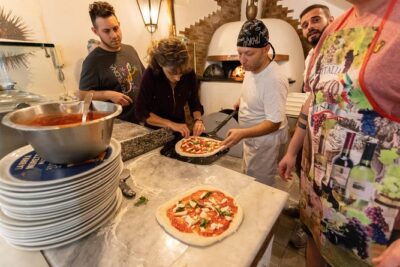
Authentic Pizza Making Class in Naples with Appetizers and Drink
Read our review →
Roll and Authentic Sushi Making Class in Asakusa
Read our review →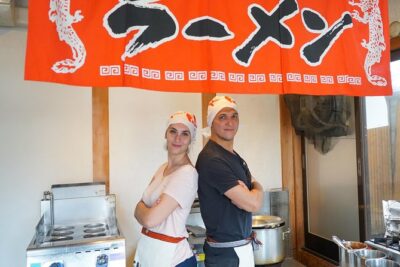
Ramen Cooking Class at Ramen Factory in Kyoto
Read our review →
Small Group Cooking Class & Market Food Tour in Florence
Read our review →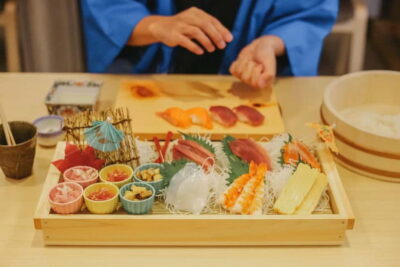
Sushi Making Class in a Happi Coat near a Famous Spot
Read our review →
Tokyo Sushi Making Class in Tsukiji with Professional Chef
Read our review →
Food Market Visit and Cooking Class with Wine
Read our review →