REVIEW · KYOTO FOOD TOURS
Kyoto: Nishiki Market and Depachika Food Tour with a Local
Come hungry, leave curious. This compact Kyoto food walk pairs the famous Nishiki Market with the polished basement food hall at Daimaru Kyoto, giving you two very different views of Japanese eating in one outing. At $42 per person, it offers guided tastings, local context, and a small group capped at nine people.
I like the contrast between the traditional market and the department store food hall. I also like the friendly guides, including Mao, Jasmine, Boris, Ai, Richard, and Kats, who have been praised for explaining ingredients, customs, and regional foods in clear English. The main consideration is timing: the advertised duration is two hours, while the listed stop times add up to three hours, so confirm the exact schedule before booking.
Key points to know before you book
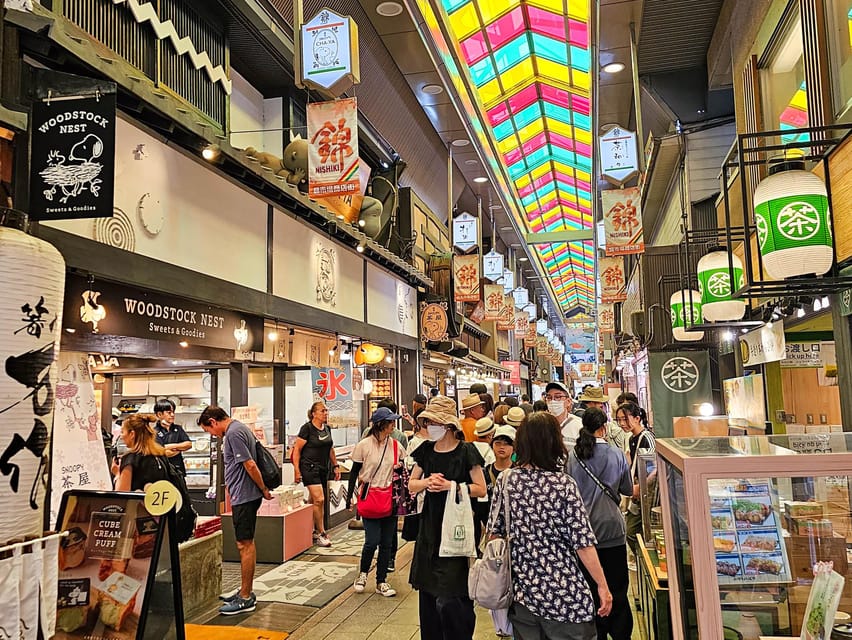
- Two very different food stops: Compare Nishiki’s market stalls with the orderly, high-end displays at Daimaru Kyoto.
- Four tastings are included: Expect yuba sashimi, a soy milk donut, Nishiki gyoza, and tempura hamo fish.
- Small group format: The group is limited to nine participants, which helps when asking questions or moving through crowded aisles.
- A shrine adds a quiet pause: Nishiki-Tenmangu Shrine provides a short cultural stop after the food tasting.
- Best for first-time food explorers: A guide can explain unfamiliar ingredients and suggest what is worth trying.
- Timing needs checking: The tour is sold as two hours, but the supplied itinerary gives one and a half hours at Daimaru, one hour at Nishiki Market, and 30 minutes at the shrine.
Why this Kyoto food walk works
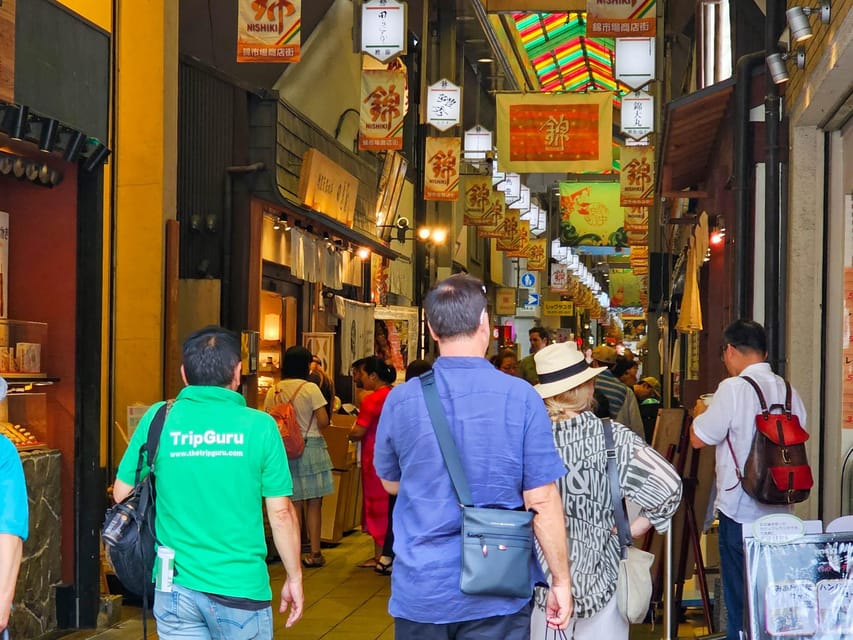
Nishiki Market can be easy to misunderstand. It is not simply a place where you walk in, point at food, and instantly know what to order. Some stalls sell ready-to-eat bites, while others focus on pickles, seafood, sweets, produce, knives, or cookware. Labels may not tell you much if you do not read Japanese.
That is where the guide earns the fee. You can ask what something is, how it is made, and how people in Kyoto usually eat it. The strongest guide experiences have come from people such as Boris, who explained food, culture, and history, and Ai, who helped with both tastings and shopping advice.
The second strength is the pairing with Daimaru Kyoto. A Depachika is an underground food hall in a Japanese department store. These spaces can feel like food museums, with carefully arranged sweets, prepared dishes, gift boxes, and gourmet products. You get a glimpse of how Japanese food is presented for everyday buying, celebrations, and gifts.
I especially like this combination for a first visit. Nishiki gives you the old-market feel, while Daimaru shows a more polished side of Kyoto’s food culture. One stop is noisy and informal. The other is neat, refined, and packed with beautifully presented food.
More Food Tours with Locals in Japan
- Kyoto: Nishiki Market Tour with a Local Foodie & Tastings
★ 4.5 · 67 reviews - Hungry Osaka Street Food Tour:15 Tastings & 3 Drinks with a Local
★ 5.0 · 1,727 reviews - Eat and Drink Like a Local: Tokyo Ueno Food Tour-Taverns&Ramen
★ 5.0 · 957 reviews
Starting at Apple Kyoto
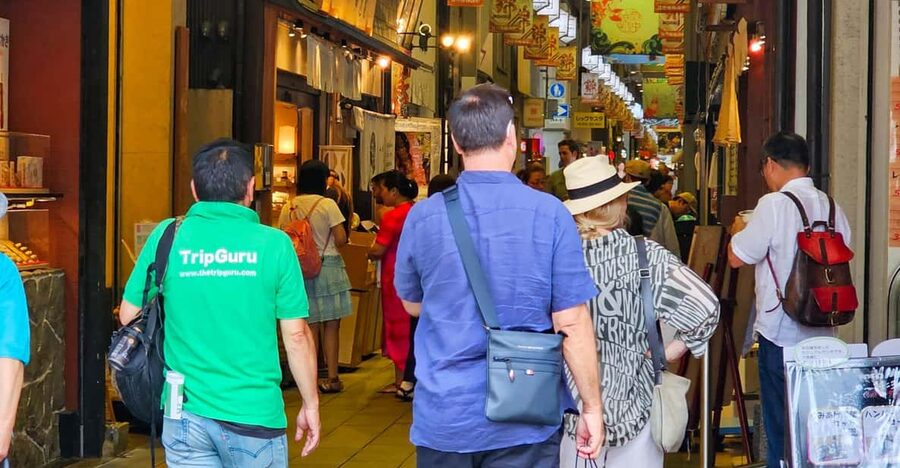
The meeting point is Apple Kyoto. You should arrive at least 10 minutes early, since the guide waits no more than 10 minutes before moving on. Look for a guide wearing a TripGuru shirt or holding a TripGuru sign.
This is a walking tour, so comfortable shoes matter. Nishiki Market can be crowded, and you will spend much of the outing on your feet. Bring cash as well, since additional food, drinks, and personal purchases are not included.
The tour offers several start times, which is useful if you have a packed Kyoto schedule. It can fit neatly into a free part of the day, especially if you want a food introduction without giving up an entire afternoon.
One practical warning: allow extra time to reach the meeting point. The supplied information specifically cautions that traffic can be heavier than navigation apps suggest, particularly in the morning. A late arrival could mean missing the group.
Daimaru Kyoto and the Depachika experience
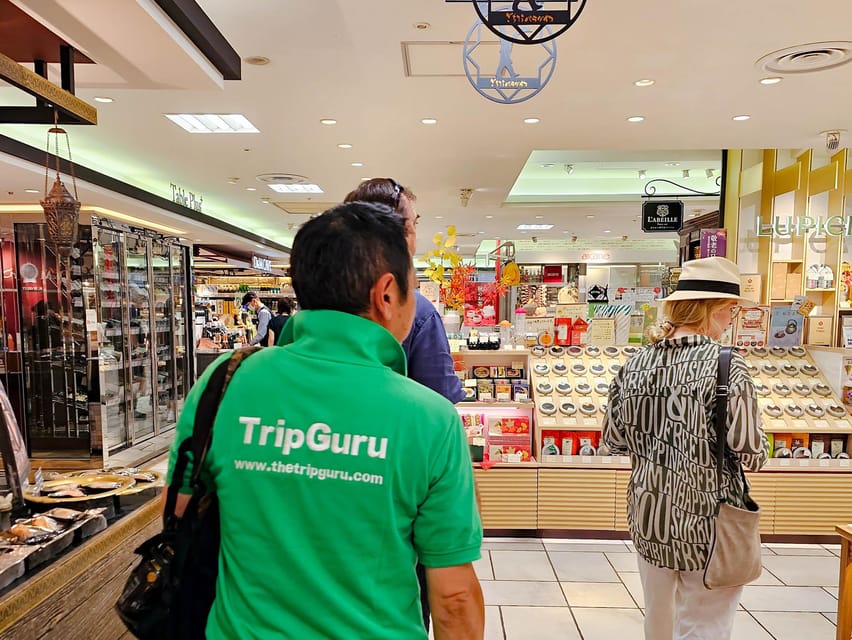
The first major stop is Daimaru Kyoto, where you spend time in the department store food hall. This is a smart choice because many international visitors know Nishiki Market but never think to explore a Japanese department store basement.
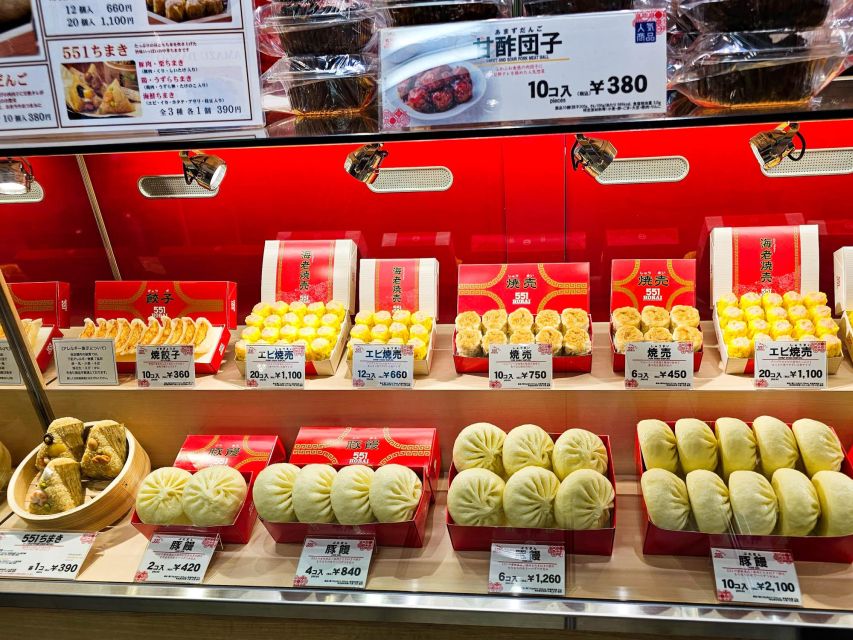
A Depachika is not a street market. You will find food arranged with care, from traditional Japanese sweets to prepared meals and international gourmet items. The displays can be as interesting as the food itself. Guide Ai was especially praised for helping people understand what to buy, including bento boxes, and what may not offer good value.
That kind of advice matters. A food hall can be overwhelming because everything looks appealing, yet not every expensive item will suit your taste or budget. A local guide can point out items worth noticing and explain the difference between an everyday snack and a premium gift.
The Daimaru portion also gives you a useful look at Kyoto’s modern food habits. You are not only sampling old recipes. You are seeing how food is packaged, sold, and presented in a department store used by local shoppers.
Katherine described losing track of time at Daimaru because there was so much to see. That is a useful warning for anyone who enjoys shopping. If you want to linger over displays or buy gifts, keep an eye on the clock so the rest of the walk does not feel rushed.
The four included tastings
The included food is not a full meal, but it gives you several different textures and flavors. The listed tastings are:
- Yuba sashimi, made from tofu skin
- A soy milk donut
- Nishiki gyoza
- Tempura hamo fish
Yuba sashimi is likely to be the most unfamiliar item for many visitors. Yuba is tofu skin, formed from the thin layer that develops when soy milk is heated. Served sashimi-style, it gives you a chance to try a delicate Kyoto specialty without ordering a large portion.
The soy milk donut offers a sweeter, easier starting point. It also shows how soy-based ingredients appear in snacks rather than only in savory dishes.
Nishiki gyoza provides a familiar reference point, though the local preparation may differ from what you know. The hamo fish tempura is another regional specialty and gives the tasting a seafood element.
The guide usually handles the introductions and tastings, but the exact flow may vary. One person had a less structured experience and was unsure when food would be offered. The guide was waiting for the participant to ask, while the participant expected the guide to announce the planned tastings. I would ask early in the tour which foods are included and when you will try them.
That simple question can prevent disappointment. If you have allergies, strong dislikes, or a child with limited food preferences, tell the guide at the beginning. Boris was praised for adjusting the experience for a child who was a selective eater, but no formal allergy policy is provided, so you should not assume every substitution is possible.
More Market Food Tours in Japan
- Nishiki Market Brunch Walking Tour (7 Tastings + Brunch)
★ 5.0 · 1,355 reviews - Kyoto Nishiki Market Food and Culture Walking Tour
★ 5.0 · 412 reviews - Kyoto: Local Food Tasting Tour at the Nishiki Market
★ 4.7 · 135 reviews - Nishiki Market Food Tour with Cooking Class
★ 4.9 · 42 reviews
Walking through Nishiki Market
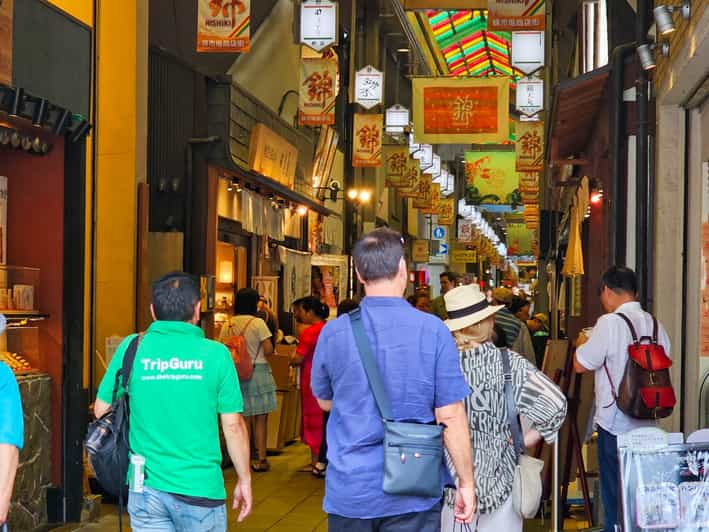
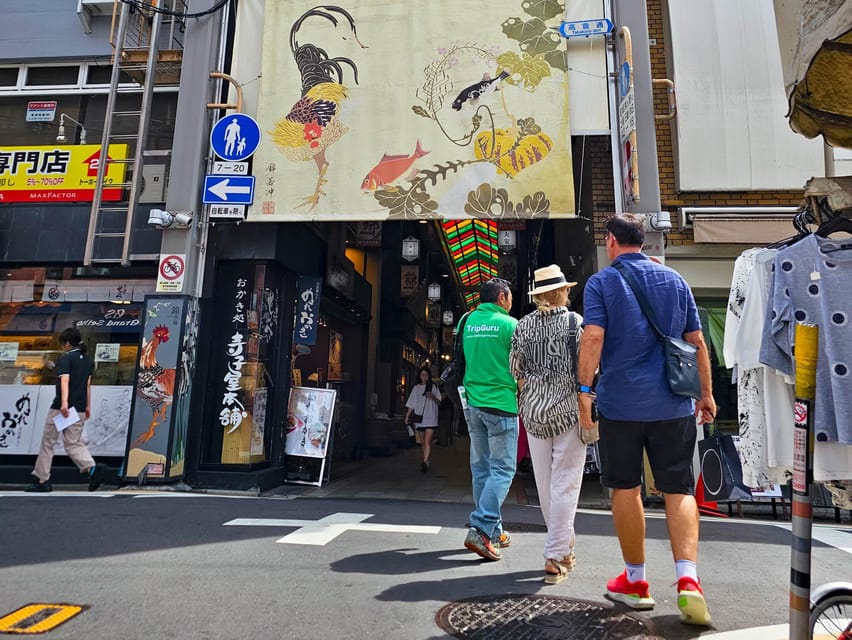
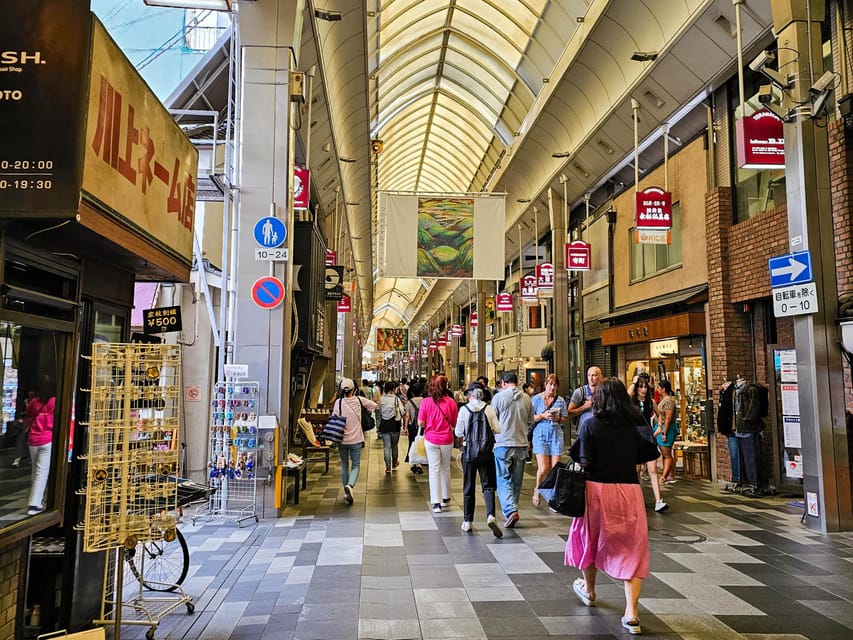
Nishiki Market is known as Kyoto’s Kitchen, and the nickname makes sense. The covered market runs through a busy shopping area and brings together food stalls, specialty shops, and stores selling cooking tools.
You might see seasonal foods, pickles, seafood, sweets, produce, knives, and cookware during the walk. Some businesses have been run by the same families for generations. That continuity gives the market a strong local identity, even though it is also a major sightseeing stop.
The guide helps you look beyond the obvious. Instead of treating every stall as a photo stop, you can learn which foods are linked to Kyoto, how certain ingredients are used, and what customs shape Japanese eating.
Jasmine was praised for giving background on the market while arranging tastings and leaving time for shopping. Elizabeth also appreciated having opportunities to browse while the food was being organized. This balance is important. You get guidance, but you are not expected to rush past every shop.
You should also know that Nishiki Market can feel crowded. Keep your belongings close, stay aware of other shoppers, and follow the guide’s pace. The narrow aisles are not ideal for people who have trouble walking or standing for extended periods. The activity is not suitable for people with mobility impairments, heart problems, respiratory issues, or for pregnant women.
The market is also a place to practice restraint. You will see many tempting items, but additional food and drinks cost extra. The included tastings give you a starting point, while your own purchases are up to you.
Nishiki-Tenmangu Shrine and a change of pace
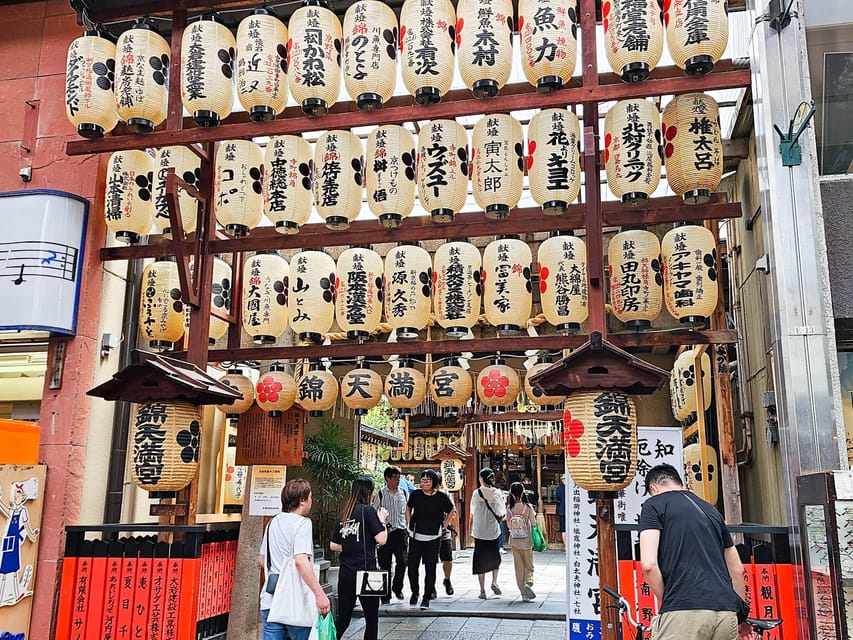
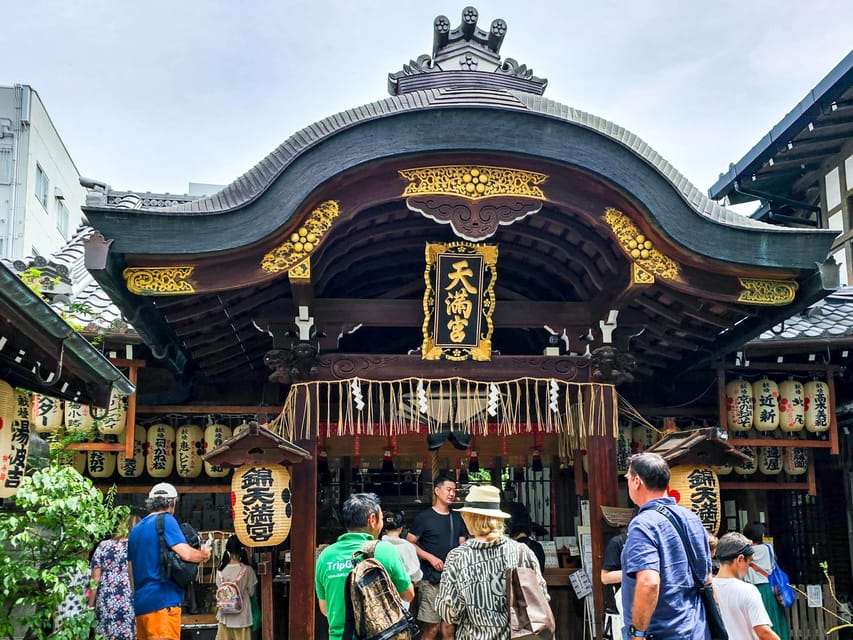
After the food stops, the walk includes Nishiki-Tenmangu Shrine. This small Shinto shrine offers a welcome shift from the market’s activity.
The shrine is dedicated to the deity of learning. Your guide explains the meaning of the site and points out details such as the architecture and the sacred water fountain. You can cleanse your hands there in the customary way and take a quiet moment before continuing.
I like this stop because it keeps the tour from becoming a simple eating circuit. Kyoto’s food traditions are connected to its religious and cultural life, and even a short shrine visit adds context.
Do not expect a long temple or shrine tour. The scheduled visit is 30 minutes, and the focus remains on orientation rather than an in-depth religious lecture. Still, it makes a useful ending to the market portion and gives you a chance to slow down.
The walk finishes at Kyoto-Kawaramachi Station. That location is practical for continuing your day, shopping nearby, or finding another meal after the tour.
The guides make the difference
The strongest part of this experience is the human element. English-speaking guides have been praised for warmth, enthusiasm, clear explanations, and patience with questions.
Mao received high marks for being friendly, explaining both food and shrine customs, and accommodating a scheduling mix-up. Richard was appreciated for local suggestions about food and drinks, while Kats was praised for sharing Kyoto knowledge and offering ideas for what to do afterward.
Boris stood out for connecting each food with culture and history rather than simply naming the ingredients. Ai helped people feel comfortable in the food hall and market, which is valuable if you are unsure how to approach unfamiliar stalls.
Guide quality can naturally vary from one departure to another. Still, the pattern is clear: the best guides turn the tour into a conversation. Ask questions. Tell them what you like. If you want more adventurous foods, say so. If you are cautious, ask for an explanation before tasting.
The group limit of nine helps here. A small group gives you more room to speak with the guide than a large bus tour would. It also makes it easier to stay together in crowded market aisles.
Is $42 good value?
At $42 per person, this is not the cheapest way to walk through Nishiki Market. You could enter the market on your own and buy small portions as you go.
The value comes from the explanation, structure, and included tastings. You are paying for someone to help you understand what you are seeing, choose several regional foods, and connect the market with the Daimaru food hall and shrine.
It is particularly good value if you are new to Japanese cuisine or worried about ordering the wrong thing. The guide can explain ingredients and customs before you spend your money. You also receive four listed tastings, though the portions are not described as a full lunch.
For experienced Japan visitors, the price may feel less necessary. If you already know your way around department store food halls and Japanese market food, you might prefer to explore independently and spend the $42 on your own choices.
The tour also offers free cancellation up to 24 hours before the start time and a reserve-now, pay-later option. Those terms help if your Kyoto plans are still shifting.
Who should book this experience?
I would recommend this food walk to first-time Kyoto visitors, curious eaters, and anyone with only a short window for local food. It also suits families if children are open to trying unfamiliar dishes, since a guide can help adapt the food choices.
It is a good fit if you want both traditional market culture and the modern department store food scene. The shrine stop adds variety, and the finish at Kawaramachi Station makes it easy to continue exploring.
I would think twice if you need a seated meal, dislike crowded shopping areas, or want a long, slow food tour. The experience involves walking, standing, and browsing. You should also clarify the schedule because the stated two-hour duration does not match the listed stop lengths.
FAQ
How long is the Nishiki Market and Depachika food tour?
The activity is advertised as lasting two hours. The listed itinerary gives one and a half hours at Daimaru Kyoto, one hour at Nishiki Market, and 30 minutes at Nishiki-Tenmangu Shrine, so you should confirm the exact timing when booking.
Where does the tour start?
The meeting point is Apple Kyoto. The guide will wear a TripGuru shirt or hold a TripGuru sign.
Where does the tour finish?
The tour finishes at Kyoto-Kawaramachi Station.
What food is included?
The listed tastings are yuba sashimi made from tofu skin, a soy milk donut, Nishiki gyoza, and tempura hamo fish.
Are extra food and drinks included?
No. Additional food, drinks, shopping, and personal expenses are not included.
Is the tour conducted in English?
Yes. The tour includes a live English-speaking guide.
How large is the group?
The group is limited to nine participants.
What should I bring?
Wear comfortable shoes and bring a camera and cash. You should arrive at least 10 minutes before the stated meeting time because the guide will wait a maximum of 10 minutes.
Should you book it?
Book this tour if you want a friendly introduction to Kyoto food without spending half a day planning every stop. The combination of Daimaru, Nishiki Market, and Nishiki-Tenmangu Shrine gives you more range than a market-only walk, and the small group makes questions easy.
I would book it early in your Kyoto stay. That way, you can return to a favorite stall, understand department store food halls better, and use the guide’s suggestions for the rest of your trip. Just confirm the actual duration and tell the guide your food preferences at the start. If you do that, this is a practical, tasty way to get your bearings in Kyoto’s food scene.
More food tours with locals in Kyoto
- Naples: Street Food Walking Tour with Local Guide
★ 4.9 · 4,976 reviews - Rome: Street Food Tour with Local Guide
★ 4.8 · 4,077 reviews - Eat Like a Local: Venice 3-Hour Small-Group Food Tasting Tour
★ 5.0 · 3,137 reviews - Marrakech: Street Food Tour with a Local Guide
★ 4.9 · 3,119 reviews
More Market Food Tours in Kyoto
- Kyoto: Nishiki Market Food Tour
★ 4.9 · 21 reviews
Just added in Kyoto
- Kyoto: Sushi Making Class with Sushi Chef★ 4.8 · 64 reviews
- Nishiki Market Food Tour with Cooking Class★ 4.9 · 42 reviews
- Kyoto: Small-Group Authentic Sushi Making Workshop★ 5.0 · 137 reviews
- Kyoto: Sake Brewery and Tasting Tour in Fushimi★ 4.8 · 55 reviews
- Kyoto Evening Gion Food Tour★ 4.9 · 35 reviews
- Kyoto: Foodie Night Tour in Gion with 9 dishes + 6 Sake★ 4.4 · 26 reviews
- Kyoto: Nishiki Market Tour with a Local Foodie & Tastings★ 4.5 · 67 reviews
- Kyoto: Nishiki Market Food Tour★ 4.9 · 21 reviews
Market Food Tours, compared.

Tokyo Tsukiji Fish Market Food and Culture Walking Tour
Read our review →
London Bridge & Borough Market Food Tour with 7 Authentic Dishes
Read our review →
Small Group Cooking Class & Market Food Tour in Florence
Read our review →
Nishiki Market Brunch Walking Tour (7 Tastings + Brunch)
Read our review →
Bologna Food & Market Tour with 6 Tastings, Pasta, Wines & More
Read our review →