
REVIEW · KYOTO FOOD TOURS
Kyoto: Gion & Pontocho Food Tour with 13 Dishes
Kyoto tastes better after dark. This three-hour walk links Gion’s lantern-lit lanes with Pontocho’s intimate dining streets, pairing local food with stories about shrines, sake, geiko culture, and Japanese dining customs. I like the generous range of up to 13 dishes, and I like that the group is limited to eight people. The one caution is that the tour packs a great deal of food into two restaurant visits, so anyone hoping to hop between many small food stalls may find the pace more meal-focused than market-focused.
The $82 price is fair if you value a guide who explains what is on your plate and handles the awkward parts of Japanese dining. You get food at an izakaya and another restaurant, two drinks, and a walking tour. Extra drinks cost more, and the experience may feel expensive if you mainly want a cheap dinner.
Key details before you book
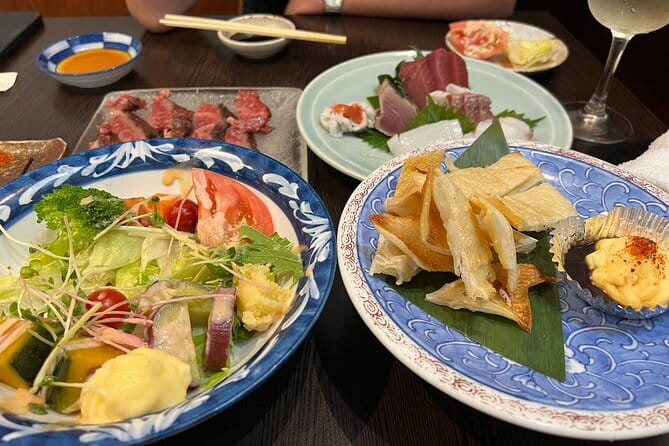
- Up to 13 dishes in two venues: Expect a substantial meal rather than a few token samples, with dishes such as karaage, tempura, sashimi, tonkatsu, tofu skin, and other local specialties.
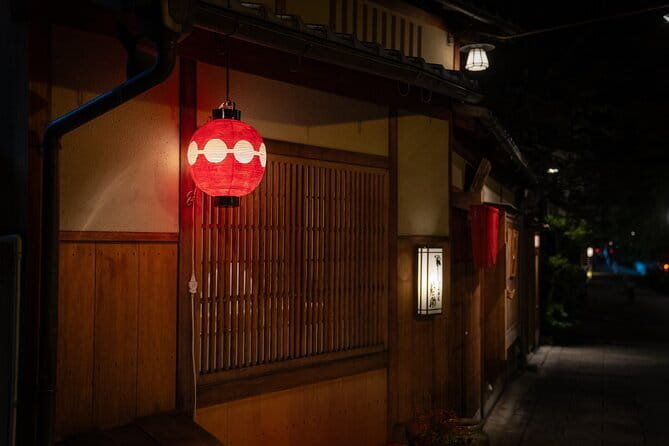
- Gion after sunset: The evening begins at Yasaka Shrine and continues through Gion Shirakawa, where the lanes and shrine visits add cultural context to dinner.
- A small group of eight or fewer: This gives you a better chance to ask questions and speak with the guide and other members of the group.
- Two drinks included: You can choose alcoholic or non-alcoholic drinks, with sake playing an important part of the evening.
- Guides make the difference: Tomoko, Takuma, Kohtaro, Mia, Minori, Ruko, and others have been praised for warm hosting, clear English, food explanations, and personal recommendations.
- Three hours on foot: Wear comfortable shoes and plan for an evening that combines walking, standing, eating, and sitting in restaurants.
Starting at Yasaka Shrine in Gion
The meeting point is in front of the main entrance of the FamilyMart in Gion, facing the main street. That is a useful landmark in a district where small lanes can make addresses confusing. You will want to arrive with enough time to find the shop and meet the group without rushing.
The first stop is Gion, with a short visit to Yasaka Shrine. At night, the illuminated shrine gives the tour an immediate sense of place. Your guide explains the shrine’s role and its connection to Kyoto’s customs before the food begins.
This opening matters because Gion can otherwise feel like a pretty collection of wooden facades and narrow streets. A good guide turns the scenery into a story. Tomoko, Takuma, and Kohtaro have been especially praised for explaining Kyoto’s past, local customs, and the areas you walk through in clear, engaging English.
The shrine visit itself is brief, listed at about a minute, so do not expect a long formal temple tour. Think of it as an orientation stop that sets up the rest of the evening.
A few more food tours in Kyoto worth a look
- Kyoto Night Foodie Tour in Gion (9+ dishes + 6 Sake tastings)
★ 5.0 · 1,762 reviews - Nishiki Market Brunch Walking Tour (7 Tastings + Brunch)
★ 5.0 · 1,355 reviews - Kyoto Sake Brewery & Tasting Walking Tour
★ 5.0 · 623 reviews
Walking through Shirakawa Lane
From Gion, the route moves through Shirakawa Lane for roughly 30 minutes. This is one of the most scenic stretches of the evening, with traditional buildings, water, bridges, and narrow lanes that feel far removed from the wider streets nearby.
The guide adds useful context as you walk. You may hear about geiko and maiko, the local terms connected with Kyoto’s professional entertainers, along with the customs of Gion’s old pleasure district. The tour promises a look at geisha culture, but it does not promise a private meeting or performance. That distinction matters. You are learning about the district and its traditions, not entering private spaces.
The walk also gives you a chance to ask questions that may not fit into a standard sightseeing tour. Ruko, for example, was praised for explaining geiko culture and Japanese food etiquette in a clear, friendly way. Tomoko has also been praised for taking notes on questions and sharing the answers at the end, a thoughtful touch for anyone who wants to remember the dishes later.
Please keep your behavior respectful here. Gion is a working neighborhood, not a stage set. Follow your guide’s advice about photographs, stay with the group, and do not block lanes while taking pictures.
The first meal: an izakaya in Gion
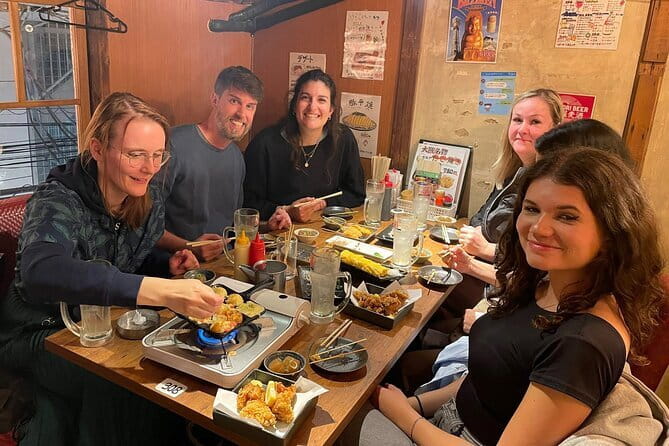
The first food stop is a cozy izakaya in Gion. An izakaya is a Japanese dining place built around shared dishes and drinks, so it suits a group tour well. Instead of ordering one large entrée, you sample several plates and learn how different foods fit into a Japanese evening meal.
The food can include karaage, tempura, sashimi, and other traditional dishes. The variety is the main attraction. You may try familiar foods prepared in a way you have not encountered, along with items you might never have ordered without guidance.
Several dishes mentioned by participants include tonkatsu, stingray, tofu skin, and regional specialties. That range gives you a better idea of Japanese food than a dinner centered only on sushi. If you are curious but cautious, the guide can explain ingredients and dining customs before you try each plate.
The portions appear to be generous. More than one person described the food as a lot, and one group of eight found there was plenty for everyone. You should arrive hungry, especially if you normally eat an early dinner.
The izakaya setting also helps with conversation. You sit with people from different countries, share plates, and compare reactions to unfamiliar flavors. Solo visitors may find this especially useful, since the small group provides an easy social setting without the pressure of joining a large bus tour.
Sake, beer, and the rhythm of Japanese dining
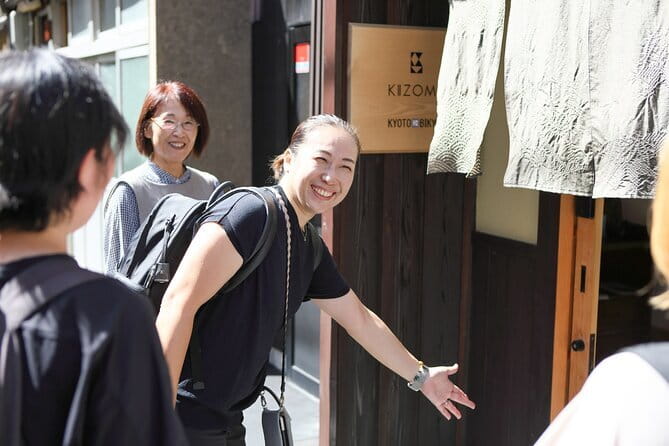
Two drinks are included, alcoholic or non-alcoholic. Sake is a central part of the experience, and the second venue may offer a more formal sake tasting or a selection of varieties. Masa was praised for explaining the differences among several types of sake, while other guides have been noted for making the tasting approachable rather than overly technical.
You do not need to be a sake expert to enjoy this part. A good guide helps you notice differences in taste and style, then connects the drink to the food. If you do not drink alcohol, the tour includes non-alcoholic choices, though the exact options are not specified.
Extra drinks are not included. That is the only real budget warning in the drinking department. If you know you will want several beers, cocktails, or additional sake after the two included drinks, plan for a larger final bill.
The meal is also a chance to learn Japanese dining etiquette. You might receive guidance on shared plates, chopsticks, ordering, and the customs surrounding drinks. These small lessons have practical value because you can use them during the rest of your time in Japan.
Same city, a different table:
- Ramen Cooking Class at Ramen Factory in Kyoto
★ 5.0 · 1,937 reviews - Sushi Making in Kyoto! Same-day bookings welcome!
★ 5.0 · 713 reviews - Kyoto Night All-Inclusive Eats and Streets, Gion and Beyond
★ 4.6 · 576 reviews - Kyoto: Ramen Cooking Class at a Ramen Factory with Souvenir
★ 4.9 · 532 reviews
Gion street food and the move to Pontocho
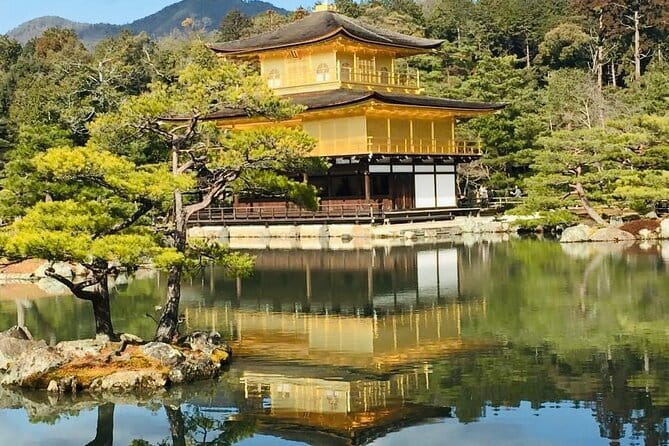
The itinerary includes about 15 minutes of street food in Gion before the route continues to Pontocho. The exact item can vary, so you should treat this as an additional local taste rather than a guaranteed named dish.
This short pause breaks up the restaurant time and lets you experience food in a more casual setting. Still, the overall evening remains centered on seated dining. If your ideal food tour involves a long parade of market stalls, this may not be the right format.
The walk to Pontocho takes about 15 minutes and continues the sightseeing element. Pontocho is famous for its narrow dining lane, traditional fronts, and evening atmosphere. The contrast with Gion is part of the appeal: you move from shrine grounds and historic lanes into a compact restaurant district where small doors open onto places you might not spot on your own.
You will want comfortable shoes. The tour lasts three hours, and even though much of the food is eaten sitting down, you still walk between stops and spend time standing outdoors.
Finishing in Pontocho with another full meal
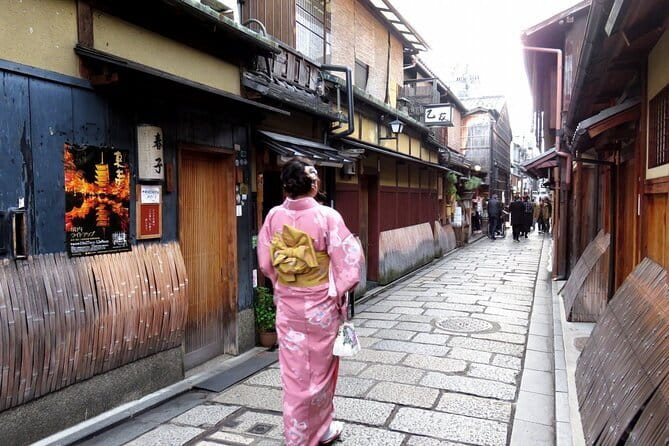
The final stop is a restaurant or dining spot in Pontocho, with about an hour set aside for food, drinks, and conversation. It has a different feel from the Gion izakaya, which gives the evening some welcome variety.
This is where the tour’s food count becomes significant. Up to 13 dishes over two venues can amount to a proper dinner, not a light sampler. The selection is designed to show different types of Japanese cooking, and guides explain what you are eating and why it matters.
The second stop may include a sake flight, which several people found memorable. You can compare varieties side by side and ask questions while the guide is nearby. That is much more useful than ordering a random bottle and hoping for the best.
The dining spaces have also been praised for attracting local diners, which can be a good sign for anyone seeking an ordinary Japanese meal rather than a performance designed only for tourists. Still, restaurant assignments and dishes may vary, so you should not book this expecting every item listed above.
The main drawback is time. One person would have preferred one or two extra stops with smaller amounts of food at each. That is a fair criticism. The tour gives you quantity and explanation, but less freedom to explore several separate food businesses.
What the guides add to the experience
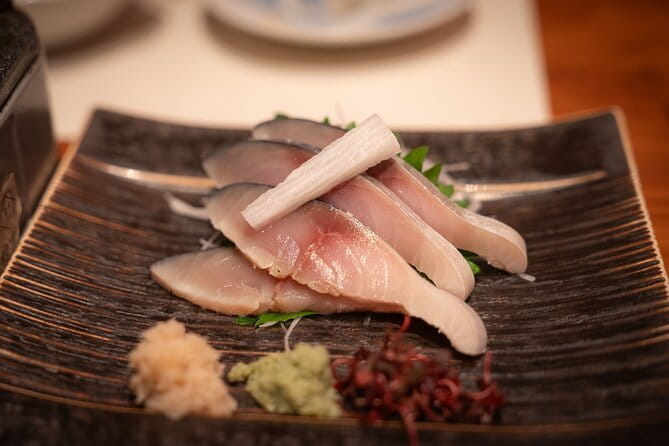
This tour depends heavily on the guide. The food is important, but the evening works best when the person leading it can explain the neighborhood, keep the group comfortable, and adjust to different interests.
The most praised guides have been warm, attentive, and easy to talk with. Tomoko has been singled out for her kindness, helpfulness, and strong explanations. Takuma has been praised for answering questions and making the evening feel social. Kohtaro has been noted for strong English and useful information about both Gion and Pontocho.
Other guides bring their own strengths. Mia has been praised for maintaining good spirits in snow and heavy rain. Minori has been described as hospitable and friendly. Ruko received high marks for clear English, food knowledge, and gentle explanations. These details matter because weather and group chemistry can shape a walking tour as much as the menu.
The group size is capped at eight. If fewer people book, the evening may feel almost private. One couple found themselves as the only participants, which allowed for a more personal experience. With a full group, you still get a manageable table conversation rather than a crowded procession.
Is $82 a good value?
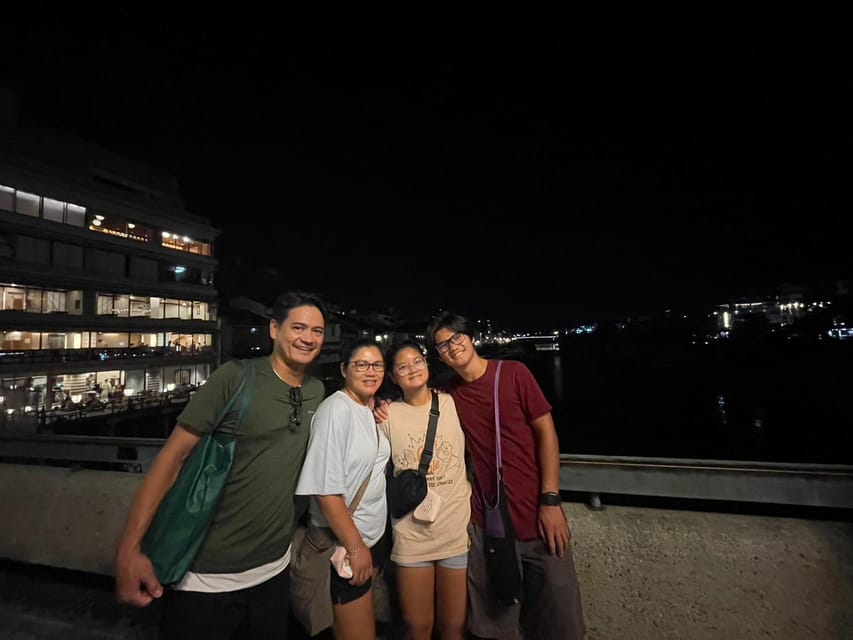
At $82 per person, this is not a bargain dinner. You are paying for more than the food. The price covers two dining venues, up to 13 dishes, two drinks, a three-hour walking route, and an English-speaking local guide.
I think the value is strongest if you are new to Kyoto’s food culture or uneasy about ordering in unfamiliar restaurants. The guide helps you understand the menu, explains etiquette, introduces dishes you might skip, and handles the practical flow of the evening.
The value is weaker if you already know Kyoto well, speak Japanese, or prefer choosing every restaurant yourself. You could likely spend less by eating independently, but you would give up the explanations and the social side of the tour.
Food allergies should be mentioned when booking and again at the start. One person with allergies received careful attention, but the supplied information does not guarantee that every dietary request can be met. Do not assume every dish will be adaptable.
Free cancellation is available up to 24 hours before the start time, and you can reserve now and pay later. The activity is listed as wheelchair accessible, though the route includes narrow historic streets, walking, and restaurant visits, so you should confirm any specific mobility needs before booking.
Who should book this Kyoto night out?
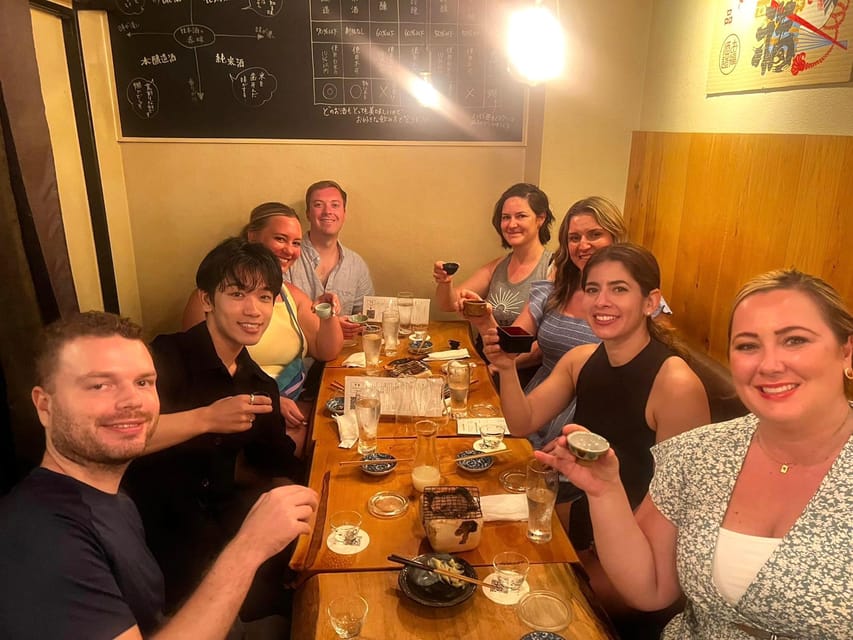
I would recommend it to first-time visitors who want an easy introduction to Gion and Pontocho. It is also a strong choice for solo visitors, couples, families with older children, and anyone who wants to try unfamiliar Japanese foods without studying menus alone.
It suits curious eaters more than picky eaters. You do not need to like every dish, but you should be willing to sample sashimi, tempura, fried foods, tofu products, and other traditional tastes.
The tour is also a good fit for people who want culture with dinner. You get shrine history, geiko traditions, food etiquette, sake, and neighborhood stories in one evening. It is less suitable for someone who wants a long independent stroll, a nightlife crawl, or a tour built mainly around street food.
Should you book the Gion and Pontocho food tour?
Book it if you want a filling, guided introduction to Kyoto’s evening food culture and prefer context with your meal. The small group, two included drinks, generous food selection, and strong record of friendly guides make the $82 fee reasonable for many visitors.
Skip it if you want many tiny tastings, several independent food stalls, or complete control over what you order. For most first-time visitors, though, the combination of Gion lanes, Yasaka Shrine, Pontocho, sake, and dishes you might not find alone offers a useful and enjoyable first night in Kyoto.
FAQ
Where does the tour meet?
The meeting point is in front of the main entrance of FamilyMart Gion, facing the main street.
How long does the experience last?
The tour lasts three hours.
What areas does the tour visit?
The route includes Gion, Shirakawa Lane, and Pontocho, with stops at Yasaka Shrine and other local cultural sites.
How many dishes are included?
The tour includes food at one restaurant and one izakaya, with up to 13 dishes.
Are drinks included?
Yes. Two drinks are included, and you can choose alcoholic or non-alcoholic drinks. Extra drinks are not included.
Is sake included?
Sake is part of the experience, and the Pontocho stop may include a sake tasting. The tour also provides non-alcoholic drink choices.
How large is the group?
The group is limited to eight participants.
What language is the tour conducted in?
The live tour guide speaks English.
Can I cancel the booking?
Yes. You can cancel up to 24 hours in advance for a full refund. You can also reserve now and pay later.
Just added in Kyoto
- Kyoto: Sushi Making Class with Sushi Chef★ 4.8 · 64 reviews
- Nishiki Market Food Tour with Cooking Class★ 4.9 · 42 reviews
- Kyoto: Small-Group Authentic Sushi Making Workshop★ 5.0 · 137 reviews
- Kyoto: Sake Brewery and Tasting Tour in Fushimi★ 4.8 · 55 reviews
- Kyoto Evening Gion Food Tour★ 4.9 · 35 reviews
- Kyoto: Foodie Night Tour in Gion with 9 dishes + 6 Sake★ 4.4 · 26 reviews
- Kyoto: Nishiki Market Tour with a Local Foodie & Tastings★ 4.5 · 67 reviews
- Kyoto: Nishiki Market Food Tour★ 4.9 · 21 reviews
Kyoto Food Tours, compared.
Ramen Cooking Class at Ramen Factory in Kyoto
Read our review →
Kyoto Night Foodie Tour in Gion (9+ dishes + 6 Sake tastings)
Read our review →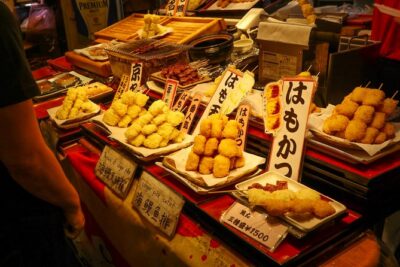
Nishiki Market Brunch Walking Tour (7 Tastings + Brunch)
Read our review →
Sushi Making in Kyoto! Same-day bookings welcome!
Read our review →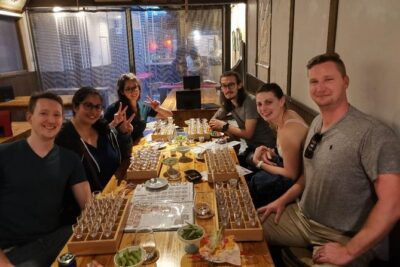
Kyoto Night All-Inclusive Eats and Streets, Gion and Beyond
Read our review →
Ramen Cooking Class at a Ramen Factory with Souvenir
Read our review →
Browse the lists this tour appears in