REVIEW · TOKYO FOOD TOURS
Ramen & Gyoza Cooking Class in Tokyo with Local Supermarket Visit
Tokyo tastes better from a home kitchen. This class takes you beyond restaurant tables and into YUCa’s Japanese cooking space in Nishiogu, where you learn to prepare ramen and gyoza with a local teacher. I especially like the small maximum group of seven and the chance to see a quieter, residential side of Tokyo that most first-time visitors miss.
I also like the friendly, social setup. YUCa is praised for her warmth, clear English, cultural explanations, and ability to involve children, parents, beginners, and experienced home cooks. The main point to consider is that the class is not fully hands-on at every stage. With one kitchen and a group sharing the work, some parts are more demonstration-based than a cooking lesson where everyone prepares every ingredient alone.
Key things to know before booking
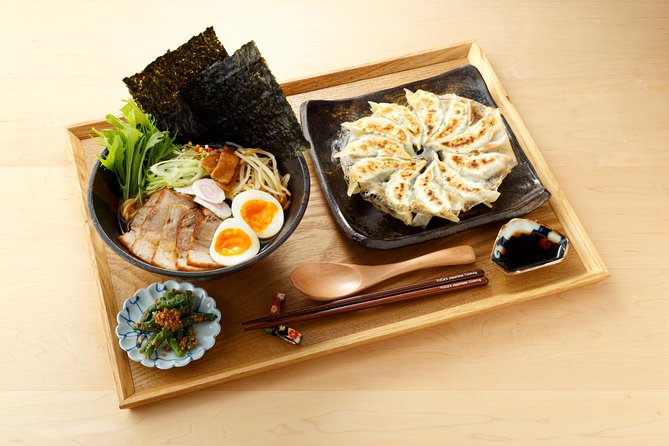
- You cook ramen and gyoza together, using vegetables, meat, noodles, and dumpling wrappers in one compact meal.
- YUCa teaches in her own home kitchen, giving the class a personal feel rather than a formal culinary-school atmosphere.
- The optional supermarket visit runs after cooking, from about 12:30 to 1:00 pm, and is useful for understanding Japanese ingredients and packaging.
- The group is capped at seven people, although the experience can still feel partly demonstration-style when the kitchen is full.
- The class suits families and beginners, with children as young as 9 praised for enjoying the gyoza-making activity.
- The price is $122.70 per person, a fair amount if you value instruction, lunch, cultural exchange, and a local neighborhood visit more than restaurant savings.
Arriving in Nishiogu for a home-style Tokyo class
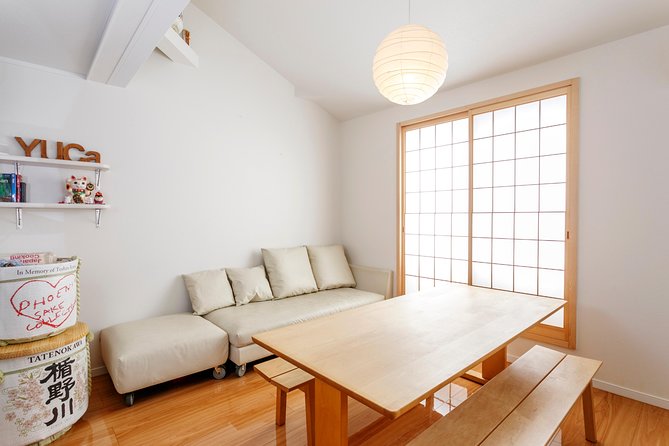
The meeting point is YUCa’s Japanese Cooking at 2-chōme-34-8 Nishiogu in Arakawa City. This is outside the usual sightseeing core, which is part of the appeal. You are not simply being moved between famous Tokyo attractions. You are going to a residential part of the city and entering a real home kitchen.
The experience begins at 10:00 am. You should allow enough time to reach Nishiogu without rushing, since the class has a fixed start and the address is not in the middle of the main tourist districts. The information says the location is near public transportation, but it does not provide a specific station or route, so check the exact map point before leaving your hotel.
That small bit of planning matters. Several people found the trip worthwhile, while one person used a taxi service to make the journey easier. I would treat the ride out as part of the experience, not as wasted time. Tokyo is more than Shibuya crossings and temple lanes, and this class lets you see a less tourist-focused neighborhood.
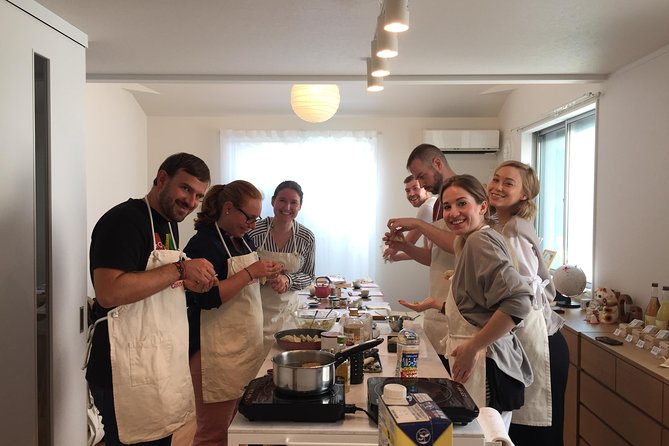
The home setting is important. You are not in a large studio designed to process dozens of participants. YUCa prepares the kitchen, welcomes you personally, and teaches in a space that gives you a glimpse of everyday Japanese cooking. The tradeoff is that a home kitchen has limited room, so not every person can work at the counter at the same time.
More Cooking Classes in Japan
- Tokyo: Roll and Authentic Sushi Making Class in Asakusa
★ 4.9 · 1,957 reviews - Tokyo: Sushi Making Class in a Happi Coat near a Famous Spot
★ 4.9 · 1,377 reviews - Tokyo Sushi Making Class in Tsukiji with Professional Chef
★ 5.0 · 1,177 reviews
10:15 am: Japanese home cooking and daily life
After the 10:00 meeting, the schedule allows a short introduction from 10:15 to 10:30. This talk covers Japanese home cooking and lifestyle before the group begins preparing food.
That introduction gives the dishes some context. Ramen is often treated by visitors as restaurant food, while gyoza can seem like a simple side dish ordered with beer. Here, you get to consider how these foods fit into home cooking, ingredient shopping, and everyday meals.
YUCa also adds personal touches that make the class feel social. One especially memorable detail is her practice of writing participants’ names in Japanese characters based on their pronunciation. It is a small gesture, but it gives the morning a sense of welcome without turning the lesson into a lecture.
The teaching is conducted in English, and the instructions are described as easy to follow. YUCa’s energy is a major part of the appeal. She explains techniques, answers questions, and shares cultural details while keeping the mood relaxed. If you want a quiet, highly technical culinary course, this may feel informal. If you want to cook, eat, and talk with people from several countries, the format works well.
Making ramen while the broth comes together
The main cooking period runs from 10:30 am to 12:30 pm. You prepare a simple ramen meal and learn how the different parts come together in the bowl.
The class uses meat and vegetables, and the recipe is designed to be approachable at home. That matters if you hope to repeat the meal after returning from Japan. You are not learning a restaurant production method that requires rare equipment or a professional kitchen. Instead, the goal is to understand the basic steps and create a satisfying bowl during the class.
One useful rhythm in the lesson is the way the dishes overlap. While the ramen ingredients cook and wait, you turn to the gyoza. Later, you assemble the ramen bowls and eat the meal you helped prepare. This prevents the class from becoming a long wait for noodles and gives you two different cooking tasks in the same morning.
The final bowl is one of the strongest parts of the experience. You are not merely watching a chef prepare lunch for you. You get to sit down with food that the group has made together. The portions are described by one person as a little small, so I would not book this expecting an enormous feast. Still, the combination of ramen and gyoza should make a satisfying meal for most people.
There is one point to understand clearly. The class includes hands-on work, but it is not an individual workstation format. With one kitchen, YUCa needs to organize the group and demonstrate some steps. You may be asked to add a measured amount of powder or liquid rather than build every element from scratch.
For some people, that will feel underwhelming at the price. If you want to knead, chop, season, and cook every component yourself, ask about the exact level of participation before booking. For others, the shared format is a benefit. You can watch the technique closely, take part in selected tasks, and enjoy the food without spending the whole morning worrying about whether you have followed a complicated recipe correctly.
Folding gyoza with children and first-time cooks
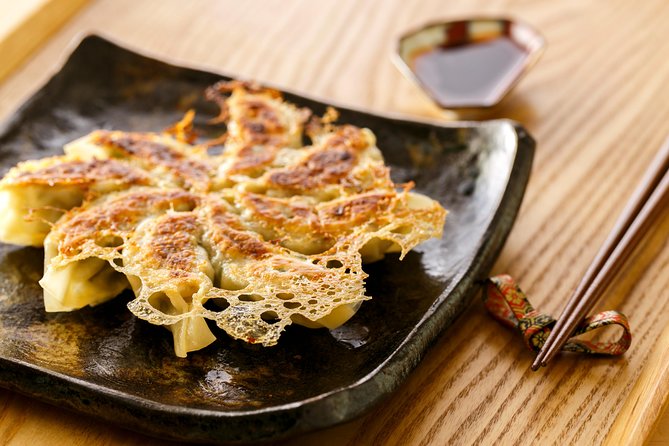
The gyoza portion is likely to be the most playful part of the class. You work with minced pork, vegetables, and wrappers, then shape the dumplings by hand.
Gyoza folding is accessible for beginners, but it still gives you a small skill to practice. The children in one family found this part especially enjoyable, including children aged 9, 13, and 14. That makes the class a strong choice for families who want an activity that is more active than a museum visit but less demanding than a full professional cooking course.
The class also suits couples, solo participants, and mixed-age groups. Several people appreciated meeting other participants and talking while the food was prepared. The maximum of seven keeps the group relatively intimate, although the experience can feel less personal if all seven places are filled.
YUCa’s teaching style helps here. She makes sure everyone has a role, even when the group cannot all stand at the stove. You might fold dumplings, help assemble a bowl, watch a technique, or take part in a short preparation step. The work is shared, and that shared effort becomes part of the meal.
Vegetarians can request an option, but you should provide dietary requirements at the time of booking. The standard meal includes meat, so do not wait until arrival to mention a restriction. The available information does not spell out every possible allergy accommodation, so ask in advance if you need more than the stated vegetarian option.
More Cooking Classes in Tokyo
- Tokyo: Tsukiji Fish Market Sushi Making Class with Pro Chef
★ 4.9 · 506 reviews - Tokyo: Sushi Making Class
★ 4.9 · 390 reviews - Tokyo: Sushi and Ramen Cooking Class with Sake Pairing Set
★ 5.0 · 81 reviews - Shibuya Tokyo: Sushi Making Class (Vegan/Vegetarian/Halal)
★ 4.7 · 29 reviews
Eating your own ramen and gyoza at noon
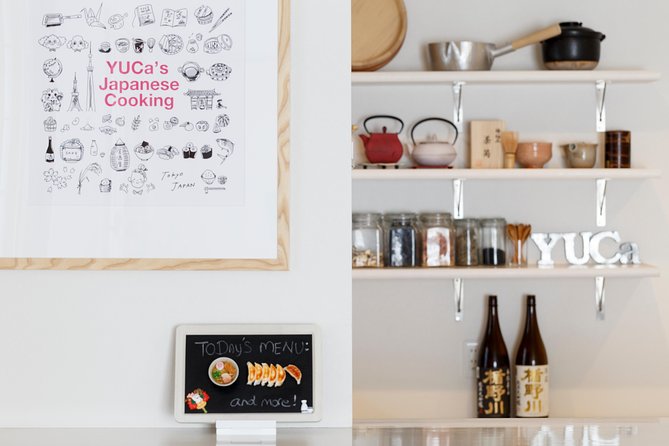
Cooking finishes around 12:30 pm, giving you time to taste the meal you have made. This is a lunch experience as much as a lesson.
The food receives strong praise, but the value is not only in the flavor. You learn a method you can try at home, receive explanations about ingredients, and share the meal in a Japanese household. Those elements make the price easier to justify than a simple restaurant lunch.
At $122.70 per person, this is not a bargain meal. You can eat ramen and gyoza elsewhere in Tokyo for much less. The comparison is not really restaurant versus restaurant. It is a question of whether you want to spend the morning learning from YUCa, cooking with a small group, and seeing a local part of the city.
I think the class offers good value for families and visitors who regularly take cooking classes on trips. It may feel expensive if your main goal is simply to eat. It is also a better fit for people who want a practical souvenir: a recipe and a new way to think about Japanese home food, rather than another purchased object.
The optional supermarket visit from 12:30 to 1:00
The schedule lists a local supermarket tour from 12:30 to 1:00 pm. This portion is optional and follows the cooking and tasting session.
The supermarket visit adds something that a kitchen lesson cannot. You can look at Japanese ingredients in their normal shopping setting, ask about unfamiliar packages, and see the kinds of products used in daily meals. It is particularly helpful if you hope to recreate ramen or gyoza at home but do not know what to buy in a Japanese shop.
This is also a chance to see a neighborhood outside the main tourist routes. One family especially valued visiting a store in a non-tourist area and asking about unusual products. That is the kind of small cultural encounter that can make a cooking class feel connected to the city around it.
Pay close attention to the word optional. The supermarket stop may not happen if you need to leave quickly, if circumstances change, or if the visit is not arranged for your session. One person was disappointed after not receiving the tour, while other accounts also describe attending the cooking class without it. If the supermarket is your main reason for choosing this experience, confirm its availability and timing before you book or at the start of the class.
The listed schedule runs until about 1:00 pm, while the headline duration is approximately two and a half hours. The difference appears to come from the optional supermarket visit. Plan for the longer morning if you want to take part in the full schedule.
What makes YUCa the heart of the experience
The strongest part of this class is YUCa herself. She is described as friendly, patient, outgoing, and welcoming, with a talent for making different ages and cooking levels feel included.
That matters in a home class. You are not only following printed instructions. You are learning from a person who shares her cooking habits and explains the food in a relaxed setting. Her English makes the process accessible to international visitors, and her cultural comments help connect the ingredients to daily life in Japan.
The atmosphere is social without requiring you to be an extrovert. You can come with parents, children, a partner, or alone and still have a role in the meal. Some people particularly enjoyed meeting other participants and exchanging stories while the food was prepared.
YUCa also has other products available for purchase, including aprons, tea, and sake. These are optional extras, not a reason to book, but they can be useful if you want a small reminder of the class.
Who should book this Tokyo cooking experience?
I would recommend it to:
- Families looking for a shared activity that works across several age groups
- First-time cooks who want clear instructions rather than advanced techniques
- Visitors interested in Japanese home life, not just famous sights
- Couples or solo visitors who enjoy meeting people in a small group
- Anyone hoping to make ramen and gyoza again at home
- People who value a personal host and cultural conversation
I would think twice if you want a fully hands-on culinary workshop in which every participant has a separate cooking station. I would also compare the price carefully if you only want a quick lunch.
The class is most rewarding when you see the meal, the teacher, the home setting, and the neighborhood visit as one experience. It is less compelling if you judge it only by how much chopping or cooking you personally do.
Practical details before you reserve
The class starts at 10:00 am and returns to the same meeting point. The maximum group size is seven, and at least two people are required per booking.
You receive confirmation when you book, and the experience provides a mobile ticket. Dietary needs must be shared in advance. A vegetarian option is available, but the standard dishes include meat.
Free cancellation is available up to 24 hours before the start time for a full refund. Changes or cancellations inside that window are not accepted, and the class may be rescheduled or refunded if the minimum number of participants is not reached.
Should you book the ramen and gyoza class?
Book it if you want a warm, local morning with food at the center. YUCa’s welcoming teaching style, the family-friendly dumpling work, and the chance to visit a less touristy part of Tokyo give the class a personal character that a restaurant meal cannot provide.
Go in with the right expectation: you will cook and participate, but some steps may be demonstrations in a shared kitchen. Confirm the optional supermarket visit if it is important to you, and decide if the $122.70 price fits your interest in food and culture.
For families, couples, and curious beginners, this is a strong pick. For serious cooks seeking intensive individual practice, it may feel too light. Either way, you leave with more than a bowl of ramen. You leave with a practical taste of how Japanese home cooking can fit into ordinary life.
FAQ
Where does the ramen and gyoza class take place?
The class takes place at YUCa’s Japanese Cooking, 2-chōme-34-8 Nishiogu, Arakawa City, Tokyo 116-0011, Japan.
What time does the experience begin?
The meeting time is 10:00 am.
How long does the class last?
The cooking and tasting schedule runs from about 10:30 am to 12:30 pm. The optional supermarket visit runs until about 1:00 pm. The stated duration is approximately two and a half hours.
What food do you make?
You prepare ramen and gyoza, using vegetables, meat, noodles, and dumpling wrappers.
Is a vegetarian option available?
Yes. A vegetarian option is available, but you must advise the provider of your dietary requirement when booking.
How many people can join?
The experience has a maximum of seven participants. A minimum of two people per booking is required.
Is the supermarket visit included?
The supermarket visit is listed as optional and takes place after the cooking and tasting session. Confirm the details in advance if this part is especially important to you.
More Workshops in Tokyo
- Shinjuku Tokyo: Authentic Japanese Home-Style Culinary Class
★ 4.9 · 125 reviews - Ramen Making from Scratch +Akihabara Tour –Cooking Class
★ 5.0 · 25 reviews - Authentic Pizza Making Class in Naples with Appetizers and Drink
★ 5.0 · 3,178 reviews - Ramen Cooking Class at Ramen Factory in Kyoto
★ 5.0 · 1,937 reviews
More Sushi and Ramen Tours in Tokyo
- Sushi Making Tokyo Roll and Authentic Japanese Sushi Class
★ 5.0 · 3,971 reviews - Best of Shinjuku: Izakaya Food Tour (4 Stops, 14+ Tastings)
★ 5.0 · 1,863 reviews - Sushi Making Tokyo! Popular Maki Sushi & Japanese Sushi(+Recipe!)
★ 5.0 · 1,314 reviews - Tokyo Night Foodie Tour in Shinjuku – Seasonal Sushi, Wagyu Beef
★ 5.0 · 1,161 reviews
Just added in Tokyo
- Tokyo: Allstar Food Tour★ 4.7 · 29 reviews
- Tokyo: West-Side Cycling and Food Tour with Guide★ 5.0 · 37 reviews
- Tokyo: Togoshi Ginza Street Food Tour★ 5.0 · 34 reviews
- Tokyo Tsukiji Food & Culture Private Tour Licensed Guide★ 4.9 · 28 reviews
- Tokyo: Wagyu and Sushi Gastronomic Journey★ 4.3 · 24 reviews
- Tokyo: Sushi and Ramen Cooking Class with Sake Pairing Set★ 5.0 · 81 reviews
- Tokyo: Sushi Making Class★ 4.9 · 390 reviews
- Tokyo: Ramen Tasting Tour with 6 Mini Bowls of Ramen★ 4.9 · 432 reviews
Cooking Classes, compared.
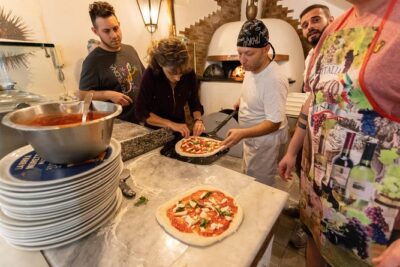
Authentic Pizza Making Class in Naples with Appetizers and Drink
Read our review →
Roll and Authentic Sushi Making Class in Asakusa
Read our review →
Ramen Cooking Class at Ramen Factory in Kyoto
Read our review →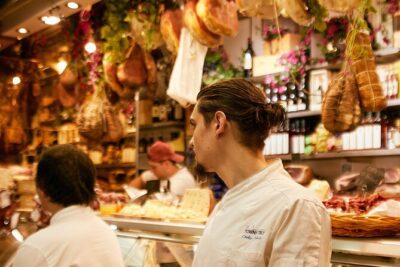
Small Group Cooking Class & Market Food Tour in Florence
Read our review →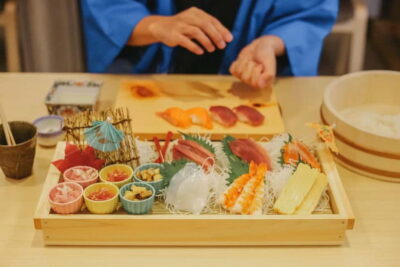
Sushi Making Class in a Happi Coat near a Famous Spot
Read our review →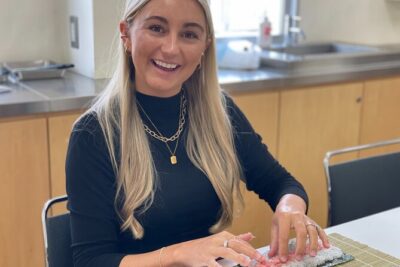
Tokyo Sushi Making Class in Tsukiji with Professional Chef
Read our review →
Food Market Visit and Cooking Class with Wine
Read our review →