REVIEW · TOKYO FOOD TOURS
Shibuya Tokyo: Sushi Making Class (Vegan/Vegetarian/Halal)
Roll your own sushi in the heart of Tokyo. This 90-minute Shibuya class gives you a practical way to experience Japanese food culture without needing cooking skills or a taste for raw fish. You make California rolls and nigiri with fresh vegetables, then sit down and eat what you prepared.
I like the welcoming English-speaking instructors, especially teachers such as Momoyo and Kaito, who are praised for clear guidance and a relaxed manner. I also like the genuine care for dietary needs, with vegan, vegetarian, halal-friendly, and gluten-free options available. The main consideration is location: the studio is only about seven minutes from Shibuya Station, but one participant advised allowing extra time to find the exact venue.
Key points at a glance
- A sushi quiz starts the class: Learn useful and amusing facts about sushi before cooking begins.
- You make both rolls and nigiri: The lesson covers California rolls and the iconic hand-shaped sushi style.
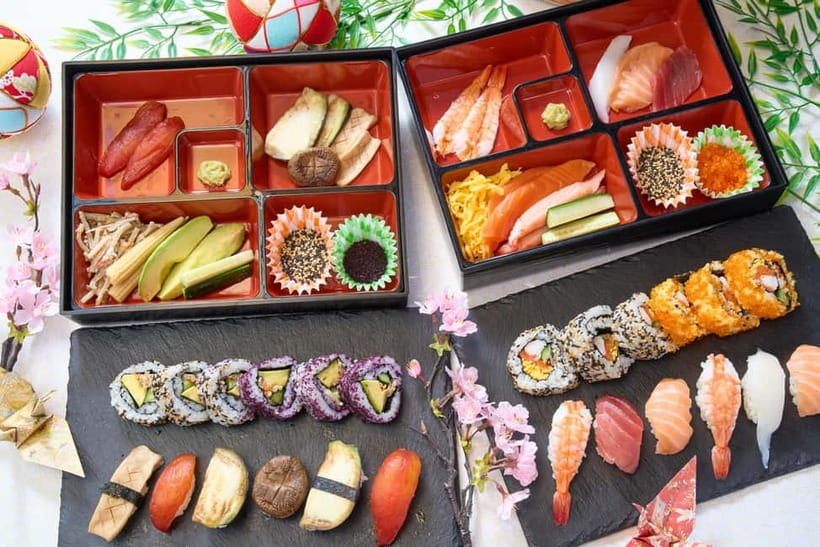
- Vegetable fillings keep the class inclusive: Ingredients may include eggplant, mushrooms, tomato, avocado, and other fresh produce.
- Dietary requests must be made in advance: Vegan, vegetarian, halal-friendly, and gluten-free choices are available, but changes cannot be made on the day.
- The class is easy to fit into a Tokyo schedule: It lasts 90 minutes and takes place near Shibuya Station.
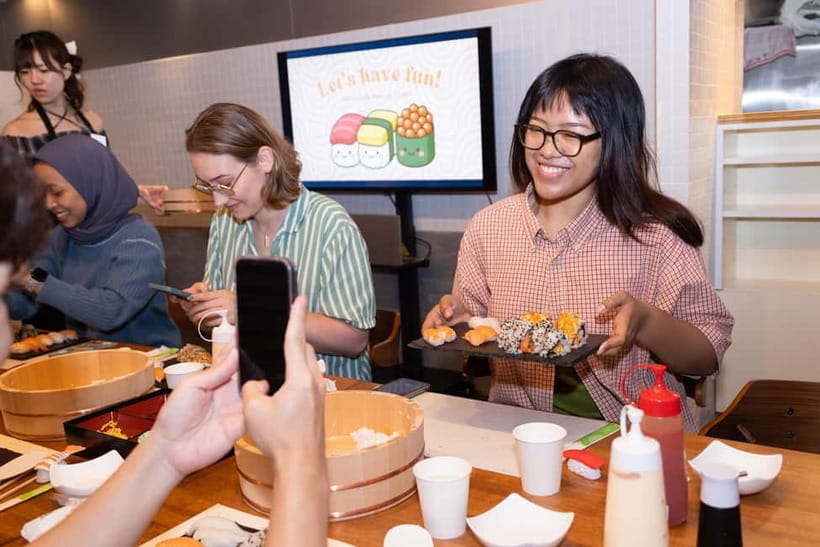
- The food is part of the value: You eat your own sushi at the end, and staff can take photos before the meal.
Why this Shibuya class works well for first-time sushi makers
Sushi can look simple until you try shaping it. The rice sticks to everything, rolls split at the edges, and nigiri takes more control than it appears to require. This class turns those small challenges into the point of the activity, with an instructor showing you what to do rather than leaving you to guess.
You do not need previous cooking experience. The structure is made for beginners, and the instructors guide you through ingredients, rolling, and presentation. That matters if you are traveling with children, joining alone, or simply prefer an activity where you can follow along at a comfortable pace.
The class also gives you something more useful than a quick meal. You leave with techniques you can try at home, along with a better sense of how sushi is assembled. It is not a full professional cooking course, but it gives you a clear first step.
I especially like that the activity does not treat sushi as only a fish-based food. Vegetable sushi can be colorful, filling, and satisfying, and the class uses ingredients such as eggplant, mushroom, tomato, and avocado to create different textures and flavors.
More Cooking Classes in Japan
- Tokyo: Roll and Authentic Sushi Making Class in Asakusa
★ 4.9 · 1,957 reviews - Tokyo: Sushi Making Class in a Happi Coat near a Famous Spot
★ 4.9 · 1,377 reviews - Tokyo Sushi Making Class in Tsukiji with Professional Chef
★ 5.0 · 1,177 reviews
A short sushi quiz sets the tone
The session begins with a short quiz about the history of sushi. This is a smart opening because it gives you some cultural context before the practical work starts, without turning the class into a lecture.
The quiz is designed to be fun and social. You can expect a few surprising facts about Japan’s best-known food, followed by an easy transition into the cooking lesson. The class is taught in English, so you can ask questions and follow the explanations without relying on translation.
This early introduction also helps create a relaxed mood. The strongest praise for the class focuses on friendly staff and clear explanations, and that tone appears to begin right away. Instructors such as Momoyo are noted for making people feel comfortable, while other participants describe the sushi history section as interesting without becoming dull.
If your main goal is a serious culinary education, the history portion will be brief. If you want a light cultural introduction before making lunch or dinner, the balance is right.
Fresh vegetables replace the usual fish
After the introduction, you learn about the ingredients and the basic ideas behind good sushi. The vegetable selection can include eggplant, mushrooms, tomatoes, avocado, and other fresh produce. The exact menu may vary, but the focus remains on making attractive, flavorful sushi without meat or fish.
This is especially useful in Tokyo, where finding clearly suitable food can require planning. Vegans and vegetarians can join without treating the meal as an afterthought. Halal-friendly and gluten-free options are also available, though you need to give your requirements when booking.
That advance notice is important. The menu cannot be changed on the day, so do not assume you can arrive and switch options at the last minute. If you have an allergy or a strict dietary rule, state it clearly when you reserve your place.
The class is also a good choice for mixed groups. One person can choose a vegan option while another selects a vegetarian or other suitable menu. Everyone can still take part in the same lesson and share the same activity.
Rolling California rolls without the usual pressure
The hands-on portion includes California rolls, giving you a chance to work with sushi rice, fillings, and the rolling tools. The instructors provide practical tips to help the roll keep its shape and look presentable.
This is where the class becomes more than a demonstration. You handle the ingredients yourself, make your own choices within the provided menu, and see how small adjustments affect the final roll. The result may not look like something from a skilled sushi counter, but that is part of the fun.
Expect a few imperfect edges. That is normal for a first attempt, and the instructors are there to correct your technique without making the process feel like an exam. Previous participants have praised the patience and clarity of the teachers, which is helpful when the rice or rolling mat refuses to cooperate.
The utensils and sushi-making tools are included, so you do not need to bring cooking equipment. The class supplies the ingredients as well as the guidance, keeping the activity simple for anyone arriving from a day of sightseeing.
More Cooking Classes in Tokyo
- Ramen & Gyoza Cooking Class in Tokyo with Local Supermarket Visit
★ 5.0 · 823 reviews - Tokyo: Tsukiji Fish Market Sushi Making Class with Pro Chef
★ 4.9 · 506 reviews - Tokyo: Sushi Making Class
★ 4.9 · 390 reviews - Tokyo: Sushi and Ramen Cooking Class with Sake Pairing Set
★ 5.0 · 81 reviews
Making nigiri gives you the Japanese classic
The lesson also covers nigiri, one of Japan’s most recognizable sushi forms. In a vegetable-focused class, the emphasis is on shaping the rice and placing the topping neatly, rather than handling raw fish.
Nigiri looks straightforward, but the shape and portion require a little care. You learn how to form the rice, keep it together, and create a finished piece that is easy to eat. This adds variety to the class and gives you a second technique to practice after rolling.
I like the inclusion of nigiri because it connects the activity to the wider sushi tradition. You are not only making a roll that many people already know from restaurants. You are also trying the compact, hand-shaped style that most people associate with traditional sushi.
The lesson remains beginner-friendly. You are not expected to produce chef-level pieces, and the relaxed teaching style helps keep the focus on learning and enjoying the meal.
Eating your own work is the best reward
Once the preparation is complete, you sit down and eat the sushi you made. This turns the class into a full food experience rather than a short demonstration followed by a snack.
The meal is described as generous and satisfying, with one participant specifically noting that it was a nice, substantial meal. That makes the $58 price easier to assess. You are paying for instruction, ingredients, equipment, cultural background, and a meal, not simply for a plate of sushi.
Staff can take photos of your finished creations before you eat. That is a small but useful touch, especially if the presentation turns out better than you expected. It also gives solo visitors a way to record the activity without asking another person to document every step.
The food may taste even better because you made it yourself, but the value is not based only on the final meal. The practical skill and the chance to ask questions from local instructors are important parts of what you are buying.
Friendly instructors make a real difference
The human side of this class receives the most consistent praise. Momoyo is singled out for making the session easy and enjoyable, while Kaito and Momoyo together are described as enthusiastic teachers who helped make the activity special.
That warmth matters in a cooking class. If an instructor rushes through the steps, beginners can feel awkward and fall behind. Here, the teaching is described as patient, clear, and encouraging, with time for conversation about sushi and Japan.
The English instruction is another strong point. You can follow the sequence, ask for help, and understand the explanations without needing to translate each step. The class is not presented as an advanced technical course, but the teaching seems well suited to people who want a friendly introduction.
Couples, families, solo visitors, and food-focused visitors can all fit comfortably into this format. You do not need to be outgoing, either. The quiz and shared cooking provide natural ways to interact without forcing conversation.
Shibuya access is convenient, with one practical warning
The studio is located in central Shibuya, about a seven-minute walk from Shibuya Station. That makes the class easy to pair with shopping, a city walk, or other activities in the area.
Shibuya is not the place to arrive with only seconds to spare. The meeting point may vary depending on the option booked, and one participant specifically recommended allowing extra time to find the venue. Check the details carefully before setting off and avoid scheduling another activity immediately after the class.
The central location is a major advantage for a short experience. You do not spend a large part of your day crossing Tokyo, and the 90-minute duration leaves room for other plans.
The activity does not permit audio recording. You can still take photos of your food, with staff happy to help before you eat, but plan to keep recording equipment out of the session.
Is $58 a fair price?
At $58 per person, this is not the cheapest meal you will find in Tokyo. It is also not priced like a simple restaurant visit. The cost includes an English-language lesson, fresh ingredients, cooking tools, the opening sushi quiz, hands-on preparation, and the meal you make.
For a vegan or vegetarian visitor, the value can be stronger because suitable food is built into the experience rather than left for you to arrange separately. Halal-friendly and gluten-free options add flexibility for groups with different requirements.
I would see the price as fair if you want a structured cultural activity and a meal in one booking. It is less compelling if you only want to eat sushi or already know how to make rolls. The experience earns its price through participation, teaching, and the friendly attention from the instructors.
The included skills also have lasting value. You can repeat the techniques at home, which makes this more useful than a meal that disappears as soon as you leave the restaurant.
Who should book this activity?
I would recommend this class to:
- First-time sushi makers who want patient instruction.
- Vegans and vegetarians looking for a food activity built around suitable ingredients.
- Mixed-diet groups that need vegan, vegetarian, halal-friendly, or gluten-free choices.
- Families and couples seeking a short, hands-on activity.
- Solo visitors who want an easy way to meet people through a shared task.
- Food lovers who enjoy learning how a familiar dish is put together.
It may be less suitable if you want a long, advanced cooking workshop or a traditional seafood-focused sushi lesson. This is a friendly introduction centered on vegetable ingredients, basic techniques, and enjoying the finished food.
Booking details worth knowing
The class lasts 90 minutes, and starting times depend on availability. English is the listed language, with local instructors leading the activity.
Tell the provider about your dietary preference or restriction when you book. Vegan, vegetarian, halal-friendly, and gluten-free choices are available, but menu changes cannot be made on the day.
You can cancel up to 24 hours in advance for a full refund, and a reserve-now, pay-later option may help if your Tokyo schedule is still changing. Confirm the meeting point for your selected option, then allow extra time for the walk from Shibuya Station.
Should you book the Shibuya sushi class?
Yes, if you want a cheerful, practical Tokyo activity that combines food, culture, and a meal you make yourself. The strongest reasons to book are the friendly instructors, clear English guidance, flexible dietary choices, and the chance to learn both California rolls and nigiri.
The main limits are equally clear. The class is short, the menu must be arranged in advance, and the central venue may take a few extra minutes to locate. At $58, it offers good value for a hands-on lesson and meal, but not for someone seeking only a quick bite.
For a vegan or vegetarian visitor, this is one of the more useful ways to connect with Japanese food culture in Shibuya. For everyone else, it is a relaxed introduction to sushi making, with enough structure to teach you something and enough food to make the lesson feel worthwhile.
FAQ
How long does the sushi-making class last?
The class lasts 90 minutes.
Where is the studio located?
The studio is in Shibuya, Tokyo, about a seven-minute walk from Shibuya Station. The exact meeting point may vary depending on the option booked.
Is the class taught in English?
Yes. The instructor language is English, and local English-speaking staff lead the activity.
Are vegan and vegetarian options available?
Yes. The class offers vegan and vegetarian choices using ingredients such as eggplant, mushroom, tomato, avocado, and other fresh vegetables.
Can I request halal-friendly or gluten-free food?
Yes. Halal-friendly and gluten-free options are available. You should provide your dietary preference or restriction when booking.
What happens during the class?
You begin with a short sushi history quiz, learn about the ingredients, make California rolls and nigiri with guidance, and eat the sushi you prepare.
Can I cancel the booking?
Yes. You can cancel up to 24 hours in advance for a full refund. A reserve-now, pay-later option is also available.
More vegan and vegetarian food tours in Tokyo
- Tokyo: 2-Hour Vegan and Vegetarian Ramen Guided Walking Tour
★ 4.8 · 33 reviews - Ha Noi Walking Food Tour, Non Vegetarian,Vegan, vegetarian Option
★ 5.0 · 846 reviews - Mexico City Vegan & Vegetarian Street Food Adventure
★ 5.0 · 176 reviews - Hanoi Vegan Street Food & Train Street Tour
★ 4.8 · 143 reviews
More Sushi and Ramen Tours in Tokyo
- Sushi Making Tokyo Roll and Authentic Japanese Sushi Class
★ 5.0 · 3,971 reviews - Best of Shinjuku: Izakaya Food Tour (4 Stops, 14+ Tastings)
★ 5.0 · 1,863 reviews - Sushi Making Tokyo! Popular Maki Sushi & Japanese Sushi(+Recipe!)
★ 5.0 · 1,314 reviews - Tokyo Night Foodie Tour in Shinjuku – Seasonal Sushi, Wagyu Beef
★ 5.0 · 1,161 reviews
Just added in Tokyo
- Tokyo: Allstar Food Tour★ 4.7 · 29 reviews
- Tokyo: West-Side Cycling and Food Tour with Guide★ 5.0 · 37 reviews
- Tokyo Tsukiji Food & Culture Private Tour Licensed Guide★ 4.9 · 28 reviews
- Tokyo: Wagyu and Sushi Gastronomic Journey★ 4.3 · 24 reviews
- Tokyo: Togoshi Ginza Street Food Tour★ 5.0 · 34 reviews
- Tokyo: Sushi and Ramen Cooking Class with Sake Pairing Set★ 5.0 · 81 reviews
- Tokyo: Sushi Making Class★ 4.9 · 390 reviews
- Tokyo: Ramen Tasting Tour with 6 Mini Bowls of Ramen★ 4.9 · 432 reviews
Cooking Classes, compared.
Authentic Pizza Making Class in Naples with Appetizers and Drink
Read our review →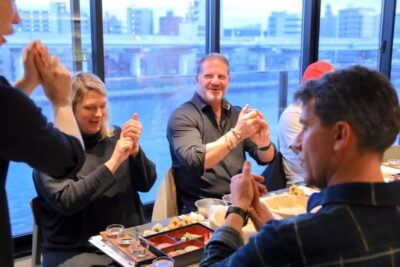
Roll and Authentic Sushi Making Class in Asakusa
Read our review →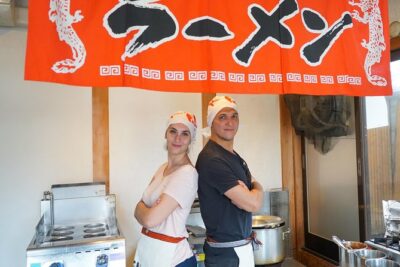
Ramen Cooking Class at Ramen Factory in Kyoto
Read our review →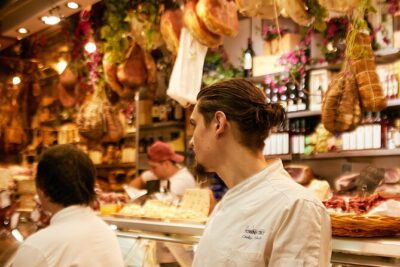
Small Group Cooking Class & Market Food Tour in Florence
Read our review →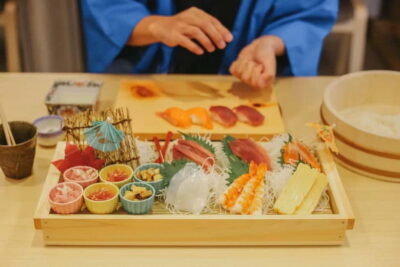
Sushi Making Class in a Happi Coat near a Famous Spot
Read our review →
Tokyo Sushi Making Class in Tsukiji with Professional Chef
Read our review →
Food Market Visit and Cooking Class with Wine
Read our review →