
REVIEW · TOKYO FOOD TOURS
Shinjuku Tokyo: Authentic Japanese Home-Style Culinary Class
Japanese food is easier than it looks. This 150-minute cooking class near Shinjuku gives you a friendly way to prepare several familiar dishes, then sit down and eat what you made. I especially like the menu choice and the chance to learn practical recipes you can repeat at home. The class also works well for families, with instructors adapting tasks for children.
The other strong point is the personal instruction. Hosts such as Kana, Lulu, Kayo, Chieko, and Miyuki have helped visitors understand ingredients, cooking methods, and the cultural place of each dish. The main caution is that the class can be less hands-on for confident cooks if the instructor demonstrates more than you expected, and menu choice may be limited when another group joins the session.
- Four main menus: Choose from okonomiyaki and yakisoba, gyoza and takoyaki, rolled sushi and teriyaki, or a traditional gozen meal.
- Near central Tokyo: The kitchen studio is in or around Shinjuku, making it easy to fit into a day of sightseeing.
- A full meal, not just a lesson: You prepare several dishes, then eat together at the end.
- Good for families: Children from about age seven have taken part successfully, with patient instruction and simple steps.
- Dietary requests can be discussed: Vegetarian, vegan, and allergy needs may be accommodated when arranged in advance.
- Useful take-home skills: Recipes, ingredient guidance, and plating tips help you recreate the dishes after Japan.
Why a Shinjuku cooking class is worth two and a half hours
Tokyo offers endless chances to eat Japanese food. A cooking class gives you something a restaurant cannot: a look at how ordinary dishes come together in a Japanese home kitchen.
This experience is not built around elaborate restaurant presentation or rare ingredients. It focuses on foods people recognize across Japan, including okonomiyaki, yakisoba, gyoza, takoyaki, sushi rolls, teriyaki, miso soup, and onigiri.
That makes the class useful for two kinds of visitors. If you already love Japanese food, you get a chance to understand the steps behind it. If you are new to Japanese cooking, you leave with dishes that are approachable rather than intimidating.
The class lasts about 150 minutes. That is long enough to prepare several recipes without turning the activity into an all-day project. You will spend part of the time listening and watching, part preparing ingredients, and part cooking. At the end, you eat the meal you made together.
The amount of food can be generous. One participant described leaving full for nearly the rest of the day, so do not arrive expecting a small tasting plate. A light breakfast or lunch beforehand is sensible, especially if you are joining a menu with several dishes.
Finding the studio near Shinjuku
The kitchen is located in or around Shinjuku, in central Tokyo. This is a useful setting for a cooking activity because you can combine it with shopping, department stores, city views, or a walk through one of Tokyo’s busiest districts.
The exact address is sent after booking, so you need to watch for the organizer’s message. One visitor had trouble finding the correct entrance and needed to telephone the organizer, arriving about 15 minutes late. Another group experienced a location change that the organizers handled by helping arrange and pay for a taxi to the new site.
The practical lesson is simple: do not rely only on the street address. Read the arrival instructions carefully, keep the contact details available, and allow a little extra time. This matters more in Tokyo than it might seem, since large buildings and multiple entrances can make a short final walk confusing.
Private transportation is not included. You make your own way to the studio, and the exact meeting point is not published in the basic activity details. That small bit of uncertainty is the main logistical weakness of an otherwise straightforward experience.
A few more food tours in Tokyo worth a look
- Sushi Making Tokyo Roll and Authentic Japanese Sushi Class
★ 5.0 · 3,971 reviews - Tokyo: Roll and Authentic Sushi Making Class in Asakusa
★ 4.9 · 1,957 reviews - Tokyo: Sushi Making Class in a Happi Coat near a Famous Spot
★ 4.9 · 1,377 reviews
Choosing between four Japanese menus
Your menu is the heart of the class. You can normally select one of four choices when booking, though the choice may not be available if another group attends on the same day. In that case, the organizer may need to coordinate the menu for everyone.
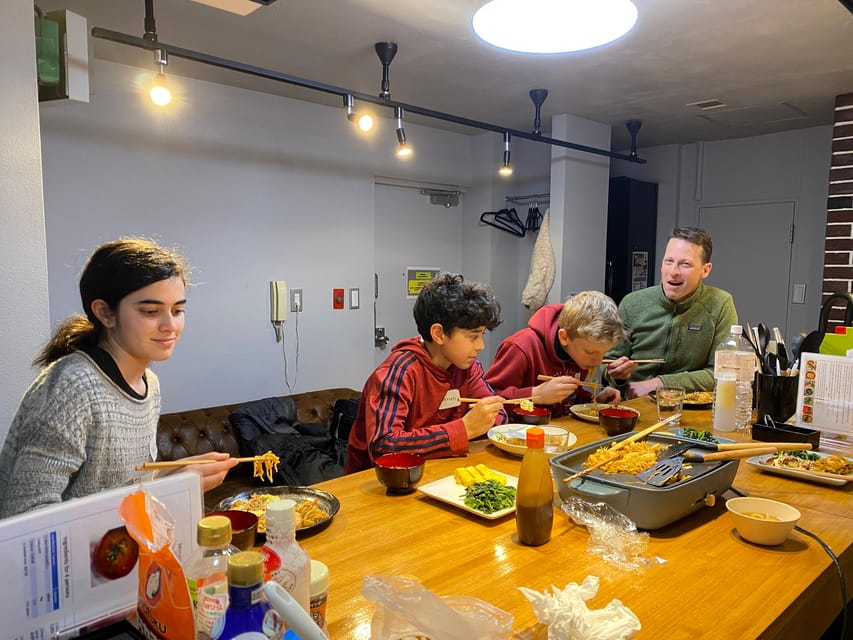
Okonomiyaki and yakisoba
This is a good choice if you want two classic casual Japanese dishes in one meal.
Okonomiyaki is made from batter, chopped cabbage, and other ingredients cooked on a teppan grill. The finished pancake is topped with sauces and other additions. You get to see how a loose mixture becomes a substantial savory dish.
Yakisoba uses stir-fried noodles, vegetables, and usually pork or seafood, with a thick sweet and savory sauce. It is filling and familiar, which makes this menu particularly useful if you want recipes that are easy to attempt in your own kitchen.
A side dish completes the set. I would choose this menu if you enjoy Japanese street food and want a hearty meal with plenty of cooking activity.
Gyoza and takoyaki
This menu brings together two hands-on favorites.
The gyoza are pan-fried, with a crisp underside and a softer wrapper above. You learn how to prepare and cook the dumplings rather than simply eating them from a restaurant plate.
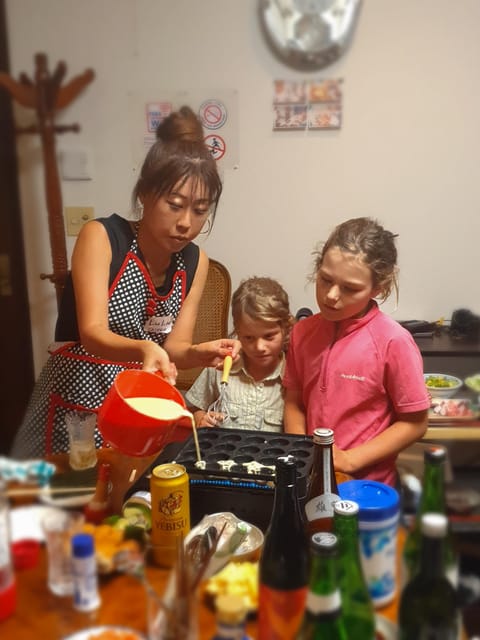
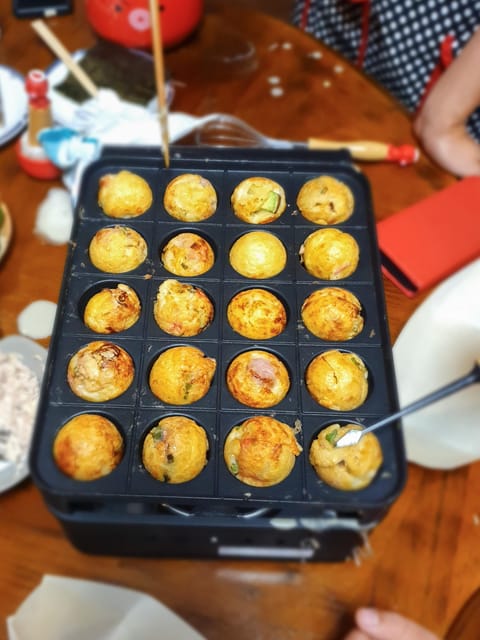
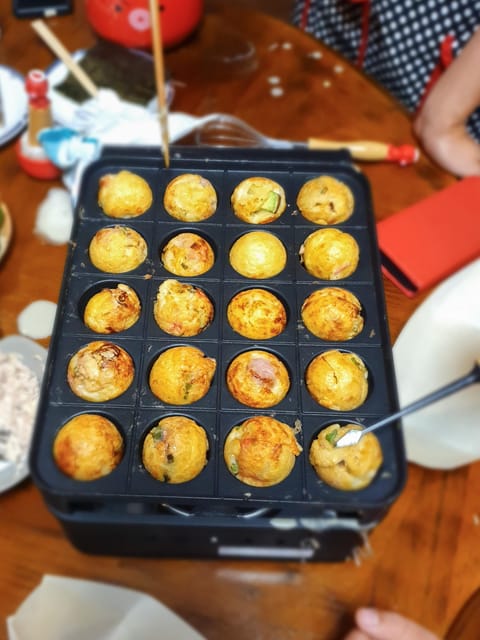
Takoyaki are round, savory dumplings associated especially with Osaka and summer festivals. Making them is a fun part of the session because the cooking process requires attention as the batter sets and the pieces take shape.
One participant specifically enjoyed making takoyaki because it was not something they could easily try at home in the United States. This menu is a good pick for families and groups who want the most playful cooking experience.
Same city, a different table:
- Tokyo: Shinjuku Food Tour (13 Dishes at 4 Local Eateries)
★ 5.0 · 6,603 reviews - Tokyo Tsukiji Fish Market Food and Culture Walking Tour
★ 5.0 · 3,184 reviews - Tokyo: Shinjuku Food Tour (15 Dishes and 4 Eateries)
★ 4.9 · 2,033 reviews - Best of Shinjuku: Izakaya Food Tour (4 Stops, 14+ Tastings)
★ 5.0 · 1,863 reviews
Rolled sushi and teriyaki
This option combines sushi-making with a main dish and soup.
You roll and cut your own sushi pieces, then pair them with either yellowtail fish or chicken teriyaki. Miso soup completes the meal.
The appeal here is practical. Sushi rolls can look complicated until you see how the ingredients are arranged and cut. The class breaks the process into manageable steps, and several participants said they felt able to make sushi and miso soup at home afterward.
Choose chicken teriyaki if you prefer a familiar meat dish or have concerns about fish. Yellowtail gives you a more seafood-focused meal, though allergy and dietary questions should be discussed before the class.
Traditional gozen set
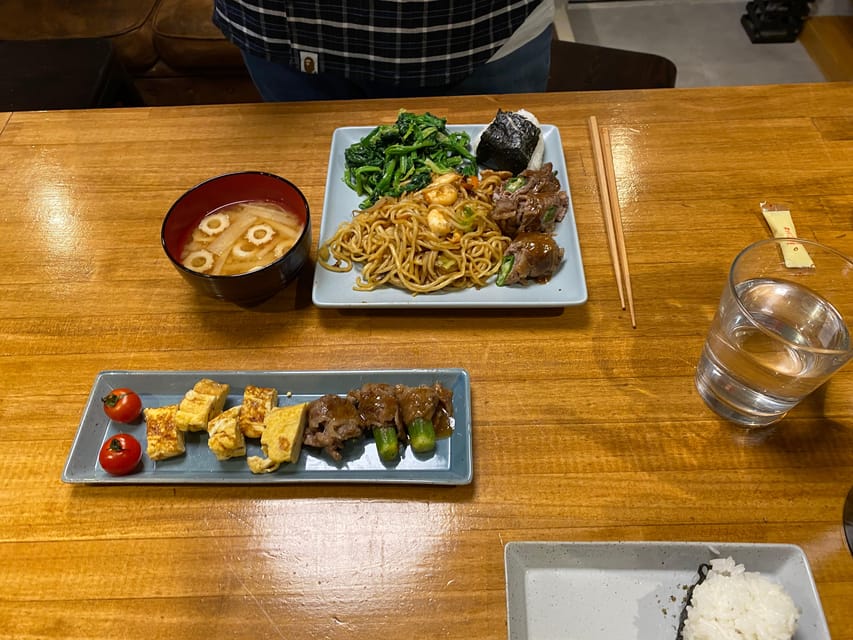
The gozen menu is the broadest introduction to everyday Japanese meal structure. It includes a meat plate, a fish plate, a side dish, miso soup, and an onigiri rice ball.
This is the menu I would suggest if you want more than one headline dish. You get a sense of balance, with rice, soup, protein, and smaller accompaniments arranged as a complete meal.
The menu can also be adjusted. One family selected the gozen meal and requested chicken teriyaki, which the instructor accommodated. Do not assume every request can be accepted, but it is worth asking before the session.
A requested menu
A fifth option is available by request. You can send your preferred dishes and discuss the plan with the organizer.
This is especially useful for dietary restrictions, strong dislikes, or a group that already knows what it wants to learn. Ask early, since ingredients are prepared beforehand and a shared class may limit changes.
What the 150-minute session feels like
The ingredients are prepared before you arrive. That keeps the class moving and leaves more time for cooking, questions, and eating.
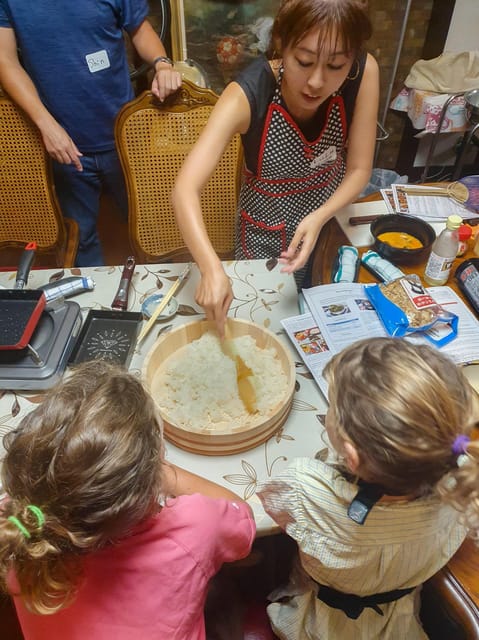
The session begins with an explanation of the menu and the ingredients. The instructors explain how foods are used and why certain techniques matter. Guests have praised the clear English and the way cultural background is added without taking over the lesson.
You then work through the preparation. The exact tasks depend on your menu, but expect a mixture of chopping, mixing, shaping, rolling, pan-frying, grilling, and plating. The instructors guide you through each stage rather than handing you a recipe and leaving you alone.
This is where the group dynamic matters. Several sessions have been private or nearly private, which allows plenty of questions and close attention. In a larger mixed class, you may spend more time watching demonstrations before taking your turn.
One experienced home cook felt there was more watching than expected. That is a fair point. If you want nonstop kitchen work, tell the instructor at the beginning. If you prefer a calm pace with explanations, the demonstration style will likely suit you.
The final stage is the meal. You sit down and eat the dishes prepared during the class. Instructors may help with plating, which adds a small but useful lesson in how a Japanese meal is presented.
The instructors make the difference
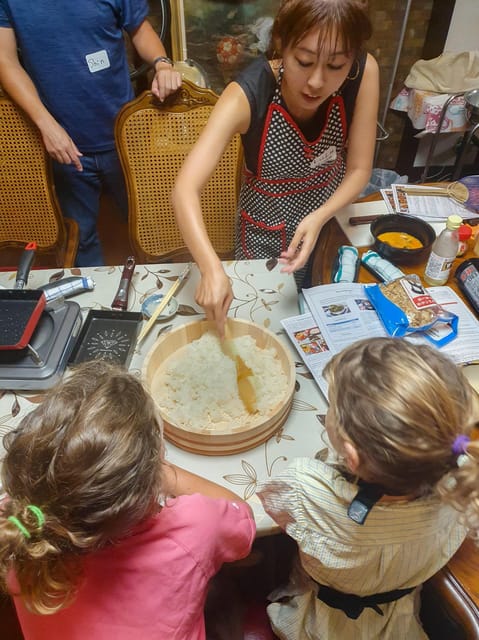
The people teaching the class receive the strongest praise, and that matters more here than fancy equipment.
Kana has been described as warm, patient, and very clear in English. One participant enjoyed the session so much that they bought a pan afterward to recreate the dishes at home.
Lulu has adapted menus to food preferences, explained Japanese culture, helped with plating, and shared recipes. She also gave restaurant and destination suggestions to one group planning the rest of its time in Japan.
Kayo has been praised for explaining both the dishes and the techniques. Chieko has helped participants understand traditional recipes and cooking methods, sometimes with assistance from Yuki. Miyuki has been described as kind, funny, patient, and generous with explanations.
Other instructors, including Mika, Miho, Aki, and Erica, have also received strong marks for clear teaching and friendly guidance. The names may vary by date, so you should not book solely because you expect one particular instructor.
The common thread is the teaching style: warm, conversational, and willing to answer questions. English is the teaching language, and the instructors are prepared to explain ingredients and methods in English.
Food allergies and vegetarian requests
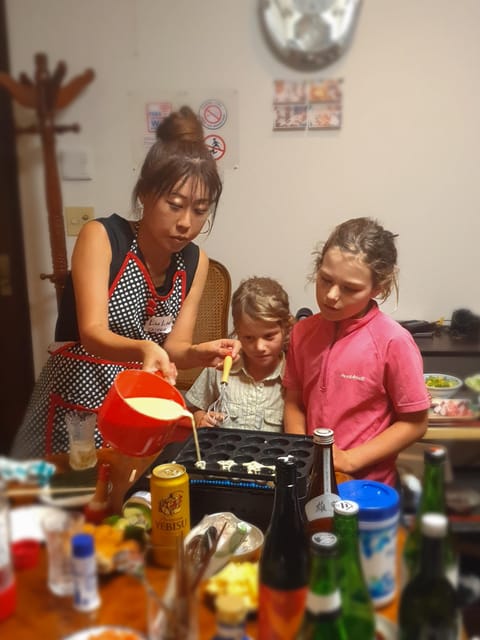
The organizers ask you to share allergies in advance. This is important because the ingredients are prepared before the class and several menus commonly include seafood, meat, wheat, eggs, or sauces.
Vegetarian guests have been accommodated, and one group specifically noted that vegetarian options were handled well. Vegan requests may also be discussed, but the available dishes depend on the chosen menu and the ingredients needed for it.
Do not wait until you arrive. Send a clear list of allergies, restrictions, and foods you do not eat when arranging the activity. Ask what substitutions are possible before payment or before the class date.
The promise here is flexibility, not an unlimited custom kitchen. A shared group may make menu changes harder, and some dishes may require substantial adjustment. Early communication gives the organizer the best chance to prepare safely.
Is $88 a fair price?
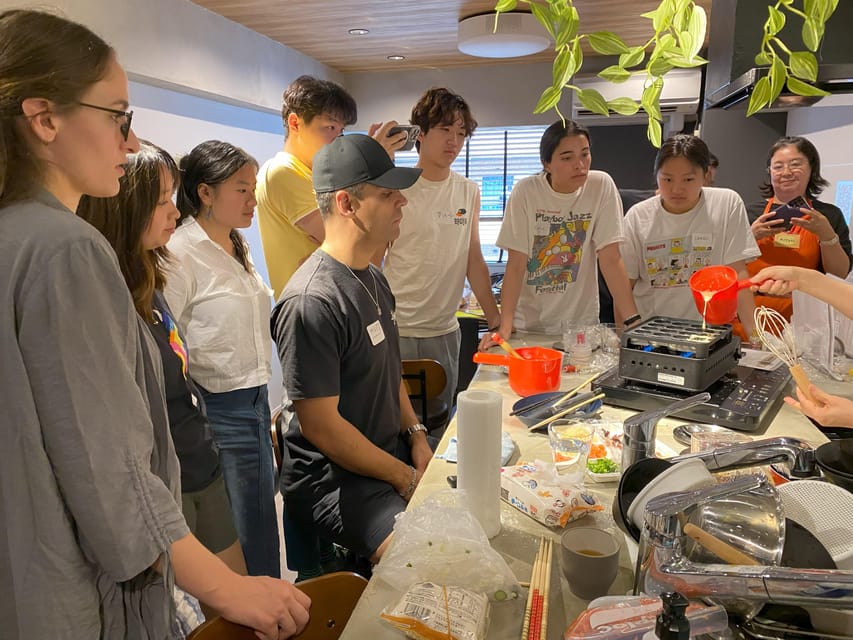
At $88 per person, this is not the cheapest meal you will have in Tokyo. You can buy ramen, sushi, or takoyaki for far less.
The value comes from what is included. The price covers ingredients, cooking tools, drinking water, instruction, the meal you prepare, and all fees and taxes. You are also paying for a central location, English guidance, and the chance to ask questions during the cooking process.
The class becomes better value if you want recipes to use later. Several participants received recipes or instructions after the session, and many felt confident making sushi, miso soup, okonomiyaki, or other dishes at home.
For a family, the price also buys a shared activity instead of another restaurant meal where everyone simply orders and eats. For a serious cook, the value depends on how much hands-on time you receive. Tell the instructor you want to do as much of the preparation as possible.
Free cancellation up to 24 hours before the activity and the option to reserve now and pay later make the booking less rigid. Starting times vary, so check availability before shaping your sightseeing plans.
Who will enjoy this class most?
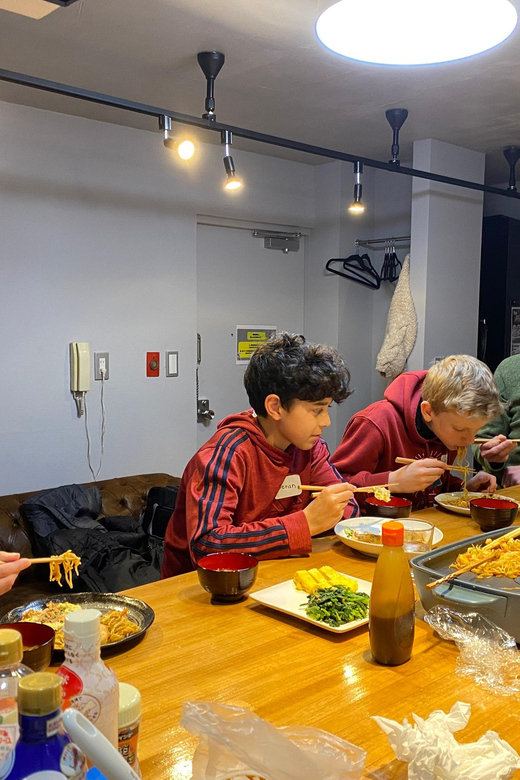
This class suits you if you want an activity that involves food, conversation, and practical skills. It is a strong choice for couples, families, first-time visitors, and anyone who wants a slower break from Tokyo sightseeing.
Families should take note. Children aged seven to twelve have taken part successfully, and the instructors have adjusted the lesson so everyone could contribute. Teenagers may especially enjoy the dumpling and takoyaki menu, while younger children can help with simpler preparation tasks.
It also works for mixed groups. One family included a teenager who wanted to learn and adults who already cooked regularly. The class gave both groups something useful: basic steps for the beginner and ingredient and technique details for the more experienced cook.
You may want to skip it if you dislike group activities, have very limited time near Shinjuku, or want a highly advanced culinary course. This is home-style cooking, not professional chef training. It is friendly and practical rather than technical or formal.
A few smart tips before you book
- Tell the organizer about allergies, vegetarian needs, vegan preferences, and menu requests in advance.
- Check whether you will be able to choose the menu if another group is booked for the same session.
- Allow extra time to find the studio entrance, even after receiving the address.
- Arrive hungry enough to enjoy a full meal, but not so hungry that you cannot concentrate.
- If you like cooking, ask to handle more of the preparation instead of only watching demonstrations.
- Keep the recipes and take photos of the finished dishes if you want to recreate the meal at home.
Should you book it?
I would book this class if you want to understand Japanese food through ordinary dishes rather than a formal restaurant tasting. The best parts are the friendly English instruction, the generous meal, the choice of menus, and the chance to leave with recipes you can actually use.
The two things to check first are the final meeting location and the level of hands-on work you prefer. Menu choice may also be limited in a shared session. If those points suit your plans, $88 is a reasonable price for a central Tokyo activity that gives you a meal, a lesson, and a useful memory to take home.
FAQ
Where does the cooking class take place?
The class takes place at a kitchen studio in or around Shinjuku, Tokyo. The exact address is provided after booking.
How long does the class last?
The activity lasts approximately 150 minutes, or two and a half hours.
Which languages are used during the class?
The class is taught in English.
What menus can I choose from?
The main choices are okonomiyaki and yakisoba, gyoza and takoyaki, rolled sushi with teriyaki, and a traditional gozen set. A custom menu may also be discussed by request.
Can I request a vegetarian or vegan menu?
Dietary preferences can be discussed, including vegetarian and vegan needs. You should contact the organizer in advance so suitable options can be considered.
Are food ingredients and cooking tools included?
Yes. Ingredients, cooking tools, drinking water, and all fees and taxes are included.
Can I cancel the booking?
You can cancel up to 24 hours in advance for a full refund. The activity also offers a reserve now and pay later option.
Just added in Tokyo
- Tokyo: Allstar Food Tour★ 4.7 · 29 reviews
- Tokyo: West-Side Cycling and Food Tour with Guide★ 5.0 · 37 reviews
- Tokyo: Togoshi Ginza Street Food Tour★ 5.0 · 34 reviews
- Tokyo Tsukiji Food & Culture Private Tour Licensed Guide★ 4.9 · 28 reviews
- Tokyo: Wagyu and Sushi Gastronomic Journey★ 4.3 · 24 reviews
- Tokyo: Sushi and Ramen Cooking Class with Sake Pairing Set★ 5.0 · 81 reviews
- Tokyo: Sushi Making Class★ 4.9 · 390 reviews
- Tokyo: Ramen Tasting Tour with 6 Mini Bowls of Ramen★ 4.9 · 432 reviews
Workshops, compared.
Sushi Making Tokyo Roll and Authentic Japanese Sushi Class
Read our review →
Authentic Pizza Making Class in Naples with Appetizers and Drink
Read our review →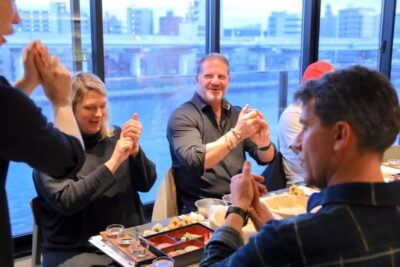
Roll and Authentic Sushi Making Class in Asakusa
Read our review →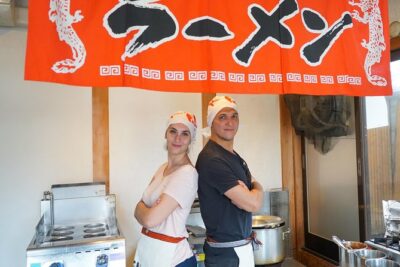
Ramen Cooking Class at Ramen Factory in Kyoto
Read our review →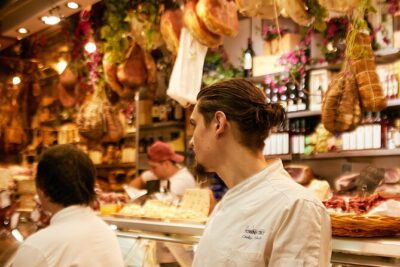
Small Group Cooking Class & Market Food Tour in Florence
Read our review →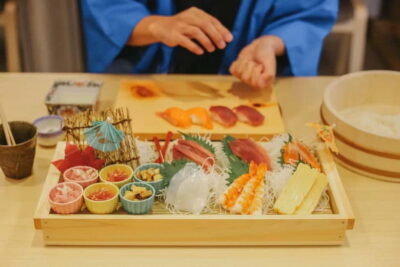
Sushi Making Class in a Happi Coat near a Famous Spot
Read our review →
Sushi Making Osaka Roll and Authentic Japanese Sushi Class
Read our review →
Tokyo Sushi Making Class in Tsukiji with Professional Chef
Read our review →Browse the lists this tour appears in