
REVIEW · TOKYO FOOD TOURS
Tokyo: Shinjuku Food Tour (13 Dishes at 4 Local Eateries)
Come hungry, leave better oriented. This three-hour Shinjuku food tour gives you a useful first taste of Tokyo’s eating culture, with 13 Japanese dishes served across four local spots. I like the variety, from an Omoide Yokocho food stall to an izakaya, traditional eatery, and gastrobar. I also like that two drinks, alcoholic or non-alcoholic, are included, so you are not reaching for your wallet at every stop.
The main caution is that the guide’s explanation can shape the whole experience. Many guides, including May, Hoshi, Igor, Elena, and Kei, have earned strong praise for clear English, warmth, and local tips. Still, some participants found the food explanations too brief, and one tour did not visit Golden Gai as expected. The route and depth of commentary may vary, so book this for a friendly introduction to Shinjuku rather than a guaranteed master class in Japanese cuisine.
The quick take
- Four food stops in three hours: Try dishes at a stall, izakaya, traditional Japanese eatery, and gastrobar without planning each reservation yourself.
- Thirteen tastings included: The food is paid for in advance, which makes the evening simple and keeps the group moving.
- Omoide Yokocho adds atmosphere: Narrow lanes and tiny izakayas provide one of Shinjuku’s most memorable settings.
- Golden Gai is part of the planned route: Its small postwar-era bars and tight alleys are a major reason to choose this tour, though the stop may not occur every time.
- Two drinks are covered: You can choose alcoholic or non-alcoholic options.
- Small group, with a limit of 12: That is intimate enough for conversation, though 12 people can still feel crowded in tiny restaurants.
Why Shinjuku works so well for a food tour
Shinjuku can feel like several cities pressed together. Around the station, tall buildings, flashing signs, department stores, nightlife streets, and tiny eating places all sit within walking distance. The trouble is not finding food. The trouble is knowing which door to open.
That is where a guide helps. You can spend an evening studying menus and trying to decode restaurant rules, or you can follow someone who already knows how to order several dishes for a group. The food tour removes much of that guesswork and gives you a quick introduction to the area at the same time.
I especially like the mix of settings. This is not one long meal in a single restaurant. You move from a street-side or stall-style stop to seated dining, then on through entertainment districts and narrow lanes. That change of pace helps you understand how food fits into Shinjuku’s nightlife.
The group limit is 12 people. That is a sensible size for a walking tour, though it is not truly private. A full group may feel tight inside the smallest eateries, especially when everyone is being served at once.
A few more food tours in Tokyo worth a look
- Tokyo Tsukiji Fish Market Food and Culture Walking Tour
★ 5.0 · 3,184 reviews - Tokyo: Shinjuku Food Tour (15 Dishes and 4 Eateries)
★ 4.9 · 2,033 reviews - Best of Shinjuku: Izakaya Food Tour (4 Stops, 14+ Tastings)
★ 5.0 · 1,863 reviews
Starting near Shinjuku Station
The meeting point is at AOKI Shinjukunishiguchi Honten, at 1-chōme-8-5 Nishishinjuku. This is near the west side of Shinjuku Station, one of Tokyo’s largest and most confusing transport hubs.
Give yourself extra time to reach the starting point. One participant arrived late after getting lost around the station, even though the guide waited and helped with directions. That is a useful warning: Shinjuku Station is easy to reach by train, but not always easy to exit correctly.
Your mobile ticket is accepted, and confirmation comes at booking. The tour is close to public transportation, and most people can take part. At the end, the walk finishes near the southeast exit of JR Shinjuku Station. If you prefer to return to the starting point, the guide can escort you back to the Starbucks meeting area.
The timing is practical for an evening activity. Three hours gives you enough time to eat and walk without turning the outing into a full-night commitment. Wear comfortable shoes. You will be walking between stops, and the food adds up quickly.
Omoide Yokocho: a narrow start with plenty of character
The first stop is Omoide Yokocho, a compact lane known for tiny izakayas and food stalls. The setting does much of the work here. You are surrounded by narrow passages, small counters, and closely packed eating places that feel very different from Tokyo’s polished department-store restaurants.
This is a good place to begin because it introduces the casual side of Japanese dining. Food comes in small portions, and the point is variety rather than one large plate. The tour includes food at one stall, giving you a chance to try something you might not confidently order alone.
That guidance matters. Several people appreciated being taken to places they would not have found or tried by themselves. A guide can explain what is being served, show you how to approach the counter, and keep the meal moving while the group samples several items.
This stop also has limitations. Omoide Yokocho is tight, and small eateries are not designed for large tour groups. If you want long, quiet explanations beside every dish, this may feel rushed. One person specifically felt that raw food arrived without enough instruction. If you have strong food preferences or need details about ingredients, tell the guide early.
Kabukicho: food beside Tokyo nightlife
The route continues toward Kabukicho, Tokyo’s best-known entertainment district. The guide explains the area and takes the group to a traditional Japanese restaurant. This part of the tour gives you more context than a simple meal because Kabukicho’s streets are closely tied to nightlife and entertainment.
The contrast with Omoide Yokocho is useful. Instead of tiny lanes alone, you begin to see the larger scale of Shinjuku’s evening scene. The guide may also point out sights along the way. One guide, Kei, added stops such as the giant 3-D cat and Godzilla perched on a building, along with an explanation of the red-light district.
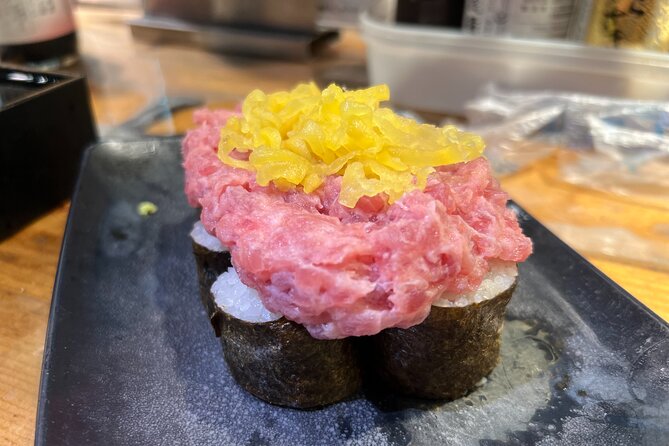
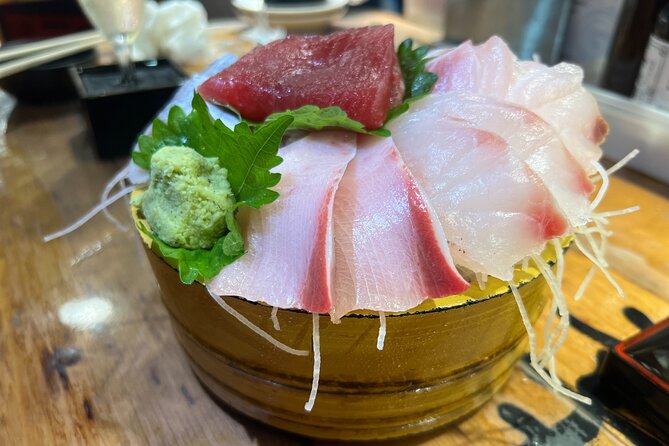
The food is one of the strongest parts of the tour for most participants. Dishes can include familiar Japanese favorites as well as items you may not order on your own. One person tried snails for the first time. Another highlighted tonkatsu, or breaded pork, at a restaurant described as the oldest of its kind.
You should not expect the same exact menu on every departure unless the operator confirms it directly. The experience promises 13 dishes, but the specific selection and order may change. That is normal for a food walk, but it matters if you are booking for one particular dish.
The guide’s role is especially important here. Hoshi was praised for excellent English and for explaining Japanese food and culture in a clear way. Nathan was appreciated for practical advice about the rest of a Tokyo trip. Those extra tips can be worth a lot when this is your first evening in the city.
Same city, a different table:
- Sushi Making Tokyo Roll and Authentic Japanese Sushi Class
★ 5.0 · 3,971 reviews - Tokyo: Roll and Authentic Sushi Making Class in Asakusa
★ 4.9 · 1,957 reviews - Tokyo: Sushi Making Class in a Happi Coat near a Famous Spot
★ 4.9 · 1,377 reviews - Sushi Making Tokyo! Popular Maki Sushi & Japanese Sushi(+Recipe!)
★ 5.0 · 1,314 reviews
Golden Gai: the stop worth confirming
Golden Gai is one of Shinjuku’s most distinctive areas. Its narrow alleys contain more than 200 tiny bars, many in old postwar buildings. Even if you do not enter a bar, walking through the lanes gives you a look at a part of Tokyo that is easy to miss behind the major streets.
The tour description includes Golden Gai as the final area, and its preserved architecture is a major draw. It is also a good setting for a guide to explain how Shinjuku changed over time and how the district’s nightlife works.
There is one practical concern: the planned Golden Gai visit may not always happen. At least one participant booked partly for this area and did not go there. If Golden Gai is essential to your decision, ask the operator before booking if the current route includes a walk through the alleys.
The final food stop is described as a gastrobar, and one account placed taiyaki, a sweet fish-shaped cake, at the end. That makes a pleasant finish after the savory dishes. Other accounts describe three restaurants plus a fourth dessert stop, while the tour details identify four eateries overall. The broad promise is clear: four food settings and 13 dishes. The exact arrangement can vary.
What you actually eat and drink
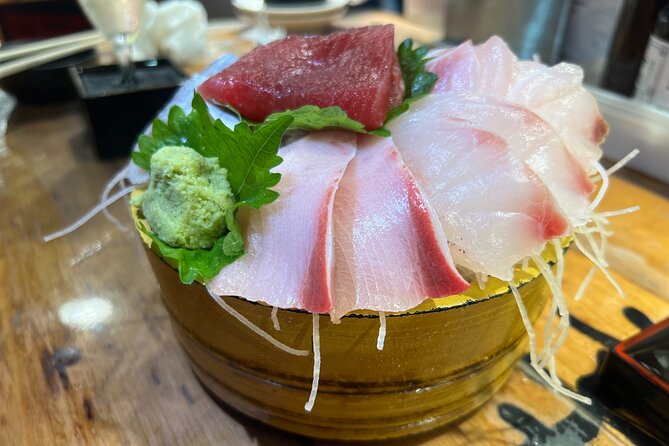
The tour covers 13 Japanese dishes, which is a strong amount of food for three hours. The portions are likely designed for tasting rather than a single oversized dinner, but you should still arrive with a healthy appetite. One person’s advice was simple: come hungry.
The selection is varied. Depending on the route, you may try food associated with an izakaya, traditional Japanese cooking, a stall, and a more modern gastrobar. Reports also mention tonkatsu, taiyaki, and unfamiliar items such as snails. This gives you a broad first look at Japanese flavors instead of repeating one kind of dish.
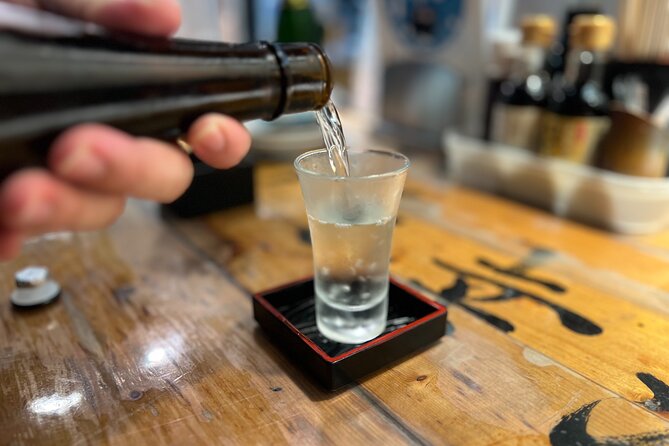
Two drinks are included, with alcoholic and non-alcoholic choices. That makes the price easier to understand because you are not paying separately for every small drink. If you do not drink alcohol, you are not left out of the experience.
The food quality appears uneven for some people. Most found it delicious, varied, and worth the outing. A small number felt the izakaya food was ordinary or disappointing, especially compared with places they found alone. That is the tradeoff with a group route: you gain access and structure, but your guide’s choices may not match your personal taste.
Dietary needs should be discussed before the tour or at the start. Kei was praised for paying attention to preferences and restrictions, but the available details do not promise a specific vegetarian, vegan, allergy-free, or religious-diet menu. Do not assume substitutions are possible.
The guide can make or break the evening
The strongest part of this experience is often the person leading it. May was praised for finding fun places and offering useful recommendations. Agathe helped a solo participant connect with other people in the group. Hoshi was praised for clear English and insight into Japanese food and culture.
Other well-regarded guides include Mak, Emma, Nathan, Lloyd, Izzy, Daiichi, Ami, Igor, Shane, Maya, Paula, and Elena. Their strengths varied, but the pattern is clear: a warm guide who explains the food and keeps the group moving can turn a simple series of meals into a memorable introduction to Shinjuku.
There are also limits. Some people wanted more information about each dish and restaurant. One person felt the group simply arrived, ate, and moved on. If your main goal is detailed culinary instruction, ask how much food explanation the current guide usually provides.
Mobility is worth considering as well. The walking pace was manageable for one person with a leg injury, and Lloyd helped a participant arrange taxis for a parent with mobility problems. Still, the tour involves walking through station areas, narrow streets, and restaurant districts. Tell the guide about mobility needs before the start so the route can be handled sensibly.
Is $86.22 a fair price?
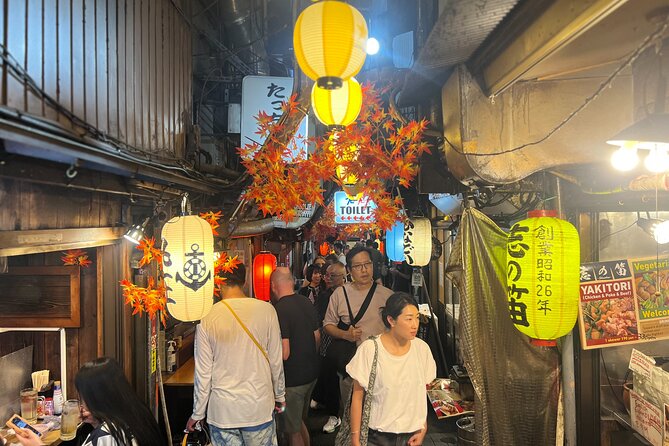
At $86.22 per person, this is not the cheapest way to eat in Shinjuku. You could order inexpensive dishes on your own for less, especially if you are comfortable reading menus, finding small restaurants, and handling unfamiliar ordering customs.
The value comes from the structure. You receive 13 tastings at four eateries, two drinks, a three-hour walking route, and a guide who handles the food choices. You also avoid stopping to pay at each place. For a first night in Tokyo, that convenience has real value.
I would judge the price by how much help you want. If you already know Shinjuku and enjoy planning meals yourself, you may find it expensive. If you want a guided introduction, prefer trying many small portions, or are nervous about choosing local places, the cost is easier to justify.
The small group helps. A limit of 12 keeps the outing more personal than a large coach tour, though a full group can still feel crowded in tiny eateries. The 99 percent recommendation rate and 4.9 rating show that the experience has worked very well for most people, but they should not erase the less positive points about food quality, explanations, and route changes.
Who should book this Shinjuku food tour?
I would recommend it to first-time visitors who want an easy introduction to Shinjuku’s food districts. It is also a good choice for solo people, couples, and small groups who want a social evening without committing to one formal restaurant.
You will get the most from it if you:
- Enjoy tasting many dishes rather than ordering one large meal
- Want a guide to explain local food and neighborhood customs
- Feel unsure about entering tiny izakayas alone
- Like walking through nightlife areas
- Want restaurant ideas for the rest of your Tokyo stay
- Are open to trying unfamiliar dishes
I would be more cautious if you need a fixed menu, detailed ingredient explanations, a guaranteed Golden Gai visit, or a quiet meal. The route is active, the venues are small, and the experience depends partly on the guide assigned to your group.
Free cancellation is available if you cancel at least 24 hours before the start time. Cancellations within 24 hours are not refunded, and changes inside that period are not accepted.
Should you book it?
Book this tour if you want a friendly, efficient first look at Shinjuku with plenty of food and little planning. The combination of Omoide Yokocho, Kabukicho, local eateries, included drinks, and a possible Golden Gai walk gives you a useful snapshot of the district.
Before paying, confirm two things: the current Golden Gai route and whether the food can accommodate your dietary needs. If those points work for you, this is a strong introduction to Tokyo eating, especially early in your trip when local guidance can shape the nights that follow. If you already have restaurant experience in Shinjuku, spend the money on a meal you choose yourself instead.
FAQ
How long does the Shinjuku food tour last?
The tour lasts approximately three hours. The route includes time at Omoide Yokocho, Kabukicho, and Shinjuku Golden Gai, along with food stops.
How many dishes are included?
The experience includes 13 Japanese dishes at four eateries. The food is included, so you do not need to stop and pay at each restaurant.
Are drinks included?
Yes. Two complimentary drinks are included, and you can choose alcoholic or non-alcoholic options.
Where does the tour start?
The meeting point is AOKI Shinjukunishiguchi Honten at 1-chōme-8-5 Nishishinjuku, Shinjuku City, Tokyo 160-0023, Japan.
Where does the tour finish?
The tour concludes near the southeast exit of JR Shinjuku Station. You can ask the guide to escort you back to the Starbucks meeting point instead.
What is the group size?
The tour has a maximum of 12 people. Most people can participate, and the meeting point is near public transportation.
Just added in Tokyo
- Tokyo: Allstar Food Tour★ 4.7 · 29 reviews
- Tokyo: West-Side Cycling and Food Tour with Guide★ 5.0 · 37 reviews
- Tokyo: Wagyu and Sushi Gastronomic Journey★ 4.3 · 24 reviews
- Tokyo: Togoshi Ginza Street Food Tour★ 5.0 · 34 reviews
- Tokyo Tsukiji Food & Culture Private Tour Licensed Guide★ 4.9 · 28 reviews
- Tokyo: Sushi and Ramen Cooking Class with Sake Pairing Set★ 5.0 · 81 reviews
- Tokyo: Sushi Making Class★ 4.9 · 390 reviews
- Tokyo: Ramen Tasting Tour with 6 Mini Bowls of Ramen★ 4.9 · 432 reviews
Tokyo Food Tours, compared.
Sushi Making Tokyo Roll and Authentic Japanese Sushi Class
Read our review →
Tokyo Tsukiji Fish Market Food and Culture Walking Tour
Read our review →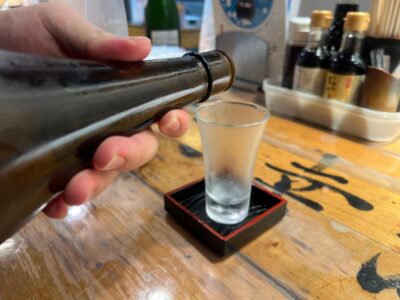
Shinjuku Food Tour (15 Dishes and 4 Eateries)
Read our review →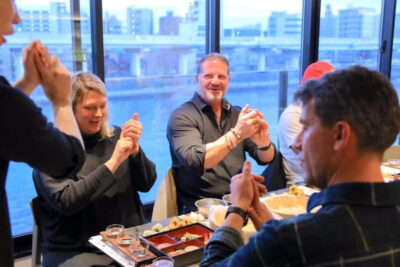
Roll and Authentic Sushi Making Class in Asakusa
Read our review →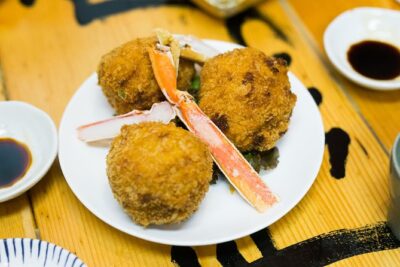
Best of Shinjuku: Izakaya Food Tour (4 Stops, 14+ Tastings)
Read our review →
Sushi Making Class in a Happi Coat near a Famous Spot
Read our review →
Sushi Making Tokyo! Popular Maki Sushi & Japanese Sushi(+Recipe!)
Read our review →
Tokyo Sushi Making Class in Tsukiji with Professional Chef
Read our review →Browse the lists this tour appears in