
REVIEW · JAPAN FOOD TOURS
Osaka: Wakayama Cat Train, Seafood market, Hot Springs Tour
Cats, tuna, cliffs, and hot springs? It works. I like the charming Tama story at Kishi Station and the chance to watch a tuna being cut at ToreTore Market. The main drawback is the long day, with up to four hours on the road and only brief visits at the coastal sights.
This $83 day trip gives you a lot for the money: round-trip transport from Osaka, a cat-themed train, a guide, and several Wakayama highlights in one outing. I also like the practical organization, especially the clear WhatsApp updates and friendly service praised by several visitors who traveled with guide Tiger. Just keep your expectations in check: the cat train ride itself is short, and the hot spring costs extra.
Key points to know before booking
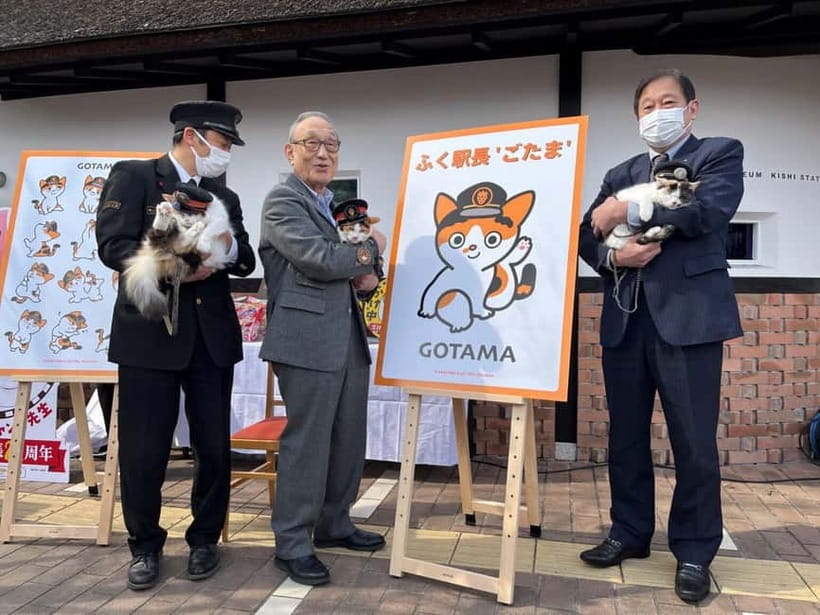
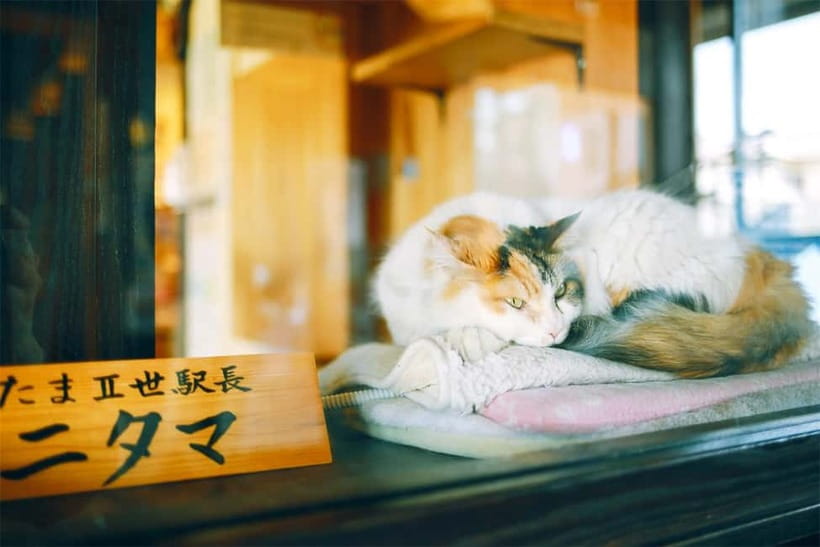
- Kishi Station has a real local story: The station was saved from closure after Tama, a calico cat, became its celebrated stationmaster. Her successor, Nitama, continues the tradition.
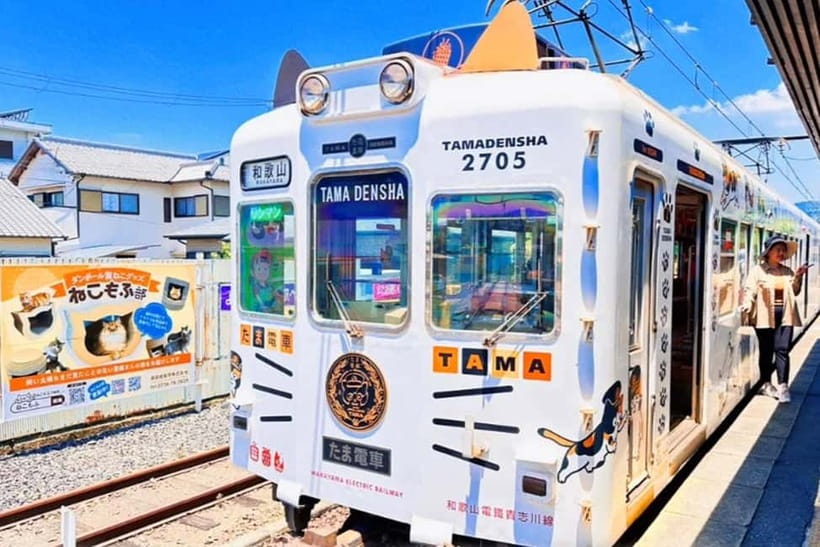
- The cat train is short but memorable: The themed rail ride lasts about 15 minutes, and the design may be Tama, Strawberry, or Toy Train depending on the day.
- ToreTore Market is the food highlight: You can watch a tuna-cutting show, then buy seafood for lunch at your own cost.
- Shirahama adds Japan’s oldest pleasures: The hot spring area is linked to more than 1,300 years of history, but entry is optional and tattoo rules may apply.
- The coast is dramatic and easy to reach: Senjojiki and Sandanbeki offer Pacific views, rock shelves, and sea caves without requiring a long hike.
- The guide matters on a multilingual tour: English, Japanese, and Chinese support is available, and Tiger received especially strong praise for communication and organization.
Why this unusual Wakayama day trip works
Wakayama is close enough to Osaka for a day visit, but it feels far removed from the city. Citrus groves, fishing towns, ocean cliffs, and small railway stations replace Osaka’s dense streets. This tour links several places that would be awkward to visit together without a car.
I like the mix of lighthearted and serious stops. The cat train is playful, while the market gives you a real look at regional food culture. The cliffs and caves then shift the mood again, with open sea and old legends.
The tradeoff is pace. You leave Nipponbashi Station at 8:30am and return around 6:40pm, although traffic can change that. This is not a slow country escape. It is a full sightseeing circuit with limited free time at each stop.
The $83 price is fair if you value convenience. It covers an air-conditioned vehicle, driver, guide, fuel, tolls, parking, and the cat train. You still pay for lunch, the hot spring, and Sandanbeki Cave, but arranging this route independently would require several rail and bus connections, careful timing, and local transport at the coast.
More Market Food Tours in Japan
- Tokyo Tsukiji Fish Market Food and Culture Walking Tour
★ 5.0 · 3,184 reviews - Nishiki Market Brunch Walking Tour (7 Tastings + Brunch)
★ 5.0 · 1,355 reviews - Tsukiji Fish Market Guided Tour and Sushi Making with Pro Chef
★ 5.0 · 775 reviews
Meeting at Nipponbashi and leaving Osaka
The meeting point is Nipponbashi Station Exit 2, at 1-chōme-3-6 Nipponbashi, in the Namba and Shinsaibashi area. Arrive at least 15 minutes early. This is important because several tour groups may gather nearby, and late arrivals are not refunded.
The operator sends the final details by email the evening before, including the driver, guide, vehicle, and meeting information. The vehicle depends on group size, so you may travel in a coach or another air-conditioned vehicle suited to the party.
The drive to Kishi Station takes about 1.5 hours. That is a useful block of time for the guide to explain the day, but it also sets the rhythm: this is a road trip first, with sightseeing stops built around the drive.
Bring comfortable shoes, a camera, and cash. Food is not allowed inside the vehicle, so plan to eat during the market stop rather than bringing snacks aboard.
Kishi Station and the Tama cat story
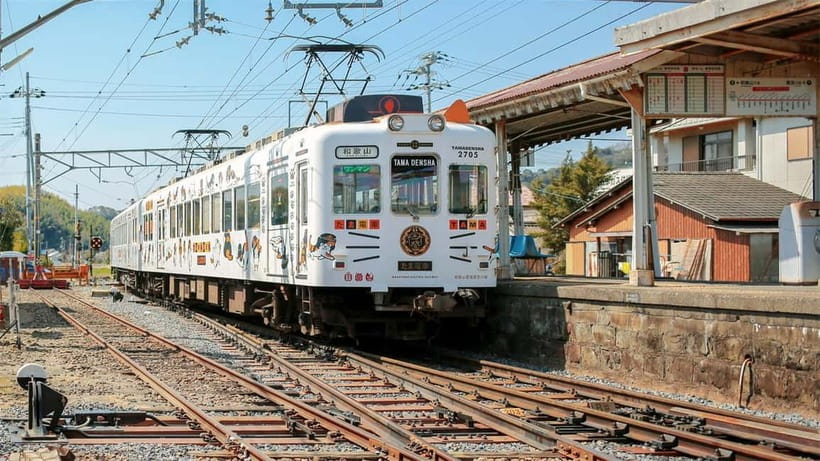
Kishi Station is the emotional opening act. Its exterior is shaped like a cat’s face, and the station became famous because of Tama, a calico cat who was appointed stationmaster after the local railway faced closure.
Tama greeted passengers and became a symbol of the community’s effort to keep the line alive. Her successor, Nitama, is now associated with the station. The story is charming, but it also shows how a small railway can become part of a town’s identity rather than just a way to get from one place to another.
Inside and around the station, you can browse the Tama Shop, look for cat stamps, visit the cat-themed café, and pick up small souvenirs. This is a compact stop, so do not expect a large museum or a long historical tour. Its appeal lies in the details and the unusual setting.
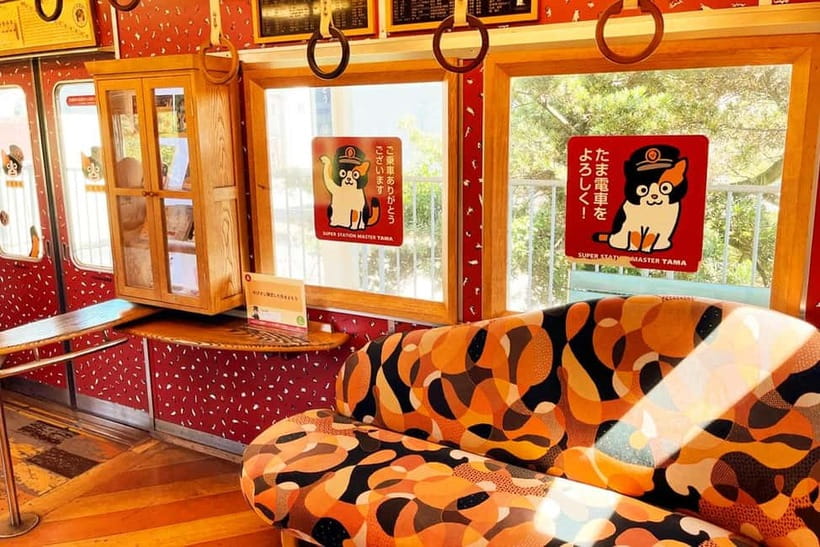
The train is the most photogenic part. Depending on the day’s schedule, you may board the Tama Train, Strawberry Train, or Toy Train. Each has a different look, so the exact design is not guaranteed.
One point deserves special attention: the themed train ride itself is around 15 minutes. The wider rail sequence may occupy more time, and the schedule includes a longer panoramic train portion, but you should not book this expecting hours inside a cat carriage. One visitor felt the cat train was less substantial than expected. That is a fair warning, especially for railway enthusiasts.
Still, the short ride works well as part of a larger day. You get a taste of Japan’s affection for themed local railways without spending most of the tour on a single attraction.
ToreTore Market and the live tuna cutting
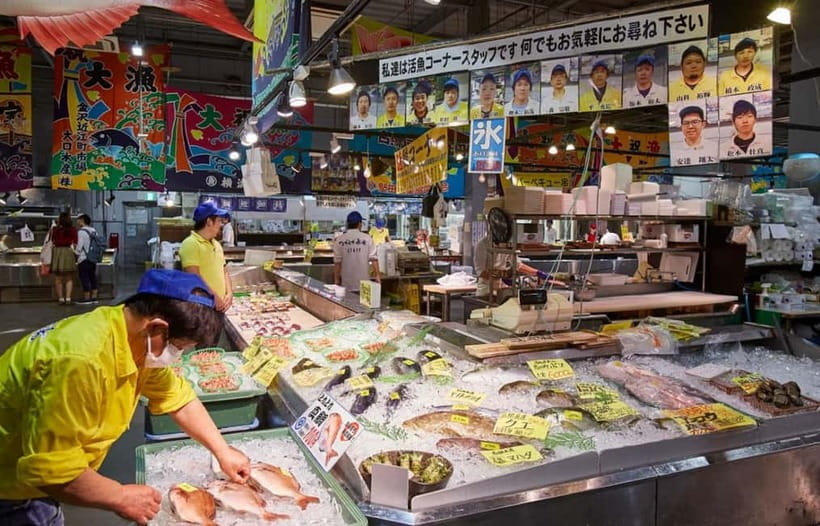
The trip then moves from railway charm to Wakayama’s food scene. ToreTore Ichiba is described as the largest seafood market in western Japan, and it is the place where the tour becomes especially useful for anyone who enjoys choosing lunch on the spot.
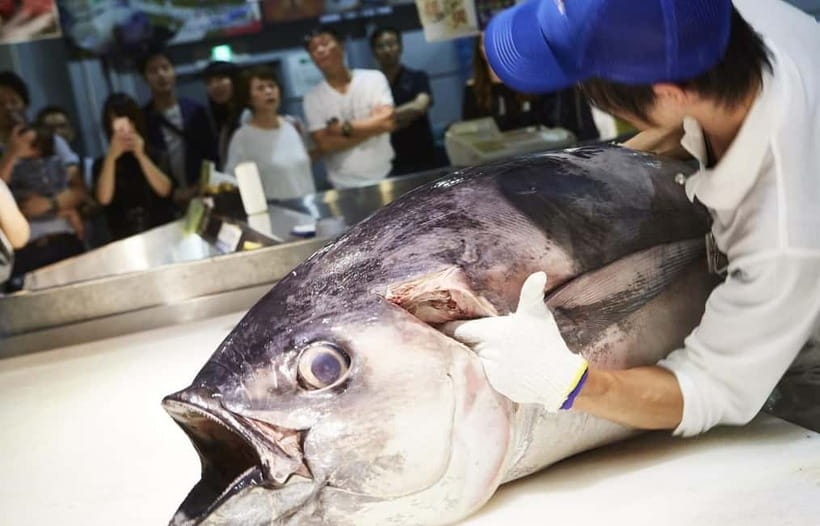
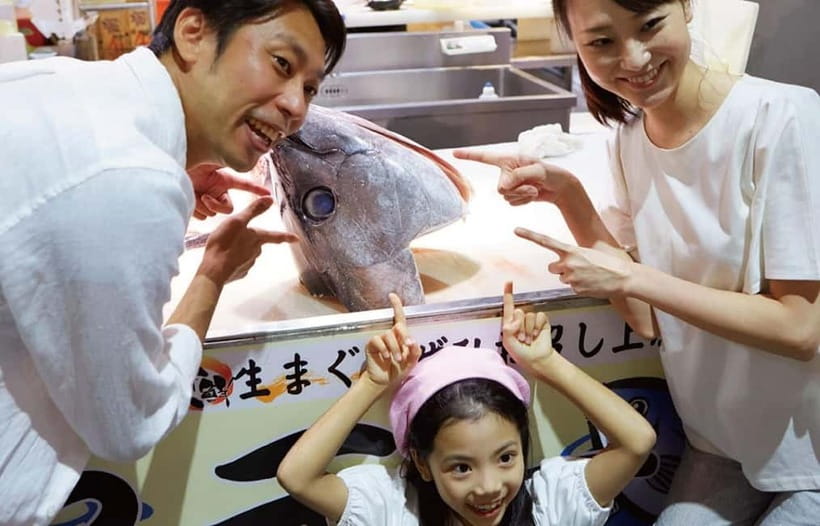
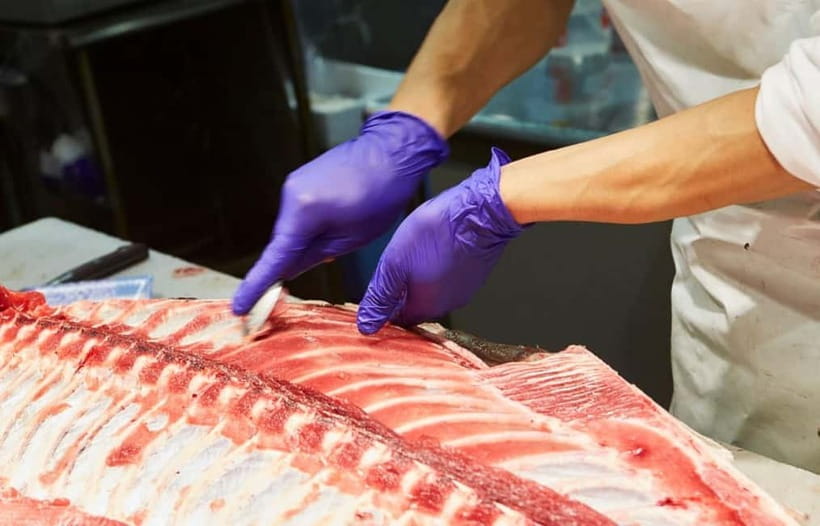
The tuna-cutting show is the main event. A large tuna is broken down with quick, practiced cuts while the presenter explains the fish’s anatomy. Shows run two or three times daily, but the exact time changes, so you may need some flexibility. Bad weather or other unexpected conditions can cancel the presentation.
This is more than a photo opportunity. You get a close look at how a whole fish becomes the sashimi, grilled cuts, and other portions you see at Japanese markets. If seafood is new to you, the guide can help you understand what you are looking at.
Lunch is not included, and that is actually useful here. You can choose what suits your appetite and budget. Options include tuna sashimi bowls, grilled seafood, octopus rice, and other market dishes. Some areas also allow you to buy products and cook them at BBQ tables, according to one visitor’s experience.
Allow yourself time for the souvenir section as well. Seasoned seafood, packaged foods, regional specialties, and small gifts make this a practical shopping stop. The market visit lasts about two hours, but some people may wish for even more time. If you are focused on eating, shopping, and the cutting show, keep an eye on the departure time.
More Seafood Tours in Japan
- Tokyo: Tsukiji Fish Market Food and Culture Walking Tour
★ 4.7 · 757 reviews - Tsukiji Fish Market: Street Food & Culture Walking Tour
★ 5.0 · 669 reviews - Tsukiji Fish Market Small-Group Food Walking Tour
★ 5.0 · 621 reviews - Tokyo: Tsukiji Fish Market Sushi Making Class with Pro Chef
★ 4.9 · 506 reviews
Optional Shirahama hot spring time
The hot spring stop adds a traditional Japanese element, but you need to budget for it separately. Toretore Onsen is associated with more than 1,300 years of history and is described as one of Shirahama’s oldest and best-known baths.
The water is a sodium bicarbonate spring, known for a smooth feel on the skin. The facility also features a salt-stone bedrock bath, presented as Japan’s first of its kind. The setting is tied to old Japanese texts and visits by emperors, giving the stop more cultural weight than a simple hotel spa.
The key word is optional. If you want to soak, bring cash and allow time to change and bathe. If you prefer to stay dry, the tour continues to the coast.
Tattoo policies require caution. Entry may be restricted for people with tattoos, so check before booking if this applies to you. Japanese bath customs also mean you should be ready to wash before entering the water and follow the facility’s rules.
The stop will suit you best if you like a calm break after the market. It may feel less worthwhile if you want maximum time at the cliffs, since the day already has several scheduled stops.
Senjojiki Rock Plateau and the Pacific view
Senjojiki means something like a thousand tatami mats, a fitting name for broad layers of rock shaped by the sea. You stand on massive slabs facing the Pacific, with waves breaking below and open sky around you.
The visit lasts about 30 minutes. That is enough for photographs and a short walk, but not enough for a long coastal ramble. Wear shoes with a good grip, especially if the rock is wet. You should stay away from exposed edges and obey local warnings.
Timing can make a real difference here. If the schedule reaches Senjojiki near sunset, the light over the water can be striking. Sunset is not guaranteed, though, because the tour order and traffic may change.
I like this stop because it gives the day breathing room after the market. You are no longer looking at displays or navigating a station. You are simply facing the Pacific, with the sound of water doing most of the work.
Sandanbeki Cave and old coastal legends
Sandanbeki is another quick coastal stop, but it offers a different view of the same shoreline. Here, an elevator takes you 36 meters down to sea-level caves.
The caves were once associated with Heian-era pirates, and displays recreate stories connected with that past. Natural erosion has shaped the rock walls and chambers, giving the visit a strong sense of place without requiring a strenuous descent on foot.
Admission is not included. You should decide before the day begins if the extra fee is worthwhile, since the stop itself lasts around 30 minutes.
The cave is a good match for anyone who likes unusual geology and old stories. It may disappoint if you expect a large underground complex or a long guided exploration. Think of it as a compact coastal attraction that complements Senjojiki rather than a full-day cave tour.
The long ride back to Osaka
The return drive takes about 2.5 hours, and traffic can extend it, especially on weekends, public holidays, and busy travel periods. The guide may change the order of stops, shorten visits, or reduce the number of stops to keep the day moving.
That flexibility is sensible, but it means you should not treat the printed timing as exact. You may arrive back near 6:40pm, yet Osaka traffic can alter the final arrival.
This is where a good guide makes a real difference. Tiger was repeatedly praised for being organized, friendly, and attentive to where everyone was. He also used WhatsApp updates in English and Chinese and offered restaurant suggestions for the evening. One visitor who spoke English while much of the group did not said Tiger gave extra help at the market, including advice on what to buy and cook.
The multilingual setup is a real advantage, but you should still expect some group-tour compromises. Explanations may be given in several languages, and the pace may not suit everyone equally.
Who will enjoy this tour most?
I would choose this tour if you want to see several sides of Wakayama without renting a car or working out a complicated route. It suits first-time visitors who like food, unusual local stories, scenic viewpoints, and a little Japanese bathing culture.
Families and mixed-age groups may appreciate the variety. The cat station keeps the day playful, the market gives you freedom at lunchtime, and the cliffs provide easy scenic stops. The tour is also a good option for anyone staying in Osaka who wants a countryside and coast day without changing hotels.
You should think twice if you dislike long bus rides or prefer spending most of the day in one place. Wheelchair users cannot take this tour, and the rock areas may not suit anyone who has difficulty walking on uneven ground.
Practical advice for getting more from the day
- Arrive early at Nipponbashi Exit 2. Do not rely on finding the group at the last minute.
- Bring cash for lunch, souvenirs, the hot spring, and Sandanbeki Cave.
- Wear walking shoes with a firm sole for the coastal rock areas.
- Ask the guide about the tuna show as soon as you reach the market.
- Keep lunch flexible. You may want to choose a sashimi bowl, grilled seafood, or food to cook at the BBQ tables.
- Do not assume you will get a particular cat train design. The Tama, Strawberry, and Toy trains rotate according to the daily schedule.
- If you want the onsen, check tattoo rules before departure.
- Keep your evening in Osaka open. The planned return is around 6:40pm, but traffic can change that.
Should you book this Wakayama day trip?
Book it if you want variety and convenience more than slow travel. For $83, you get transport, a guide, the cat train, and a full route covering Kishi Station, ToreTore Market, Shirahama, Senjojiki, and Sandanbeki. That is strong value for a 10-hour day.
Skip it if the cat train is your main reason for going. The ride is short, and the exact train design changes daily. Also skip it if you want a long onsen visit or an unhurried coastal walk.
For most visitors based in Osaka, I think the mix works. The best parts are the Tama story, fresh market lunch, dramatic Pacific views, and the careful guidance from people such as Tiger. Just accept the long road time, bring cash, and treat the schedule as flexible rather than fixed.
FAQ
Where does the tour begin?
It begins at Nipponbashi Station Exit 2, near the Namba and Shinsaibashi area, at 1-chōme-3-6 Nipponbashi, Chuo Ward, Osaka.
What time should I arrive?
The departure time is 8:30am. You should arrive at least 15 minutes early because several groups may meet in the area.
How long does the tour last?
The advertised duration is 10 hours, with an estimated return to Osaka around 6:40pm. Traffic and schedule changes can affect the arrival time.
Which languages are available?
Live guide support is available in English, Japanese, and Chinese.
Which cat train will I ride?
The train design depends on the daily schedule. The available designs include the Tama Train, Strawberry Train, and Toy Train.
How long is the cat-themed train ride?
The cat-themed portion lasts around 15 minutes. The wider rail schedule may include additional train travel.
Is lunch included?
No. Lunch is at your own expense at ToreTore Market, where you can choose from seafood dishes and other foods.
Is the hot spring included?
No. Hot spring entry is optional and costs extra. People with tattoos may face restrictions at the bath.
Is Sandanbeki Cave admission included?
No. Admission to Sandanbeki Cave is optional and costs extra.
More Shopping Tours in Japan
- Kuromon Market Food Walking Tour in Osaka (6 stops, 6 tastes)
★ 5.0 · 550 reviews - Kyoto Nishiki Market Food and Culture Walking Tour
★ 5.0 · 412 reviews - Osaka: Kuromon Market Food Walking Tour (6 stops, 6 tastes)
★ 4.6 · 272 reviews - Tsukiji Fish Market: Street Food & Culture Walking Tour
★ 4.8 · 259 reviews
More Train Experiences in Japan
- Hanoi: Guided Food Tour with Train Street Visit
★ 4.9 · 6,239 reviews - Hanoi: Street Food Tour with Train Street & Hidden Alleyways
★ 5.0 · 2,831 reviews - Hanoi: Guided Street Food Tour with Train Street Experience
★ 4.9 · 2,479 reviews - Hanoi Walking Street Food Tour with Train-Street Visit
★ 5.0 · 857 reviews
Just added in Japan
- Tokyo : Asakusa Food Tour – 12 Dishes & 3 Drinks★ 5.0 · 44 reviews
- Tokyo: Asakusa & Sensoji ー Oldest Temple Walking Tour (2hrs)★ 5.0 · 213 reviews
- Asakusa Highlights: Street Food Crawl Tour (7+ Local Bites)★ 5.0 · 206 reviews
- Tokyo: Allstar Food Tour★ 4.7 · 29 reviews
- Tokyo: West-Side Cycling and Food Tour with Guide★ 5.0 · 37 reviews
- Tokyo: Togoshi Ginza Street Food Tour★ 5.0 · 34 reviews
- Tokyo Tsukiji Food & Culture Private Tour Licensed Guide★ 4.9 · 28 reviews
- Tokyo: Wagyu and Sushi Gastronomic Journey★ 4.3 · 24 reviews
Market Food Tours, compared.

Tokyo Tsukiji Fish Market Food and Culture Walking Tour
Read our review →
London Bridge & Borough Market Food Tour with 7 Authentic Dishes
Read our review →
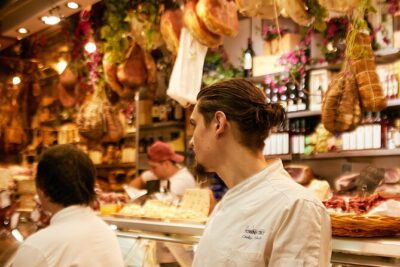
Small Group Cooking Class & Market Food Tour in Florence
Read our review →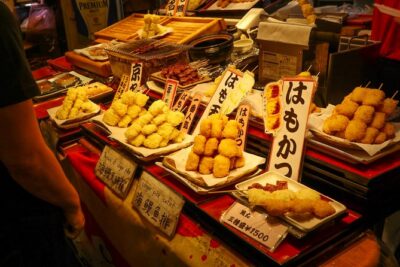
Nishiki Market Brunch Walking Tour (7 Tastings + Brunch)
Read our review →
Bologna Food & Market Tour with 6 Tastings, Pasta, Wines & More
Read our review →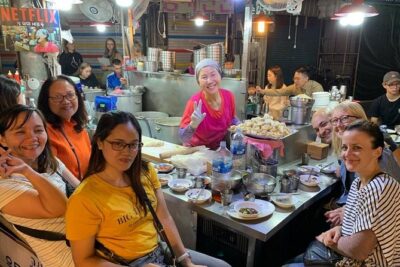
Browse the lists this tour appears in