
REVIEW · JAPAN FOOD TOURS
Tokyo: Asakusa & Sensoji ー Oldest Temple Walking Tour (2hrs)
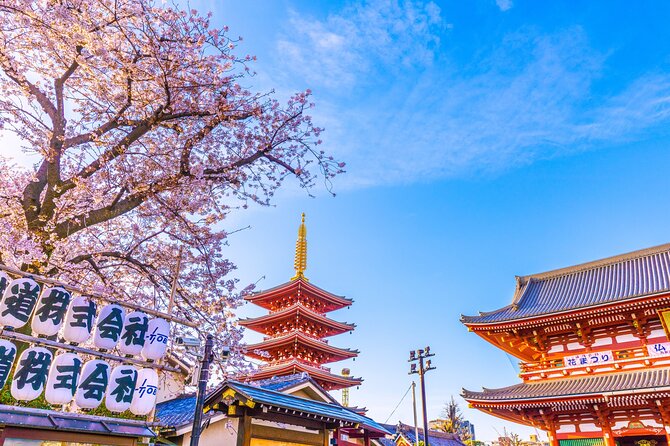
Old Tokyo still feels close here. This two-hour walk brings you through Sensoji Temple, Nakamise shopping street, local snack stops, and old-style Asakusa streets with a guide who can explain what you are seeing. I like the mix of temple customs and ordinary neighborhood life, especially the chance to see a supermarket, knife shop, sword store, and local sweets shop alongside Tokyo’s best-known Buddhist site.
I also like the small group size, capped at 15 people, and the gentle pace. Guides such as Keiko, Yui, Josh, Nono, Nanami, Naruto, Aiko, and Naoto have been praised for making the walk friendly and clear. The main caution is the food tasting: it is presented as part of the experience, but it may not always happen as expected, so you should not book this solely for included snacks.
Key points at a glance
- Kaminarimon and Sensoji: Learn the meaning behind the Thunder Gate before entering Tokyo’s oldest temple.
- Temple customs: Try a fortune, wash your hands, use incense smoke for purification, and make a traditional prayer.
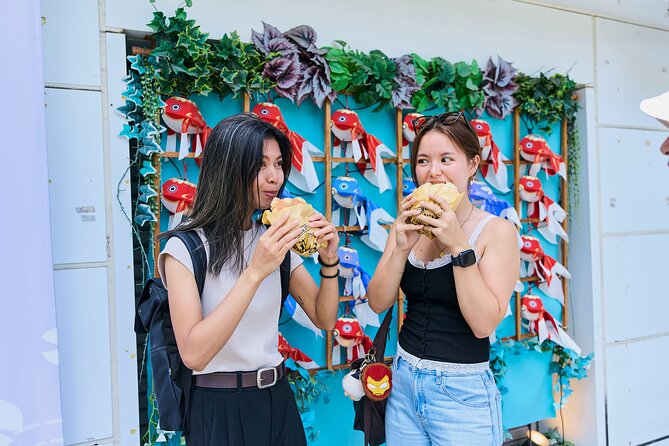
- Old Edo shopping streets: See melon bread, menchi-katsu, skewers, sweets, kimono shops, and traditional storefronts.
- Unusual local stops: The route can include a matcha sweets shop, a pro chef knife shop, sword stores, and a supermarket.
- Small group format: The tour accepts a maximum of 15 people and lasts about two hours.
- Flexible guiding: Several guides have been praised for adapting the walk to families, tired visitors, and individual interests.
Why Asakusa works so well for a first Tokyo walk
Asakusa gives you a useful introduction to Tokyo without requiring a full day. The district combines a major Buddhist temple, a Shinto shrine, food stands, souvenir stores, old-fashioned shops, and places where local residents still spend time.
That mixture matters. You are not simply walking from one famous photo point to another. You get a look at how sacred spaces, shopping lanes, food stalls, and everyday Japanese retail fit together.
The tour begins at the Kaminarimon Police Box, at 1-chome-3-1 Asakusa. That is a practical meeting point because the guide can gather the group near the outer gate of Sensoji. The tour ends back at the meeting point, so you do not need to plan a complicated pickup at the far side of the neighborhood.
At $19.90 per person, I see this as a reasonable orientation walk. Admission to the listed stops is free, and the value comes from knowing where to look, understanding temple customs, and finding shops you might otherwise pass without noticing. It is not a bargain if you expect a large meal or extensive guided sightseeing, but it offers a useful first look for a modest price.
Other food tours people book in Japan:
- Tokyo: Shinjuku Food Tour (13 Dishes at 4 Local Eateries)
★ 5.0 · 6,603 reviews - Sushi Making Tokyo Roll and Authentic Japanese Sushi Class
★ 5.0 · 3,971 reviews - Tokyo Tsukiji Fish Market Food and Culture Walking Tour
★ 5.0 · 3,184 reviews
Kaminarimon explains Asakusa before the crowds take over
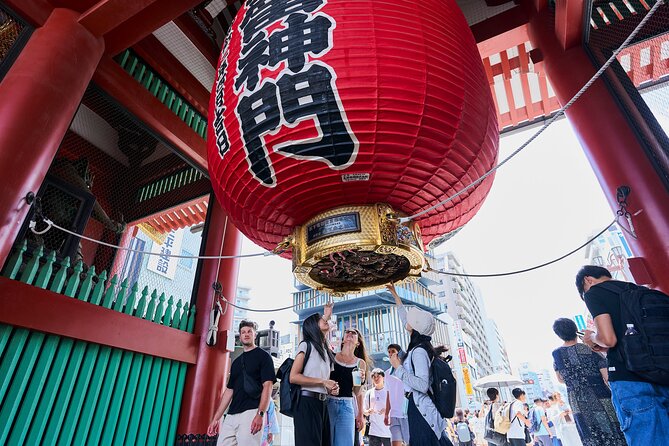
The first stop is Nakamise Shopping Street at Kaminarimon, the outer gate of Sensoji. Your guide explains the gate’s official name, its history, and the meaning of its famous features.
This short introduction is more useful than it may sound. Kaminarimon is one of the most photographed entrances in Tokyo, and many people hurry through it for a picture. A guide gives you a reason to pause and look at the details instead of treating the gate as a simple backdrop.
The stop lasts about 20 minutes, with no admission charge. That makes it a relaxed start, although the area can feel busy because it is one of Asakusa’s best-known meeting points. Keep your ears open for the guide and stay close to the group near the entrance.
Nakamise Street turns temple shopping into part of the visit
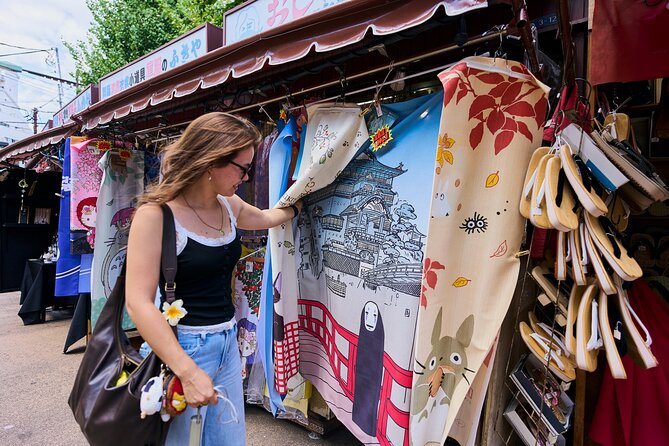
From Kaminarimon, the route continues along Nakamise Street. This long shopping lane leads toward Sensoji and is lined with souvenir shops and food stands.
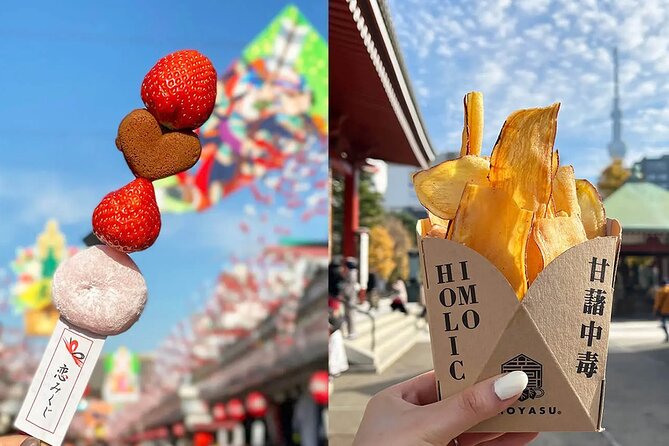
You can browse traditional-style gifts and sample local street food along the way. The route also includes snack stands, small shops, traditional storefronts, and melon bread. These are the stops that give the walk its practical value: your guide can point out what is worth trying instead of leaving you to sort through every display alone.
I would keep some room in your budget for purchases. The tour price does not mean every food item or souvenir is included, and the information does not promise a fixed tasting menu. You may get food advice or a chance to try something, but the details can vary.
The shopping street is also a good place to notice the change in mood as you approach the temple. The stalls feel commercial, but they are tied directly to the movement of people visiting Sensoji. That combination of worship and shopping is part of Asakusa’s character.
Sensoji offers simple ways to take part
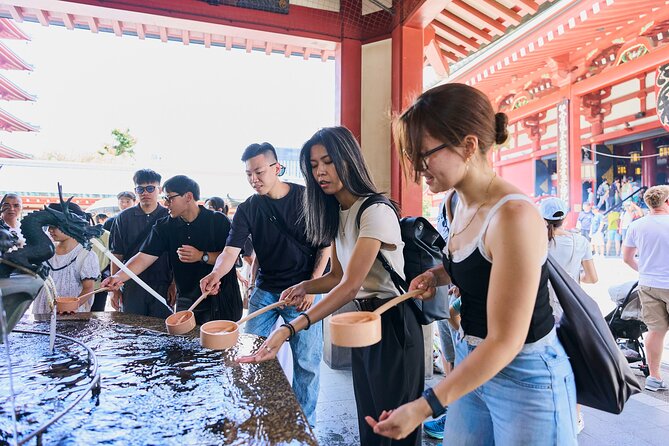
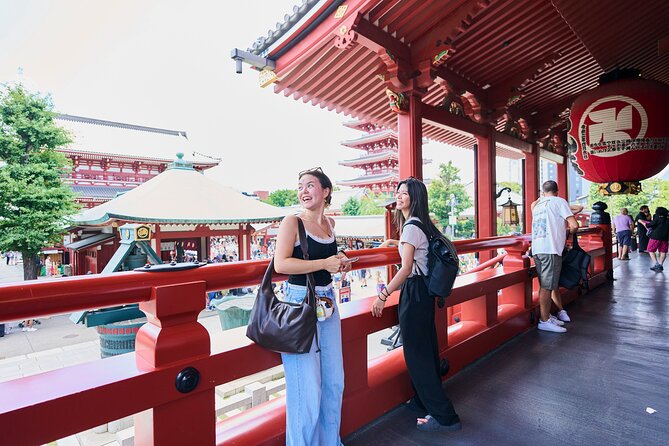
Sensoji is Tokyo’s oldest temple and the central sight on this walk. Here, the guide helps you understand several customs rather than simply pointing out the main hall.
You can draw a fortune, purify your hands with water, use incense smoke, and offer a traditional prayer. These activities give you a way to participate respectfully. You do not need prior knowledge of Buddhist practice, and the guide’s explanation can help you avoid treating the rituals as random photo opportunities.
The temple visit lasts about 20 minutes. That is enough for an introduction, but not enough for a full study of every building, artwork, or religious detail. If Sensoji is your main reason for visiting Asakusa, you may want to return later on your own.
The listing also describes this as a rare place where a Buddhist temple and Shinto shrine coexist. That makes the area especially useful for visitors trying to understand Japan’s religious traditions. Your guide can help explain the difference between the two settings and how they appear within the same neighborhood.
Several guides have been praised for making this part accessible. Yui was singled out for clear explanations of Sensoji and Asakusa, while Naoto was described as professional, engaging, and good at making the visit feel personal. Those comments suggest that the quality of your experience depends heavily on the individual guide, but the overall format gives the guide plenty to work with.
Same city, a different table:
- Osaka: Shinsekai Food Tour with 13-15 Dishes at 5 Eateries
★ 4.8 · 2,204 reviews - Osaka Food Tour: 13 Dishes at 5 Local Eateries
★ 5.0 · 2,149 reviews - Tokyo: Shinjuku Food Tour (15 Dishes and 4 Eateries)
★ 4.9 · 2,033 reviews - Tokyo: Roll and Authentic Sushi Making Class in Asakusa
★ 4.9 · 1,957 reviews
Yogodo adds quieter details and a good photo stop
The Yogodo area is a short five-minute stop, but it changes the pace. It includes a goshuin desk, a pond with koi fish, and rows of Jizo statues connected with a well-known story.
This is the kind of detail that is easy to miss when you stay only on the main route. The pond provides a calmer setting, while the Jizo statues offer another chance to learn about religious imagery and local customs.
If you collect goshuin, the temple seal desk may interest you. The tour information identifies the desk, but it does not state that a seal is included in the tour price. Bring your own notebook if you collect them, and ask the guide about the proper process.
The area is also described as a popular photo spot. It is a better place for thoughtful pictures than the main gate, where people are often moving in several directions.
Matcha sweets provide a brief taste of local shopping
The stop at Kaminari Issa lasts about five minutes. This local sweets shop specializes in matcha and may offer matcha soft serve, matcha truffles, and seasonal desserts.
It is a short stop, not a full tasting session. The focus is on seeing a shop with a strong local flavor and trying or choosing a sweet if the timing and availability allow it.
This is also where you should keep expectations in check. One person found that the promised food tasting did not take place, even though the guide remained helpful and informative. The experience description includes local food with tasting, but you should treat that as a possible part of the walk rather than a guaranteed meal or set of samples.
If you like green tea flavors, this stop could be a highlight. If you do not, the surrounding shopping streets still provide other food choices, including melon bread and savory snacks.
Hoppy Street shows Asakusa’s everyday side
Hoppy Street is one of the more distinctive stops. Your guide points out locals enjoying daytime drinks and shops connected with old Edo-style Asakusa, including sword stores and kimono shops.
The point is not simply to take a drink. It is to see a side of the district that feels less polished than the temple approach. Hoppy Street helps show how Asakusa functions as a living neighborhood, not only as a sightseeing zone.
The stop lasts about 10 minutes, so you will not have much time to settle in. Instead, expect a quick look at the street, its shops, and its local atmosphere. The guide can explain what you are seeing and direct you toward places worth revisiting later.
For many people, this will be one of the best parts of the tour. The temple is famous, but a row of old shops and daytime diners can tell you just as much about the district’s character.
Edo-style lanes bring food, stores, and odd details together
The route also passes through a lively street styled after old Edo, with playful storefronts, retro touches, and unusual vending machines. Along the way, you might find menchi-katsu, skewers, and other street foods.
Menchi-katsu is a fried minced-meat cutlet, and it is a useful example of the sort of quick local food you can find in the area. The walk does not promise that every snack is included, so plan to pay separately if you want to try something.
This part of the route works well for curious eaters and shoppers. You can look for small gifts, watch how food is prepared, and compare the modern vending machines with the older shopfronts around them.
The route description contains a few separate street-walking sections without exact timing. That means the total pace may vary depending on the guide, group, and shop activity. In practice, you should expect a compact neighborhood walk rather than a tightly timed museum-style tour.
Knife shops and sword stores add a craft angle
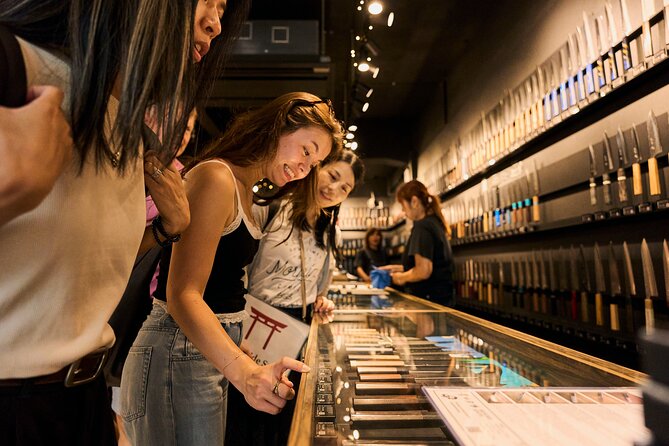
One of the more unusual features is the chance to be introduced to a local knife shop, if you are interested. You may see traditional sharpening in action and learn why Japanese knives are respected for precision and craftsmanship.
This is a strong addition for cooks, food lovers, and anyone interested in Japanese working traditions. It gives you a look at skill and maintenance rather than just finished products on a shelf.
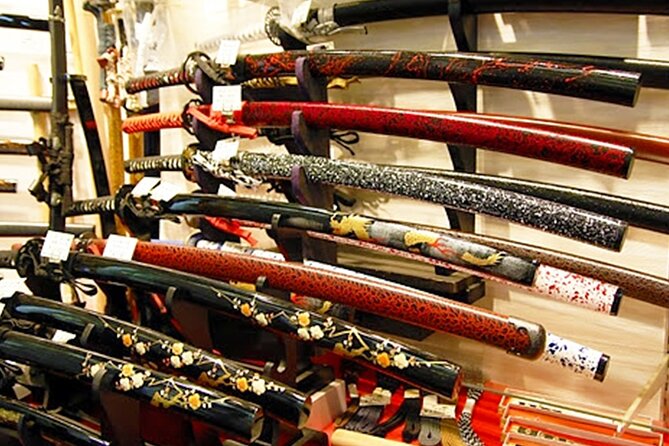
The description also mentions a samurai sword and ninja gear store, along with sword shops along the route. These stores add a bit of fun, but remember that the tour is not presented as a specialist weapons history walk. The guide may introduce the shop and explain its place in Asakusa, while the depth of the stop can depend on interest and time.
The supermarket finish makes the experience practical
The final scheduled stop is Ozeki Asakusa Kaminarimon Grocery and Supermarket. You can browse everyday Japanese groceries and look for souvenirs that are different from the standard temple gifts.
I like this ending because it brings the tour back to ordinary life. A supermarket can show you food packaging, snacks, seasonings, and daily shopping habits in a way that a souvenir street cannot.
The stop lasts about 10 minutes. That is enough to browse, but you should not expect a full shopping trip. If you find something you want, have your payment ready and check that you can carry it comfortably for the rest of your day.
The tour then ends back at the meeting point. That makes it easy to continue exploring Asakusa, return to a nearby station, or revisit a shop you noticed earlier.
What the guides do especially well
The strongest part of this experience is the human element. Keiko was praised for adding handwritten cards with food items to try and stickers for younger participants. That kind of small gesture can make the walk more engaging for families.
Nono was praised for being patient and adapting the tour for a parent and daughter dealing with jet lag. Josh was described as a local who spoke English well and kept the walk informative without making it too tiring.
Other comments praised Nanami’s warmth, and Naruto and Aiko were appreciated for being helpful and friendly. The common thread is not a single scripted performance. It is the ability to explain local customs, answer questions, and adjust the route or pace to the group.
That matters because Asakusa can feel confusing at first. There are many lanes, shops, gates, stalls, and religious buildings close together. A good guide helps you decide what deserves attention.
Who should book this two-hour walk
I would recommend this experience to a first-time Tokyo visitor who wants an easy introduction to Asakusa. It is also a good fit if you enjoy food, shopping, local customs, and short explanations more than long museum visits.
Families may appreciate the manageable two-hour length and the possibility of a guide who makes the walk fun for children. It can also suit tired visitors who want structure without a long day on their feet. One person specifically praised the tour as informative without too much walking.
You may want something else if you want a detailed religious tour, a guaranteed food itinerary, or several hours inside Sensoji. The food tasting is the main point to clarify before booking, especially if snacks are central to your plans.
The group limit is 15 people, which is small enough for questions but not necessarily private. The activity is near public transportation, and most people can participate. You receive booking confirmation at the time of purchase, and the mobile ticket keeps the start simple.
You can cancel for a full refund up to 24 hours before the start time. Cancellations or changes made within 24 hours are not refunded or accepted, based on local time.
Final call: a useful Asakusa introduction at a fair price
I would book this tour if you want a friendly overview of Sensoji and the surrounding streets, with food ideas and local shops added along the way. At $19.90, the price is fair for a two-hour guided orientation, especially if your guide is as attentive as Keiko, Yui, Josh, Nono, Nanami, Naruto, Aiko, or Naoto.
Just set the right expectation. You are paying for context, direction, and local help, not a full meal or a private temple lecture. If you can accept that, this walk gives you a good first map of Asakusa and several reasons to keep exploring after the guide says goodbye.
FAQ
How long does the Asakusa and Sensoji tour last?
The tour lasts approximately two hours.
What is the price?
The listed price is $19.90 per person.
Where does the tour begin?
It begins at the Kaminarimon Police Box at 1-chome-3-1 Asakusa, Taito City, Tokyo 111-0032, Japan.
Where does the tour finish?
The activity ends back at the meeting point.
Is Sensoji Temple included?
Yes. The route includes Sensoji Temple, Tokyo’s oldest temple.
Does the tour include food tasting?
The experience includes local food with tasting in its description, but one booking did not receive the expected tasting. Treat food sampling as subject to the circumstances of the tour rather than a guaranteed meal.
Is admission to the stops included?
The listed stops show no admission charge. The tour price does not state that food, souvenirs, goshuin, or other purchases are included.
How many people can join?
The tour has a maximum group size of 15 people.
Is the tour available with a mobile ticket?
Yes. A mobile ticket is available.
Can I cancel for a full refund?
Yes, if you cancel at least 24 hours before the experience start time. Cancellations within 24 hours are not refunded, and changes within that period are not accepted.
Just added in Japan
- Tokyo : Asakusa Food Tour – 12 Dishes & 3 Drinks★ 5.0 · 44 reviews
- Asakusa Highlights: Street Food Crawl Tour (7+ Local Bites)★ 5.0 · 206 reviews
- Tokyo: Allstar Food Tour★ 4.7 · 29 reviews
- Tokyo: West-Side Cycling and Food Tour with Guide★ 5.0 · 37 reviews
- Tokyo: Togoshi Ginza Street Food Tour★ 5.0 · 34 reviews
- Tokyo Tsukiji Food & Culture Private Tour Licensed Guide★ 4.9 · 28 reviews
- Tokyo: Wagyu and Sushi Gastronomic Journey★ 4.3 · 24 reviews
- Tokyo: Sushi and Ramen Cooking Class with Sake Pairing Set★ 5.0 · 81 reviews
Japan Food Tours, compared.
Shinjuku Food Tour (13 Dishes at 4 Local Eateries)
Read our review →
Sushi Making Tokyo Roll and Authentic Japanese Sushi Class
Read our review →
Tokyo Tsukiji Fish Market Food and Culture Walking Tour
Read our review →
Shinsekai Food Tour with 13-15 Dishes at 5 Eateries
Read our review →
Osaka Food Tour: 13 Dishes at 5 Local Eateries
Read our review →
Shinjuku Food Tour (15 Dishes and 4 Eateries)
Read our review →
Roll and Authentic Sushi Making Class in Asakusa
Read our review →
Ramen Cooking Class at Ramen Factory in Kyoto
Read our review →Browse the lists this tour appears in